Table of Contents
Three Key Takeaways
- Daisy Johnson’s Guardians of the Wild intimately connects disparate environmental guardians across Mexico’s diverse ecosystems through a shared commitment to conservation.
- The film’s production demanded adaptability and resilience, with a small, versatile crew tackling remote locations to capture the raw beauty and complex realities of coastal preservation.
- Johnson’s personal connection to the landscapes and communities shines through, infusing the documentary with heartfelt authenticity and a sense of urgent care for the planet.
Daisy Johnson’s short documentary Guardians of the Wild has been selected for the Blue Water Film Festival, offering a poignant look at environmental guardians protecting Mexico’s fragile coastlines.
Featuring the work of director Benjamin Soto, known for his evocative sports documentaries, the film transports viewers from the deserts of Baja California to the nesting beaches of Oaxaca.
Johnson’s deeply personal lens captures a mosaic of conservation stories, underscoring the interconnectedness of ecosystems and the people devoted to their defense.
Q&A Interview
What drew you to make this film? Why this story, and why now?
What pulled me into making this film was the need to give a voice and a space to all these small struggles that might seem disconnected at first—because they’re happening in different territories and ecosystems —but are actually deeply linked by a shared purpose and this kind of invisible thread that connects them all. I think the world, and our society, really needs to understand the complexity of ecosystems, and especially how complex it is to care for and protect our planet.
What surprised you most about the filmmaking process this time—creatively or logistically? Was there a moment on set or in post that completely changed how you saw the story?
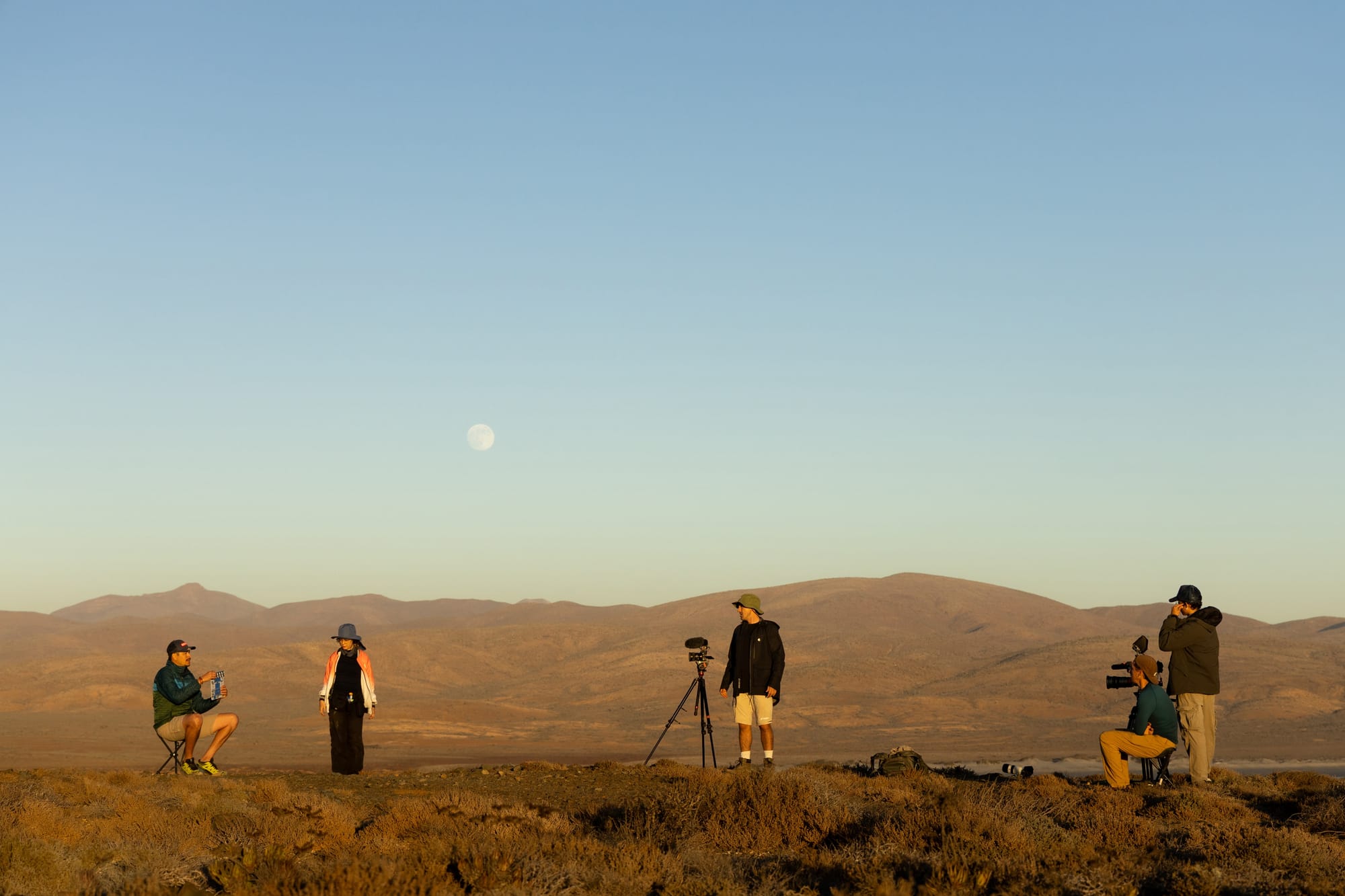
What surprised me the most—both creatively and logistically—was realizing just how remote the locations in Valle de los cirios really are. I couldn’t fully grasp how hard it would be to access those places, or how complicated it would be to film, sleep, eat, and live out there for so long and across so many kilometers. And at the same time, it ended up being a truly beautiful and memorable experience that reshaped how I saw the story and what it takes to tell it.

Is there a moment in the film that feels the most you—something only you could have made?
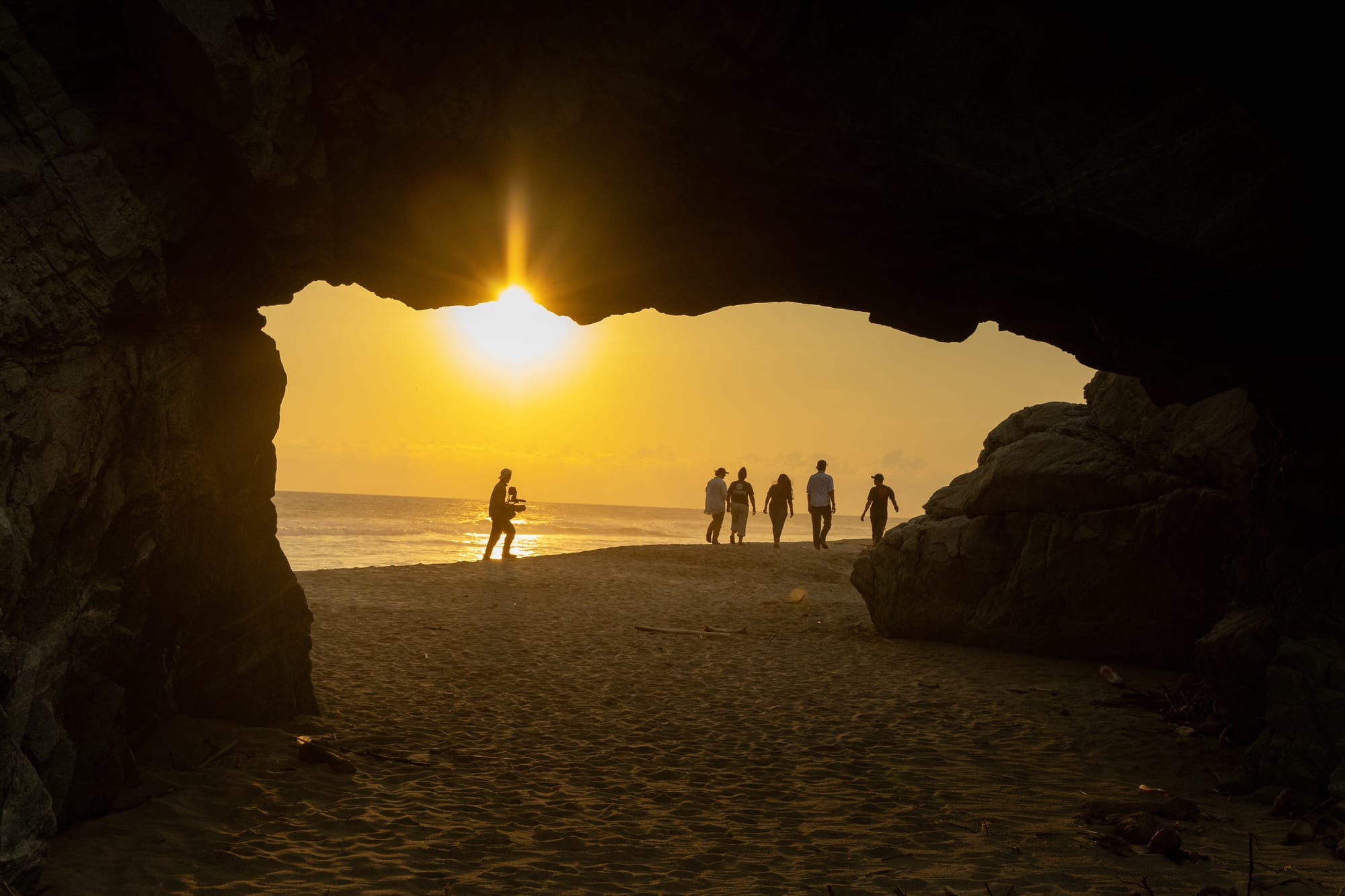
I think it’s the closeness—the way I’m connected to the ecosystem and to the people who protect it. Mexico isn’t just my country; it’s where I go on vacation, where I work, where my family lives. I was filming in places that are deeply tied to my own story and my heart—like Oaxaca and the coasts where I grew up, or Baja, which is a newer place for me but one that completely captured me and keeps pulling me back. I think the film carries a bit of that real love—something that goes beyond any project. I would have been there anyway, even without a camera, having those same conversations, even if we weren’t filming.
What was the hardest creative decision you made while making this film?
The hardest creative decision was reshaping the original script and cutting out some characters. There were so many stories and so many guardians I felt deeply connected to, and a few of them had to be left out. Personally, it hurt a lot to make that call and to replace some of those voices with voiceovers we recorded later, outside the territory. I wasn’t completely satisfied with that decision in the end, but I had to accept it because of the complexity of the message we were trying to tell.
“I think the film carries a bit of that real love—something that goes beyond any project.”
What do you hope audiences take away from your film?
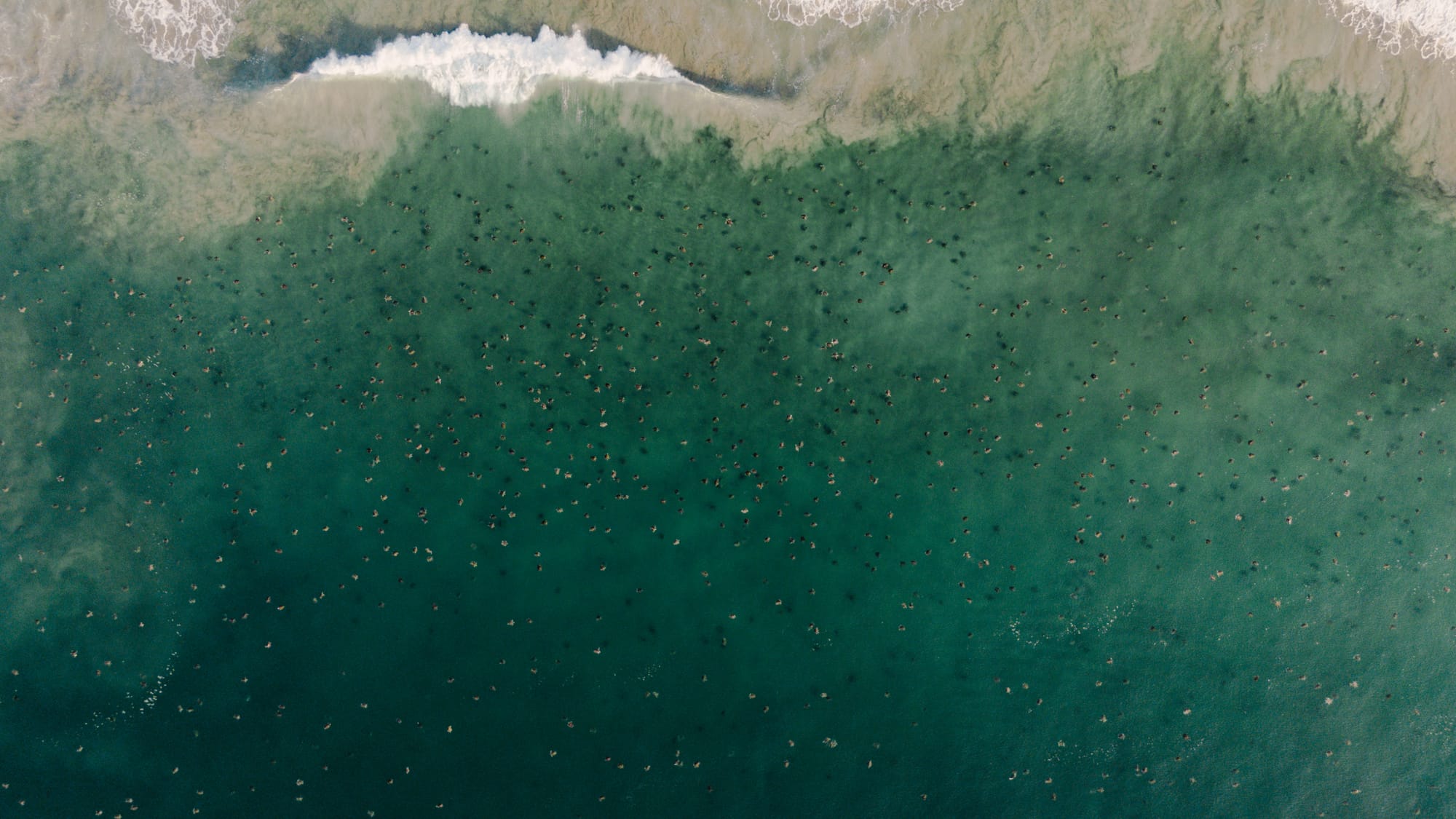
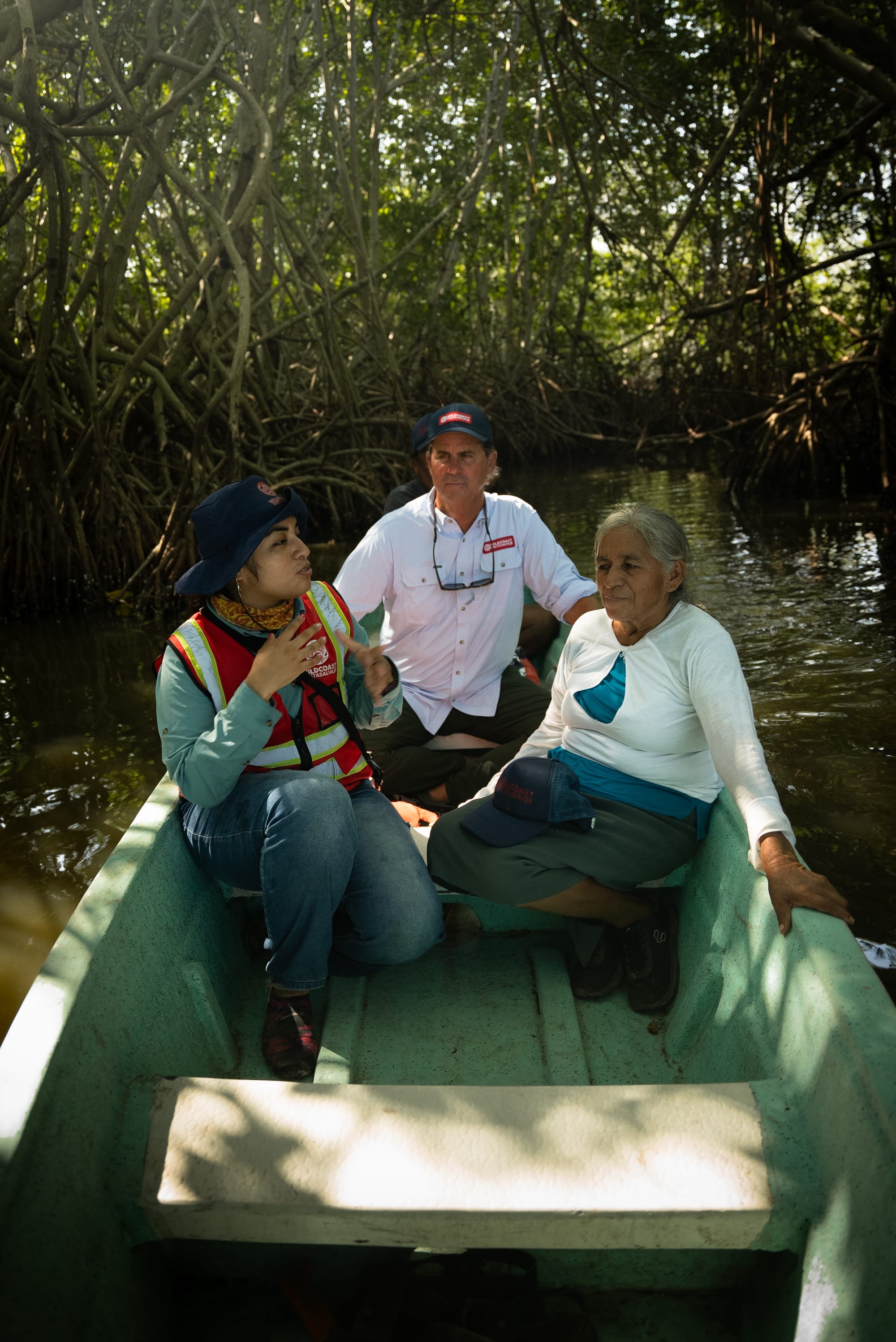
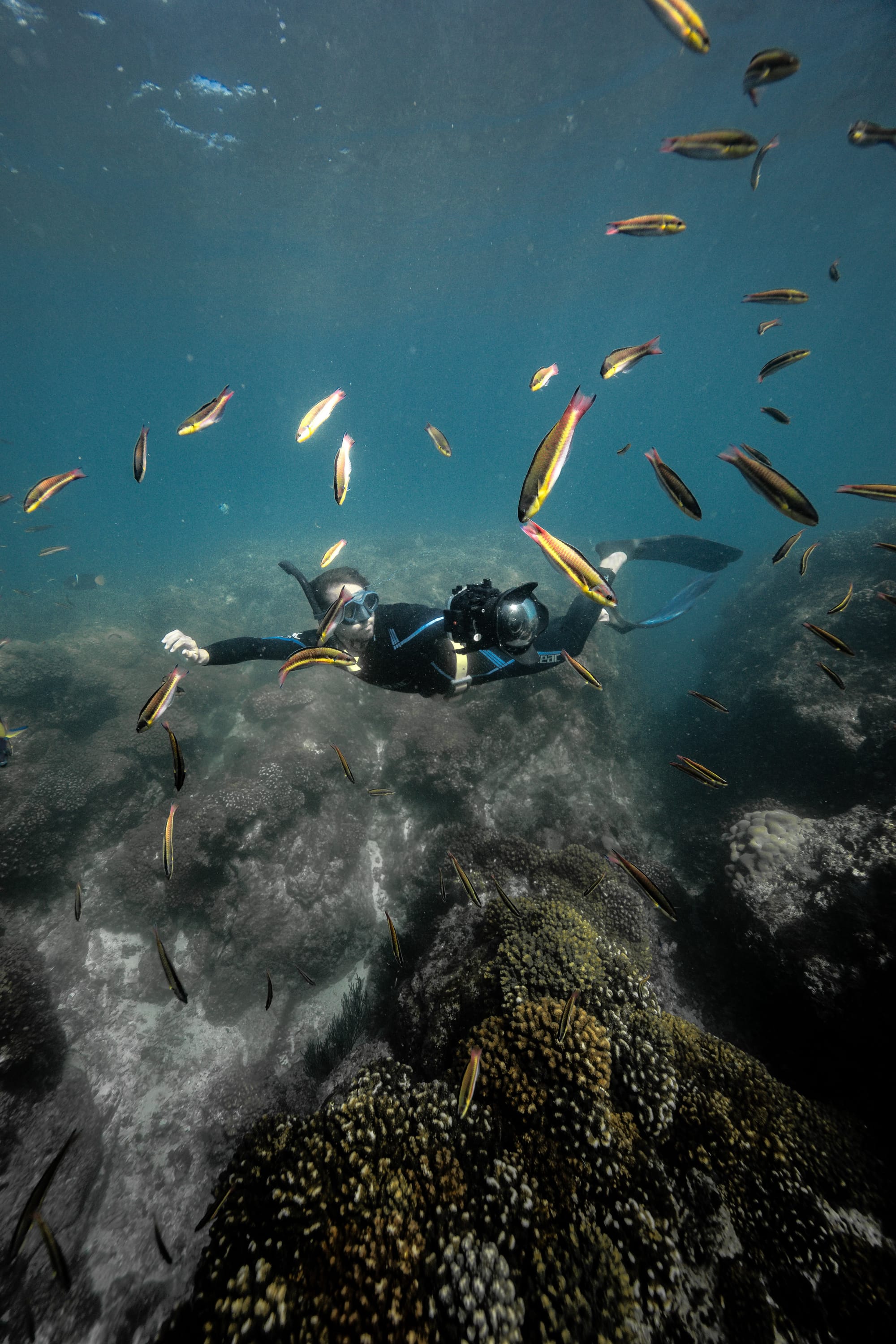
Our film is about boots-on-the-ground ocean conservation and climate action heroes in remote places who are dedicated to saving our ocean, coastlines and the wildlife that lives there. Meet the indigenous women collectives planting mangroves to fight climate change, the unsung heroes stopping sea turtle poaching and coastal development, and those who are safeguarding coral reefs, marine protected areas and wildlands to create a better world for generations to come.
How has this film shaped or shifted the kind of stories you want to tell next?
It made it really clear to me that I want to tell stories that keep me grounded—feet on the earth, hands in the water, dust on my face. Being that closely connected to the elements was an incredible experience, and it’s something I want more of. I’m looking for projects that feel just as raw and real.
What’s a tool, technique, or resource that really helped you during production?
Definitely the crew—and their willingness to be versatile. We shot the whole project with a four-person team where everyone could pick up the camera, fly the drone, run an interview, and also handle batteries or offload cards. That only works with people who aren’t just highly specialized, but cross-trained—people who can operate in remote locations and jump across different roles and departments when needed.
Independent filmmakers often rewrite the rules out of necessity. What do you think is the greatest strength of independent filmmaking, and how did you lean into that on this project? Is there a lesson or breakthrough you’d share with others navigating this path?
I think the biggest strength is the ability to actually enjoy the process, no matter the resources or the conditions. In this field, there are always going to be limitations—you can always ask for more. But if you let that get in the way of the joy of making the best thing you can with what you have, everything falls apart. You’ve got to choose projects that are close to your heart, because the talent that comes from passion is, without a doubt, your strongest tool.
“You’ve got to choose projects that are close to your heart, because the talent that comes from passion is, without a doubt, your strongest tool.”
What does it mean to you to have your film selected for Blue Water Film Festival?
It means a lot. It’s always really special to know that the work we’ve poured so much care into will actually be watched with attention and intention. No matter how good a project is, if it ends up being watched on a phone, in a rush, with noise and interruptions, in the wrong setting, a lot of it gets lost. Festivals don’t just offer curation—they create the space for people to give the experience their full attention. And these days, attention is the most valuable resource there is.
How do you hope being part of Blue Water Film Festival will shape the life of this film?
I see Blue Water as a great starting point—a way for people who live close to the ocean to connect with Costa Salvaje and discover new ways to support and get to know the guardians who are taking care of an ecosystem that belongs to all of us.
Where do you see this film going next?
For the future, it’s definitely about continuing these stories. Like I mentioned before, there were a lot of characters we couldn’t include and many stories we’re still eager to tell. Hopefully this first piece opens the door—bringing new ways and more resources to keep sharing these struggles and the important work that’s being done.
“Festivals don’t just offer curation—they create the space for people to give the experience their full attention.”
Official Trailer of Guardians of the Wild
“At the core of all my work is a desire to enjoy the beauty of this world.”