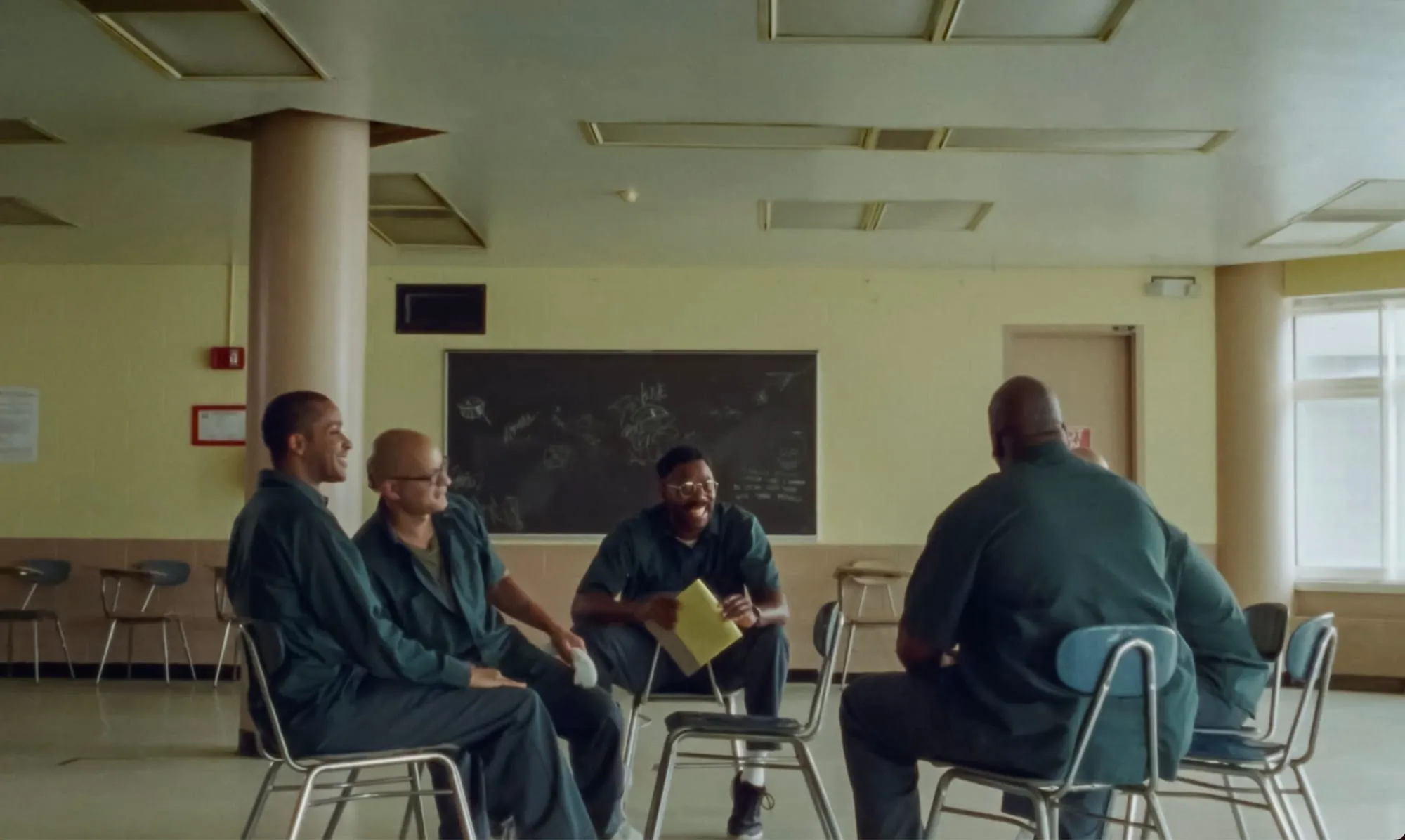
The story behind A24’s Sing Sing begins long before the camera started rolling. Set in a maximum-security prison with the same name, the story follows incarcerated men who meet in a rehearsal room to practice for their upcoming show. Eventually, a program called Rehabilitation Through the Arts was formed, aimed at giving these men a creative outlet during their time in prison.
Greg Kwedar's 2024 film stars Coleman Domingo as John ‘Divine G’ Whitefield. Alongside Domingo are ex-incarcerated men themselves, including Clarence Maclin, Sean Dino Johnson, and Divine G himself. These formerly incarcerated men bring Sing Sing to life by telling their own stories.
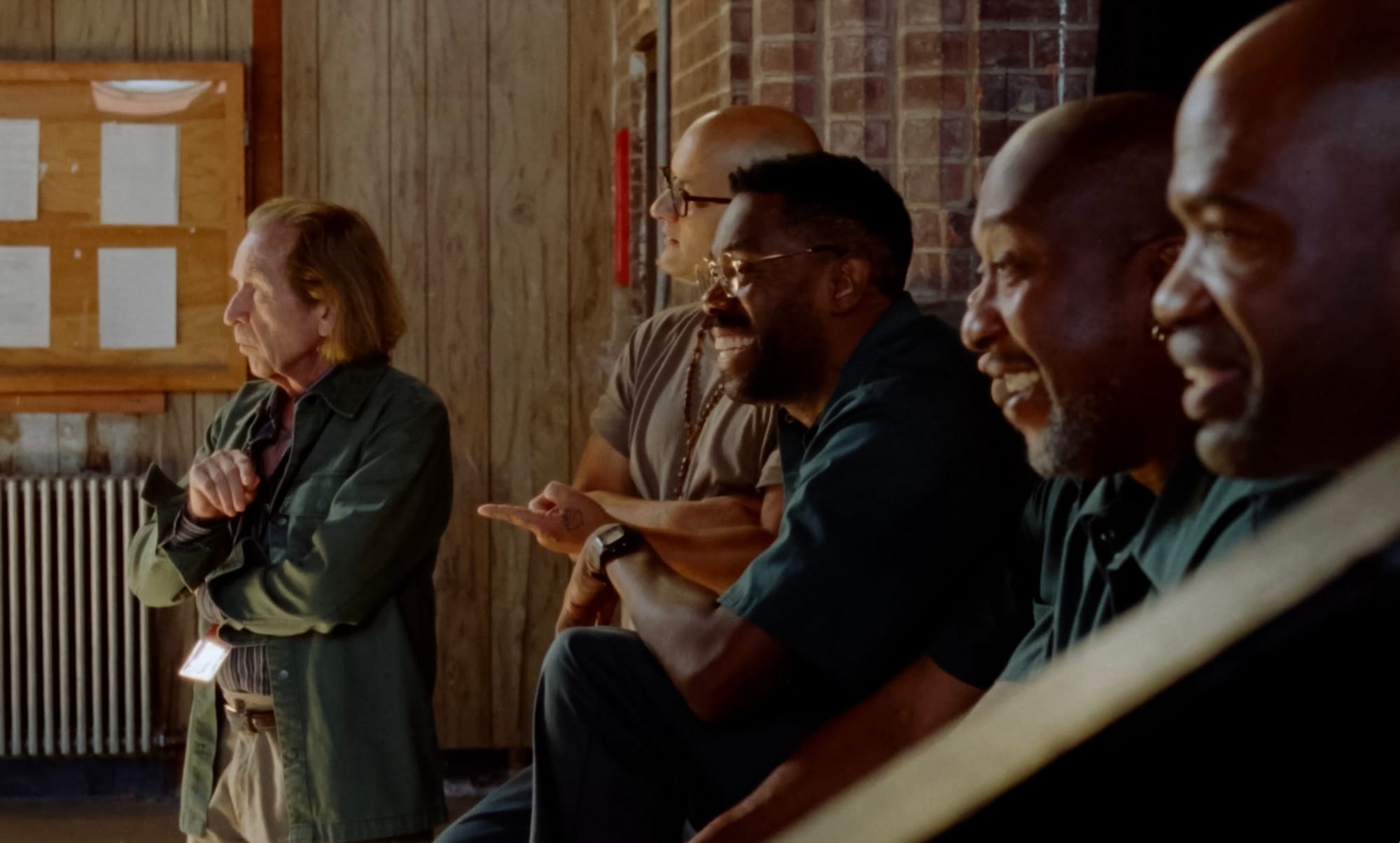
For years, prison movies have been mostly about escape attempts and violence, but Sing Sing takes a different approach by giving these men an outlet to create. They become more raw and emotional with each other. At the center of the film is a group of men led by Domingo, each from a different background. Some have years of theater experience, and some have never acted a day in their lives. The film follows Divine G as he joins this established group. Their usual play is something more serious, but Divine believes that they should switch it up and try a comedy; after some convincing, the men agree.
Brent Buell, a real-life theater director who works with incarcerated performers, leads the group. Another man, Clarence “Divine Eye” Maclin, playing himself, joins the group. At first, he is hesitant and very aggressive around the men; he struggles to fully embrace the world of acting. One conversation in particular is when Divine G is trying to convince Clarence to embrace the group. He tells him that within the group they call each other ‘beloved’ instead of the n-word. He explains that it can sometimes come off as harsh and mean. Calling each other something soft like ‘beloved’ encourages the men to be more emotionally open with each other.
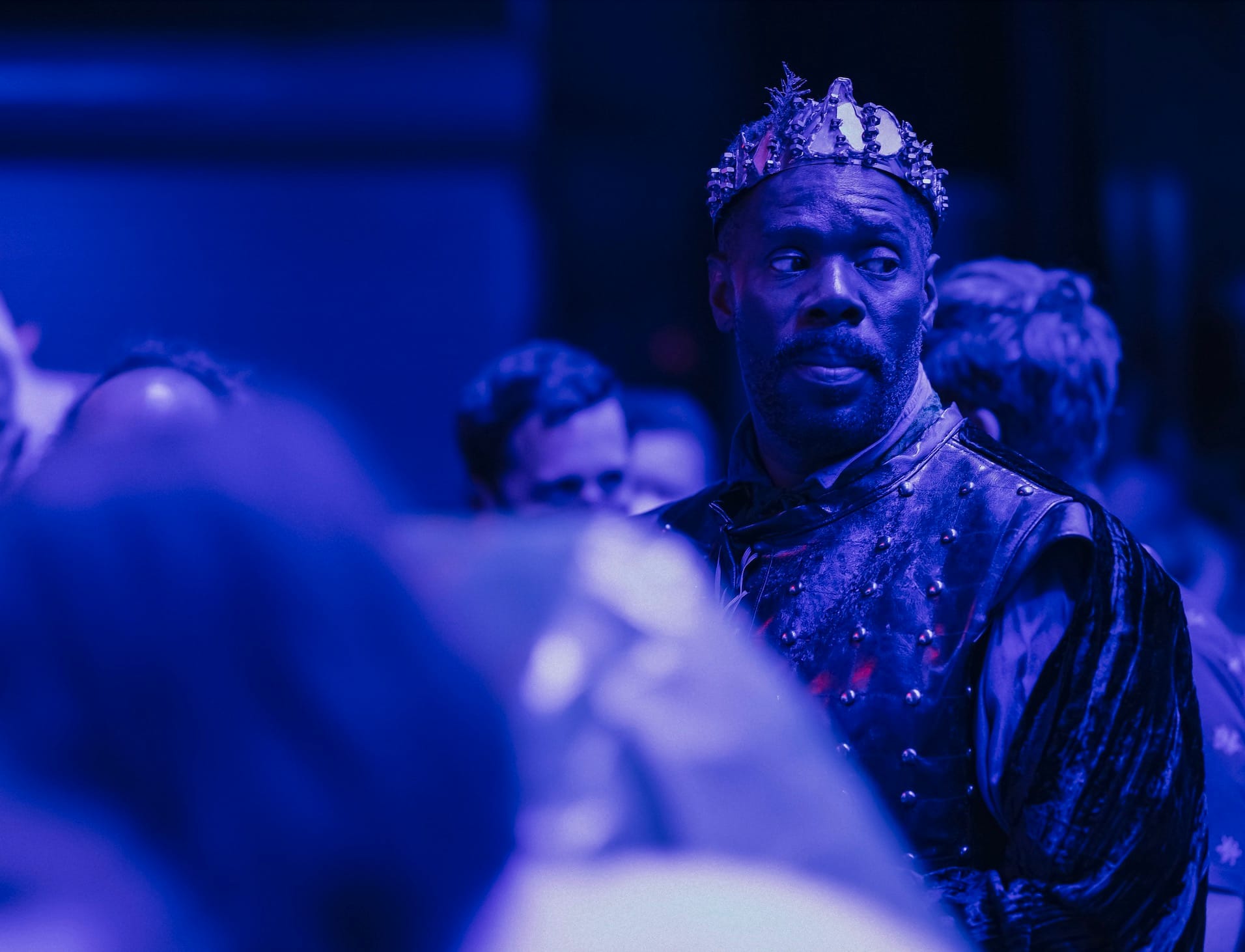
Divine G puts himself in a tough situation: he is actively working toward release, but he finds so much love and comfort within RTA that saying goodbye becomes too difficult. During a very emotional scene in the middle of the film, he attends a parole meeting. We find out that he was convicted of first-degree murder, but there was another person who confessed to the crime Divine was convicted of. The parole officer tells Divine that the confessor has died, meaning that lead is gone. She then asks Divine if he is acting during their interview, emphasizing that others know theater is not only his hobby but a central part of his identity. Domingo is outstanding in this scene; his smile drops immediately after she asks him that question.
Clarence Maclin’s involvement with this film shows the larger message perfectly. In Hollywood, rehabilitation and the prison system often appear as numbers and statistics, but this film shows real people working to bring about change. Maclin’s character development as he works through the program is just one example of the hundreds of men and women who have changed for the better through RTA. Also, having formerly incarcerated men play characters not only adds depth to the story but also gives these men a step into the industry as actors.
RTA is still active in prisons to this day. When the men take the stage, they become identities different from their own, giving them not only a way to express themselves but also sometimes an escape from their reality. This form of expression lets the men identify as more than prisoners, as creatives and performers.
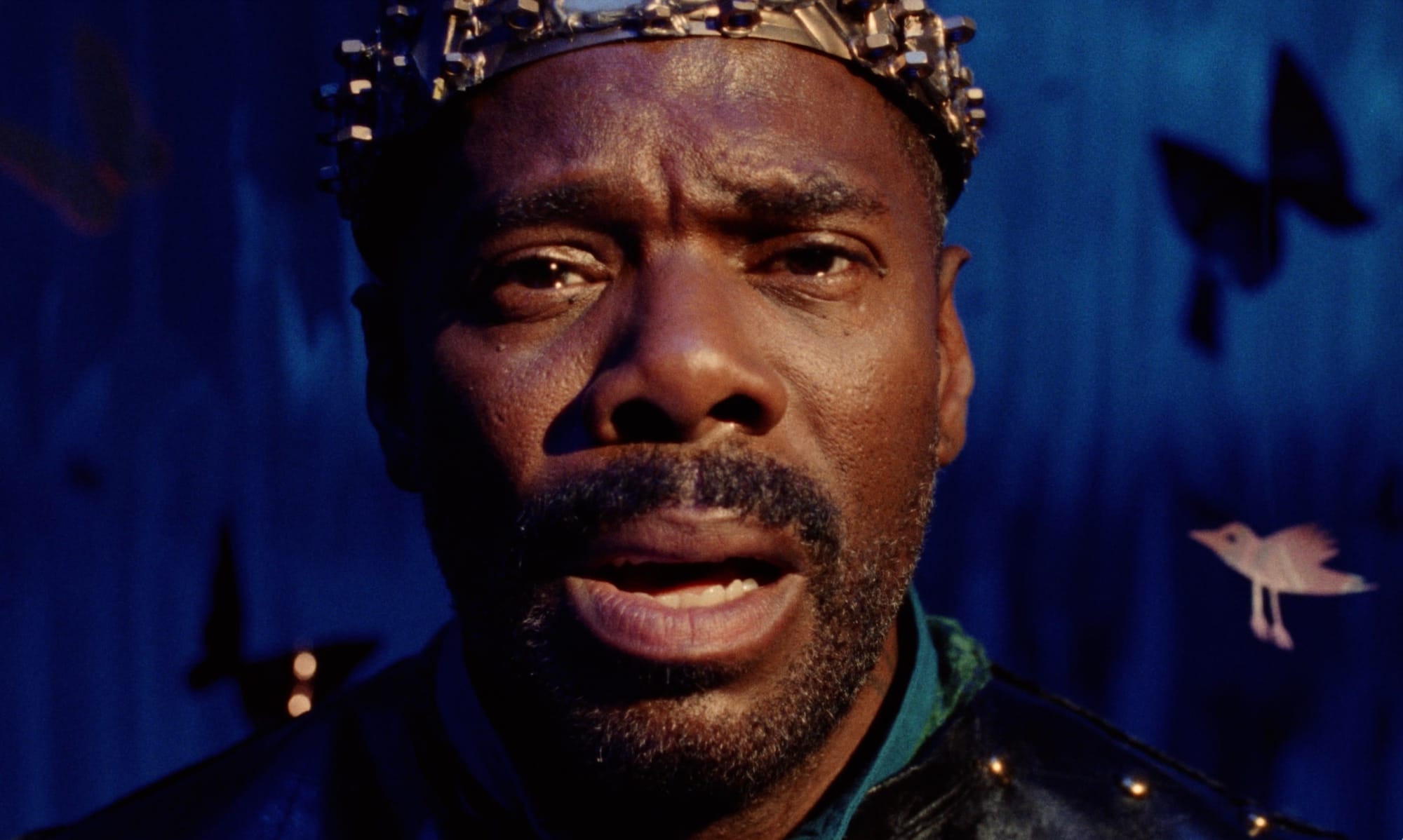
At the end of the film, they put on the performance that they spent the whole movie creating. The final scene is one of the most important because the men finally see their work come to life after all the conflict and arguing throughout the film. All the tension and grudges from earlier drop away, and these men just want to perform. Domingo delivers an incredible monologue that shows Divine G’s breaking point. Just before the final showing, Divine confronts his fear and, more importantly, his anger that has been building up. The speech shows the audience that even though this program helps many prisoners, they are still real people with families, and growth can be extremely painful.
The final scene shows the film's theme: change is possible, but you have to be willing to be raw and emotional. The theater does not erase their past mistakes, but it can give these incarcerated men a chance to change for the better and imagine another version of themselves.