Table of Contents
Over the past decade, Hollywood has witnessed a notable shift: a growing number of Asian directors are no longer confined to the margins of indie cinema. Instead, they are now leading some of the most critically acclaimed and commercially successful projects in the industry. This evolution not only marks personal triumphs but also reflects a broader redefinition of global storytelling.
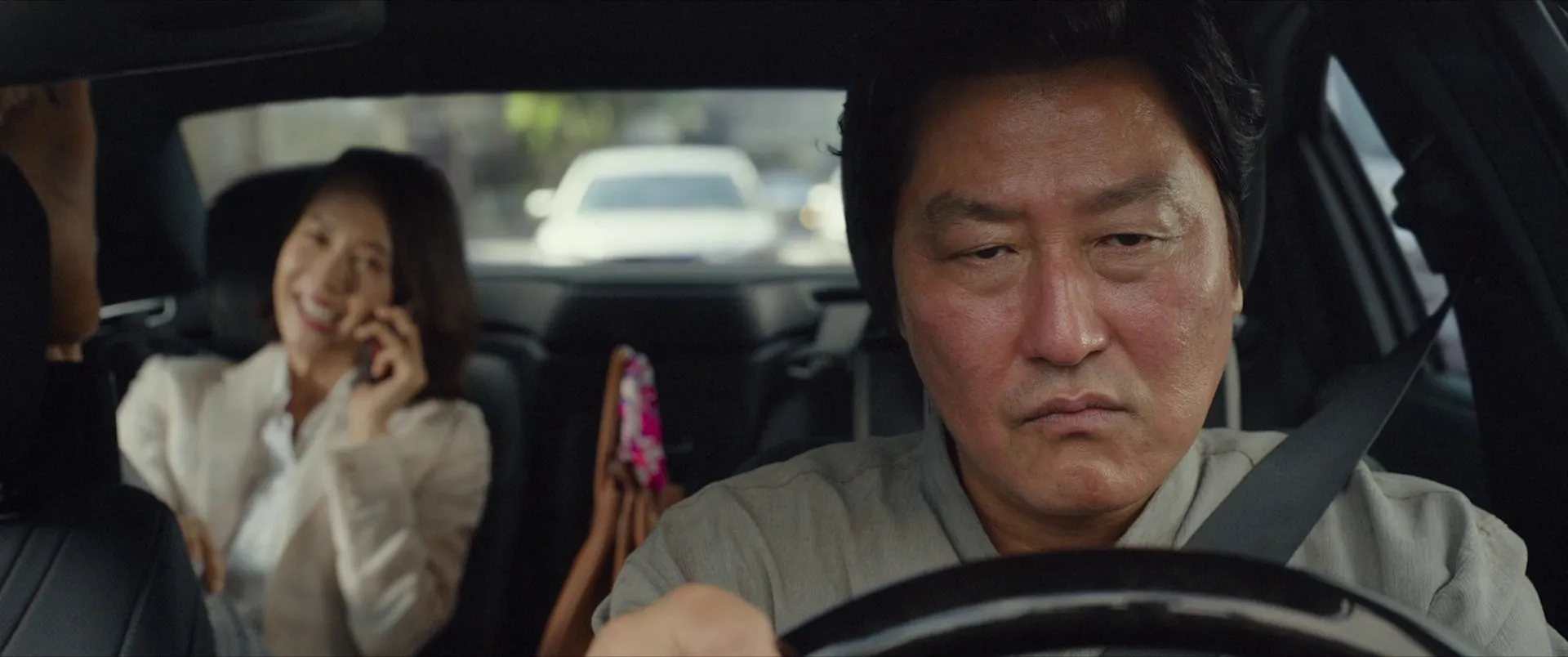
The journey began with auteurs like Ang Lee and Wong Kar-wai, whose international acclaim opened doors for younger filmmakers. But it wasn’t until recent years that directors such as Bong Joon-ho, Chloé Zhao, and Destin Daniel Cretton broke through Hollywood’s glass ceiling. Bong’s Parasite (2019) not only won Best Picture at the Oscars but also proved that a non-English film could succeed globally. Zhao’s Nomadland (2020) solidified her reputation, earning her an Academy Award for Best Director — a first for an Asian woman.
Embed from Getty ImagesThese directors bring more than just diverse faces, they offer distinct storytelling philosophies. Whether it's Bong’s genre-bending social critiques, Zhao’s intimate realism, or Cretton’s blending of Asian-American identity in Marvel’s Shang-Chi, their works are reshaping audience expectations and Hollywood strategies. Studios are increasingly recognizing the value of tapping into international talent and perspectives.
This shift is inseparable from the rise of global streaming platforms. Companies like Netflix, Amazon Prime, Paramount+ and Apple TV+ have disrupted the traditional studio system, allowing creators from different linguistic and cultural backgrounds to bypass industry gatekeepers and reach international audiences directly. For instance, Korean-language content such as Squid Game and Kingdom have demonstrated massive global appeal, encouraging studios to seek out Asian talents not just for representation, but for innovation and market reach.
Embed from Getty ImagesAdditionally, the increasing visibility of Asian directors can be linked to the robust film education ecosystem in the U.S., with many emerging voices trained at institutions like NYU, USC, and Columbia. These directors, often Asian-American, act as cultural translators, navigating both Western and Eastern storytelling sensibilities. Their dual identity enables them to craft stories that resonate across borders, especially as the definition of “mainstream” continues to evolve.
For example, in an April 2018 interview with Vogue, Chloé Zhao discussed how she incorporates her bicultural background from China and the United States into her filmmaking. She emphasized that this mixed identity allows her to view the world from different cultural perspectives and bring these viewpoints into her films. Her movie The Rider exemplifies this cultural fusion, portraying the life of Native Americans while also reflecting her own cultural experiences.
Audiences, too, have evolved. With growing access to global content, viewers are more open to multilingual films and culturally specific narratives. This shift has expanded what counts as "relatable" or "universal" in storytelling. Asian directors have not only benefited from this openness, they’ve also helped shape it by proving that authenticity and specificity can foster deeper emotional connection across cultures.
However, challenges persist. Despite accolades, Asian filmmakers often face the burden of representation — being expected to “speak for” their entire culture, or to conform to stereotypical narratives to secure funding. Maintaining one’s artistic voice while navigating Hollywood’s commercial pressures remains a delicate balance.
In the long term, the success of Asian directors goes beyond inclusion, it's about transformation and lasting cultural impact. Their presence is reshaping not only who gets to tell stories, but how stories are told.