Table of Contents
Picture it: your editor has just hit export on your short film. As the percentage rises, your producer starts nagging you. It's time to look into submitting your film to film festivals.
There's just one problem: you've never been to a film festival. You know that you can submit your work via FilmFreeway, but you have no idea what you're supposed to do once you actually get there!
Your mind starts racing. What are you supposed to wear? Will food be provided? Is it rude to promote yourself?
Have no fear, the ultimate guide to attending your first film festival is here!
What is a film festival?
For the few who aren't familiar, a film festival is an event which is organized to show a selection of films.
Film festivals come in all shapes and sizes. Some are international, while others are local. Some are in-person, while others are online. Some offer prizes, while others don't.
Obviously, the offerings of an individual festival will depend on a lot of factors; however, there are a few common events that many film festivals include:
- Screenings: The showing of the films.
- Filmmaker Panels: Opportunities to ask filmmakers questions.
- Networking Opportunities: This may include after parties or a specific space during the festival to speak with others within the industry.
- Awards Ceremonies
The types of films shown at a festival also vary. Some festivals have specific themes (i.e., the One Earth Film Festival has the theme of environmentalism), while others cater to certain audiences (i.e., the Reel Black Film Festival was created to celebrate films by and for Black people).
When submitting to festivals, consider your film's themes and target audience. Runtime (or whether your film is a short or a feature) is also something to keep in mind.
Money is another factor that should be considered. Some festivals require fees upon submission, so it might be a good idea to save some of your budget during production for festival entries.

You've been accepted! What now?
When thinking about attending a large event, there is a step that should always come first: planning.
Location
First, it's important to check where and when the festival will take place. Obviously, you need to know where you are going, but the location can impact your experience in several ways. Time and location both have impacts on weather. Location can also have an effect on parking. Make sure you know where to park and if parking comes with a cost.
If you're traveling from far away, be sure to plan where you're going to stay and take the time to become familiar with your surroundings. Plan your trip like you would any other. As mentioned above, make sure you can afford this trip.
Scheduling
Most film festivals will have a posted schedule which will include screenings and any other events. While you might want to wait until the day of to pick which films you want to see, I would recommend choosing your screenings beforehand. Events such as panels can be once in a lifetime opportunities, so you may want to schedule your screenings around those times. It's also important to plan time to eat and/or rest. Running on empty is never fun, especially at a film festival.
What to Bring
Now that you've planned your trip, there's just one last step: packing!
Of course, you're going to want the usual essentials that you'd take on any trip. But there are some items you may want for the actual festival that are useful regardless of how far you've traveled from.
- Promotional Items: This can include anything from small posters about your film to personal business cards.
- A notebook and writing utensil: You might need to quickly jot something down.
- Water and snacks: If the festival allows outside food and drinks, bring a water bottle and something to eat. Festivals can get long, so it's important to sustain yourself throughout the day.
- A camera: Capture your memories throughout the festival.
- A backpack or tote bag: Film festivals often have merchandise or pamphlets you might be interested in keeping. And you'll need something to carry all your other things!
Film festivals can have a variety of attire. If a festival has no specific dress code, I'd recommend dressing in business casual. You can never go wrong in a polo!
Regardless of dresscode, be sure to wear supportive shoes. It's common for the only place to sit in a festival to be in the screening rooms, so be prepared to be on your feet most of the day. If you have a disability, check to see if festivals offer any accommodations. Your safety and experience always come first.
Upon Arrival
You've planned and packed everything you need. All you have to do is enter.
When you arrive at a film festival, your first stop will be at whatever area is used for ticketing. You'll usually be asked your name, to confirm your tickets, or be asked to show a physical ticket or a ticket in the form of a QR code. Then you'll be given your pass to enter.
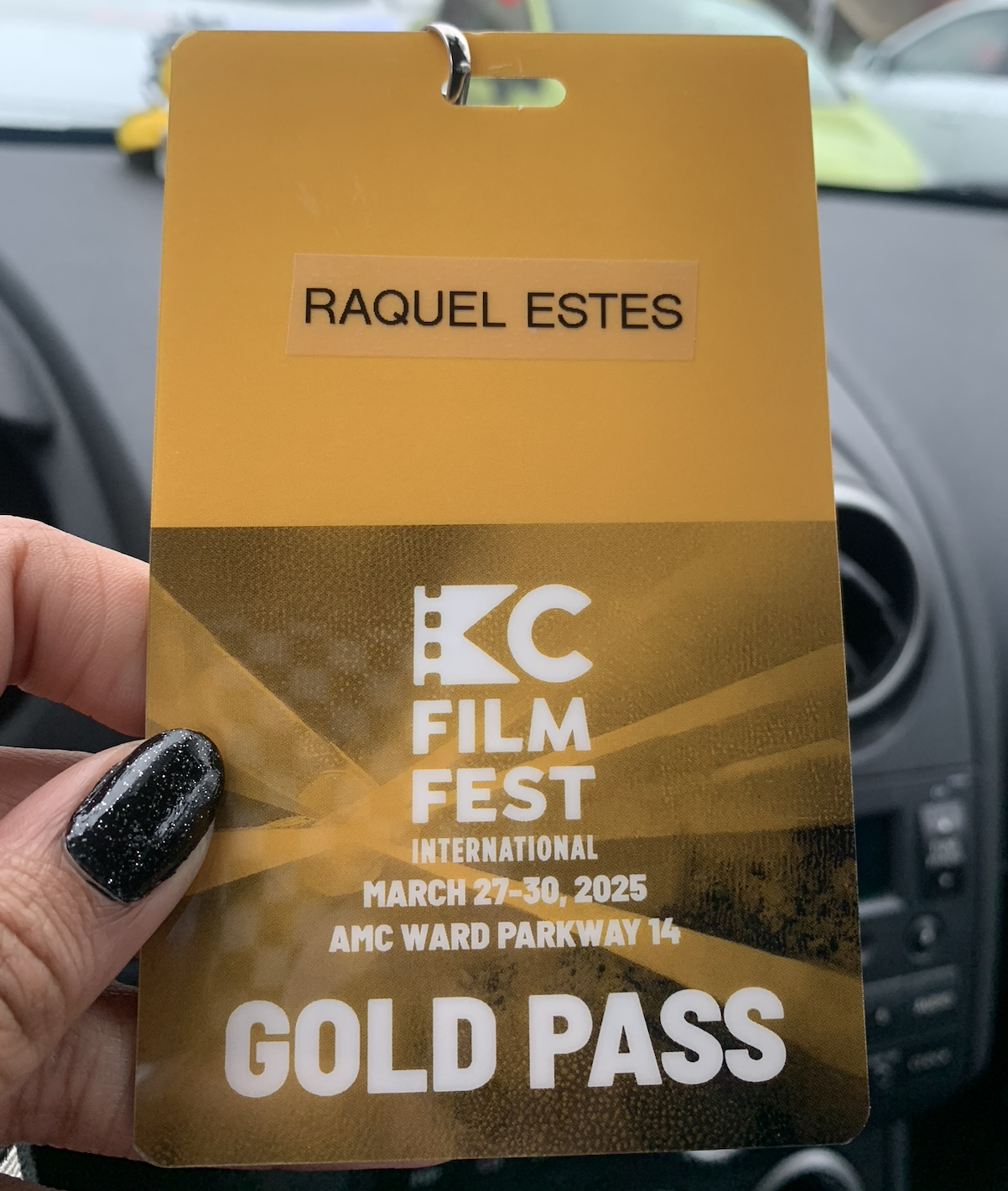
Now that you're here, you've got a few options. If you've got a screening coming up shortly, it's a good idea to start heading in that direction. Otherwise, you may want to mingle with other guests and filmmakers.
Networking can be daunting; you might feel fake for wanting to market yourself. Networking isn't just about looking for work; it's about connecting with your peers. While you should keep conversations professional, talk to others in a similar way that you would talk to your friends. If you find yourself getting nervous, remember: everyone, no matter how successful, is a person just like you with an interesting life story to tell.
Many festivals also include specific spaces (such as tables) for people to leave marketing materials. Consider leaving your business cards or other items in these areas.
Finally, remember to enjoy yourself! Whether you're a filmmaker or just a film enjoyer, you've worked hard to get here, so make the most of it!