Table of Contents
Three Key Takeaways
- Patrick Hogan’s unique expertise as a sound editor shapes Blindsided’s immersive, sound-driven horror experience.
- The film features an all low-vision cast, providing authentic representation rarely seen in genre cinema.
- Blindsided pushes horror storytelling boundaries by placing audiences in the sensory perspective of a blind protagonist confronting an alien predator.
Patrick Hogan, an award-winning filmmaker and acclaimed supervising sound editor with over 10 Emmy nominations, brings his talents to the sci-fi horror short Blindsided, selected for FilmQuest 2025.
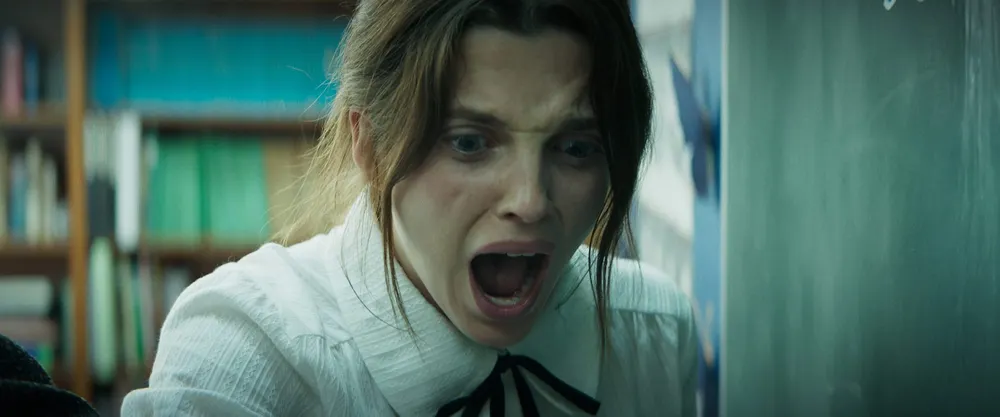
Starring Crystal Loverro as Maria, a blind schoolteacher who confronts a monstrous alien threat, the film innovates with sound as its primary storytelling tool.
Hogan collaborated with producer Ana Krista Johnson, UPM/co-producer EmLee Vassilos, director of photography James Suter, and a talented all low-vision cast and crew.
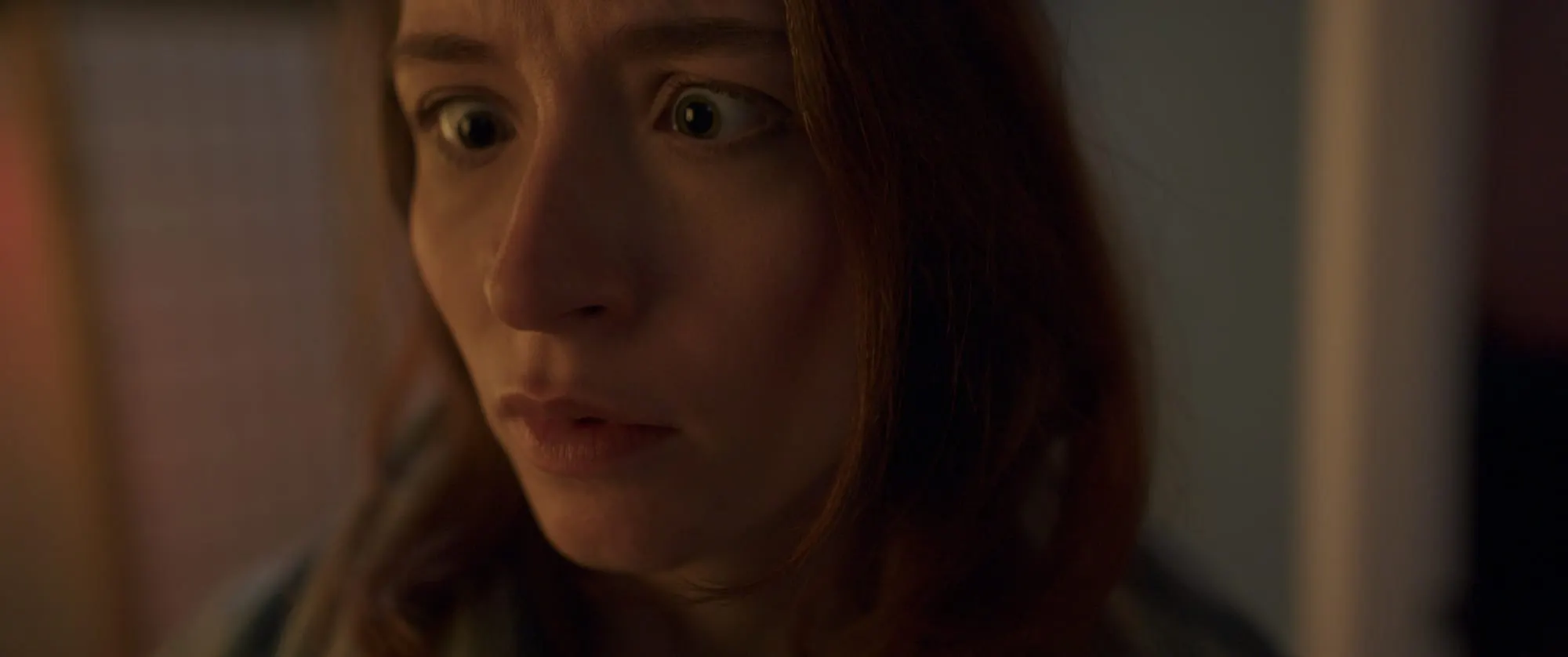
What drew you to make this film? Why this story, and why now?
The inspiration for the film came from wanting to make a film that I was uniquely positioned to make - as a filmmaker and also a professional sound editor - I wanted to make a short film that could use my talents in sound to create a film was different from the normal short and really elevate the sound. Blindsided is a riveting short horror film that takes a unique narrative approach, providing audiences with an immersive glimpse into the harrowing experience of Maria, a blind woman confronting the most terrifying ordeal of her life. The horror remains unseen, both to her and the audience, heightening the suspense and reminding us that sometimes, the most terrifying things are the ones we don't see coming...
"If a slumber party with your favorite friends was a film festival, it would be FilmQuest."
This is an innovative short film that ventures into uncharted territory within the horror genre. The narrative unfolds in a tranquil neighborhood, abruptly disrupted by a crashing alien spacecraft and the horrifying monster it unleashes into the night. However, what sets this film apart is the unique perspective from which the story is told – the POV of Maria, a blind schoolteacher living alone. Maria's desperate struggle to evade the otherworldly predator, guided solely by what she hears, will provide an experience unlike any other horror short.
Additionally, to promote diversity and inclusivity, in conjunction with our Disability Authenticity Consultant Vanni Le and Casting Director Danielle Pretsfelder Demchick, all of the characters in the film are played by low vision actors, placing the spotlight on the often-overlooked talent within the low vision community.
We are very proud of Blindsided and look forward to enjoying it in theaters with an audience who doesn't know what they are about to experience.
What surprised you most about the filmmaking process this time—creatively or logistically? Was there a moment on set or in post that completely changed how you saw the story?
Well, when I wrote the story, it was just an attempt to come up with a story that showcased sound and my abilities as a sound editor. But once I came up with this concept for a blind schoolteacher facing an alien monster, the story and her character really grew for me. To the point that I now have an entire feature film outline for this and would love to see this character get an entire feature film so we can learn a lot more about her and see how brave and heroic she becomes and how she doesn't let her disability stop her from being the hero of her own story (and the film's story).
And then, going from that, actually casting low vision actors who maybe don't usually get the opportunity to do horror or action films is also really amazing and was something that really demonstrated to me how much amazing talent there is out there that maybe don't get as many opportunities to shine as they should.
Is there a moment in the film that feels the most you—something only you could have made?
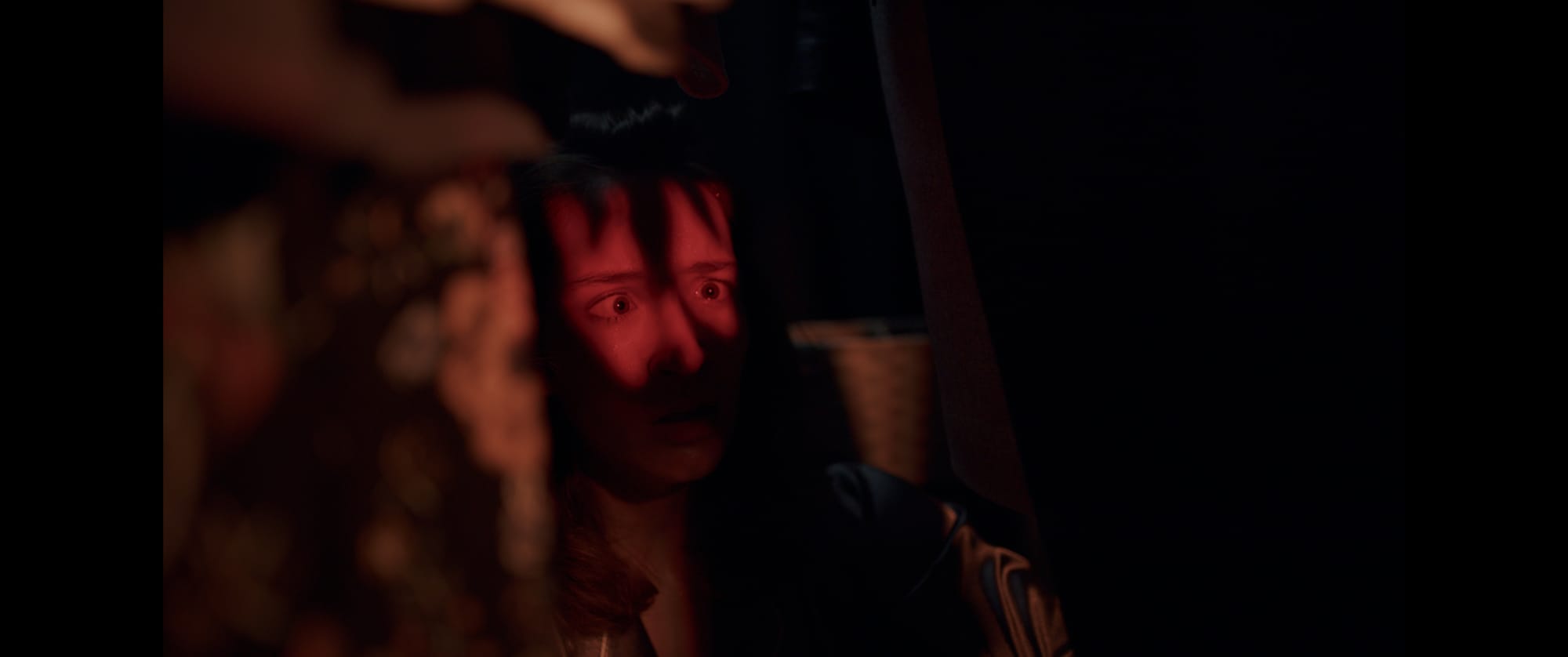
Well, what is most me - something only I could have made - was how important sound is to the story and challenging myself as a sound designer in a film that I created. We actually built the film in sound first - like a radio play - even brought in the voice-over actors to record their parts before we filmed - we designed the monster and blocked out the film entirely in sound first. Creating a 7-minute sound play."
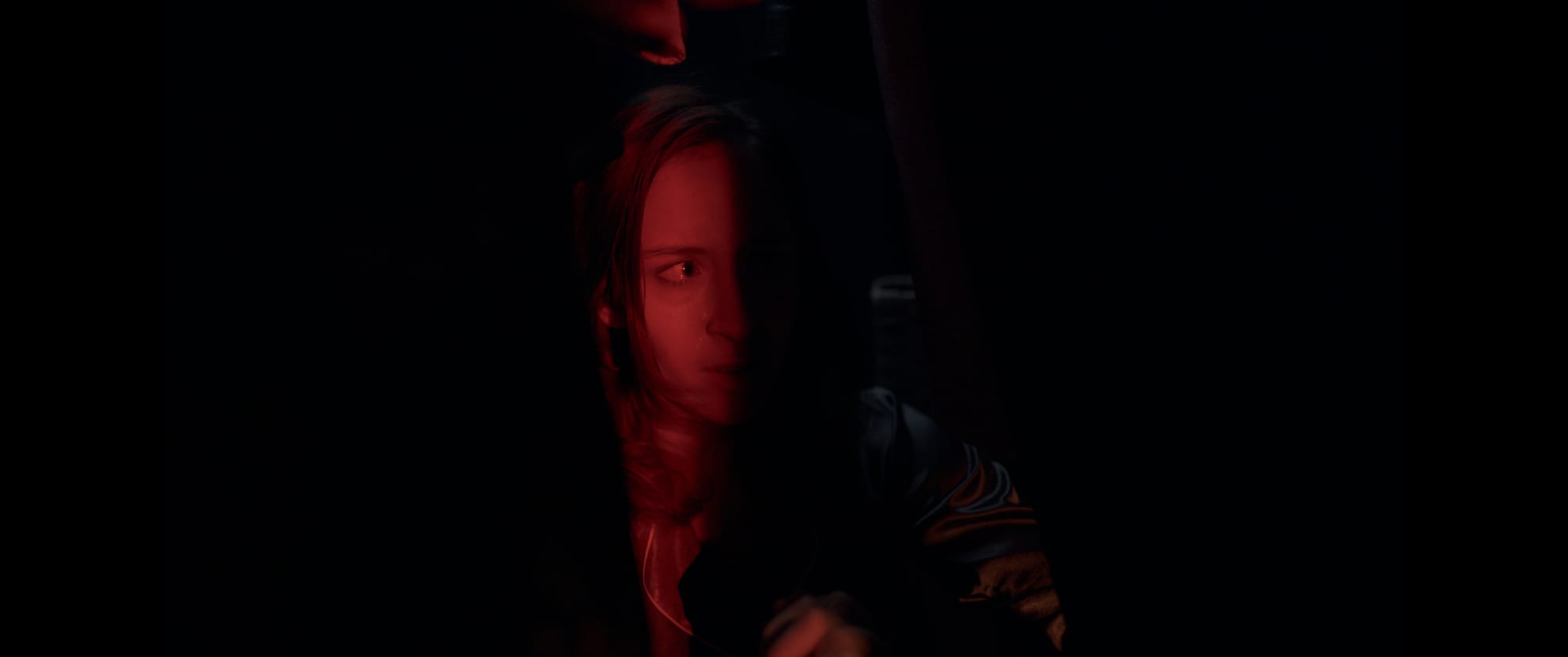
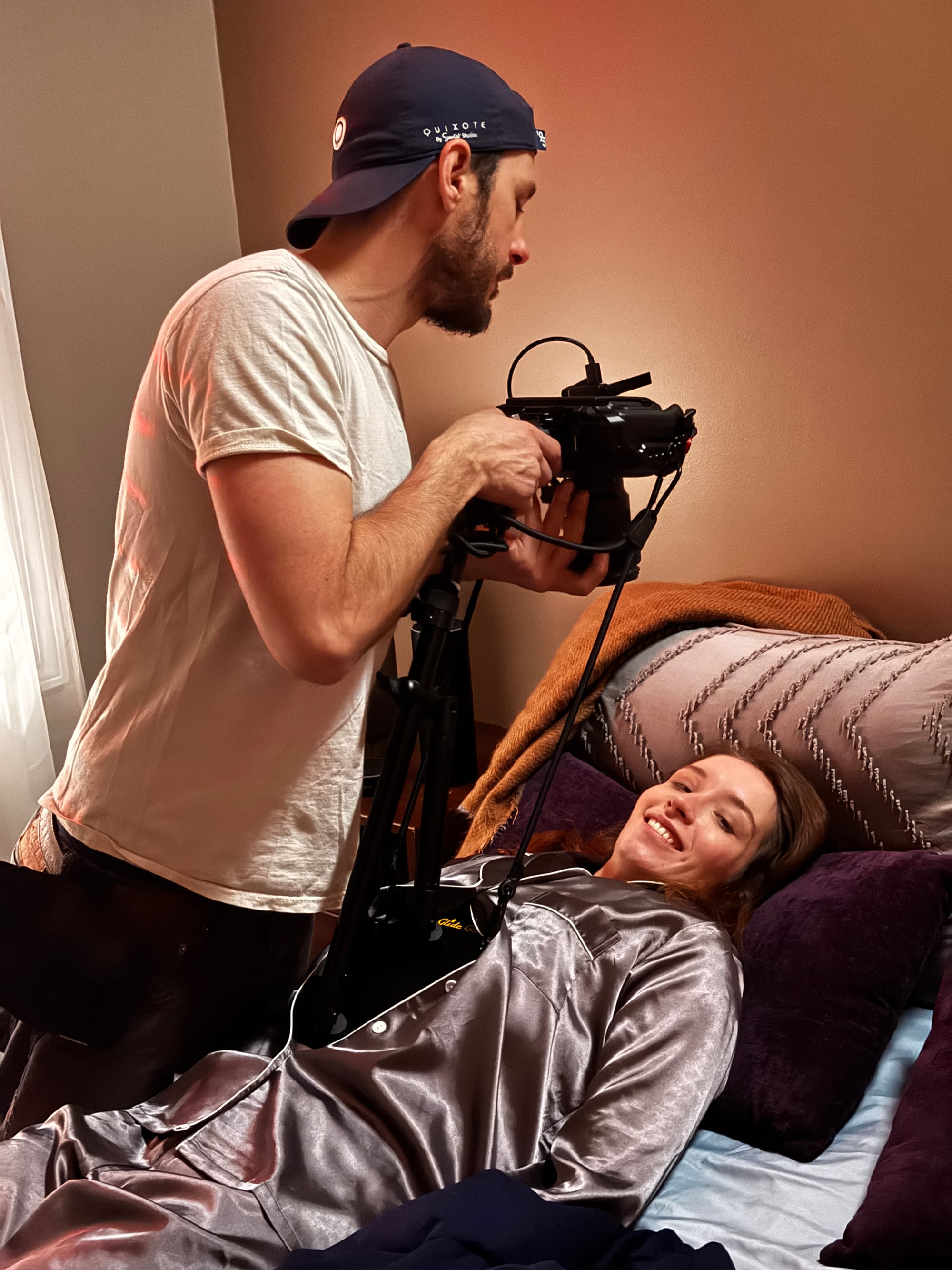
And then on set we actually played that sound back for the lead actress, Crystal Loverro, who is legally blind herself. So when you see her face reacting to what the character is hearing - she is actually hearing that herself on set. I really think doing it backwards from how we normally make films was a lot of fun and also really helped get such an amazing and subtle performance from Crystal.
What was the hardest creative decision you made while making this film?
The hardest creative decision I had to make was simplifying some shots and changing the lens we were going to film with - decisions that had to be made because of limited budget. We needed to simplify a couple shots and needed to use a faster lens because of the limits of the gear we had available and the size of our lighting units.
This is kind of a technical answer/decision - I don't think the audience is going to notice this at all - it's just something that I as the director really wanted to try - and couldn't pull it off this time. But it's also a good lesson for me as a director that the story comes first, and the performances, and the audience often won't notice some of the whiz-bang technical achievements, or the lack of them, if you nail everything else.
"We actually built the film in sound first - like a radio play - even brought in the voice-over actors to record their parts before we filmed."
What do you hope audiences take away from your film?
I mean the real goal of this film is to put the audience in the POV of someone blind. To give people who have normal vision a glimpse into what it's like to be low vision/blind and rely on sound so much in your life. And, of course, to scare them and give them a good jump scare.
How has this film shaped or shifted the kind of stories you want to tell next?
Well, I have 3 feature projects ready to go, but now I have the story from this short film in my head and if people really love this film and want to see the feature version, maybe I will pivot to that as my next project.
What’s a tool, technique, or resource that really helped you during production?
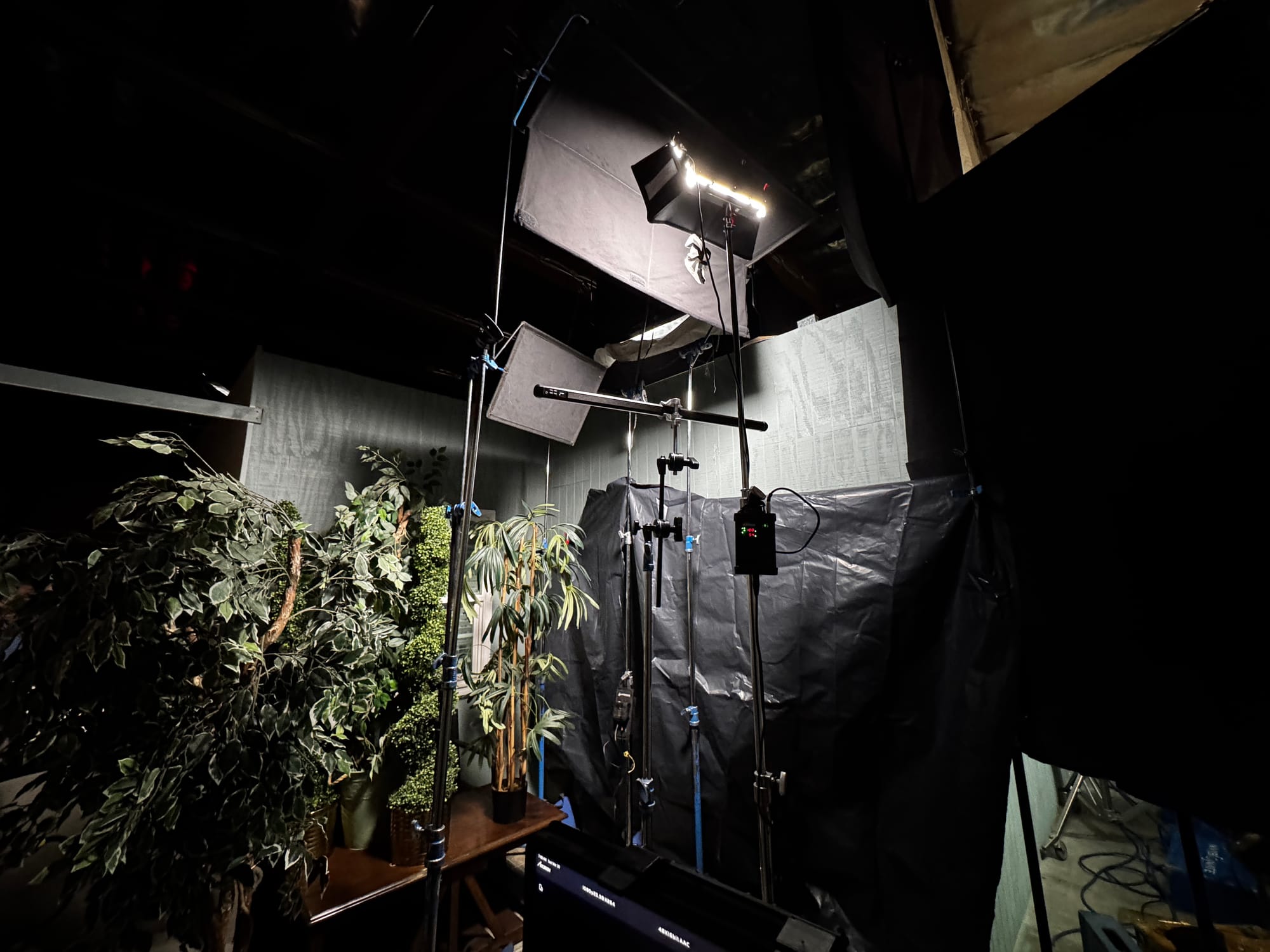
Blackmagic Design was incredible. We used the Blackmagic Cinema 6k and I don't think we could have filmed this and had it look so great on any other camera that is that small and light-weight. And then their Davinci Resolve Studio software was so great in post - we did the edit, the VFX and the color-grade all inside that one software package.
Independent filmmakers often rewrite the rules out of necessity. What do you think is the greatest strength of independent filmmaking, and how did you lean into that on this project?
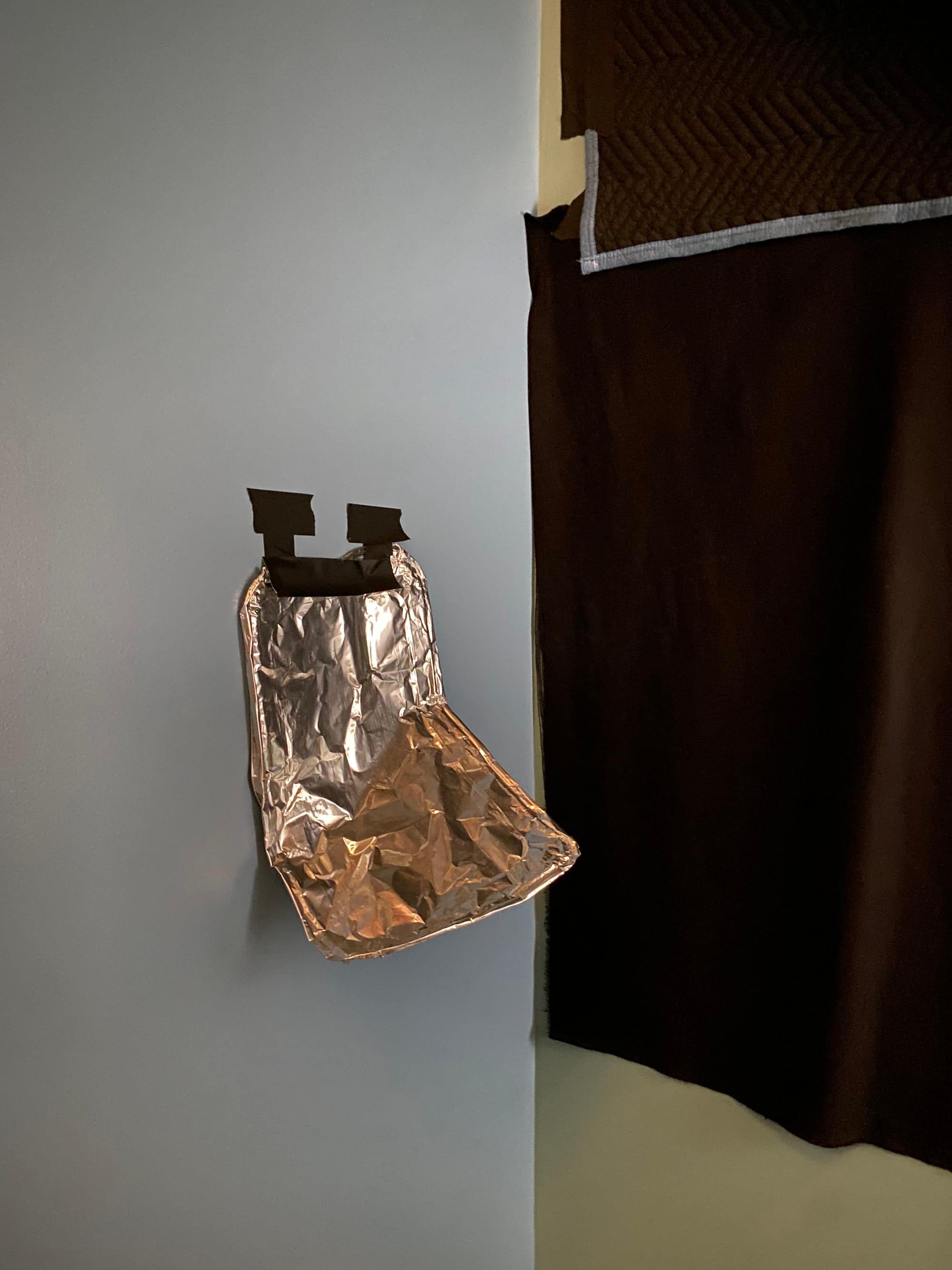
The great thing about indie filmmaking is you can't spend your way out of issues - you have to be creative and imaginative. And I think that creativity is what makes indie films so amazing – necessity is the mother of invention and that is so true on indie film sets. And I think we overcame the budget issues with some fun and creative filmmaking.
"Casting low vision actors who maybe don't usually get the opportunity to do horror or action films was something that really demonstrated to me how much amazing talent there is out there."
What does it mean to you to have your film selected for FilmQuest, one of the world’s top reviewed genre film festivals?
I'm so honored to be included in FilmQuest. The films at this festival are just so amazing - so well done, so made with love and attention to detail and it just blows my mind that we were selected when I see how good the films are here. And of course the experience of attending FilmQuest is so hard to describe - but someone said, 'if a slumber party with your favorite friends was a film festival, it would be FilmQuest.' And I can't think of a better analogy for what FilmQuest is like to experience.
FilmQuest celebrates the majesty and might of genre filmmaking across fantasy, horror, sci-fi, action, thriller, western, kung-fu, and beyond. How does your film fit within—or push the boundaries of—genre storytelling?
We are a horror sci-fi film that you have never seen, or more importantly, heard before. Pushing the boundaries of using sound to tell the story and giving an audience a unique and new POV to experience.
Where do you see this film going next?
Hopefully some more festivals, some more awards, and then on some great streaming sites so that millions more people can experience it.
"At the core of all my work is a desire to entertain an audience while giving them experiences and emotions that maybe help explain the human condition and what it means to be alive."
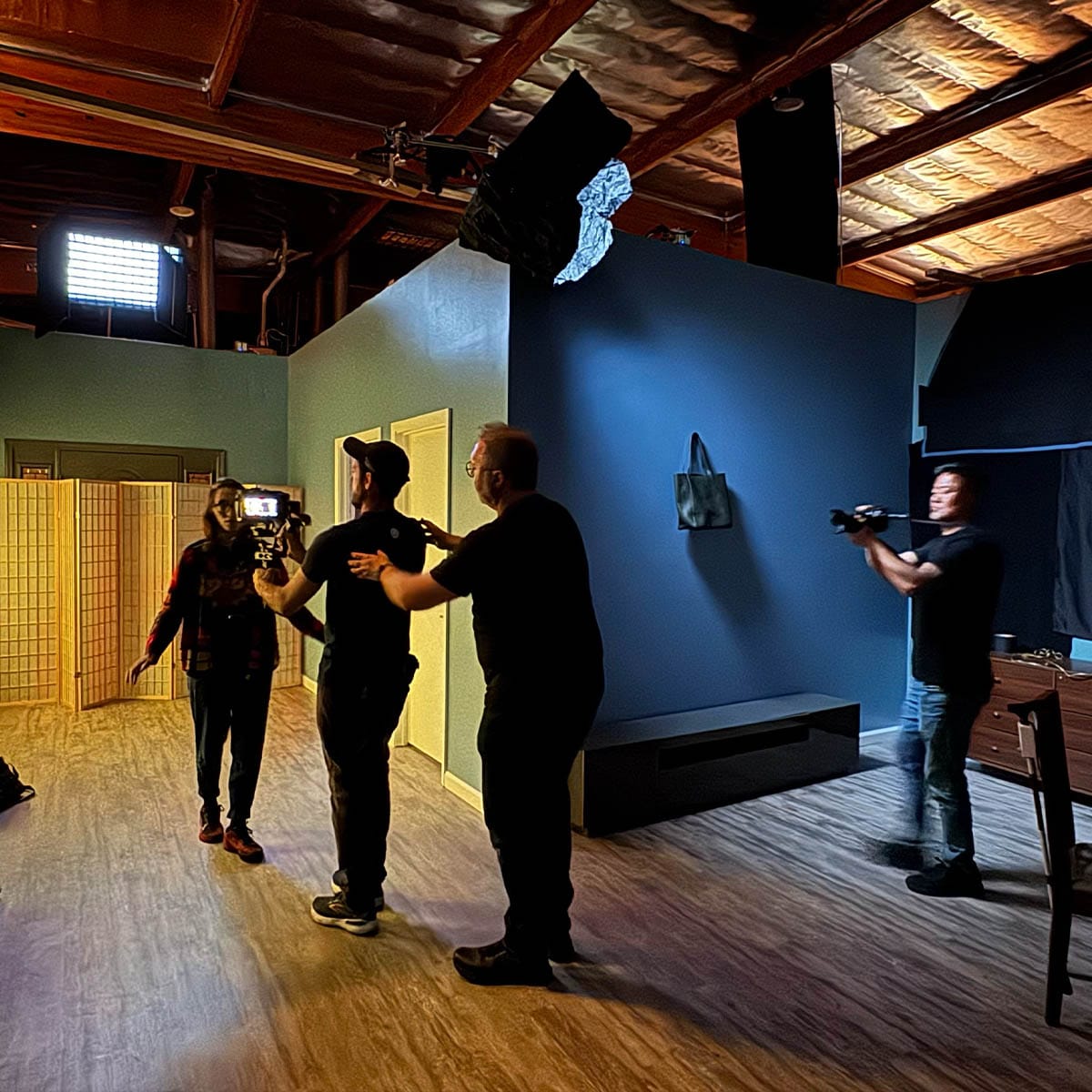
Cast & Crew
- Patrick Hogan — Writer/Director; award-winning filmmaker and supervising sound editor with 10 Emmy nominations, known for work on Reservation Dogs, Cobra Kai, and Umbrella Academy. Born and raised on Guam.
- Ana Krista Johnson — Producer
- EmLee Vassilos — UPM/co-producer
- James Suter — Director of Photography
- Danielle Lopez — Production Designer
- Dustin Washburne — Creature Designer
- Crystal Loverro — Lead Actress ("Maria"); legally blind herself