Table of Contents
Three Key Takeaways
- Personal experience fuels unique body horror storytelling in “Respirar.”
- The film explores themes of trans identity, cultural connection, and fear through genre innovation.
- Independent filmmaking’s freedom enables raw, vulnerable narratives that challenge conventions.
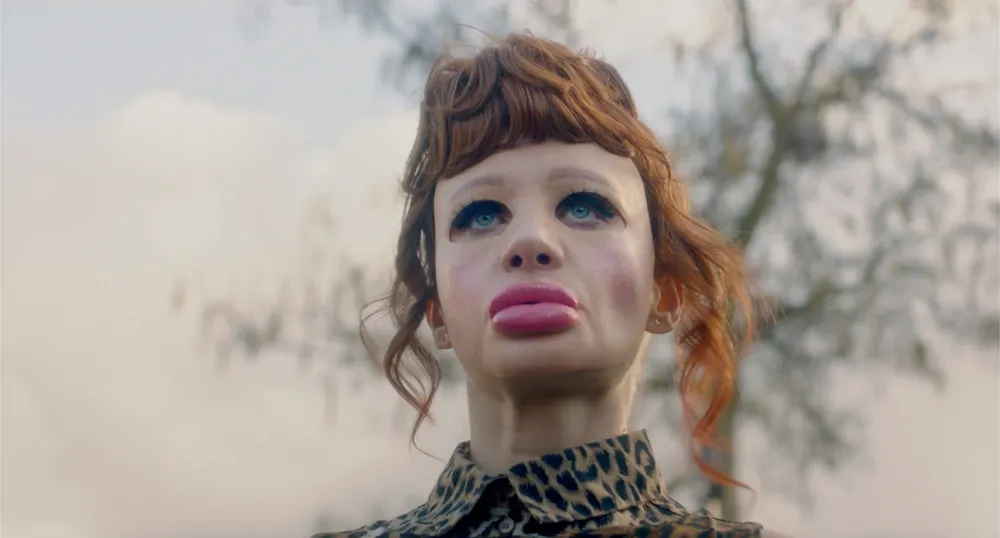
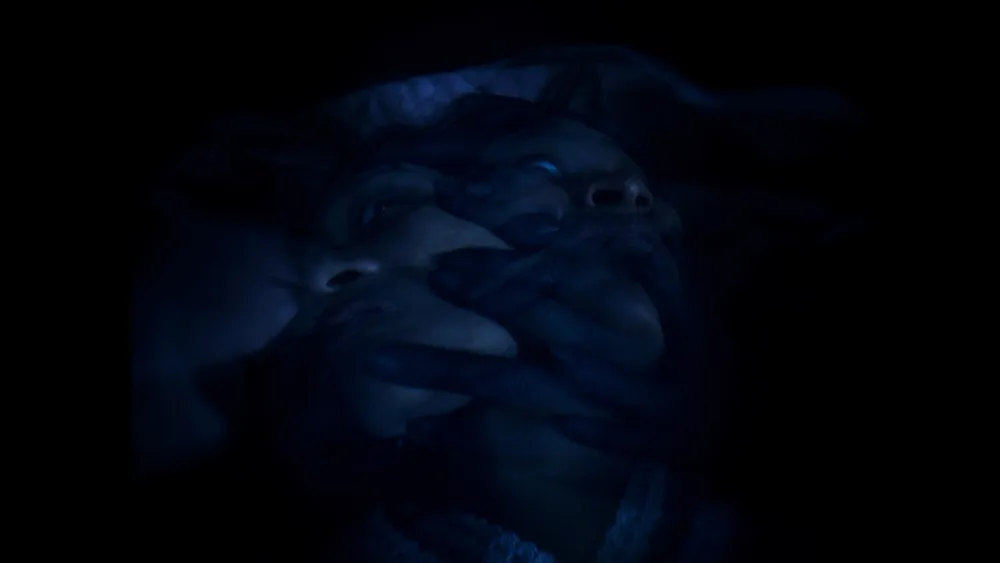
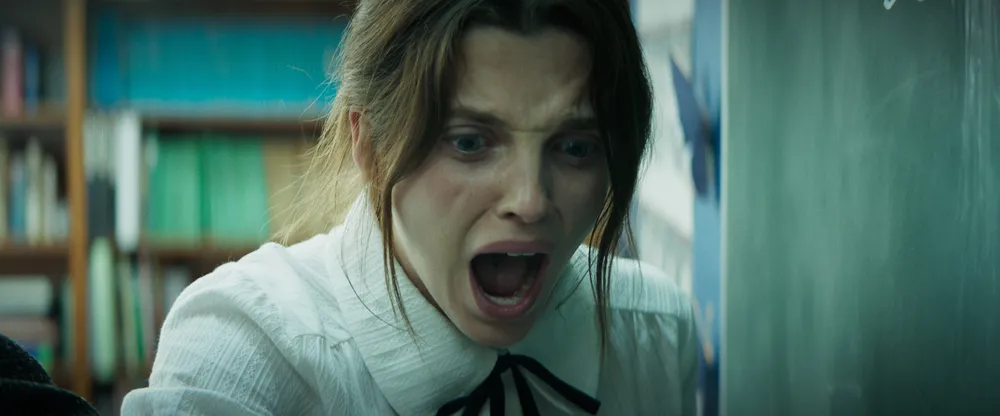
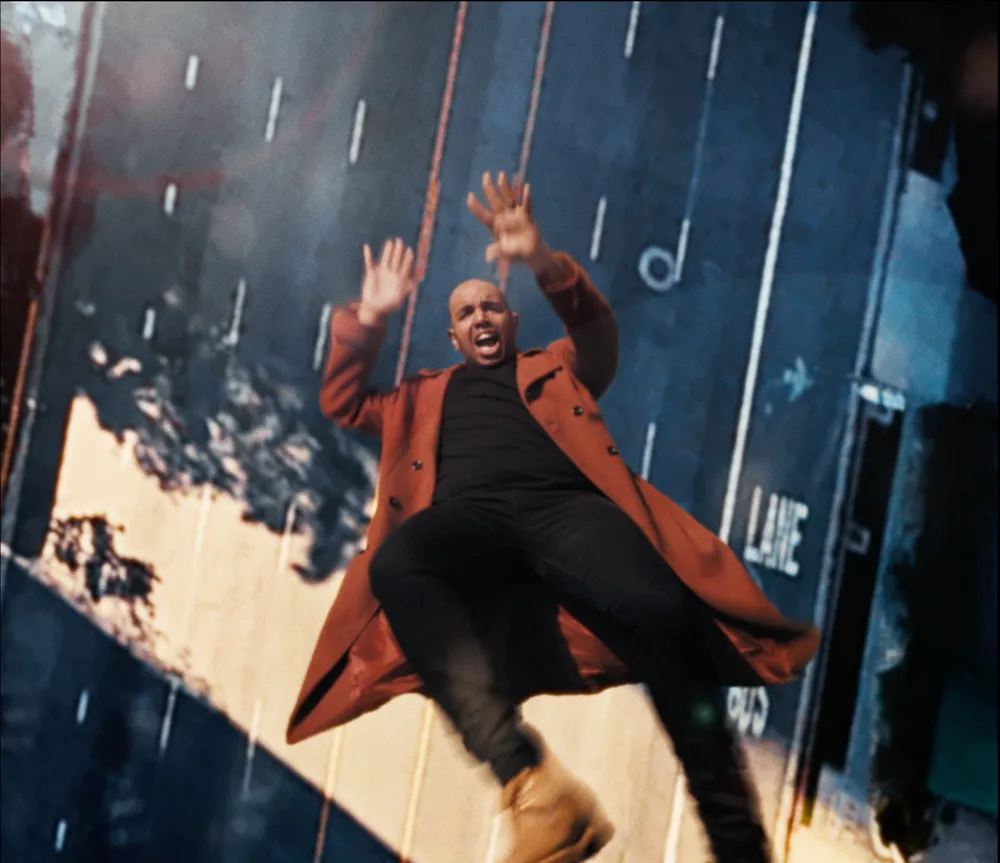
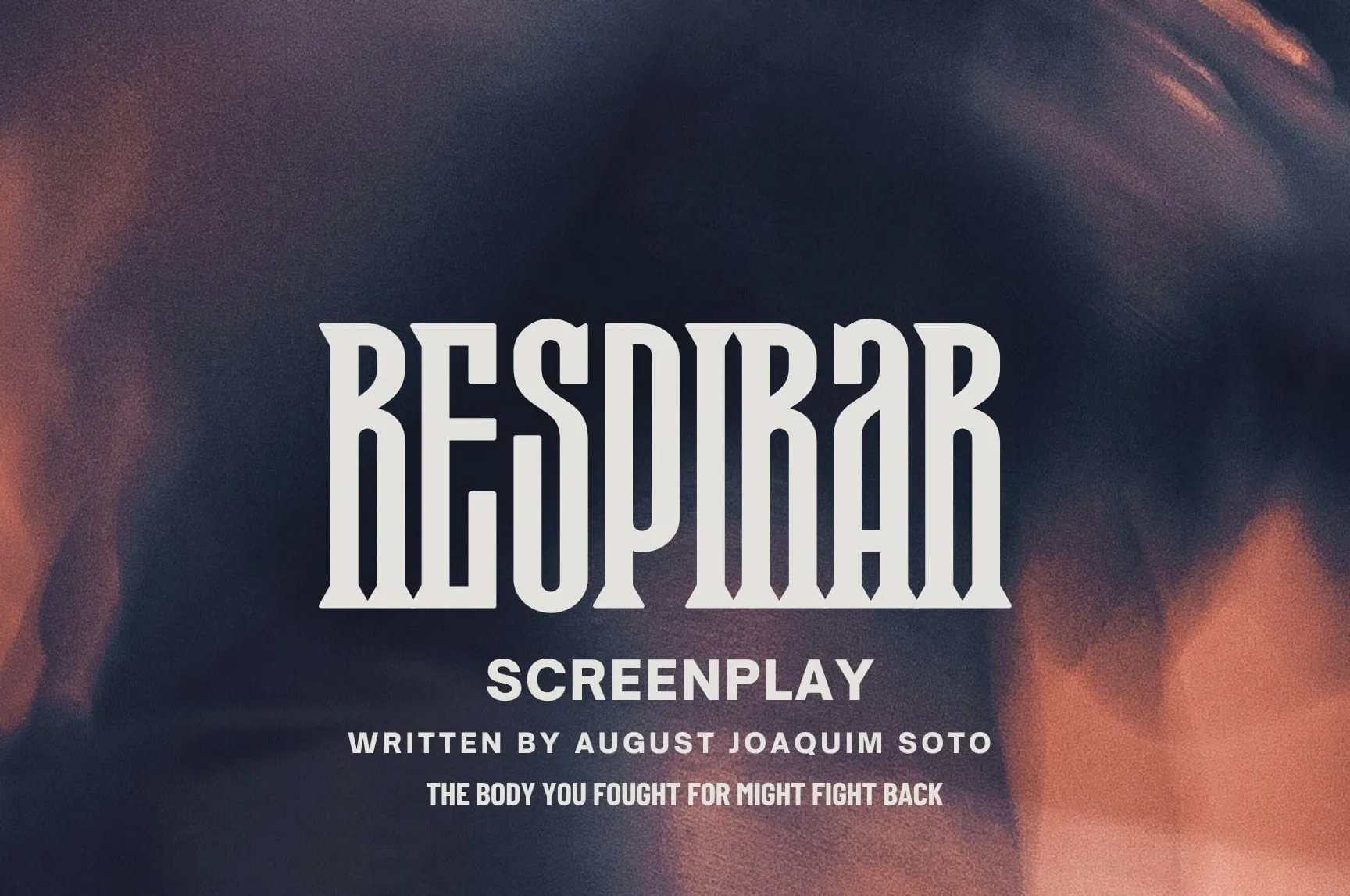
August J. Soto brings a deeply personal lens to the horror genre with “Respirar,” a body horror film selected for FilmQuest 2025. Written by Soto, who draws from his own experience with top surgery and his Puerto Rican roots, the film blends chilling genre elements with intimate emotional storytelling. “Respirar” follows a group of friends caring for a recovering trans man in a remote cabin, only to uncover something menacing lurking within.
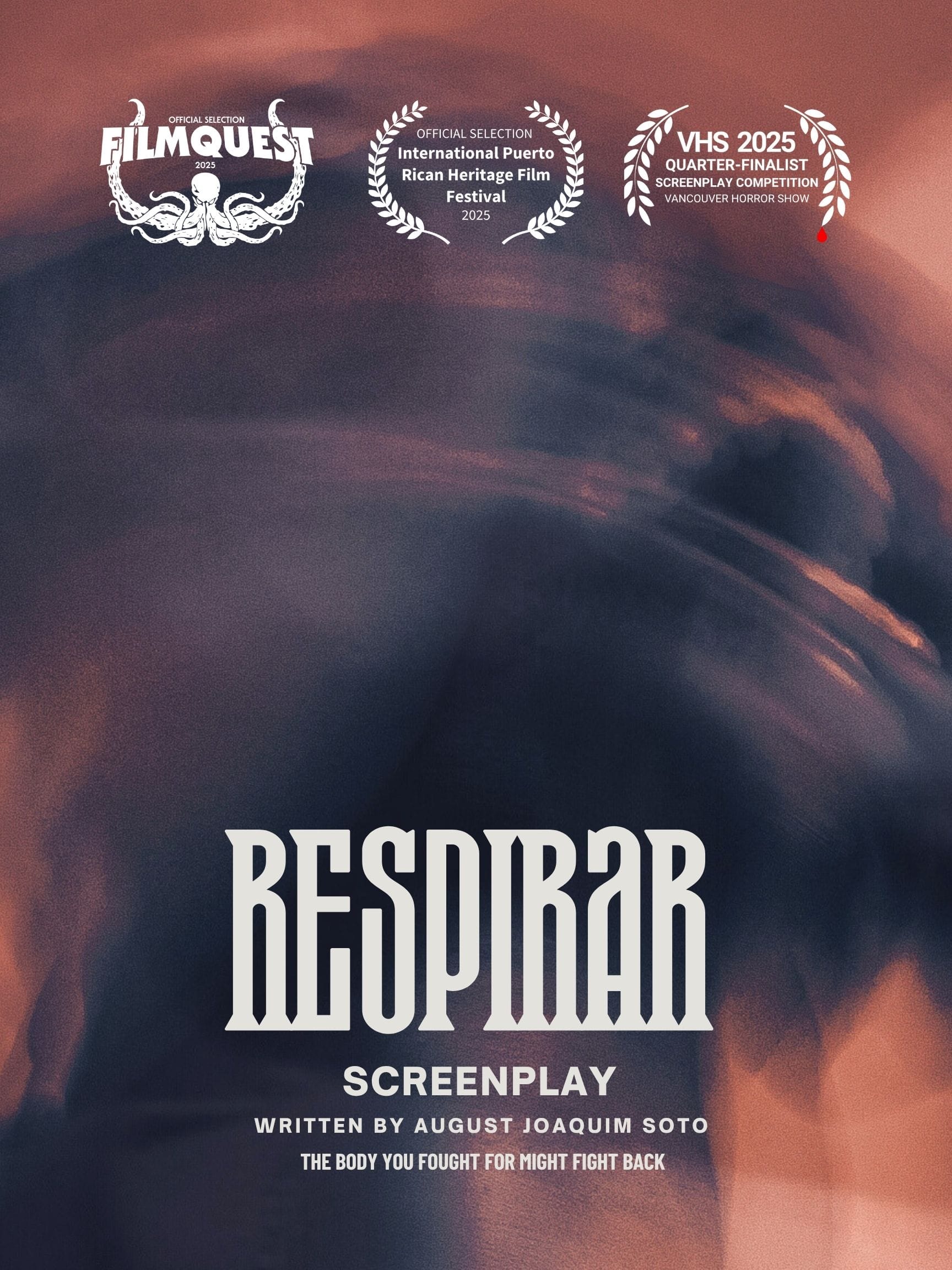
What drew you to make this film? Why this story, and why now?
I had top surgery a year ago and I thought my nightmares would make for good scenes in a body horror. I then attended a screenwriting class at the College of Charleston with Professor Michael Smallwood and our final was to write a feature-length screenplay. I've never written horror before and found out my Professor loved body horror so that's how “Respirar” came to be. It was originally titled “Final Cut” and the big bad were these two cringy possessed dolls. When I saw the original story wasn't working I stripped it down and decided to dig deep into my personal life and use my insecurities regarding my top surgery and my disconnect with my Puerto Rican roots.
Why now? Because horror is evolving. Audiences are hungry for stories that push the genre, that mean something, that leave a mark.
"This is “The Evil Dead” for trans masculine, no sabo folk. It’s terrifying, but it’s also human."
What surprised you most about the filmmaking process this time—creatively or logistically? Was there a moment on set or in post that completely changed how you saw the story?
Since “Respirar” hasn’t been made yet, I’ll speak on the writing process. When I returned to this story for the fourth draft, I knew it would get personal. The moment that changed everything for me was when I wrote a scene near the end where Callum, our main character, puts on a Vejigante mask. For Puerto Ricans, this mask is a symbol of cultural identity and the triumph of good over evil.
I’ve always struggled with feeling connected to my Puerto Rican roots. It’s in my blood, but sometimes I feel distant from it, like a fraud. That’s something Callum and I share. So when he puts that mask on, and I write him doing it, it’s more than just a cool moment in the story, it’s my own insecurities melting away.
Is there a moment in the film that feels the most you—something only you could have made?
There’s a recurring motif of breath throughout “Respirar,” the act of breathing through fear, pain, and transformation. That metaphor feels very “me.” I’ve always been drawn to stories where horror and healing coexist, and where even the act of surviving is frightening. The way this story uses breath as sound, rhythm, and theme, is something that could only come from my voice, I feel.
"There’s a recurring motif of breath throughout “Respirar,” the act of breathing through fear, pain, and transformation."
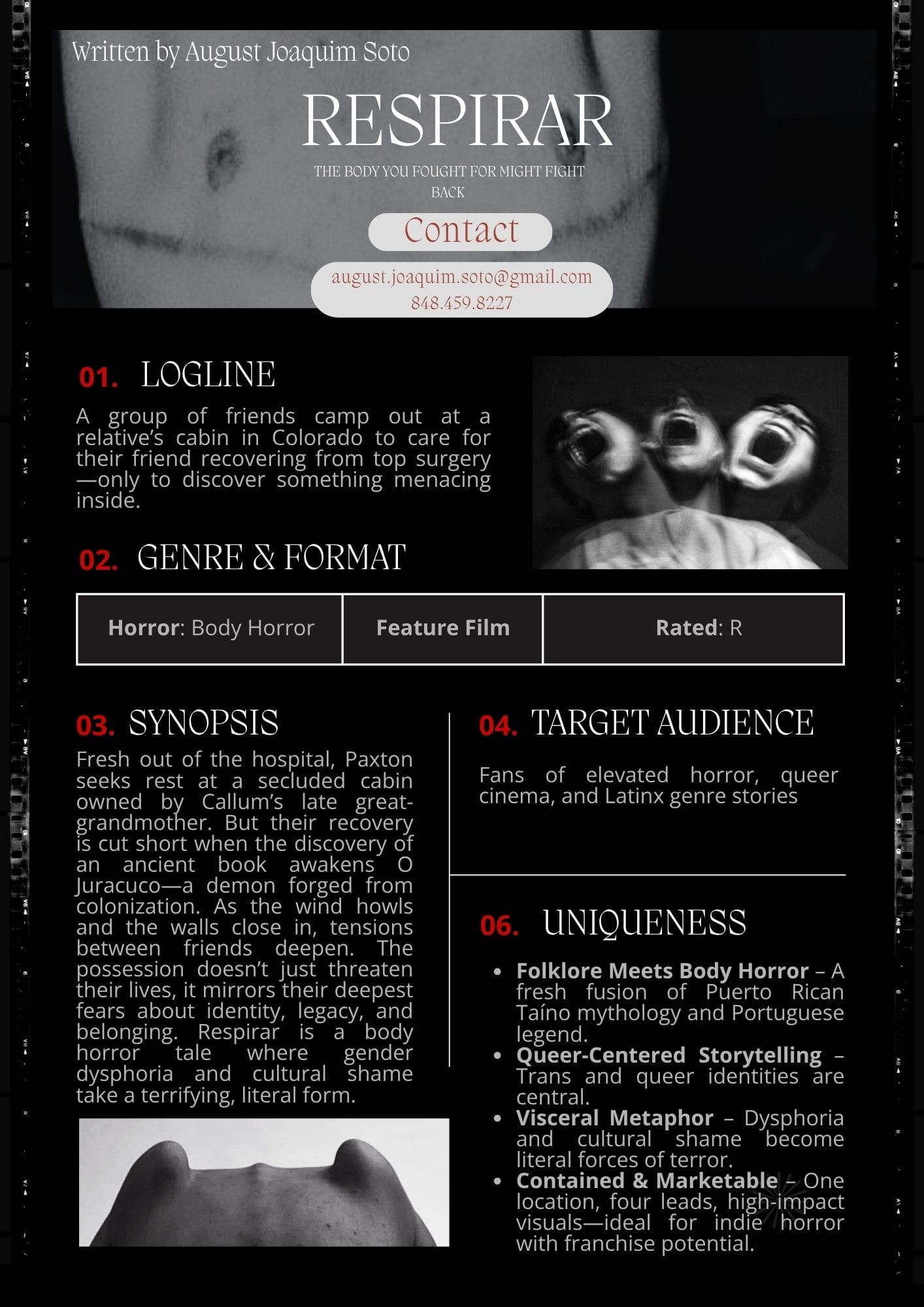
What was the hardest creative decision you made while making this film?
The hardest creative decision I made was deciding to make “Respirar” trans-themed and to use top surgery as a form of body horror. I was nervous about how people outside the community might interpret that, especially those who don’t personally know someone who’s transgender. I never wanted it to come across as saying that transition or surgery is a mistake. Transition is hard, it’s not easy, even when it’s right for you. I know I’m not a girl, and my feelings don’t align with my body, but top surgery, something I’ve always deeply wanted, was still scary.
Another difficult choice was weaving in Puerto Rican folklore and cultural elements. I’ve always felt a bit disconnected from my roots, like I’m on the outside looking in. I worried I wasn’t “Puerto Rican enough” to tell a story tied to that identity. But ultimately, I realized it is part of me, it’s in my blood. So I leaned into that discomfort and decided to include it...because I'm not alone in feeling this way.
What do you hope audiences take away from your film?
I want trans people to know that being scared to transition doesn’t make you any less transgender. It’s normal, it’s human, and it’s okay to fear change, even when that change leads you closer to who you really are.
And I want “no sabo” kids, people like me who feel disconnected from their culture or language, to know they’re not alone. You are who you’re supposed to be. You belong. You can take up space. It’s never too late to reconnect, to learn Spanish, or to claim your heritage with pride.
How has this film shaped or shifted the kind of stories you want to tell next?
Not every story has to be profound; sometimes it’s okay to just have fun. But “Respirar” has definitely shifted me, it gave me the confidence to keep going. I realized that I can do this, that I can write stories people connect with. Now, I just want to keep pushing forward.
As Denzel Washington once said, "You will fail at some point in your life, but that's no reason to stop trying." So, just as he urged the audience in his 2021 University of Pennsylvania speech, I will embrace falling forward.
Independent filmmakers often rewrite the rules out of necessity. What do you think is the greatest strength of independent filmmaking, and how did you lean into that on this project? Is there a lesson or breakthrough you’d share with others navigating this path?
I think the greatest strength of independent filmmaking is its humanity. Indie stories feel more personal, less like a cash grab. They give creators the freedom to tell the stories they want to tell, stories that feel real, messy, and deeply relatable. There’s no corporate agenda to follow, no need to fit into a market trend.
With “Respirar,” I leaned into that freedom by writing something raw and vulnerable, something I might not have been able to explore in a studio system. Independent filmmaking lets you take risks, make mistakes, and still find truth in the process. If there’s one lesson I’d share, it’s to trust your voice. You don’t need permission to tell the story that’s been burning inside you.
"Independent filmmaking lets you take risks, make mistakes, and still find truth in the process."
What does it mean to you to have your film selected for FilmQuest, one of the world’s top reviewed genre film festivals?
I truly never thought anyone would enjoy my stories. I’ve been making up worlds and characters for as long as I can remember. I would write to give myself friends and places to go where I didn’t feel so alone. For a long time, I never believed anyone would want to read what I had to say, so I kept it to myself.
To now be sharing my work for the first time and have it be selected for FilmQuest, it feels like a breath of fresh air for my younger self. Honestly, it’s a breath of fresh air for me, too. It feels like I’m finally allowed to breathe.
FilmQuest celebrates the majesty and might of genre filmmaking across fantasy, horror, sci-fi, action, thriller, western, kung-fu, and beyond. How does your film fit within—or push the boundaries of—genre storytelling?
“Respirar” uses horror as a way to talk about identity, specifically trans identity, cultural shame, and the feeling of being haunted by who you think you’re supposed to be. It’s a body horror film, but it’s also about self-acceptance. I wanted to take the genre and twist it into something more intimate and emotional, where the scares come from something deeply human.
I wanted to push the boundaries of what “possession” or “demonic” stories can mean, especially when those themes mirror dysphoria, guilt, and the fear of being seen as “other.”
So, while it definitely lives within horror, “Respirar” pushes that boundary toward something more psychological, cultural, and personal. It’s horror, but it’s also healing.
Where do you see this film going next?
Hopefully on a screen somewhere...somehow. I’d love for “Respirar” to reach people who see themselves in it, whether that’s at festivals or even streaming one day. More than anything, I just want it to find its audience. If even one person walks away feeling understood or inspired to tell their own story, that would mean everything to me.
"At the core of all my work is a desire to turn pain into connection, to make something beautiful out of the things that once scared me."