Table of Contents
Key Takeaways
- Aglaja Filipovic’s film By The Window is a poignant, intimate portrayal of friendship, loneliness, and the bittersweet act of letting go.
- The film marks the culmination of Filipovic’s “Belgrade trilogy” on loneliness while stepping into subtle magical realism and a refined cinematic language.
- The filmmaker emphasizes the power of independent filmmaking, collaboration, and community, reflecting on how these shaped the film’s creation and her own artistic growth.
Aglaja Filipovic returns to her roots with her latest short film, By The Window, selected for screening at Nòt Film Fest.
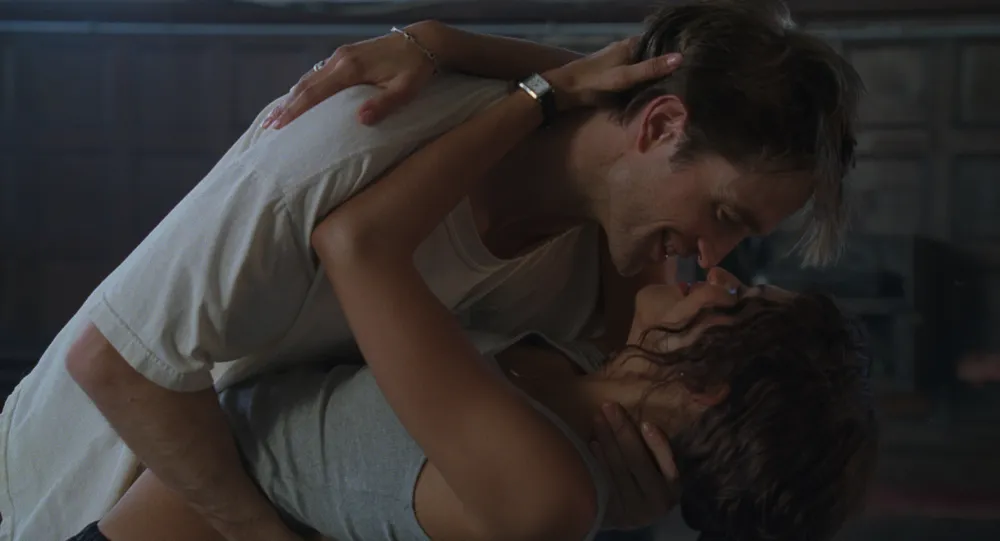
Featuring a compelling cast led by Jovana Gulan and Gordana Djokić, the film intimately captures the last night two best friends spend together before a life-changing move.
Filipovic’s collaboration with longtime creative partners, including co-writer Lidija Vulević Filipović and composer Leah Tatjana, highlights a deeply personal and artistic journey that blends raw emotion with subtle magical realism.

Q&A Interview
What drew you to make this film? Why this story, and why now?
After some time away in London, I felt a strong need to make a film back home. More than anything, it came from wanting to reconnect with the people I’d missed. Working with Jovana, who plays Nina, felt especially meaningful, we shot my very first short together and have been collaborating for seven years now. This film grew out of that bond and the urge to create something together again.
Loneliness has always been at the center of my films, and I felt the need to return to it after some time away. Since my last project, I moved to London and left home for the first time, experiences that reshaped how I see this theme. Along the way, I felt I had developed a new film language, and this film became a way to test it, while reconnecting with collaborators I’ve missed. In the end, it also felt like a fitting way to close what became, unintentionally, a black-and-white Belgrade trilogy on loneliness.
What surprised you most about the filmmaking process this time—creatively or logistically? Was there a moment on set or in post that completely changed how you saw the story?
We shot the film over two days in my flat in Belgrade, with almost no budget. I’m always struck by how much can be achieved without large resources, it’s a reminder that as filmmakers, we have to let go of the idea of perfect conditions and simply create with what we have. Often, that’s more than enough.
This filmmaking process felt very different. In London, I worked on sets with a strong work ethic, where everyone knew their place. Returning home to shoot with friends for the first time felt strange, almost unsettling at first. But it made me realize how important work ethic is, and how much it shapes the experience of making a film.
The moment the film truly changed for me was in post, when my composer, Leah Tatjana, sent me her cues. Her music ultimately shaped the film.
Is there a moment in the film that feels the most you—something only you could have made?
The ending of the film became something I cherish. That final wide shot, paired with Leah Tatjana’s score, transformed the scene in a way I hadn’t imagined. In the edit, we lingered on it even before any music existed. My editor wasn’t sure, but I felt it held potential, once the music arrived, everything clicked. I’m still discovering the power of wide shots, and there’s a special beauty in using them at the end to let the story breathe and settle.

What was the hardest creative decision you made while making this film?
The goodbye scene is still something I’m not entirely happy with. We were running out of time and had to make compromises, and looking back, I wish I had directed it differently. I’ve always seen that scene as the key moment of the film, but unfortunately, I don’t think it fully works as I envisioned.
“The moment the film truly changed for me was in post, when my composer, Leah Tatjana, sent me her cues. Her music ultimately shaped the film.”
What do you hope audiences take away from your film?
I hope viewers of this film feel that it’s okay to stay in one place, even as everything around them changes. Life moves quickly, and friendships, in particular, become more complicated as we grow older, yet they also become more meaningful and essential to who we are. That’s why the last shot lingers, I want the audience to truly inhabit that moment with her, sharing the quiet intimacy of smoking a cigarette and overlooking the city. It’s a moment of pause, a reminder that it’s okay to stay, to take your time, and to let life unfold at its own pace. Sometimes, simply being present in one place can be as significant as any journey elsewhere.
How has this film shaped or shifted the kind of stories you want to tell next?
This is the first time I’ve ventured into elements of magical realism, not fully, but enough to feel like a meaningful step away from the realistic drama approach I’ve explored in my earlier work. Small, intimate details, like the flicker of a lamp and the sound it makes, became moments of heightened presence, introducing a subtle, almost magical layer to the everyday. These moments allowed me to experiment with perception and atmosphere in ways I hadn’t before.
As I mentioned, I see By The Window as the final part of my Belgrade trilogy on loneliness. Moving forward, I want to dive deeper into magical realism, exploring how it can transform the visual language of storytelling. I’m also eager to play more with color and composition, using them not just as tools for realism, but as instruments to evoke emotion, memory, and the almost imperceptible magic that exists in ordinary moments.
What’s a tool, technique, or resource that really helped you during production?
I feel more confident directing on set than ever before. For the first time, I feel comfortable with myself and clear about what I want from each scene, and I’m able to communicate that effectively to everyone around me. I think much of this came from my time away from home attending London Film School, learning to build confidence, observing different sets, and discovering how to speak to people in a focused and collaborative way. That experience gave me tools to approach my own projects with clarity and assurance, and it’s something I carry with me every time I step on set.
Post-production was the phase where the film truly came alive. Working with Dan Hibbert on sound revealed to me just how much impact sound can have on storytelling, shaping atmosphere and emotion in ways that visuals alone cannot. I’ve mentioned our composer Leah Tatjana before, but this collaboration was also a pivotal moment, seeing how sound and music together could transform the film made me appreciate the full power of the post-production process.

Independent filmmakers often rewrite the rules out of necessity. What do you think is the greatest strength of independent filmmaking, and how did you lean into that on this project?
As an indie filmmaker, I’ve developed a simple but powerful approach: when I start writing, I focus on stories I know I can actually make. In a way, this might seem like a limitation, but I see it more as guidance —it helps me shape stories that are both achievable and meaningful, while still leaving room for creativity and experimentation.
“I believe the greatest strength any filmmaker can have is the will to make films. We find ways to create not for profit or fame, but because of a deep, personal urge to tell these stories.”
It’s about making films from the heart, using the resources around us, and finding fulfillment in the act of creation itself. Equally important is cherishing your community of collaborators, supporting one another, and embracing the shared journey of filmmaking. Always leave space for growth, for learning, and for the unexpected moments that can transform a project into something more than you initially imagined. For me, this philosophy has become a compass—not just for making films, but for shaping the way I approach storytelling, collaboration, and life as a filmmaker.
“I hope viewers of this film feel that it’s okay to stay in one place, even as everything around them changes.”
What does it mean to you to have your film selected for Nòt Film Fest?
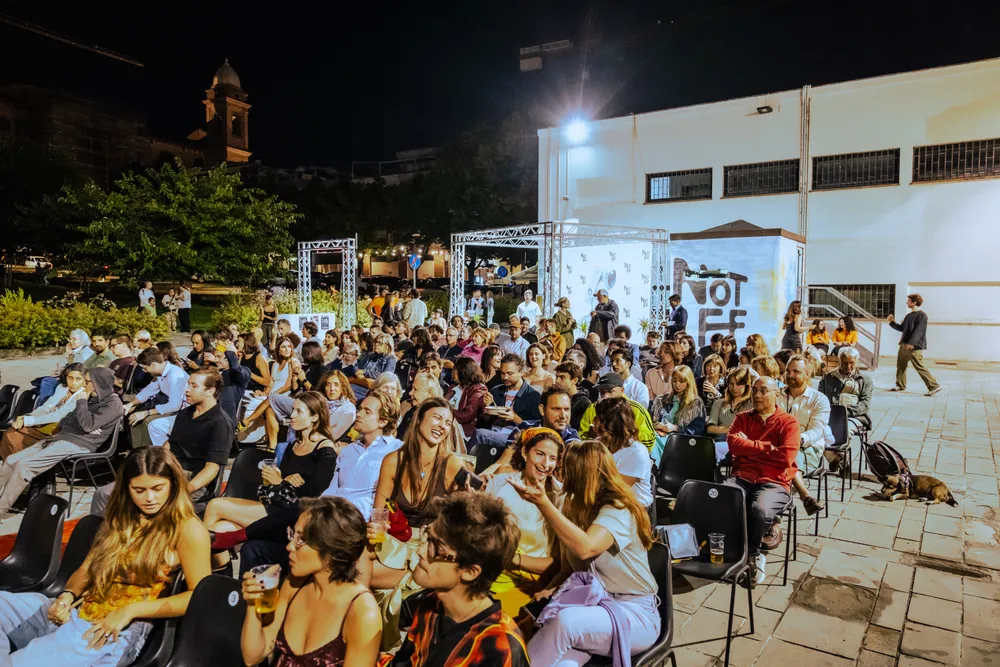
I was lucky enough to be part of Nòt Film Fest in 2022 with my graduation short film, and it remains one of the most inspiring experiences of my life as a filmmaker. There’s truly nothing else like it, its focus is entirely on filmmakers and the community they create together. From the very first moment, you can feel the energy, dedication, and genuine love for filmmaking in the air. Being surrounded by so many passionate, like-minded people makes it impossible not to be inspired. It’s a feeling that’s hard to put into words: a mix of excitement, connection, and pure joy. The festival reminded me why I started telling stories in the first place, and it reignited my own passion for the craft. It’s the kind of experience that stays with you, influencing how you approach your work, your collaborations, and even the way you think about storytelling itself. For me, Nòt Film Fest was more than just a festival, it was a celebration of the heart of filmmaking, and it reaffirmed my belief in the power of community, creativity, and the shared love of cinema.
How do you hope being part of Nòt Film Fest will shape the life of this film?
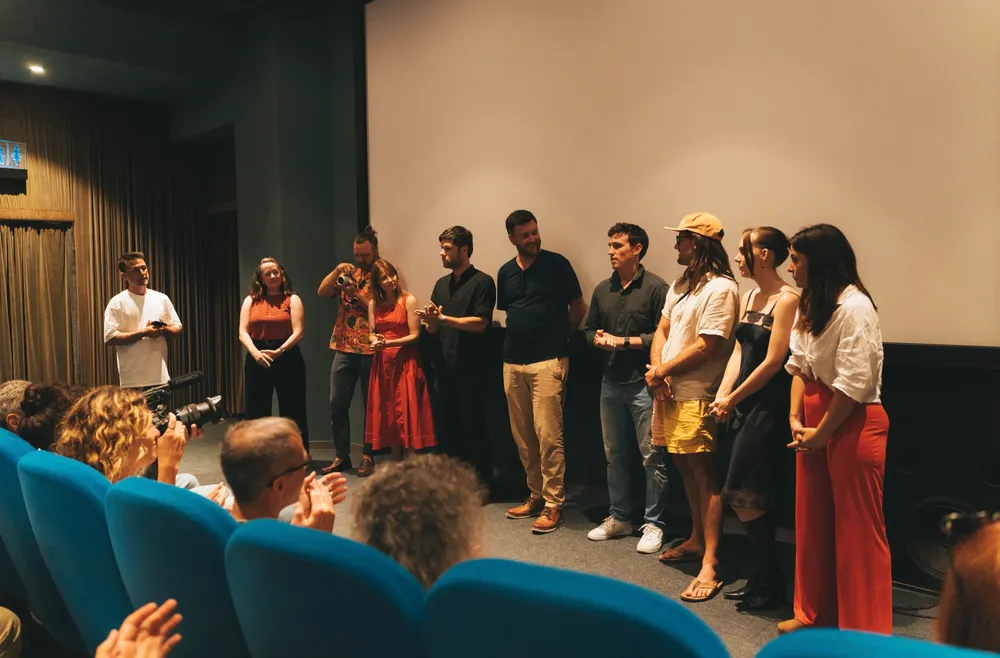
This is our premiere, and over the years, I’ve learned that festival selections are always unpredictable. There are a few festivals you secretly hope for, the ones where you’d be over the moon if your film found a place in their program. Nòt Film Fest has always been one of those for me. I’ve dreamed of returning and sharing my work with a community that feels so alive and passionate about filmmaking. Now, having By The Window premiere here feels like the perfect way to send it out into the world. I hope audiences elsewhere will love it too, but for now, my heart is full just to be back at Nòt Film Fest, surrounded by this community that continues to inspire and remind me why I make films.
Where do you see this film going next?
I’m hoping for a few more festival screenings. This film was always made with the intention of being shared in spaces and festivals that I deeply resonate with, places that reflect the same love for collaboration, community, and heartfelt storytelling that inspired the film from the very beginning. By The Window was born out of a desire to work with people I care about and trust, and it feels important that it finds its way to audiences who appreciate that same spirit. After the festival run, my plan is to release it online on one of the platforms, so it can reach a wider audience while still carrying the warmth, intimacy, and care with which it was made. For me, the life of the film isn’t just about screenings or recognition, it’s about sharing these moments, emotions, and connections with people who might find something familiar, comforting, or meaningful in them.

"At the core of all my work is a desire to be vulnerable."
Cast & Crew
- Marko Milošević
- Writers: Lidija Vulević Filipović
- Director of Photography: Vid Uršič
- Editor: Patrik Krajnc
- Sound Design & Dub Mix: Dan Hibbert
- Production Manager: Marko Glušiċ
- Director’s Assistant: Mila Boranijasevic
- Camera Assistant: Antonija Manojlović
- Sound Recordist: Djordje Petković
- Production company: CHEDO FILMS