Table of Contents
The Poetry Of Mundane Objects
In Chungking Express (1994), Wong Kar-wai highlights certain banal props such as cans of pineapple, a jukebox button, and stolen keys. In doing so, Wong transforms and creates vessels of meaning in a film that illustrates the evanescent nature of human connection. Set during pre-handover Hong Kong, a city on the verge of political and existential uncertainty, Chungking Express transforms its cramped apartments, neon-lit convenience stores, and nostalgic airport departure boards into a visual language of longing and yearning. Grounded from Wong’s own reflections and commentary in a 1996 interview , behind-the-scenes anecdotes, and the film’s lasting influence on contemporary cinema, Chungking Express remains a masterclass in visual storytelling three decades later.
The Accidental Style of Necessity
Wong Kar-wai and cinematographer Christopher Doyle did not set out to create a visually revolutionary film—they were simply working within the constraints of Hong Kong’s chaotic urban landscape. Growing up in Hong Kong, I recognized the film’s locations not as sets but as characters: the claustrophobic grocery store where Wong bought $20 Indian music, the airport escalators where Cop 633 (Tony Leung) chases time.
"We shot where we’d get hustled off the street after 10 minutes. The style was dictated by the circumstances."
—Wong Kar-wai, Moving Pictures (1996)
The film’s most iconic filming location, Chungking Mansions, was an underground hotspot for immigrants seeking their fortune and tourists searching for affordable hotels. Wong described it as a "mini Hong Kong", a place where cultures diverge in cramped, ephemeral spaces. To shoot in these tight quarters, Doyle used extreme wide-angle lenses, distorting actors’ faces in close-ups. What began as a logistical necessity became a visual motif for emotional distortion—how people can be physically close yet emotionally worlds apart.
This guerrilla approach gave the film its restless energy, a feeling that anything could happen, because in Hong Kong, it often did.
Objects as Metaphors: The Language of Yearning
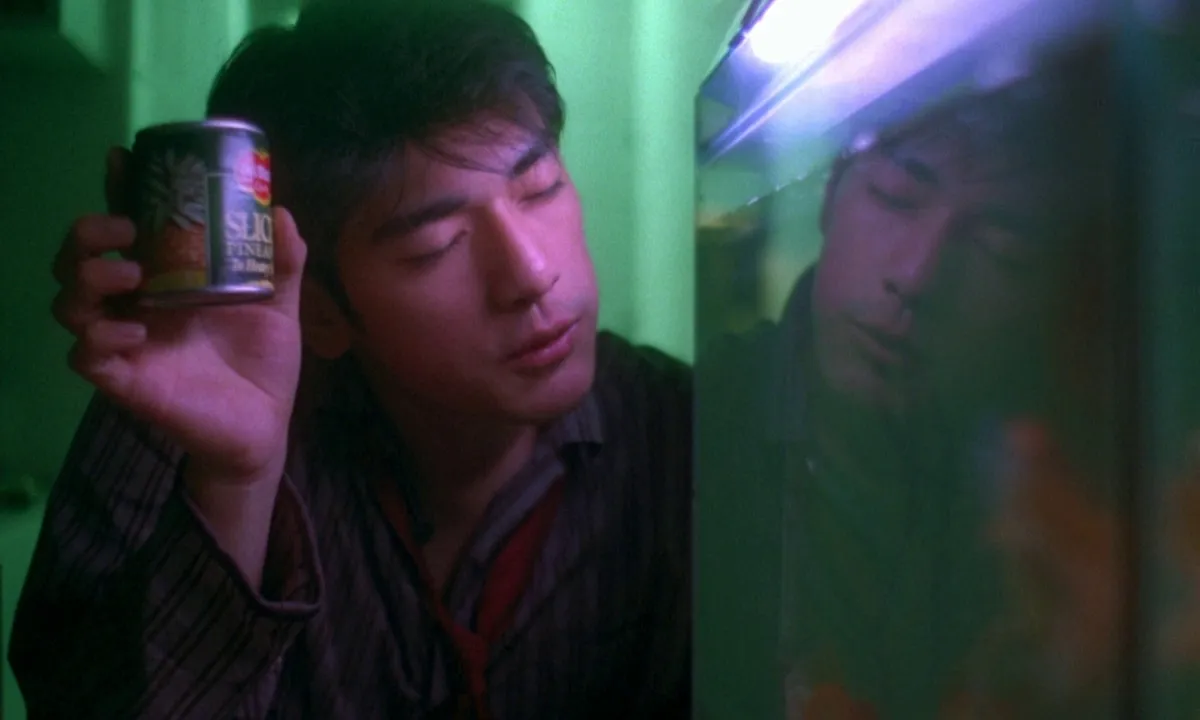
In the film, Cop 223 (Takeshi Kaneshiro) purchases 30 cans of pineapple with an expiration date of May 1st, which is his self-imposed deadline for reconciling with his ex-girlfriend. The cans represent more than just a quirky personality trait, they are a manifestation of his emotional surrender. In a 1996 interview with motion pictures, Wong stated that his films are deeply influenced by Eastern philosophy, particularly the acceptance of volatility in love. The pineapple cans literalize this idea, love, like fruit, has a shelf life.
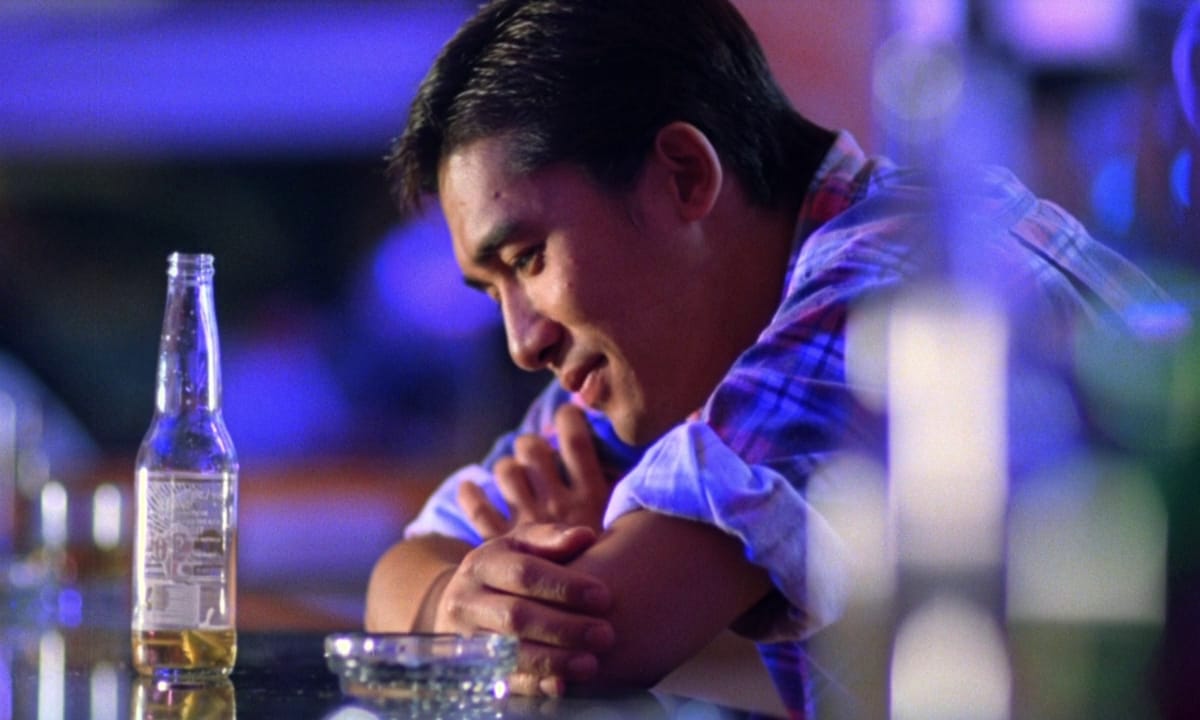
Apartments, Keys, Cleaning Gloves and the Delusion of Intimacy
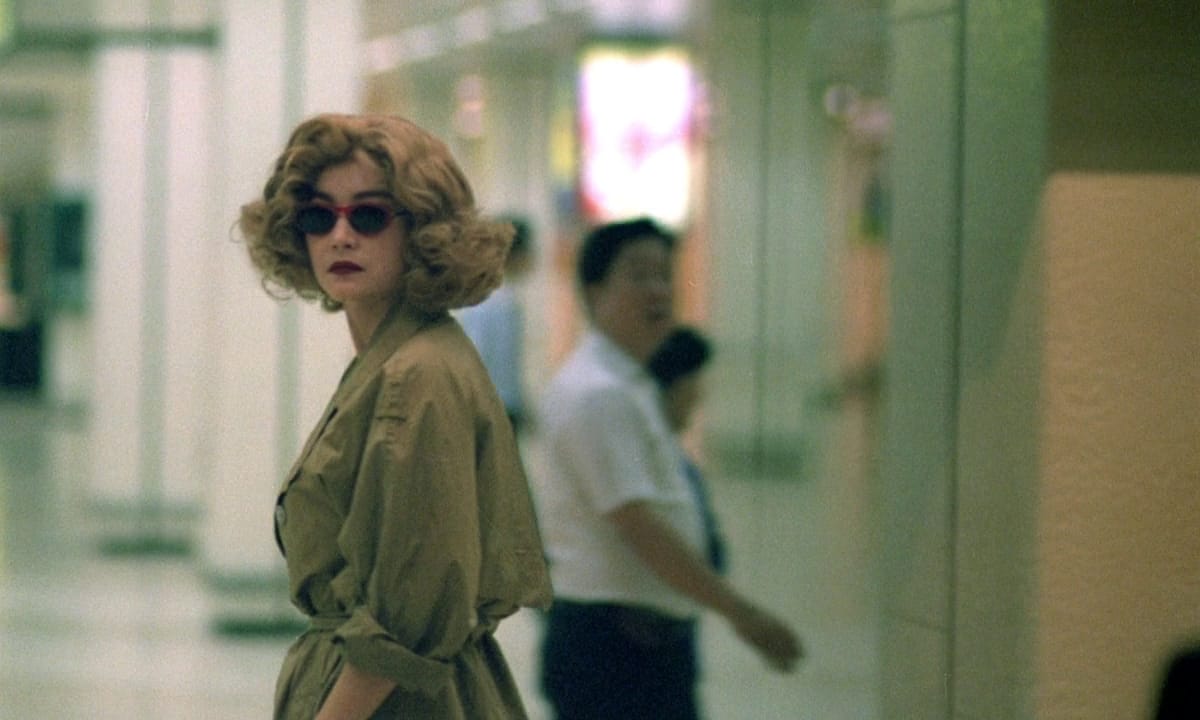
Faye Wong's character breaks into Cop 633's (Tony Leung) apartment and replaces his ex-girlfriend's possessions with her own: new soap, a fresh towel and a different brand of cigarettes. Her intrusions are not invasions or violations, but rather acts of compassion. She modifies his space, hoping this will reshape his heart. A bar of soap, a plush toy, fish in a plastic bag, these everyday objects become inconspicuous witnesses to her emptiness.
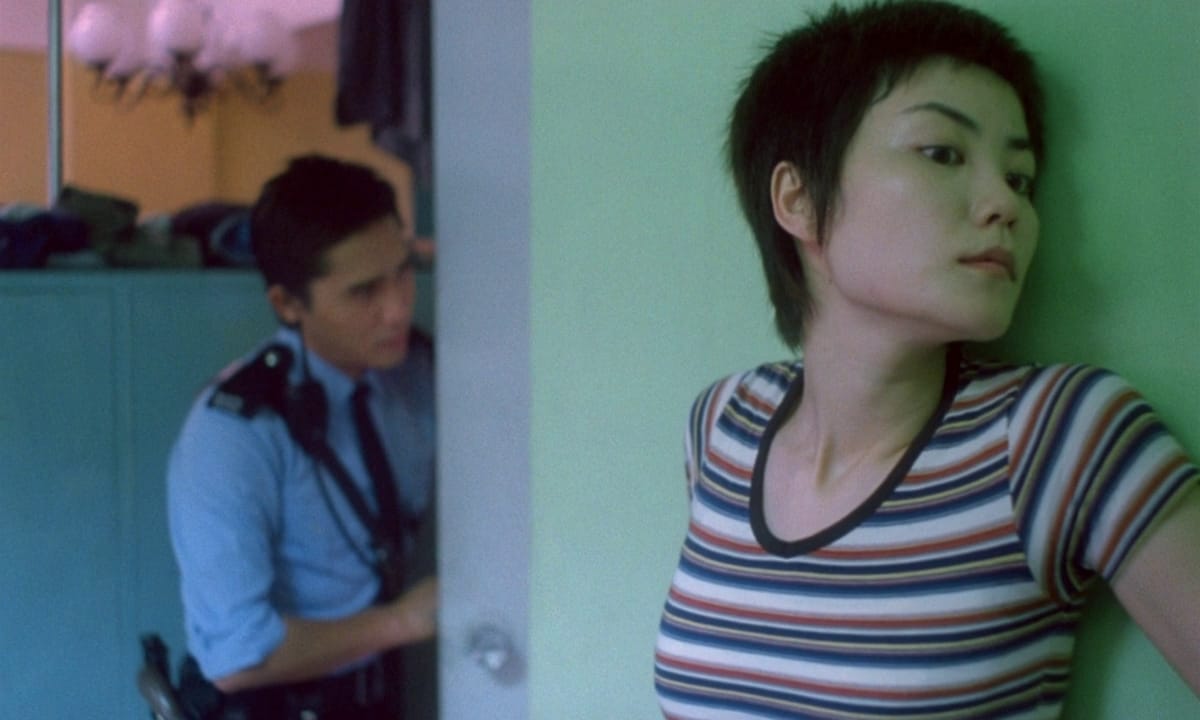
The Jukebox and The Passing Of Time
The Midnight Express diner's continual loop of "California Dreamin'" reflects an unwillingness to move forward. Faye's character plays the song on loop, immersed in a daydream of escape, while Cop 633 suffers from the gloom of "What a Difference a Day Makes". The characters are locked in their own emotional feedback loops, representing Hong Kong's suspension between British rule and an uncertain future.
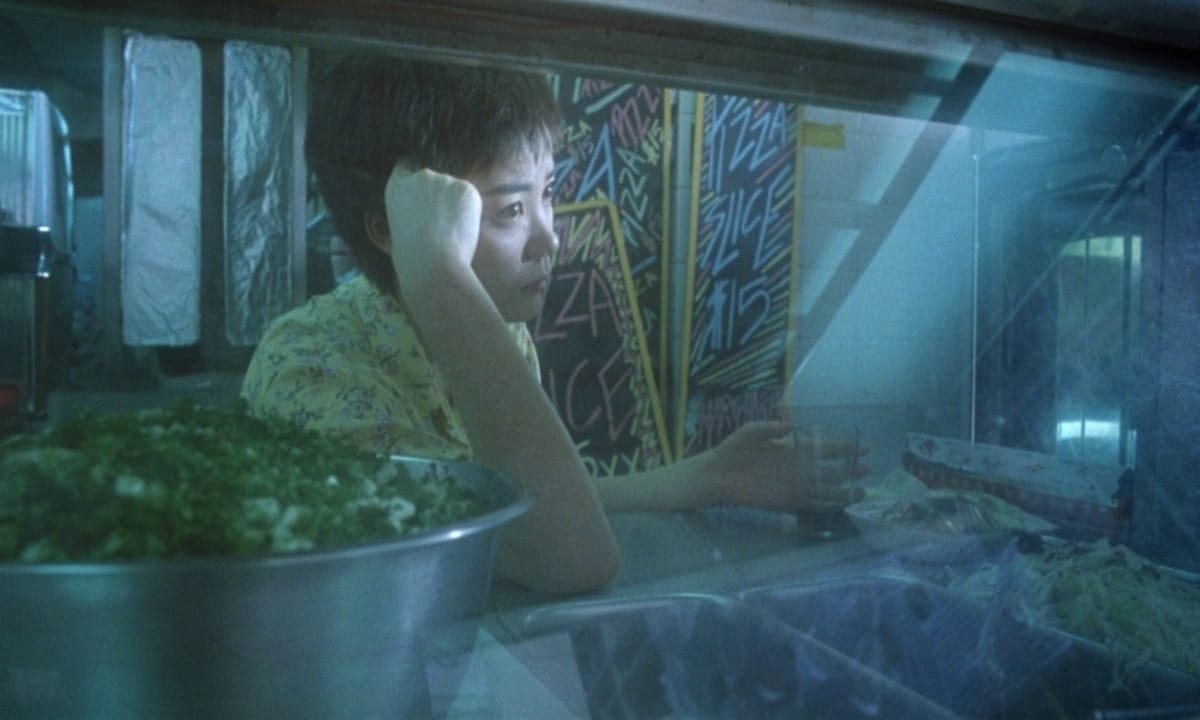
Conclusion: A Mirror to Our Digital Melancholy
In an era defined by dating apps, "ghosting", and "situationships," Chungking Express's portrait of urban loneliness feels disturbingly appropriate. The characters' unanswered voicemails, left in the abyss of answering machines, reflect our modern conundrum of constant contact despite profound isolation, where texts go unread and DMs linger without response. They cling to real objects such as expired pineapple cans, stolen keys, looping jukebox songs as anchors in connections that are painfully fleeting, similar to how we construct playlists for crushes who will never listen or reserve jokes for conversations that will never happen. The film's frenzied energy and unfinished romances mirror our current emotional limbo, in which relationships are constantly in "almost" states: "we're talking," "it's complicated," "seeing where it goes."
"I hope it’s about the poetry of the impossibility of love."
—Wong Kar-wai, Moving Pictures (1996)
Wong Kar-wai's assertion about "the poetry of the impossibility of love" seems more relevant today than it did in 1994, not because technology has changed loneliness, but because it has heightened its basic essence. The characters' rituals—Cop 223's nightly diner trips, Faye's compulsive refurbishing of Cop 633's apartment, reflect our own attempts to impose order through personal habits and manufactured digital identities, all while managing connections that feel omnipresent but just out of reach. Chungking Express persists because it depicts a universal tension: the beautiful, heartbreaking divide between humans that no amount of technology can ever bridge.