
Three Key Takeaways
- A comedic martial arts showdown serves as a metaphor for cultural identity and belonging.
- Editing reveals itself as a powerful storytelling tool, reshaping the film’s rhythm and impact.
- Independent filmmaking thrives on collaboration and playful risk-taking, fueling creativity and audience connection.
Shane Chung’s short film Check Please brings a fresh, action-packed spin to the classic dinner check dispute, transforming it into a martial arts deathmatch that doubles as a reflection on Korean-American identity.
Starring Richard Yan and Sukwon Jeong, and supported by a talented crew including producers Anna Castagnaro and Nick Leahy and DP Tristan Baumeister, the film was recently selected for the esteemed FilmQuest festival.
Chung’s blend of humor, cultural insight, and homage to ‘80s Hong Kong action cinema makes Check Please a standout genre piece with a personal core.
What drew you to make this film? Why this story, and why now?
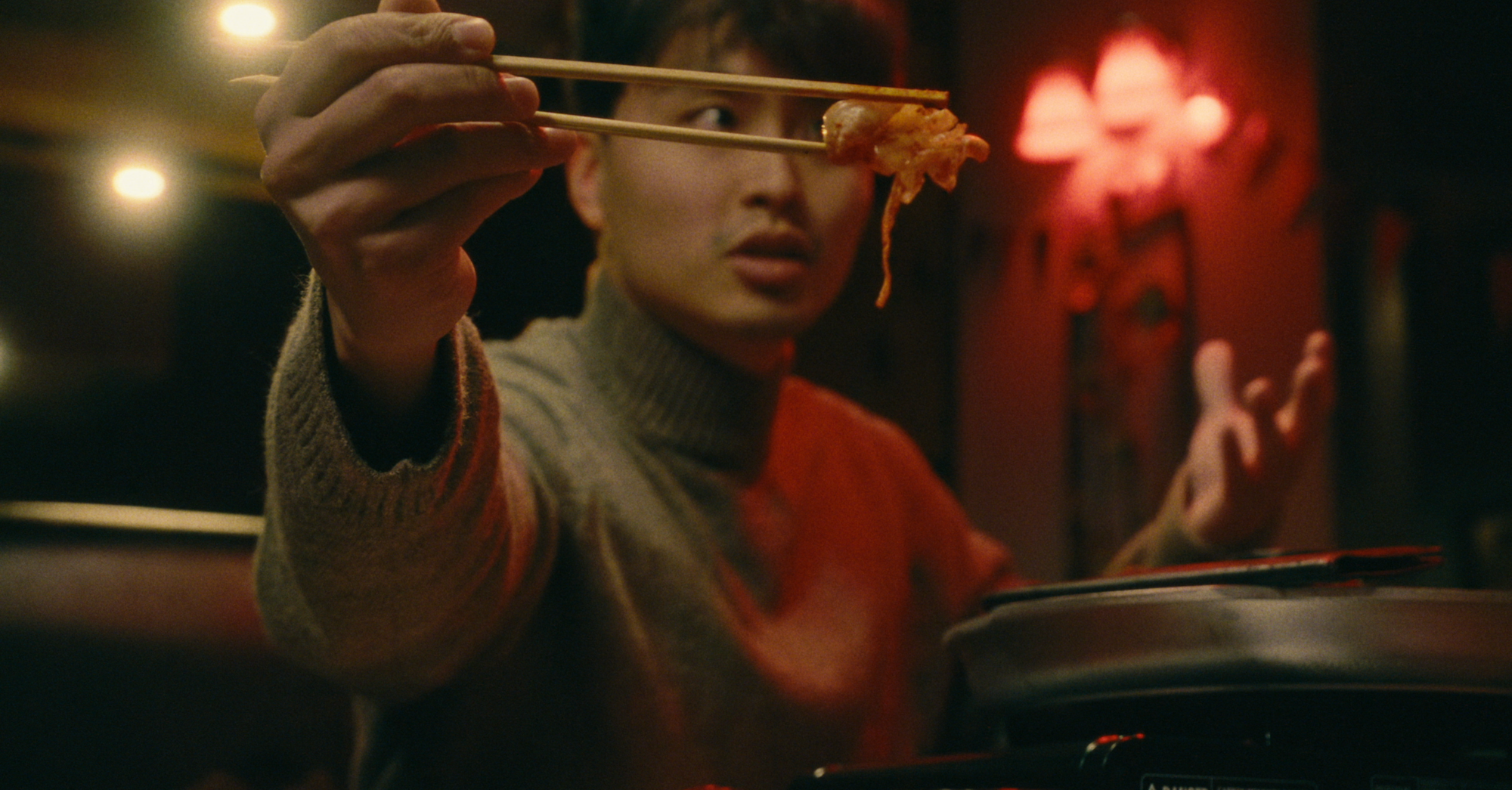
This film was inspired by this one time I went out to lunch with my mom and her friends in South Korea. The atmosphere was very polite until the time came to pay for the check, at which point the claws really came out and they started legitimately arguing with each other. I thought, "that's funny... I wonder how far you could take a battle for the check!" — which was really the seed of the film — and combined it with my love of martial arts films to really get the idea going.
The film also tackles some personal feelings about being Korean-American that I haven't really seen addressed in movies at large yet — the feeling of being in-between, of feeling too Korean for America and too American for Korea... how do you move forward with that? Where do you belong? Can you become more or less Korean by doing cultural rituals? I wanted to address these thorny questions while keeping things light, and that's really what's at the heart of Check Please.
What surprised you most about the filmmaking process this time—creatively or logistically? Was there a moment on set or in post that completely changed how you saw the story?
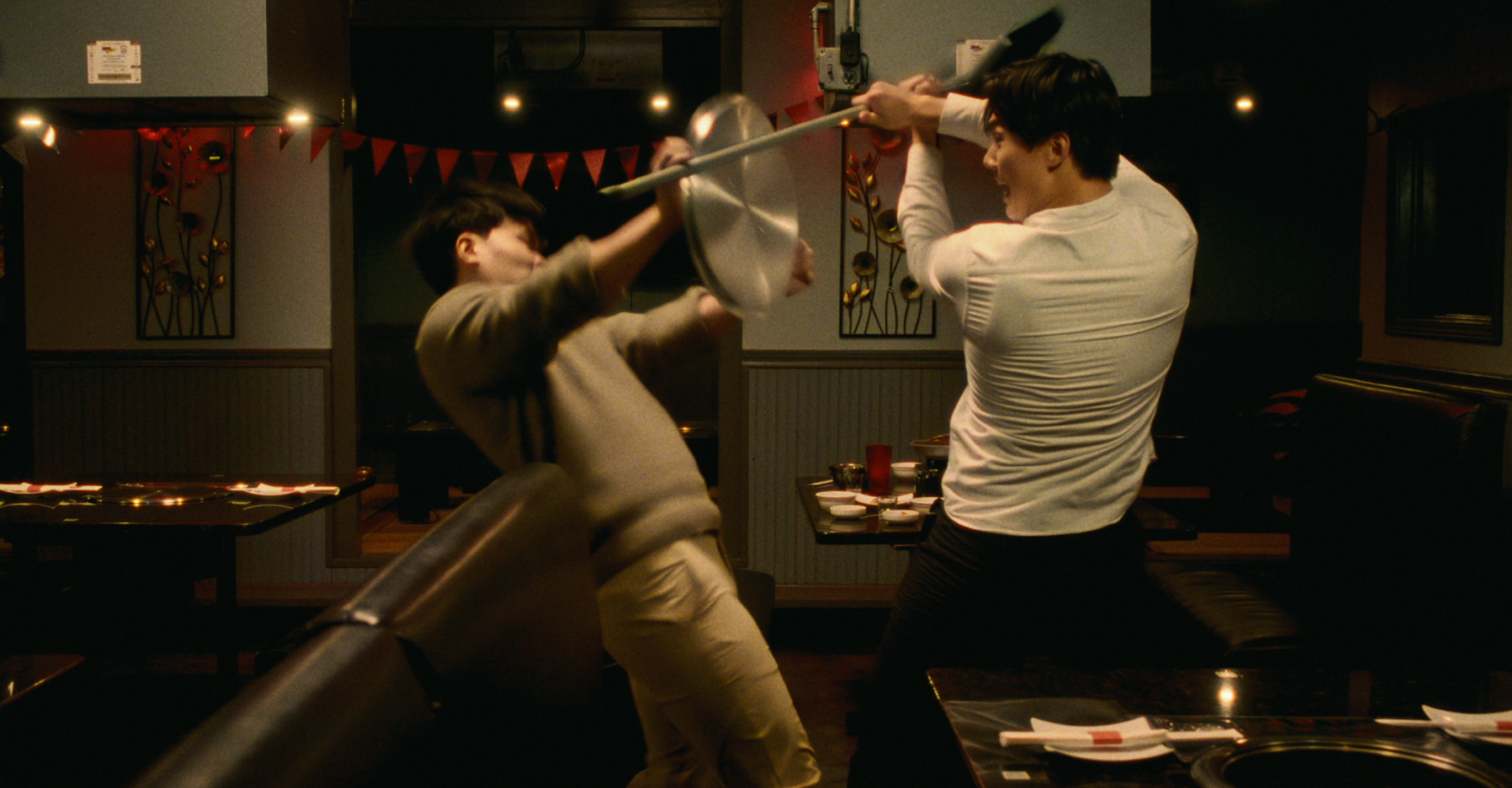
Editing truly is the magic behind filmmaking — I was shocked by how much you can get away with in post. The entire third act's fight scene is rearranged to flow better, and there's about three times you can see the boom in frame but we misdirect the audience's eye so they don't notice... it's really the secret sauce! I had known in film school that continuity doesn't matter, only feeling and rhythm, but hadn't truly felt that notion until this project.
Is there a moment in the film that feels the most you—something only you could have made?
"I really delight in thrilling and shocking the audience, giving them something unexpected to react to."
It's only a short but I'd still hate to spoil it — there's a moment in the film where I strongly suggest the film is about to end but at the last second the film keeps going, and it always gets the loudest reactions. I'm really pleased with that bait-and-switch, that element of unpredictability that keeps the audience on their toes.
What was the hardest creative decision you made while making this film?
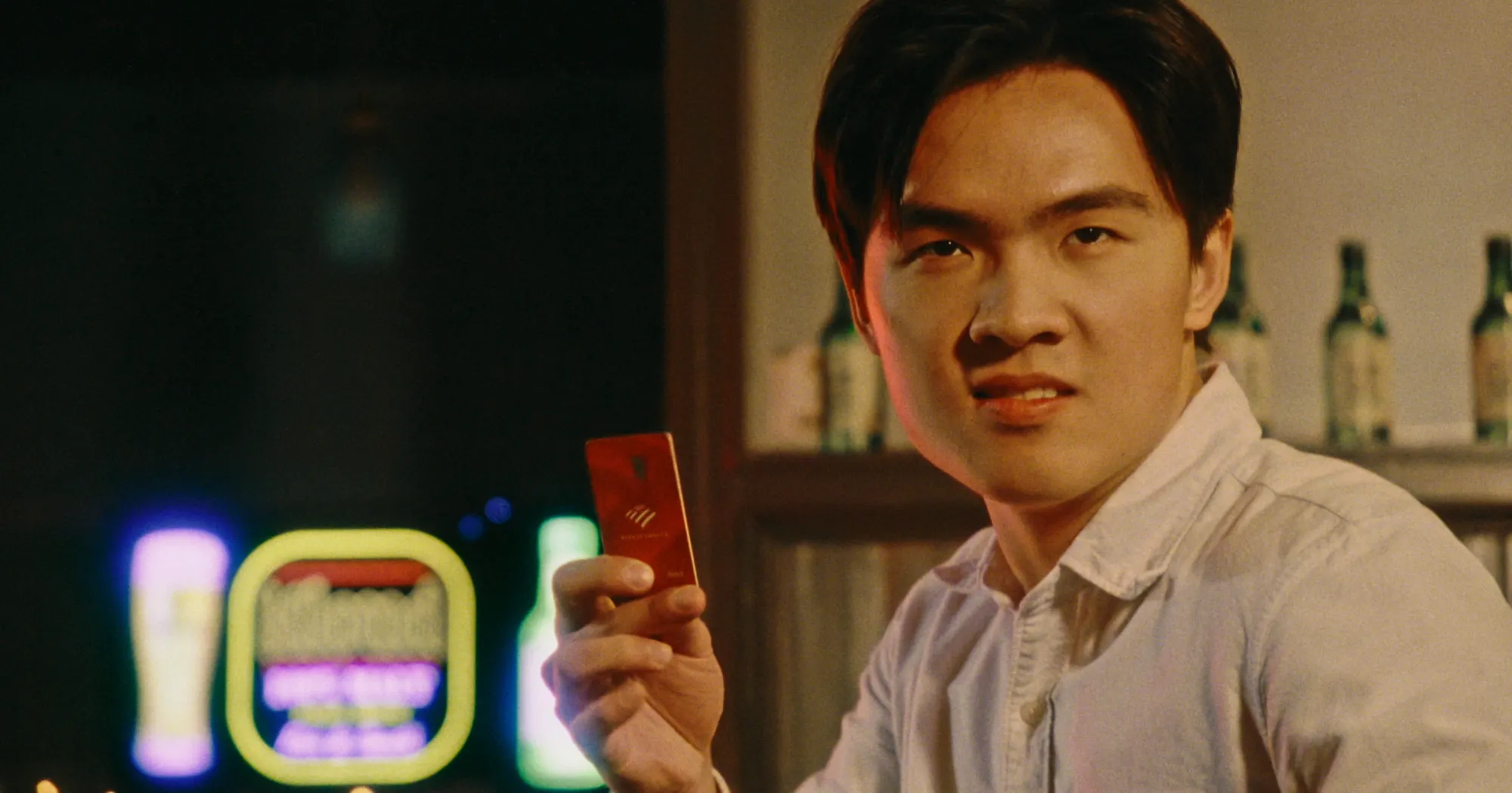
On set, there was a moment where we were running up on the day's end and I had a choice on whether to get extra coverage on a dialogue scene, or get a less necessary but stylistically wackier and more "fun" shot where we follow a credit card, SnorriCam style, as it flies through the air. I opted to go for the latter. This is now one of the most emblematic and iconic shots in the film and gets some of the biggest laughs, so although I forewent the coverage I'm glad I picked the "riskier" option in the end.
"Editing truly is the magic behind filmmaking — I was shocked by how much you can get away with in post."
What do you hope audiences take away from your film?
Firstly, I hope you laugh a lot! But I also hope that if you're a kid of the diaspora, a third culture kid, or if you're a second/third-generation immigrant that you resonate and feel less alone — I hope you see yourself in the film and know that it's OK to feel "between worlds" — you aren't alone in feeling so!
How has this film shaped or shifted the kind of stories you want to tell next?
Going forward, I want all my stories to center the Asian-American experience. I want to make movies where if you tried to remove the "Asianness" out of it, it wouldn't make much sense or really be the same story at all. (But also, if I got to make action comedies for the rest of my life, I wouldn't complain.)
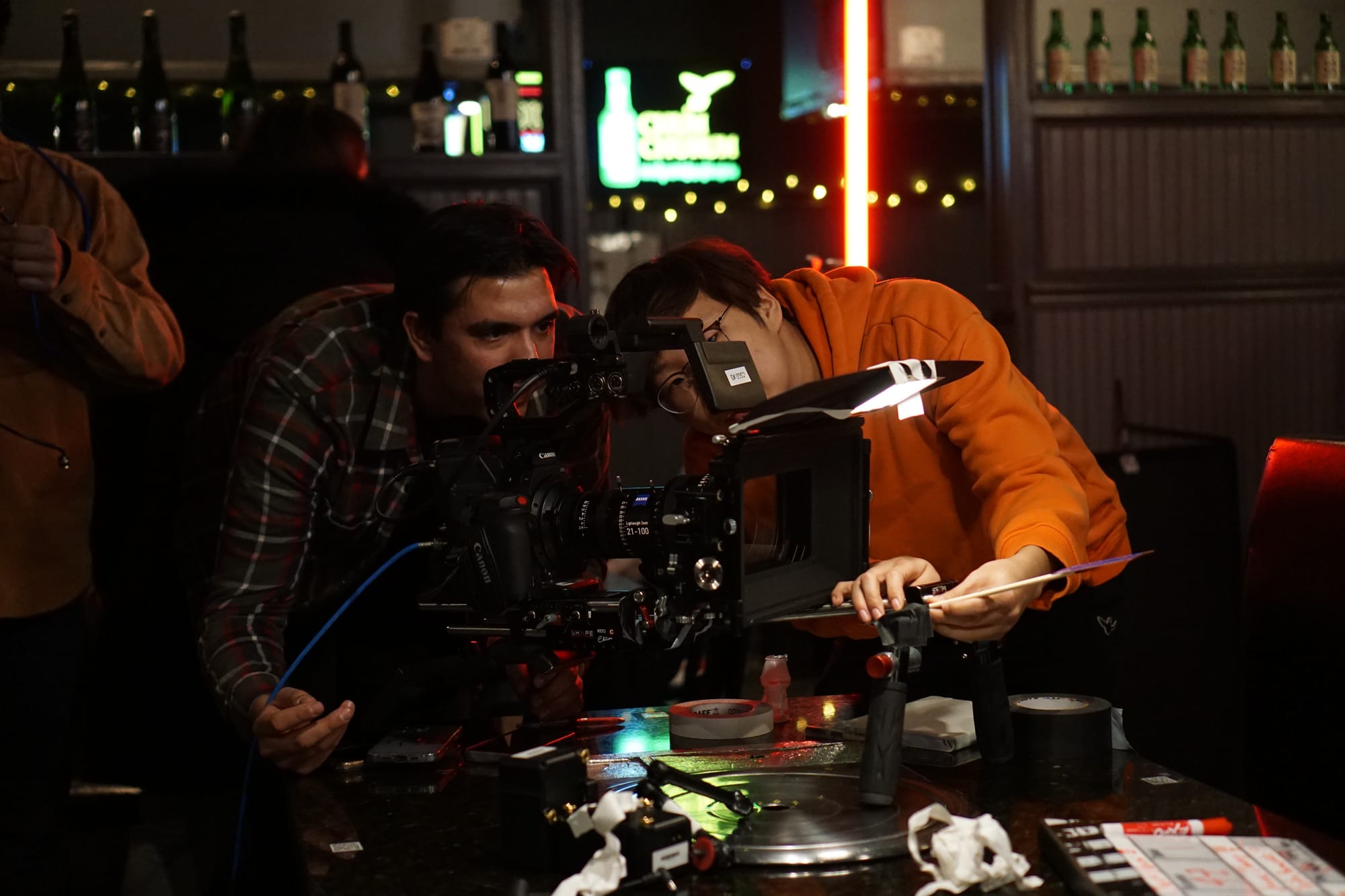
What’s a tool, technique, or resource that really helped you during production?
The resourcefulness of my camera crew never ceased to amaze me. During one particular shot where we were tracking a credit card flying through the air, my camera team jerry-rigged together a tension rig that attached the card to the matte box using tape and chopsticks.
Independent filmmakers often rewrite the rules out of necessity. What do you think is the greatest strength of independent filmmaking, and how did you lean into that on this project?
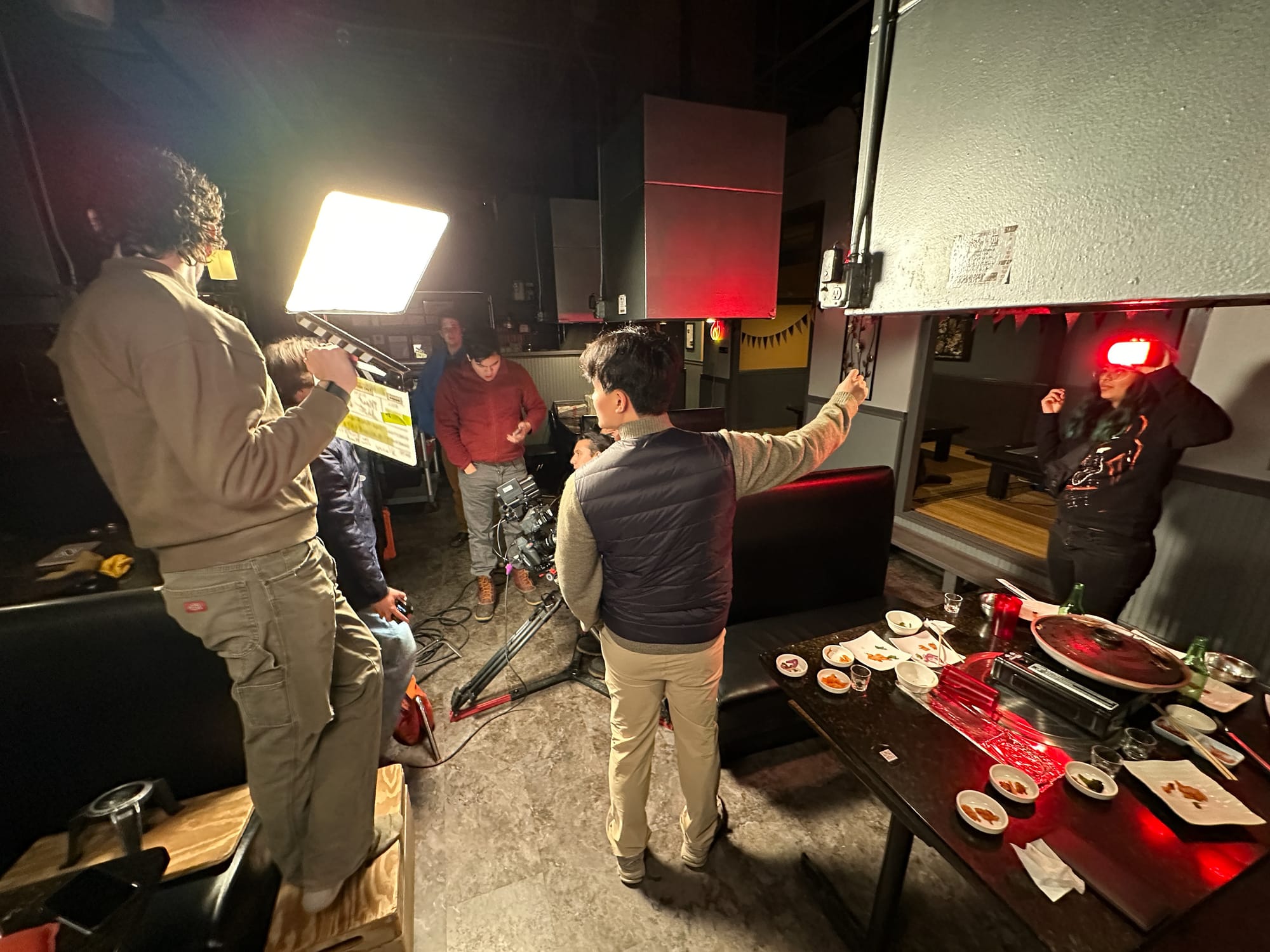
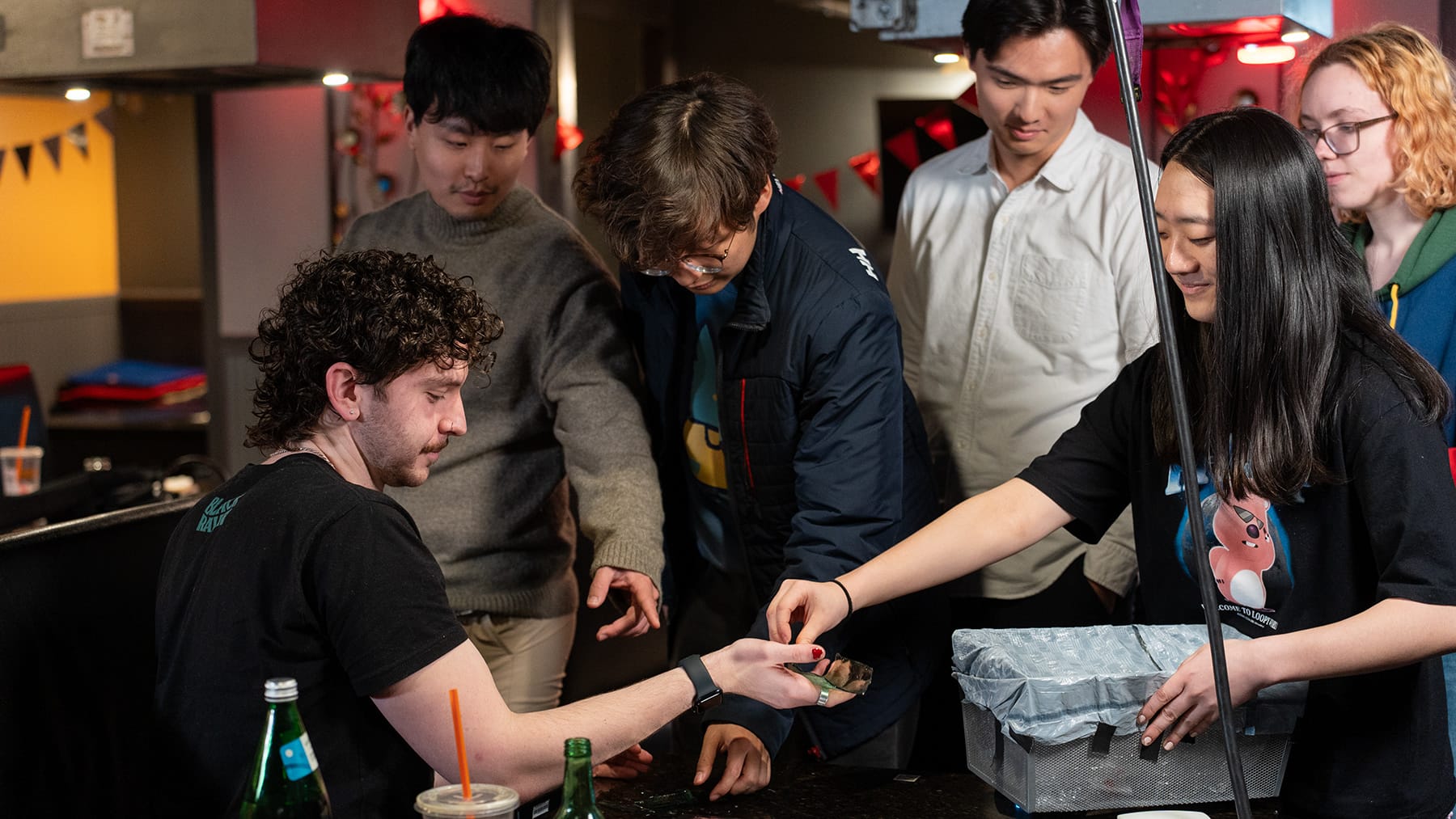
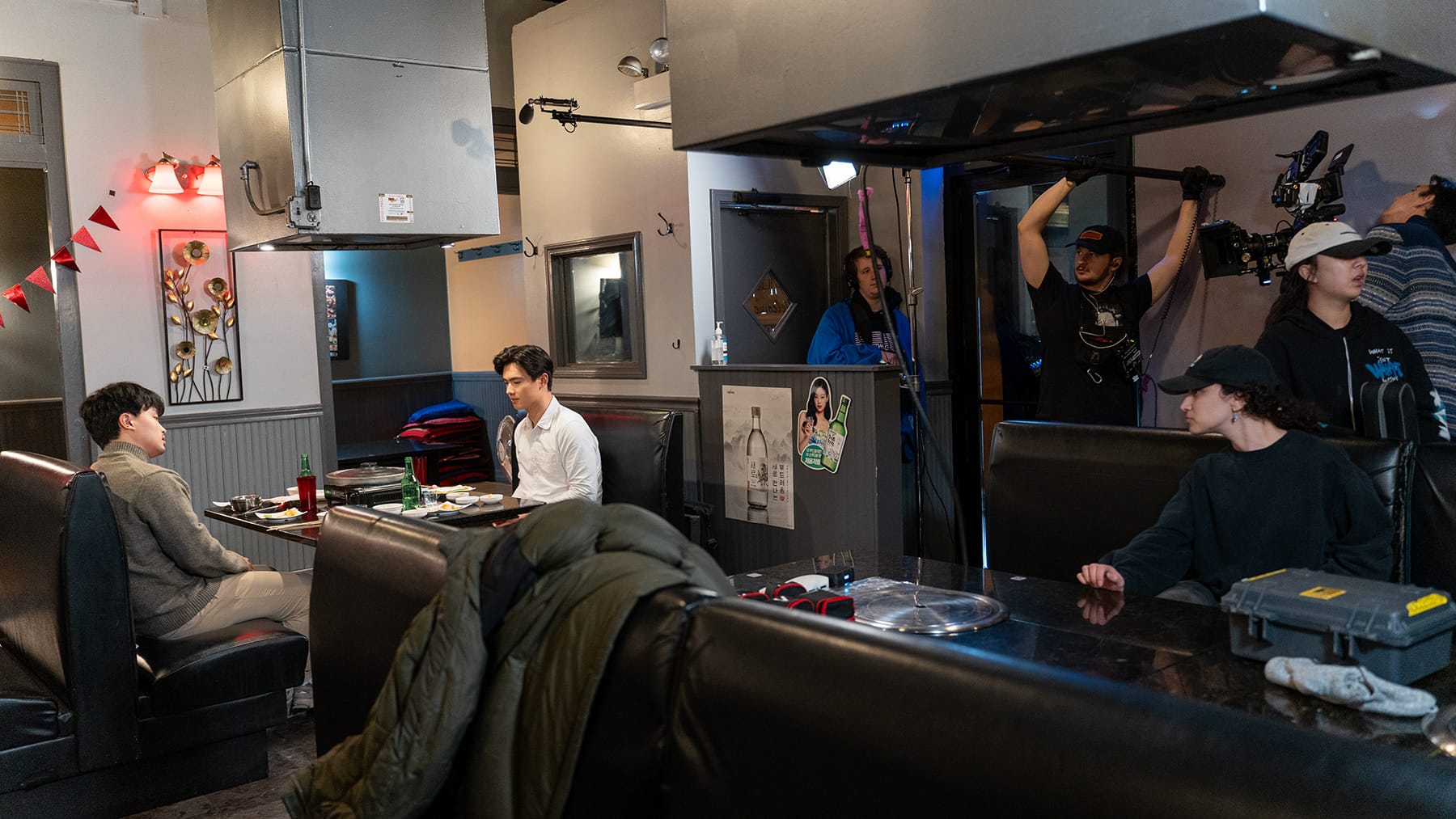
Because everyone donated their time to this project, it resulted in a collaborative, passionate environment where the priority of every shooting day was to have fun first and to make a film second. I think you can tell we were having fun making this film and that immaterially makes the film better — that feeling of play just kind of oozes through every frame. I also really tried to take care of the crew and made sure they were warm, fed, and safe on set, because that's not only basic workers' rights but also a way to ensure everyone's creative processes were firing at 100%.
"Because everyone donated their time to this project, it resulted in a collaborative, passionate environment where the priority of every shooting day was to have fun first and to make a film second."
What does it mean to you to have your film selected for FilmQuest, one of the world’s top reviewed genre film festivals?
The genre circuit has received this film incredibly well, and it's super meaningful to continue Check Please's festival run with FilmQuest, one of the world's most recognized genre festivals.
FilmQuest celebrates the majesty and might of genre filmmaking across fantasy, horror, sci-fi, action, thriller, western, kung-fu, and beyond. How does your film fit within—or push the boundaries of—genre storytelling?
Check Please is a love letter to '80s Hong Kong action films — Jackie Chan, Stephen Chow, John Woo, Shaw Brothers. We tried to replicate the fight choreography, cinematography, look, and sound palette of those old films as faithfully as possible while updating its narrative themes for a modern age — the film addresses a very contemporary question of the "inbetweenness" of being Asian-American in the 21st century.
Where do you see this film going next?
I'm currently developing Check Please into a feature based on the short, and I'm developing it with some pretty cool people!
“At the core of all my work is a desire to communicate a specific feeling to the audience in hopes that we might all share it."
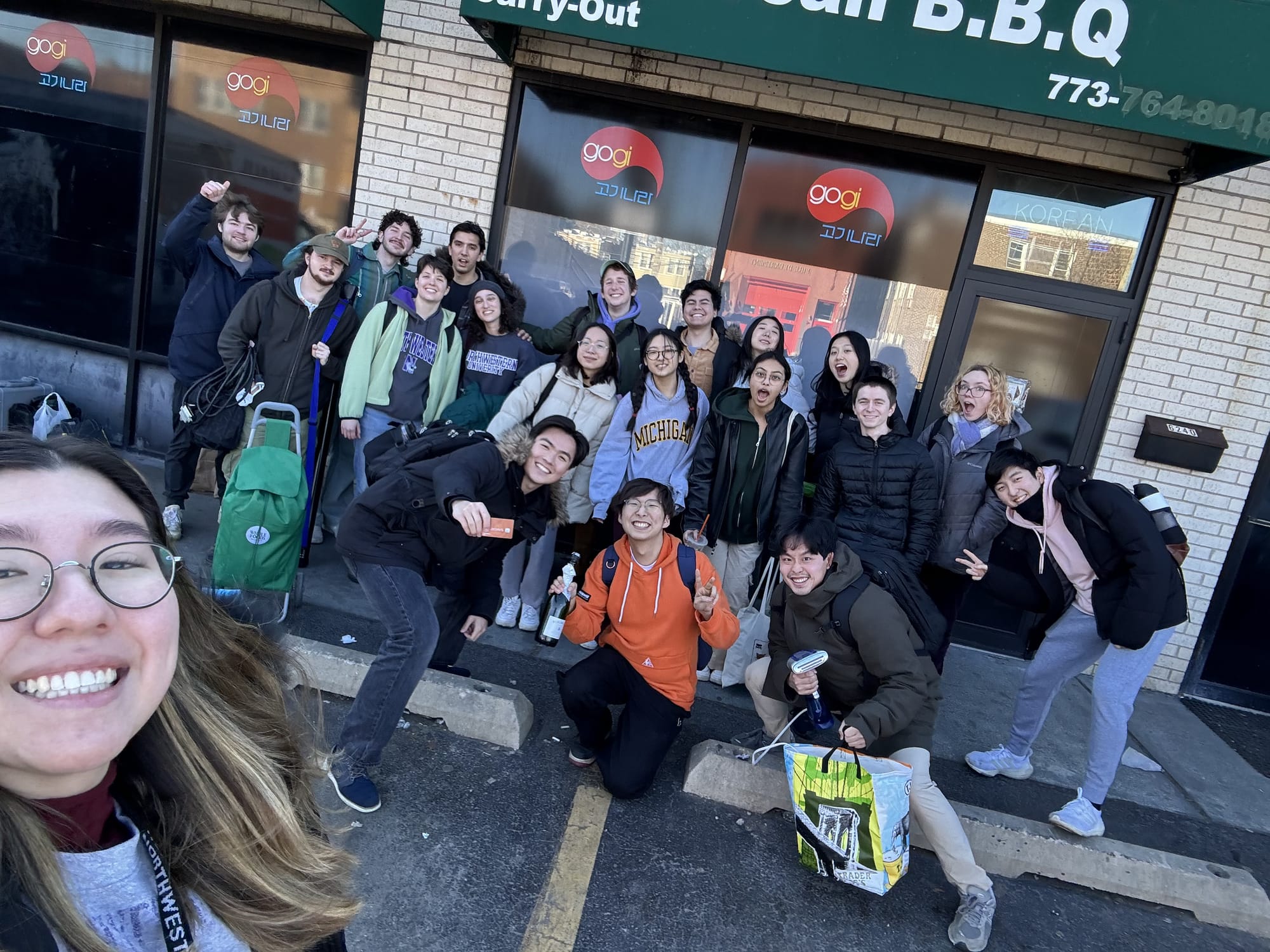
Cast & Crew
- Richard Yan and Sukwon Jeong — Lead actors in CHECK PLEASE
- Anna Castagnaro and Nick Leahy — Producers
- Tristan Baumeister — Director of Photography
- Grace Wagner — Fight Choreographer
- Madie Giaconia — Editor
- Xanthe Moon Brown — Colorist
- Taniya Tleubayeva — Sound Designer


