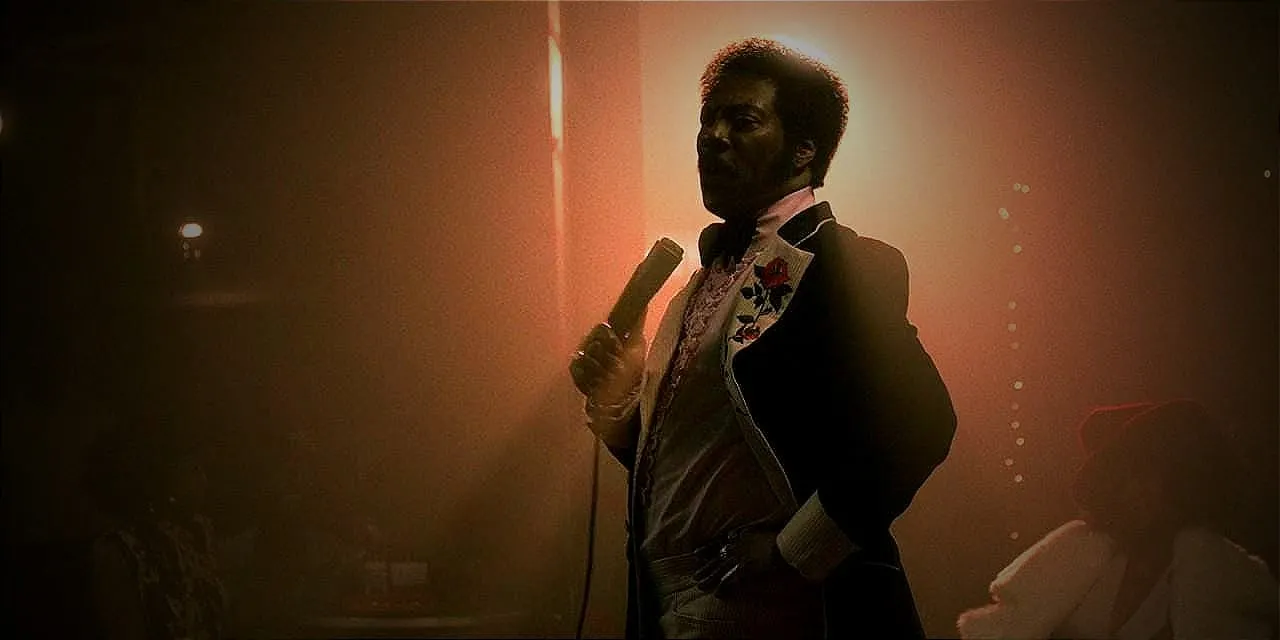
When talking about prestige cinema, there's one genre that I feel is widely underrated: comedy.
It makes sense. Comedy is obviously associated with a lack of seriousness because its intent is to make the audience. Today, many members of Gen Z use comedy to cope with darker thoughts and events. In an era where laughter is shared through memes and viral videos, much of comedy can feel like an ouroboros, a snake which eats itself until all that's left is a replay of past events.

Another reason I believe comedy is viewed as lesser is outlined in Linda Williams's Film Bodies: Gender, Genre, and Excess. In the paper, Williams sorts films into two categories: male and female. These categories (which Williams refers to as "body genres") are loosely related to the gender that they are associated with. The male genre includes films that make you think like mystery, and the female genre includes films that cause feelings or bodily reactions like horror. Comedy, like horror, causes the bodily reaction of laughter, and so belongs in the female genre.
Films in the female genre are often seen as lesser because of their association with feeling and therefore womanhood. Williams uses this argument to explore deep-rooted misogyny in society.
This view of comedy undermines its true power. Because we see comedy as a lesser genre, we underestimate its true power and deny it the prestigious status that it deserves.
A Brief History of Comedy in Cinema
Comedy as a genre has been a part of cinema since its invention. Some of the first comedies were shorts created during the early silent era, such as The Four Troublesome Heads and The Big Swallow. These films are reminiscent of the first funny clips that would be uploaded to YouTube in the early 2000s.
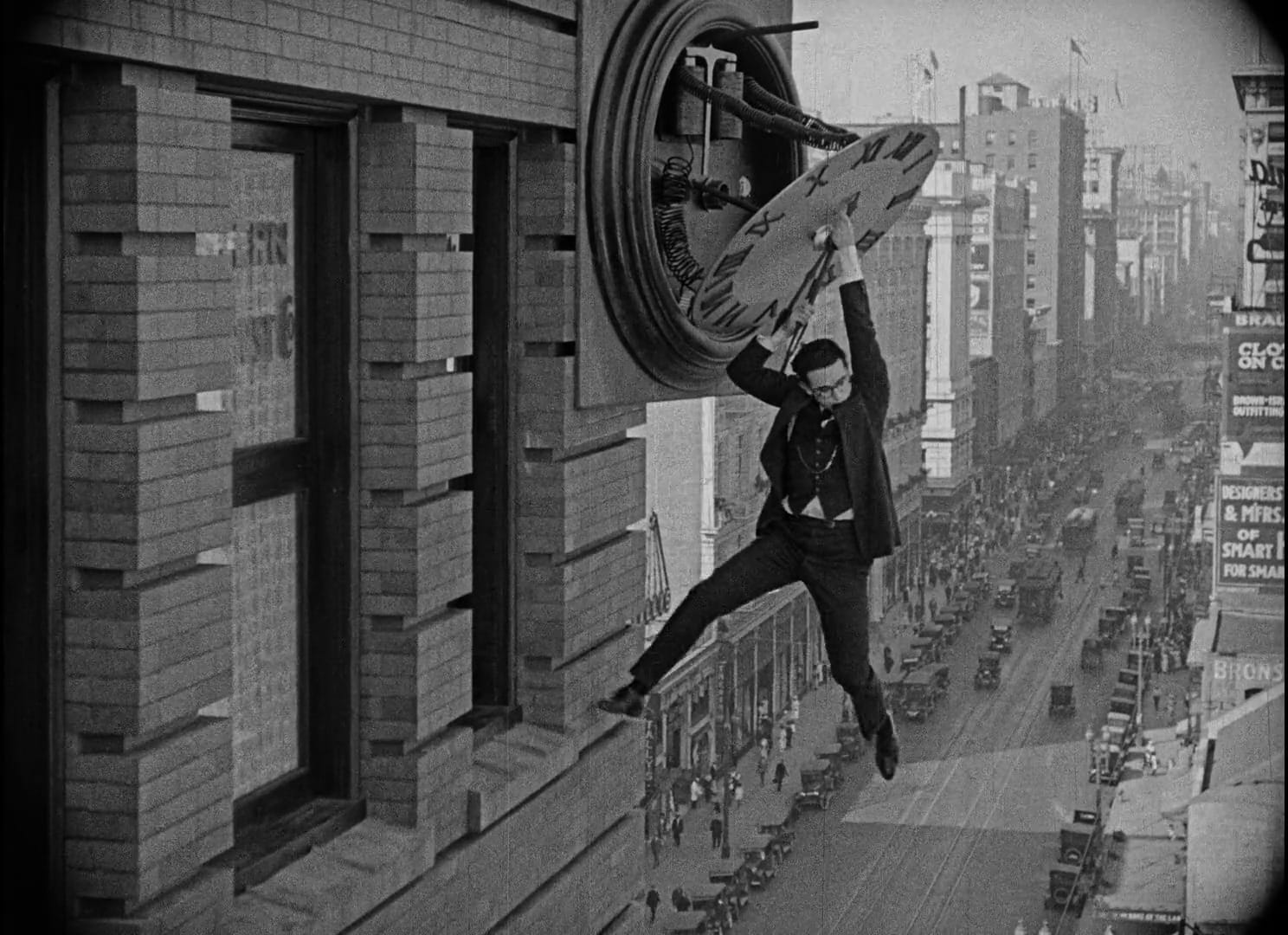
As film developed into the 1920s, we began to see a surge of comedy films created by the three slapstick legends of the silent era; Buster Keaton, Charlie Chaplin, and Harold Lloyd.
Today, we assume that physical comedy is simple and only used for cheap laughs, but paying attention to films by these icons like Safety Last! or Sherlock Jr. make you realize that there was a lot of elaborate planning that went into making these gags as funny as possible. Buster Keaton, for example, was known for his empty expressions which paired well with his clever stuntwork to make his films absolutely hilarious. Slapstick is anything but simple.
As we continue towards the present, we see history repeat itself with different eras containing their own resurgence of comedy. The 1950s saw Billy Wilder's quick comedic dialogue in films like Some Like It Hot. The 1980s popularized the buddy comedy in movies such as Planes, Trains, & Automobiles. The 2000s had screwball comedies and rom-coms that are remembered fondly today.
The Present State of Comedy
Comedy is, of course, still present in films today, but it doesn't see the same prestige it used to see. If a comedy wants to be considered "cinema" it should add drama to its list of genres (i.e. The Holdovers) or be a deep satire (i.e. Parasite). Pure comedies mostly stay in the family genre and are seen as "just for kids".
What is Comedy good for?
During my time at the Reel Black Film Festival, I got to hear Oscar-winning screenwriter Kevin Willmott speak about some of his early comedy work. His film Confederate States of America is a satire about what the world would be like if the South had won the Civil War. In the film, there are many products which use racial stereotypes against black people that seem so ridiculous they could only exist in this alternate reality, however, the end of the film reveals that these products are in fact real.
At the festival, Willmott spoke about how deep messages can be hidden in comedy in order to reveal reality.

While dramedies (drama and comedy) and satires are great at getting us to examine society, pure comedies (and rom-coms, which are also seen as lesser) also have this ability. For example, Diary of a Wimpy Kid is realistic in its portrayal of middle school because it shows that many kids will do whatever it takes to be popular. Legally Blonde examines the way feminine women (blonde women more specifically), are underestimated in fields which require intelligence.
Comedy, in my opinion, often reflects reality better than drama does. Sure, we all have deep, dark moments and dramatic fights which leave us feeling empty inside, but we also have many moments which leave us unable to stop laughing. In our modern world, we've created so many ridiculous and meaningless rules for ourselves that are hard not to laugh at when you step back and really look at them.
Laughter is important in dark times. If we want to keep making the world a better place, you have to keep yourself full, and sometimes, that requires a laugh. Your laughter doesn't mean you forget the darkness that exists, only that you are able to look at it from a distance. Laughter does not deny truth or sadness. In fact, I think it reveals both.