
Three Key Takeaways
- Juan Gil transforms a childhood trauma into a haunting, intimate horror story set entirely inside a family minivan.
- The film’s claustrophobic setting amplifies emotional tension, exploring themes of guilt, grief, and parental accountability.
- Gil’s inventive use of pre-visualization and constraints showcases the creative power of independent filmmaking.
Writer-director Juan Gil brings his latest genre-driven, character-first short film Dead End to FilmQuest, one of the world’s top genre festivals.
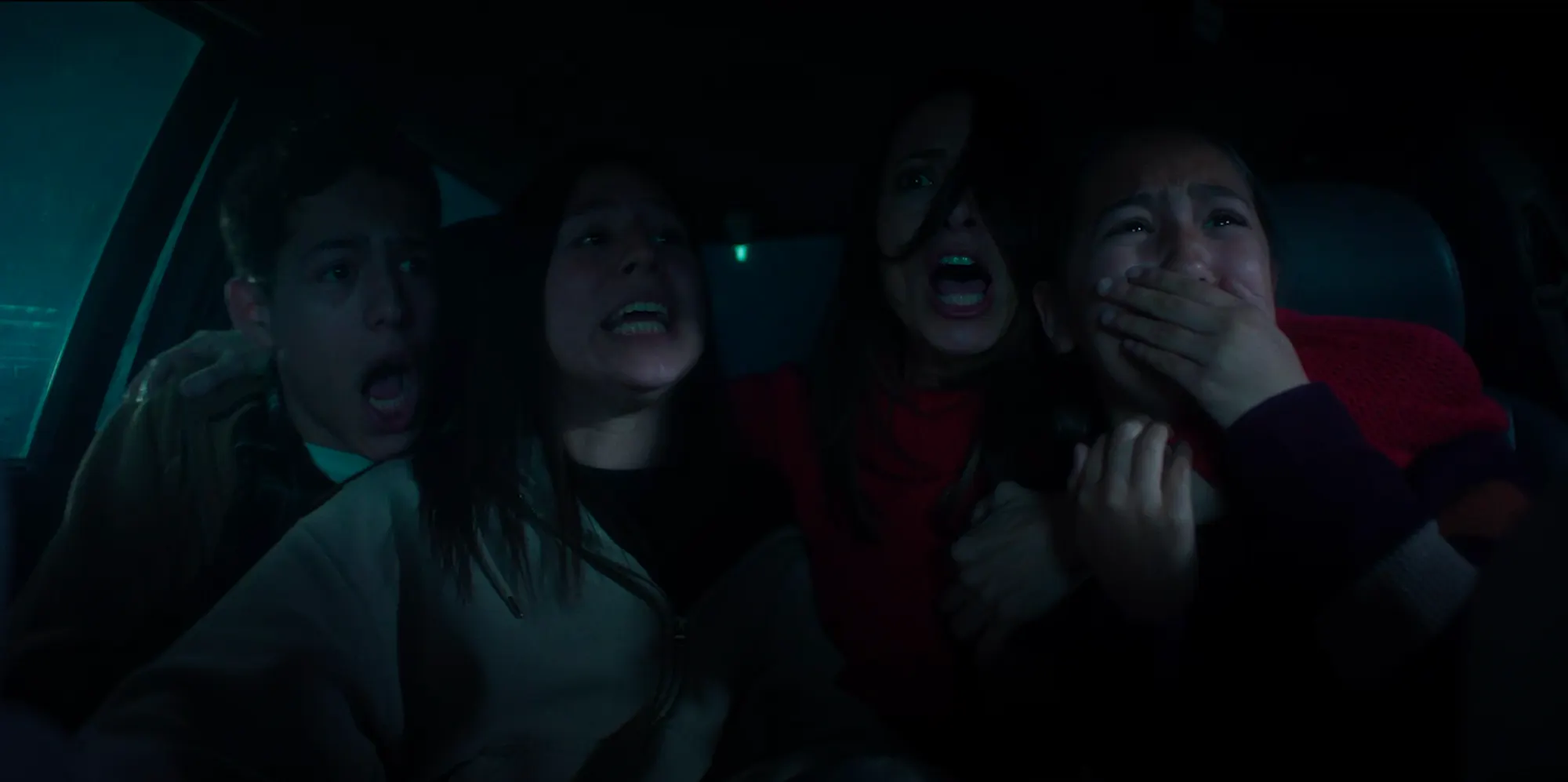
Featuring powerful performances by Eddie Martinez and Maria-Elena Laas, the film traps audiences inside the confines of a family minivan, where surreal horror meets emotional unraveling.
With a background of multiple industry accolades and a passion for deeply personal stories, Gil showcases a unique blend of psychological thriller and supernatural unease that resonates beyond traditional horror.
What drew you to make this film? Why this story, and why now?
Dead End was inspired by a real experience from my childhood. When I was a kid, my stepmother took me and my two stepsisters to see Fantastic Four in 2005. After the movie, we all got back into the family minivan, and that’s when she told us that my mom and dad were getting a divorce. That drive home was quiet and disorienting. It was the first time I understood how quickly a sense of safety could disappear.
When I began writing Dead End, the story was originally set inside a cabin in the woods. But I’ve seen that setting countless times in horror. I realized that the real terror, the real intimacy, could come from keeping everything inside the minivan. By trapping the family within a confined, familiar space, the film becomes even more claustrophobic and emotionally charged.
I wanted to revisit that childhood moment through the language of horror. Dead End uses tension, isolation, and supernatural unease to explore what it feels like when a family begins to fracture. Beneath the fear, it’s a story about grief, guilt, and how parents and children experience loss in completely different ways.
By grounding the horror in something real and deeply personal, I aimed to create a film that is both haunting and human.
What surprised you most about the filmmaking process this time—creatively or logistically? Was there a moment on set or in post that completely changed how you saw the story?
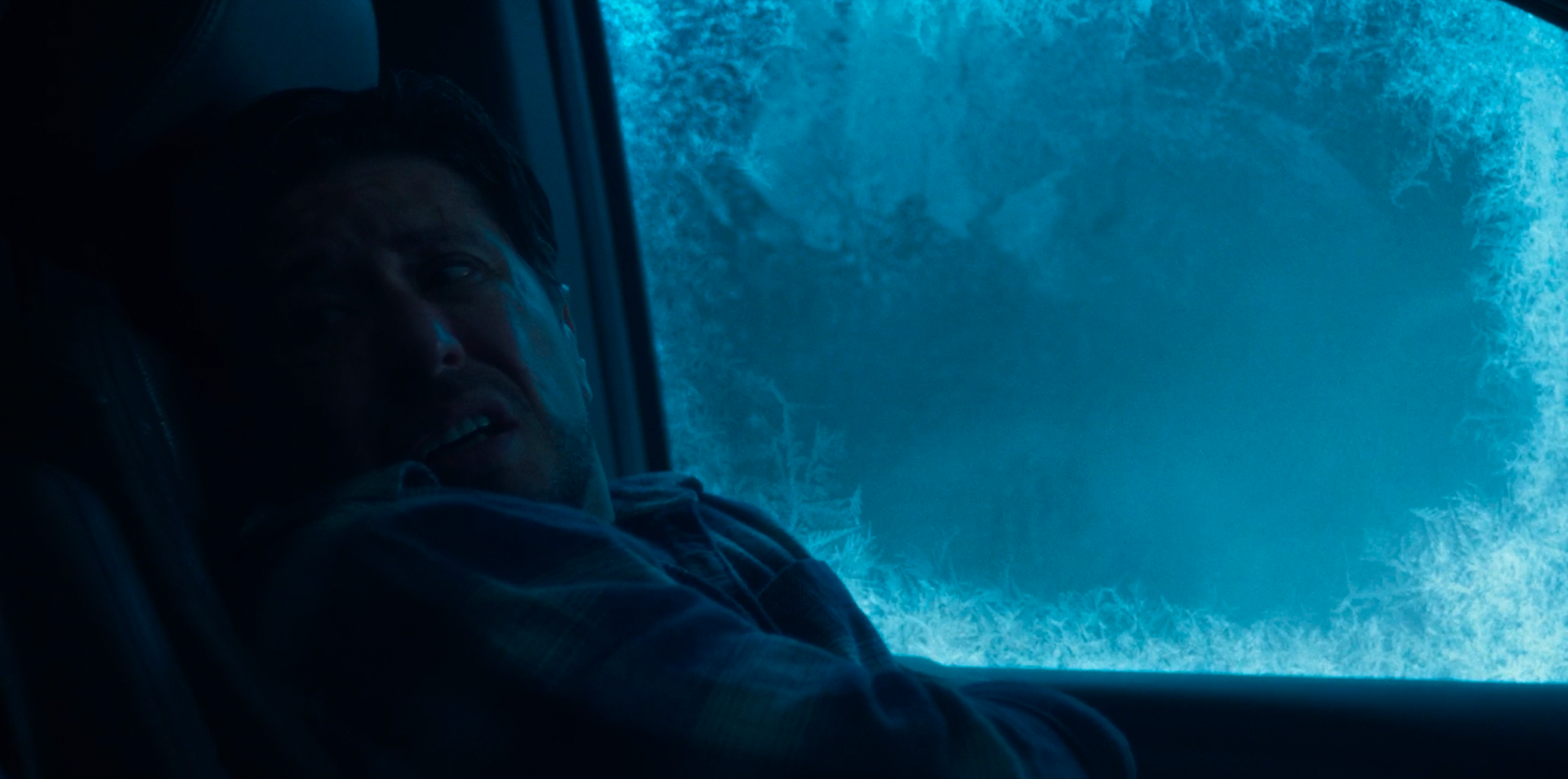
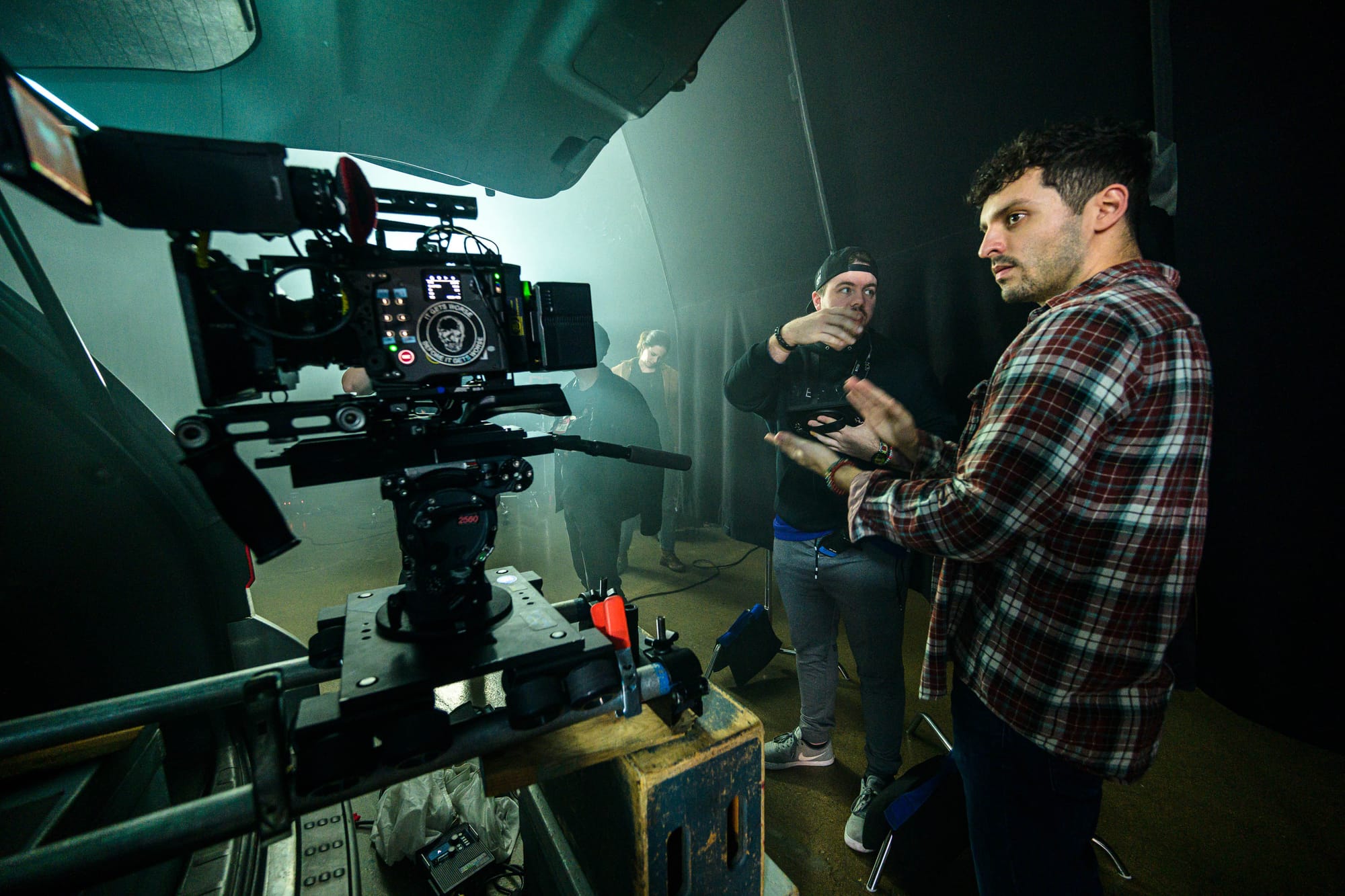
What surprised me most was how much intensity and tension you can create within the confines of a single family minivan. From the start, I knew the limited space would be a challenge, but I didn’t realize how creatively liberating it would become. Every angle, reflection, and shadow inside that car became an opportunity to build unease. I had to constantly push myself to find new ways to "shoot the hell out of a minivan" while still keeping the audience visually engaged.
In post, I realized that the film had evolved into something very different from what I’d written. What began as a grounded, emotional horror story took on a more surreal, dreamlike quality. The performances, lighting, and pacing started to blur the line between reality and nightmare. It became less about what was happening outside the car and more about the psychological unraveling inside it. That discovery completely changed how I saw the film—and made it something far more haunting and personal than I expected.
Is there a moment in the film that feels the most you—something only you could have made?
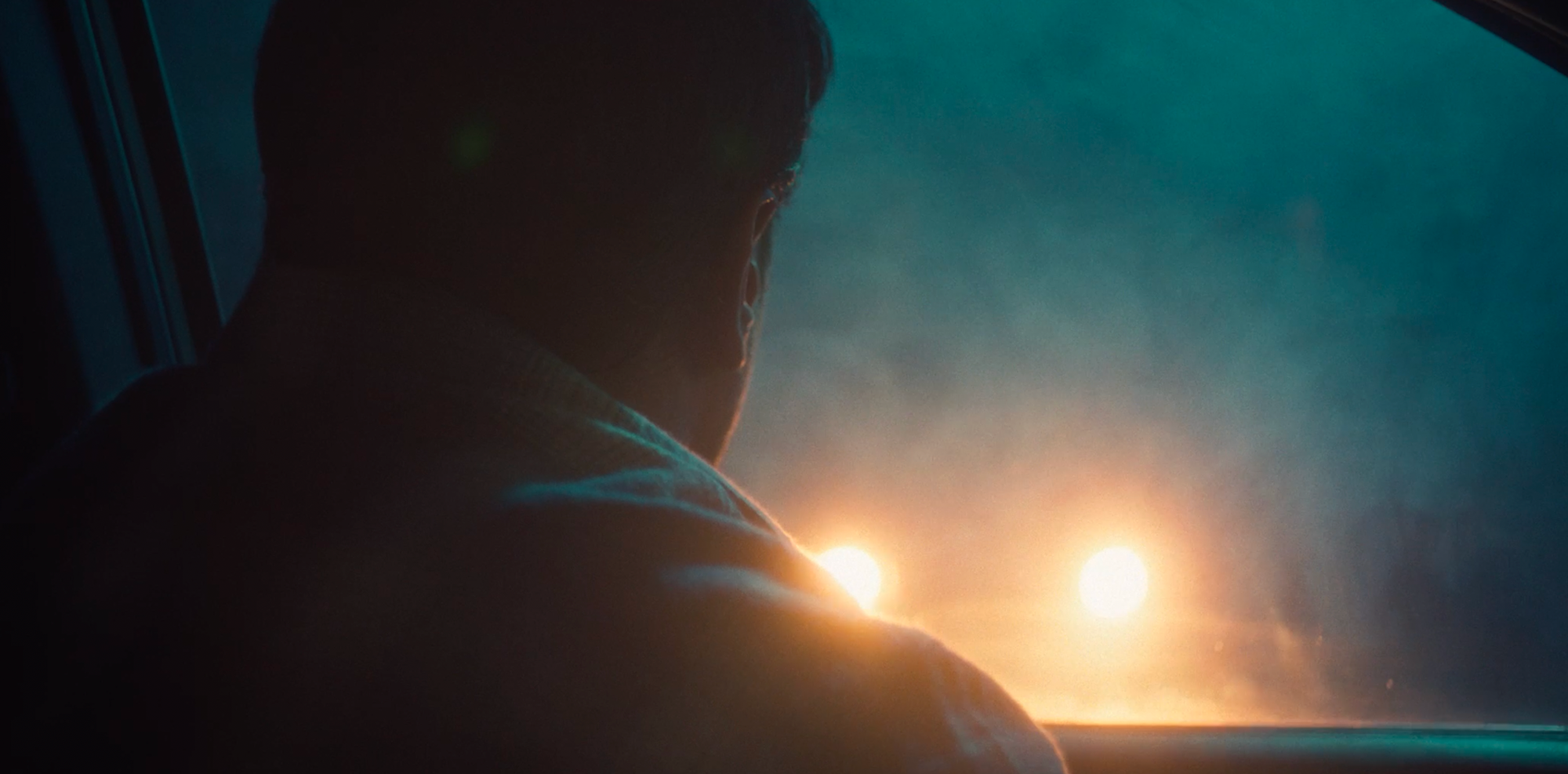
Yes. There's a moment when the father looks over his shoulder and sees that his entire family has gone missing... except for his 12-year-old daughter who's facing away from the dad, trembling her head, in the very back row of the minivan. The father then has to crawl through the rows of seats inside the minivan to check that his daughter is okay. The father crawling through the seats, the POV shots of moving through the rows of van seats, I love that sequence. It combines tension, emotion, and camera movement to help evoke those feelings to the audience. That's what I love to do.
What was the hardest creative decision you made while making this film?
Setting the entire film inside of a family minivan.
"By trapping the family within a confined, familiar space, the film becomes even more claustrophobic and emotionally charged."
What do you hope audiences take away from your film?
I hope audiences walk away from Dead End thinking about how the actions of a father can ripple through an entire family. At its core, the film is about accountability and the emotional weight that parents carry—especially when their choices begin to fracture the people they love most.
Beneath the horror and surreal imagery, Dead End is really about guilt, forgiveness, and the quiet ways families break before they ever realize it’s happening. If viewers leave the film feeling unsettled not just by what they saw, but by what it says about the roles we play inside our own families, then I’ve done my job.
How has this film shaped or shifted the kind of stories you want to tell next?
It has reaffirmed the kind of stories I enjoy telling. Personal stories, with emotion at their core, but exaggerated and intensified through the use of genre filmmaking.
What’s a tool, technique, or resource that really helped you during production?
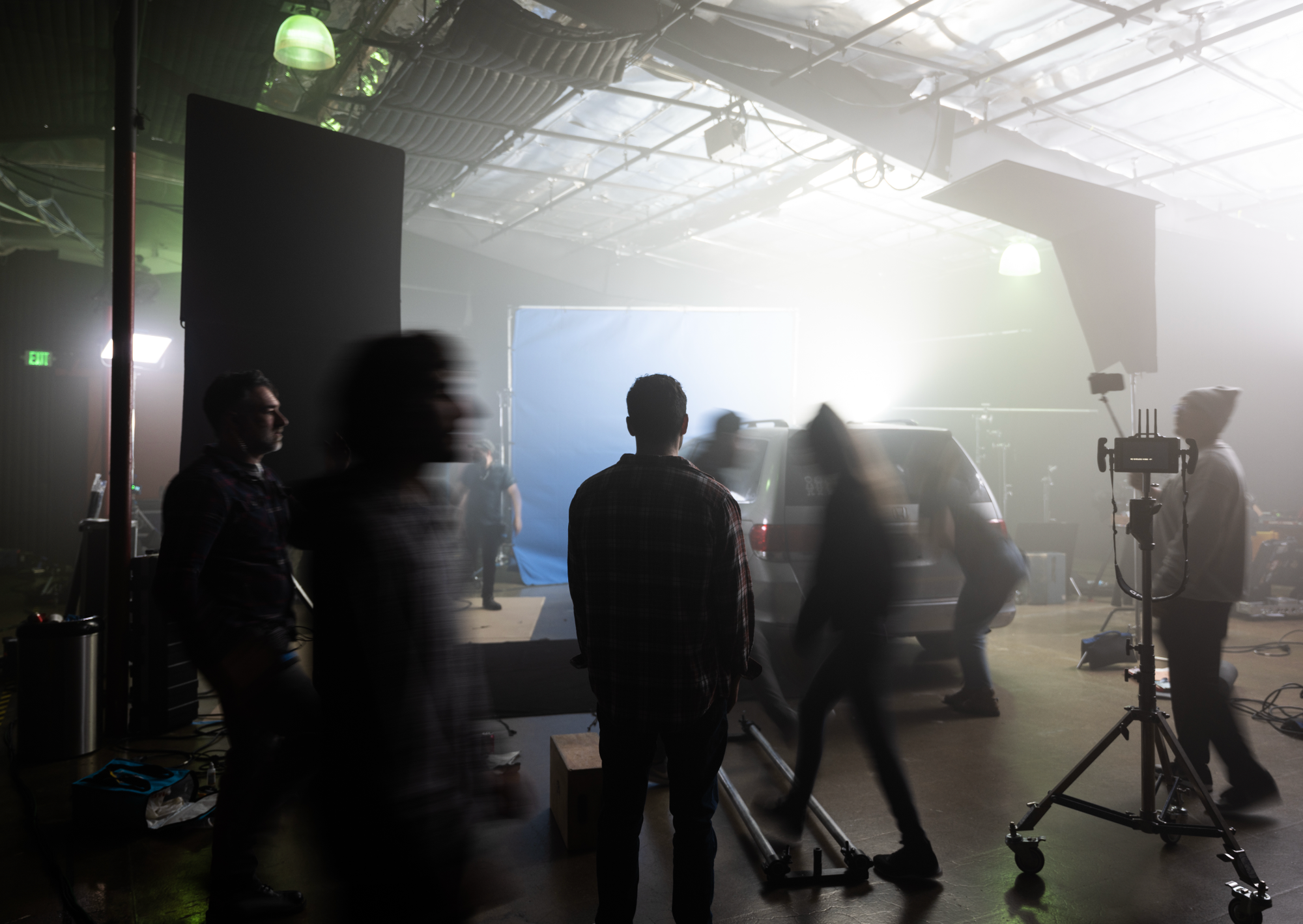
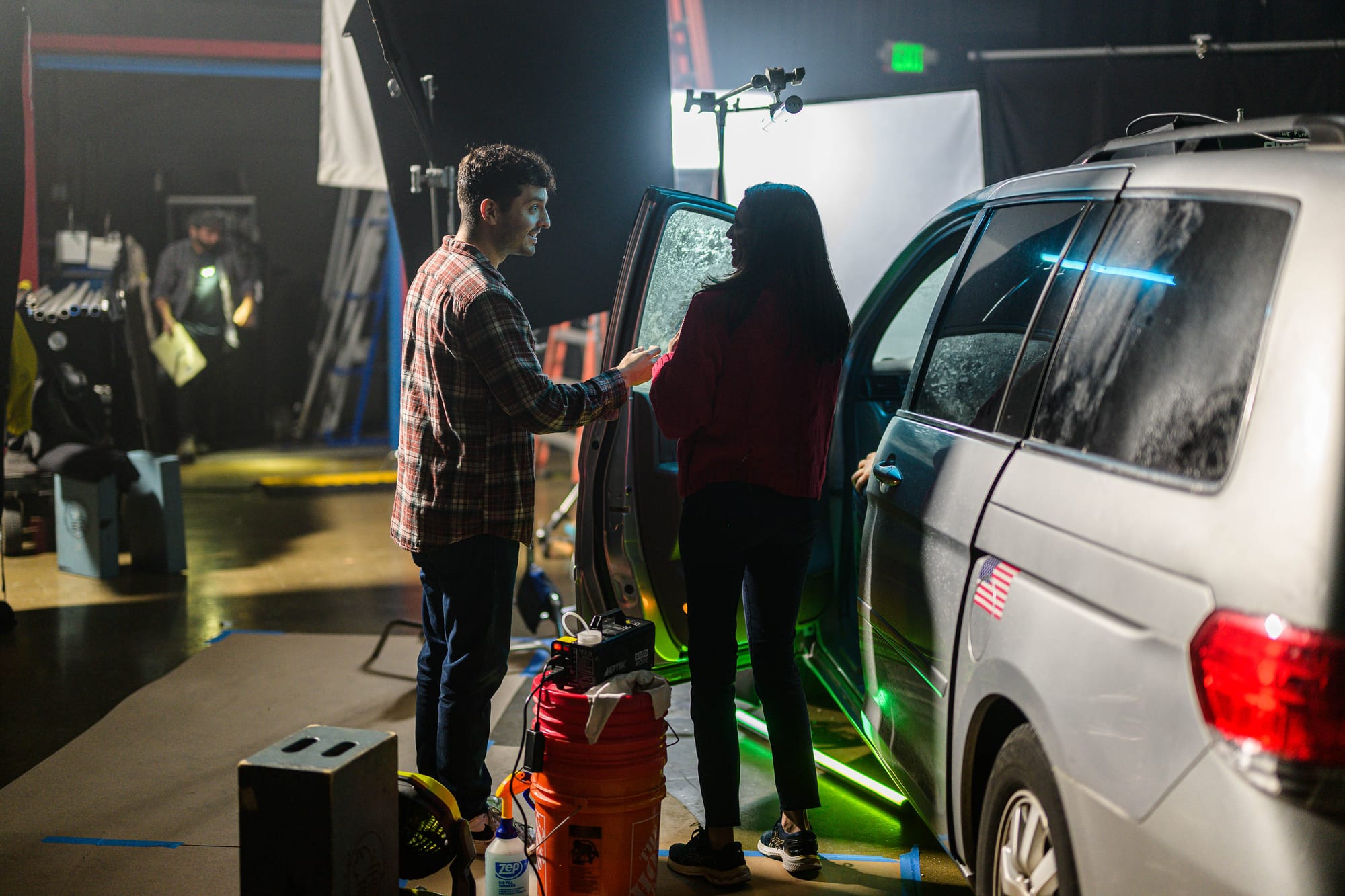
Pre-visualization became one of the most valuable tools for Dead End. Before we ever rolled cameras, I shot the entire film on my iPhone using the actual actors inside a van. I treated it like a full rehearsal, I blocked every scene, captured every angle, and then edited it together with music and sound design.
This process helped me understand not only the visual language of the story but also how the pacing, sound, and mood would translate in the final cut. It gave every department head, cinematography, sound, production design, a clear roadmap for what we were trying to achieve. By the time we arrived on set, everyone already knew the rhythm and tone of the film. That iPhone previsualization became our blueprint and saved us an enormous amount of time, energy, and guesswork during production.
Independent filmmakers often rewrite the rules out of necessity. What do you think is the greatest strength of independent filmmaking, and how did you lean into that on this project? Is there a lesson or breakthrough you’d share with others navigating this path?
The greatest strength of independent filmmaking is the freedom to create without waiting for permission. When you don’t have a big budget or a studio system behind you, you’re forced to become inventive, resourceful, and deeply connected to your story. That limitation can either crush you or push you toward creative breakthroughs.
With Dead End, I leaned fully into that freedom. I didn’t have access to multiple sets or big effects, so I found intensity in simplicity. By setting the entire film inside a family minivan, I discovered how much emotion, suspense, and visual variety could come from one confined space. Every decision, lighting, camera movement, sound, became more deliberate and meaningful.
The biggest lesson I’ve learned is that constraint breeds creativity. When you focus on what you do have—strong actors, real emotion, and a clear vision—you can make something powerful that feels much bigger than your resources.
"The biggest lesson I’ve learned is that constraint breeds creativity."
What does it mean to you to have your film selected for FilmQuest, one of the world’s top reviewed genre film festivals?
Being selected for FilmQuest is an incredible honor. As a filmmaker who uses genre to explore deeply personal stories, this festival feels like the perfect home for Dead End. FilmQuest celebrates bold and ambitious storytelling, the kind of films that take risks and push emotional and visual boundaries, and to be recognized among that community means a lot.
It also feels validating on a personal level. Dead End started as a small and intimate idea rooted in a childhood memory, and to see it connect enough to stand alongside such high-caliber genre films is surreal. More than anything, it reminds me that you do not need a massive budget or a big studio to make something that resonates. You just need a story worth telling and the passion to bring it to life.
FilmQuest celebrates the majesty and might of genre filmmaking across fantasy, horror, sci-fi, action, thriller, western, kung-fu, and beyond. How does your film fit within—or push the boundaries of—genre storytelling?
Dead End fits within the horror and thriller space but pushes the boundaries by grounding its terror in something deeply emotional and human. Instead of relying on traditional scares or creatures, the horror comes from the breakdown of a family and the guilt that lives in the aftermath of a father’s mistakes.
The film uses the language of supernatural horror to explore grief and accountability, but it does so in a way that feels psychological and surreal. By setting the entire story inside a family minivan, I stripped away the usual scope of horror and focused on tension, sound, and the emotional decay between characters. The result is a film that feels intimate, dreamlike, and unsettling, existing somewhere between reality and nightmare.
My goal was to remind audiences that horror is not just about what hides in the dark, but about what we carry inside us.
Where do you see this film going next?
I see Dead End continuing its festival run and finding an audience that connects with both its emotional core and its unique approach to horror. I’ve already written the feature-length version of the film, which expands on the mythology and emotional depth of the short, exploring how the drive-in theater and the mist manipulate families through guilt and grief.
My hope is to use the short as a proof of concept to help secure financing and collaborators for the feature. I would also love for Dead End to have its Los Angeles premiere, where the cast, crew, and local filmmaking community who helped bring it to life can experience it together on the big screen. Ultimately, I want the film to open more doors to tell grounded, Latino-led genre stories on a larger scale.
"Horror is not just about what hides in the dark, but about what we carry inside us."
Cast & Crew
- Juan Gil — Writer/Director; award-winning genre storyteller with licensing deals and festival selections including Oscar-qualifying festivals.
- Eddie Martinez — Lead Actor; credits include The Sinner, Bel Canto, Kill Chain, and Narco: Mexico.
- Maria-Elena Laas — Co-Lead; known for Warrior, Vida, and The Hot Chick.
- JR Kraus — Director of Photography; 25+ years experience and recipient of a gold Clio, with a passion for travel and varied locations.


