Table of Contents
Three Key Takeaways
- Deborah Puette’s Such A Pretty Girl is a deeply personal story about family expectations and unconditional love.
- The filmmaker embraced the freedom of directing without acting, allowing a unique focus on the film’s emotional silences.
- Independent filmmaking’s resourcefulness shaped the creative process, with a strong collaborative team supporting the project.
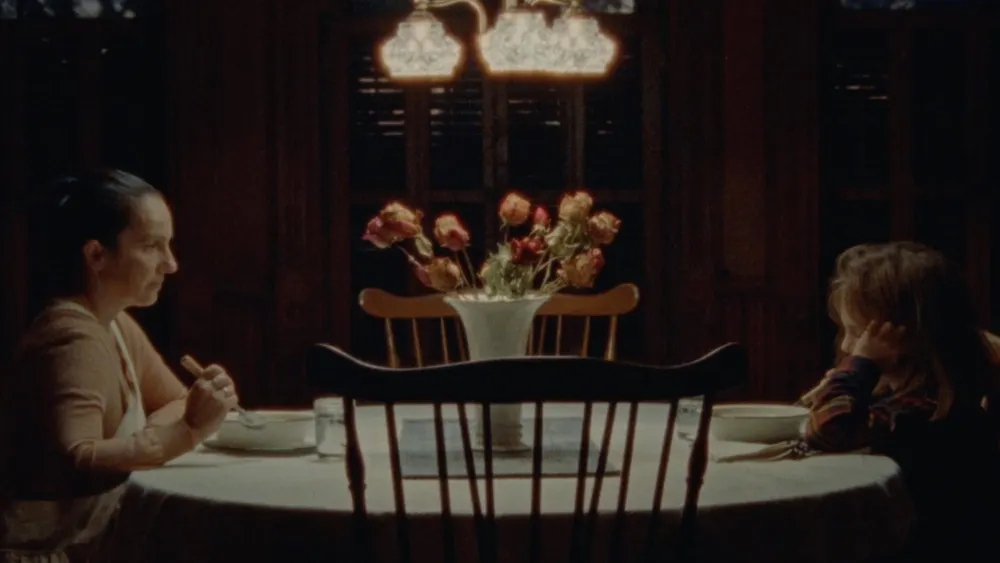
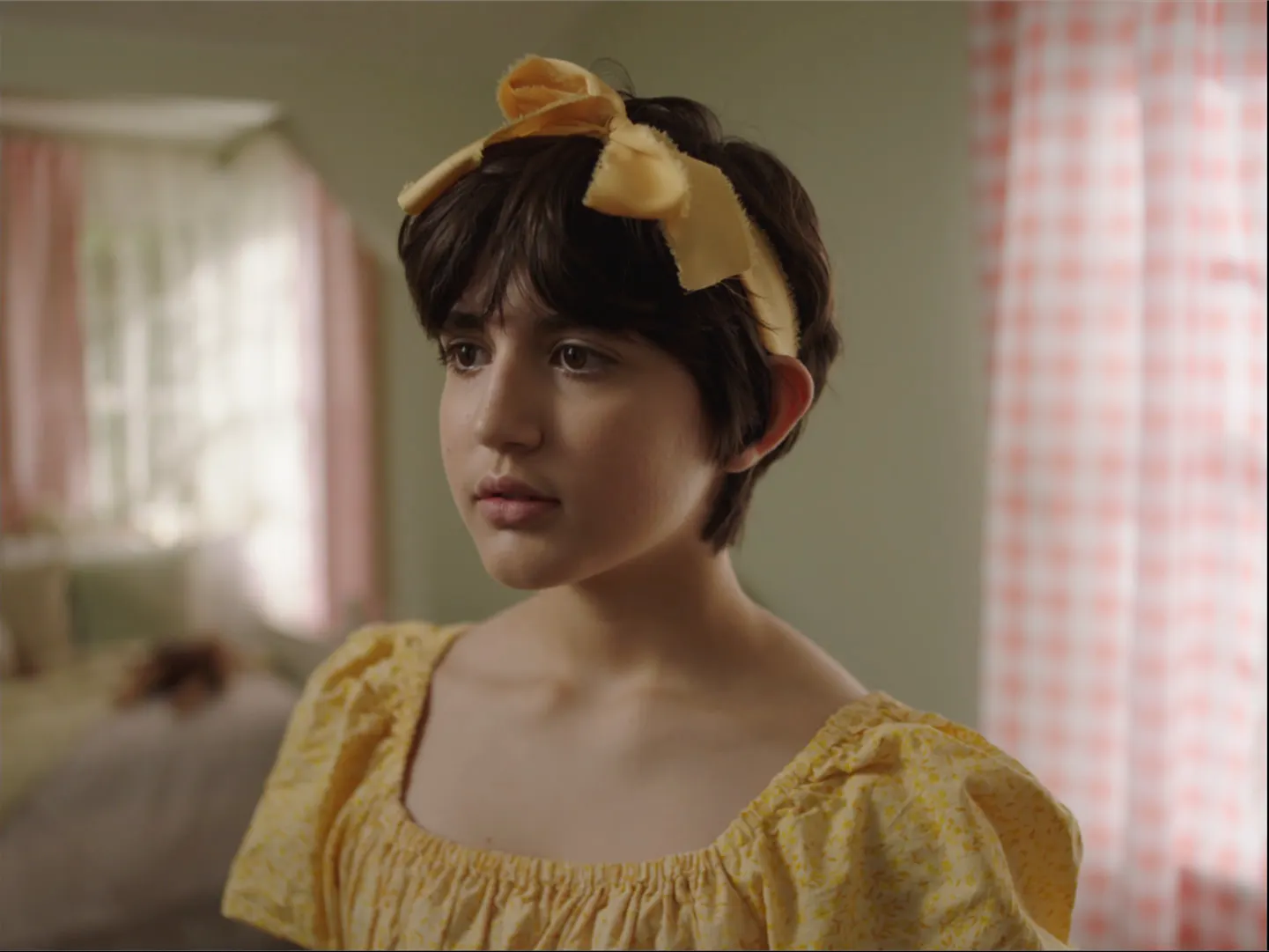
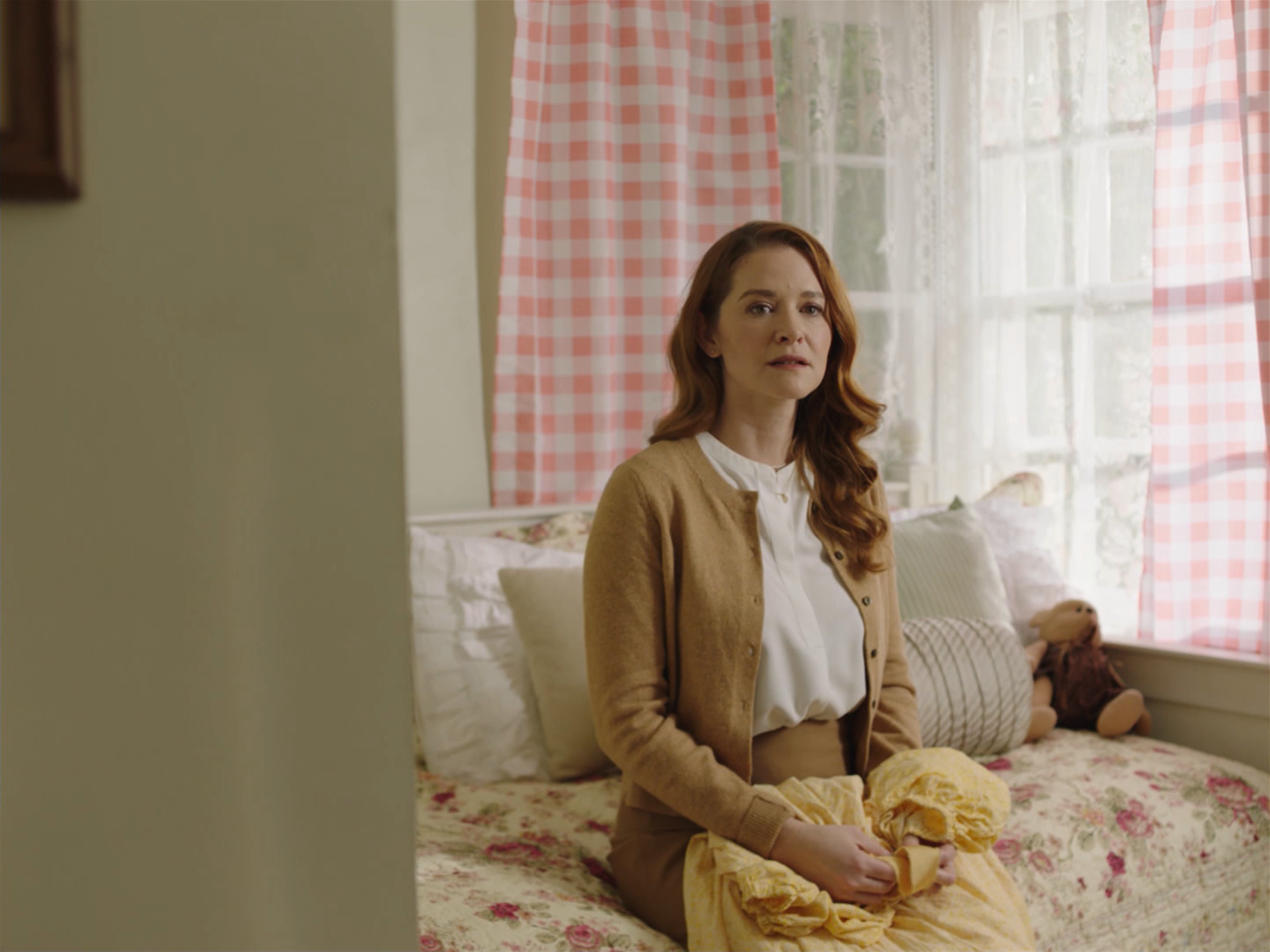
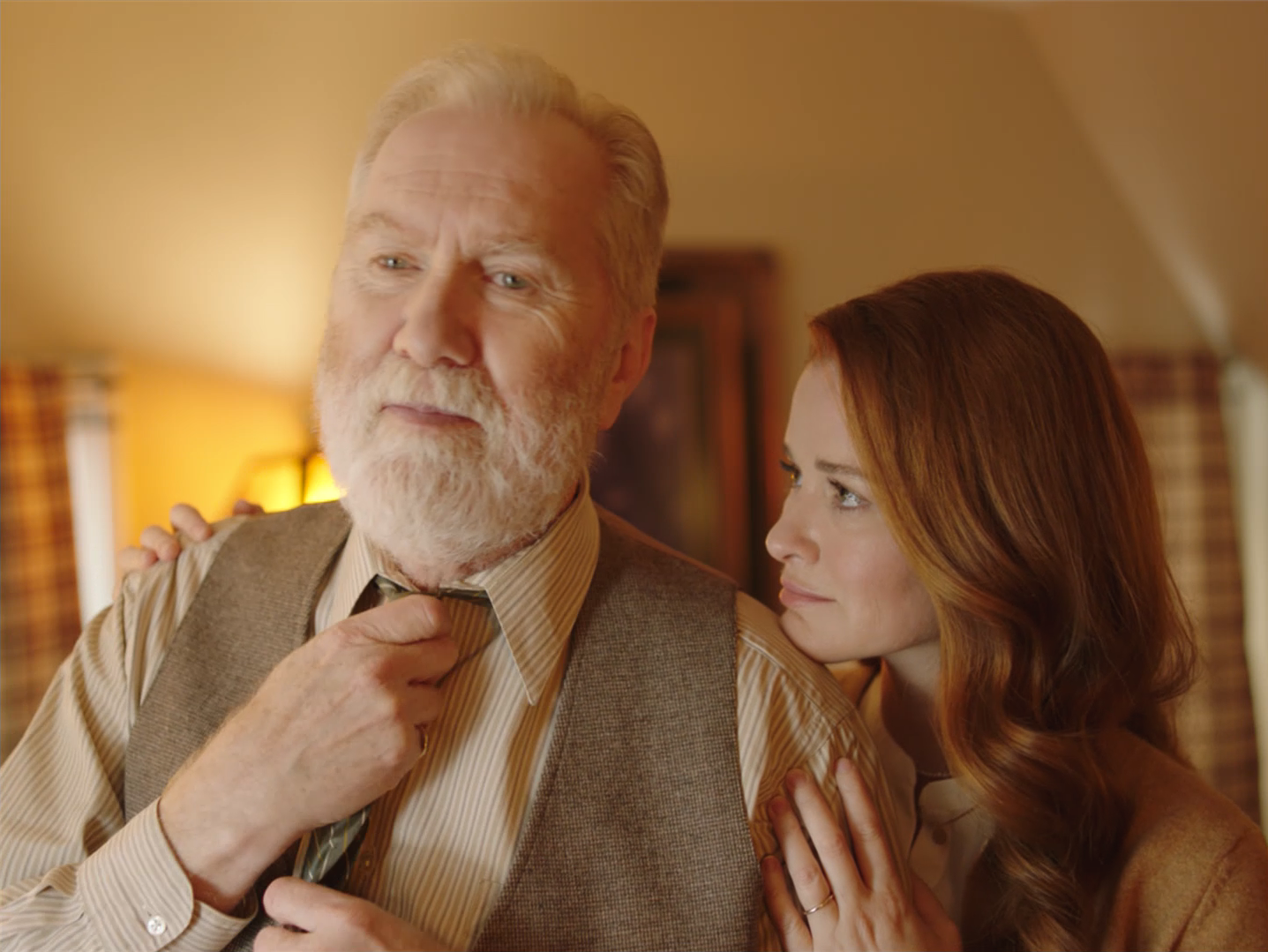
Deborah Puette’s Such A Pretty Girl is set to make its international premiere at Nòt Film Fest. The film stars Sarah Drew, Harry Groener, and Cole Moreno, and tells a poignant story of a woman navigating complex family dynamics when her child uncovers a buried piece of her past. With a powerful narrative inspired by her own life, Puette explores themes of parental expectations and the freedom found in acceptance.
Q&A Interview
What drew you to make Such A Pretty Girl? Why this story, and why now?
Such A Pretty Girl is a deeply personal film inspired by events in my own life. To say much more would give away too much of the film, but I can say that for me, it's a story about how the expectations of our parents loom over us all, young and grown, and how loving people for who they are is the key to making all of us free.
"It's a story about how the expectations of our parents loom over us all, young and grown, and how loving people for who they are is the key to making all of us free."
What surprised you most about the filmmaking process this time—creatively or logistically? Was there a moment on set or in post that completely changed how you saw the story?
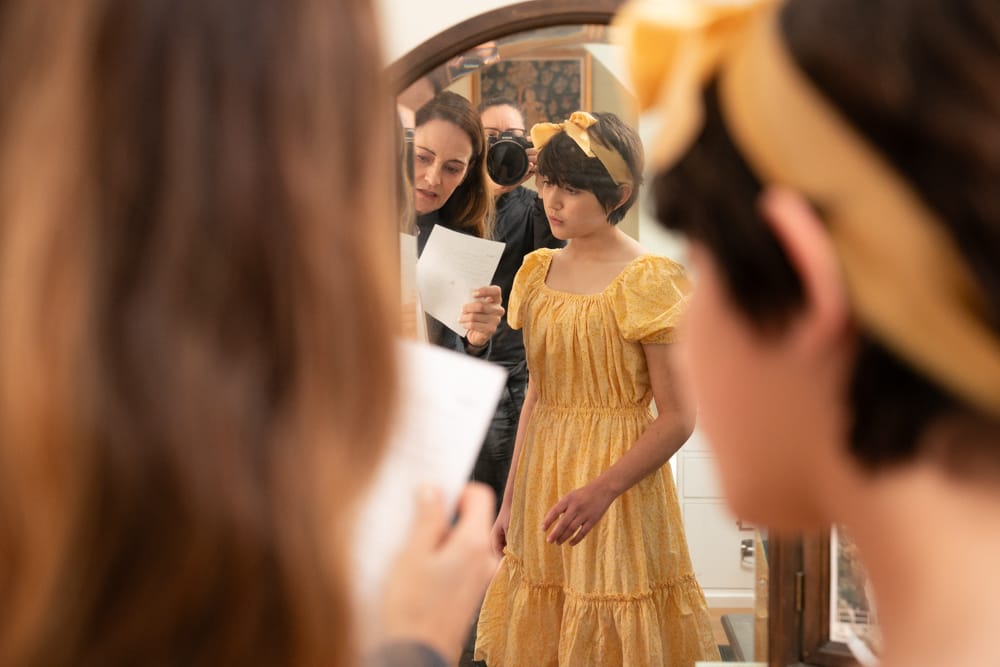
What surprised me most was just how much freedom I found in only being behind the camera. This is the first film I've made that I didn't also act in. I loved the experience of allowing myself that singular focus on set.
Is there a moment in the film that feels the most you—something only you could have made?
"The thing about this film that feels the most 'me' are the many important moments that remain unspoken."
I'm a huge fan of actors, and as much as I like to hear them say my dialogue, I'm also very passionate about letting them fill the silences in ways that words would never do justice.
What was the hardest creative decision you made while making this film?
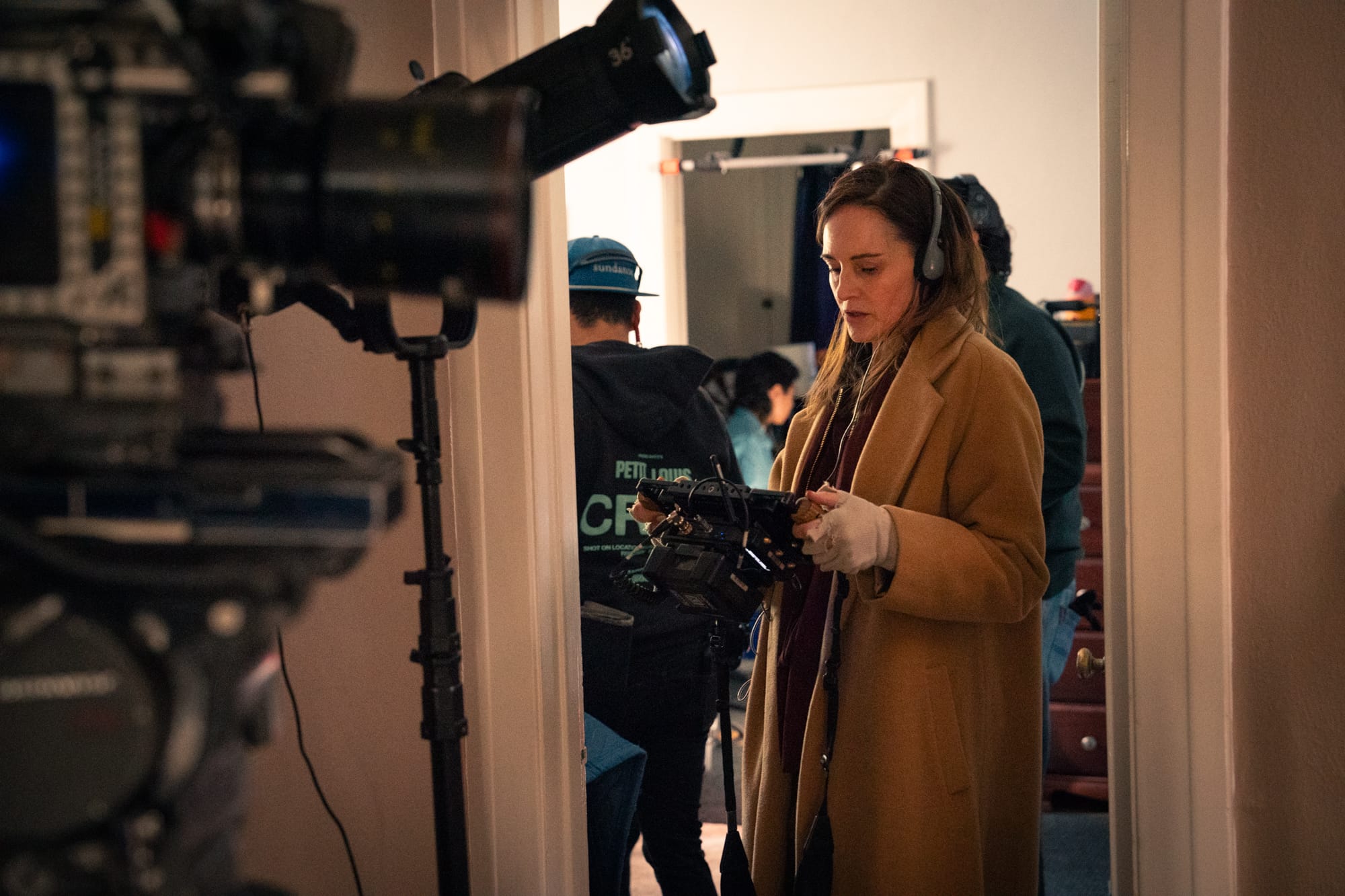
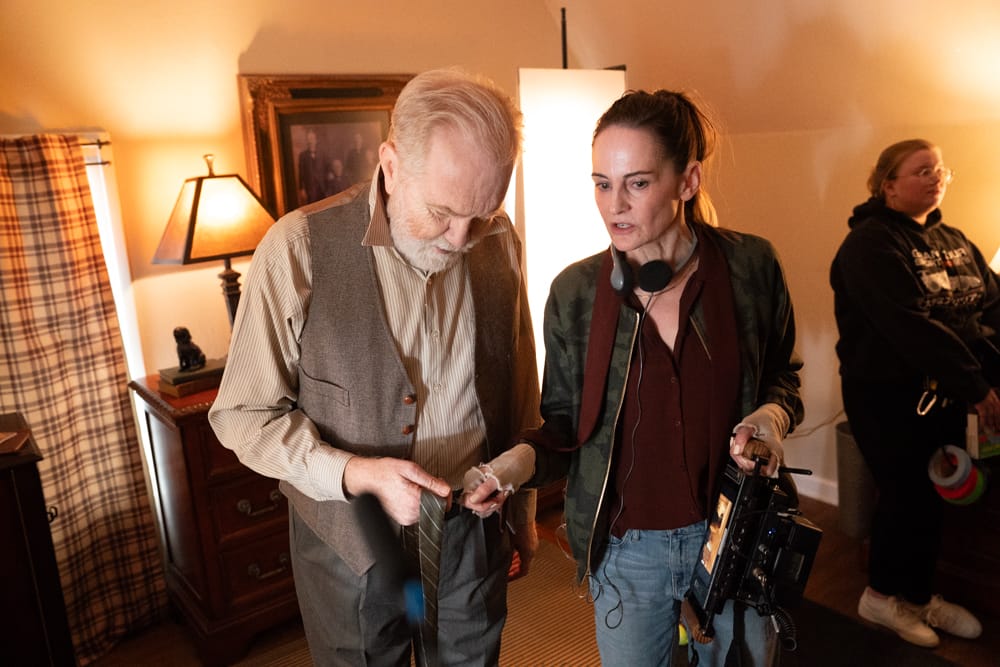
We had a moment early in the first of our two days of shooting when a key piece of equipment failed. Because the shoot was so short, we had almost zero wiggle room. The hardest thing I had to do during that whole shoot was hide my utter panic from the rest of the crew and the cast. I had to remind myself that I wasn't alone in the process, that I had my amazing producer and 1st AD there to support it, too. We got the equipment back up and running eventually, but the time between felt like an eternity, and we made our day!
What do you hope audiences take away from your film?
I hope they see how much better the world can be when we respect each other for who we are and allow each individual to pursue the life that's meant for them.
How has this film shaped or shifted the kind of stories you want to tell next?
This film has simply reinforced how keen I am to make stories that tell the truth.
What’s a tool, technique, or resource that really helped you during production?
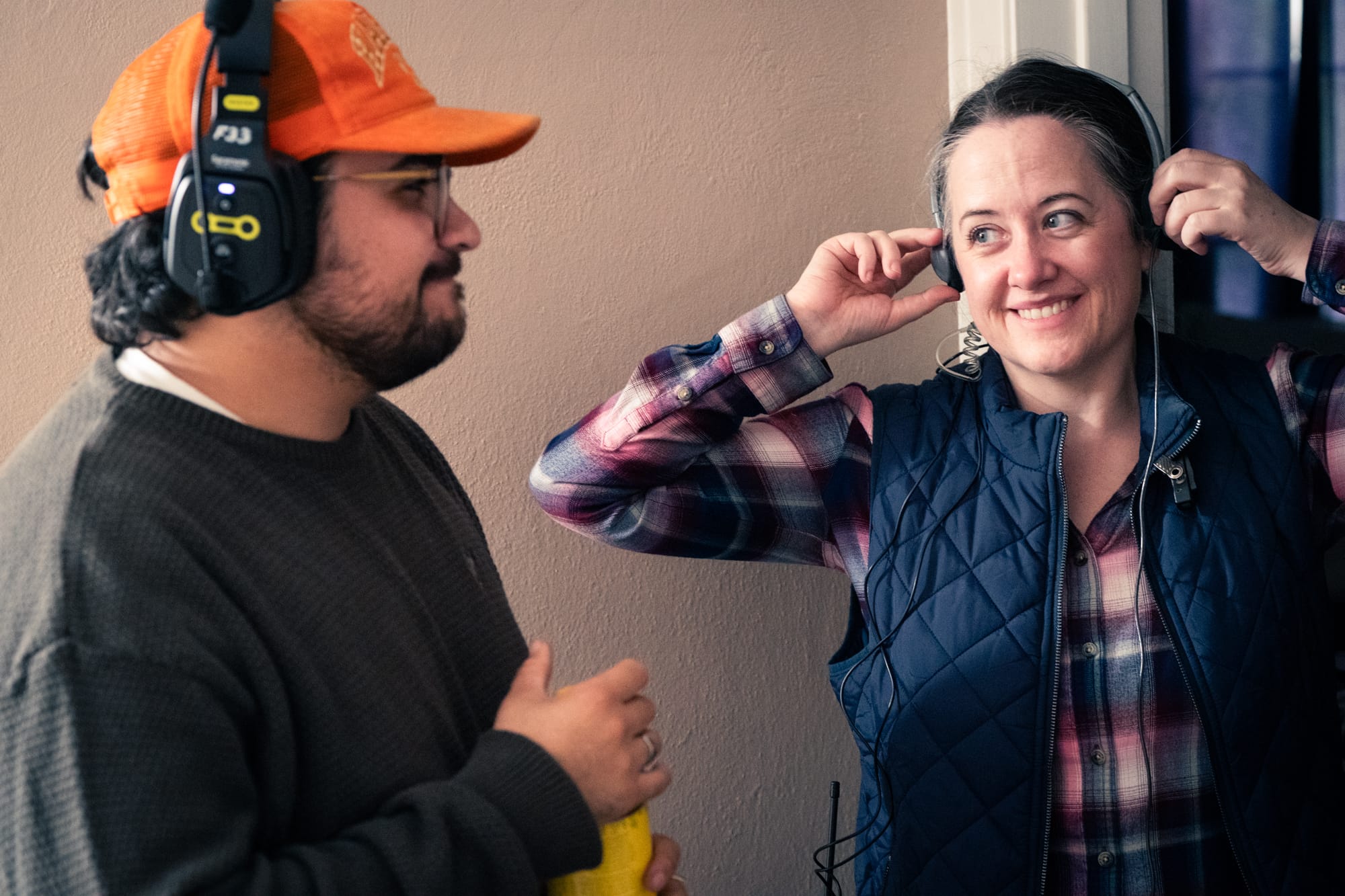
My producer, Rachel Stander, has been an absolute rock in this process. The work she does to handle the nuts and bolts of it all allows me to lean further into my creativity. She's also a terrific creative partner—I trust her taste implicitly. Having a partner who has your back is an amazing feeling. I always feel confident that she will represent the project and us in a way I can feel proud of and grateful for.
Independent filmmakers often rewrite the rules out of necessity. What do you think is the greatest strength of independent filmmaking, and how did you lean into that on this project? Is there a lesson or breakthrough you’d share with others navigating this path?
I think one of the greatest strengths of independent filmmaking is how its limitations (primarily money) require filmmakers to dig deep for creative solutions to problems that money might solve. Necessity is the mother of invention, and that applies here. It makes you really drill down on what's most important to tell the story. Spend on those things, and cut what doesn't elevate what's on screen mercilessly. I take a lot of lessons from my time in the theater where the best creative solution is sometimes the least expensive! Throwing money at things rarely results in an interesting solution to a creative problem...
What does it mean to you to have your film selected for Nòt Film Fest?
We're thrilled to be at Nòt Film Fest. It will be our international premiere, and to have that experience at a fest that's known for its curation not just of the films, but of the filmmakers themselves, that feels like quite a compliment to both the movie and the team. We're incredibly grateful to have crossed their very high bar. Filmmakers rave about their time there. We can't wait to experience it for ourselves.
How do you hope being part of Nòt Film Fest will shape the life of this film?
My first hope is always that it simply spreads the message of the film wider than it existed before. We are in the process of developing a feature version of this story (it will be my second time taking a short-to-feature track with a story), and so I look forward to meeting people who are interested in that future part of our journey. We also look forward to meeting many new friends and being inspired by the other films at the festival as we move toward the feature version of Such A Pretty Girl.
Where do you see this film going next? (Are you expanding it into a feature? Hitting more festivals? Releasing online?)
Ha! I guess I jumped the gun with my earlier answer. We will be at more festivals, possibly into 2026, and if we find the right situation, we'll release it online. In terms of the feature timeline, this is hard to predict but I'd love to be in production by summer of 2027 at the latest. Wish us luck!
"At the core of all my work is a desire to show people how much more alike we are than different. That we can live in a world that isn't just safe for all, but that actively encourages people to live authentically. I really do believe that it's in us to cheer each other on, and the first step to that is realizing that your gain is not my loss. Happiness is not a zero sum game."
Cast & Crew:
- Sarah Drew — Actress
- Harry Groener — Actor
- Cole Moreno — Actor
- Deborah Puette — Writer/Director, known for deeply personal storytelling
- Rachel Stander — Producer and creative partner
For more details on the film, you can follow their instagram or browse through their website.