Save the Cat is one of the most popular books on screenwriting out there. When you first get into screenwriting, this famous book by Blake Snyder is one of the first that people will recommend. While the book has some good suggestions, as I've gotten more experience in screenwriting, I've found that a lot of the advice it gives is at best outdated and at worst actively unhelpful.

Save the Cat's good advice comes mostly in its small tidbits. Ideas such as "Pope in the Pool" (a version of "show, don't tell" that emphasizes the way small details add up to important subtext) and "Too much marzipan" (don't have too many premises) are very useful and have memorable names.
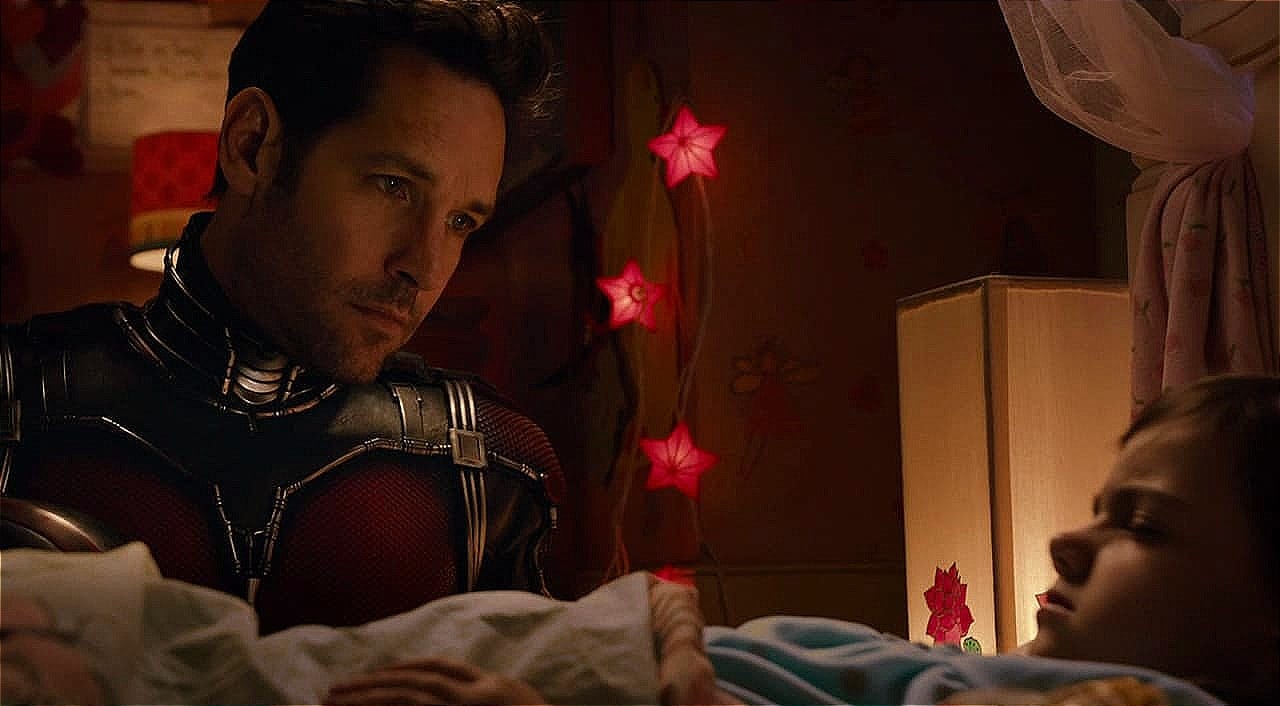
The tidbit that is the book's namesake, Save the Cat, advises people to give their main characters a moment that humanizes them to the audience. It's important to have characters do something that endears them to the audience. For example, Scott Lang in Ant-Man is shown stealing so that he can reunite with his daughter.
The "40 card method" used in the book also works great as a method for out lining your plot. This method advises writers to plot their screenplays using 40 note cards—no more, no less. This forces writers to keep their screenplays concise while giving enough content.
A lot of Snyder's advice on plotting, however, is much too specific for my tastes. I find that most beat sheets have plot points that are so detailed that they take the creativity out of writing. With 15 beats, the Blake Snyder Beat Sheet feels more like a writing formula than an outline.
Much of the book's information is pretty outdated, which makes sense because it was released in 2005. For example, Snyder says that moving to Los Angeles and getting an agent are essential to having a career in screenwriting, whereas entering a screenplay contest is a waste of time. I've heard the exact opposite from my professors and mentors, who are professional screenwriters today.

A screenplay that wins something like Final Draft's Big Break Screenwriting Contest has a decent chance at being produced. It's unrealistic to expect newbie writers to move to a city as expensive as LA and find an agent with no experience, especially since the film industry has become so spread out. Moving to LA is no longer an essential factor to entering the film industry.
The book gives advice that mostly applies to high-concept films—films that have easily explained premises that are generally marketed to the widest audience possible. If you're interested in writing more experimental work or even just a low-concept drama, this book doesn't have much information that can help you.
My main issue with the book is that it positions its advice as the only way to do things. I've always been more of a fan of Robert McKee's books (such as Story) because they acknowledge that not all advice works in all situations.
Save the Cat, in my opinion, focuses too much on writing scripts that are sellable over writing scripts that are actually good. I understand that if you want your script to be produced, it probably needs to sell, but it's important that newbies learn the craft before trying to sell their work.
Interestingly, Snyder is considered "Hollywood's most successful spec screenwriter". The word "spec" is important here because it means he was good at selling his screenplays, but not necessarily getting them produced. In fact, if you take a look at his credits on IMDb, there are only four projects listed, one of which was based off his book and created after his death. The two films he wrote that did get released average 3.2 stars on IMDb and 2.3 stars on Letterboxd.

Snyder seemed to have learned much of what he knew about screenwriting from his father, Kenneth C.T. Snyder, an Emmy-winning TV producer in the 1960s and '70s.
This information gives a lot of context to the advice that Save the Cat gives. It makes sense that someone who already had connections in the industry wouldn't see the use in screenwriting contests. It makes sense that someone whose knowledge comes from 50-60 years ago would feel outdated today. Of course it would be easy for someone with Hollywood connections to find an agent and stay in the city they've lived in their whole life.
Save the Cat has some helpful things to say, and I wouldn't go as far as to say that people shouldn't read it. However, I don't think it should be the first screenwriting book you should read as it has a lot of incorrect advice. I believe that Save the Cat has a very narrow view of what makes a good script and therefore fails to help amateurs turn into artists.
League of Filmmakers is a DBA of Cinematography for Actors Institute, a nonprofit organization recognized as tax-exempt under IRS 501(c)(3) and California R&TC 23701(d). Operating under this umbrella, League of Filmmakers exists to elevate and unite creators across all filmmaking disciplines through editorial coverage, industry resources, strategic partnerships, and professional opportunities that support independent creators at every stage of their careers.