Table of Contents
Key Takeaways
- The Sequence confronts grief and parental communication through horror, pushing genre boundaries by tackling difficult themes, including the loss of a child.
- Director Joe Bandelli’s technical ingenuity and creative risks, like the climactic rotating lazy susan shot, are pivotal to the film’s impact.
- The film’s success at FilmQuest energizes the team to develop a feature-length version, reflecting a growing appetite for bold horror storytelling that blends dread with moments of levity.
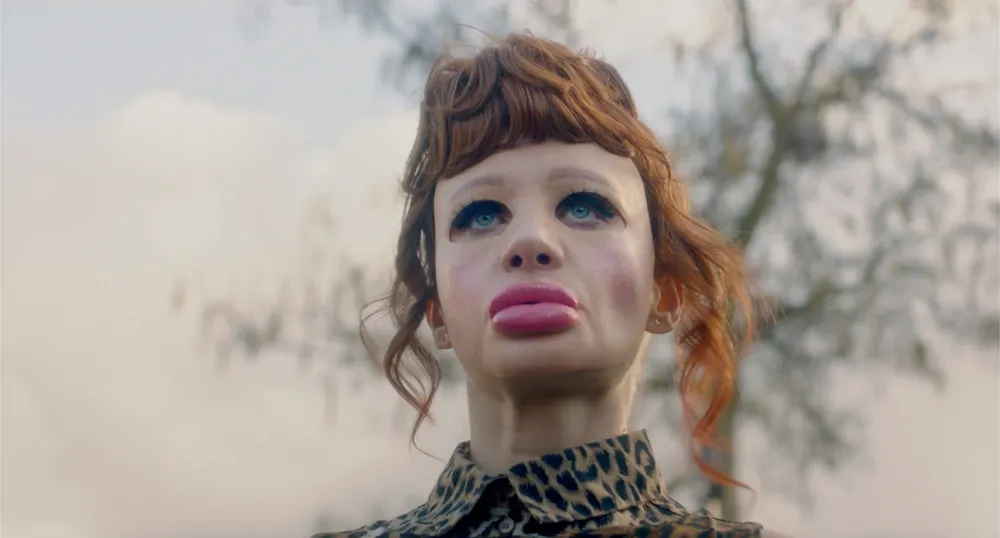
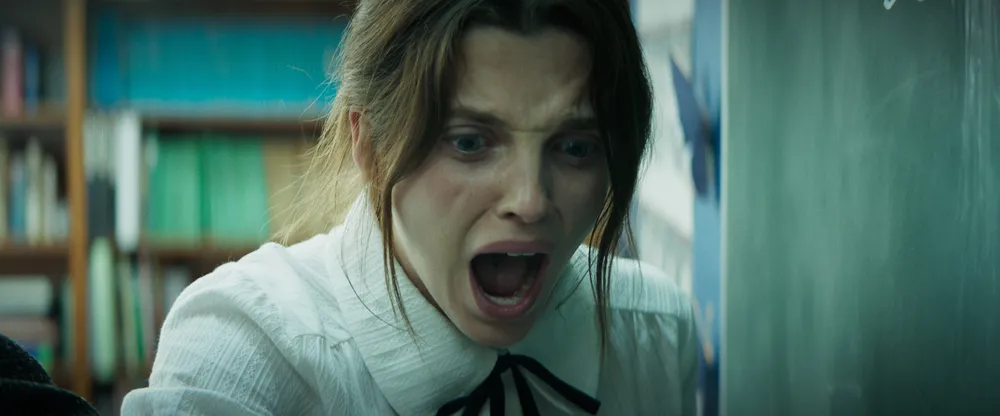
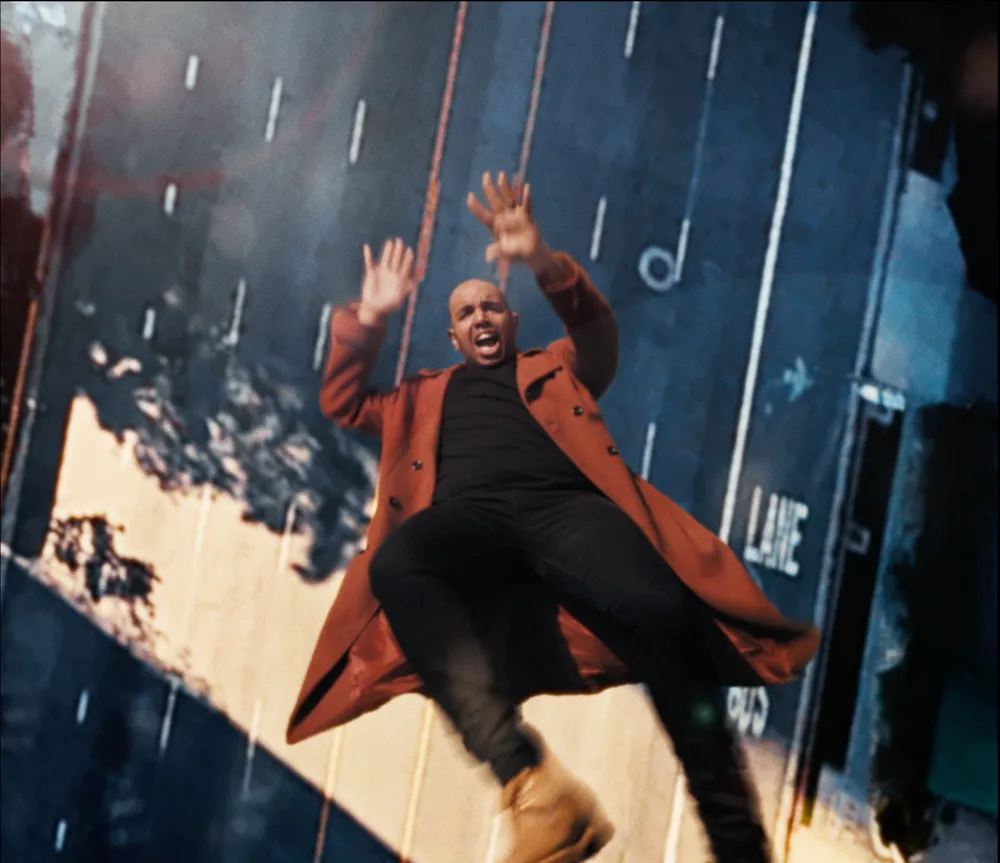
Director Joe Bandelli brings a chilling new vision to FilmQuest with The Sequence, a horror short exploring the haunting intersection of nightmares and reality. Featuring powerhouse performances from Katie Parker, Braxton Alexander, and Andrew Pifko, the film delves into the emotional turmoil of grief and the consequences of parental silence. Collaborating closely with writer and producer Brian Laprocino, Bandelli crafts a tense, atmospheric narrative that resonates deeply with genre fans seeking stories that dare to confront uncomfortable truths.
What drew you to make The Sequence? Why this story, and why now?
Before I read The Sequence, I was working on a horror concept to push boundaries and terrify audiences. But as any writer knows, things rarely go as planned. Everything I wrote turned into a horror/comedy, which, while I love, wasn’t what I wanted at the time. Then I met Brian Laprocino of Red End Productions, who sent me a script I instantly fell in love with. I knew I had to direct The Sequence for two key reasons.
First, the story tackles how we process grief and emotions in today's society, emphasizing the dangers of not communicating with kids, specifically in the role of a parent. In other words, it dealt with very strong subject matter that I felt needed talking about. Second, Brian and Red End Productions are passionate about addressing the uncomfortable topics that others tend to avoid. They aim to make films that evoke pure dread, something I deeply connect with and try to bring to every project I am a part of (with the occasional laugh every now and again too).
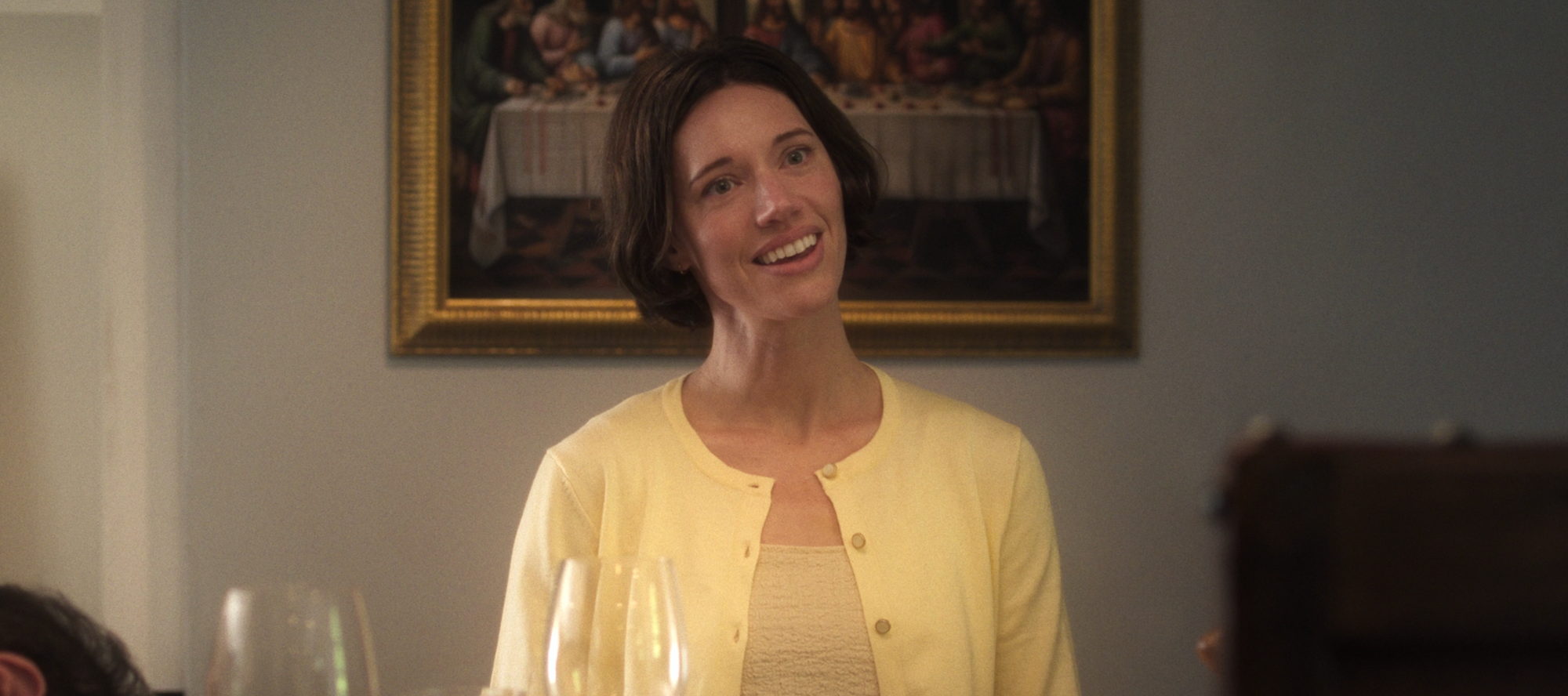
Once we landed our immensely talented cast, I knew the project was going to soar. With Katie Parker as our powerhouse lead, her depth and energy elevated the entire production. Her performance, along with the rest of the exceptional cast and our insanely hard working crew, has made The Sequence a truly exciting and wonderful filmmaking experience. If you get the chance to jump on board with a team that is willing to take risks, there are no limits on how creative, fun, and exciting filmmaking and telling stories can get. I hope by making The Sequence our audience gets to see just the tip of the iceberg of what we plan to do in the horror industry.
"It wasn't until I was under the table, tapping my actors for their cues as I was watching on a monitor that I realized how critical pulling off this shot was to make this film work."
What surprised you most about the filmmaking process this time—creatively or logistically? Was there a moment on set or in post that completely changed how you saw the story?
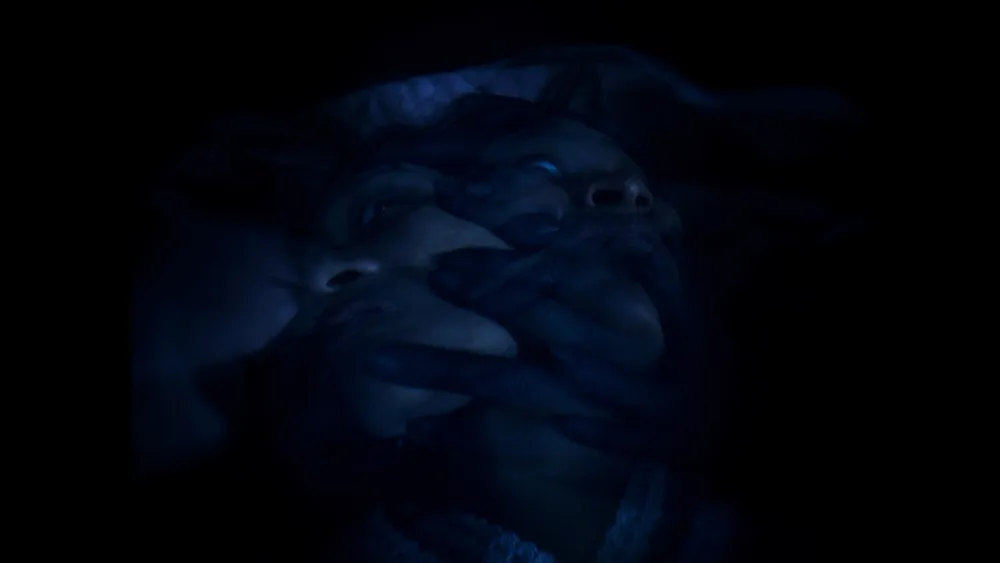
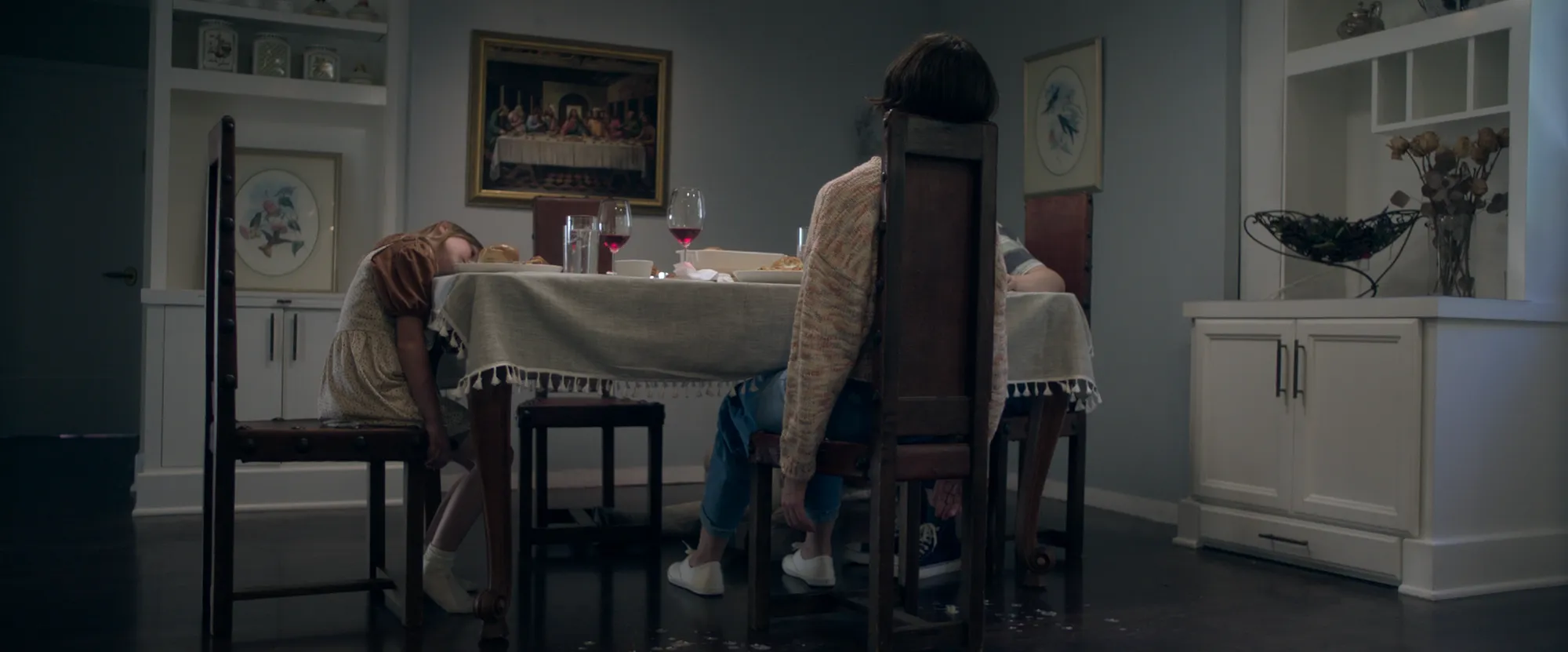
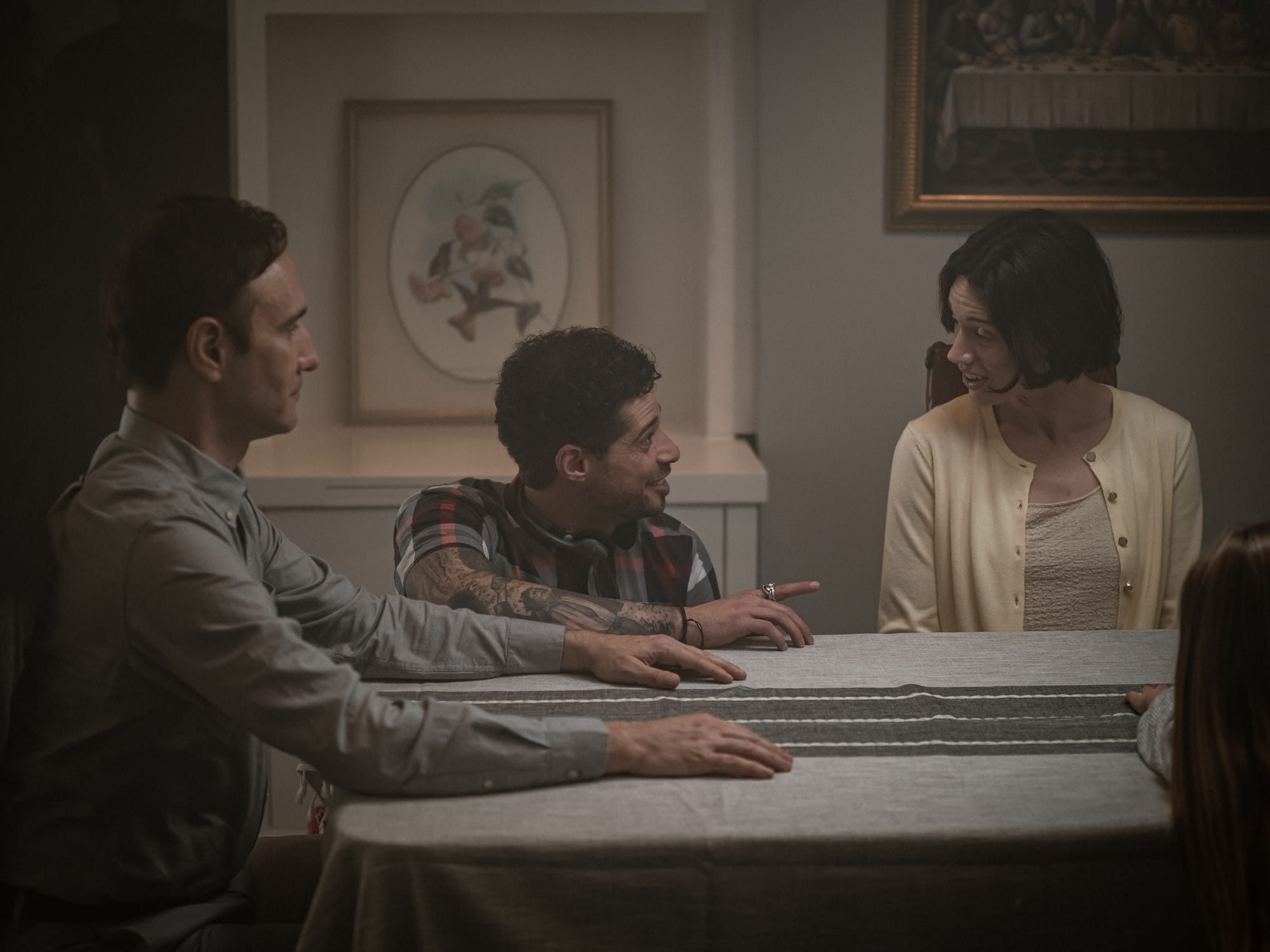
For this story, there was always a very big technical challenge, which was executing a rotating lazy susan shot that happens at the climax of the film, where the entire family meets their demise. This shot was challenging not only because it required a remote head and perfect execution by our cinematographer and camera team, but because there was use of special effects vomit, blood, and many cues for our actors to be able to perform at the right moment. I remember all the tests and all the prep we put into preparing this shot, and I remember having a backup plan just in case we went over on time and couldn't execute the shot. It wasn't until I was under the table, tapping my actors for their cues as I was watching on a monitor that I realized how critical pulling off this shot was to make this film work. I remember not wanting to hold myself to anything technical and really wanting to be able to focus on performance, but after seeing this shot put together, I don't think the film would have worked without it.
Is there a moment in the film that feels the most you—something only you could have made?
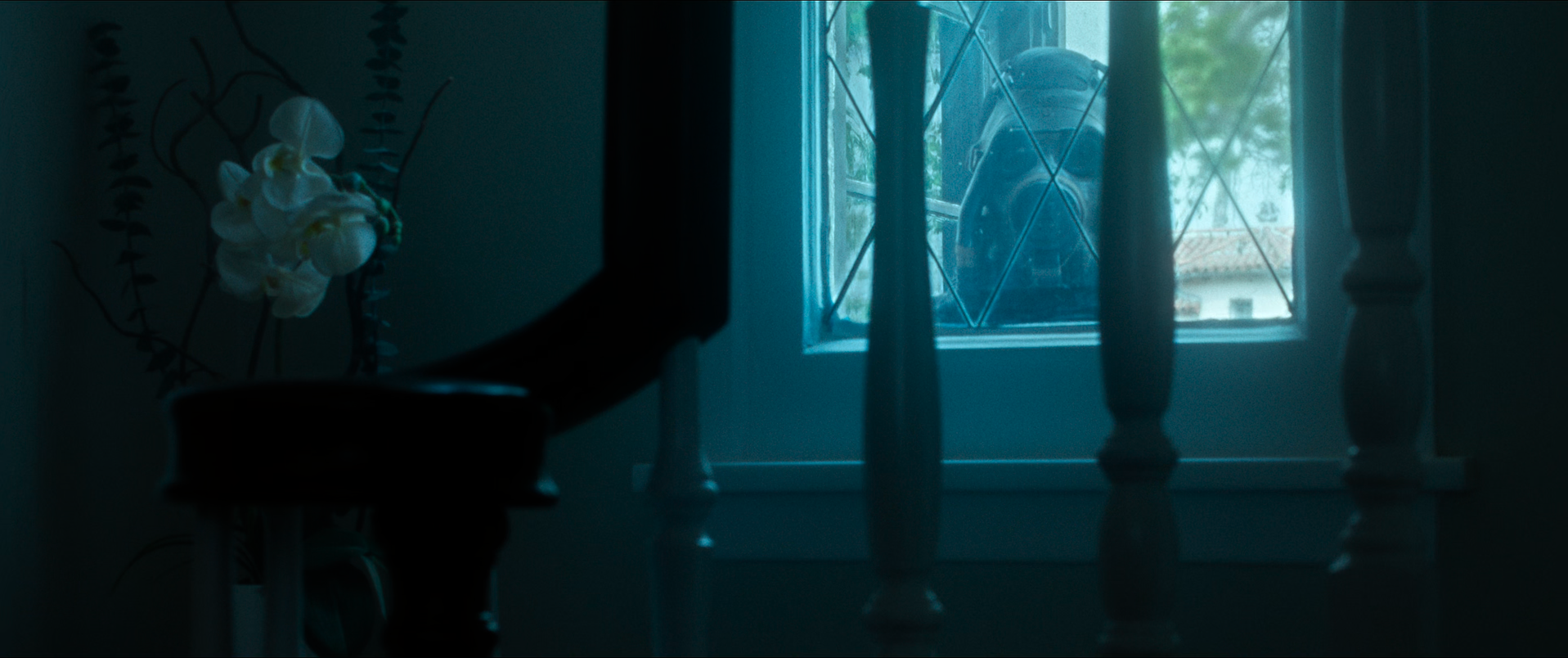
I was able to add a bit of levity to the story by introducing Dan the Exterminator in the exterior scene with Taylor. It was this scene that our writer/producer Brian allowed me to have the most freedom with the script and bring a little humor to the story. The subject matter in this film is very heavy and I felt that it needed something, just one good laugh in the middle of the film, to bring context to everything and give the audience a moment to take a breath. I don't think any other director would have fought for that. And I truly have to thank Brian for allowing me to add that moment to the film.
What was the hardest creative decision you made while making this film?
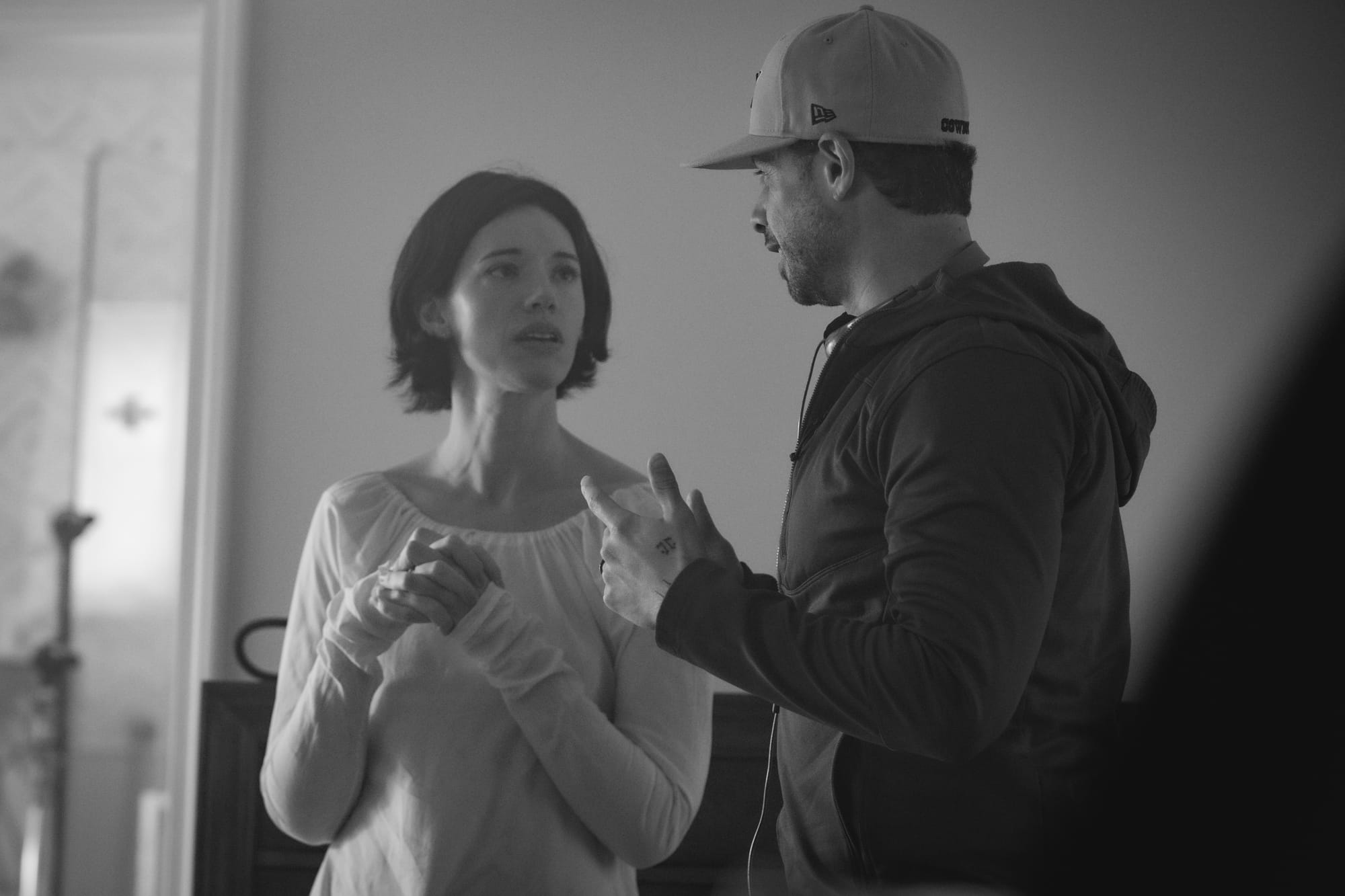
The hardest decision was having to cut shots that I knew would help set the film apart and add extra beauty to it. The lazy susan shot was one of four shots that I think would have wowed audiences, but ultimately, we were behind schedule in the shoot, and I had to cut two of the shots that I fell in love with during pre-production, because I had to make sure we made our day. Would I have loved to have all four, absolutely, but at the end of the day, I needed to tell the story and I had a limited amount of time and money to do so, so I felt I needed to be responsible and tell the story the best way I could by losing those additional shots.
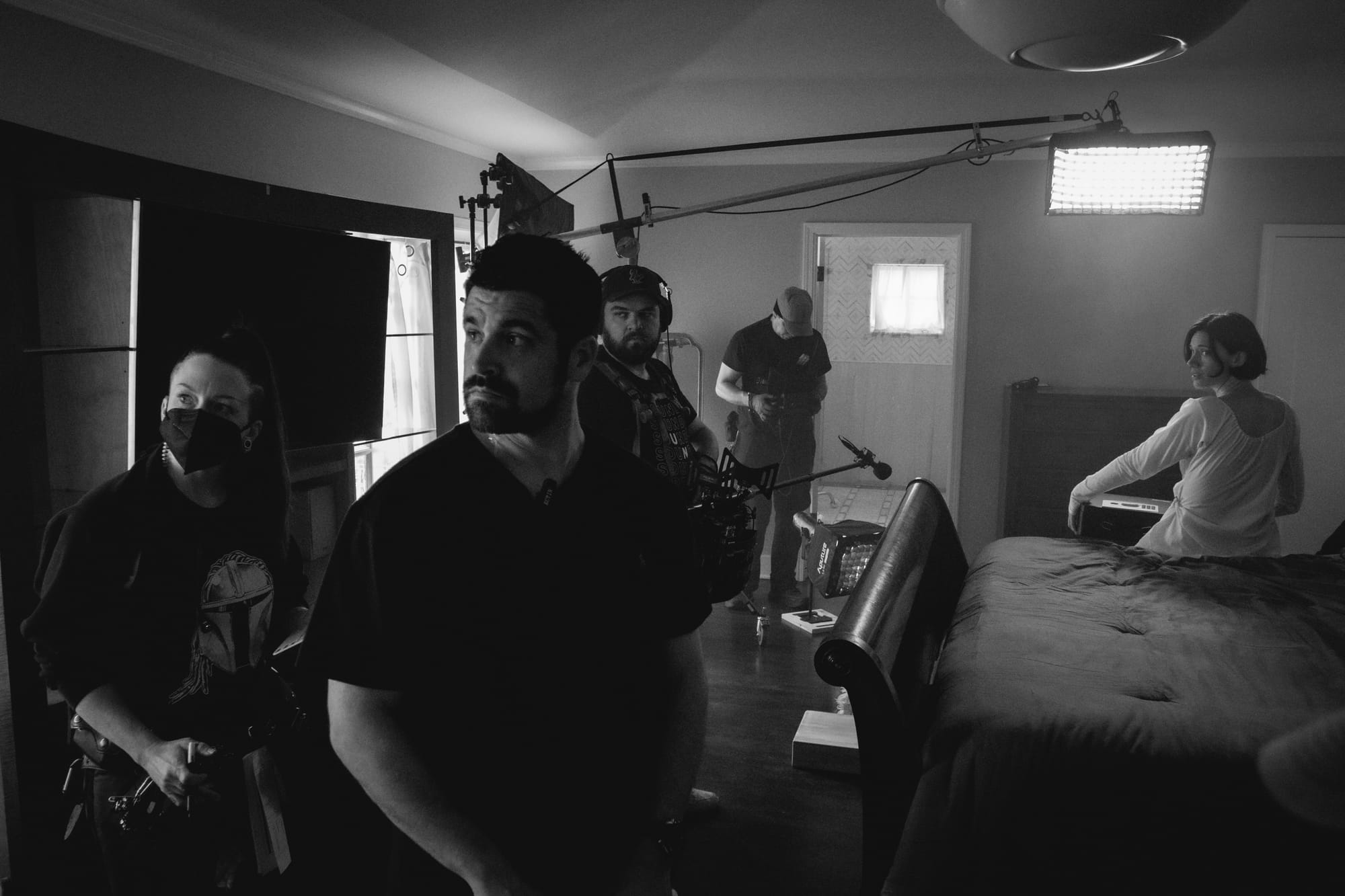
What do you hope audiences take away from your film?
"I hope audiences, especially parents, realize we need to stop protecting our children from everything and share/communicate more with them."
Parents always try to shield their children from the horrors of this world and by doing so, sometimes they cause more harm. Part of why I took on this project was because I wanted to talk about how we communicate with our kids and that we should be talking more, not less, to help them understand that life isn't always perfect and bad things do happen. And that's okay. But we have to face it and facing it together makes things just a little bit easier.
How has this film shaped or shifted the kind of stories you want to tell next?
Yes, absolutely. Prior to making this film I tend to gravitate more toward horror/comedy. But after meeting Brian Laprocino and reading some of the twisted things that come from his mind, I am definitely interested in tackling darker subject matter. That doesn't mean I won't make anything funny again, because I think horror and comedy work so well together, but I do think I will enjoy tackling the dark stuff that a lot of people tend to shy away from.
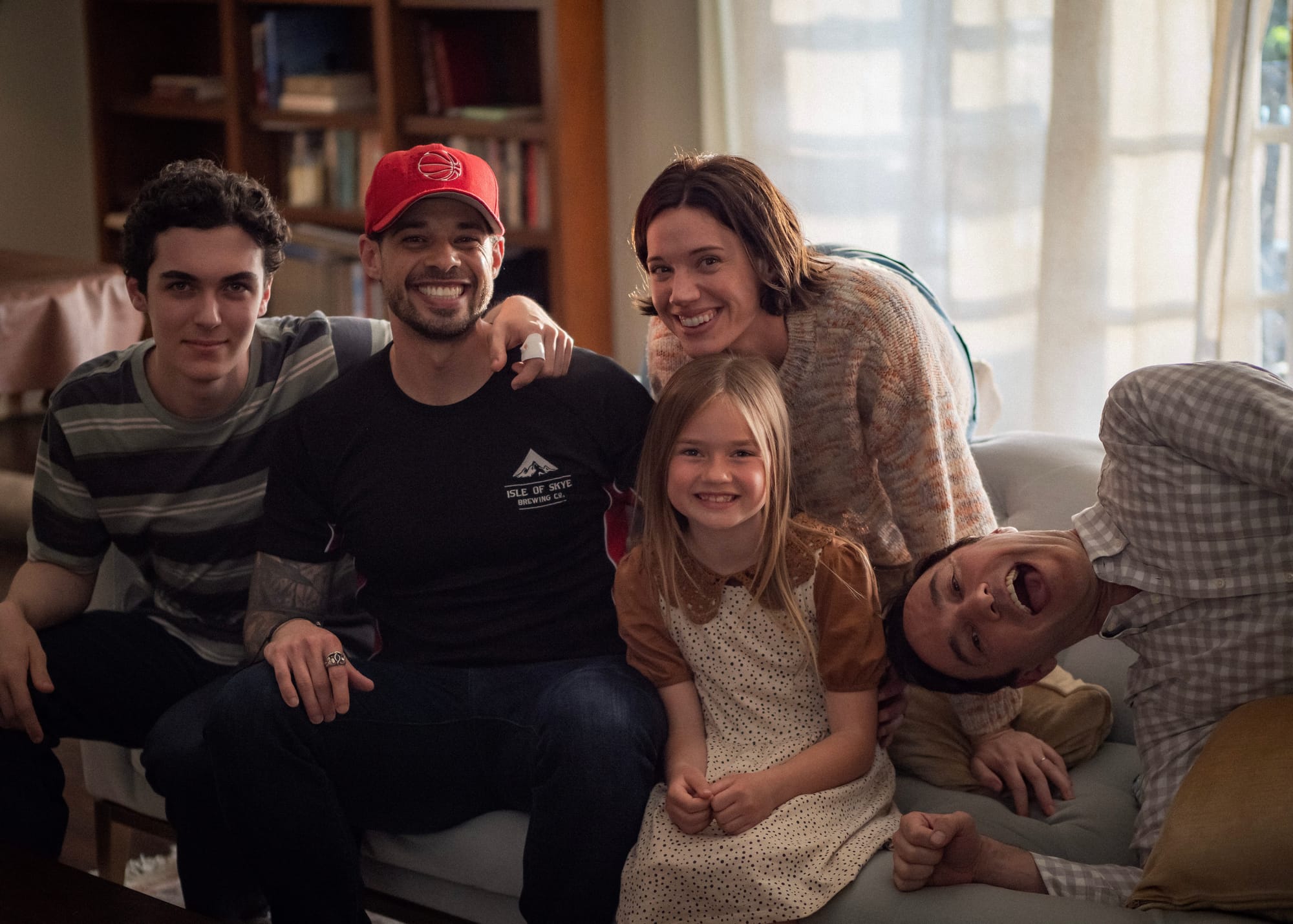
Independent filmmakers often rewrite the rules out of necessity. What do you think is the greatest strength of independent filmmaking, and how did you lean into that on this project?
The greatest strength of independent filmmaking is taking what you get and making something beautiful with it. When I take on any project, I always begin my process and break down the script as if I have all the money in the world to make it. Once I put together my initial plan, then I look at our schedule and budget and make adjustments based on that. That is typically a time when people will complain or say they need more time or more money, but I lean into those challenges and think it's an opportunity to get super creative and solve problems with your team. The lesson I would share with others is that the more money you have the more it isn't going to solve your problems (yes yes, more money, more problems). Take the things you have less of and try to critically think of a way it can be a strength and not a weakness. That's how you make a better story and ultimately a better film.
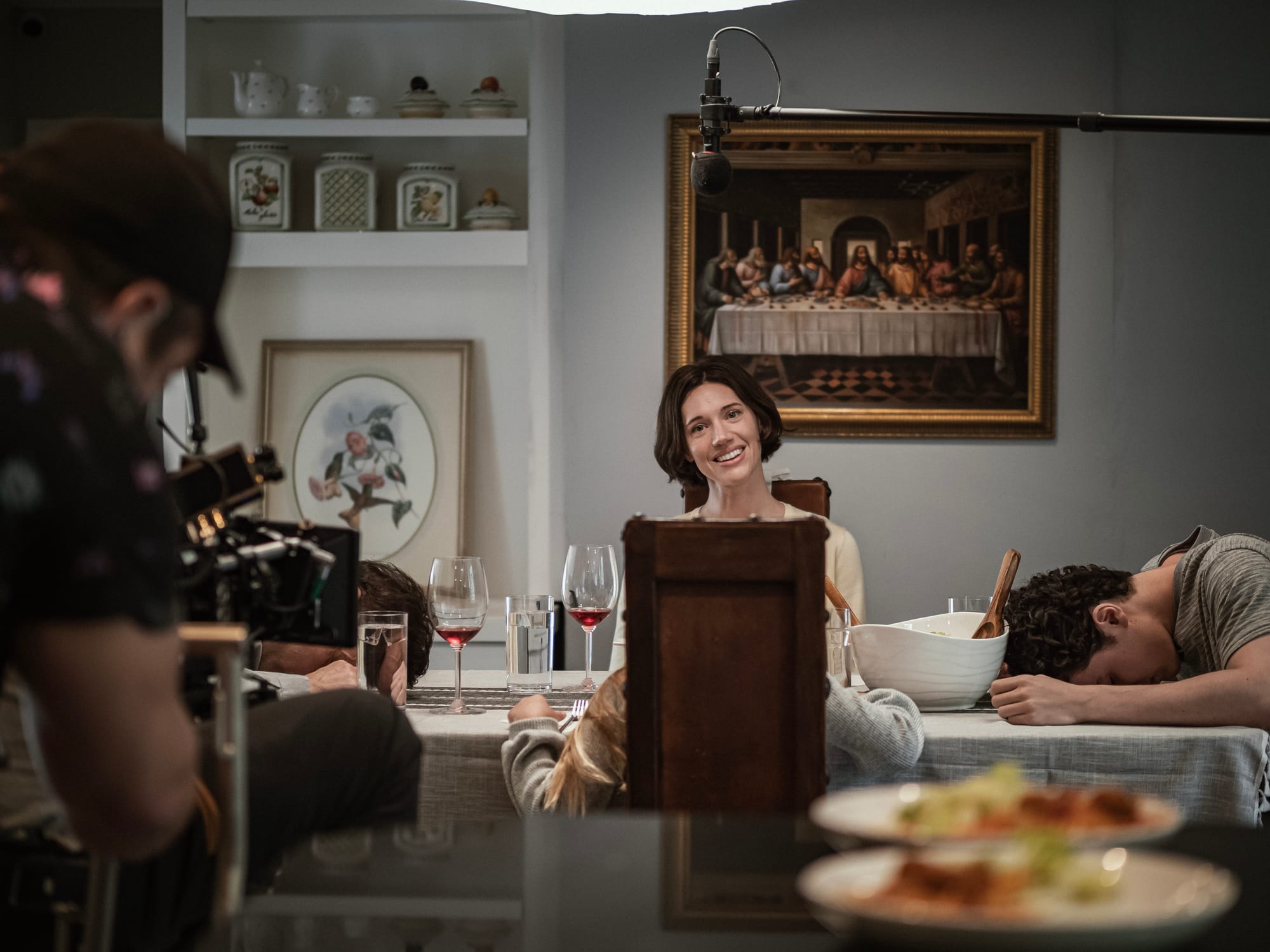
"The greatest strength of independent filmmaking is taking what you get and making something beautiful with it."
What does it mean to you to have your film selected for FilmQuest, one of the world’s top reviewed genre film festivals?
It means everything. When we set out to make this film, we were aiming to get into some good horror film festivals. The fact that we got into FilmQuest really helps our team and especially Brian and me realize that we did something right. It gives us the energy and confidence to push into the feature length version of this film, which we currently have in development. Genre festivals like FilmQuest really help give a voice to filmmakers that may not have the industry connections that others do and we love joining a community of filmmakers that have screened or will screen at FilmQuest.
FilmQuest celebrates the majesty and might of genre filmmaking across fantasy, horror, sci-fi, action, thriller, western, kung-fu, and beyond. How does your film fit within—or push the boundaries of—genre storytelling?
Our film, The Sequence, fits into the genre because we use horrifying storytelling to tackle an important subject matter that I think is worth discussing. When we started this project, our whole team discussed the fact that to tell our story the way I wanted to, we had to kill a child in the film. Typically, especially in the United States, you don't tend to see filmmakers push that boundary, but we did because I felt like it was the best way to represent the story as written.
Where do you see this film going next?
I'd like to set up some meetings and see if Brian and I can find someone to come on board and help us finance the feature film, as well as other boundary pushing scripts from our team. There is a lot more horror left in The Sequence and I'd love to be able to turn this short into the feature length version for a global audience.
“At the core of all my work is a desire to tell great stories with amazing people!"
Cast & Crew
- Katie Parker (Lead - Taylor): Known for The Fall of the House of Usher, Absentia, and Next Exit.
- Braxton Alexander (Supporting - Mike): Veteran horror actor featured in Mr. Mercedes, The Summer I Turned Pretty, and The Black Phone.
- Andrew Pifko (Supporting - Thomas): Versatile actor and comedian with credits including FBI: International and CSI: LA.
- Joe Bandelli (Director): Writer, director, and producer known for Hell House LLC franchise and Unknown Dimension: The Story of Paranormal Activity.
- Brian Laprocino (Writer/Producer): Founder of RED END Productions, with a background at Blumhouse and a passion for dark storytelling.
Learn more about the film through their website or instagram @thesequence_film.