Table of Contents
Three Key Takeaways
- Faith Liu’s personal caregiving experience inspired a poignant horror short that blends humor and heart with genre thrills.
- The film’s production highlighted the power of trusting collaborations and unexpected moments of revelation on set.
- Sundowning serves as a proof-of-concept for a feature that aims to explore aging, invisibility, and resilience through a unique horror lens.
Writer-director Faith Liu returns with her third short film, Sundowning, a genre-bending horror piece selected for FilmQuest 2025.
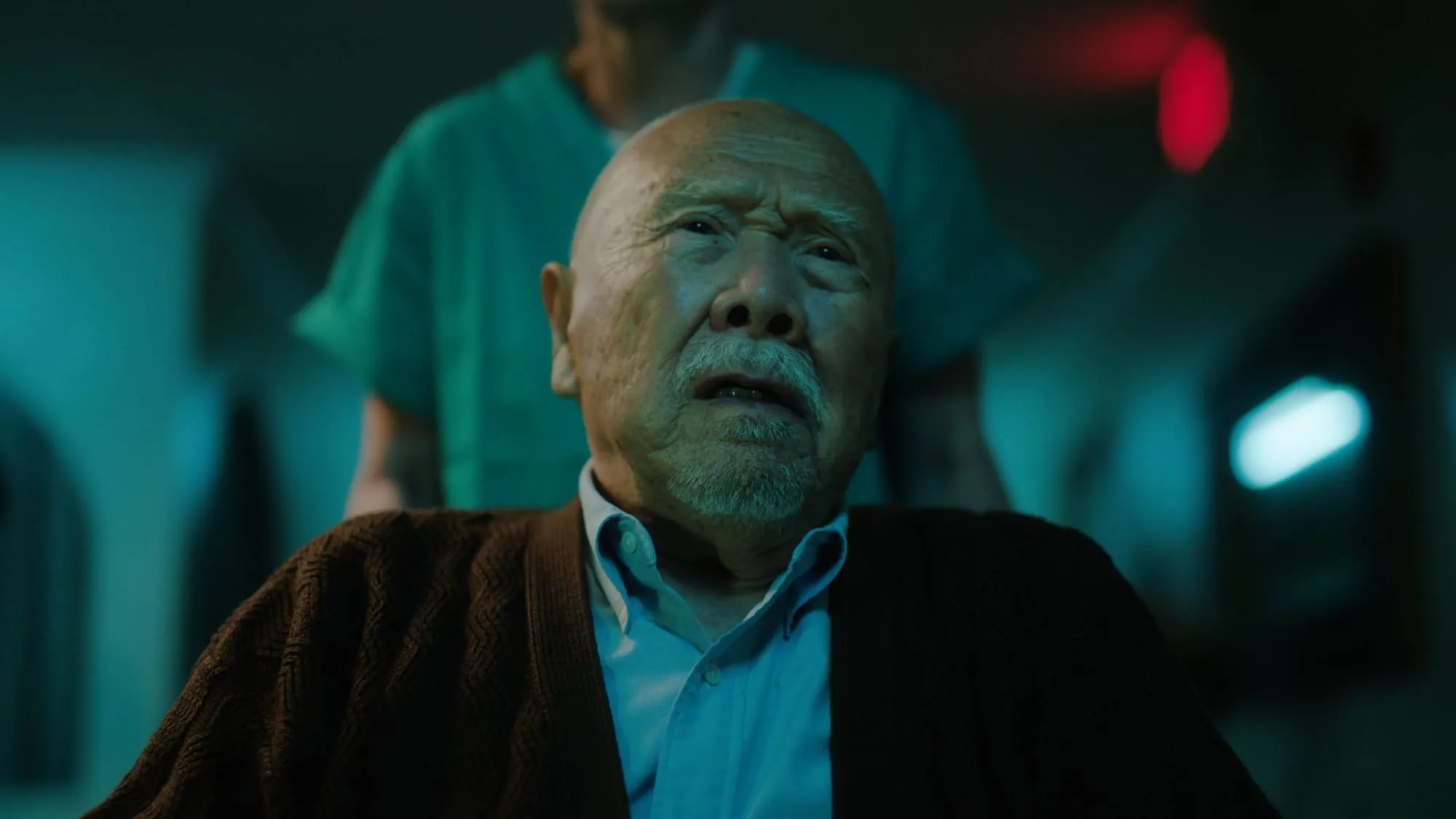
Anchored by a stellar cast including Ken Takemoto and cinematographer Brian M Tang’s evocative visuals, the film tells the story of Gerry, an elderly nursing home resident confronting his fears and a mysterious menace.
Faith’s layered storytelling invites audiences to reconsider aging, invisibility, and heroism through a fresh, heartfelt perspective.
What drew you to make Sundowning? Why this story, and why now?
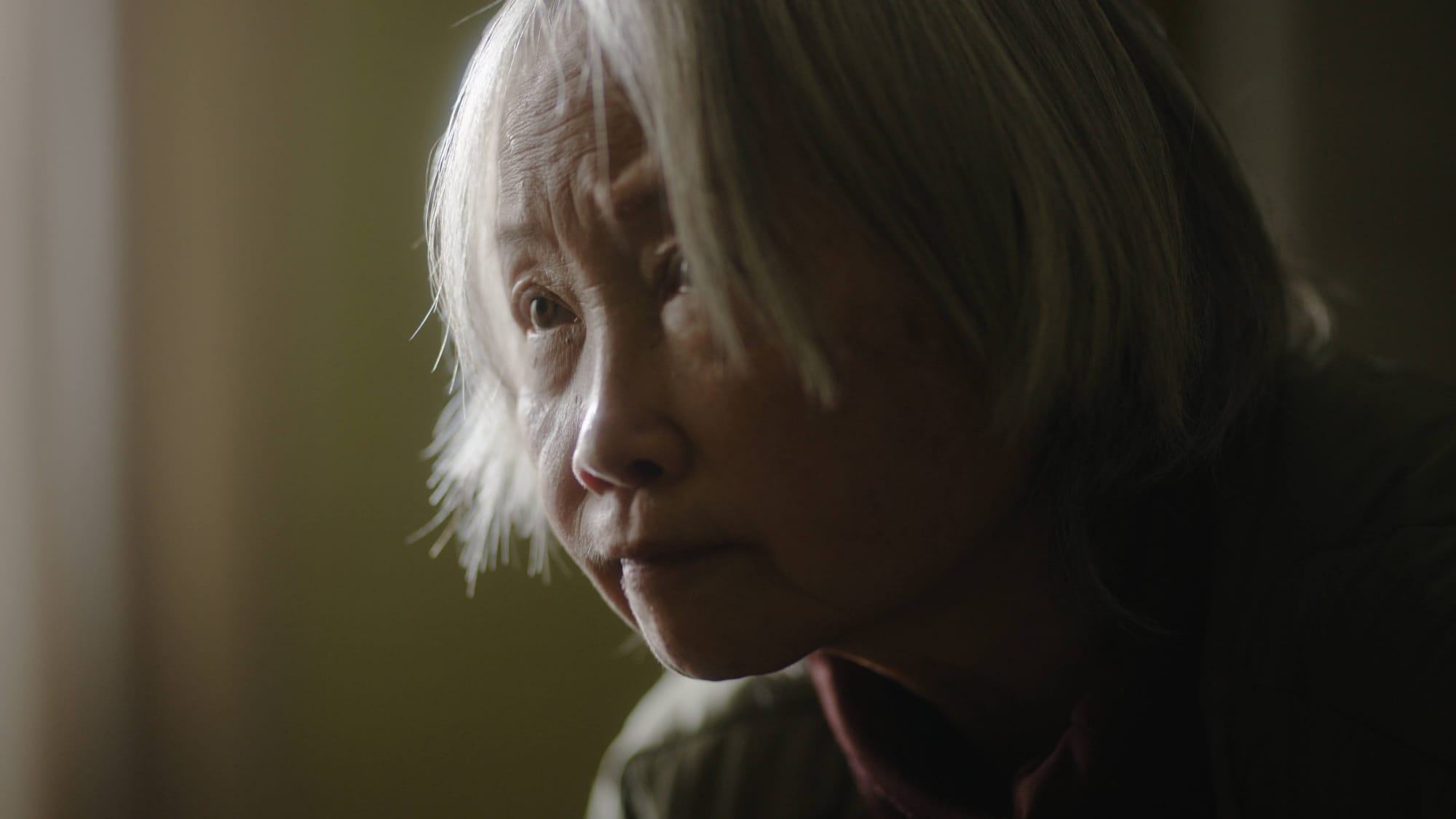
The story of Sundowning is drawn from my experiences over the last few years, living with my 89-year old grandmother as her full-time caretaker. In the time that I've spent with her, the one thing I find myself continually shocked by is how invisible she seems to other people. Whether due to her age, how she looks, or the fact that she's an immigrant, I'd have to watch as doctors, nurses, bank tellers, even door-to-door salesmen would allow their gaze to glide right over her in order to talk to me instead, as though she weren't even there. Living with her, I started to sympathize with her aversion to nursing homes - places full of strangers who didn't speak her language, who might misunderstand or ignore her needs. I came to understand a few of the thousand fears about her future and regrets about her past that have accumulated - largely unvoiced - over the years. And to this day, I marvel at her strength, her stubbornness, and her almost fiendish levels of resourcefulness when she's determined to have her way - the film is a send-up to her and to folks like her, the challenges they face, and the many ways in which they surprise us.
Was there a moment on set or in post that completely changed how you saw the story?
When I initially cast my lead actor, Ken, I had assumed he was in his mid-70s - it took until partway through our final shoot day, during a short break, for him to mention “the war” and for me to discover that he had lived through the internment of Japanese Americans during WWII. It brought an entirely new depth to his role in our story, knowing what he had lived through and was bringing to his character!
Is there a moment in the film that feels the most you—something only you could have made?
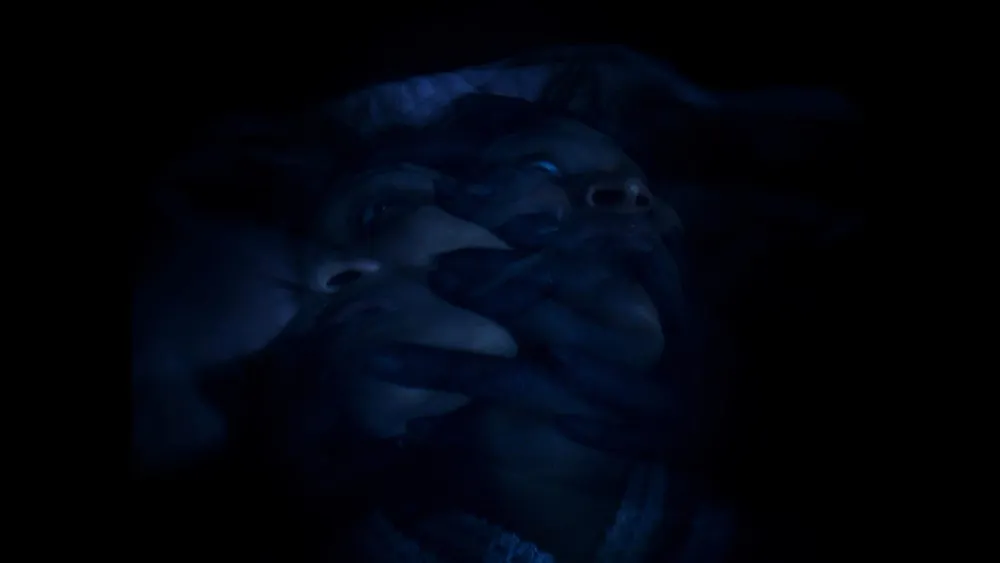
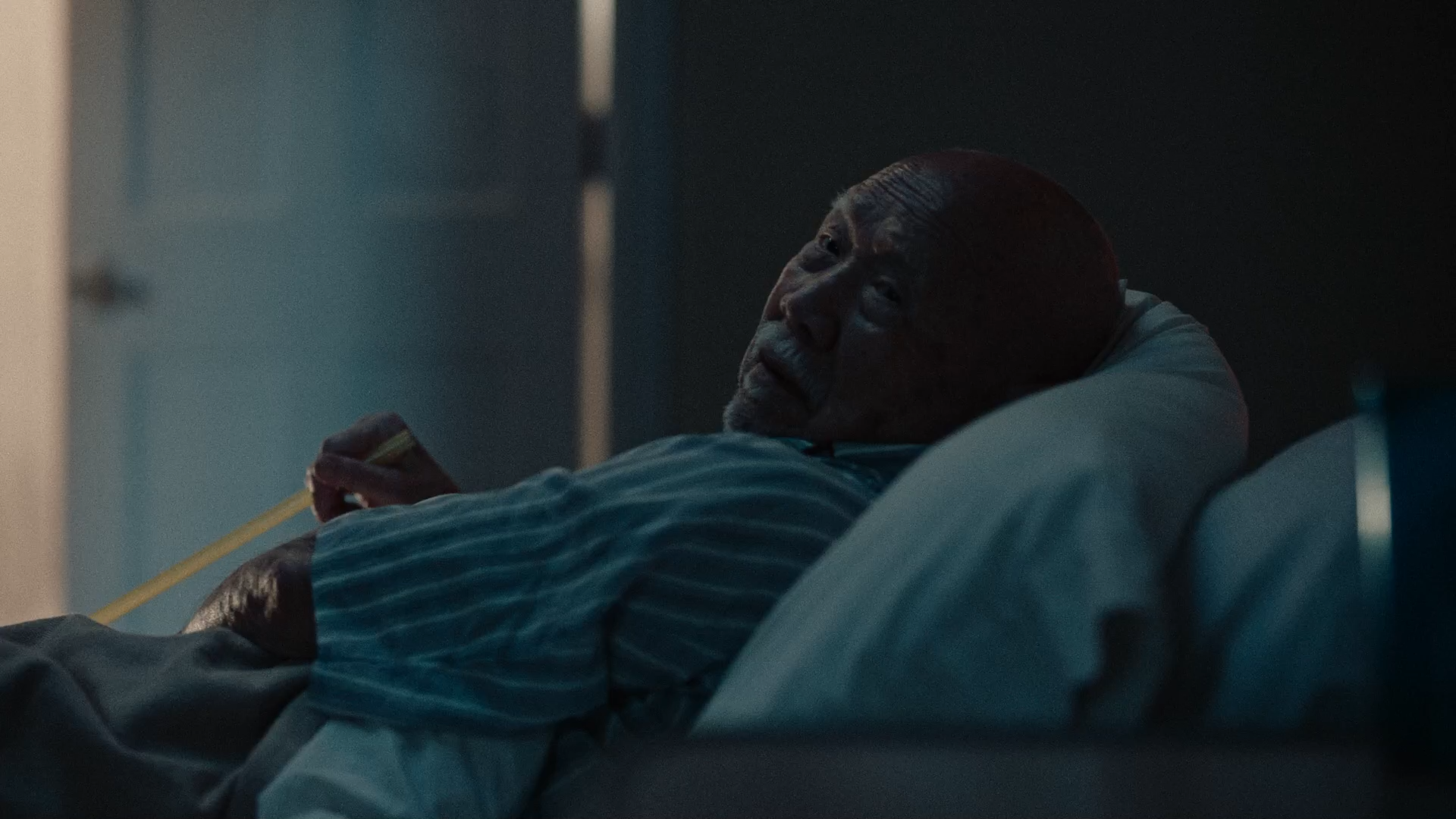
Something I admire in protagonists is creativity, particularly when they aren't the strongest or most well placed to tackle a particular situation. Discovering how a wheelchair-ridden senior citizen could successfully fend off an otherworldly entity from his bed is one of the moments I'll always be proud of - the idea that ingenuity and resourcefulness are ageless, and that heroism can be practiced not with swords but with a drinking straw.
What was the hardest creative decision you made while making this film?
Choosing how much of the feature film (for which the short is a proof-of-concept) would exist in the short - knowing that I was telling the story of what is essentially the cold-open “first kill” and balancing that against needing to introduce the main protagonist of the feature (and provide a hope that in the end the olds will triumph!).
"The film is a send-up to her and to folks like her, the challenges they face, and the many ways in which they surprise us."
What do you hope audiences take away from your film?
Sundowning seeks to honor my grandmother and people like her, folks in that stage of life we try so hard to avoid thinking about - so much so that we avoid the elderly themselves, shutting them away in places where we no longer have to see them or face what they have to face. My hope is that, through horror, through humor - and through a Lovecraftian monstrosity from the deep - we shed some light on those places, let our audience re-enter them alongside our older friends and relatives, and teach ourselves to see our loved ones in new and powerful lights.
How has this film shaped or shifted the kind of stories you want to tell next?
One of the things that surprised me in this process was the number of moments for humor - that while terrifying and sad, so much of what my characters were going through was fundamentally a little ridiculous, and that it wasn't wrong to comment on that fact. I'm excited to continue exploring that in future projects - the window that humor provides into a life, and the ways in which it can brighten the things that we too often leave in the dark.
What’s a tool, technique, or resource that really helped you during production?
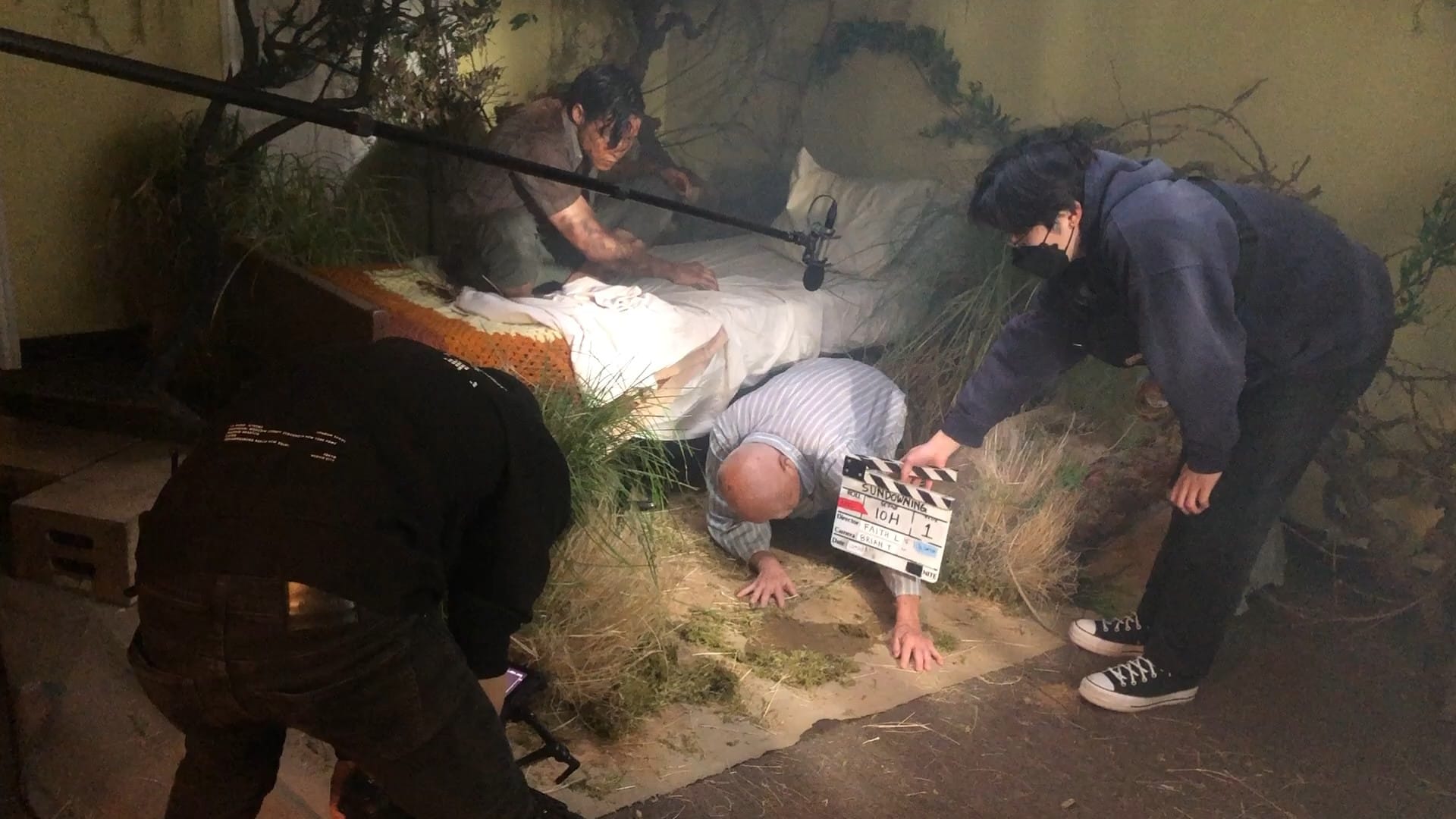
Mustard. Partway through one of our more “active scenes,” our lead actor Ken reported calmly that he was feeling a muscle cramp coming on, and could we please get him a pack of mustard. We were initially confused, wondering why he'd spread a hot dog condiment on his skin, but after finding him a pack of mustard and watching him down it like a Go-gurt, we discovered the bit of old-timer wisdom that is mustard as a fix for muscle cramps! It was great to have on hand, particularly knowing the strains our older actors were putting themselves through, and we all learned a bit more about listening to our elders!
Independent filmmakers often rewrite the rules out of necessity. What do you think is the greatest strength of independent filmmaking, and how did you lean into that on this project?
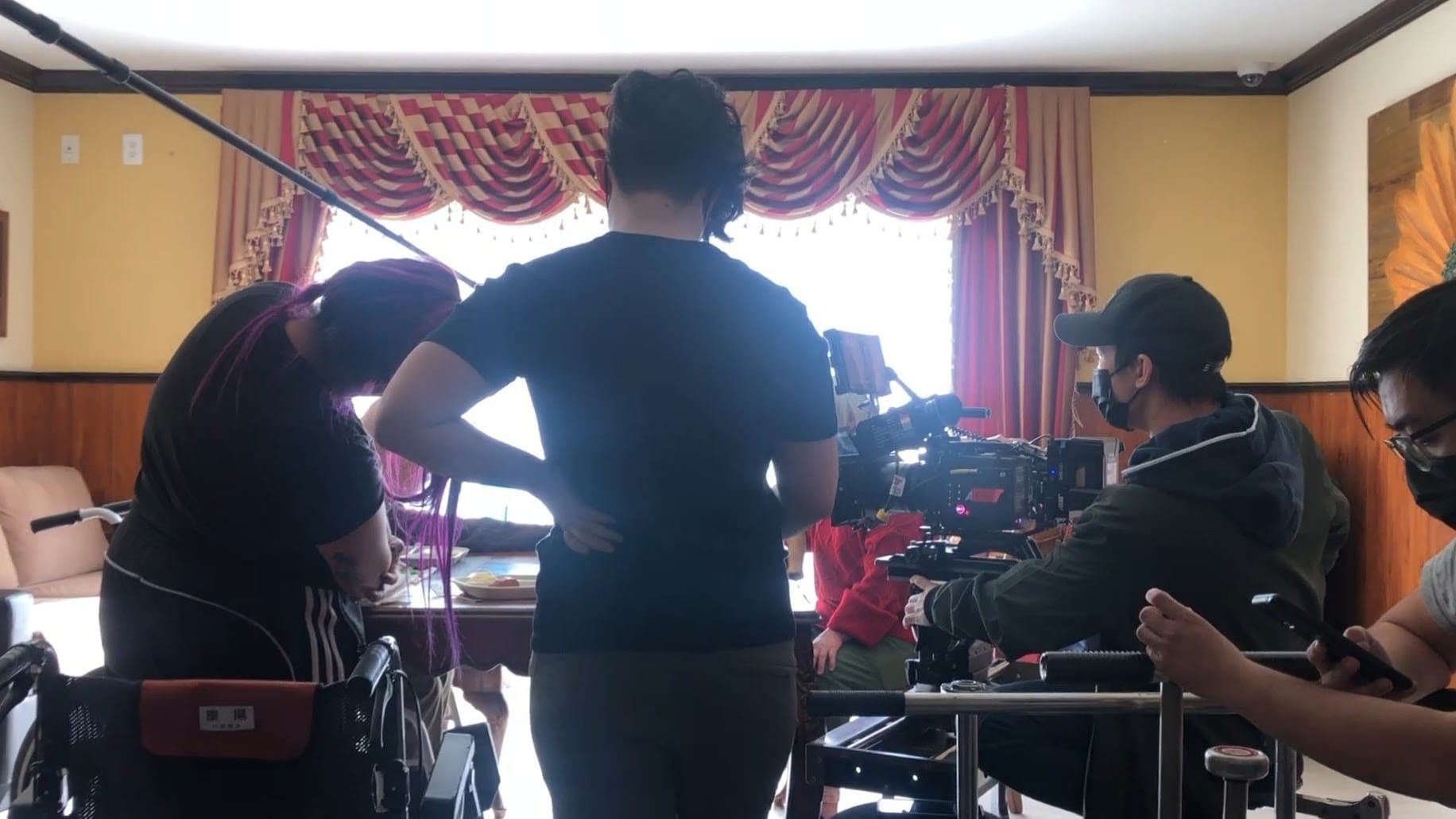
Working with folks you know and trust - because our crew was made up of friends we knew who were also coming up at the same time as us, there was a much greater sense of camaraderie and trust among everyone - in a time crunch, I could hand off a shot to Brian (my cinematographer) to direct while I worked with my actors, knowing that he'd be good for it and that our crew understood us as a singular unit. We're all coming from the same place, our motives and intentions are aligned, and we're here out of the love for what we do.
"Ingenuity and resourcefulness are ageless, and that heroism can be practiced not with swords but with a drinking straw."
What does it mean to you to have your film selected for FilmQuest, one of the world’s top reviewed genre film festivals?
We're so blessed to have FilmQuest as the final festival of our run - we've had the opportunity to meet many new friends and collaborators on the circuit, and we'll be reunited with so many of them here, cheering each other on and encouraging those who are just beginning their own runs. It's a joy to be welcomed into such a fantastic community, and to be celebrating among the best!
FilmQuest celebrates genre’s majesty and might. How does Sundowning fit within—or push the boundaries of—genre storytelling?
From the beginning, we've called our film “horror-with-a-heart” - using the conventions of horror to shed light on what's soft and vulnerable within humanity, the corners that horror doesn't always get a chance to explore.
Where do you see this film going next?
Sundowning is a proof of concept for a feature, so while we are going online later this year under Crypt TV's banner, we will also be looking for development funds and collaborators to turn this thing into a full length movie.
"We're all coming from the same place, our motives and intentions are aligned, and we're here out of the love for what we do."
Cast and Crew
- Faith Liu — Writer, Director; USC MFA in Screenwriting, Annenberg Graduate Fellow, with credits on WARRIOR and BETTER CALL SAUL.
- Brian M Tang — Cinematographer, VFX; award-winning director and cinematographer known for collaborations with Netflix and others.
- Rebecca Doyle — Producer; PGA member with experience across continents and genres.
- Ken Takemoto — Actor, plays Gerry.
- Richard Follin — Actor, plays Zach.
- Cristen Barnes — Actor, plays Nurse Hayes.
- Shu Lan Tuan — Actor, plays Shu-Hua.