Table of Contents
Three Key Takeaways
- Julian Park channels personal mental turmoil into a visually striking psychological thriller set in a burning cityscape.
- The film’s emotional core was shaped by collaboration, notably the cinematographer’s idea of a macguffin that deepened the story.
- Embracing limitations and subtle storytelling choices, Shitfly pushes genre boundaries while spotlighting human brokenness.
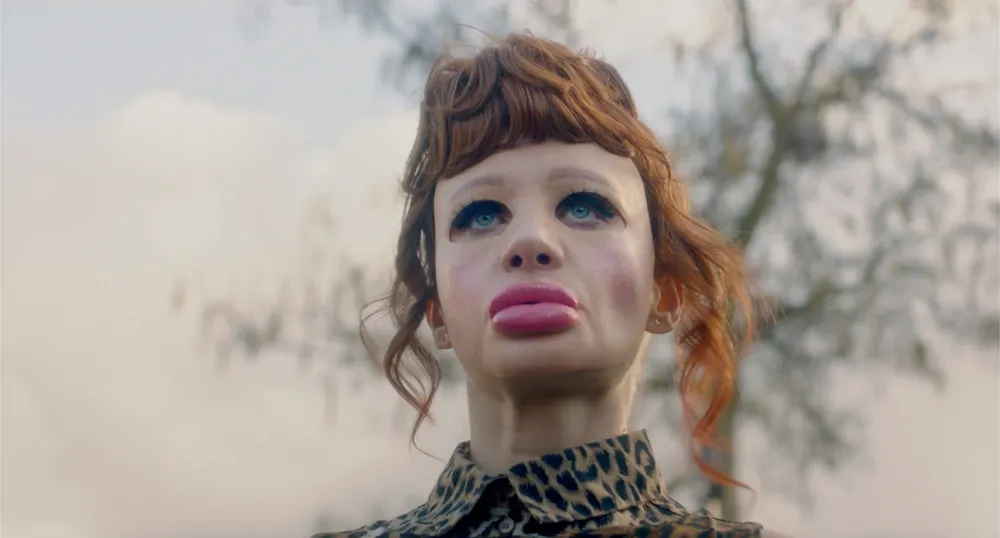
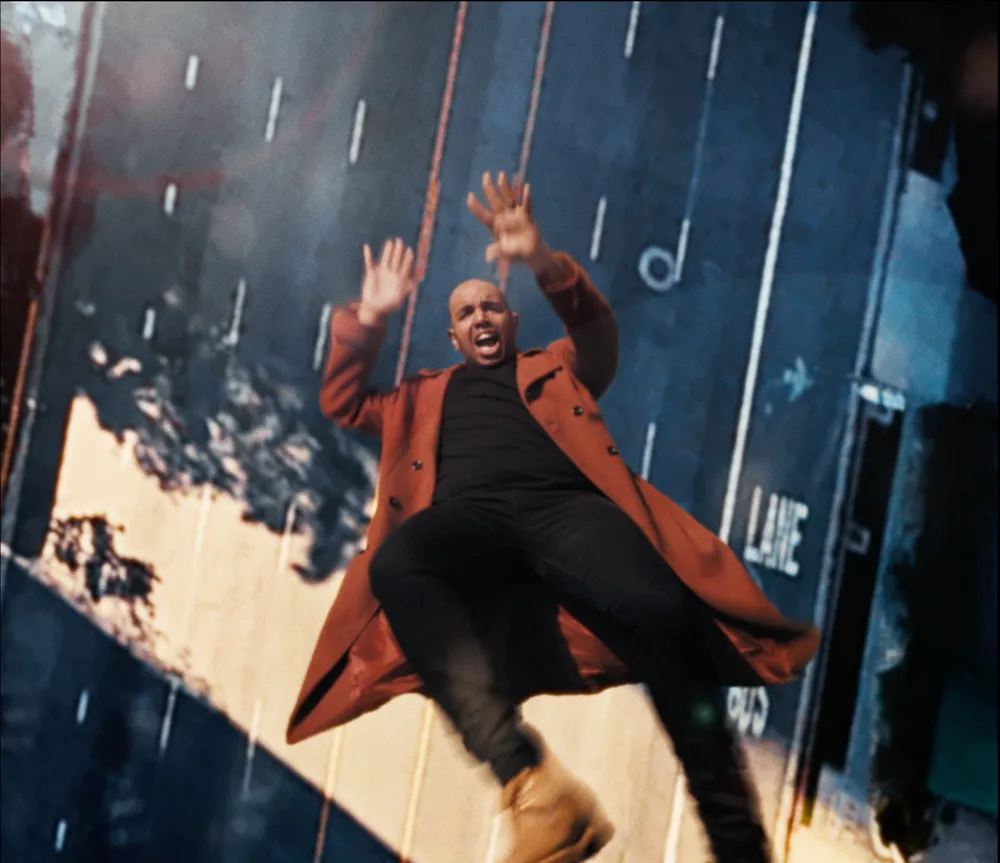
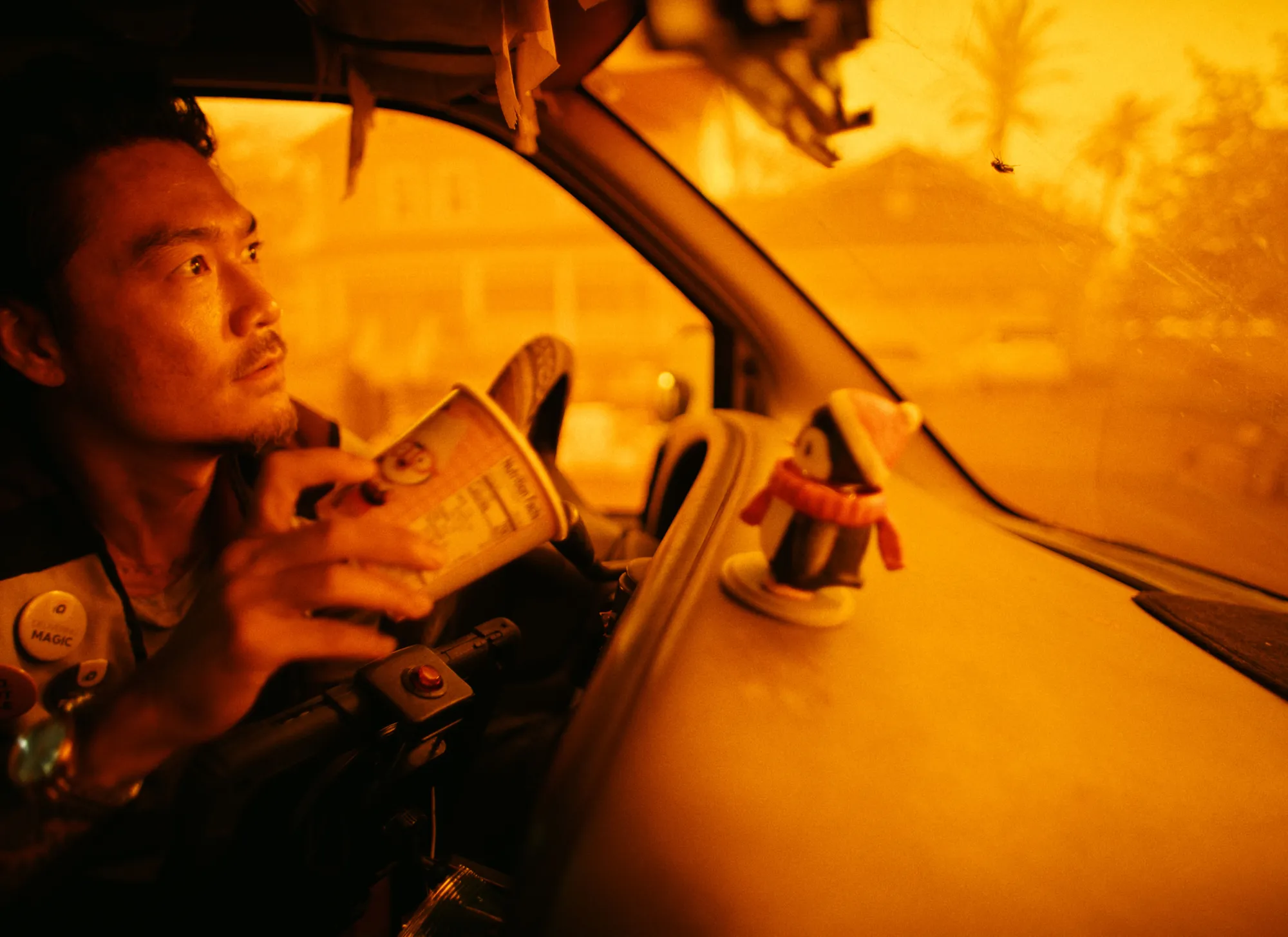
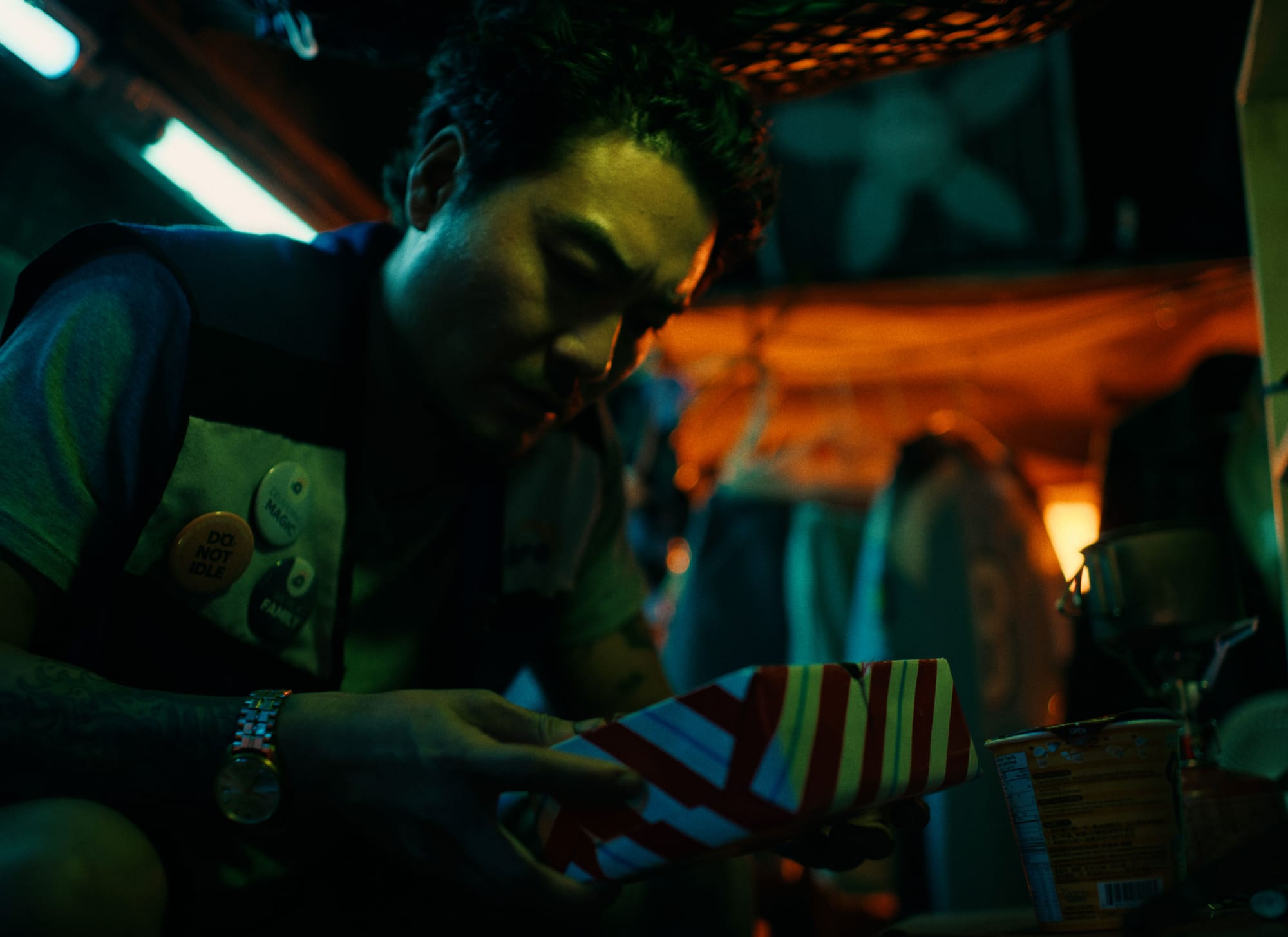
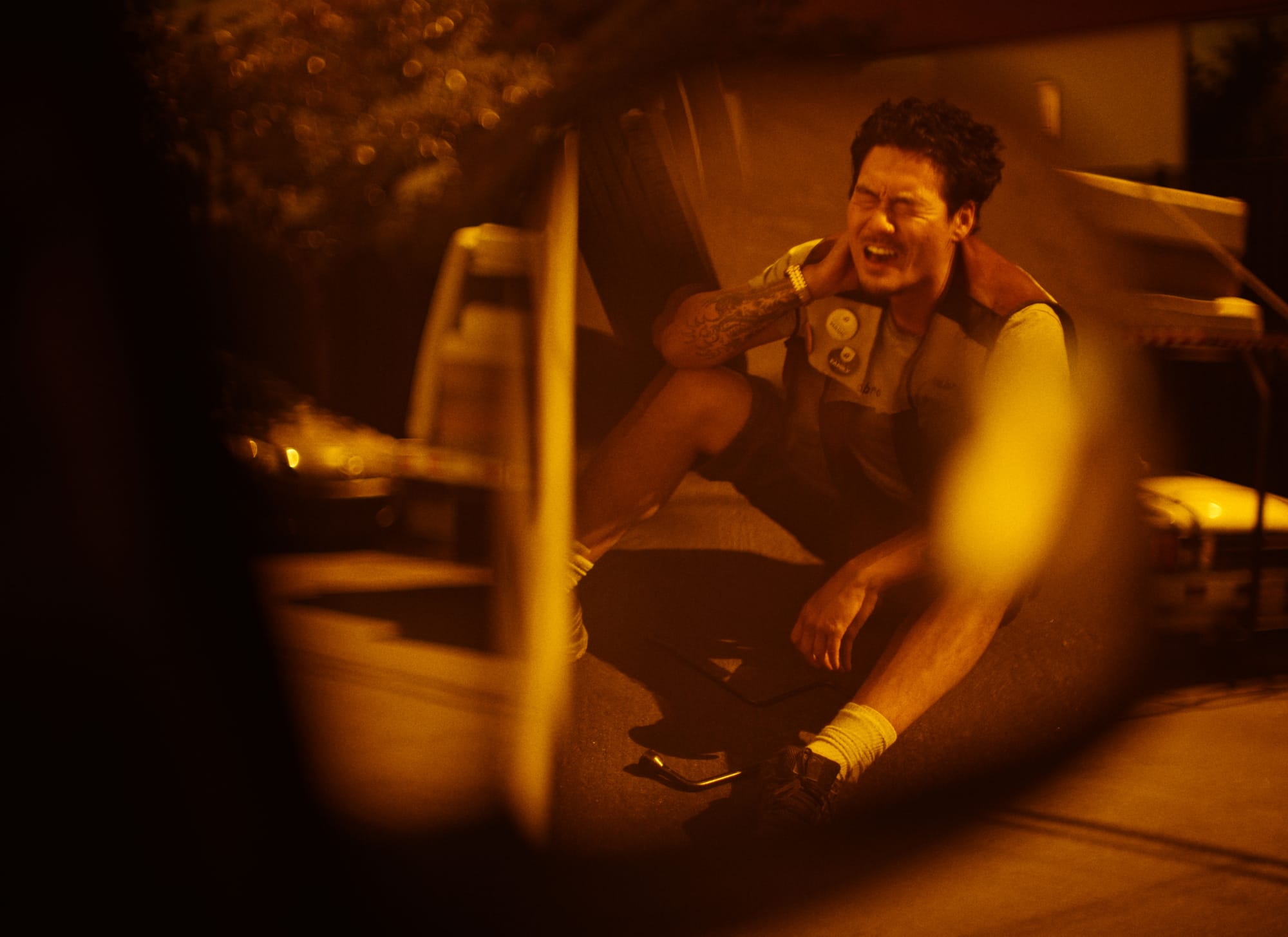
Julian Park’s Shitfly is a haunting psychological thriller selected for FilmQuest 2025, blending sci-fi, body horror, and raw human emotion. Starring Jonnie Park (@dumbfoundead) as John, a delivery driver racing against time to visit his dying father amidst apocalyptic fires, the film delivers a visually rich and sound-driven narrative. Park, who also wrote and directed the film, draws from deeply personal experiences to craft this immersive journey.
What drew you to make this film? Why this story, and why now?
The story was inspired by the personal torment I went through being overworked at a creative agency. I was pushed to my limit and eventually had a mental breakdown. After some distance from that experience and coming to terms with how things unraveled, I was finally able to tell that story. I also found inspiration for a visual metaphor for the story with the recent wildfires in Los Angeles.
What surprised you most about the filmmaking process this time—creatively or logistically? Was there a moment on set or in post that completely changed how you saw the story?
I thought the story was simply about this turmoil that I went through and I was just trying to express that cinematically. Early on in development, I was just writing drafts with disparate elements not knowing how they would come together until I met with my cinematographer (Justin D. Lee). He came up with the idea of the macguffin for the story and that's where the story found its emotional core. The story ultimately became about John's (main character) guilt of not seeing his dying father and that gave all the reasons as to why he's so hellbent on working.
Is there a moment in the film that feels the most you—something only you could have made?
There’s very little dialogue in the film and it’s mostly driven by sound but there’s one small, quiet moment when John draws a smiley face on the fogged-up windshield. It's naive, unjustified optimism in the face of madness. This is very much me. We almost cut that shot since you could easily argue that it's extraneous. Thankfully my producer, Lyandre Pierre, encouraged me to keep it and said that it was a glimpse of me. We also needed more light in this dark film.
"It's naive, unjustified optimism in the face of madness. This is very much me."
What was the hardest creative decision you made while making this film?
There were many difficult creative editing decisions that had to be made around the ending of the film. I was beating myself up for not properly executing how the ending was originally written and conceived. Ultimately, I had to decide not to do any pick up shots to add clarity to it (mainly based on our limited budget) and had to lean on the audience's understanding.
What do you hope audiences take away from your film?
I hope the audience experiences the same dread that inspired this story. If they come to bond with John (main character), share in his torment, and maybe even laugh because they recognize something of themselves in him, then the film will have done its job.
How has this film shaped or shifted the kind of stories you want to tell next?
This film pushed me to dig deeper into my own uncomfortable truths, but I’ve only scratched the surface. It reminded me that writing is about confronting those truths head-on and continuing to unearth the parts of myself I don't want to face.
What’s a tool, technique, or resource that really helped you during production?
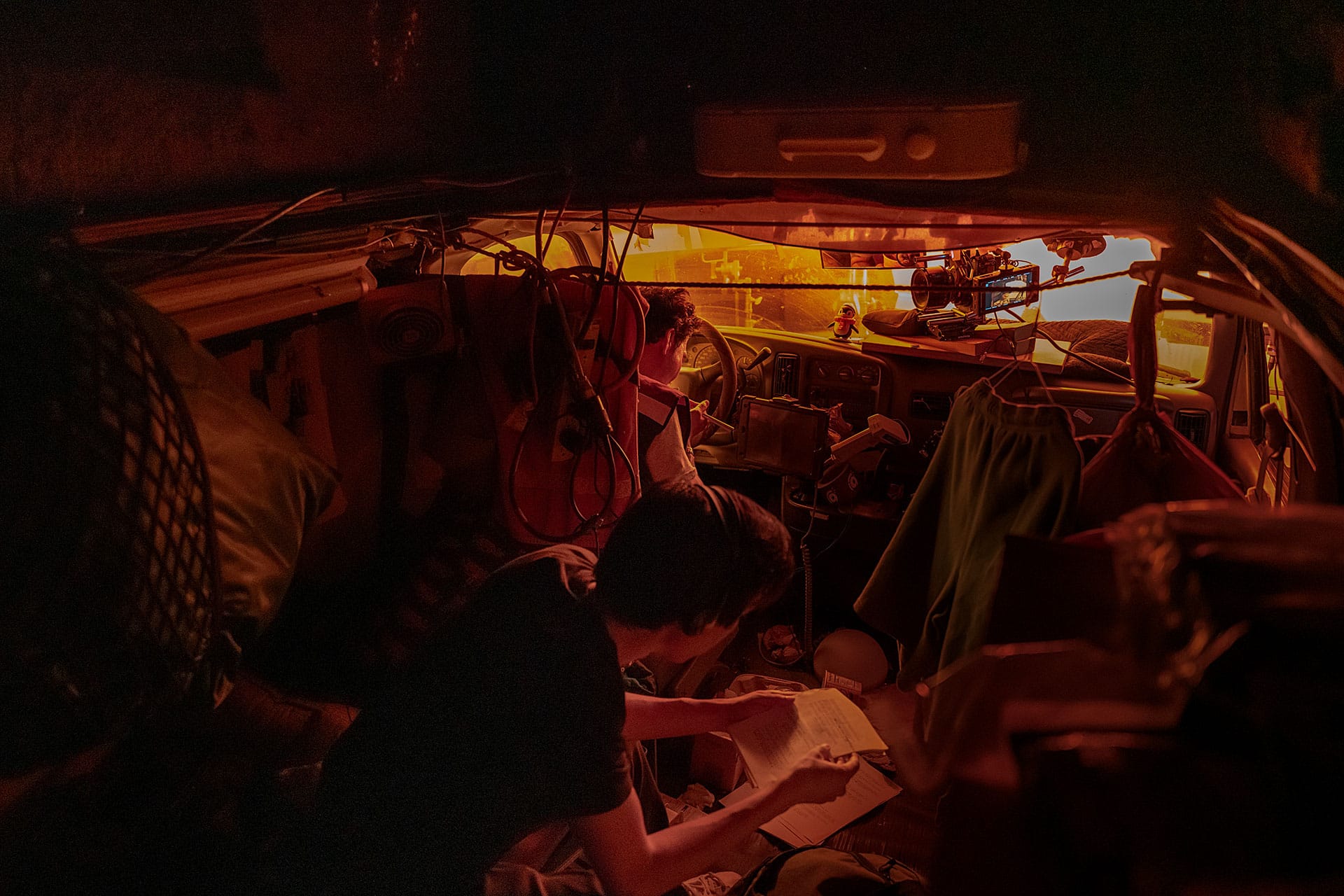
I tend to play things close to the vest since I don't want to make a big fuss about a project if it's not actually going to happen. But if your story is ready, bringing HODs on early in pre-production really allows for more ideas and creativity on the film. I regret not doing this more. My sound designer, on-set sound mixer, and cinematographer were some of the first people to read the script.

Independent filmmakers often rewrite the rules out of necessity. What do you think is the greatest strength of independent filmmaking, and how did you lean into that on this project? Is there a lesson or breakthrough you’d share with others navigating this path?
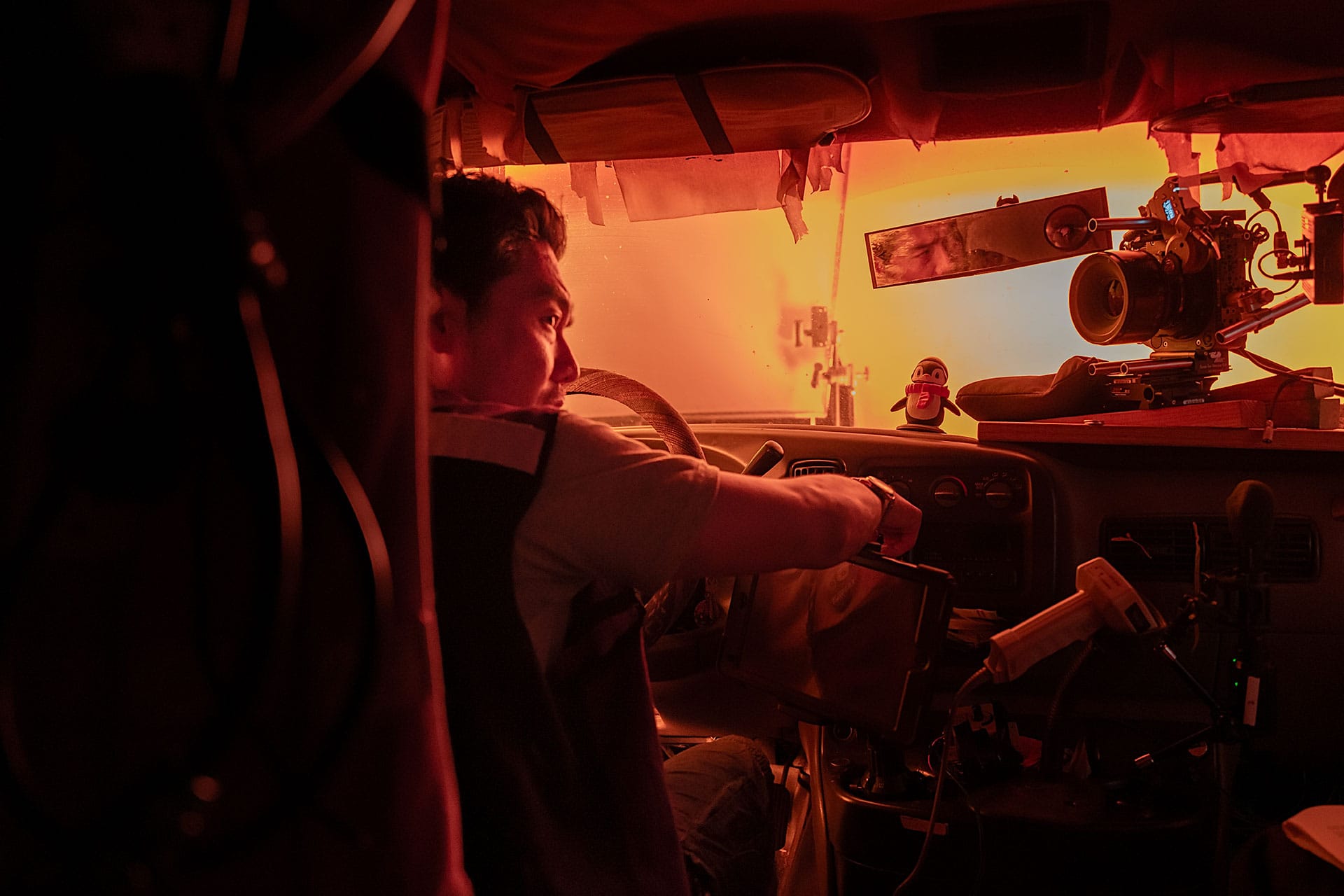
I embraced our limitations and even set extra rules with my DP (no camera movement, only interiors of the van). In my experience, that’s where indie filmmaking finds its strength: in turning restrictions into creativity.
"That’s where indie filmmaking finds its strength: in turning restrictions into creativity."
What does it mean to you to have your film selected for FilmQuest, one of the world’s top reviewed genre film festivals?
It's an honor and privilege to be selected and screened at FilmQuest. I'm proud of my fellow FilmQuest filmmakers and grateful to screen alongside them.
FilmQuest celebrates the majesty and might of genre filmmaking across fantasy, horror, sci-fi, action, thriller, western, kung-fu, and beyond. How does your film fit within—or push the boundaries of—genre storytelling?
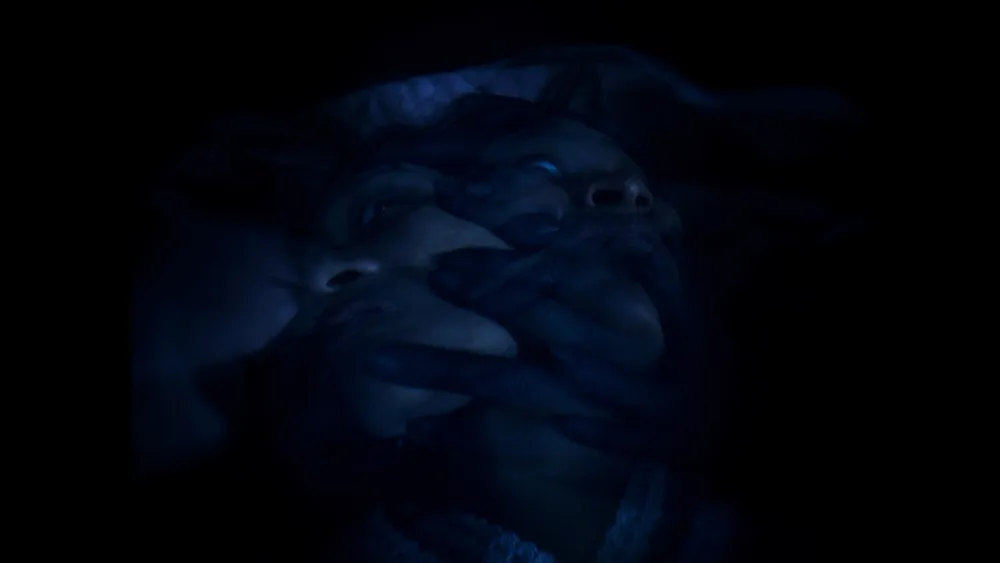
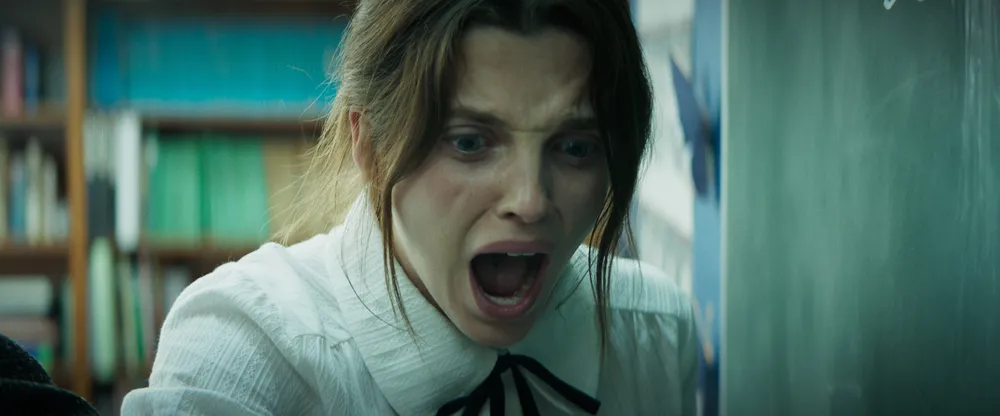
Shitfly has what you would expect from a psychological thriller: an unreliable narrator, mental duress, paranoia, auditory hallucinations, but it also dips its toes in body horror and has some sci-fi elements to it. FilmQuest has programmed us with a sci-fi block so I'm happy the film can be seen a few different ways.
Where do you see this film going next?
Expanding into a feature film!
"At the core of all my work is a desire to spotlight brokenness."
Cast & Crew
- Julian Park — Director/Writer; filmmaker exploring personal mental turmoil through genre storytelling.
- Jonnie Park (@dumbfoundead) — Lead Actor (John), delivering a nuanced portrayal of a man battling inner demons amid apocalypse.
- Justin D. Lee — Cinematographer, instrumental in developing the film’s emotional core through the macguffin concept.
- Lyandre Pierre — Producer, advocate for creative choices that reveal the filmmaker’s personal touch.
Learn more about through their website.