Introduction
When it comes to stories, the possibilities are endless. Perhaps that's a cliché, but it's truly incredible how many worlds, relationships, and character designs have been written and illustrated since the beginning of time. Book adaptations have existed in numerous art forms—from drawings, paintings, and sculptures to video games. Yet arguably, the most common form of book adaptation is the transition from the page to the big screen.
There have been countless triumphs and misfires in the task of adapting an author's work for film. It is a rather daunting task to undertake. Although it depends on the genre, book adaptations are frequently difficult to pull off successfully. A passionate audience can feel betrayed by the excessive deviation from the source material to the point where the film feels almost insulting, or lacks an original soul because of a constant attempt to be as faithful as possible.
Is there a proper way to adapt a story considering this challenge? To fully flesh this out, it is necessary to delve into the components of this filmmaking style.
Faithful or Distinct?
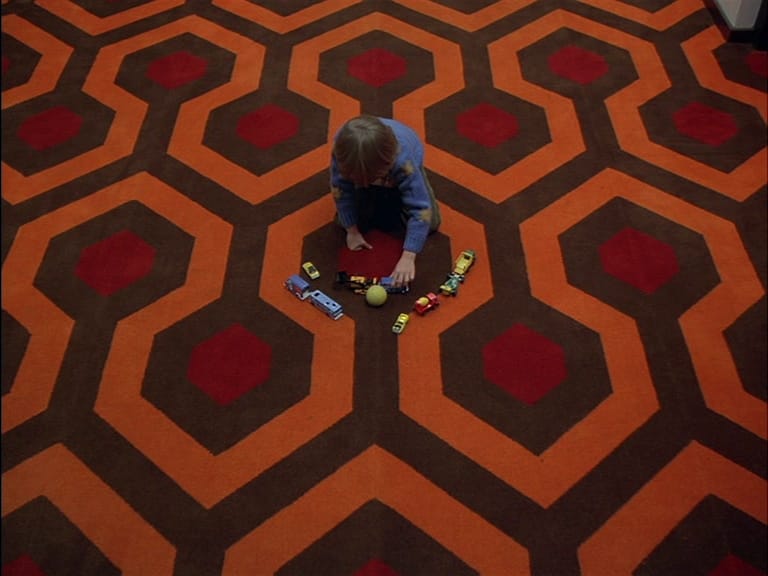
Stanley Kubrick's 1980 masterpiece The Shining is still one of the prime examples of a novel adaptation that noticeably strays from the source material, but still stands on its own as a classic. Author Stephen King famously has a strong dislike for Kubrick's adaptation, and although he recognizes its positive qualities, he specifically criticizes Kubrick's method of handling the story:
"There are other times when I feel as though I'd given Stanley Kubrick a live grenade, and he heroically threw his body on it." (ScreenRant)
From an author's perspective, this is an understandable complaint. If a filmmaker takes your original story and makes it entirely their own by sacrificing several important aspects of the narrative, it might come across as artistic betrayal. However, Kubrick's film retains the overall concept of King's novel—he doesn't erase its cultural and horror impact. Now, it is widely considered one of the best and most iconic horror films of all time, by both critics and audiences.
With this in mind, a filmmaker should not follow the source material 100%, since a filmmaking voice is incredibly meaningful. We all see a story through different lenses, and so, in order to craft a successful adaptation, a filmmaker should take creative liberties. Not all elements of a novel can translate well to the big screen; changes to the plot add something unique, unexpected, and sometimes unforgettable. This does not mean that a filmmaker should change everything from the source material; it is essential to respect the author's voice as well. As a whole, though, different voices matter, and they are vital to justifying an adaptation. Other successful adaptations, aside from The Shining, include Guillermo del Toro's Frankenstein, Steven Spielberg's Jurassic Park, David Fincher's Gone Girl, and Frank Darabont's two other King adaptations: The Shawshank Redemption and The Green Mile.
In the following video Guillermo del Toro discusses his longtime passion for his Frankenstein, emphasizing the creative freedom that came from accomplishing the task.
Conclusion
Despite the inclination to remain as faithful as possible to an author's personal creation, filmmakers should not neglect their own artistic signatures when adapting a story. As long as they are moderately accurate to the source material, creativity should take hold of their artistic souls as they make their way through the filmmaking process; even if it means that they will lose respect from general audience members, adaptations should also reflect how filmmakers view the story. With the marriage of deep substance and visual engagement, the beauty of adapting books to film—no matter how challenging it may be—lies in the unique voices behind the camera.