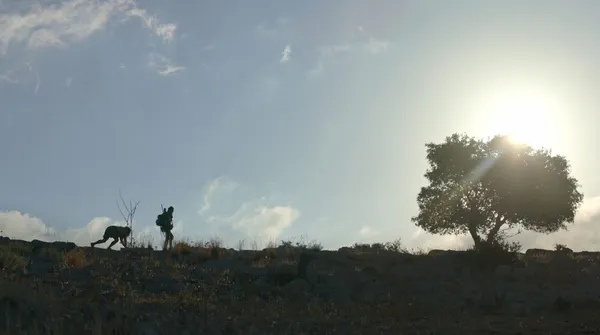
A baby is left on the steps of a church. A reclusive country priest takes the boy in and raises him in strict confinement, building a carefully crafted world around him. Then, one afternoon, a pair of strange twins arrive. They proclaim themselves prophets, and they intend to use the priest as a pawn in their divine mission. In Godhead, the line between reality and delusion blurs as the twins pull the priest into their game. Writer-director Mark H. Rapaport frames the story as a Hitchcock throwback with a willful irreverence for the conventions of classic black-and-white cinema.
The film is also a reckoning. Rapaport describes himself as a lifelong rule follower who learned, later than he would have liked, that authority figures are not always looking out for us. He waited until he was 32 to make Godhead, after the feeling behind it had grown until he could no longer hold it in. He hopes audiences leave with "a healthy new dose of skepticism for any person or institution that claims to know what's best for you." Underneath that skepticism is something gentler. At the core of all his work, he says, is a desire to "love and be loved." Godhead marks his second selection at FilmQuest.
Key Takeaways
- Rapaport shot Godhead in black and white over industry objections, because the film is "literally a film about right and wrong, and the gray area in between."
- An ultra-wide ARRI Ultra Prime 8R lens stretches the locked-down frames to evoke the characters' struggle toward religious epiphany. During pickups, the crew spent about 30 minutes placing a single strawberry.
- His lesson for fellow indie filmmakers is to rehearse on location, for both cast and camera, and to move on once you have a take you love.
Rapaport spoke about obedience, the meaning a single frame can hold, and why festivals like FilmQuest matter more than ever.
Interview
What drew you to make this film, and why this story, why now?
As a child, I was very much a rule follower. I guess that comes from my mother. And it can be a good thing. My teachers liked me, I was rarely the center of any drama, and I was easy to get along with. But as I grew into adulthood, I found that my inclination to please was also a dangerous one. Godhead is my attempt at reconciling the urge to follow rules with the unfortunate truth I learned only later in life: authority figures are not in fact always looking out for your best interests. Doctrines, be they religious, institutional, or familial, are not always born of pure good, despite being dressed up as such.
This was not a story I was ready or able to tell when I started making films in my early twenties. The feeling grew and grew until it burst inside me, and I finally made the film at the age of 32. At a time when it seems a few powerful people control the fate of humanity, I believe it is an especially poignant story. I hope it makes people take a deep look at their own lives and at the external forces surrounding them.
What surprised you most about the filmmaking process, creatively or logistically?
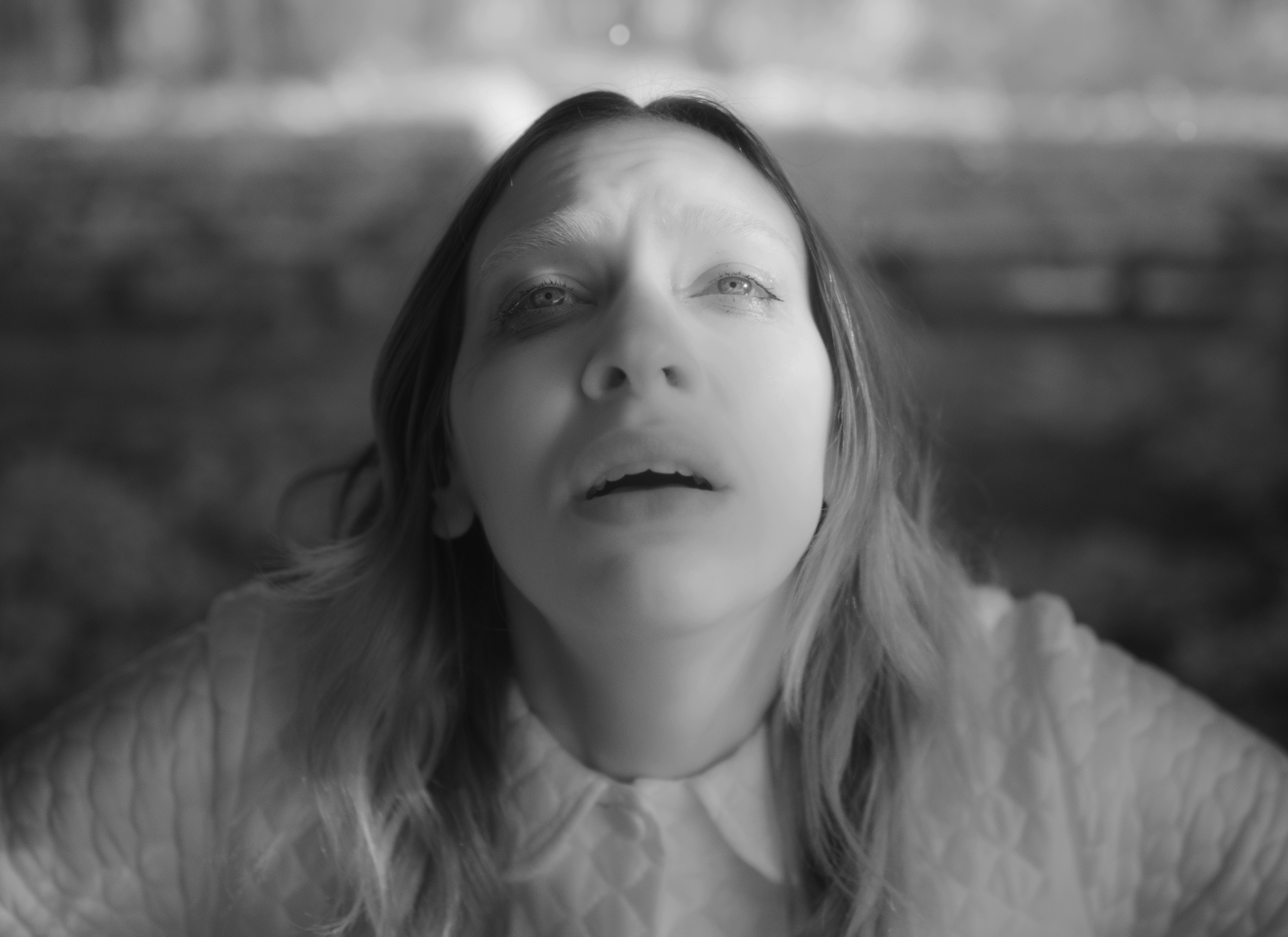
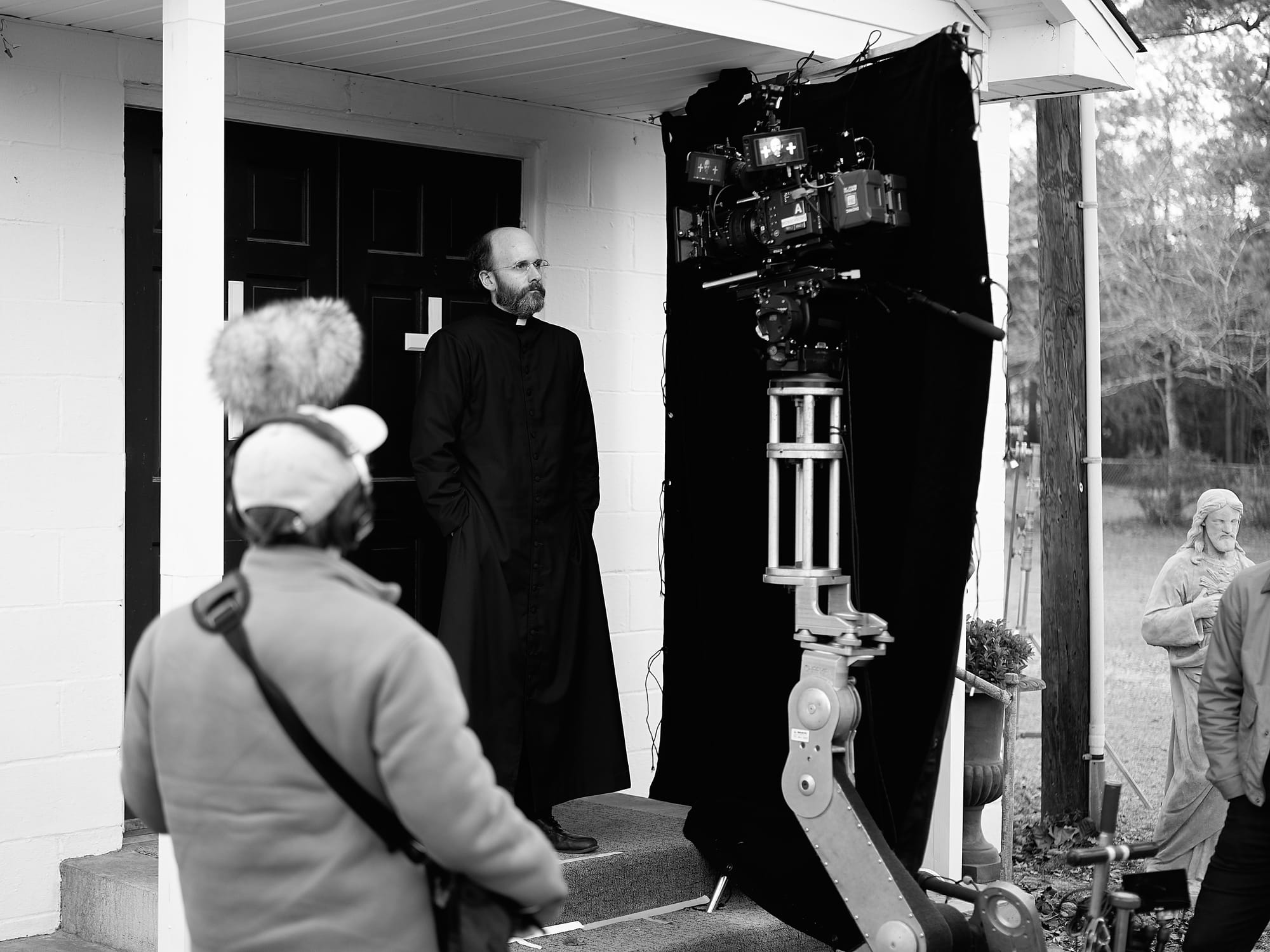
What struck me was how much emotion and meaning a single frame could hold. As I grow as a filmmaker, I keep trying to make my frames as intentional as possible in lighting, composition, production design, framing, and even symbology. Godhead is largely locked down in its cinematography. We often used a super-wide-angle lens, the ARRI Ultra Prime 8R, for symbolic effect. It stretches the frame, so to speak, and emphasizes our characters' lifelong struggle to reach some kind of religious epiphany.
In post, I fell in love with these shots and wished we had more! Luckily, we needed a few pickups for story purposes, so I had the great opportunity to lean into the ultra-wide-angle motif even further during a few extra days of filming back on location. I remember challenging myself to really make those setups count. I think we spent about 30 minutes on the placement of a strawberry in one shot toward the end.
What moment in the film feels most like you, or like something only you could have made?
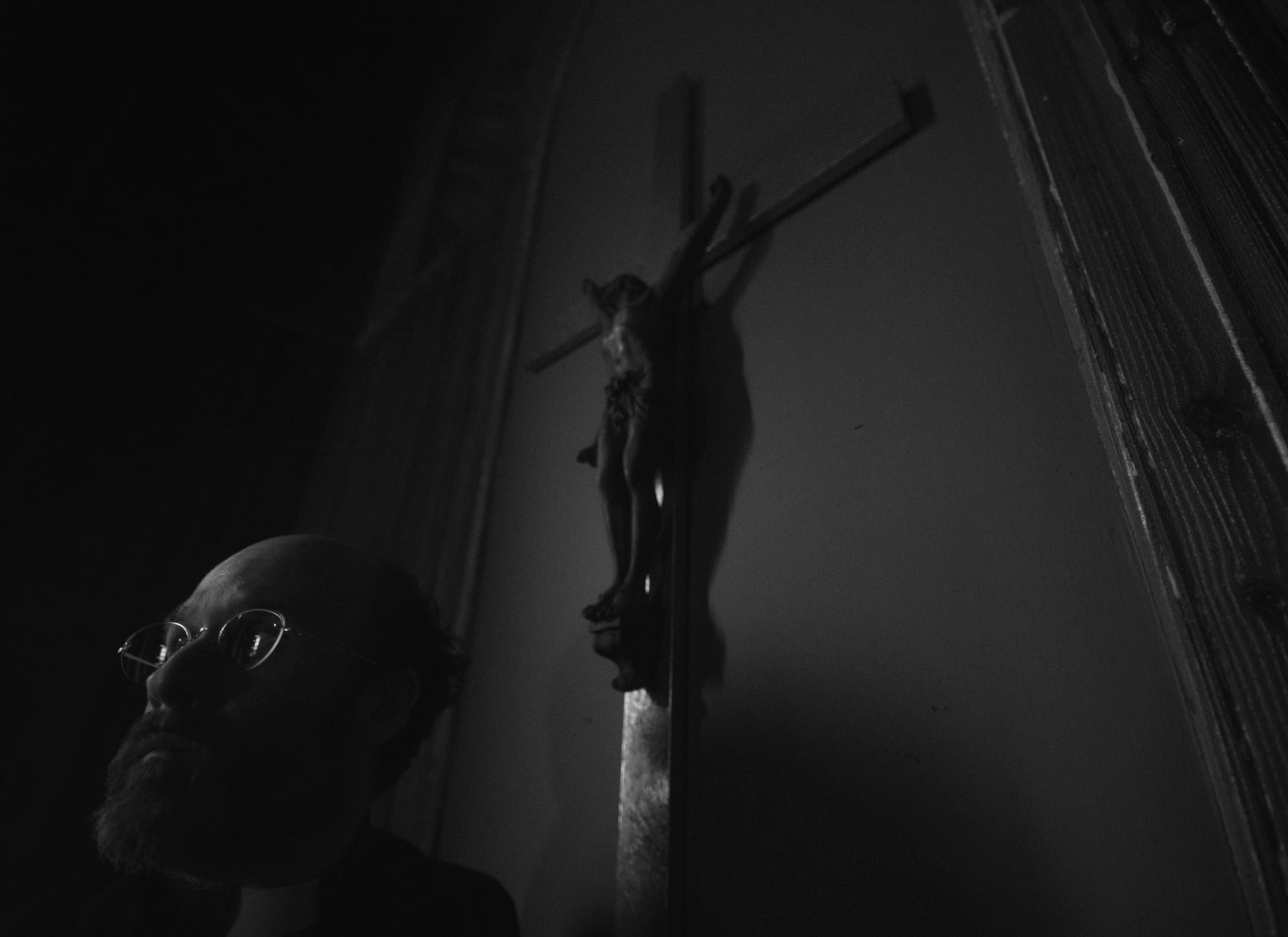
This is a mild spoiler. There's a story beat toward the middle of the film where the priest essentially offers up one of his congregants as a wife for the male twin, in exchange for his help. Let's just say the lengths people will go to get what they want, with zero regard for others, no longer surprise me.
What was the hardest creative decision you made while making the film?
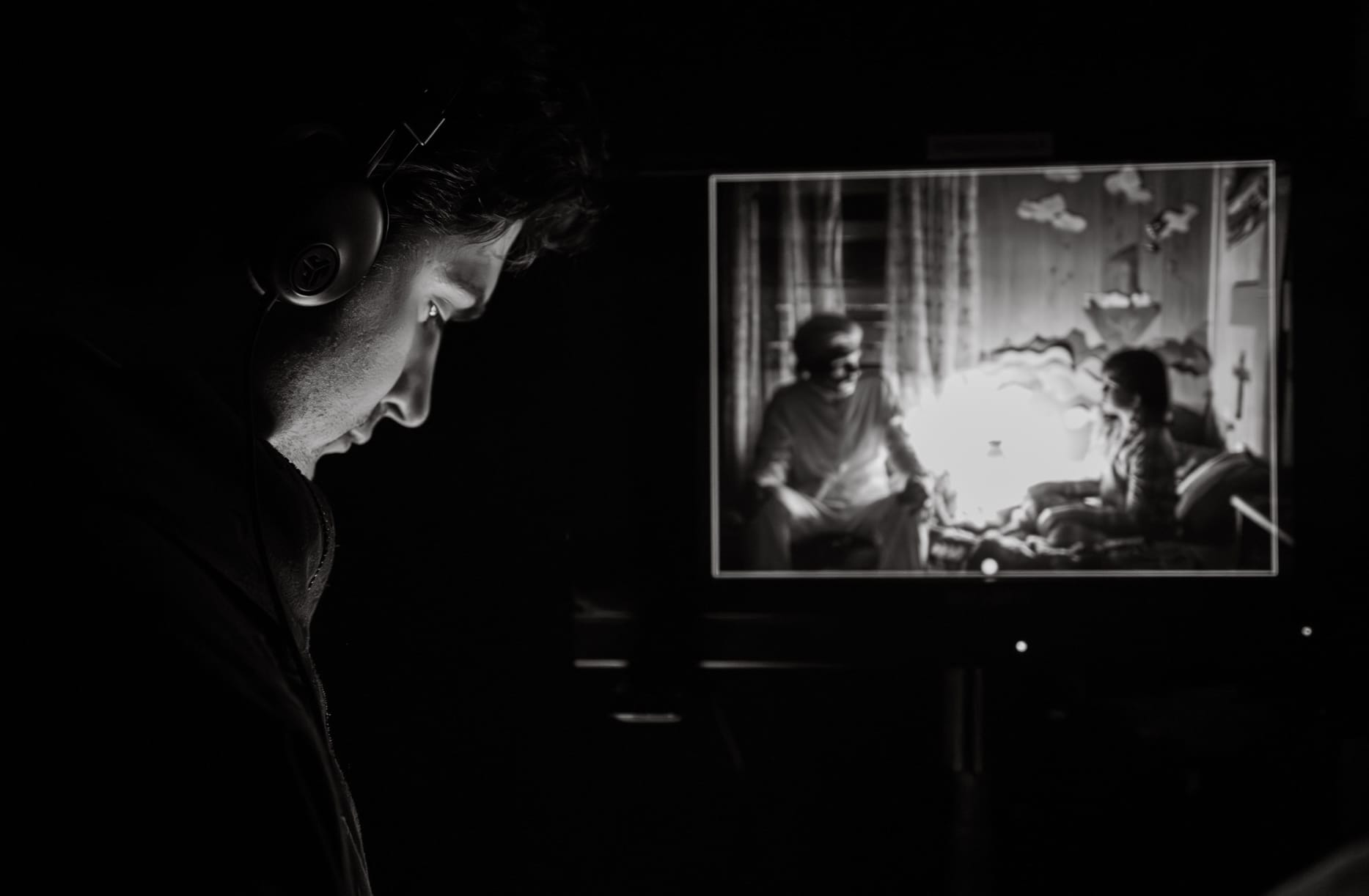
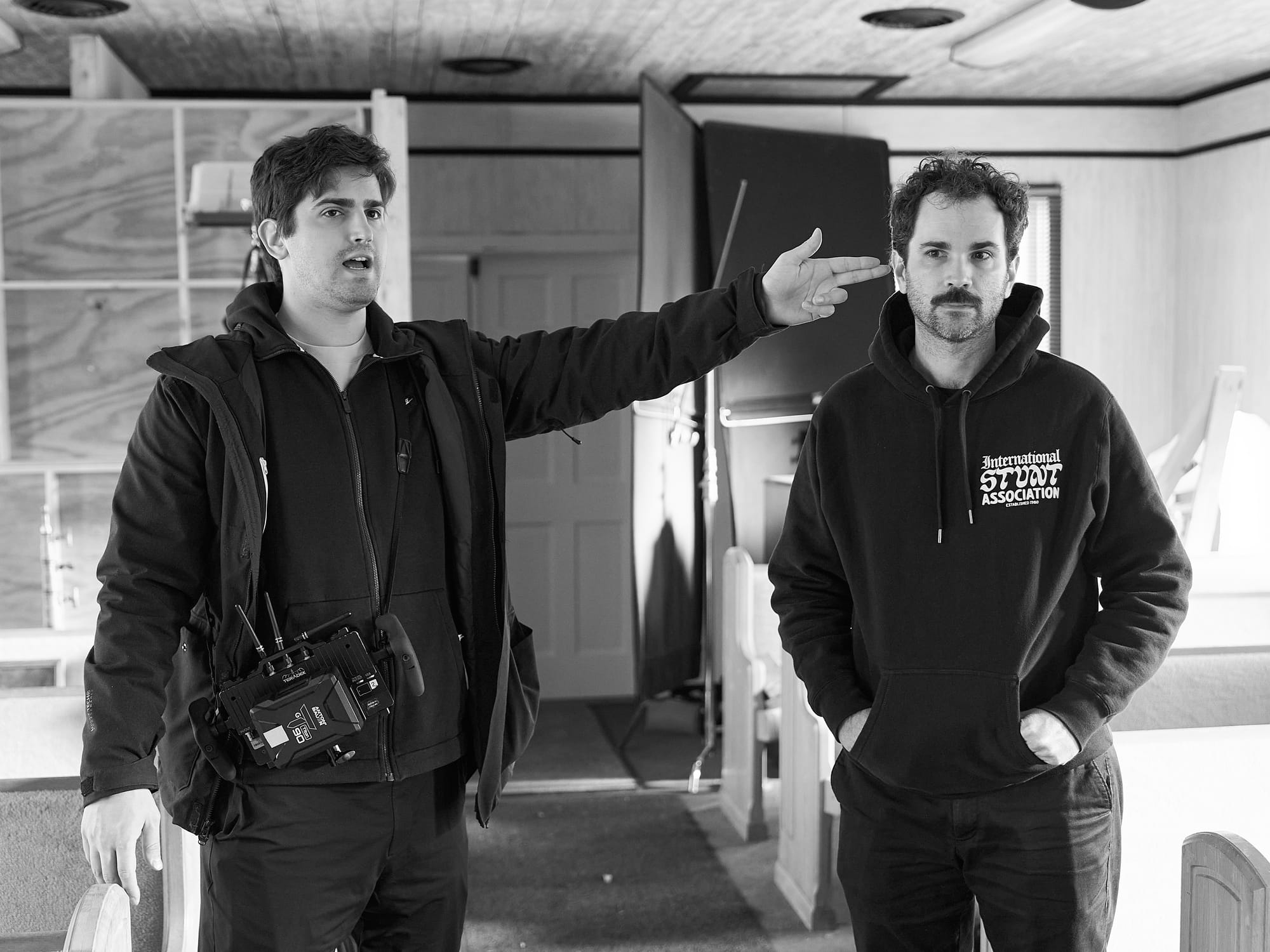
I think the hardest thing was choosing, once again, to film in black and white. My first feature, HIPPO, is also monochrome. Every industry person and their mother told me not to do it again. But the story called for it. I simply cannot imagine Godhead in color. It is literally a film about right and wrong, and the gray area in between.
How does your film fit within, or push the boundaries of, its genre or form?
I consider Godhead to be a throwback to Hitchcock, but with an irreverence for the kind of language and form normally associated with classic black-and-white films. I love to marry styles that don't typically go together. Some of my film friends make fun of me for this, but I also stop watching other movies months before filming, so I can approach my story with a sort of purity and an untainted eye. I hope it paid off!

What tool, technique, or mindset shift helped most during production, and what would you share with other independent filmmakers?
I got a lot of the jitters out on my first feature, but I definitely learned the value of rehearsals on location, for both cast and camera. If you have any real budget to speak of, you simply can't prepare too much.
The best thing about indie filmmaking is the lack of suits anywhere near your project. I cannot imagine needing to run my script by someone with a business degree or the word "executive" on their business card. I also learned that if you get a great take and love it, you can move on! We don't all need to be David Fincher.
What does it mean to have your film selected for FilmQuest, and where do you see it going next?
It is an honor to be selected for the second time at FilmQuest! I find that my films appeal to genre audiences, and FilmQuest is establishing itself as one of the premier genre destinations in the country. In an indie distribution landscape that appears to be thinning by the day, festivals like FilmQuest are quite literally keeping indie film alive. Hopefully Godhead goes on to more festivals and an arthouse distributor.
As for me, it has definitely left me hungry to make a film in color! My next project is already being edited, and it is very much in vibrant color.
Main Cast & Crew
- Al Warren – Father
- Sarah Coffey – Firstborn
- Kimball Farley – Secondborn
- Luke Speakman – the Boy
- Mark H. Rapaport – Writer/Director (Instagram: @mark_h264)
- Julian Lawitschka – Producer
- Jordan Rapaport – Producer
- Kale Murphy – Producer
- Kari Iverson – Producer
- William Tracy Babcock – Cinematographer
- Kenny Kusiak & Austin Feinstein – Composers
- Nik Voytas – Editor
- Tim Obzud – Sound Designer
- Film Instagram
Filmmaker Opportunities
💛 Fund your next project with fiscal sponsorship
Have a project in the works? As a 501(c)(3) nonprofit, the Cinematography for Actors Institute can accept tax-deductible donations on your film's behalf — a door-opener for grants, foundations, and supporters who want to back your work. We've serviced over 100 projects to date and helped route over $800,000 in funding to filmmakers. Explore fiscal sponsorship →
📬 Grant deadlines and festival opportunities, straight to your inbox
The CFA newsletter rounds up grants, festival calls, and community news for independent filmmakers — the kind of opportunities that are easy to miss and painful to miss. Join the newsletter →
🎬 Focus on the creative — we'll help with the logistics
Production Management, CFA's newest member program, launches this November: production insurance and workers' comp, payroll, film permits, gear rental coordination, SAG-AFTRA compliance, contract drafting, production consulting, and crew recommendations — handled by a team of working filmmakers, à la carte or all in, in partnership with Creative Access Group. It's waitlist-only until launch. Join the waitlist →
League of Filmmakers is published by our parent organization, the Cinematography for Actors Institute — a 501(c)(3) dedicated to education, community, and capital for underrepresented filmmakers and actors. Learn more about CFA →