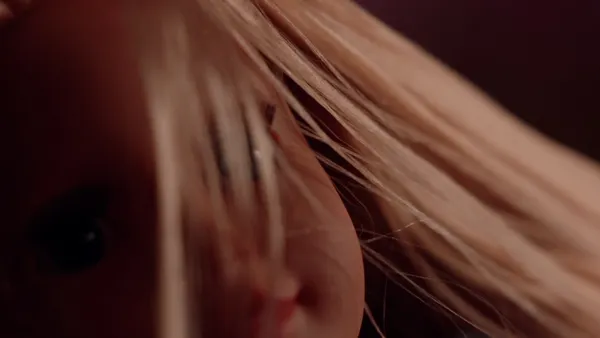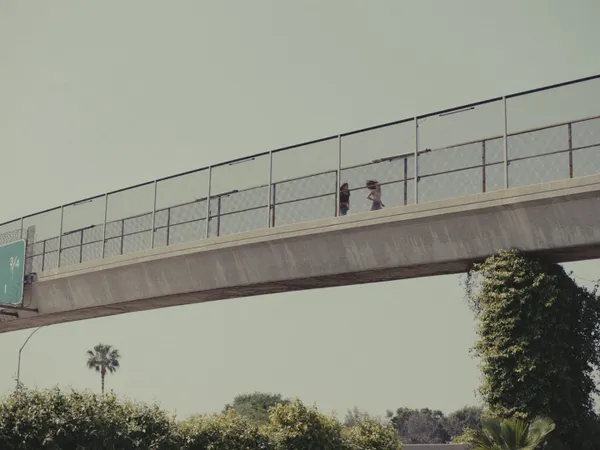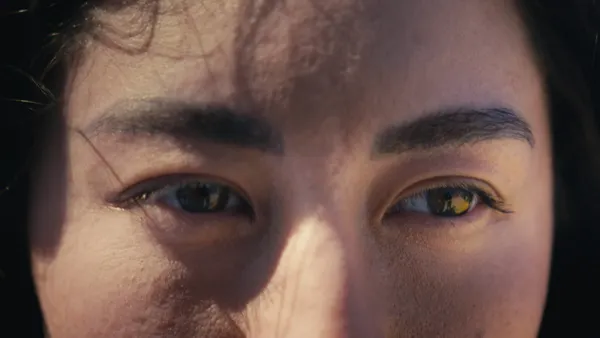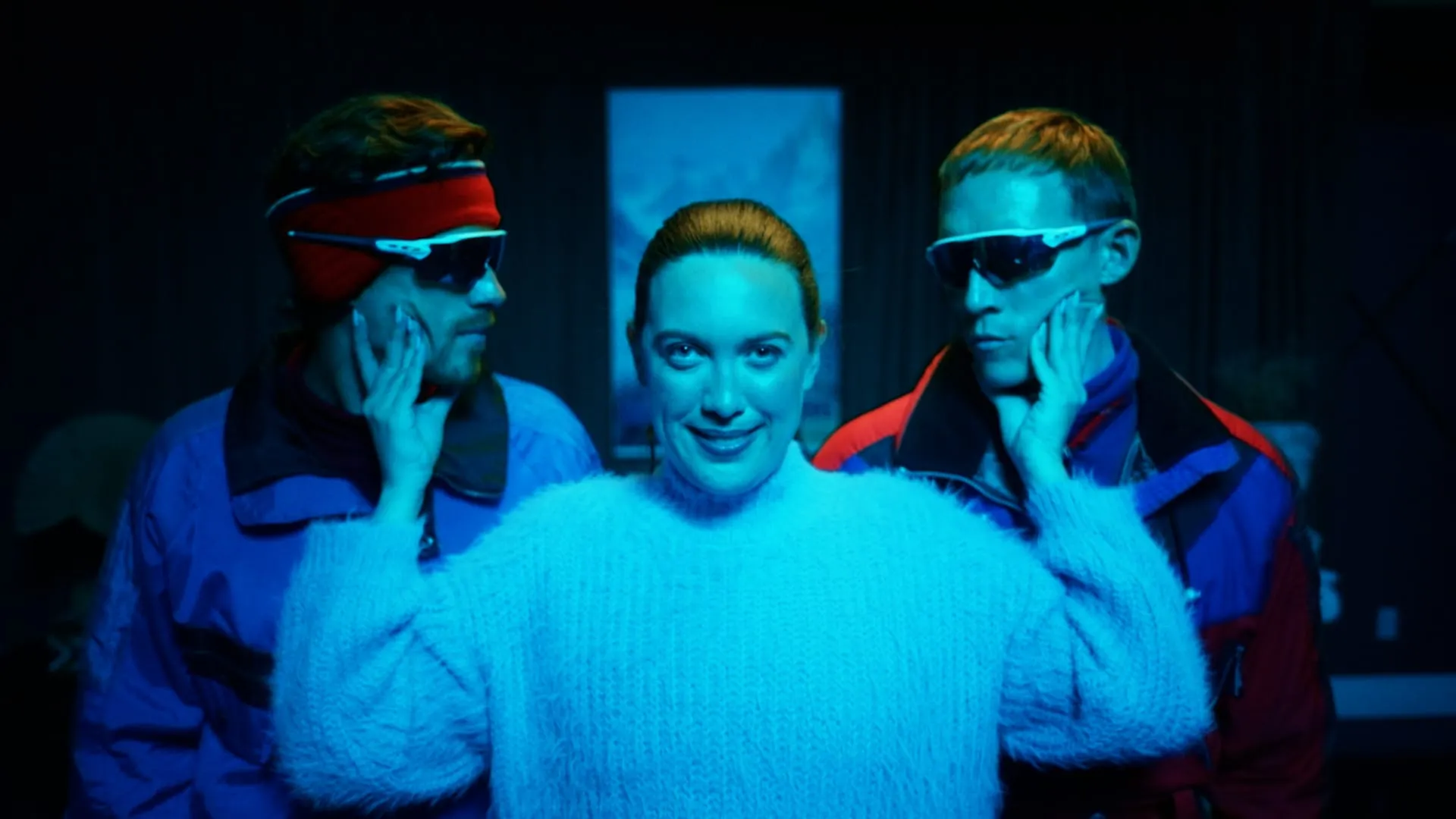
Alison arrives at the funeral of her estranged mother, Jacqueline Diamond, expecting grief. What she gets is a cult of ski people in 80s snowsuits, a cabin full of blueberry schnapps and cheese, and the slow-dawning realization that her mother's abandonment was really a second act as the beacon of a mountain town. In The Blue Diamond, Sam Fox wraps a very real reckoning with a narcissistic parent inside a horror-comedy that is bright, absurd, and quietly furious.
Fox, who directs through her company Foxy Films and drew the story from her own relationship with her late father, has already seen the short win Best Short honors at Grimmfest, Beverly Hills, and FilmQuest and secure distribution with Canal+, Kanopy, and Bloody Disgusting. The feature version is now in development. But the beating heart of the film is smaller and stranger: what closure looks like when the person you need it from can never really give it.
Key Takeaways
- The Blue Diamond channels Sam Fox's experience with a narcissistic parent into an 80s apres-ski horror-comedy starring Barbara Crampton.
- Fox's signature is contradiction: bold color, comedy, and warmth laid over something dark and disturbing, a style rooted in her beginnings as a painter.
- The short has won multiple Best Short awards and secured distribution, and a feature version is now being pitched.
Fox spoke with us about turning trauma into art, the ambitious 4 a.m. sequence she had to sacrifice, and why closure is best found on your own.
Interview
What drew you to make this film, and why this story, why now?
The film is inspired by my relationship with my late father, who suffered from narcissistic personality disorder. At his funeral, I found myself surrounded by people praising him while all I wanted to do was scream the truth about the psychological abuse I had suffered at his hands. With The Blue Diamond, I got to explore the question: if I found out he was still alive, what would that confrontation, and possible reconciliation, look like?
Turning trauma into art has always been a satisfying coping mechanism for me, so I jumped at the opportunity to combine this deeply personal relationship dynamic with a horror-comedy ski film that Addison Heimann, Desiree Staples, and I had dreamed up together.
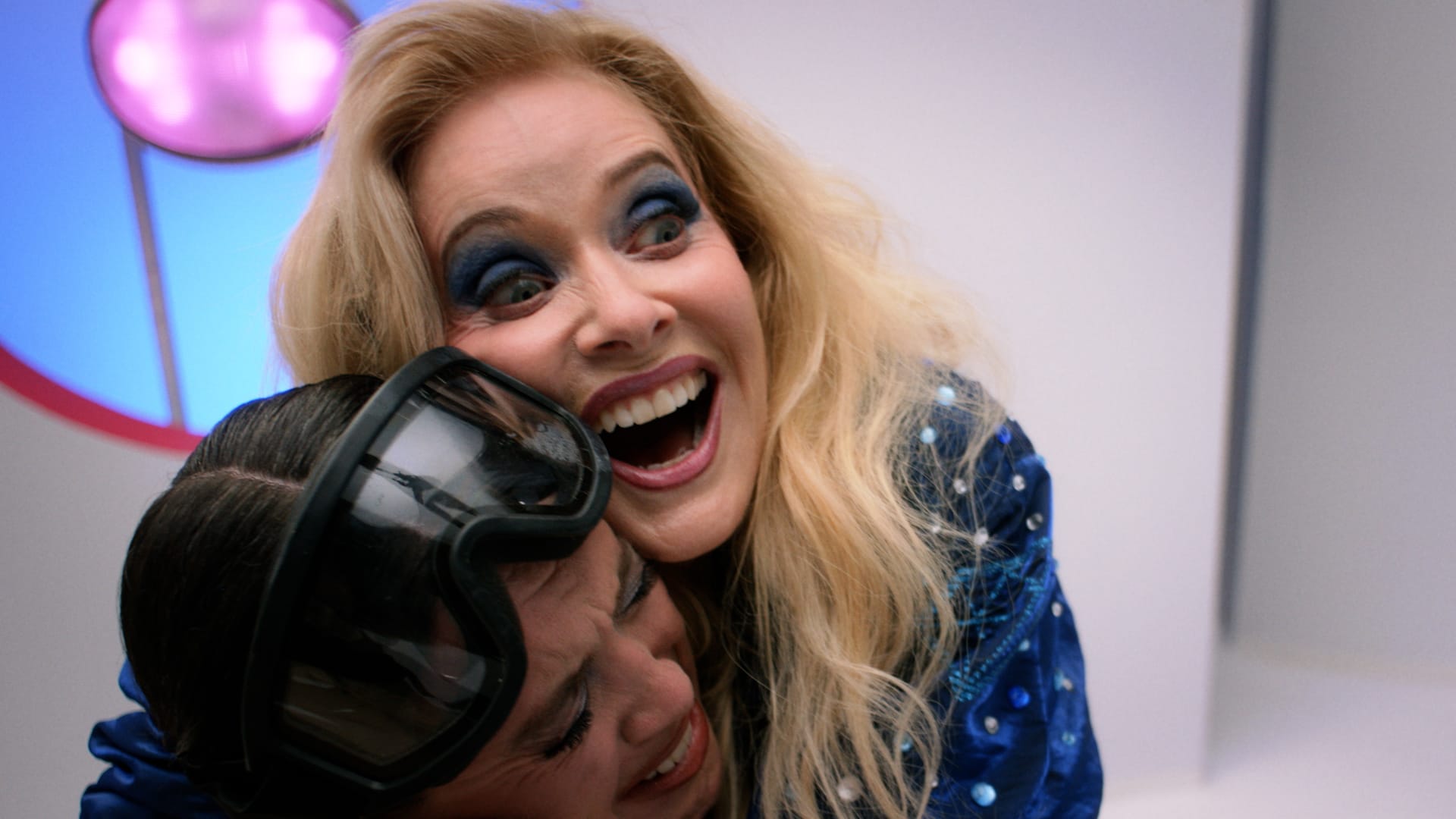
What surprised you most about the filmmaking process, creatively or logistically?
I had to cut a lot of scenes on the spot and even more in the edit, and we still ended up at 16 minutes, which is long for a short. Shorts are hard for me because I struggle to capture just a moment of a story. I always want a beginning, middle, and end, and when you're trying to make a film under 12 minutes, you don't always have that luxury.
If I'd leaned out the script before shooting, I could have spent more time on the scenes that really mattered. Now I edit the hell out of my scripts before I ever get to set, because there's no regret quite like spending a quarter of your day shooting a scene you're only going to cut.
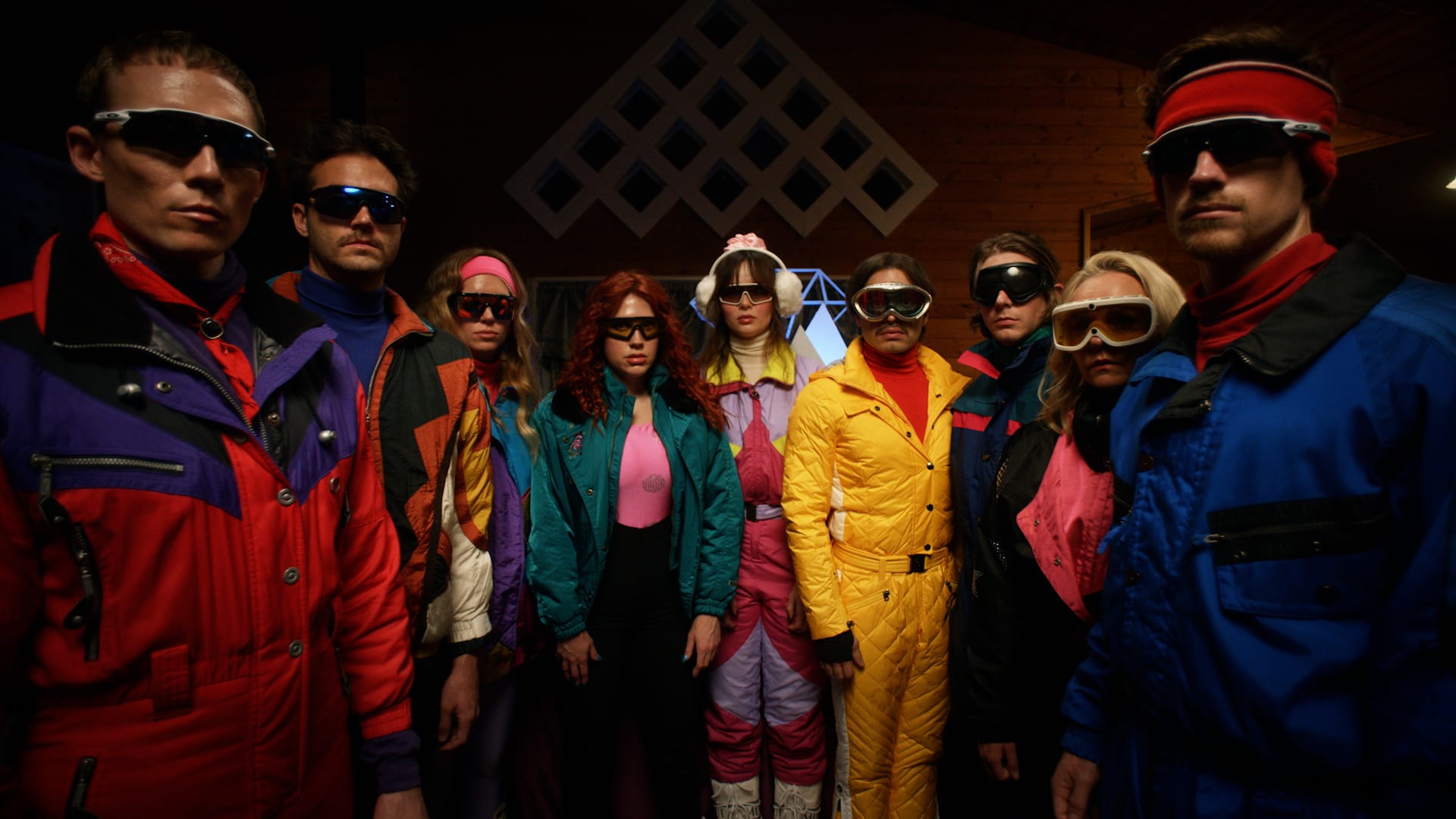
What moment in the film feels most like you, or like something only you could have made?
I think combining my own familial trauma with a horror lens, a comedic outlook, and an '80s setting is very much in the Sam Fox universe. My storytelling style draws from the absurd British comedy I grew up with, introduced to me by my mom and grandma — Monty Python, The Goons — and the '80s horror movies my mom and sister broke my brain with.
Visually, my work is inspired by my start as a painter and my love of using color to convey story and emotion. I used to paint disfigured, tragic portraits in bright, bold colors, creating a contradiction between image and tone. That same contradiction — finding beauty, humor, and color in something dark and disturbing — has carried over into my films.
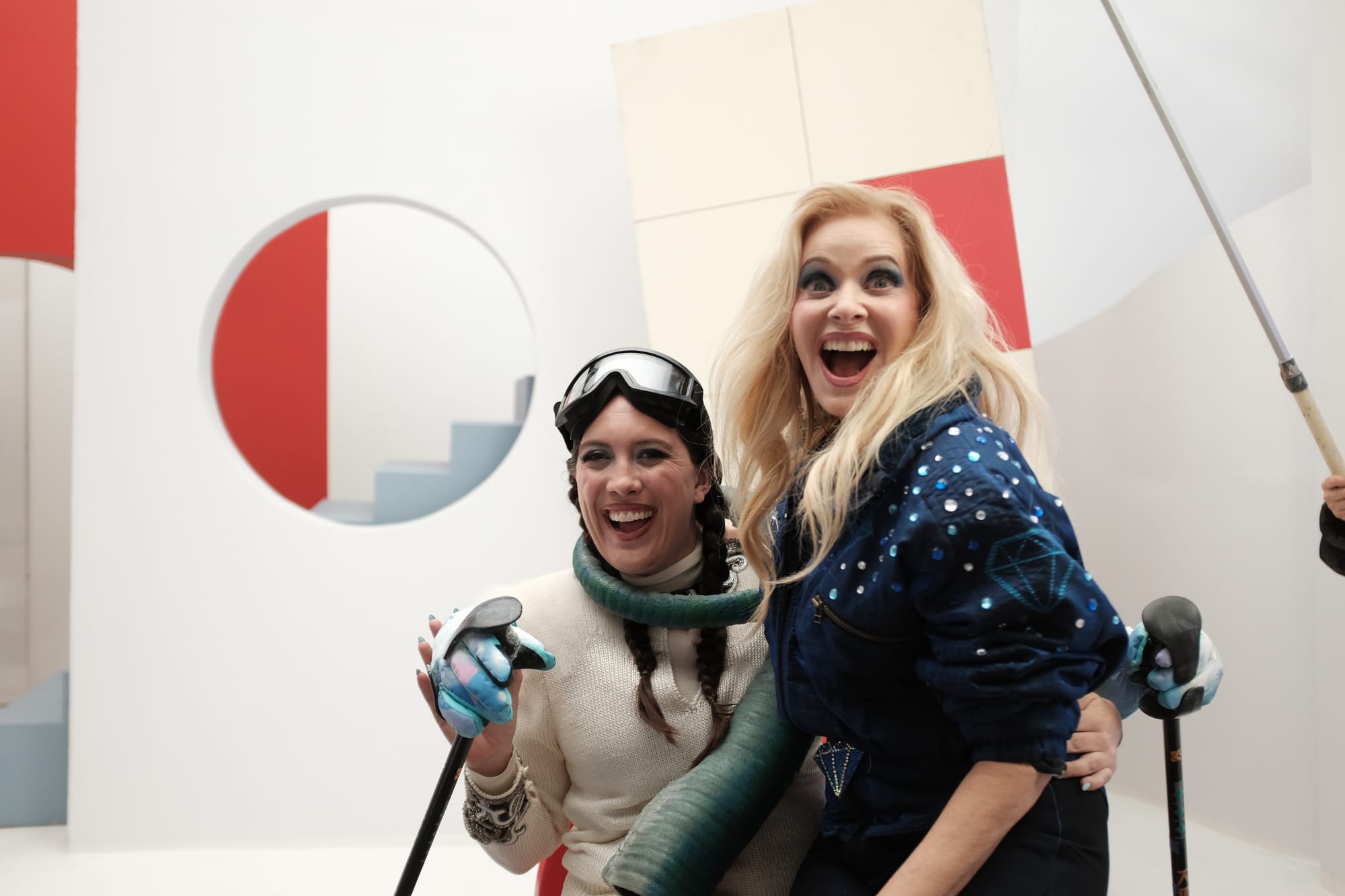
What was the hardest creative decision you made while making the film?
We were shooting overnights the first two days, with a load in and out up to a small town near Big Bear. I don't sleep much while in prep or production, so the overnights mixed with insomnia can be taxing. Nevertheless, I had this amazing geometric, Holy Mountain movement sequence planned for Alison's drugging scene. Our art team built a giant shotski with a massive martini glass on it filled with this blue liquid, there were choreographed movements, lighting changes, etc. It was all VERY AMBITIOUS, and to be done at 4 a.m. on the day of our load out made it all the more challenging.
We basically had to scrap all of the shots and reblock in a way that meant we had time for two setups. Changing and cutting up that scene still hurts. But the positive note is, no one knows how I saw it in my head, so the only person who feels the failure is me, ha!
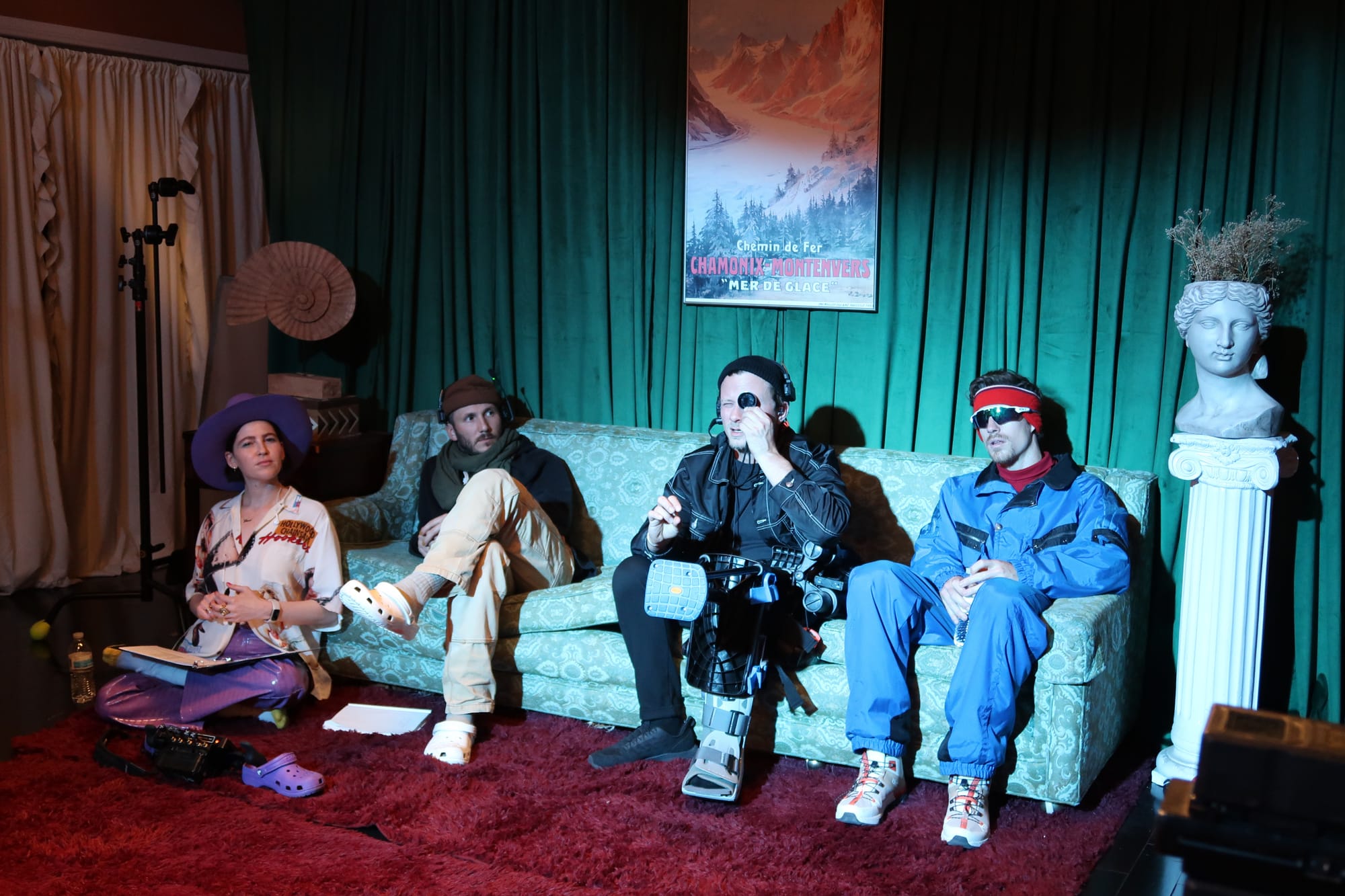
What mindset or technique helped most during production?
I tend to be a prep monster. Once I start pre-production, I create visual decks for every department with specific imagery, notes, and reference videos. From there, I storyboard every shot and stay in constant communication with my HODs as they process the material and develop their own ideas and looks based on the decks.
I find that this gets everyone on the same page early and actually allows for more creativity and spontaneity in the moment, because everyone feels prepared rather than stressed. That way, when we show up to set and things inevitably go wrong — which they always do — we all have a strong enough handle on what we're trying to achieve that it's much easier to pivot and find a Plan B.
What does it mean to have your film selected for The Reel Champions Shorts Fest?
It is incredibly meaningful to be selected for The Reel Champions Shorts Fest, presented by an organization that is creating more opportunities for female filmmakers. We are still in dire need of more representation on screen and off, and the only way to create that change is to create community and carry this mission in our own work. It means so much to have our film celebrated and to connect with other filmmakers and creators at The Reel Champions. We are truly honored to be a part of it.
Where do you see this film going next?
The Blue Diamond short received several distribution deals and can be found on Canal+, Kanopy, and Bloody Disgusting. As for the future, last year I wrote the feature version of the script, which my management has been pitching. Desiree, Geenah, and I are currently pitching my feature debut, Eveningstar, with hopes to follow it up with The Blue Diamond the following year.
Main Cast & Crew
- Sam Fox — Director / Story By
- Geenah Krisht — Producer
- Desiree Staples — Alison / Producer
- Barbara Crampton — Jacqueline
- Addison Heimann — Screenwriter
- Ethan Daniel Corbett — Jason
- Emily Ashby — Chrishel
- Jadon Cal — Brett
Filmmaker Opportunities
💛 Fund your next project with fiscal sponsorship
Have a project in the works? As a 501(c)(3) nonprofit, the Cinematography for Actors Institute can accept tax-deductible donations on your film's behalf — a door-opener for grants, foundations, and supporters who want to back your work. We've serviced over 100 projects to date and helped route over $800,000 in funding to filmmakers. Explore fiscal sponsorship →
📬 Grant deadlines and festival opportunities, straight to your inbox
The CFA newsletter rounds up grants, festival calls, and community news for independent filmmakers — the kind of opportunities that are easy to miss and painful to miss. Join the newsletter →
🎬 Focus on the creative — we'll help with the logistics
Production Management, CFA's newest member program, launches this November: production insurance and workers' comp, payroll, film permits, gear rental coordination, SAG-AFTRA compliance, contract drafting, production consulting, and crew recommendations — handled by a team of working filmmakers, à la carte or all in, in partnership with Creative Access Group. It's waitlist-only until launch. Join the waitlist →
League of Filmmakers is published by our parent organization, the Cinematography for Actors Institute — a 501(c)(3) dedicated to education, community, and capital for underrepresented filmmakers and actors. Learn more about CFA →