Table of Contents
Three Key Takeaways
- Harvest of Light illuminates the unseen struggles of seasonal agricultural workers in rural Turkey through intimate storytelling and symbolic visuals.
- Director Esin Özalp Öztürk’s approach centers on trust and connection, enabling vulnerable voices—particularly women’s—to be authentically heard.
- The film exemplifies the power and flexibility of independent filmmaking to explore complex social issues with honesty and care.
Esin Özalp Öztürk, an internationally award-winning documentary filmmaker from Turkey, brings her socially conscious lens to Harvest of Light, a compassionate exploration of seasonal onion harvest workers in Ankara’s Evren district.
Öztürk, who holds BA and MA degrees from Bilkent University and has a rich background producing documentaries on social and cultural issues, founded ArtEA Productions in 2023 to continue telling impactful stories like this one. Selected for Italy’s Nòt Film Fest, Harvest of Light offers a unique glimpse into the lives of laborers navigating hardship and hope beneath the dim glow of a generator.
Q&A Interview
What drew you to make Harvest of Light? Why this story, and why now?
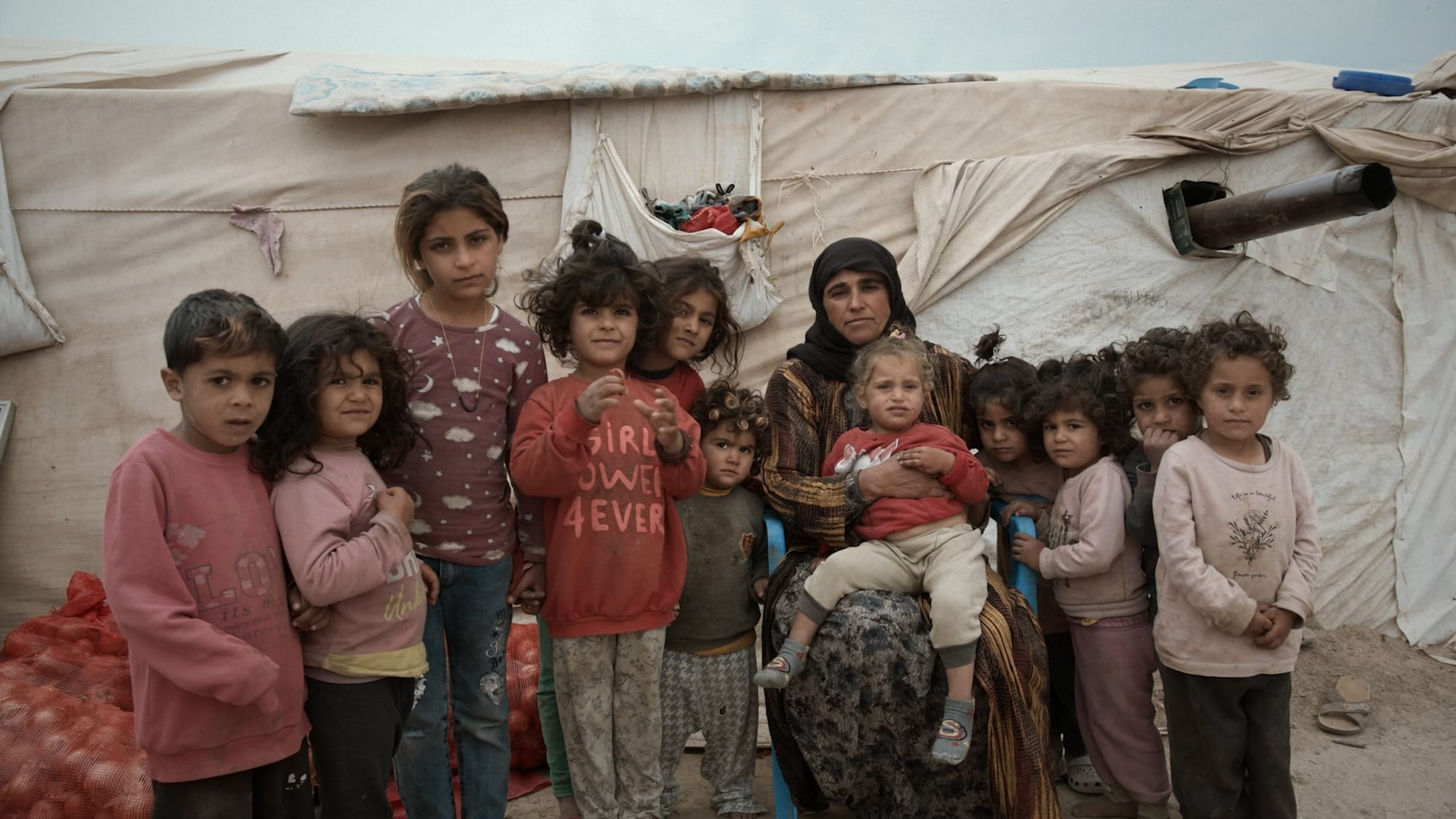
I’ve always been deeply drawn to telling social stories — voices and experiences that often remain invisible. Harvest of Light began with my encounter with women agricultural workers whose labor sustains entire communities, yet remains undervalued and underrepresented. Their resilience, dignity, and solidarity moved me profoundly. This story felt urgent because it reflects so many intersecting issues we face globally — gender equality, labor rights, and our fragile relationship with the land. These women are at the heart of those conversations, but too often absent from them. I wanted to create a space where their voices, gestures, and everyday reality could be seen and heard with honesty and respect.
What surprised you most about the filmmaking process this time—creatively or logistically? Was there a moment on set or in post that completely changed how you saw the story?
What surprised me the most was the wisdom of the workers. Many have had little formal education, yet they speak with such clarity and depth about how the system works. Their observations are sharp, their analyses spot-on. They understand exactly why the system is the way it is, and how they are trapped within it. Hearing these truths directly from them was both humbling and powerful — it deepened my respect for their resilience and sharpened the way I approached telling their story.
Is there a moment in the film that feels the most you—something only you could have made?
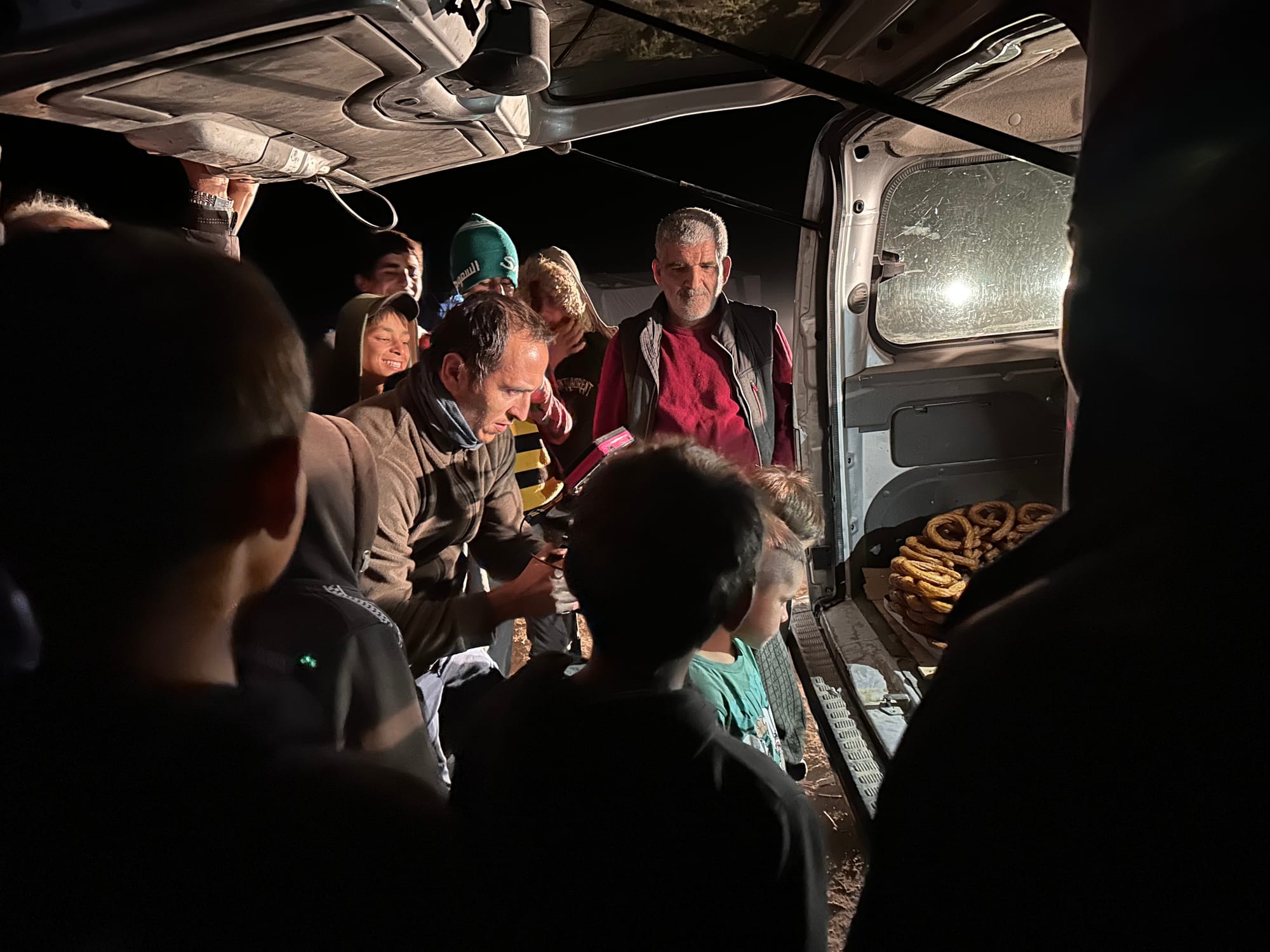
Being a woman filmmaker made a huge difference. In the cultural context these women live in, speaking openly — especially in front of a camera — is far from easy. Convincing them to take part wasn’t just about time; it was about presence. At first, I was simply a stranger with equipment. So I didn’t rush. We shared tea, exchanged stories, and spent time together without filming at all. I wanted them to see that I wasn’t there to take something from them, but to witness with respect.
"Being a woman allowed me to stand beside them in ways that might have been harder otherwise."
Over time, the camera stopped feeling like a barrier. They began speaking not because I prompted them, but because they trusted me to hold their stories with care. That trust still exists — we’re still in touch — and for me, that ongoing connection is as meaningful as the film itself.
What was the hardest creative decision you made while making this film?
The hardest decision was choosing what to leave out. I spent so much time with the workers that I collected far more moments, conversations, and gestures than could ever fit into the final cut. Some of the most moving exchanges were deeply personal — stories shared in confidence, in the quiet between filming. They were powerful, but including them would have risked exposing vulnerabilities the women didn’t intend for a wider audience.
What do you hope audiences take away from your film?
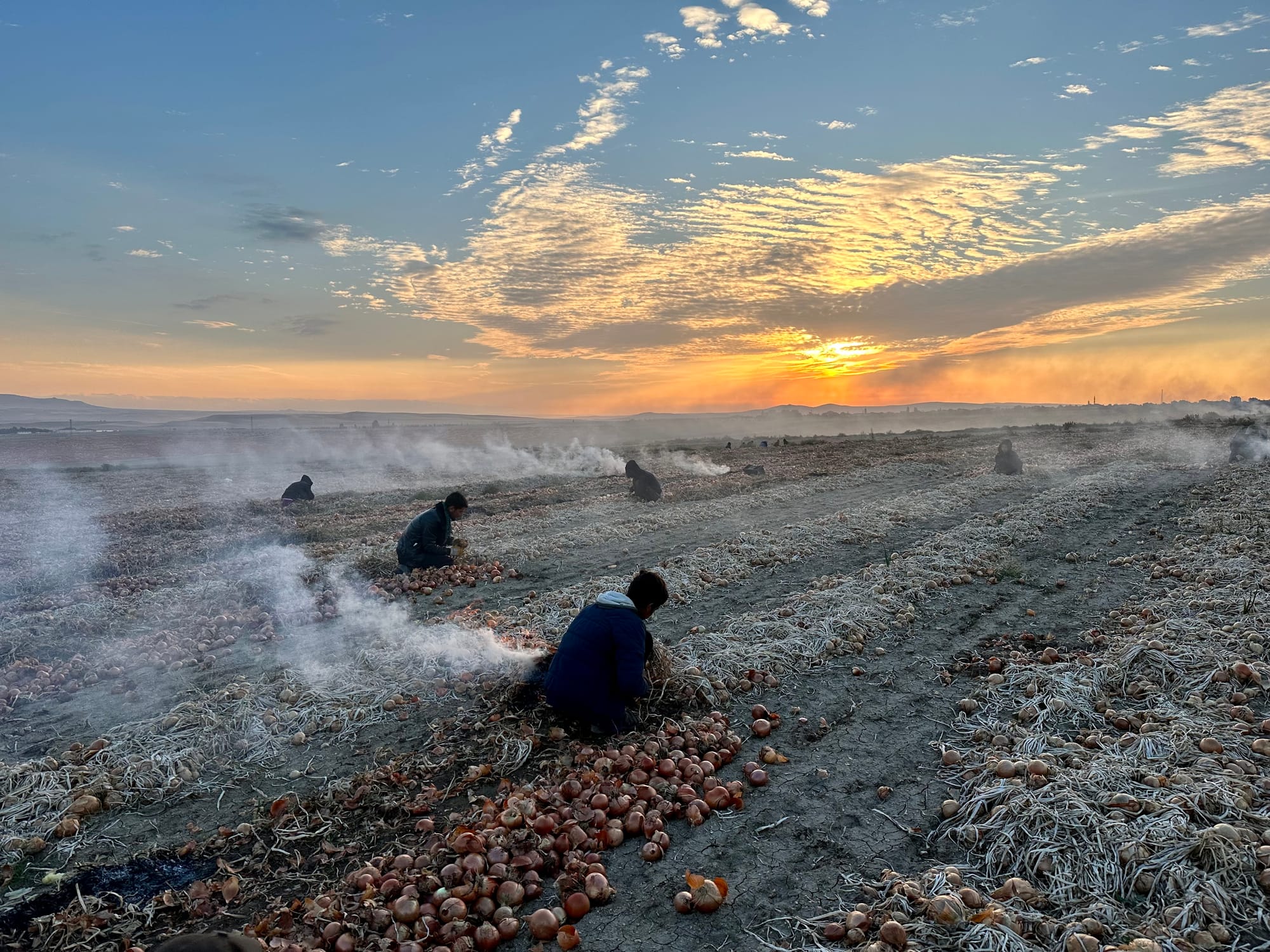
I want them to understand the deep labor behind something as simple as an onion. Behind every harvest is a chain of human effort — long days under the sun, calloused hands, and lives shaped by seasonal work. It’s easy to overlook the people who make our food possible, but their labor, resilience, and humanity deserve to be seen. If the film makes audiences think twice about where their food comes from — and who makes it possible — then it has done its job.
"If the film makes audiences think twice about where their food comes from — and who makes it possible — then it has done its job."
How has this film shaped or shifted the kind of stories you want to tell next?
Harvest of Light deepened my commitment to telling social stories built on trust and genuine connection. It reminded me that the most powerful narratives come from listening closely and staying present. I want to continue exploring stories at the intersection of labor, gender, and cultural memory — voices that deserve visibility.
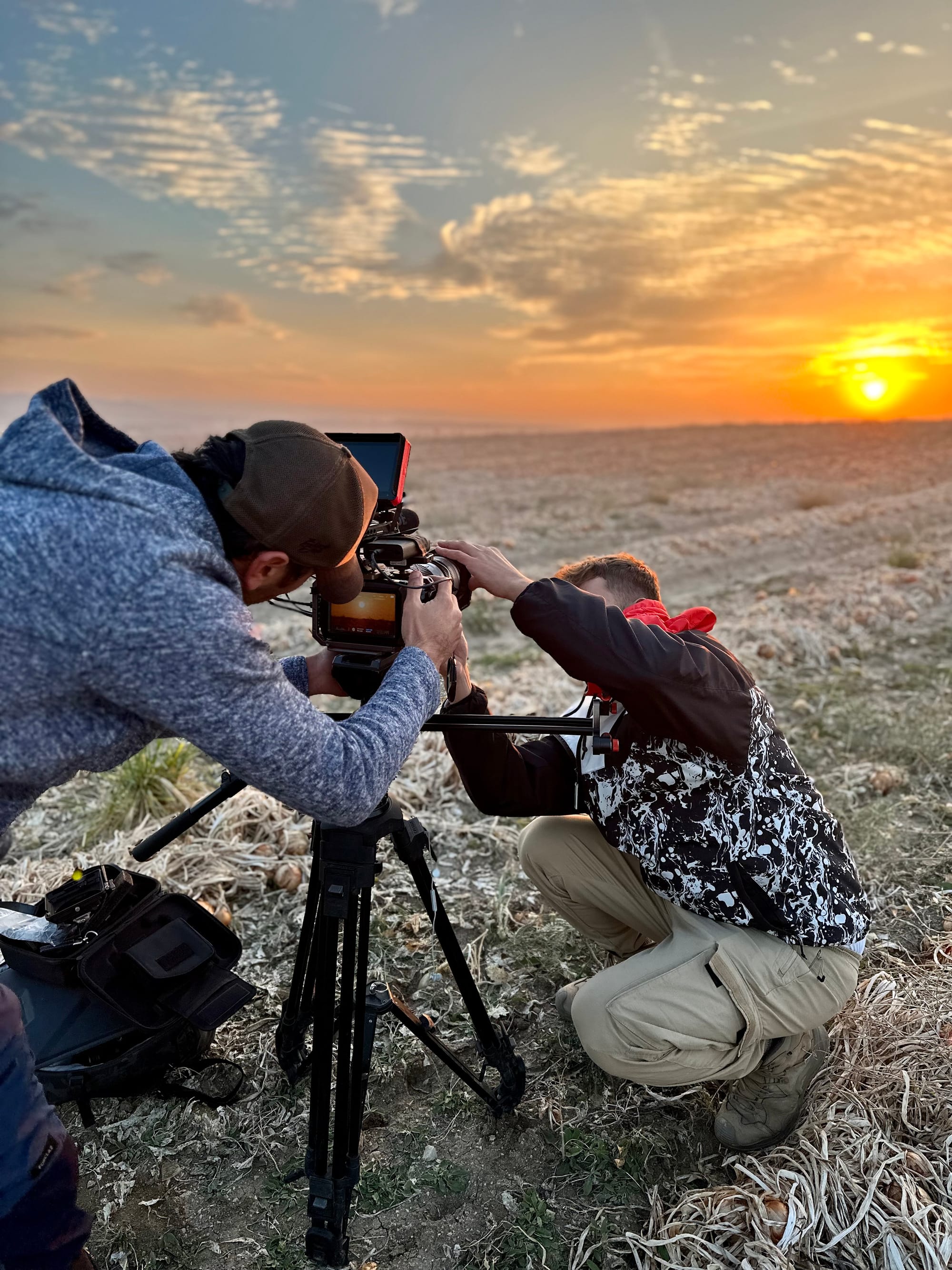
What’s a tool, technique, or resource that really helped you during production?
The greatest strength of independent filmmaking is the freedom to follow the story on your own terms — to adapt in the moment without being tied to production demands. On Harvest of Light, our limited shooting window meant letting go of certain scenes I had envisioned, like following the workers on their journey home. But that same constraint created a concentrated, immersive period with them. Spending day and night together fostered a closeness that shaped the tone of the film. I’ve learned that independence and constraint can work together.
"Freedom lets you shape the process around the people and the story, while limitations can sharpen your focus on what truly matters."
What does it mean to you to have your film selected for Nòt Film Fest?
It’s an honor to have Harvest of Light selected for Nòt Film Fest in Italy — a festival that celebrates fresh, independent voices. For me, it’s an opportunity to share the story of agricultural workers with a new audience in a country where agriculture and cultural heritage are also deeply connected. I hope the film sparks conversations that cross borders, reminding us how labor, resilience, and dignity are universal.
How do you hope being part of Not Film Fest will shape the life of this film?
I hope Nòt Film Fest will open new pathways for Harvest of Light to reach audiences beyond Türkiye, connecting it with viewers who value independent voices and social stories. Festivals like this create space for dialogue, and I believe the film’s themes of labor, dignity, and resilience will resonate widely. Every new audience adds another layer to the film’s journey.
Where do you see this film going next?
The festival journey of Harvest of Light is still ongoing, and I hope to bring it to more audiences in different parts of the world. Beyond festivals, I’d like the film to find a home with platforms and organizations that focus on labor rights, gender equality, and rural life, so it can continue sparking dialogue long after its festival run. I’m not expanding it into a feature, but I am carrying its spirit into future projects that explore similar social themes.
"At the core of all my work is a desire to give voice to the overlooked, to tell social stories with honesty and care, and to create space where people’s lived experiences can be seen, heard, and valued.
Cast & Crew
- Esin Özalp Öztürk — Director and Producer. An internationally awarded documentary filmmaker with a background in social and cultural storytelling. Founder of ArtEA Productions.
Check out the film teaser here.