Table of Contents
Key Takeaways
- Ashley George’s Slush blends intimate family dynamics with supernatural folklore, creating a horror experience rooted in emotional vulnerability.
- The film’s production navigated tight budgets and logistical challenges, leading to creative rewrites that enhanced its grounded yet magical atmosphere.
- Selected for FilmQuest, Slush serves as a proof of concept for a feature exploring complex relationships and healing through genre storytelling.
Writer-director Ashley George returns with Slush, a genre-bending horror short selected for FilmQuest, one of the world’s most celebrated genre film festivals. The film stars Emily Bennett as Frankie and features the talents of producers Emily Sheehan and Amy DePaola, along with Sheila Altamirano’s evocative cinematography. George’s work reflects a personal journey into family, vulnerability, and folklore, weaving a story both haunting and heartfelt.
What drew you to make this film? Why this story, and why now?
I grew up in a small town, and while I have plenty of great memories, I also hold many unfavorable experiences deep down that made it hard for me to want to be there if I didn’t have to be. Always running from what I thought were everyone else’s problems, it took me a long time to understand my own personal contributions to my discomfort and negative associations with home.
I’ve had to dig deep inside, and after achieving sobriety and confronting my own issues, I was able to get much closer with those I love. This film is a love letter to my family in a lot of ways, and while they may not love horror films as much I do, we all show our love differently.
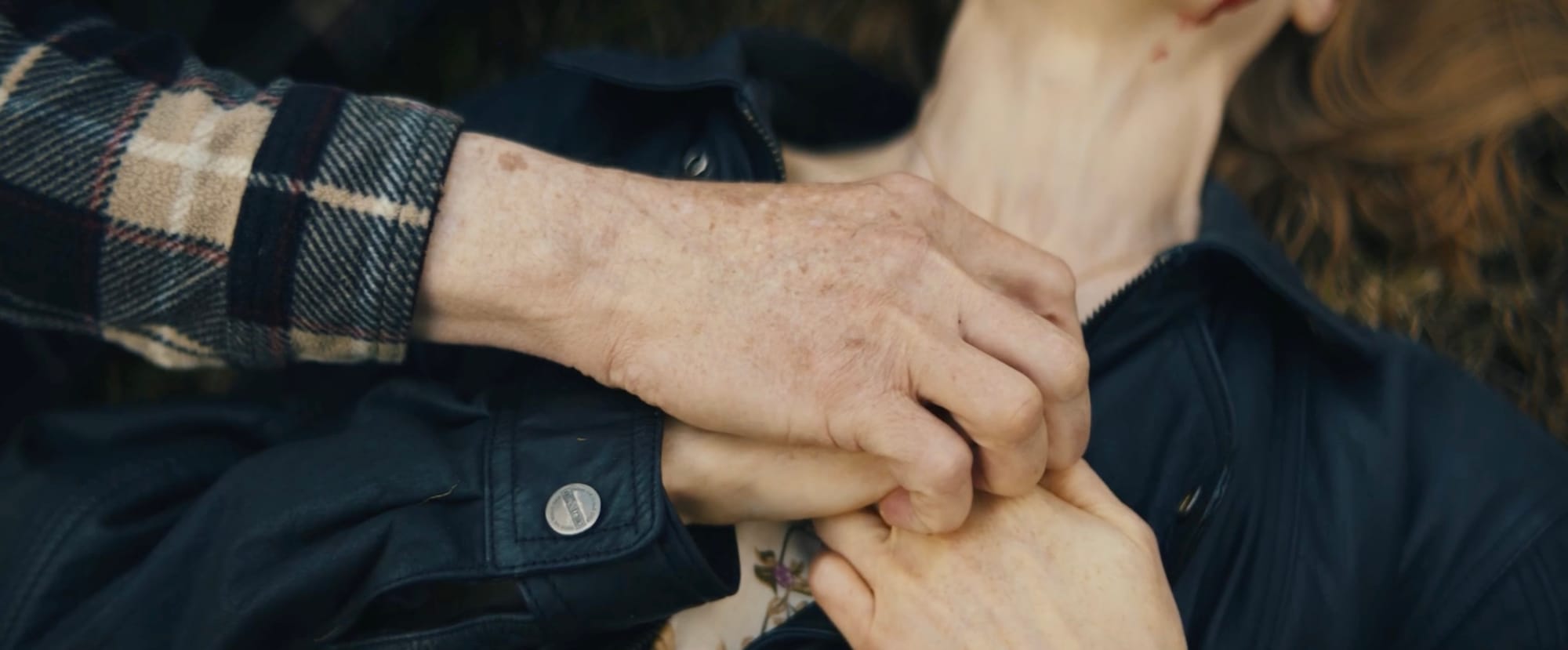
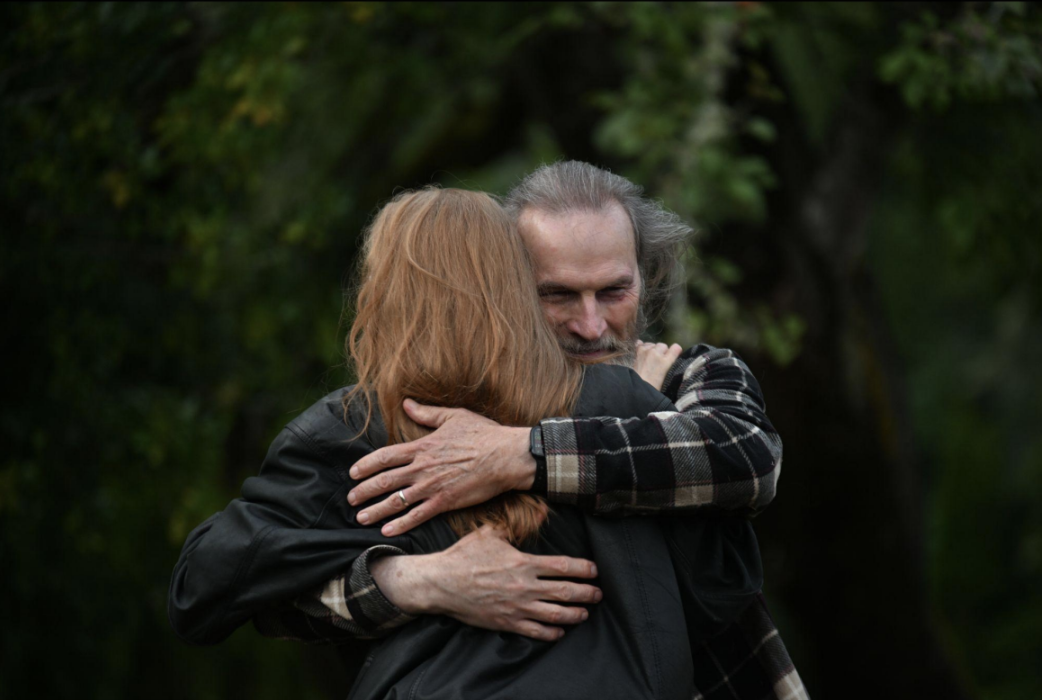
At the heart of Slush is this sticky relationship between Kyle and Frankie, which is a very meaningful thing for me to explore as it’s influenced by my relationship with my own dad (who is wonderful, but we’ve had a journey). Kyle and Frankie’s journey in Slush reflects on the importance of vulnerability—something that’s not easy to learn for a lot of us. With a lot of time and a lot of work, I was able to understand that I had more in common with my dad than I ever realized and I’m grateful as ever for our relationship today! Shifting perspectives and vulnerability got me there, and the trek has been worth it.
What surprised you most about the filmmaking process this time—creatively or logistically? Was there a moment on set or in post that completely changed how you saw the story?
I walked into filming with a very clear vision of how this film look and felt, and the story we were building. Naturally, I wrote a script that had several locations and various special effects and stunts elements that elevated the challenges we'd face while filming. Since we were working with an incredibly tight schedule and budget, some things had to change during filming for safety and just general logistical workflow.
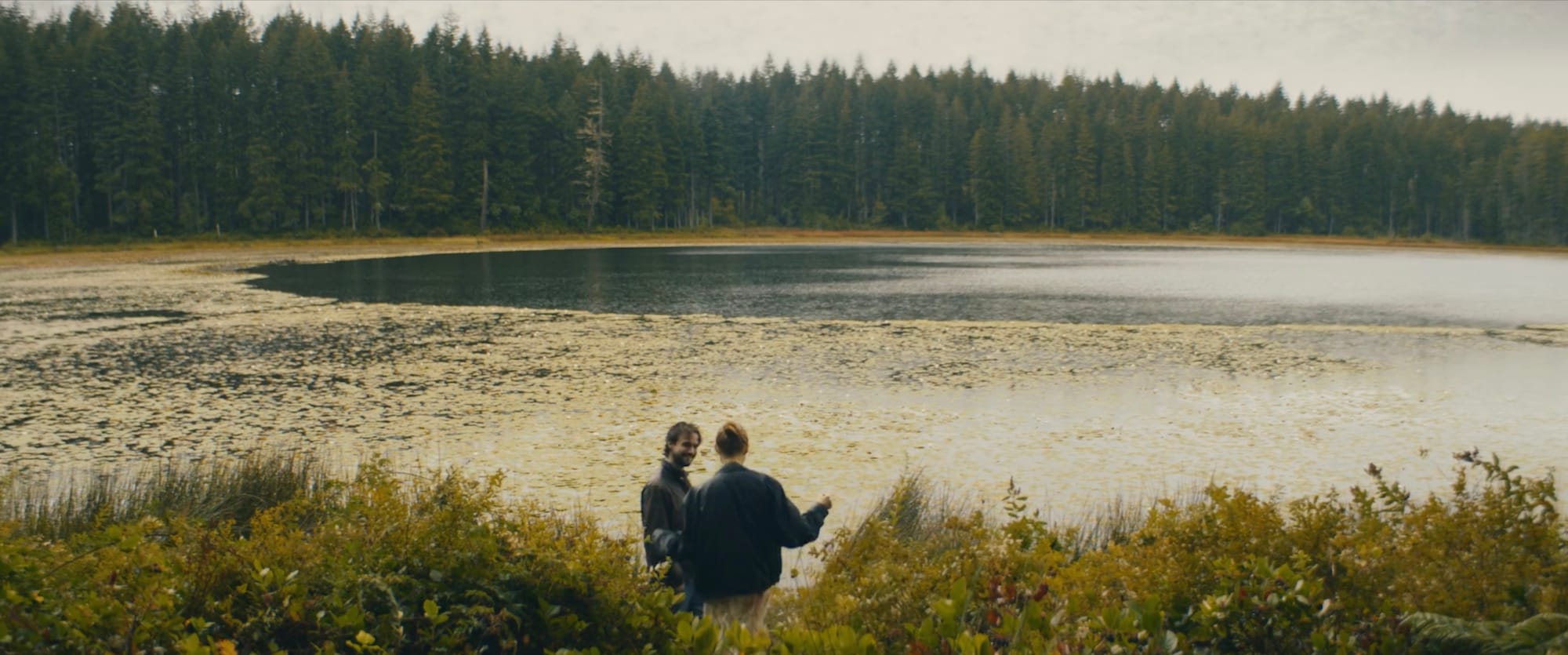
We had a levitation scene that took place on a lake and we thought we'd be able to easily achieve it in a poor-mans way with rigs but once we reality-checked the lake element of it, we realized that it was simply dangerous and we had to gut that scene a bit and re-work it. I ended up re-writing the scene with Skye and Frankie at the lake. Thankfully it worked out for us, but note to self to try to make our lives easier and prep more for these beautiful shots that may be out of our reach due to budget and location limitations. Lesson learned :)
Is there a moment in the film that feels the most you—something only you could have made?
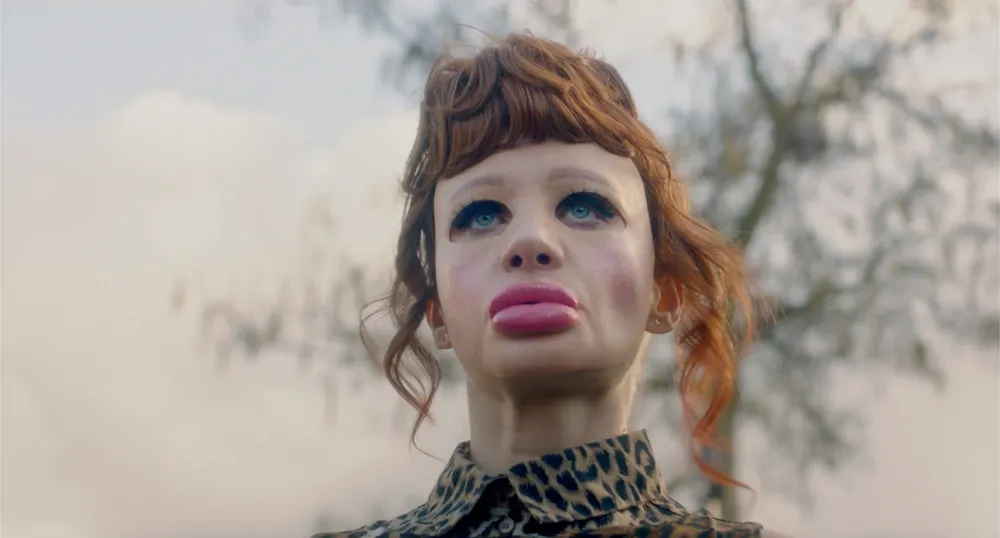
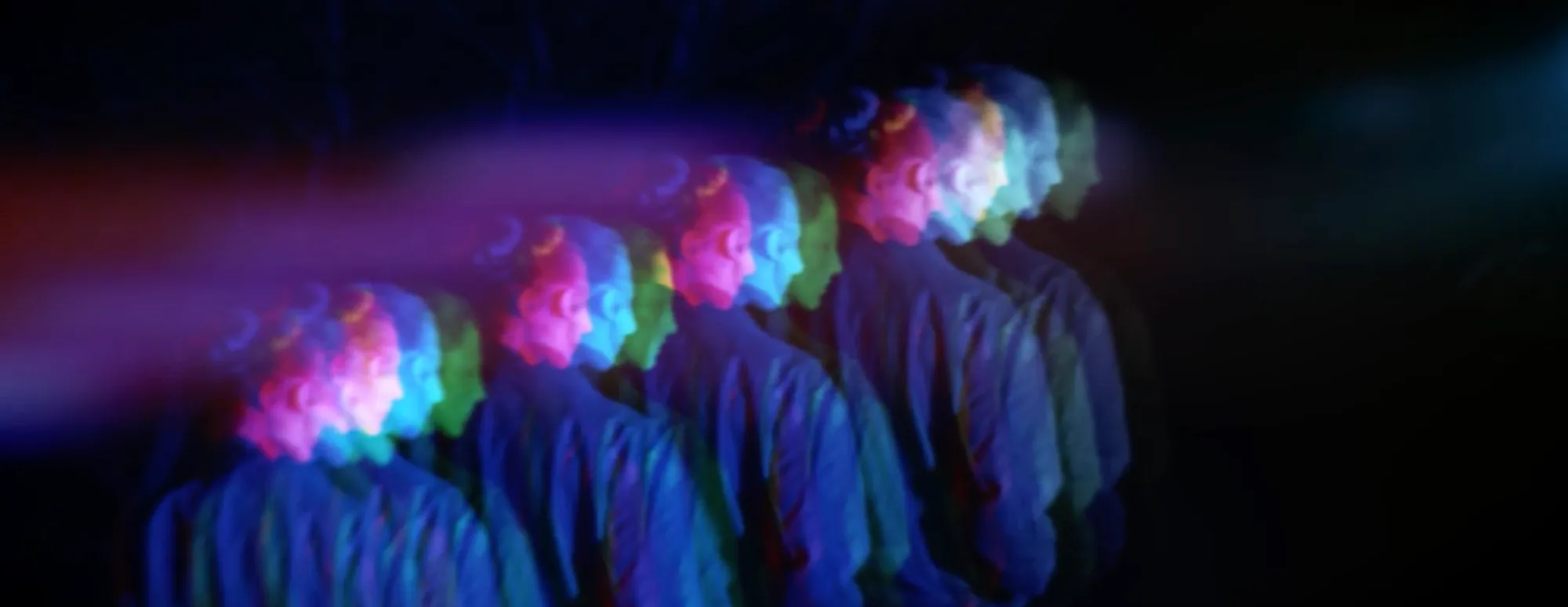
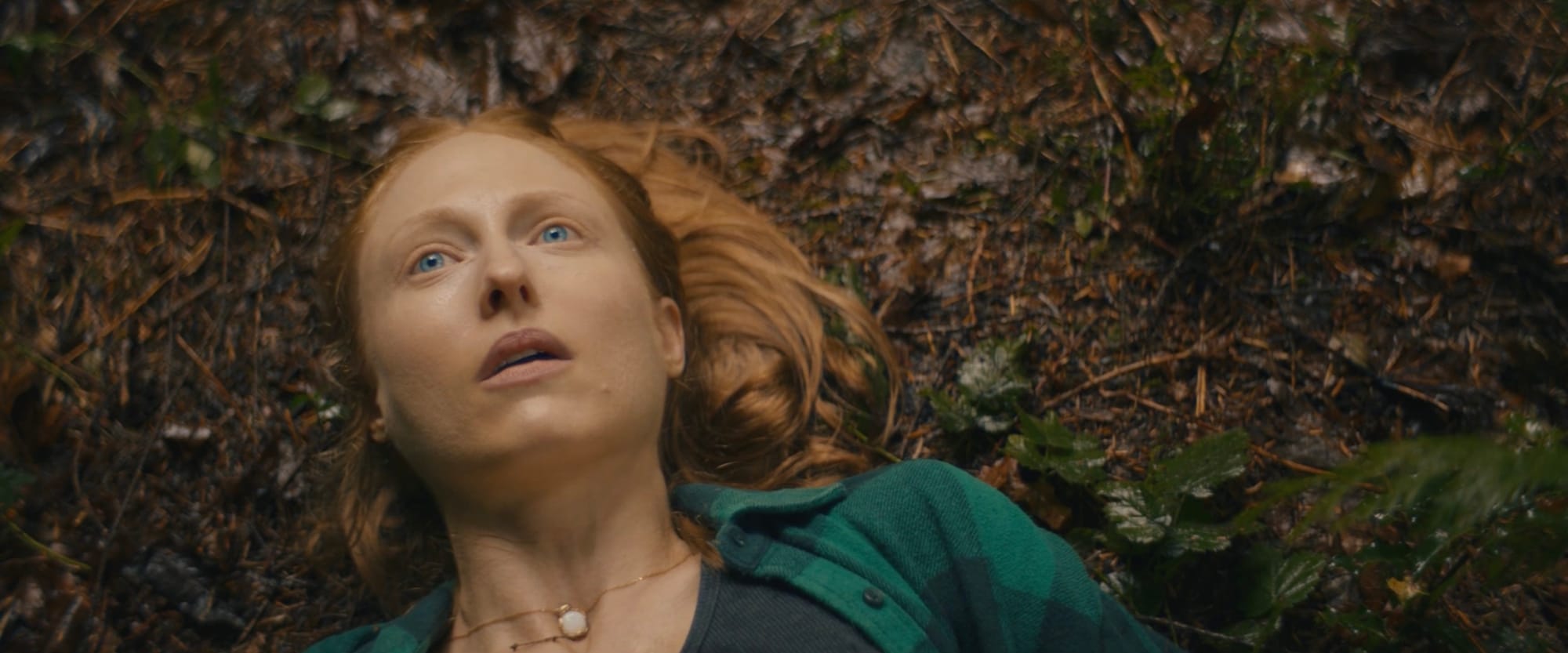
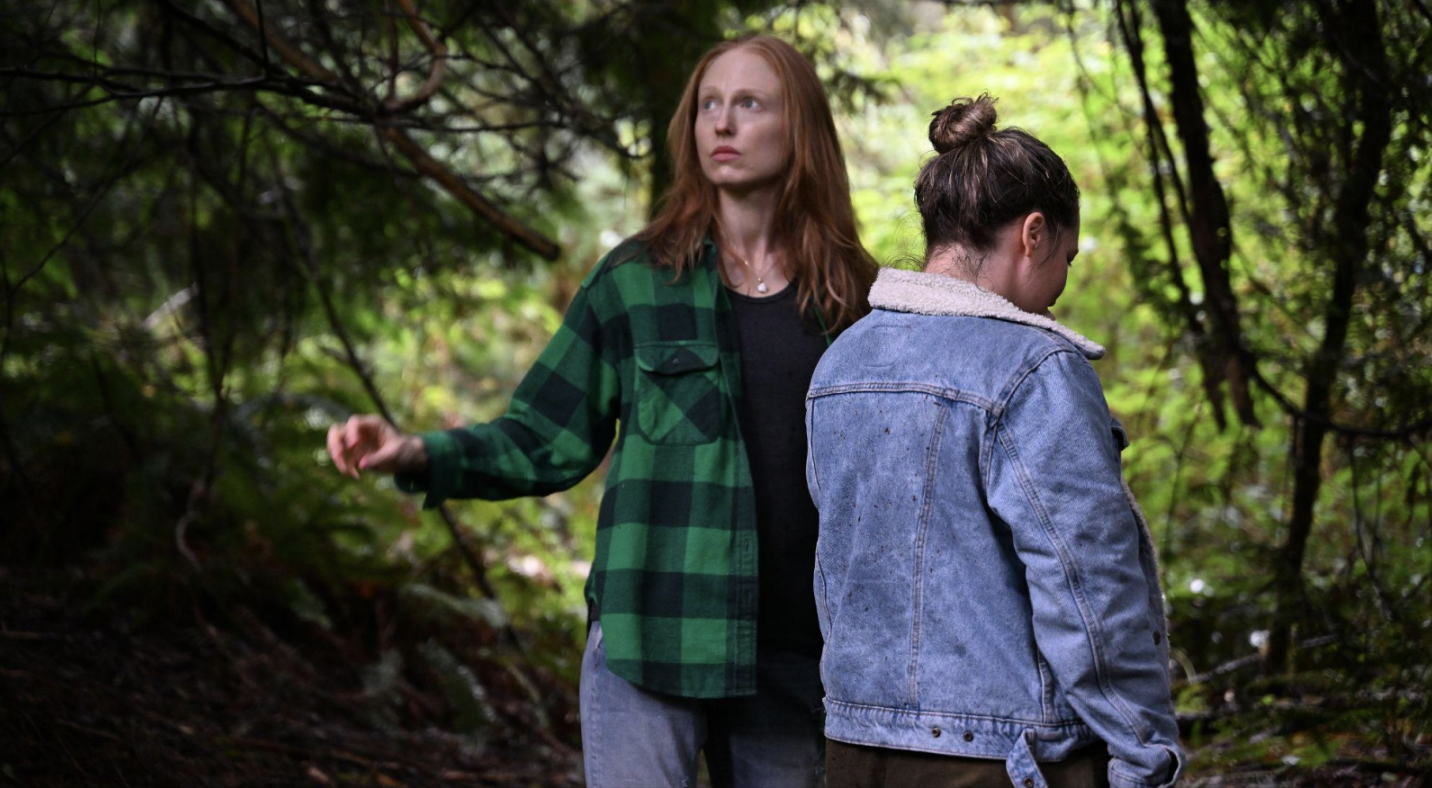
I love the moment when Frankie looks directly at us, the audience, when she's in the forest and has her mushroom moment. That felt very intimate and beautiful and weird, and I love breaking the fourth wall.
“I love the moment when Frankie looks directly at us, the audience... I love breaking the fourth wall.”
What was the hardest creative decision you made while making this film?
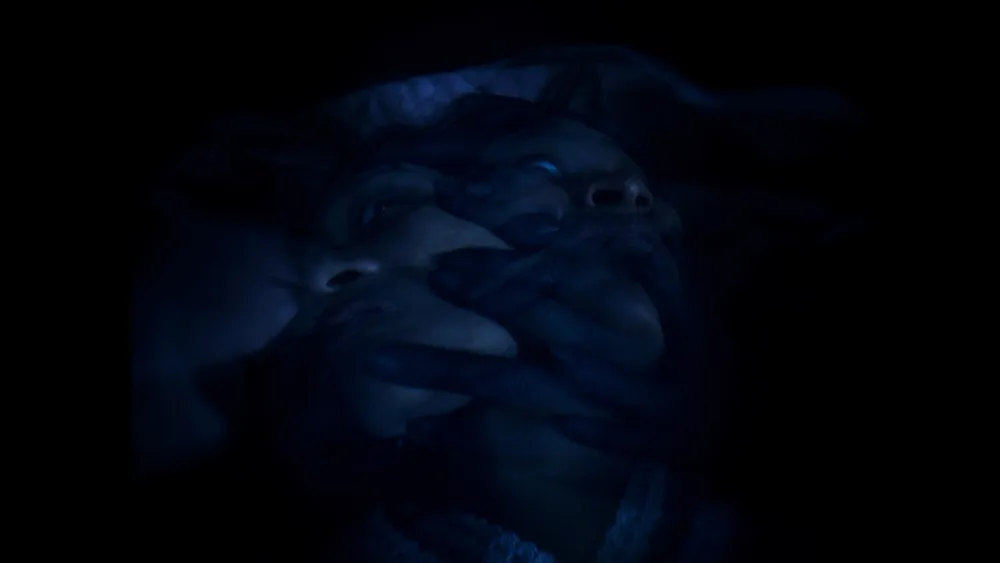
The hardest creative decisions I had to make were definitely in post production. We were working against a really quick deadline and had to turnaround everything at lightning speed which can always be stressful. The entire final sequence was full of difficult creative decisions on how to best present these images to tell the story of what was happening from script to screen from VFX shots to using the material we filmed practically.
What do you hope audiences take away from your film?
I hope the audience sees that this is the beginning of a long healing journey and acceptance process for both Frankie and her father. I hope people can relate to Frankie's fears and understand why she did what she felt she needed to do to protect her family.
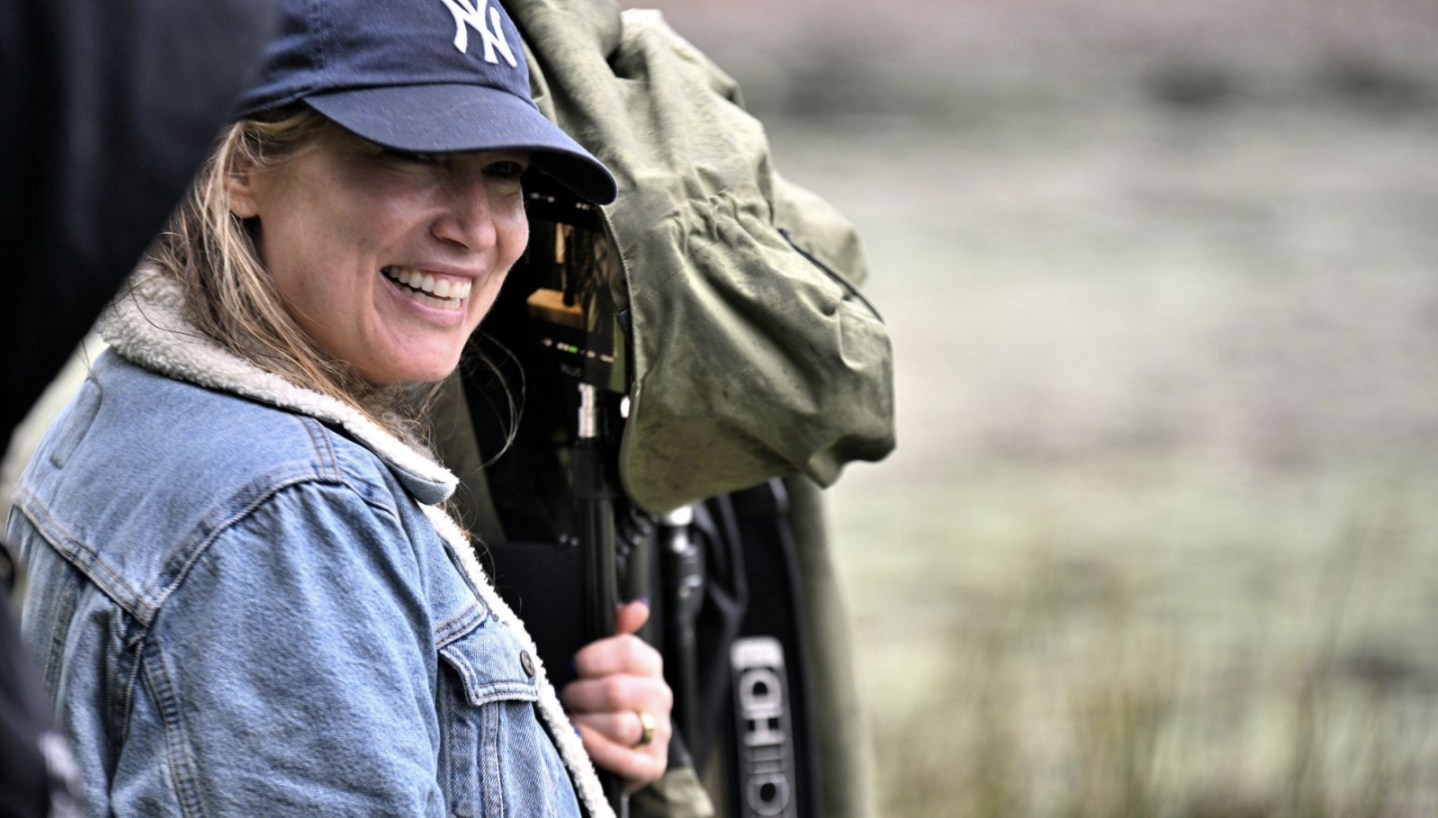
“This film is a love letter to my family in a lot of ways, and while they may not love horror films as much I do, we all show our love differently.”
How has this film shaped or shifted the kind of stories you want to tell next?
Slush is an intimate portrayal of a bad trip home and I want to continue making films that offer a well-built world that audiences can live within, immersing themselves in the experience of our main characters like Frankie. I love making good for her films, and am excited to branch out to a wider good-for-THEM vibe... all about family in all shapes and forms.
What’s a tool, technique, or resource that really helped you during production?
I love the Shotlister app! Definitely my best friend during prep.
Independent filmmakers often rewrite the rules out of necessity. What do you think is the greatest strength of independent filmmaking, and how did you lean into that on this project? Is there a lesson or breakthrough you’d share with others navigating this path?
“Believe in yourself and your vision and GO FOR IT! There are people out there that want to make beautiful, meaningful films with you and once you find your people, go hard.”
It's a lot of work, but so worth it. Don't give up.
What does it mean to you to have your film selected for FilmQuest, one of the world’s top reviewed genre film festivals?
FilmQuest is one of my favorite festivals on the planet. It has the best community and Jonathan, Jonna and the entire FQ team are all incredibly kind-hearted, welcoming and passionate people that care about the films and the people who make them equally. Playing another film at FilmQuest is an honor and I'm grateful to be a part of the festival any year... can't wait to see how they grow in the future!
FilmQuest celebrates the majesty and might of genre filmmaking across fantasy, horror, sci-fi, action, thriller, western, kung-fu, and beyond. How does your film fit within—or push the boundaries of—genre storytelling?
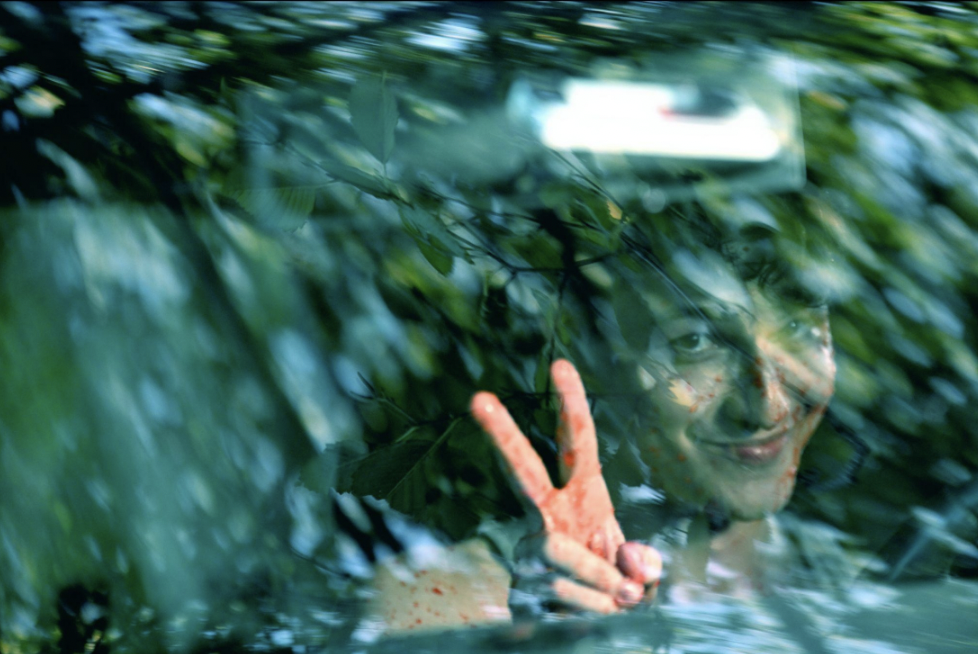
Slush is a reality horror that turns into something more supernatural and I love the nuance in blending grounded cinema with dynamic, magical folklore and imagery to heighten the inner dialogues of our characters and their effects on the real world. I'd like to think that Slush delivers a believable world that pushes the limits of the imagination and what we're capable of.
Where do you see this film going next?
Slush is a proof of concept for a feature I'm writing now, and I'm pumped to lock this script. Hopefully we'll be making it at home in the Pacific Northwest someday real soon.
"At the core of all my work is a desire to tell dynamic, powerful stories that are fun, beautiful and thought-provoking."
Cast & Crew
- Ashley George — Writer/Director
- Emily Sheehan — Producer
- Amy DePaola — Producer
- Sheila Altamirano — Cinematographer
- Emily Bennett — Actress (Frankie)