Table of Contents
Three Key Takeaways
- A multidisciplinary directing duo crafts a visually layered meditation on security and freedom within a modern dystopia.
- The film’s striking "day for night" shooting technique demanded a leap of faith, culminating in a unique cinematic atmosphere.
- Independent filmmaking’s freedom empowered bold casting and uncompromised artistic choices, shaping the film’s authentic voice.
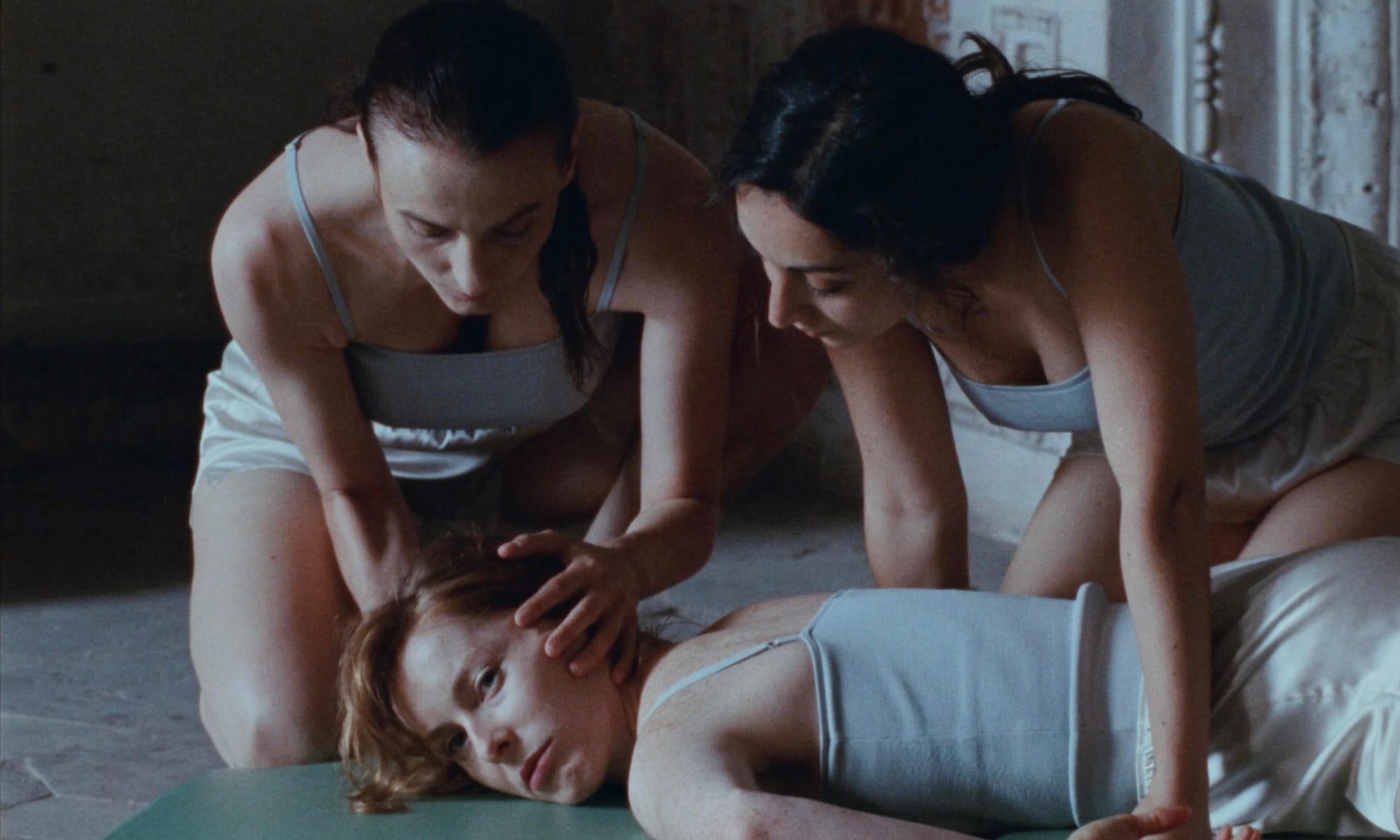
Helena Ganjalyan, alongside co-director Bartosz Szpak, presents Glorious Summer, their debut feature film that premiered at SXSW 2025 and now screens at Not Film Fest.
With a multidisciplinary background spanning theatre, choreography, photography, and music composition, Helena and Bartosz fuse their diverse talents to explore themes of control, complacency, and rebellion.
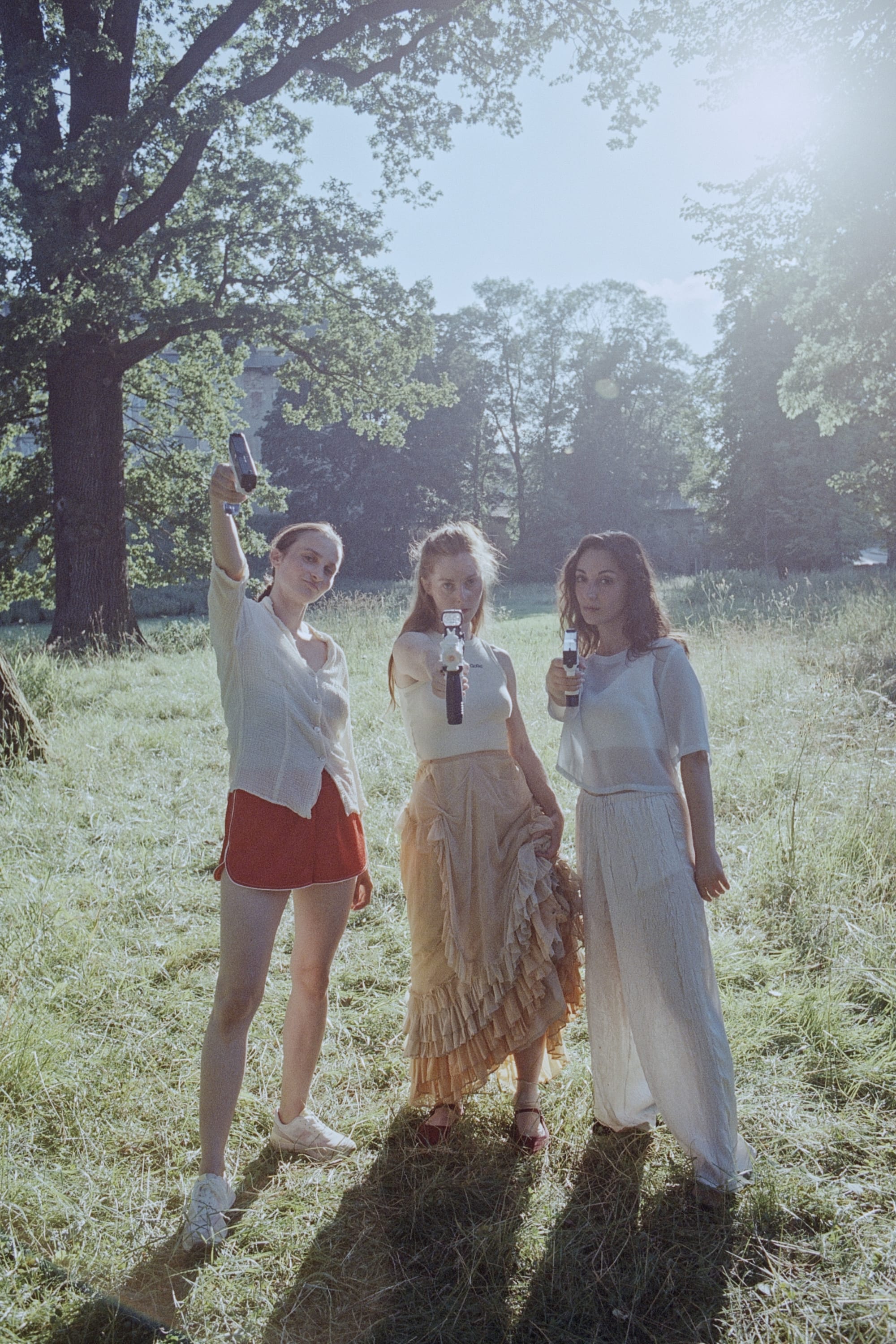
Supported by producers Monika Matuszewska and Maria Gołoś of Rozbrat Films and a talented crew including cinematographer Tomasz Woźniczka and editor Alan Zejer, the film features performances by Magdalena Fejdasz-Hanczewska, Helena Ganjalyan herself, Daniela Komędera, and Weronika Humaj.
Q&A Interview
What drew you to make Glorious Summer? Why this story, and why now?
There were several stages—initially independent—that eventually led us to this film. In its original form, the idea came to us while we were working on a performance for the Gdańsk Shakespeare Festival in 2020. Back then, the whole thing was very loosely based on Richard III. The title Glorious Summer, in fact, comes from the first two lines of that play. It was a bold reinterpretation of Shakespeare—we explored the themes of language manipulation and oppression through words.
We worked on that performance during the pandemic, so we only staged it once—and even then, only via streaming, with no direct contact with the audience. We felt we’d left its potential untapped.
A few years later came Blur—a music video we directed for Mateusz Pałka, a pianist from Kraków. While working on that video, we discovered the palace in Gorzanów (which later became the main location for Glorious Summer). Another year passed, and during a certain documentary project, we met our producers—Maria Gołoś and Monika Matuszewska. That project never came to fruition, but it created a connection where we all felt we wanted to do something together.
Some time before that, I got very intrigued by the idea of combining Glorious Summer and Blur. In a way, the video became our proof of concept.
Later, as we worked on the film’s script, we quickly decided that the original Richard III context needed to be replaced with something closer to a modern audience—something people could decode in their everyday life, that reflects our reality in a way. We replaced it with a system built around mindfulness and wellness.
What surprised you most about the filmmaking process this time—creatively or logistically? Was there a moment on set or in post that completely changed how you saw the story?
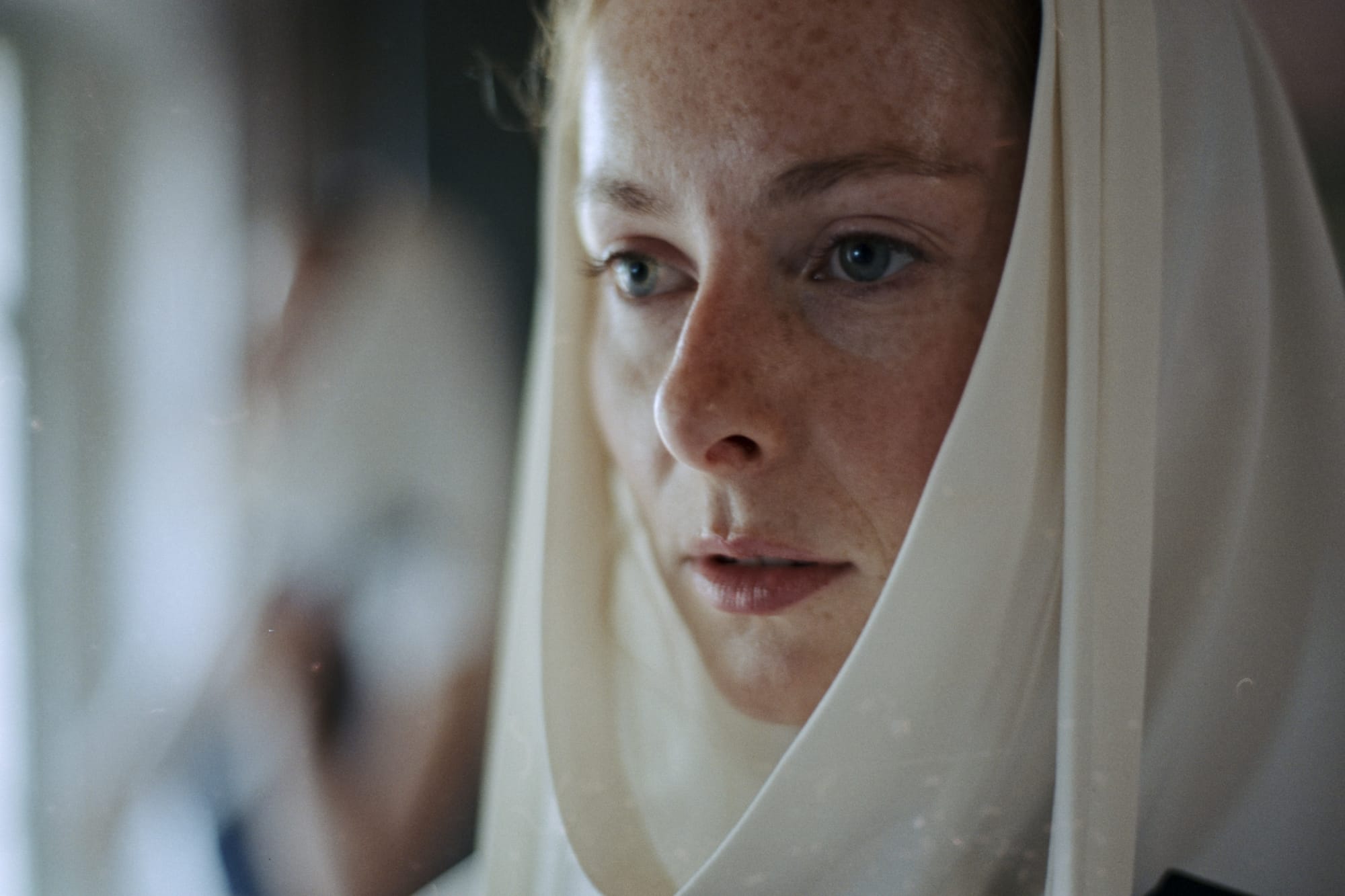
Maybe it didn’t change how I saw the story, but it was definitely a key moment—the pre-production stage, breaking down each scene into shots and preparing a detailed storyboard for the entire film. It was a fascinating and unique part of the process, where together with our cinematographer, Tomek Woźniczka, we developed the visual language of it.
Is there a moment in the film that feels the most you—something only you could have made?
I don’t think there’s a single moment I’d point to — for me, it’s the entire film. We were lucky enough to make it on our own terms, without any artistic compromises. What makes it feel truly "ours" is the almost obsessive attention to detail, the quiet, layered way the story reveals itself, and the trust we place in the audience to read between the lines.
What was the hardest creative decision you made while making this film?
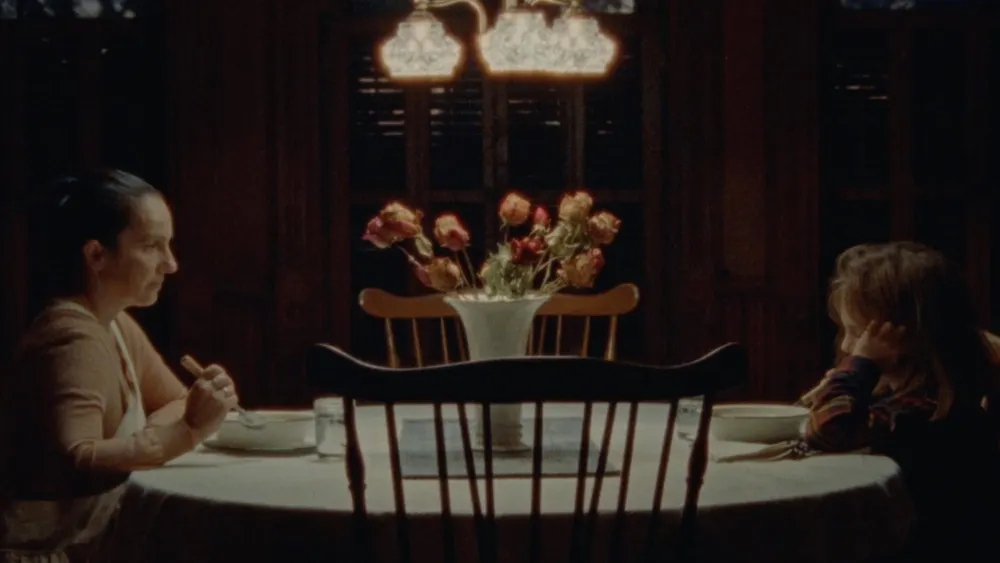
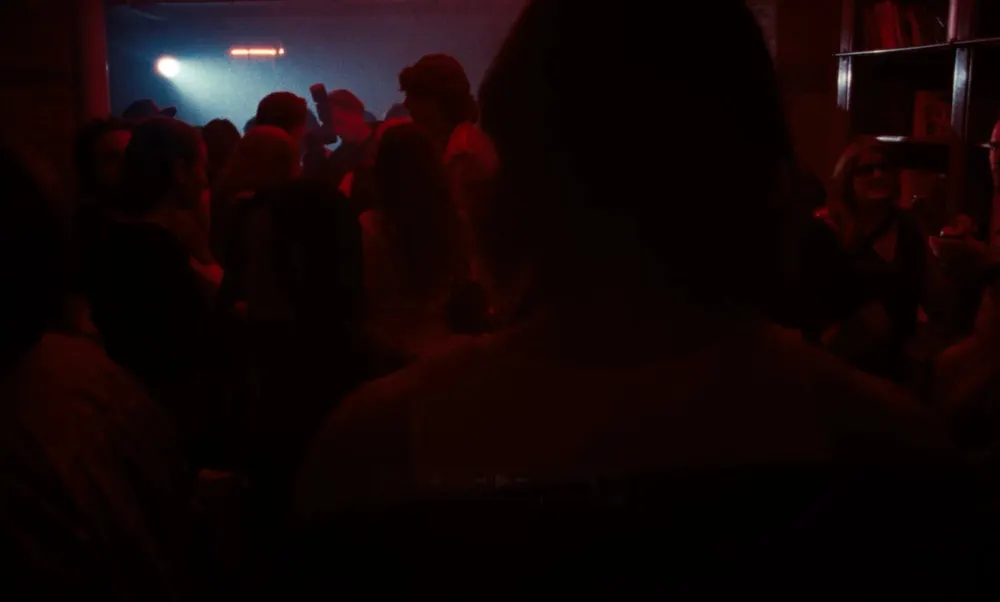
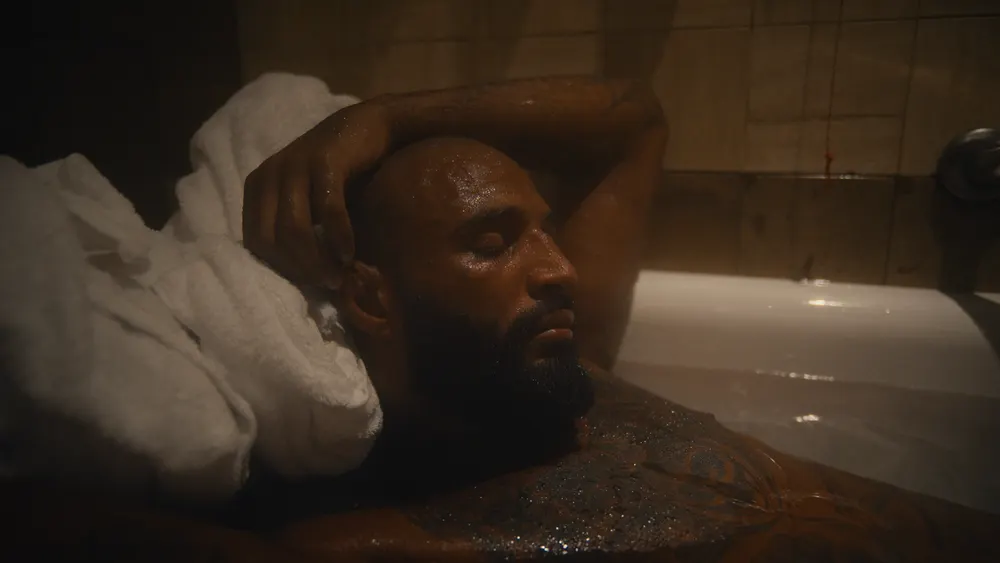
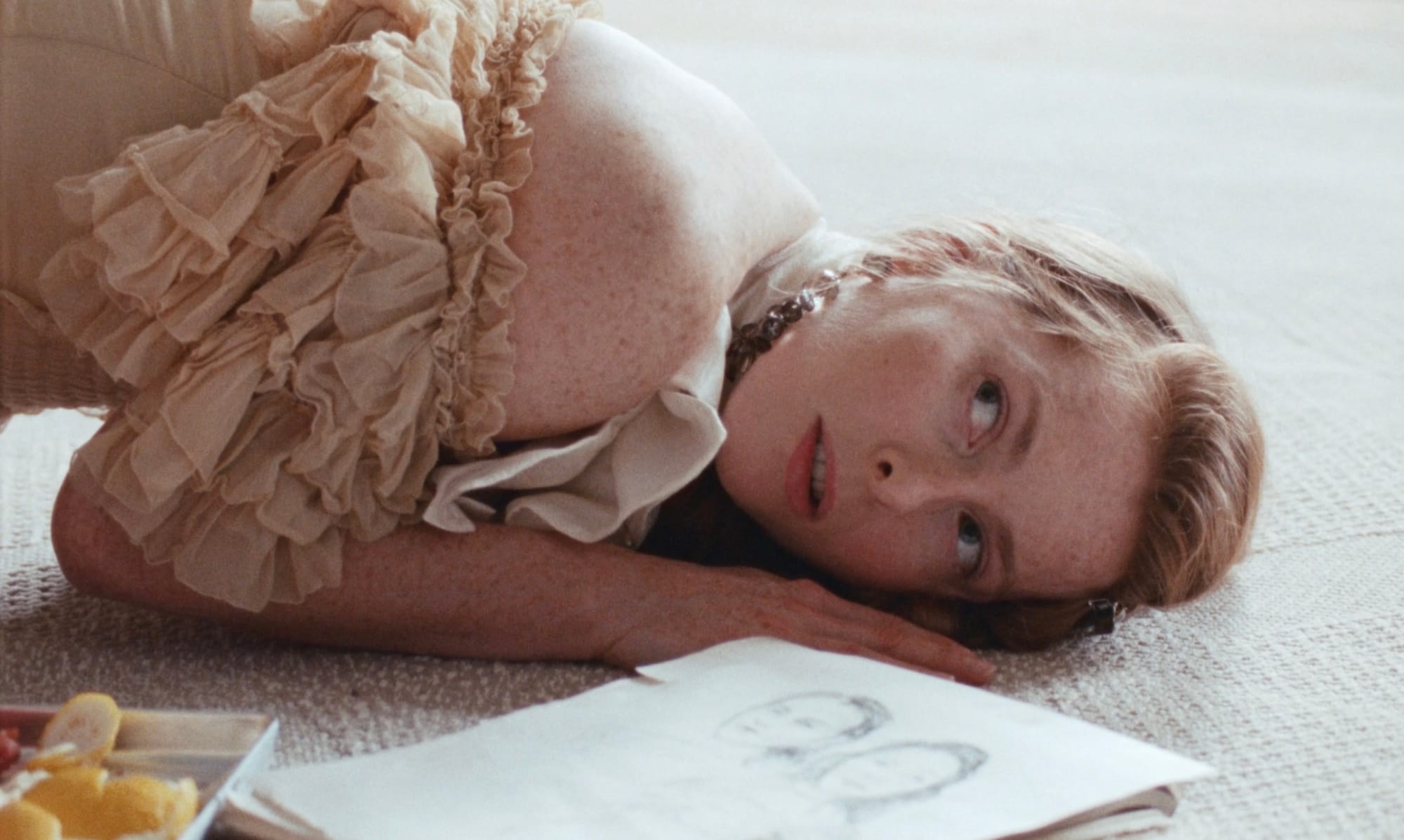
A lot of people would expect us to say it was working on film stock, but that actually never worried us — we had quite a lot of experience and full confidence in that choice. The hardest and completely new decision was to shoot the entire film "day for night". We didn’t have the budget for fully lighting night scenes, we relied on a very minimal setup and had to take a real leap of faith. Thankfully, in color grading everything came together beautifully, and the final look is exactly what we were aiming for.
"What makes it feel truly 'ours' is the almost obsessive attention to detail, the quiet, layered way the story reveals itself, and the trust we place in the audience to read between the lines."
What do you hope audiences take away from your film?
Courage, and a belief in their own paths. That’s what I hope people take away - the sense that you can trust your instincts, even when the road is uncertain.
How has this film shaped or shifted the kind of stories you want to tell next?
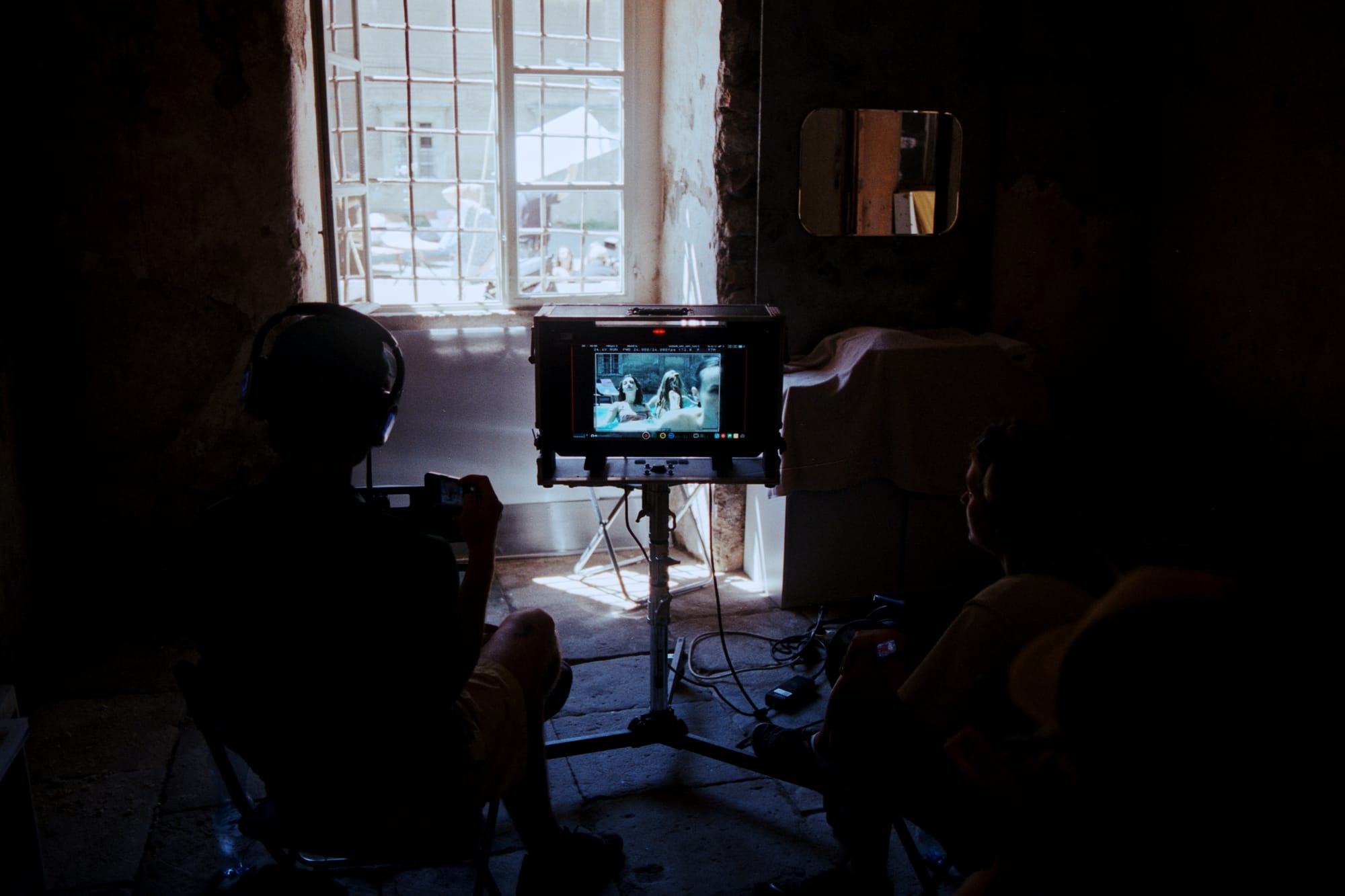
One thing we’ll definitely carry forward from this film is the workflow — the careful, precise preparation before we set foot on set. At the same time, we’re eager to dive into a completely different dynamic, and our next film, Two Peas, will have a totally different rhythm, flow, and narrative tools used. Still, I very much hope it will remain unmistakably “ours.”
What’s a tool, technique, or resource that really helped you during production?
Honestly, the biggest resource was the people — our crew came in with open hearts, and that energy carried us through the entire shoot. Our producers trusted us completely and gave us full creative freedom, which is such a rare and precious thing. And then, working on film stock — there’s something about it that changes the atmosphere on set. It brings a kind of focus and presence, because every frame counts. That combination of trust, heart, and the discipline of film really shaped Glorious. I think one of the greatest strengths of independent filmmaking is the freedom of choice it offers. For example, we decided to cast three relatively unknown actresses in the lead roles—two of whom are making their debut in our film. That kind of choice probably wouldn’t happen in a bigger production, but it was essential for us to tell the story authentically.
Independent filmmakers often rewrite the rules out of necessity. What do you think is the greatest strength of independent filmmaking, and how did you lean into that on this project?
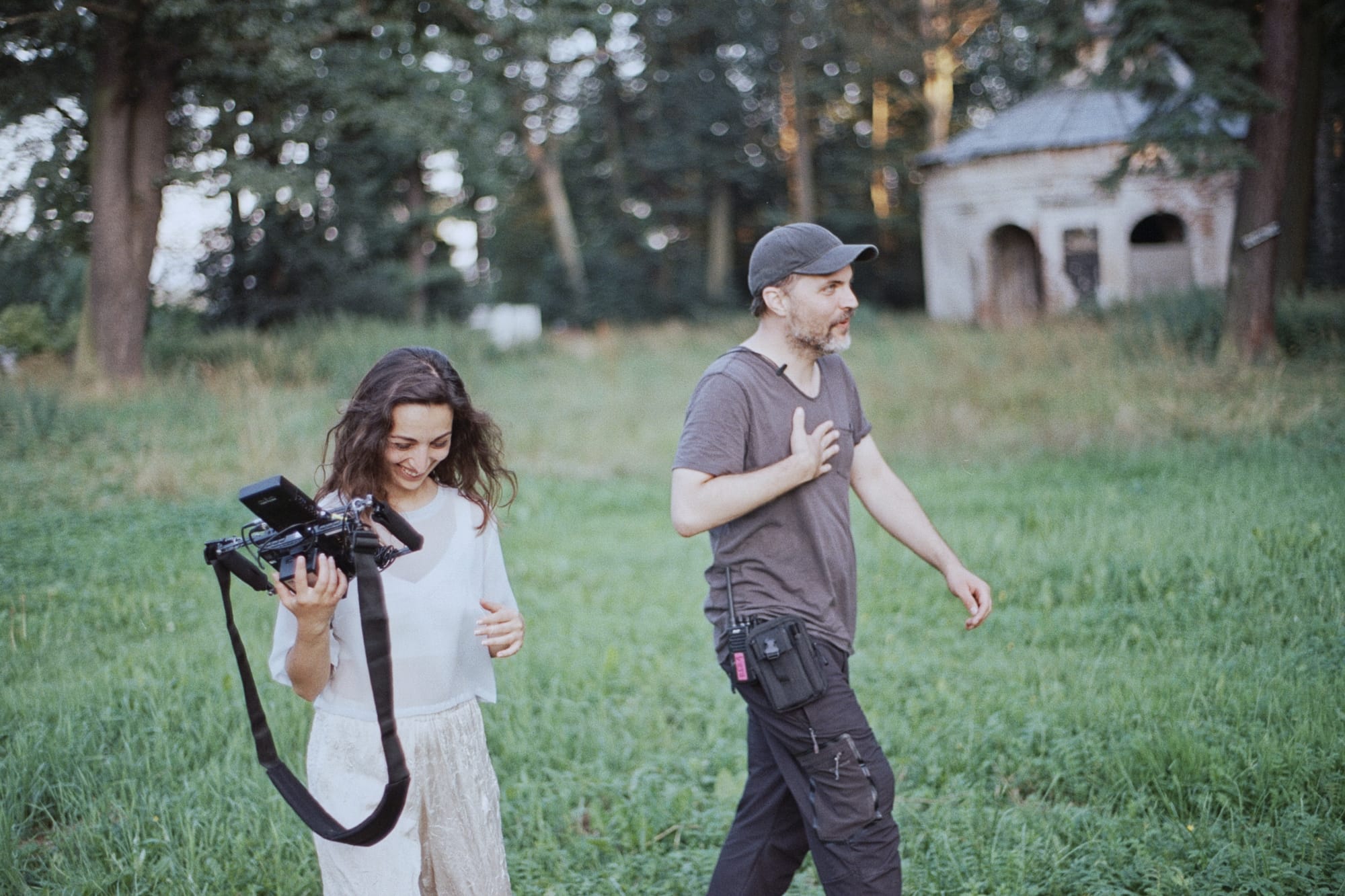
I think one of the greatest strengths is the freedom of choice it offers. For example, we decided to cast three relatively unknown actresses in the lead roles—two of whom are making their debut in our film. That kind of choice probably wouldn’t happen in a bigger production, but it was essential for us to tell the story authentically.
"The hardest and completely new decision was to shoot the entire film 'day for night'. We didn’t have the budget for fully lighting night scenes... Thankfully, in color grading everything came together beautifully."
What does it mean to you to have your film selected for Not Film Fest?
I guess I will see that in few weeks! But I had a lot of my friends screening their works there and all of them claimed that it is a unique Festival with a great audience.
How do you hope being part of Not Film Fest will shape the life of this film?
I hope the film will find a new part of its audience there. Many people have told us they thought we shot it in Italy, and that the film really captures the vibe of an “Italian summer holiday.” So we’re really excited it’ll be seen in just that kind of setting. Also, each audience, depending on their cultural context, sees some other bits in it, other references, which is great to discover for us.
Where do you see this film going next?
Yes, for now we will continue our festival tour and then the plan is to release it in Polish cinemas.
"At the core of all my work is a desire to ask questions. To challenge the established order."
Other Cast & Crew
- Katarzyna Tomczyk — Set Designer
- Małgorzata Karpiuk & Zuzanna Kot — Costume Designers
- Weronika Zielińska — Makeup Artist
- Zuzanna Kot
For more on Glorious Summer, visit the film's website