Table of Contents
Luca Guadagnino is one of the most popular directors right now with multiple critically acclaimed and personally loved films such as Call Me By Your Name, Suspiria, Bones and All, Challengers, and most recently Queer. All of these films were shot on 35mm Kodak film and you can tell from their striking rich colors and distinct aesthetic. Shooting on film has a prestige associated with it, making it seem out of reach for aspiring filmmakers, it is also often associated with high costs. Guadagnino is a filmmaker who has had to work with small budgets but has always chosen to shoot on film instead of digital. He prioritizes film over digital because he believes that "film is what cinema is meant to be."

One reason people believe shooting with film is more expensive than digital is because film comes with the limitation of the reel length, meaning you can't shoot scenes multiple times without the cost beginning to add up. Guadagnino believes that having fewer takes is actually an advantage because it "makes the tension of the performance come off the screen." The tension between characters is something that is frequently noted as a positive in reviews for his films. Having fewer takes makes the performances from actors more raw and personal than a film where there's a dozen takes for a given scene. If multiple takes aren't an option then it means that detailed shot lists and storyboards are integral for staying on track.
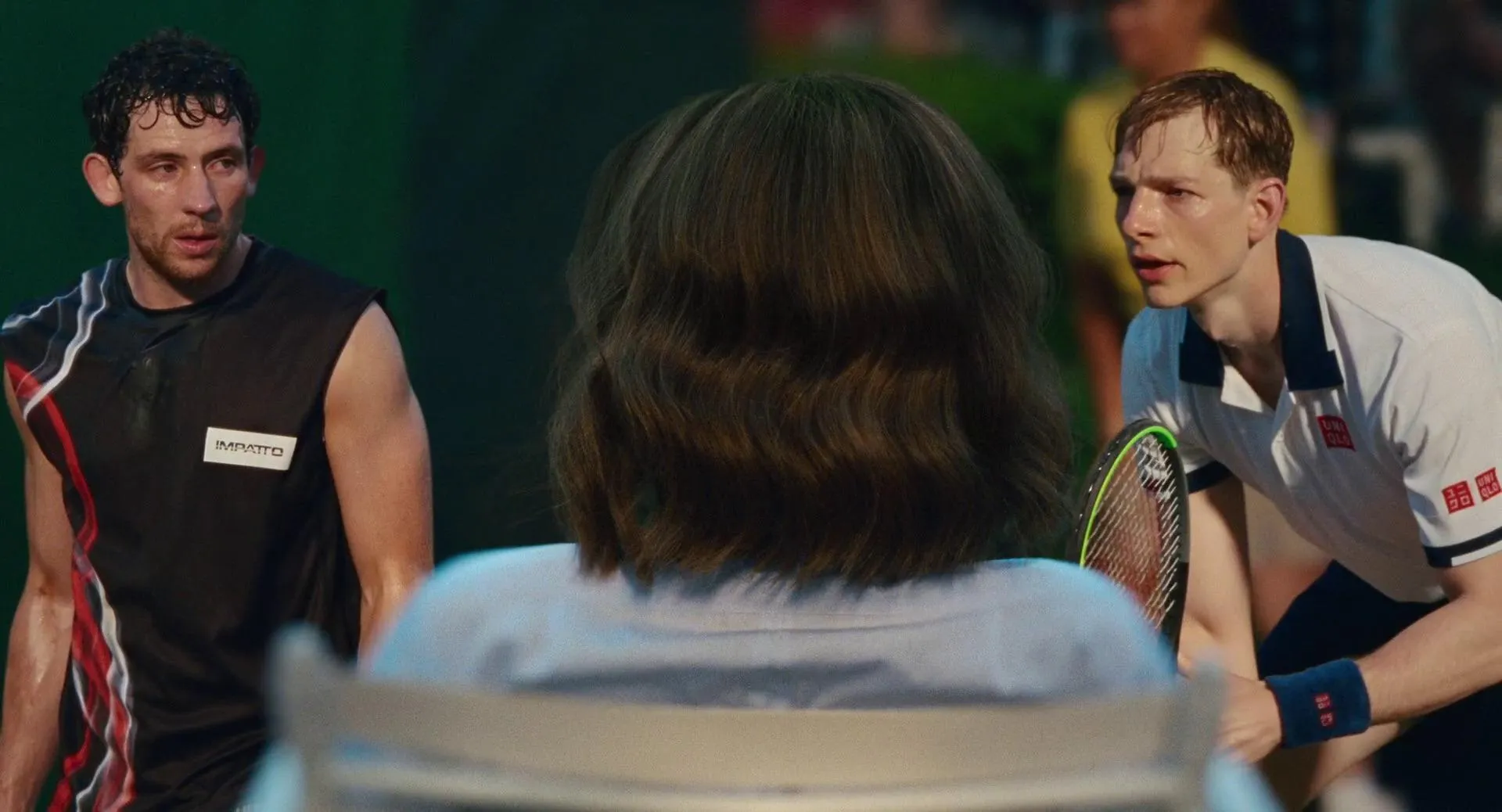
The other reason people believe shooting with film is more expensive is that film needs more light than digital so the image is properly exposed, however this isn't always the case. Guadagnino's cinematographers, Arseni Khachaturan (Bones and All) and Sayombhu Mukdeeprom (Call Me By Your Name, Suspiria, Challengers, Queer) used Kodak VISION3 500T on each of their respective films. Kodak 500T allows for shooting in extremely low light and in exterior daytime shoots. This means that no lighting is needed in outdoor settings and only minimal is needed for a nighttime or interior location. For Challengers, Mukdeeprom used the natural lighting of a given setting, like the cafeteria the characters frequent at Stanford, and heightened it slightly to make the colors more saturated. If the right film is used to shoot, then the natural lighting of locations is all that's needed for a beginner filmmaker on a budget.

Shooting on film gives richer colors to an image and allows for a specific aesthetic to be captured. The grain of a film captured image can make it warmer and more intimate, and it's distinct enough for audience members to recognize that a film camera was used. It can be more detailed than a digital image and requires less manipulation during post production to make a vibrant scene. Ultimately, shooting on film is achievable for filmmakers who are on a budget if they're dedicated to learning the most efficient ways to use it. Lots of pre-planning and creative use of lighting will make shooting with film a smooth experience.