Table of Contents
Three Key Takeaways
- Javier Lozano crafted Necrosectos as a deeply personal labor of love, dedicating the film to his late father and involving his mother in front of the camera.
- The film embraces practical indie ingenuity, with Lozano wearing many hats including director, composer, and VFX artist, relying heavily on Blender software.
- Necrosectos blends dark fantasy, creature horror, and subtle sci-fi, experimenting boldly with narrative perspectives and format shifts, fitting FilmQuest’s genre-bending spirit.
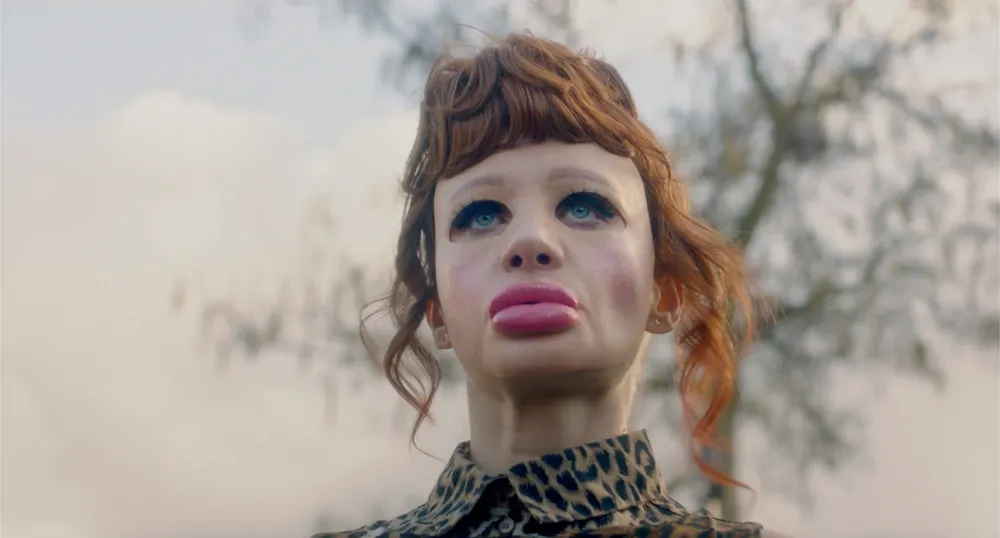
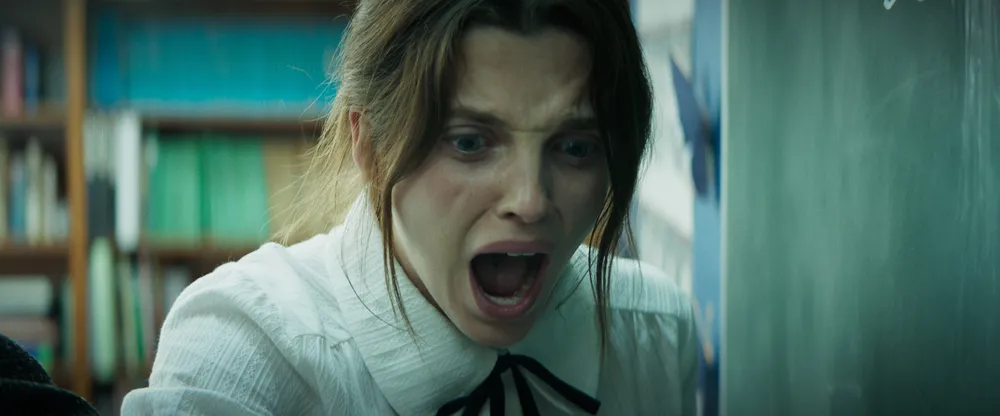
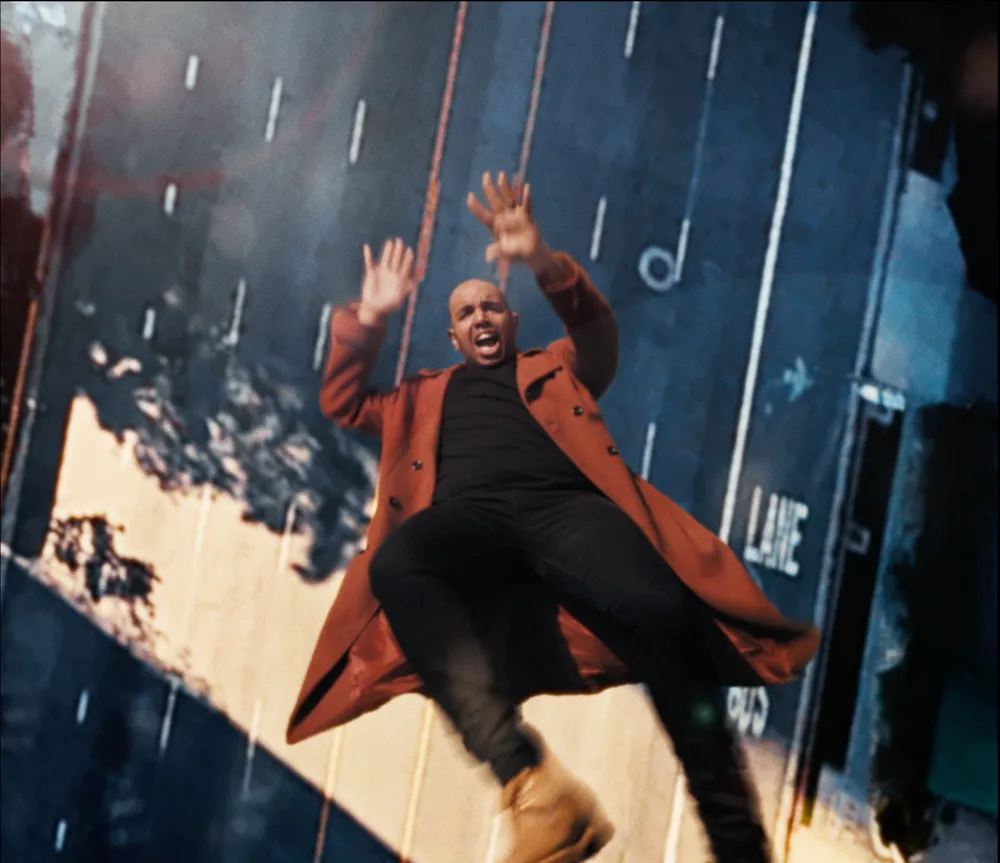
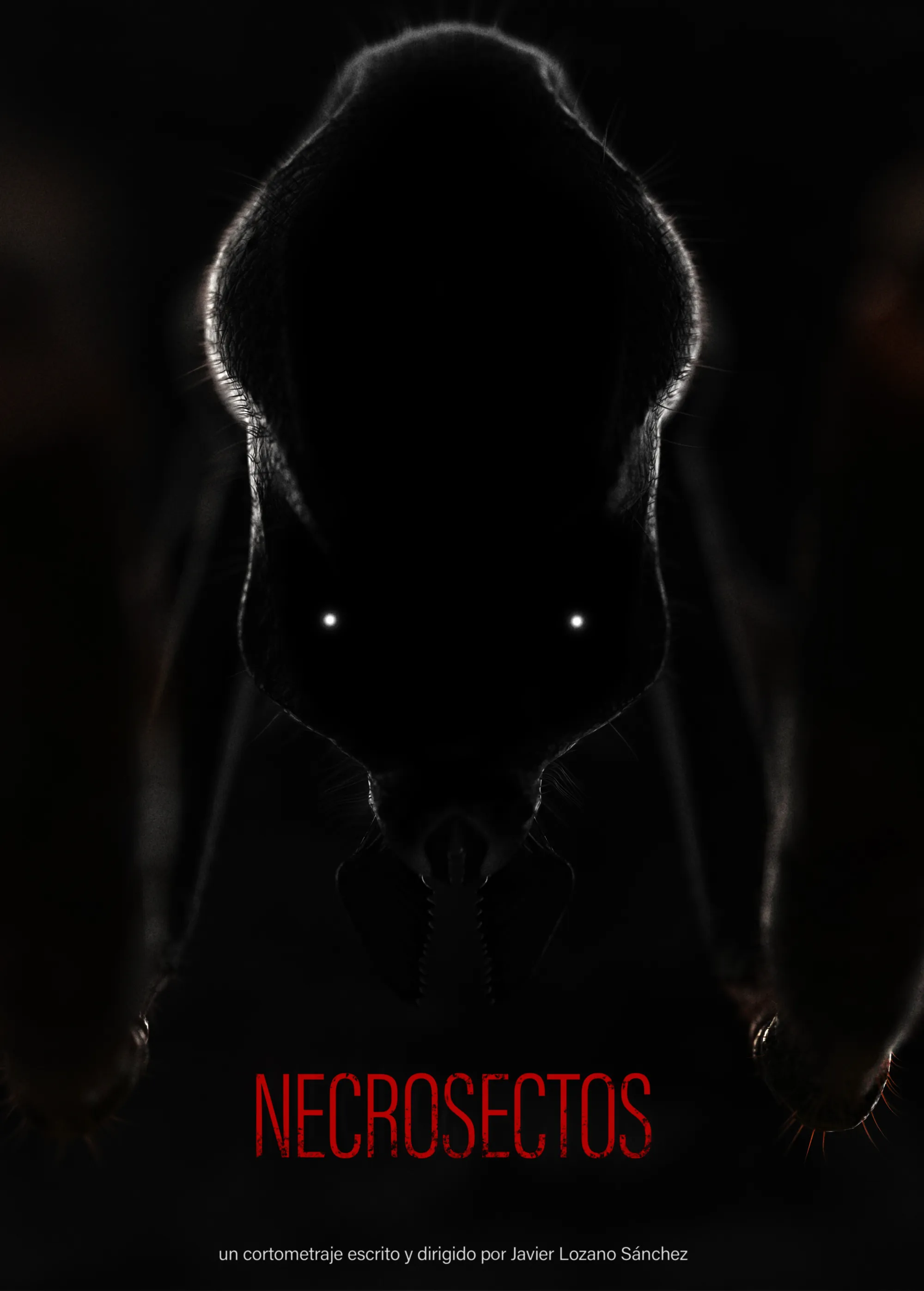
Javier Lozano’s Necrosectos emerges as a haunting short film about cunning insects invading a home and shattering the lives inside.
Created during a poignant personal journey, the film features Encarnación Sánchez—Lozano’s mother—in a debut acting role, and stands as a dedication to his late father.
Selected for FilmQuest 2025, this project exemplifies indie filmmaking’s power to transform intimate stories into genre experiences that resonate.
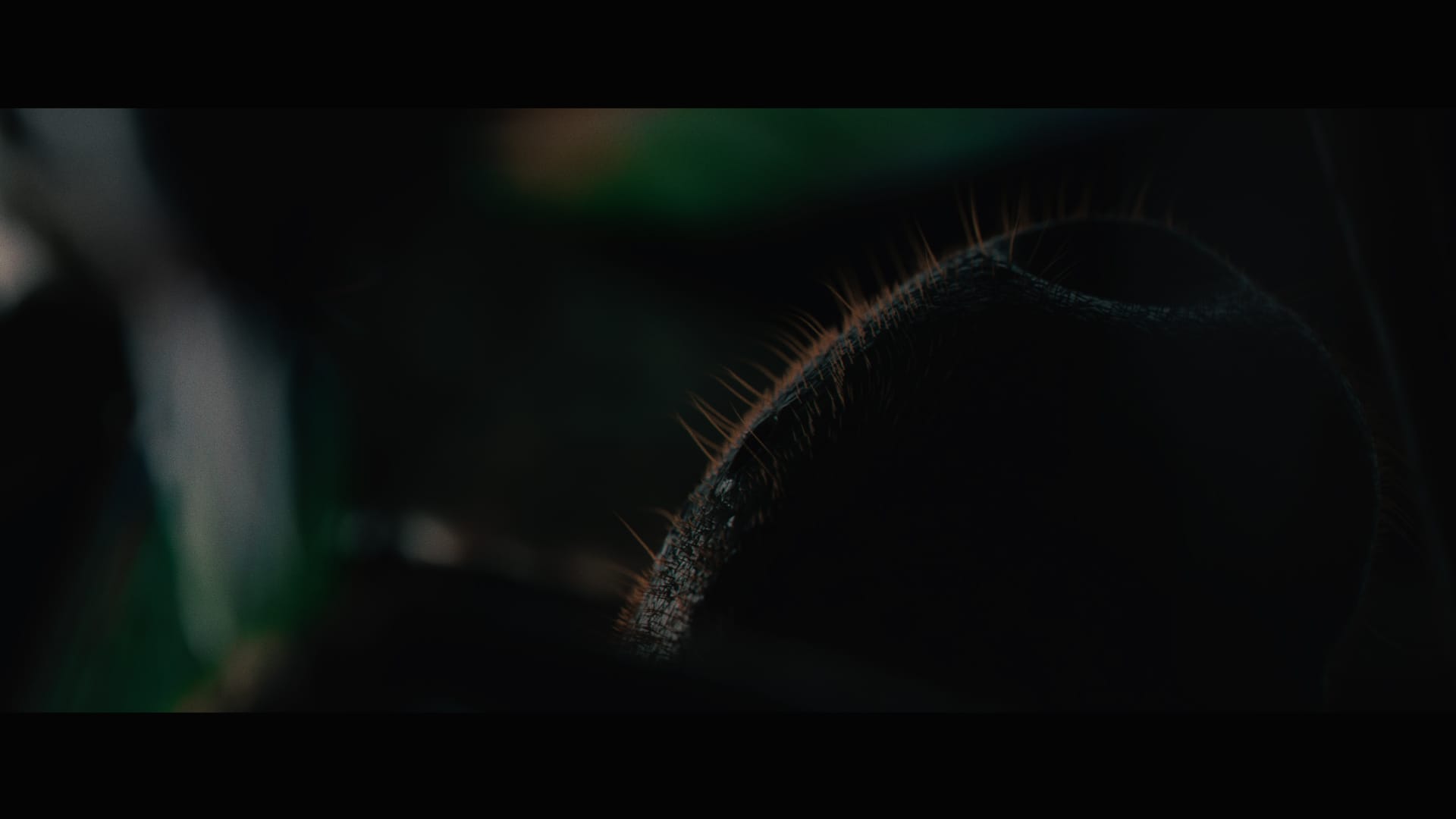
What drew you to make this film? Why this story, and why now?
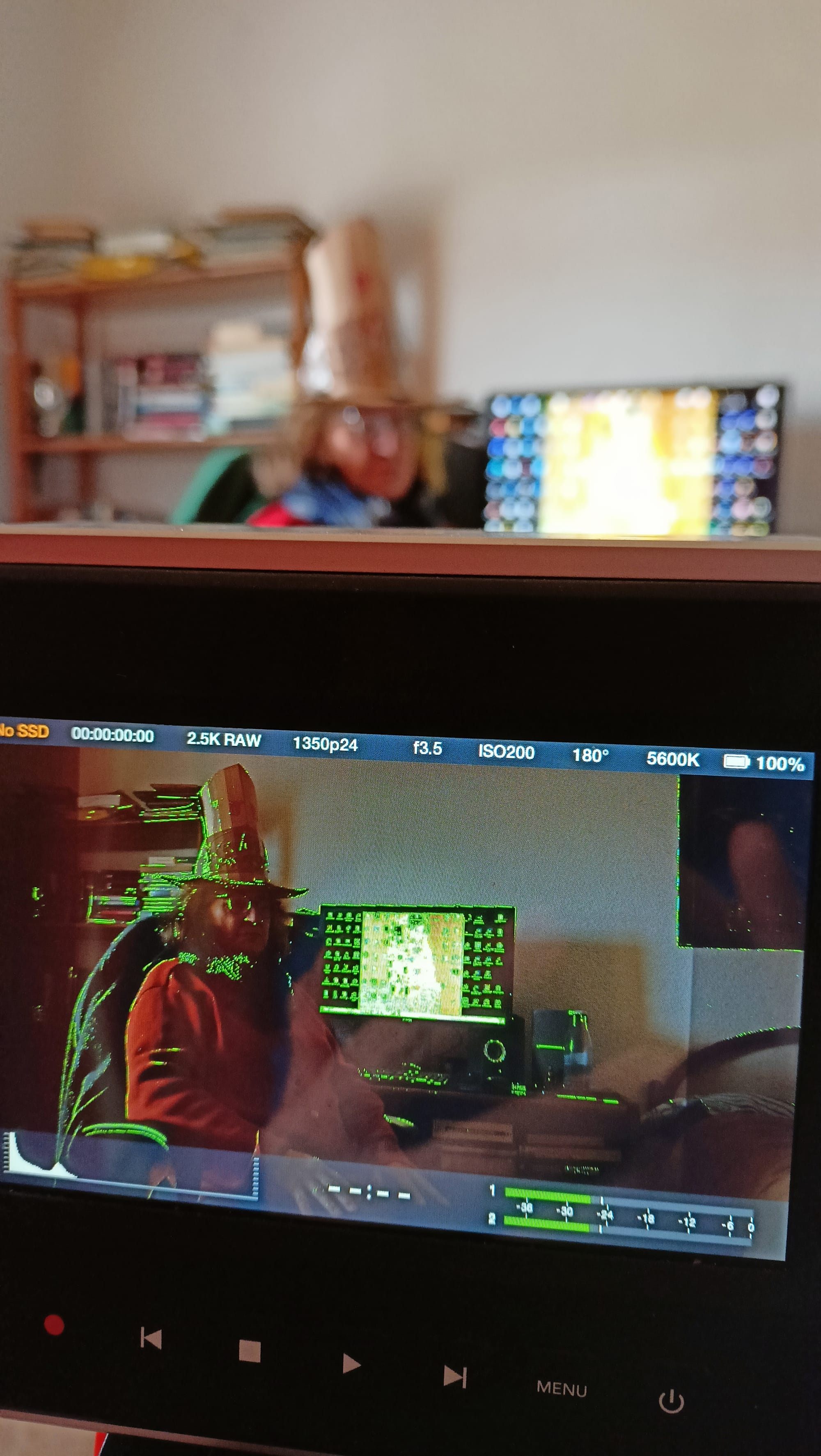
It is a very personal project. I was going to make it during the pandemic, with my father and mother, isolated in their home. My father loved the story, but sadly, just a few weeks after coming up with the short film, he passed away, and everything came to a halt. Years later, I decided I would make the short film on my own, at home with my mother, who is not an actress but was truly professional. The project became a personal challenge; I took care of absolutely everything. I even learned to compose the music, and I did the VFX as well, since I already had experience with that. The film is dedicated to my father.
“In cinema, everyone is important.”
What surprised you most about the filmmaking process this time—creatively or logistically? Was there a moment on set or in post that completely changed how you saw the story?
Since I did everything by myself, I felt very alone and exhausted. You learn to appreciate the artistic contribution and dedication of every member of a team, from the director of photography to the friend who came to hold a reflector. In cinema, everyone is important.
Is there a moment in the film that feels the most you—something only you could have made?
I feel that it's all very much my own, and I'm satisfied with that. This work could only have been made by me, because of the way I approached it. And it could only have been performed by my mother; in terms of the acting, it is very much hers as well. I know the project would be much better if I had made it the way everyone else normally does, with a crew, and if I had had the money to produce it. So every moment in it is truly mine—the ones that work and the ones that don't.
What was the hardest creative decision you made while making this film?
In the edit, I removed a scene that was very difficult to shoot. It was hard, but it was the best decision for the story.
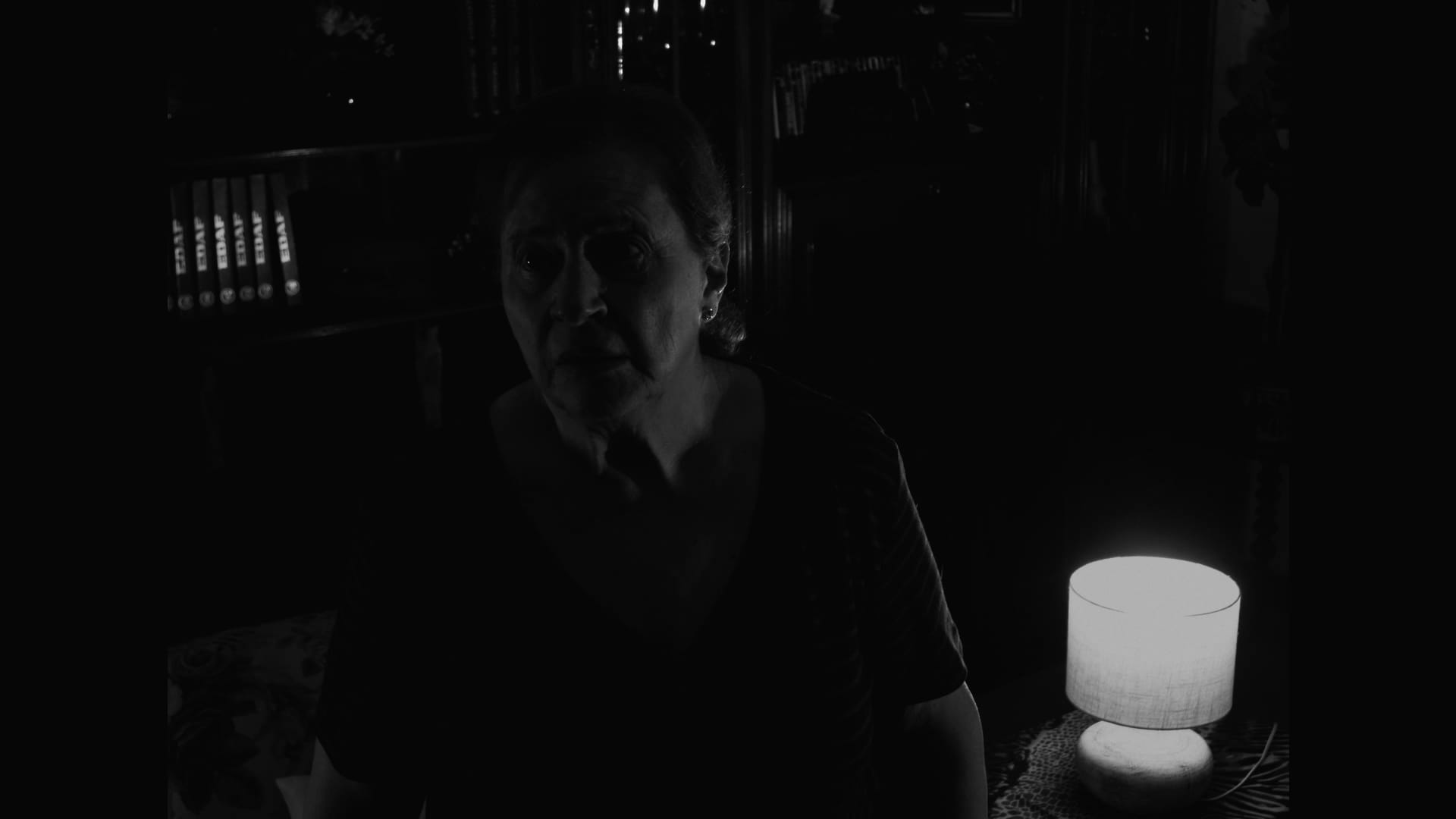
What do you hope audiences take away from your film?
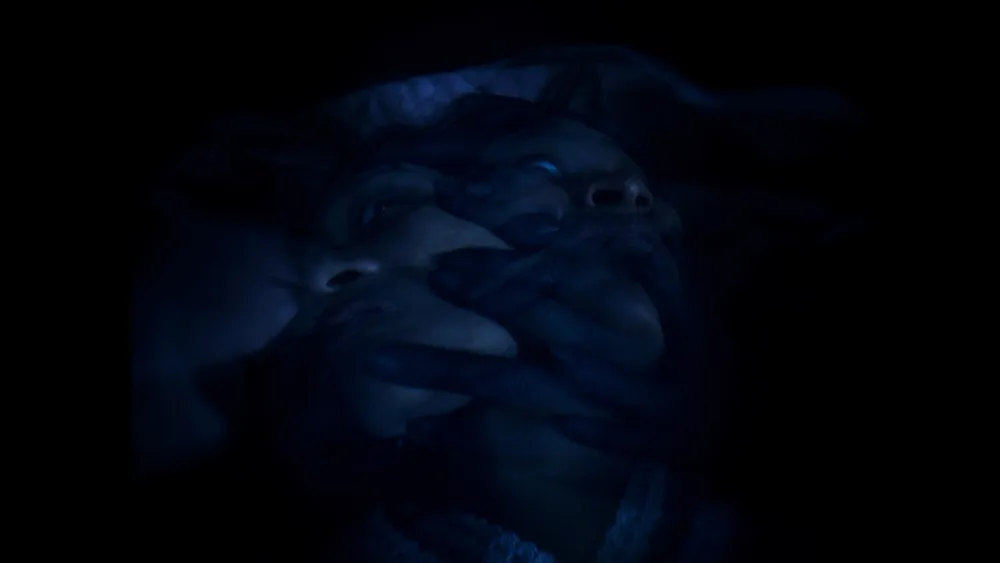
I want people to have fun watching a short film full of creatures. When a film or short is sold to me as a creature story and the creatures only appear in four shots or just at the end, it annoys me. Gremlins had a lot of Gremlins. This is not psychological horror. I wanted to give a bit of what I like.
“If you don't make a short film in 2025, it's because you don't want to. Don't be afraid!”
How has this film shaped or shifted the kind of stories you want to tell next?
Thanks to this project, where I discovered that you can do a lot with very little, my next project is a four episode web series that will serve as a proof of concept to later try to make a feature film—an anthology of horror stories. I’m making this project with my friend José Casas, a talented director whose short film ‘The Skin’ was selected at FilmQuest in a previous edition.
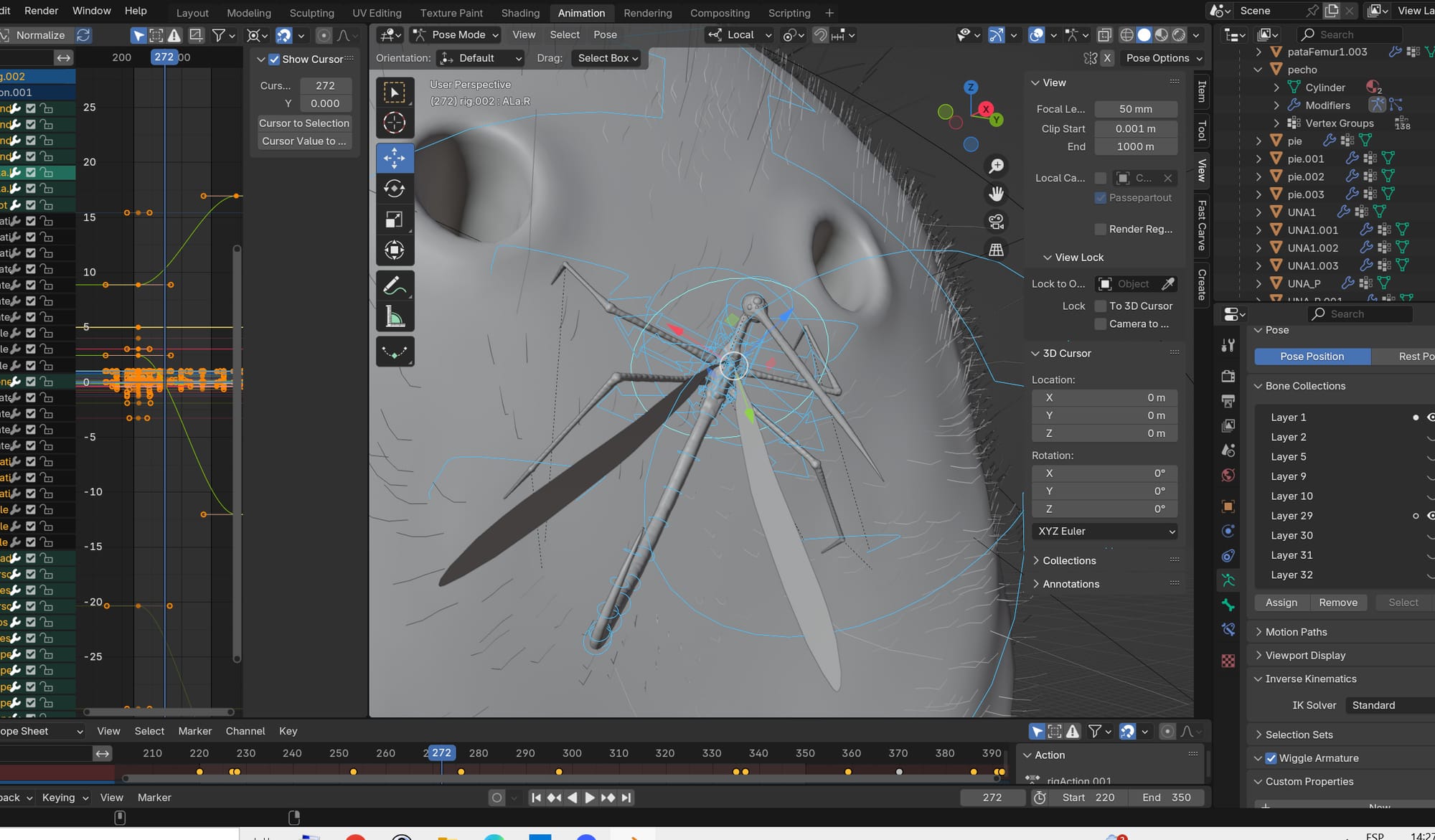
What’s a tool, technique, or resource that really helped you during production?
Blender saved my life.
Independent filmmakers often rewrite the rules out of necessity. What do you think is the greatest strength of independent filmmaking, and how did you lean into that on this project? Is there a lesson or breakthrough you’d share with others navigating this path?
I think independent film is usually more creative. Necessity sharpens ingenuity. It's not that directors with large budgets aren't creative, but their films are more committed to the economic profits they must yield. I would tell other filmmakers that if they don't have crew or money, they can make a short film in their neighborhood, at home, with their family and friends. They can learn to compose music, do VFX, and everything they need, and... end up at the incredible FilmQuest! If you don't make a short film in 2025, it's because you don't want to. Don't be afraid!
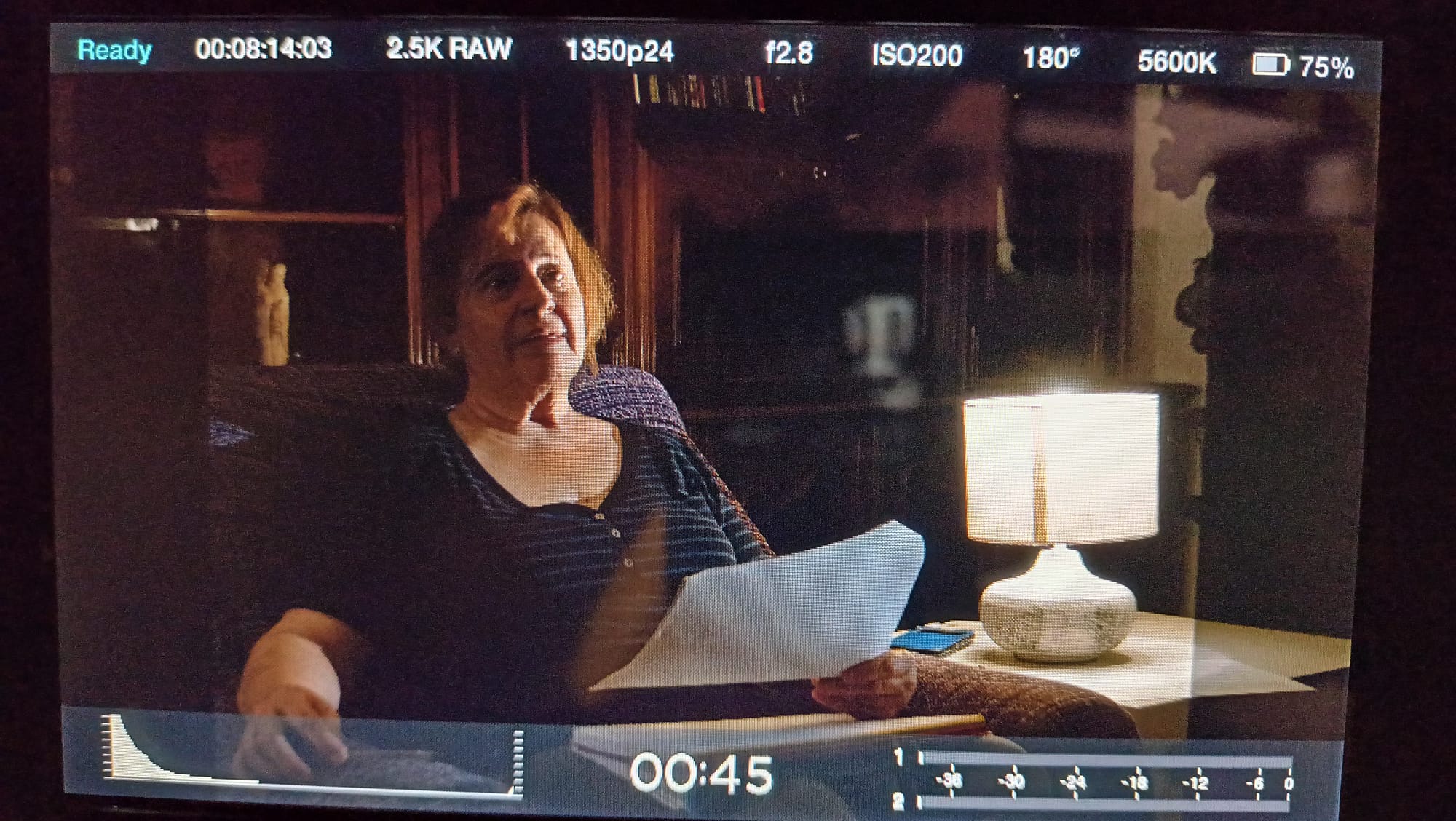
What does it mean to you to have your film selected for FilmQuest, one of the world’s top reviewed genre film festivals?
It's incredible. There are very prestigious festivals that you know won't be easy to get into, but with some, you try anyway because they are top-tier festivals. The quality of the projects keeps increasing and mine is very humble. I'm very happy.
“Necrosectos is a dark fantasy with creatures... I think it fits the festival's spirit very well.”
FilmQuest celebrates the majesty and might of genre filmmaking across fantasy, horror, sci-fi, action, thriller, western, kung-fu, and beyond. How does your film fit within—or push the boundaries of—genre storytelling?
Necrosectos is a dark fantasy with creatures. It also has a subtle touch of science fiction and is somewhat bloody. Furthermore, I experimented a lot with the characters' points of view and use format changes in a way that is very integrated with the story's narrative. I think it fits the festival's spirit very well.
Where do you see this film going next?
I wish I knew.
“At the core of all my work is a desire to go to bed knowing I did my best."