Table of Contents
Three Key Takeaways
- Starfisher explores the intimate themes of aging, purpose, and obsession through the expansive lens of sci-fi.
- Anthony Ferraro’s dedication to independent filmmaking shines through his hands-on approach, including mastering VFX software himself.
- FilmQuest represents more than a festival for Ferraro—it’s a creative family and a launching pad for his sci-fi storytelling vision.
Anthony Ferraro, an indie filmmaker with a background in both directing and visual effects, brings us Starfisher, a compelling sci-fi short that delves into the human condition through the story of an aging spacefisher seeking one last shot at greatness.
Featuring Don Scribner and Ferraro himself, the film was recently selected for FilmQuest, a top-tier genre festival known for spotlighting innovative voices in fantasy, horror, and sci-fi.
Ferraro’s journey blends personal reflection with genre storytelling, amplified by his deep dive into visual effects and soundstage production.
What drew you to make Starfisher? Why this story, and why now?
I was drawn to this story because it reflects where I am in life—facing themes of purpose, aging, and obsession through a sci-fi lens. Starfisher let me explore those ideas honestly while still working within genre. It felt like the right story for this moment—personal, reflective, and quietly defiant.
“All stories are about adversity, love, or personal journeys. I just prefer to set mine on a spaceship instead of an apartment in New York.”
What surprised you most about the filmmaking process this time—creatively or logistically? Was there a moment on set or in post that completely changed how you saw the story?
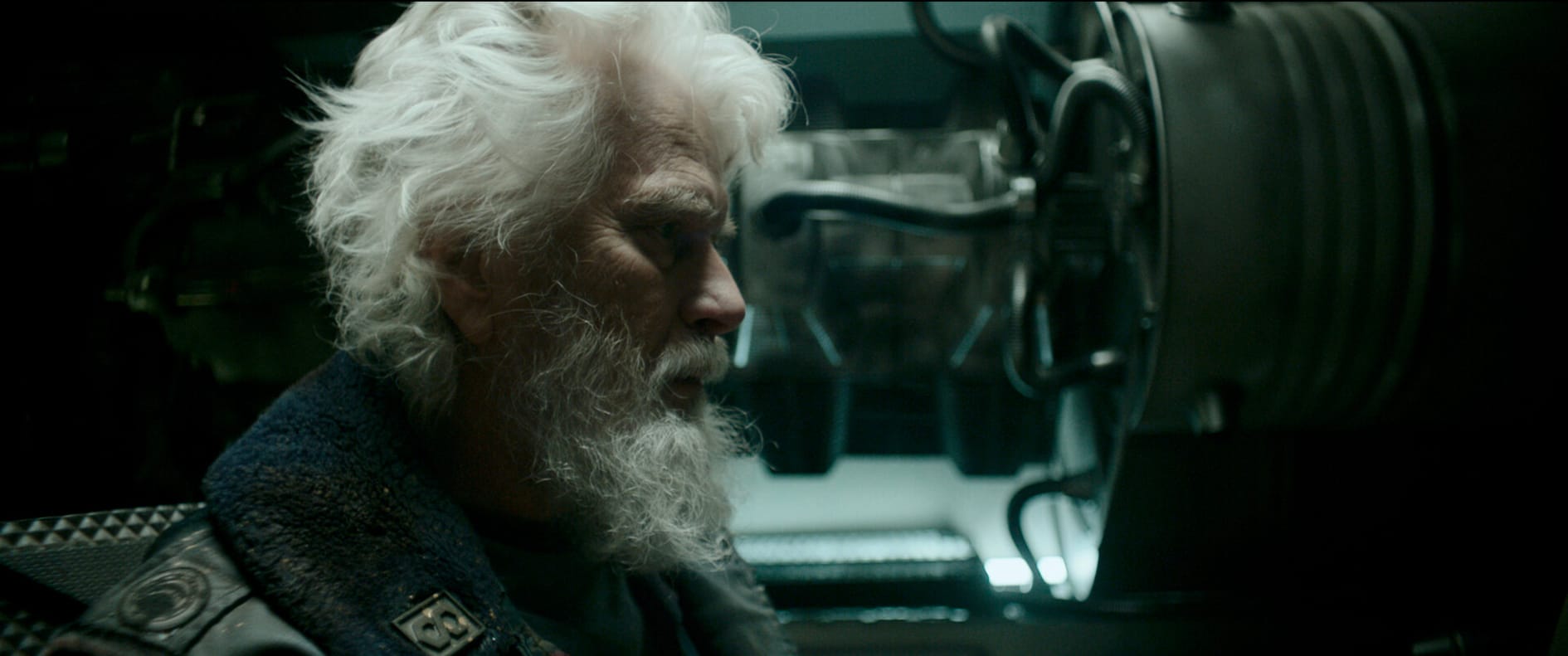
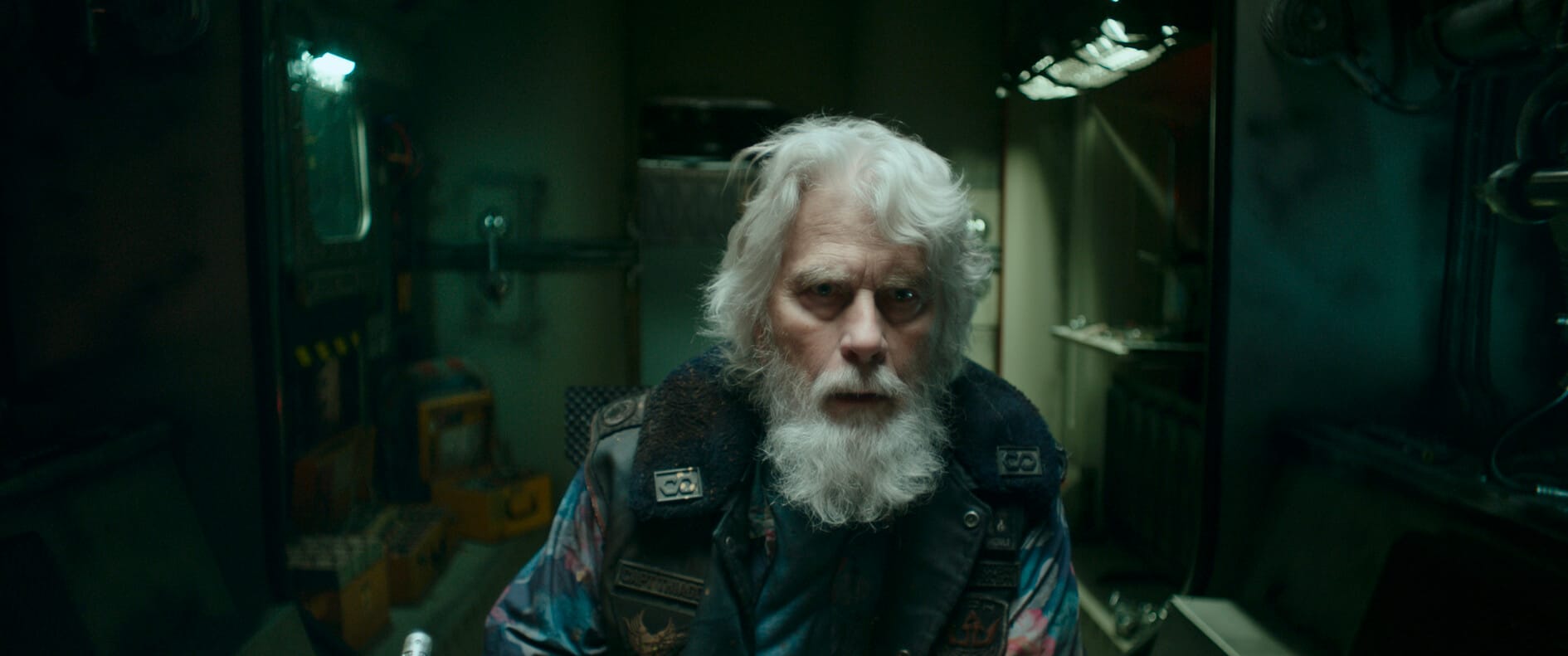
What surprised me most was realizing in the edit that both characters were reflections of me. I’d thought only one represented my perspective, but it became clear they were two sides of the same person. That discovery changed how I saw the film—it then became something much more personal.
“What surprised me most was realizing in the edit that both characters were reflections of me.”
Is there a moment in the film that feels the most you—something only you could have made?
Yes—there’s a moment when one character keeps calling the other “Tee.” A close friend calls me “HT,” and that small detail of the character calling the other Tee carried a personal familiarity I didn’t expect. It’s subtle, but that shorthand between them comes directly from my life and makes the moment feel uniquely mine.
What was the hardest creative decision you made while making this film?
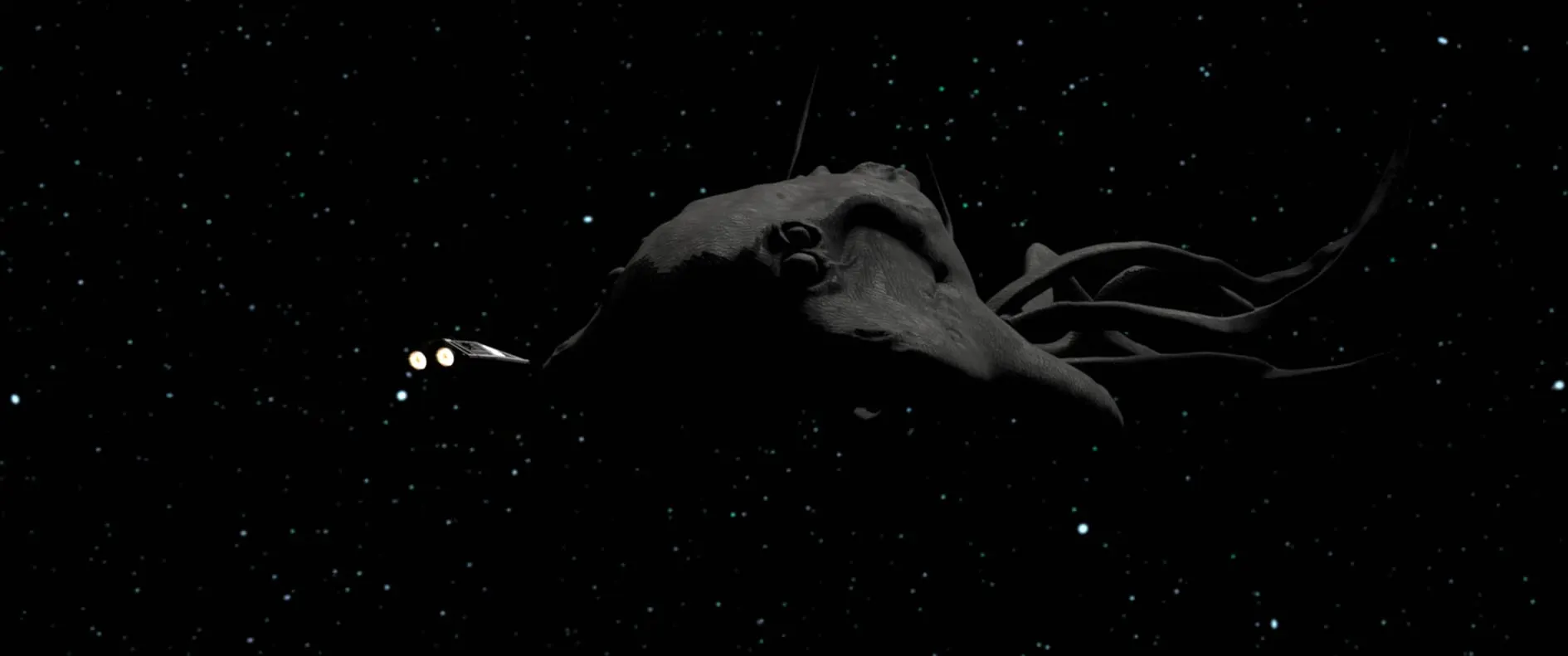
The hardest creative decision was taking on all the VFX myself. I didn’t have the budget, so I spent three weeks teaching myself new software to handle the heavy lifting. I usually do subtle post fixes, not full space and creature effects—this time, it was all on me.
“The hardest creative decision was taking on all the VFX myself.”
What do you hope audiences take away from your film?
I hope audiences take away that life will—and is—passing them by. The real challenge is learning to face that truth in a way you can live with.
How has this film shaped or shifted the kind of stories you want to tell next?
This film pushed me toward a slower, more deliberate style of storytelling. I want to lean further into cinematic pacing and visual emotion—Starfisher was the first real step on that path.
“FilmQuest is my home festival—my community... the right creative family often finds you far from home.”
What’s a tool, technique, or resource that really helped you during production?
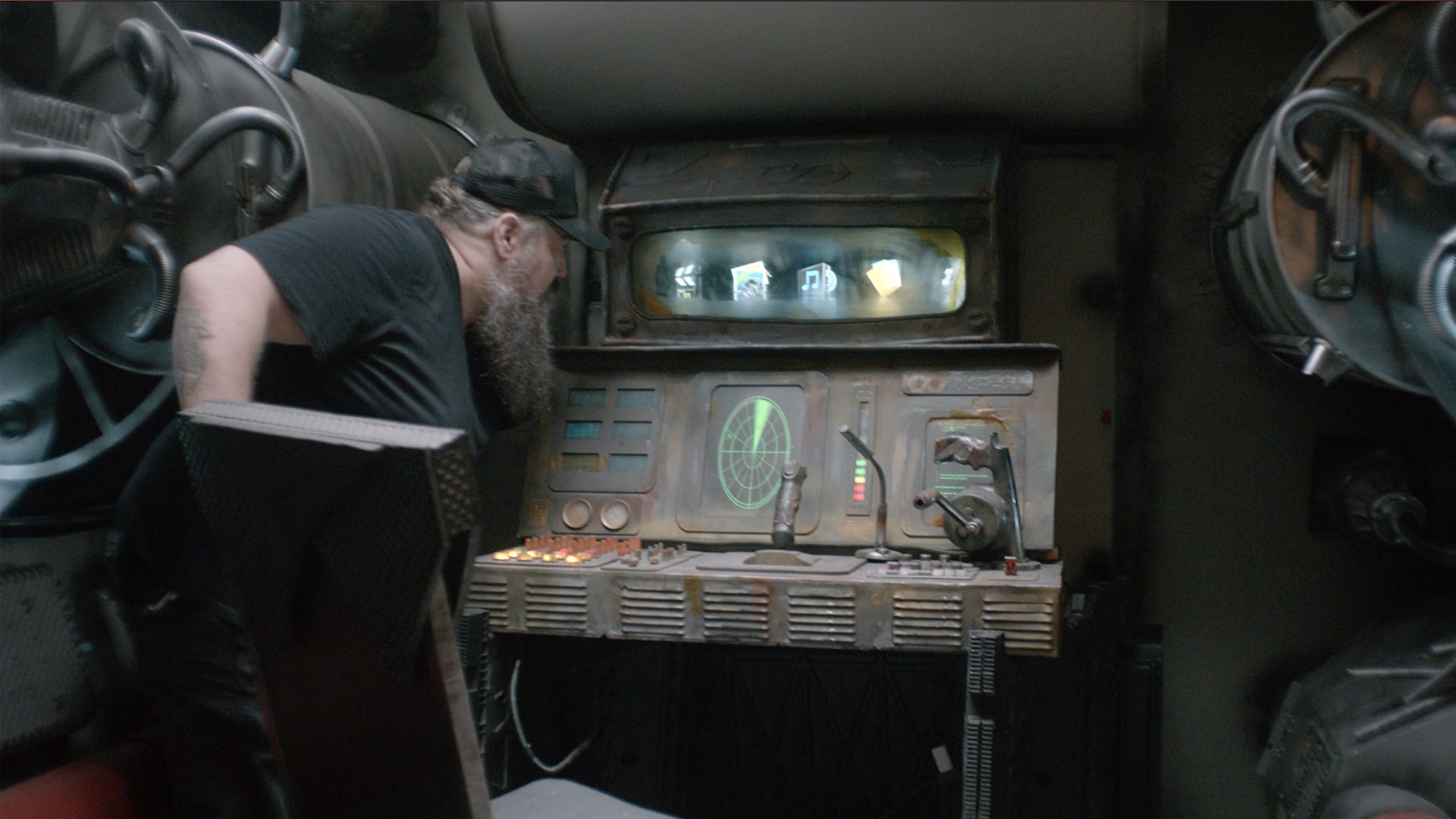
Shooting on a soundstage was a revelation. I’ve always been a DIY, Dogme 95-style guerrilla filmmaker, but I discovered I love the control and focus a stage provides. It shocked me how at home I felt there—I could spend the rest of my life shooting on a soundstage.
Independent filmmakers often rewrite the rules out of necessity. What do you think is the greatest strength of independent filmmaking, and how did you lean into that on this project?
Not to shill my wares, but I wrote a book about this called "The Outsider Filmmaker." It’s not a how-to guide—it’s about mindset and momentum. The greatest strength of independent filmmaking is community: finding like-minded people and moving together. On Starfisher, that collaboration and shared belief were worth more than any piece of gear.
“I discovered I love the control and focus a stage provides. It shocked me how at home I felt there—I could spend the rest of my life shooting on a soundstage.”
What does it mean to you to have your film selected for FilmQuest, one of the world’s top reviewed genre film festivals?
FilmQuest is my home festival—my community. It’s the one fest I’d attend even without a film. Some of my most important collaborators, people I still work with in L.A., I actually met in Utah at FilmQuest. It’s a reminder that the right creative family often finds you far from home.
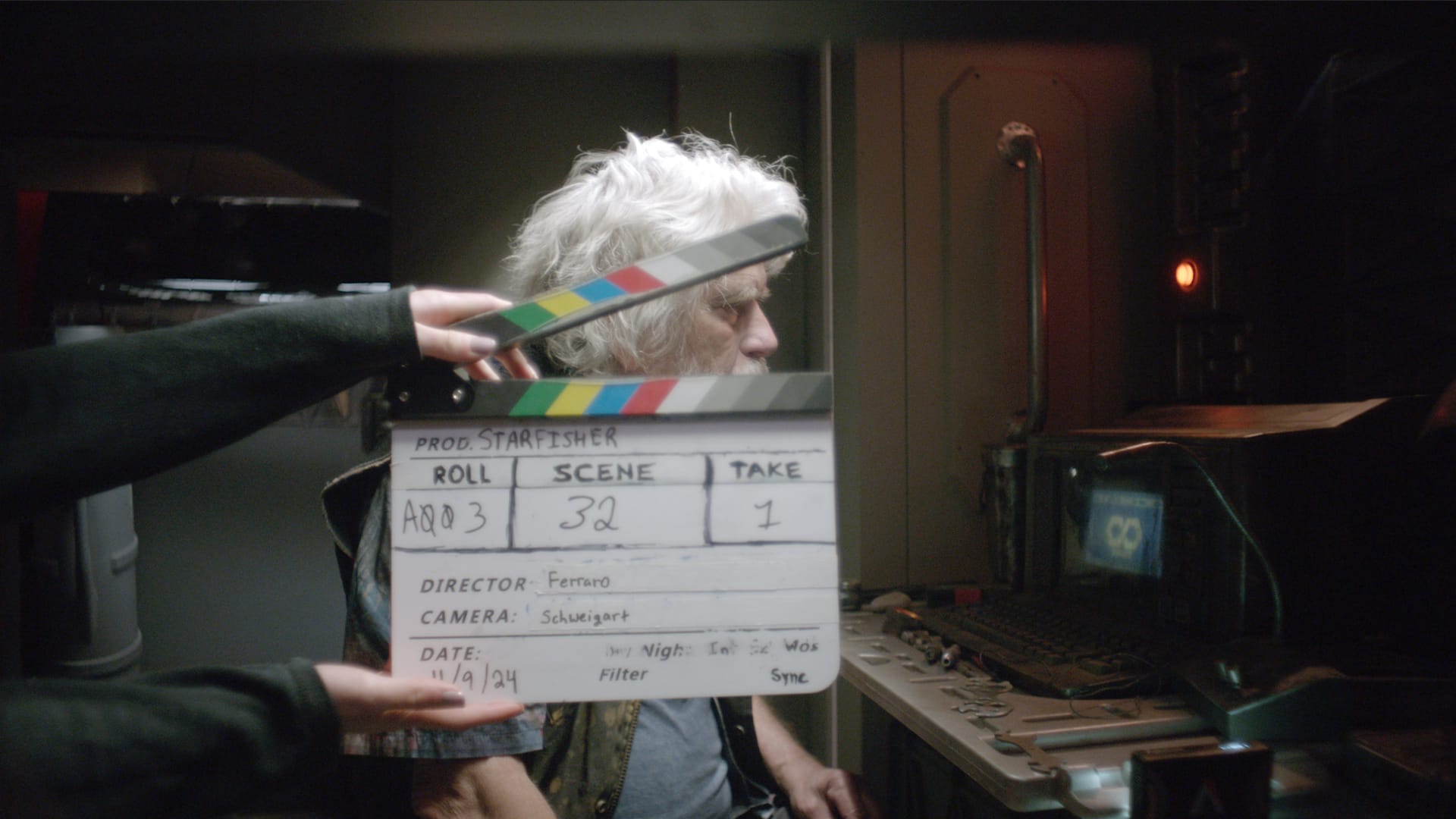
FilmQuest celebrates the majesty and might of genre filmmaking across fantasy, horror, sci-fi, action, thriller, western, kung-fu, and beyond. How does your film fit within—or push the boundaries of—genre storytelling?
I don’t think much about genre while telling a story. When people ask why sci-fi, my answer’s simple—all stories are about adversity, love, or personal journeys. I just prefer to set mine on a spaceship instead of an apartment in New York.
“The greatest strength of independent filmmaking is community: finding like-minded people and moving together.”
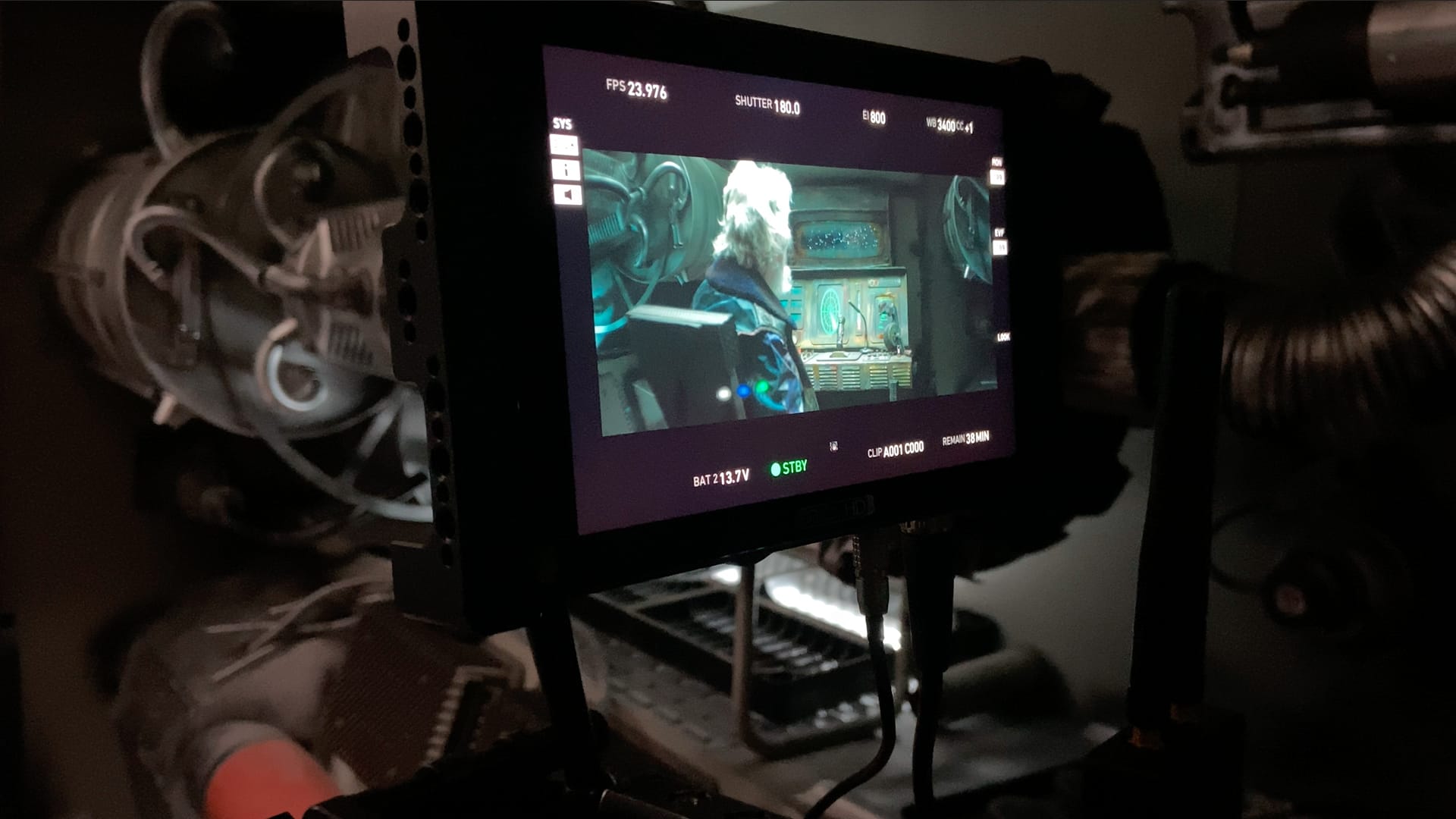
Where do you see this film going next?
I recently signed a distribution deal with the DUST channel, which feels like the perfect home for a sci-fi short. I already have two other films on DUST, so my OCD is very satisfied to now have a proper trilogy of sci-fi shorts living together there.
At the core of all my work is a desire to make people see themselves in my stories.