Table of Contents
Three Key Takeaways
- The Conduit explores grief as a currency within a commodified world, blending emotional depth with retro sci-fi aesthetics.
- Independent filmmaking’s fluid roles and spontaneous creativity shaped the film’s sharp tone and original vision.
- Conor Soucy is committed to expanding his unique fictional world of retro technology in future storytelling, with The Conduit poised for feature adaptation.
Los Angeles-based writer-director-producer Conor Soucy returns with The Conduit, a genre-blending short film selected for the prestigious FilmQuest festival.
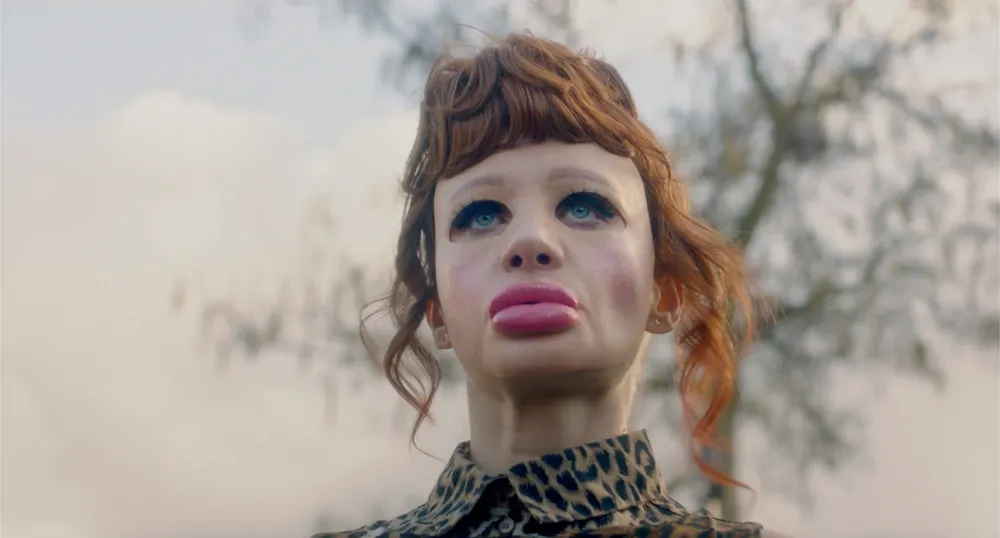
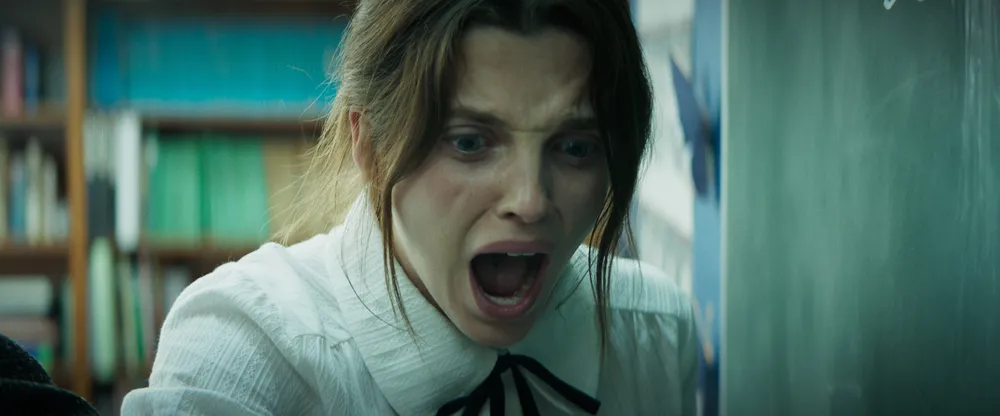
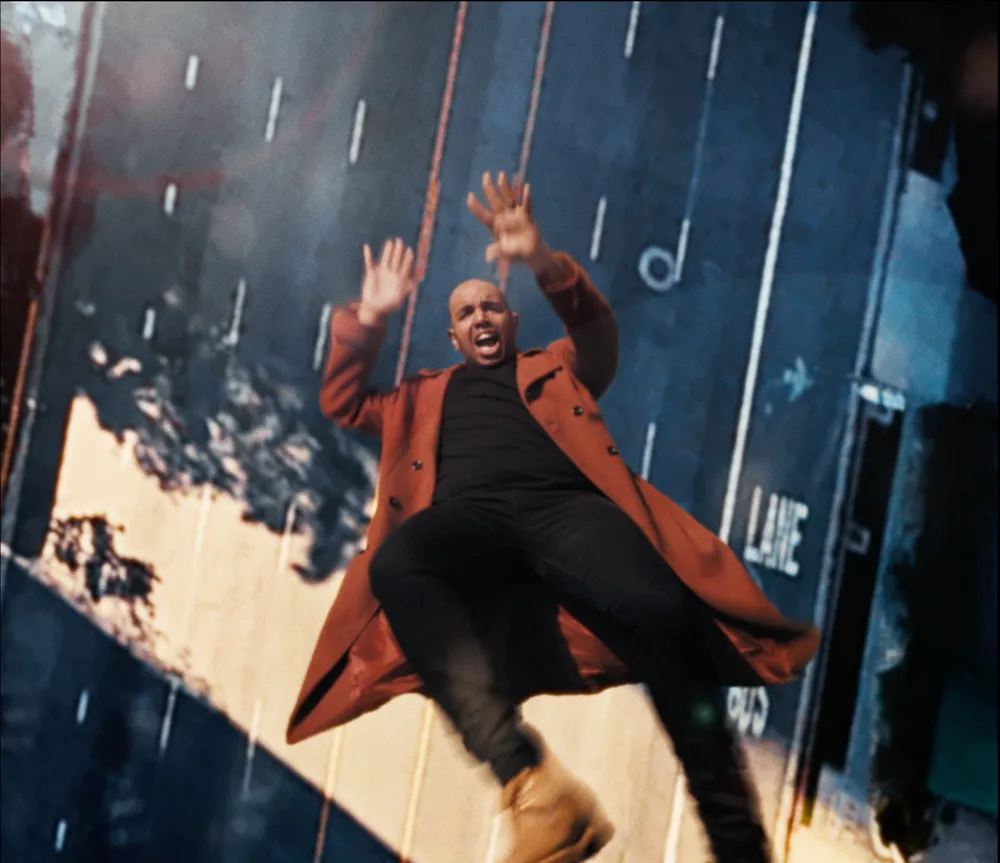
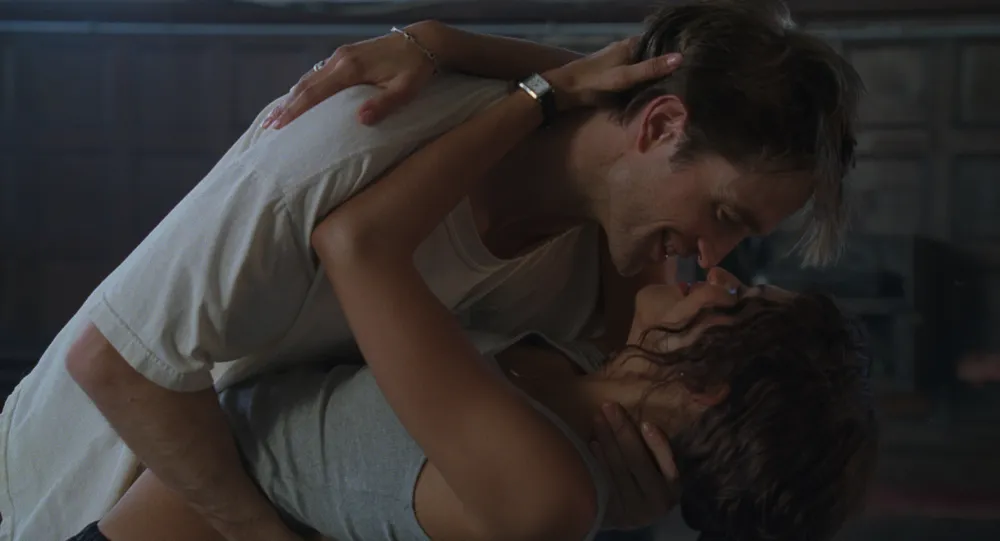
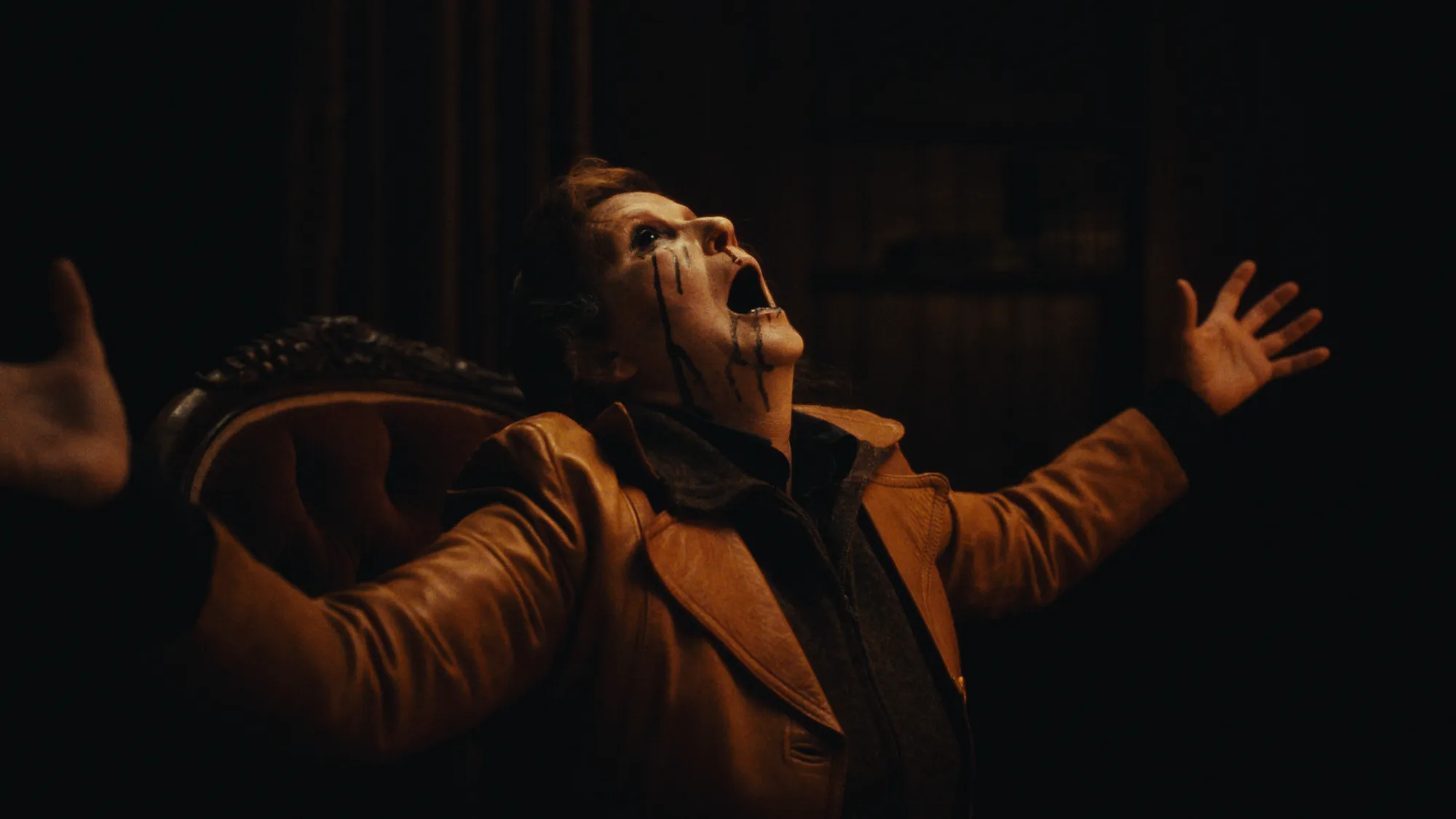
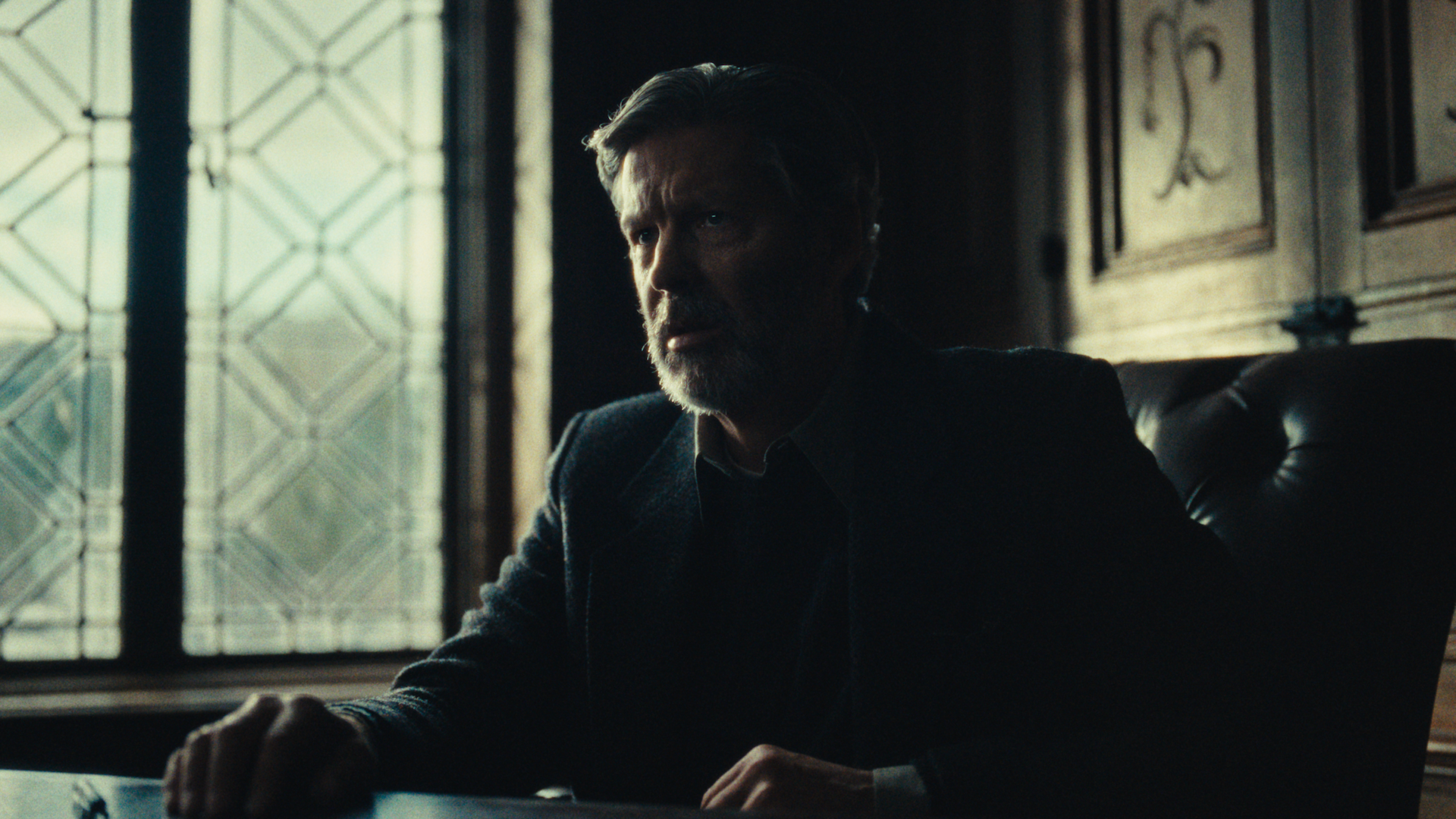
Featuring Ethan Walker as JD, Hester Wilkinson as The Conduit, and Bob Higgins as Julien Proctor, the film delves into the dark intersection of grief, technology, and the supernatural.
Produced by Howlin Hound Pictures, The Conduit marks another step in Soucy’s distinct cinematic world, following his critically acclaimed feature debut Dead Whisper.
What drew you to make this film? Why this story, and why now?
I came up with the idea through the concept of grief as currency, focusing on the financial and business side of communicating with the dead. The idea of communicating openly with loved ones is something I’ve always found interesting. I wanted to make this now, at a time when the world is running the risk of commodifying everything—because not everything being sold is for our benefit.
"Some things shouldn’t be for sale."
What surprised you most about the filmmaking process this time—creatively or logistically? Was there a moment on set or in post that completely changed how you saw the story?
What surprised me most was how closely the finished film matched the tone we imagined from the start. On set, we had to move fast—filming sixteen pages in two days—but that pressure actually sharpened the creative process. One moment that stood out was when we found a taxidermy elk at the location and decided to open the film with it. It wasn’t planned at all, but it completely defined the story’s tone. It reminded me how spontaneous moments can do wonders!
Is there a moment in the film that feels the most you—something only you could have made?
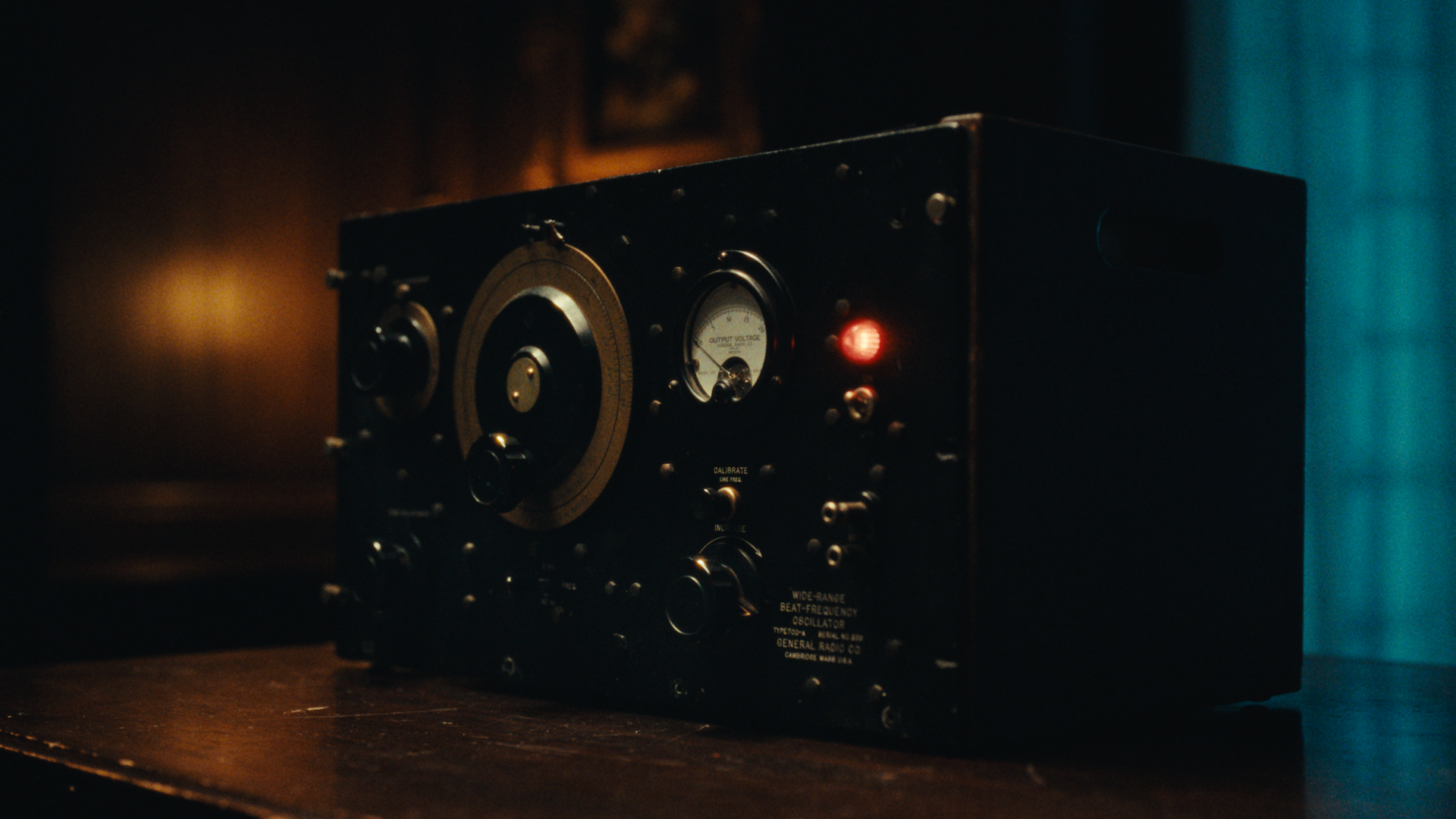
A lot of the film reflects my taste, but I think the machine concept is the most me. The fact that they have to communicate with the dead through a post–World War II oscillator is totally up my retro alley.
What was the hardest creative decision you made while making this film?
We ended up changing the ending and simplifying it significantly due to logistical limitations. At the time it felt like a big deal, but we made it work... and honestly, I think the film is stronger because of it.
What do you hope audiences take away from your film?
Some things shouldn’t be for sale.
"On set, we had to move fast—filming sixteen pages in two days—but that pressure actually sharpened the creative process."
How has this film shaped or shifted the kind of stories you want to tell next?
This is my second film set in its own fictional world of retro technology and machinery. I think it’s made it clear that I want to keep exploring that unique part of my vision—rather than feeling the need to explain or logicalize it all.
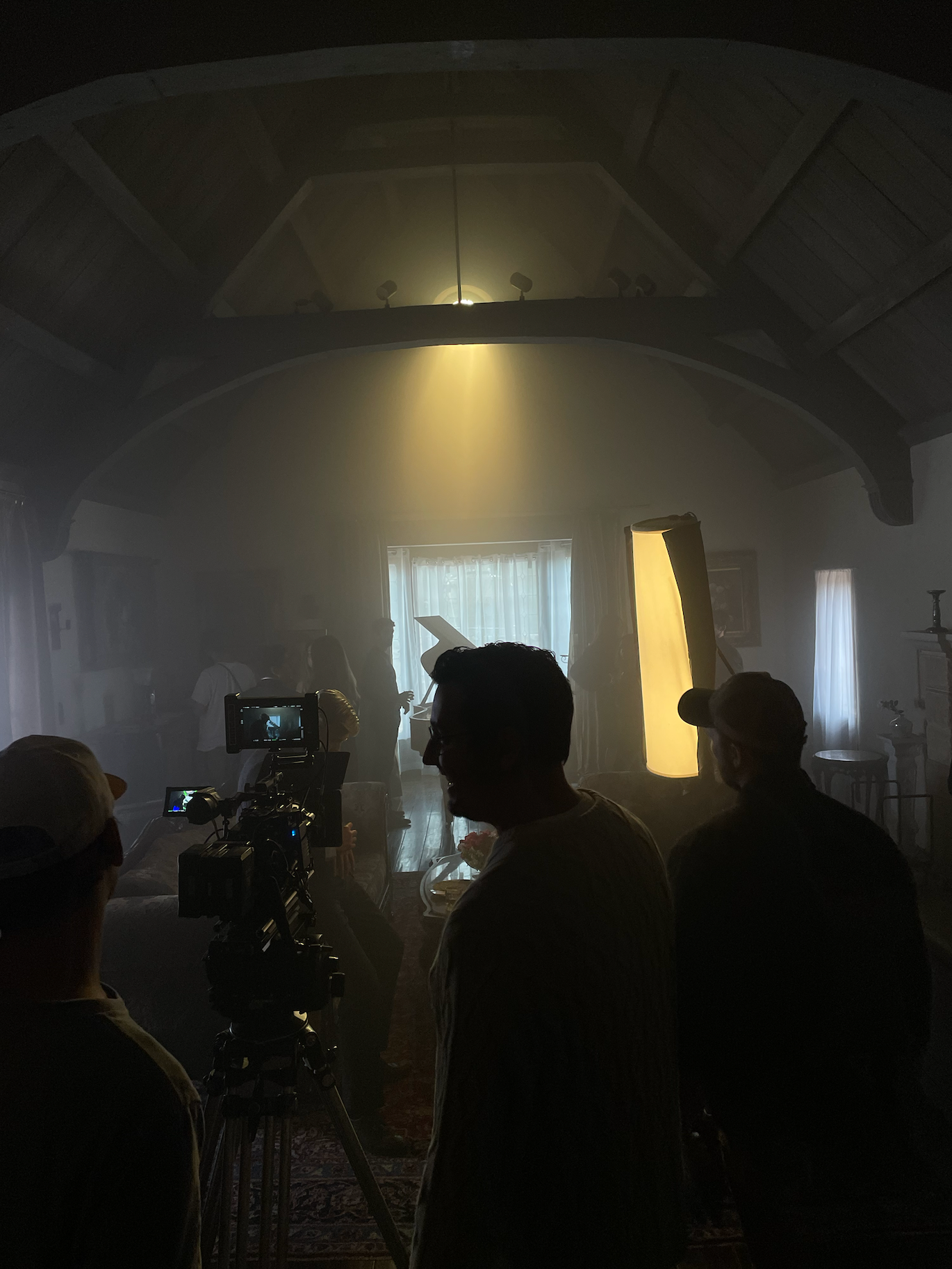
Independent filmmakers often rewrite the rules out of necessity. What do you think is the greatest strength of independent filmmaking, and how did you lean into that on this project? Is there a lesson or breakthrough you’d share with others navigating this path?
I think roles in filmmaking are being redefined. I’ve worked on so many sets where everyone’s expected to “stay in their line,” which makes sense in some scenarios—but this is independent filmmaking. The director and DP might also be producing, or the producer might be helping with production design. Roles can interchange. If you build a workflow that makes sense and leans into everyone’s sensibilities, who cares what the old rules and roles were?
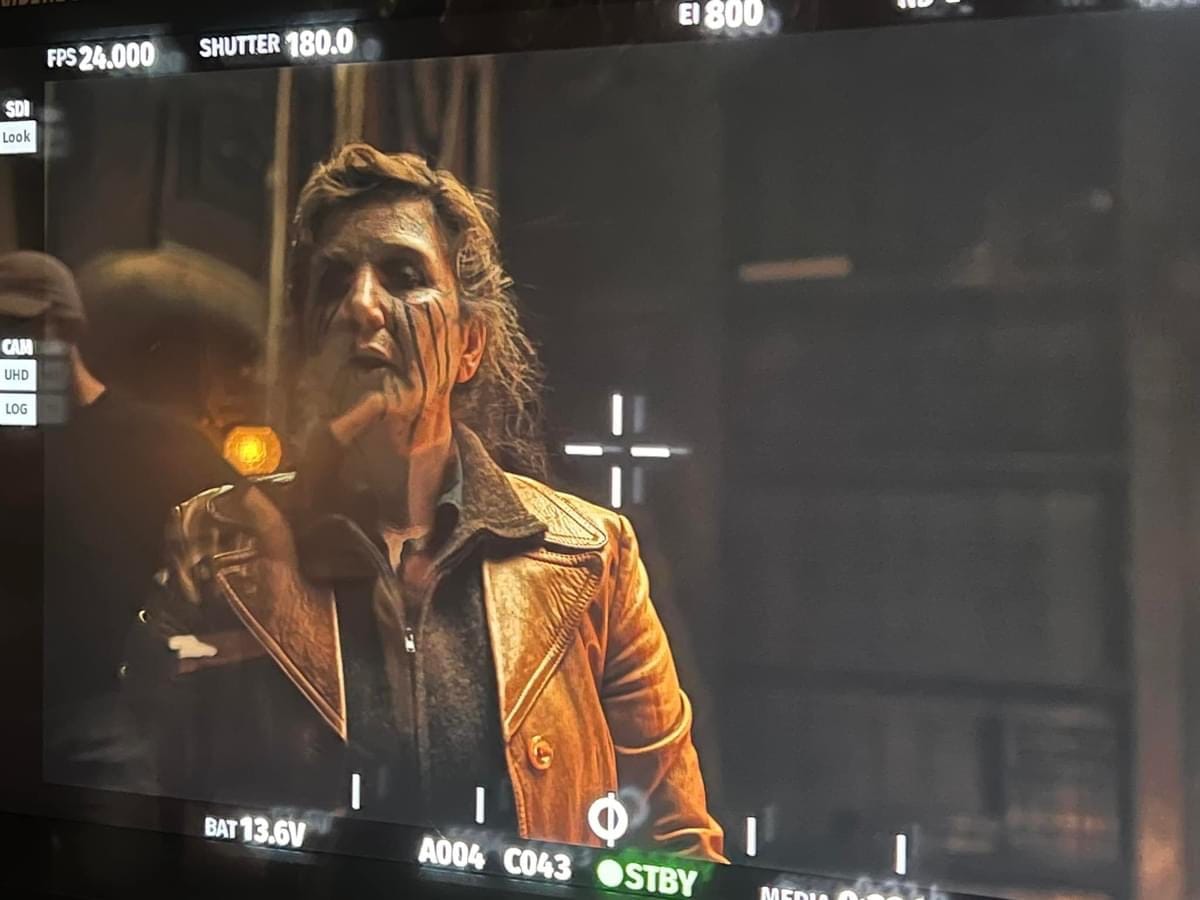
What does it mean to you to have your film selected for FilmQuest, one of the world’s top reviewed genre film festivals?
It means a lot. FilmQuest is one of the best genre festivals out there, and to have The Conduit included alongside so many great films and filmmakers is incredibly rewarding.
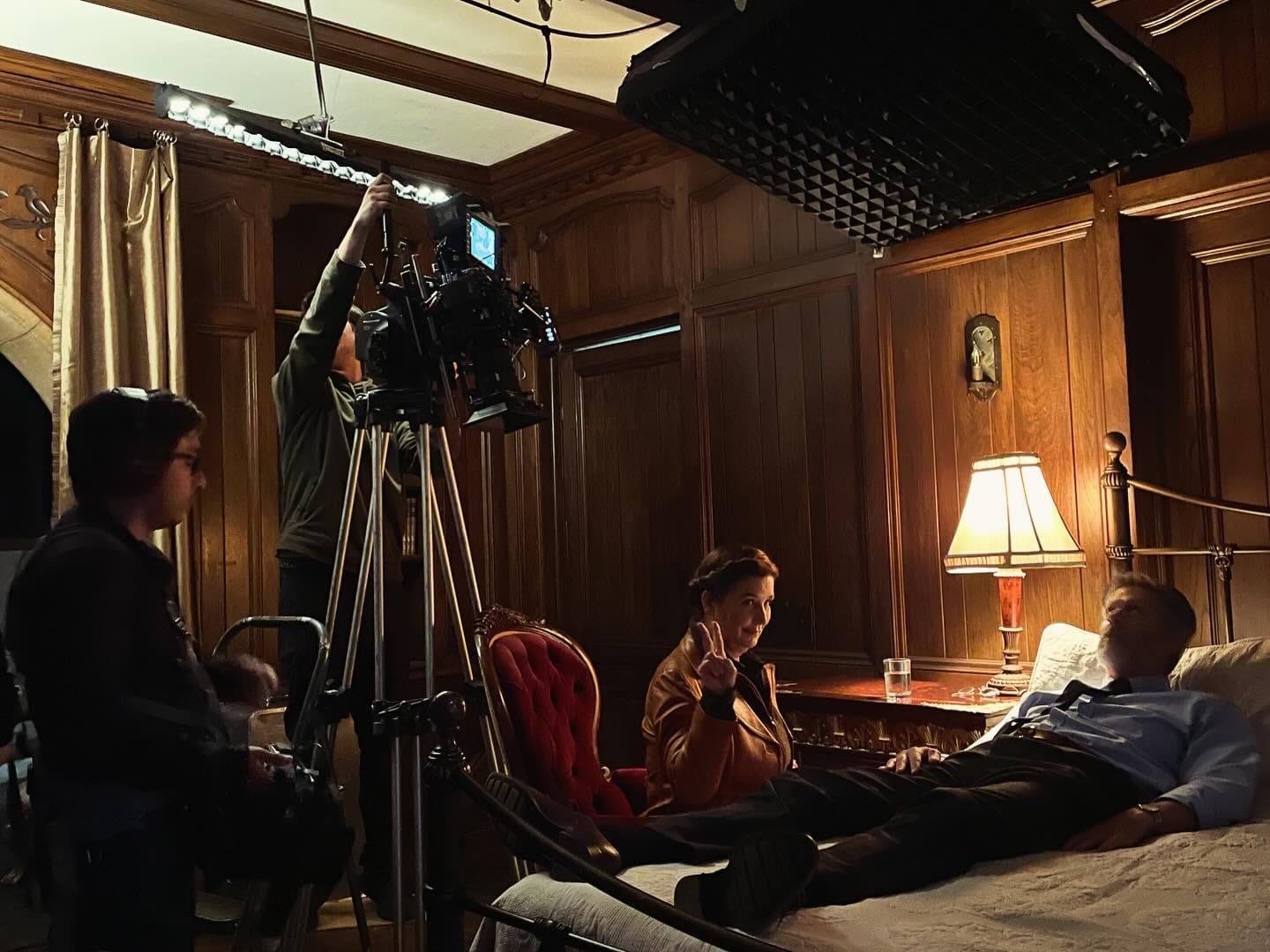
FilmQuest celebrates the majesty and might of genre filmmaking across fantasy, horror, sci-fi, action, thriller, western, kung-fu, and beyond. How does your film fit within—or push the boundaries of—genre storytelling?
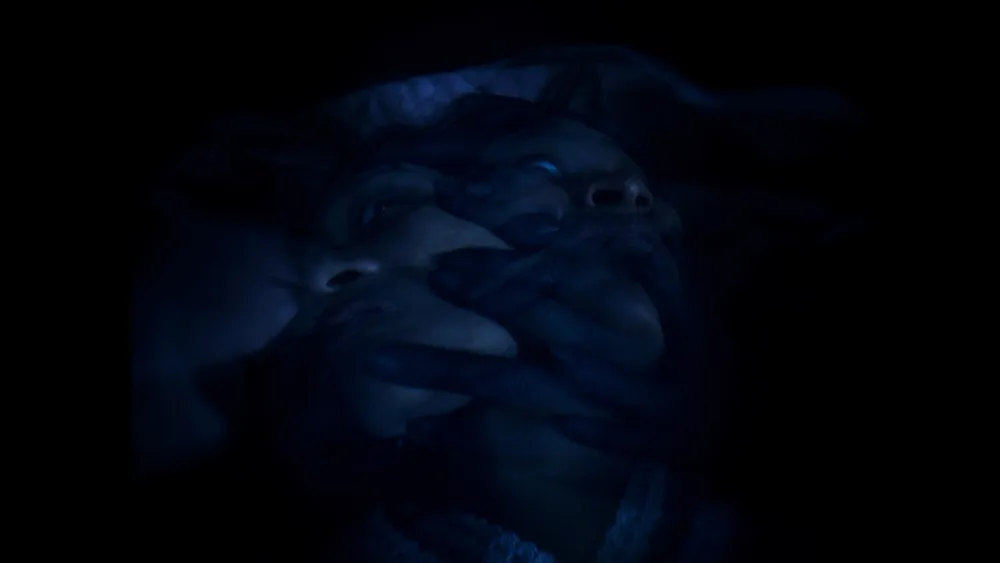
There are so many story structures that audiences keep coming back to. With The Conduit, our team wanted to make something familiar but completely original in its own right—a séance movie in one sense, but also a technological one with its own rules and systems. I love the idea of returning to familiar genre spaces and then spinning the way those spaces function.
"The fact that they have to communicate with the dead through a post–World War II oscillator is totally up my retro alley."
Where do you see this film going next?
The Conduit is developed to be a feature, which I’m really excited about. The script is finished, and we’re currently shopping it around.
“At the core of all my work is a desire to collaborate."
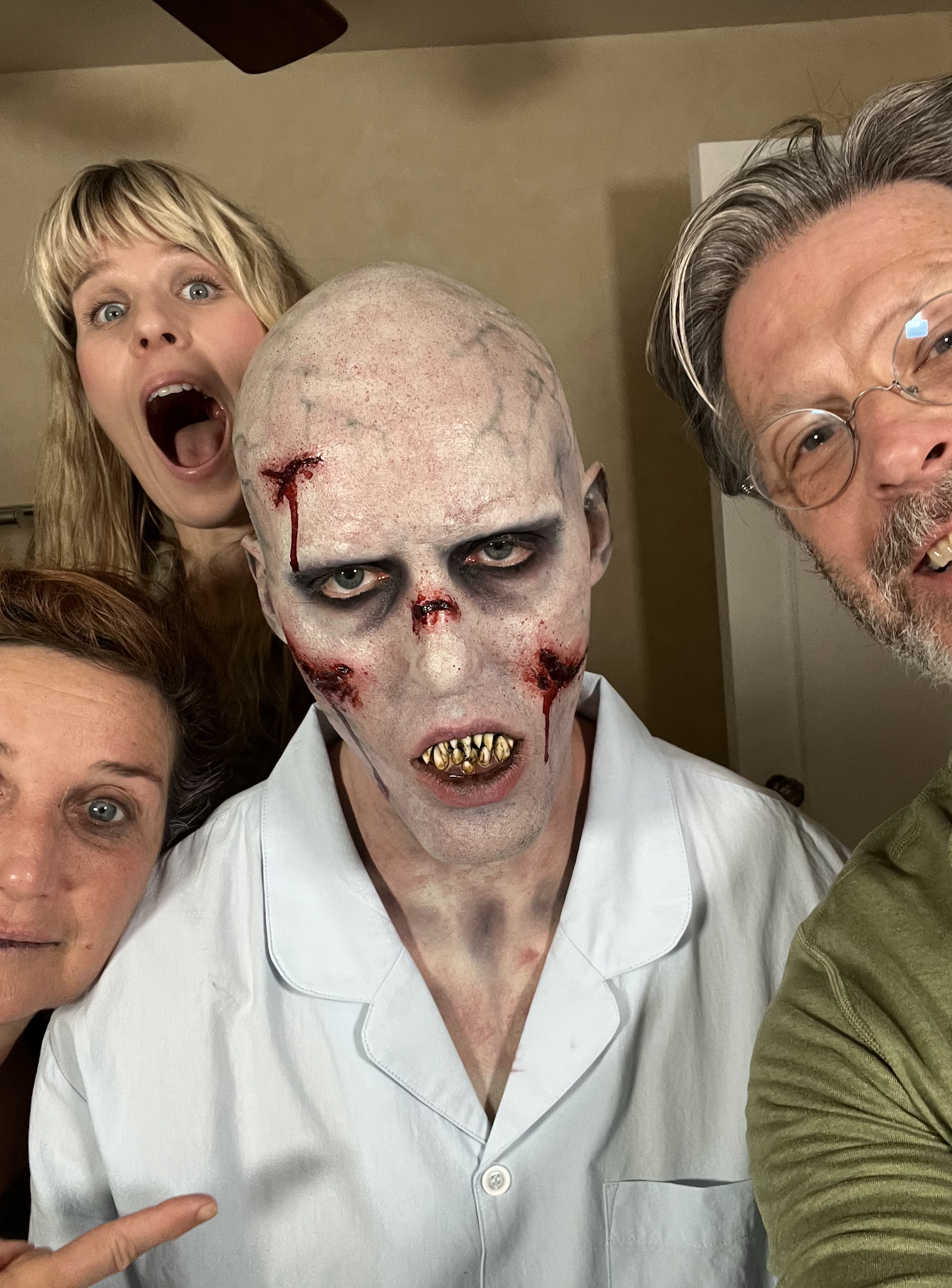
Cast & Crew
Written by Conor Soucy & Zack Kampf
Produced by Howlin Hound Pictures
For more on The Conduit, visit their IMDb page.