Table of Contents
Three Key Takeaways
- Sam Shapson’s The King in Yellow is a daring contemporary adaptation of Robert W. Chambers’s 1895 stories, exploring the theme of dangerous knowledge and its psychological consequences.
- The film embodies cosmic horror’s essence by inspiring terror through the unseen and unknown, culminating in a standout performance by Haley Baird that blends terror with euphoric surrender.
- Independent filmmaking’s strength lies in collaboration and versatility, demonstrated by Shapson’s multiple roles and close partnership with co-writer and producer Elena Malashenko.
Sam Shapson, a multifaceted filmmaker currently pursuing his MFA at USC’s Peter Stark Producing Program, brings his directorial, writing, and cinematographic talents together in The King in Yellow, a modern cosmic horror adaptation selected for the prestigious FilmQuest festival.
Co-written and produced alongside Elena Malashenko, the film stars Michael Budd, Haley Baird, and Alex Reynoso, and offers a fresh, cerebral take on a classic horror mythos.
Shapson’s previous work has earned international festival attention, and his latest project continues his exploration of unsettling narratives.
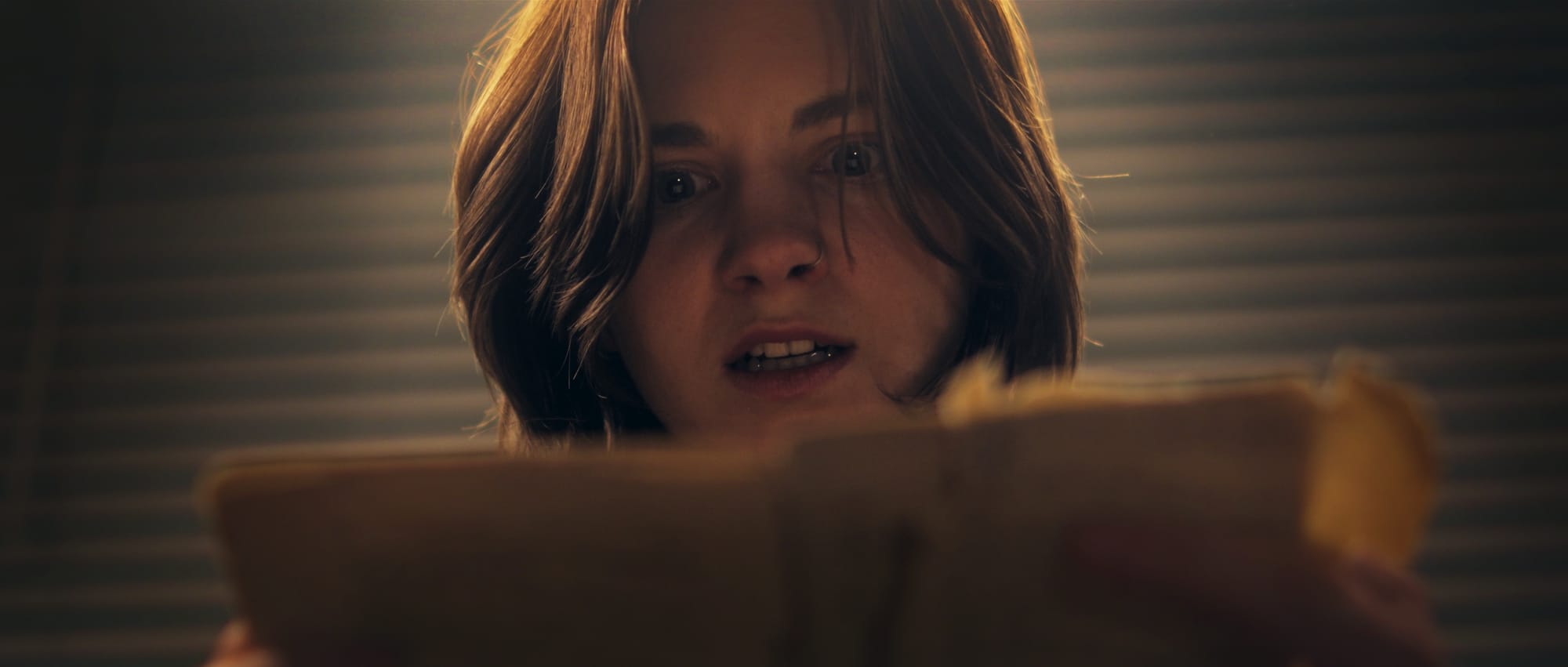
What drew you to make this film? Why this story, and why now?
I'm fascinated by stories about dangerous knowledge. The idea that to hold the wrong combination of thoughts in your mind—or consume the wrong work art—could permanently alter you. Today, we all sort of recognize media and technology as possessing this almost predatory power. It can bring us together and open our hearts at the same time as it pulls and shreds the fabric society. As it undermines our shared sense of reality.
I also love how works of art can inspire each other, like how R.W. Chambers original short stories from 1895 would go on to inspire H.P. Lovecraft. Elena and I wanted to try something super ambitious in the realm of cosmic horror, and we felt like we'd never seen anyone properly adapt the feeling and experience of reading The King in Yellow to film. So we decided why not give it a try, offering our own take on adapting various little elements from the different stories into a tight contemporary adaptation. It was really just a challenge to ourselves to see how close we could get to pulling off something that's honestly just impossible to ever adapt properly.
Is there a moment in the film that feels the most you—something only you could have made?
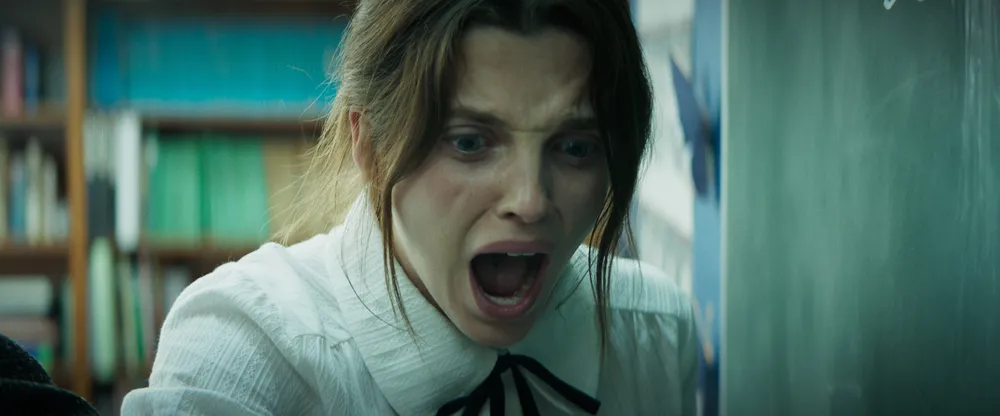
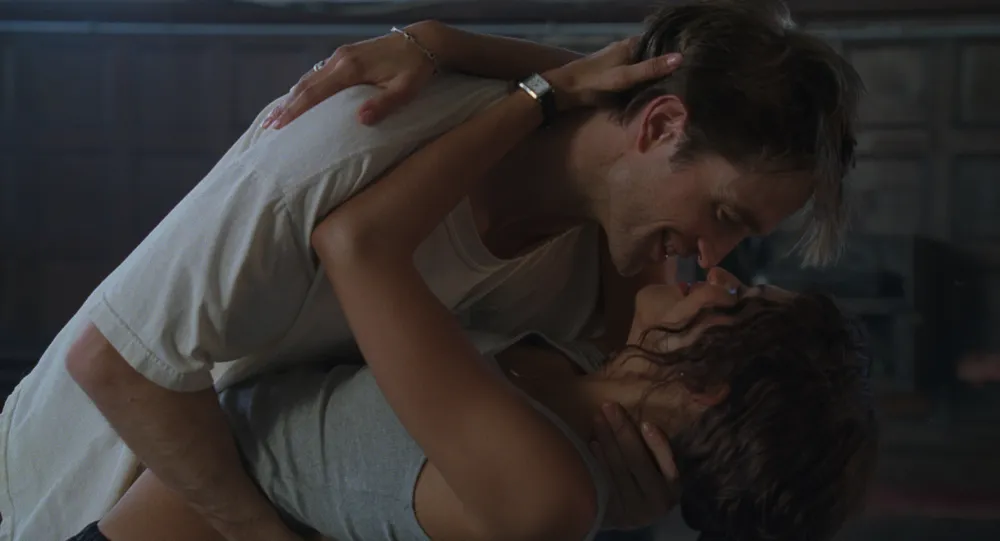
I still can’t get over the performance Haley gave in the final moments of the film. The way she swung her performance so wildly from abject terror all the way to euphoric surrender to the incomprehensible. And that everything that came before in the entire film leads up to that very singular cerebral moment that everyone seems to understand without words. It’s definitely my proudest achievement as a filmmaker to date, and felt the like first time I tapped into the level of high concept visceral storytelling I’ve spent two decades trying to achieve.
"The idea that to hold the wrong combination of thoughts in your mind—or consume the wrong work art—could permanently alter you."
What was the hardest creative decision you made while making this film?
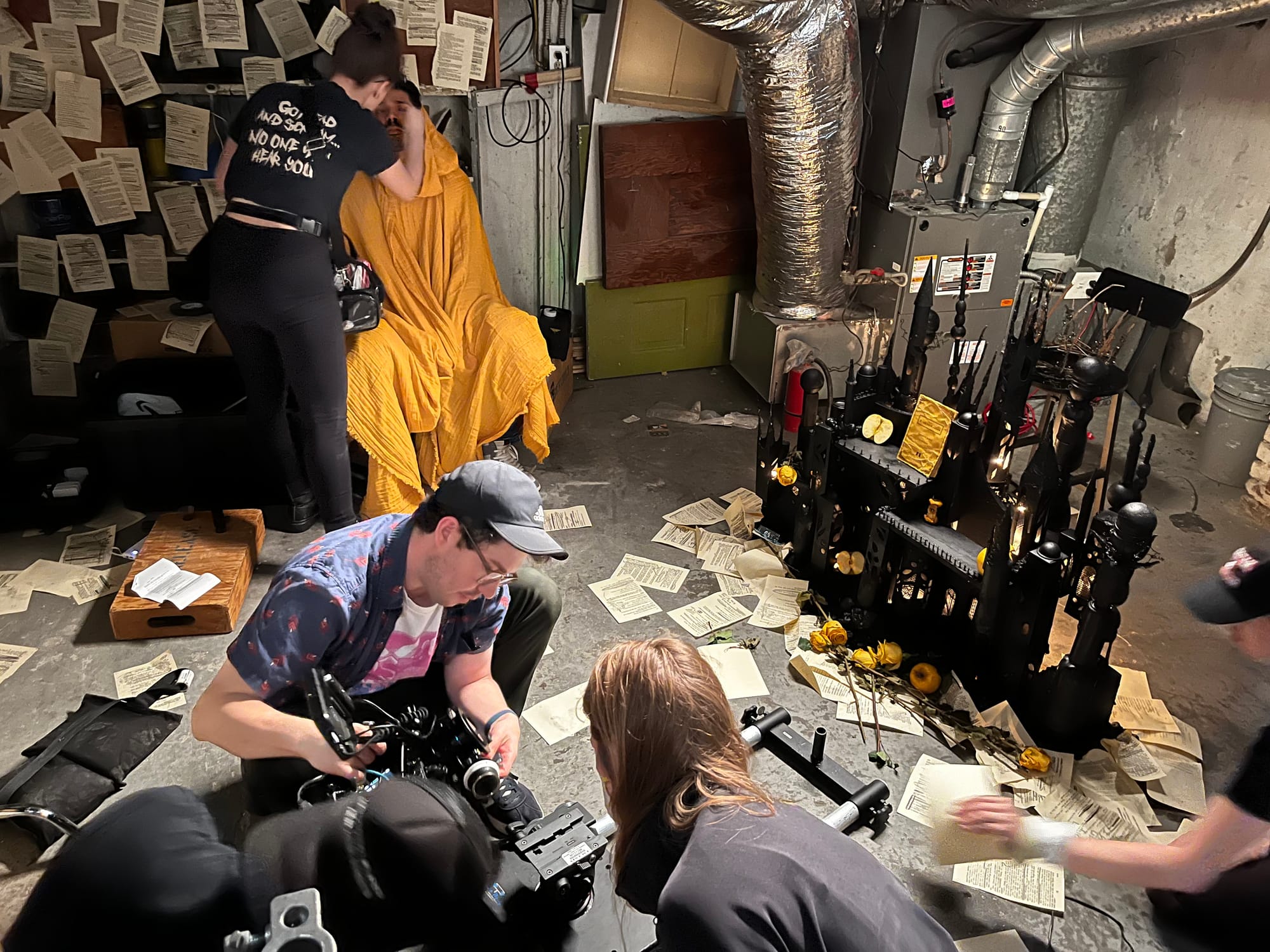
Our last day in the basement, we were very behind so I had to choose between compromising on the finale on the stairs or severely limiting my coverage of Howard’s shrine. I chose to protect the stairs, and even though I’ll always wish I had been able to capture the shrine better, I think we managed to strike the right balance.
What do you hope audiences take away from your film?
Terror and joy.
"I still can’t get over the performance Haley gave in the final moments of the film."
How has this film shaped or shifted the kind of stories you want to tell next?
I think it helped solidify my interest in stories about forbidden knowledge and dangerous media. This sort of space, which certainly includes cosmic horror, feels like an exciting playground I can keep playing in for years to come.
What’s a tool, technique, or resource that really helped you during production?
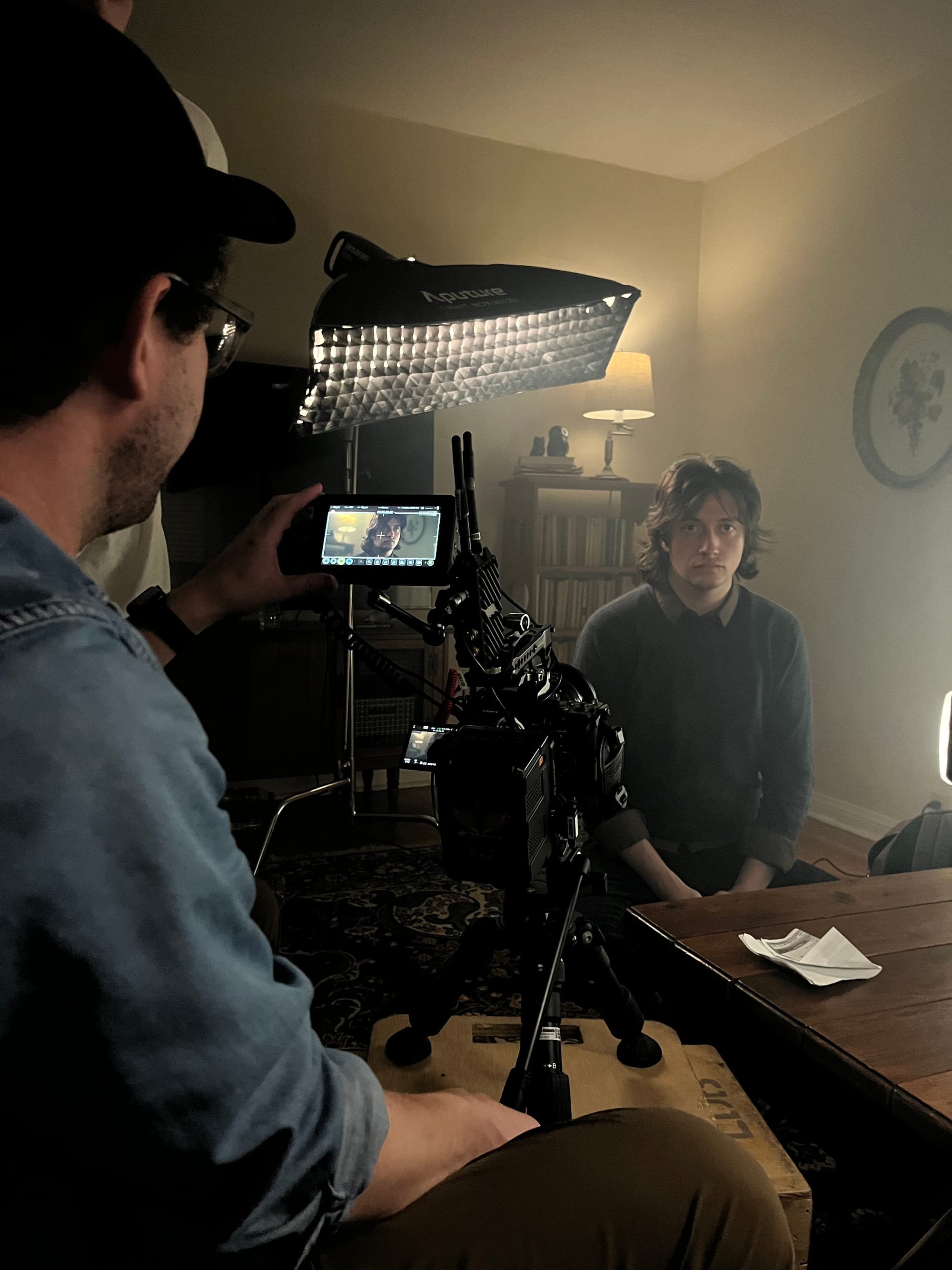
There's really no way this film could've happened without Elena Malashenko, my co-writer and producer. Attempting a project of this cerebral ambition, even at the conceptual level, was only possible because both of us trusted each other to keep pushing it to be better and better.
"No matter how much you have on your plate, you still need a team of collaborators to elevate the project and bring new ideas to the table even when you think you have it all figured out."
Independent filmmakers often rewrite the rules out of necessity. What do you think is the greatest strength of independent filmmaking, and how did you lean into that on this project? Is there a lesson or breakthrough you’d share with others navigating this path?
When you're making films before your career as a director has taken off, you can’t just be one thing anymore. You kinda have to be ready and willing to wear way too many hats. But at the same time, no matter how much you have on your plate, you still need a team of collaborators to elevate the project and bring new ideas to the table even when you think you have it all figured out. In fact, it’s precisely when you think you have it all figured out that you should start to get worried. What else am I missing? Does someone else have a better idea?
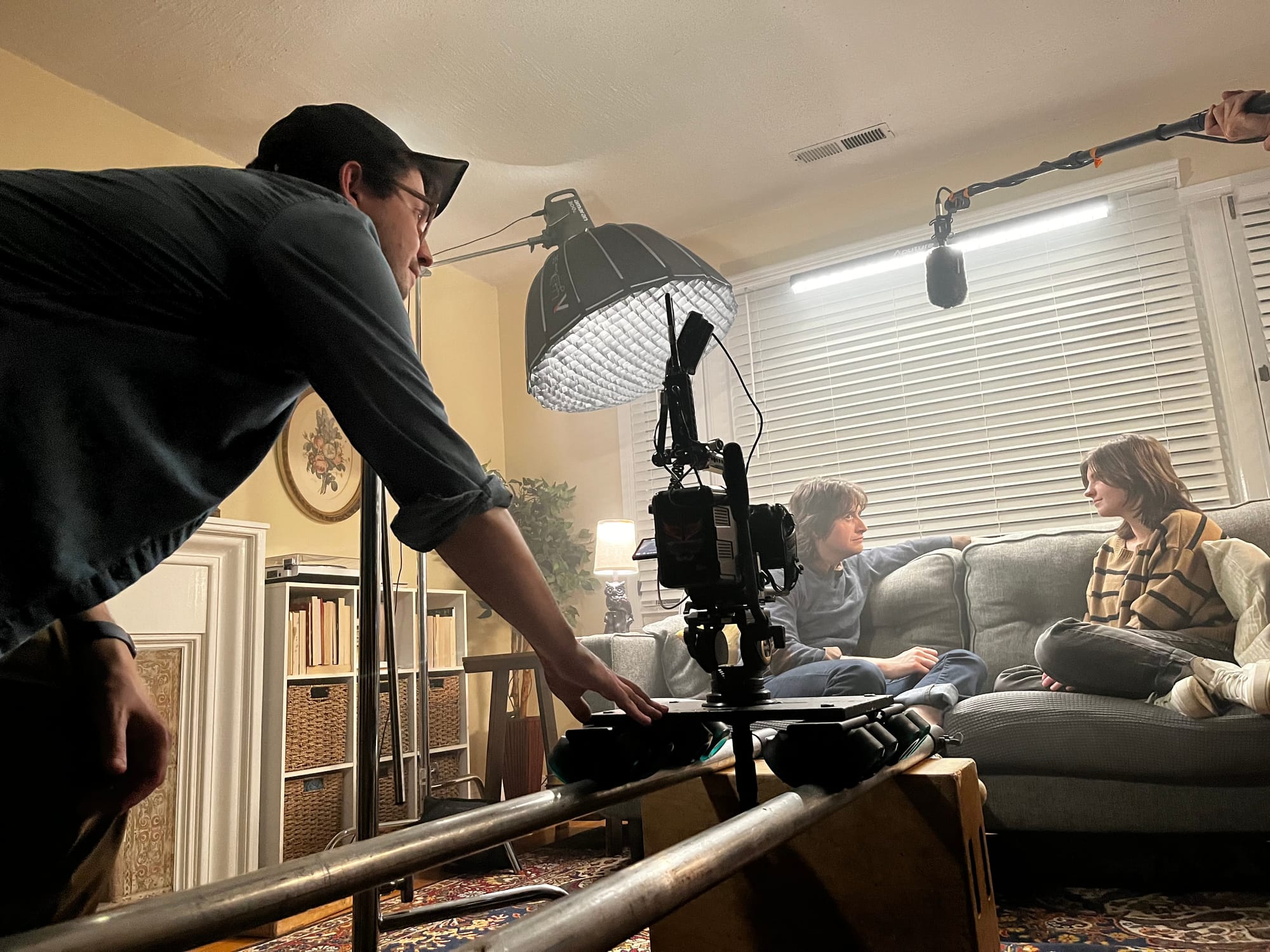
What does it mean to you to have your film selected for FilmQuest, one of the world’s top reviewed genre film festivals?
Getting into FilmQuest is such an incredible honor, and I can’t wait to check out everyone else’s exciting work!
FilmQuest celebrates the majesty and might of genre filmmaking across fantasy, horror, sci-fi, action, thriller, western, kung-fu, and beyond. How does your film fit within—or push the boundaries of—genre storytelling?
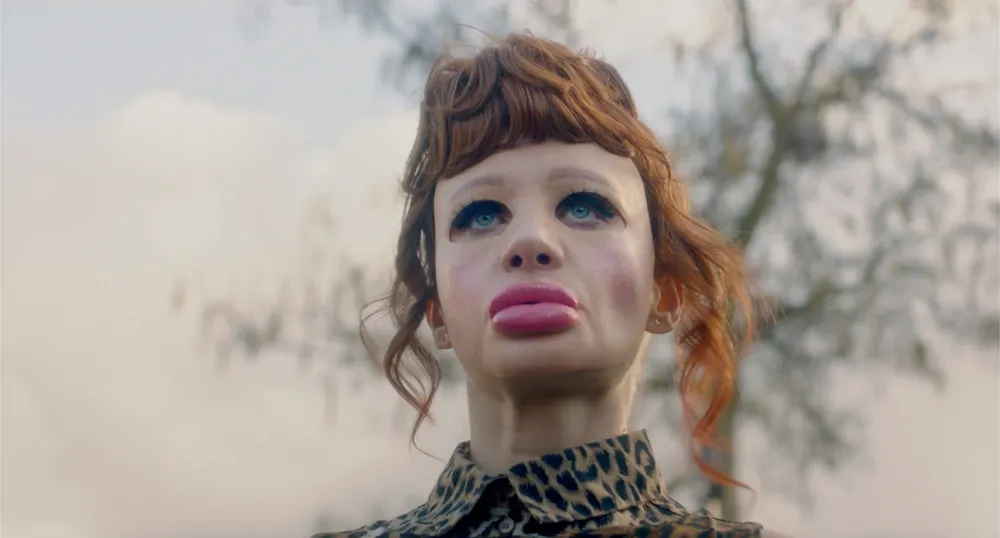
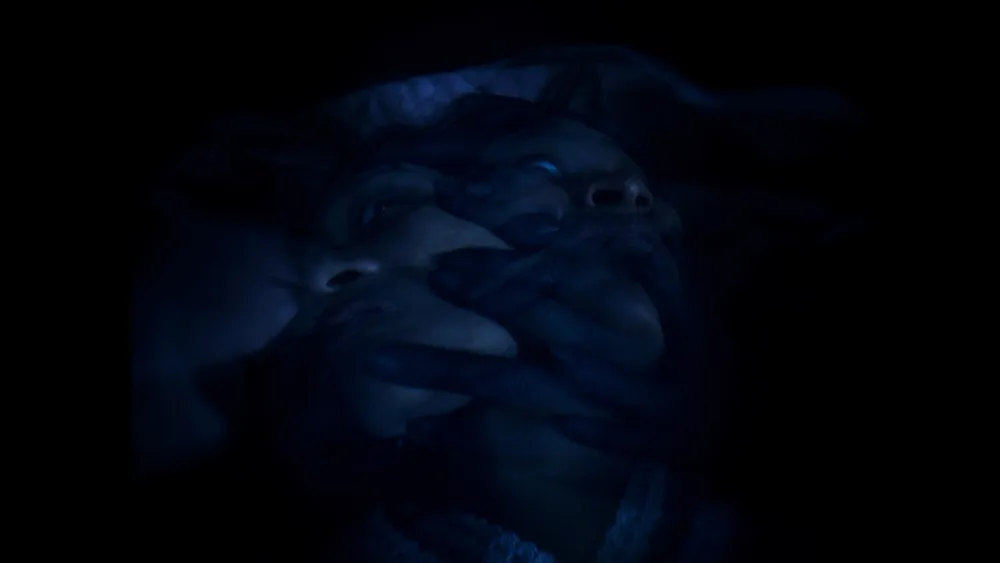
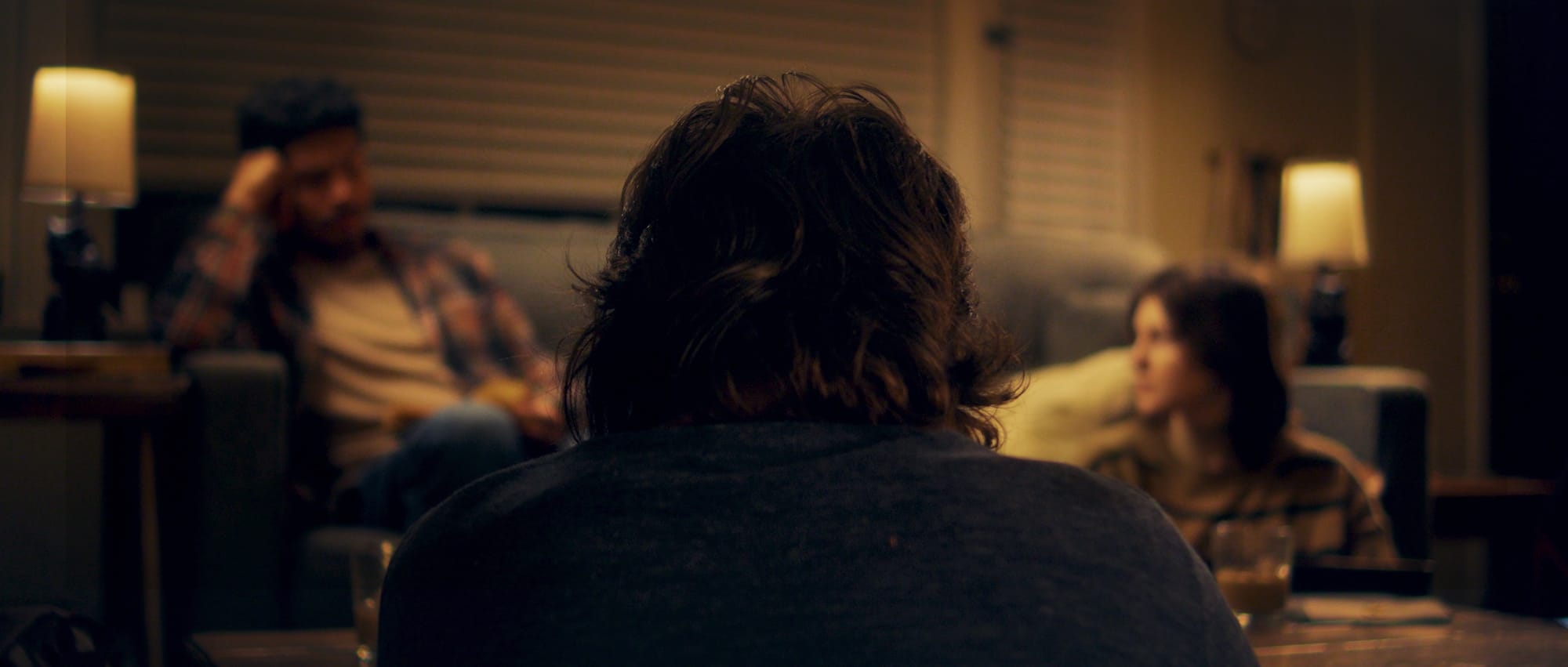
We were really committed to trying to tell a cosmic horror story that embraces what we feel is the most important essence of the genre. Inspiring the incomprehensible while showing almost nothing.
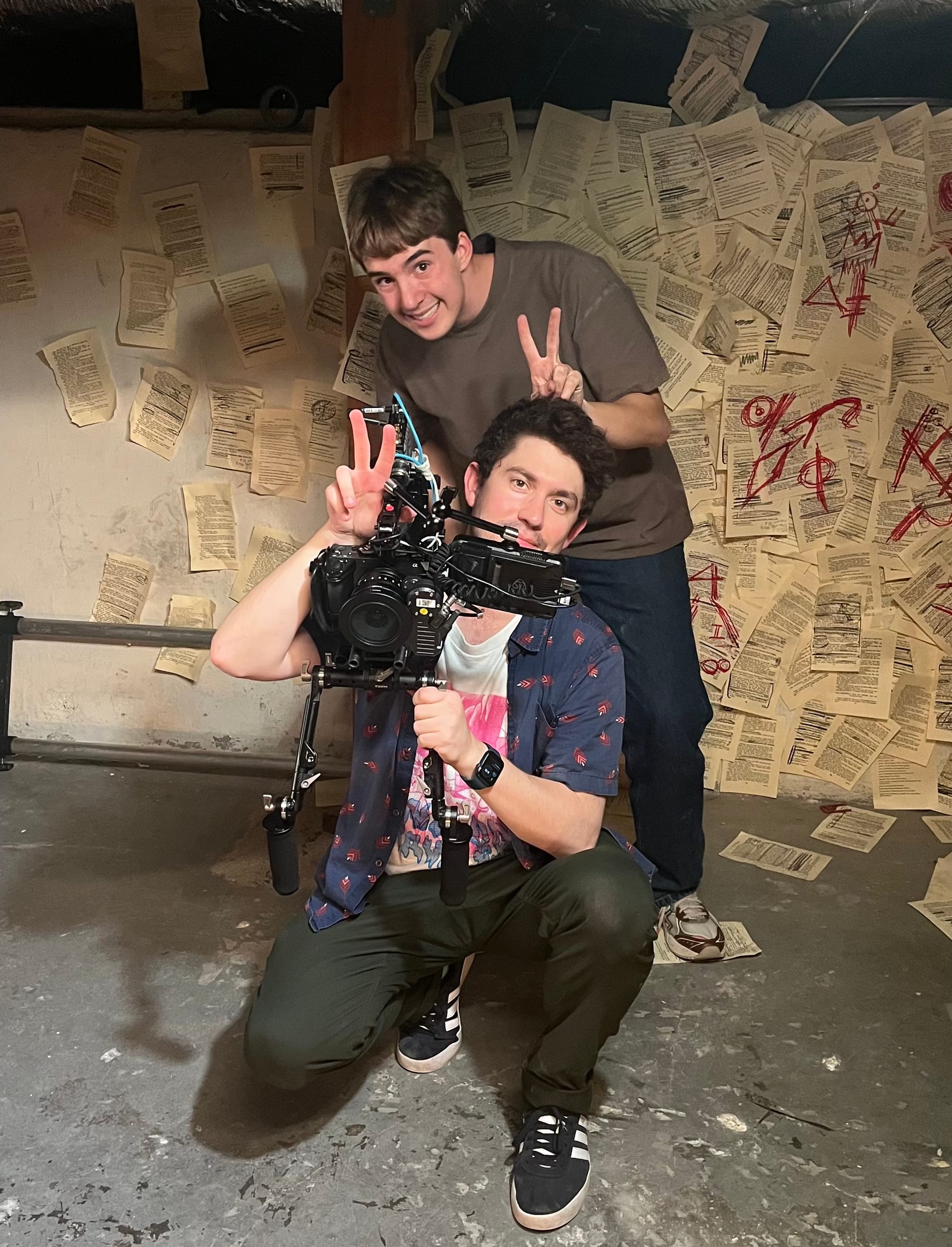
Where do you see this film going next?
We've been really lucky to have a strong festival run this month, including Screamfest LA, the HP Lovecraft Festival in Portland, Nightmares in Ohio, and Brooklyn Horror Festival.
“At the core of all my work is we desire to convey experiences and ideas that feel both terrifying and exhilarating."
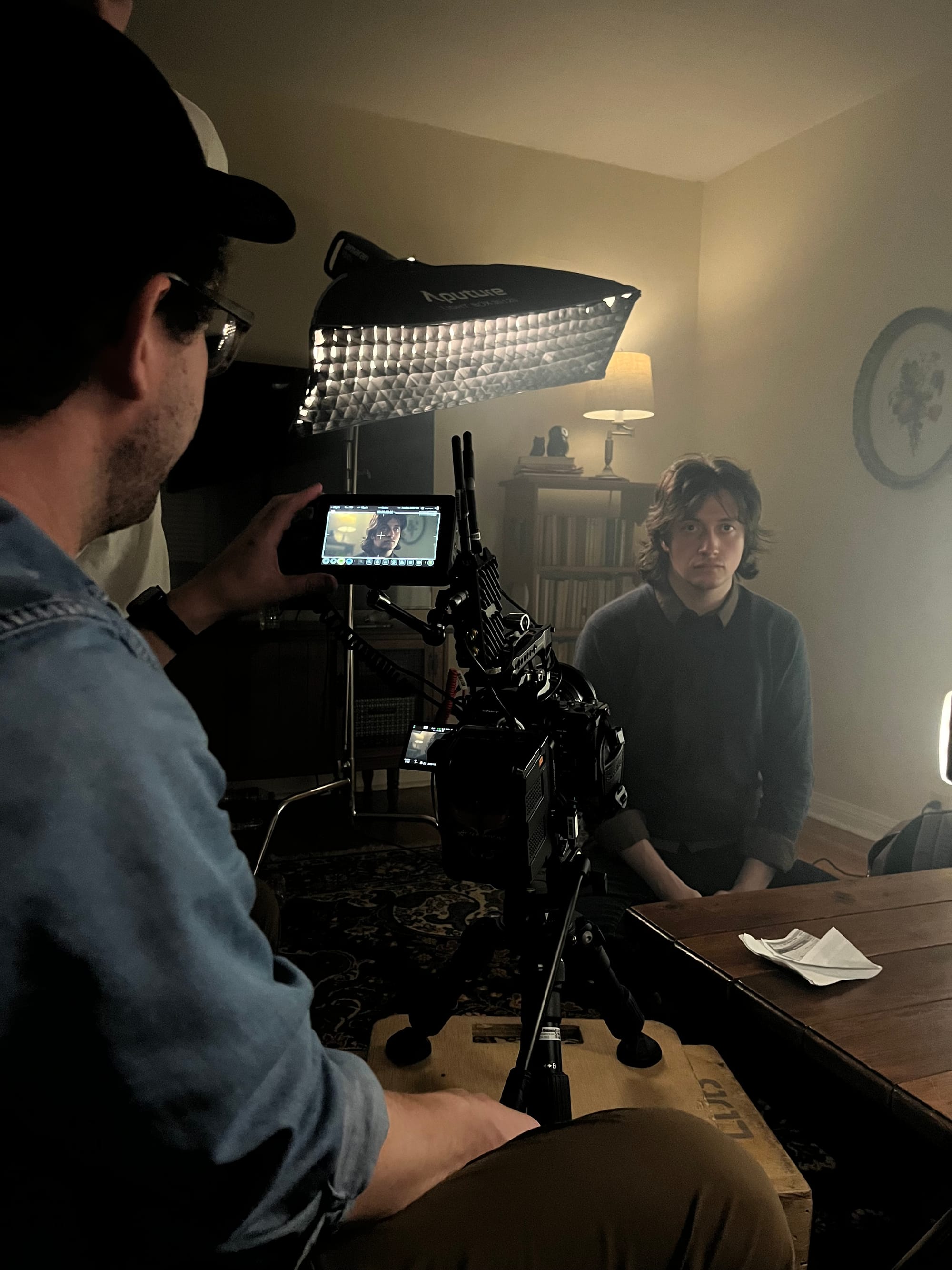
Cast & Crew
- Ernest John Smither — Producer
- Alissa Wilstein — Production Designer
- Cayci Jean — Special Effects Make-up
- Marcus Leitner — Composer
- Collin Nelson — Gaffer
- Mikayla Ashe — Stunt Coordinator
- Emma Littlejohn — Costume Designer
For more on The King in Yellow, visit the film's Instagram.