Table of Contents
Three Key Takeaways
- Blurring realities: I See the Demon explores the fragile line between perception and truth in a world where offline and online realities collide.
- Independent freedom: Johnson’s debut feature embraces genre blending—sci-fi, horror, psychological thriller—to tell a deeply personal, ambiguous story without compromise.
- Collaborative trust: Limited time and resources demanded absolute trust among cast and crew, proving that preparation and teamwork can triumph over constraints.
Jacob Johnson’s debut feature, I See the Demon, has earned its place in the spotlight at FilmQuest 2025, a premier genre film festival.
The film stars Alexis Zollicoffer, Jon Heder, and Mallory Everton, with producers Derek Romrell and Barrett Burgin.
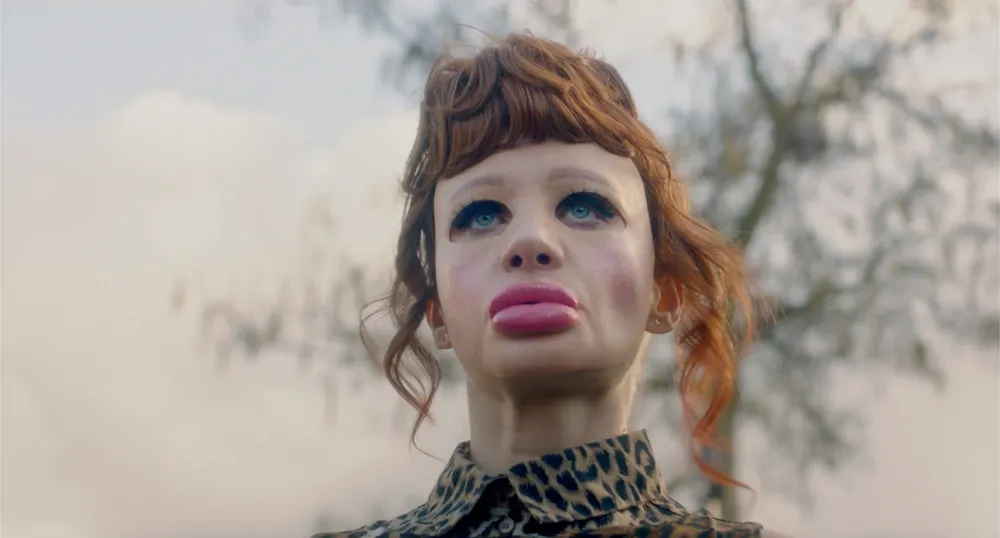
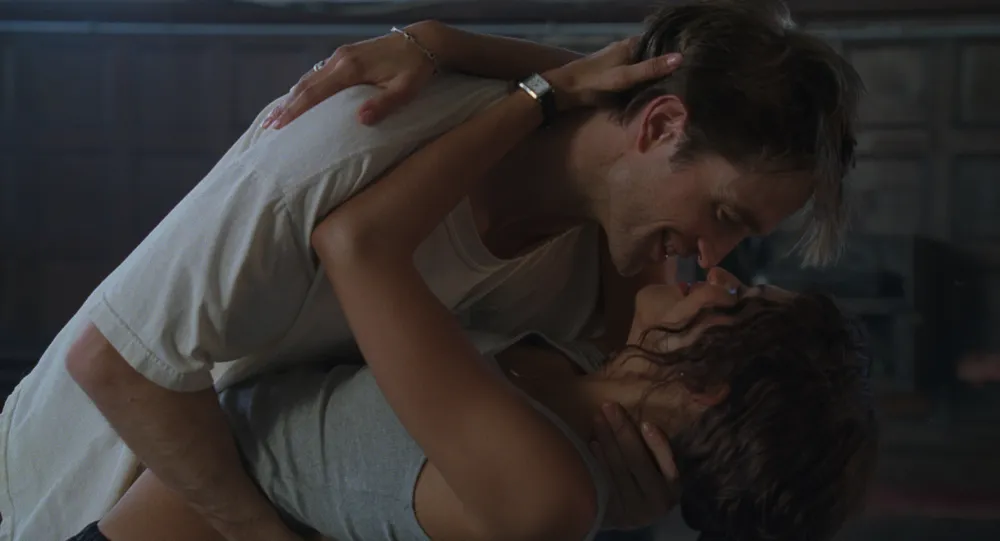
Johnson’s work delves into the murky boundaries of reality and trust, inviting viewers into a suspenseful, emotional journey set against a backdrop of a surreal birthday party gone wrong.

What drew you to make this film? Why this story, and why now?
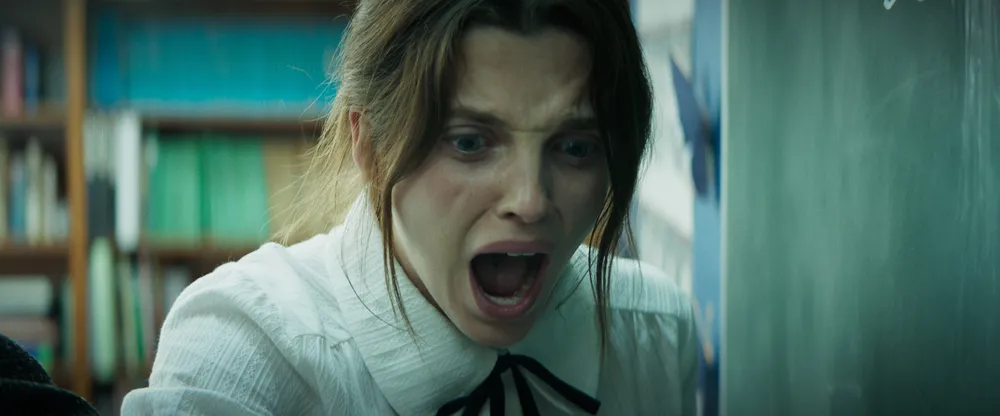
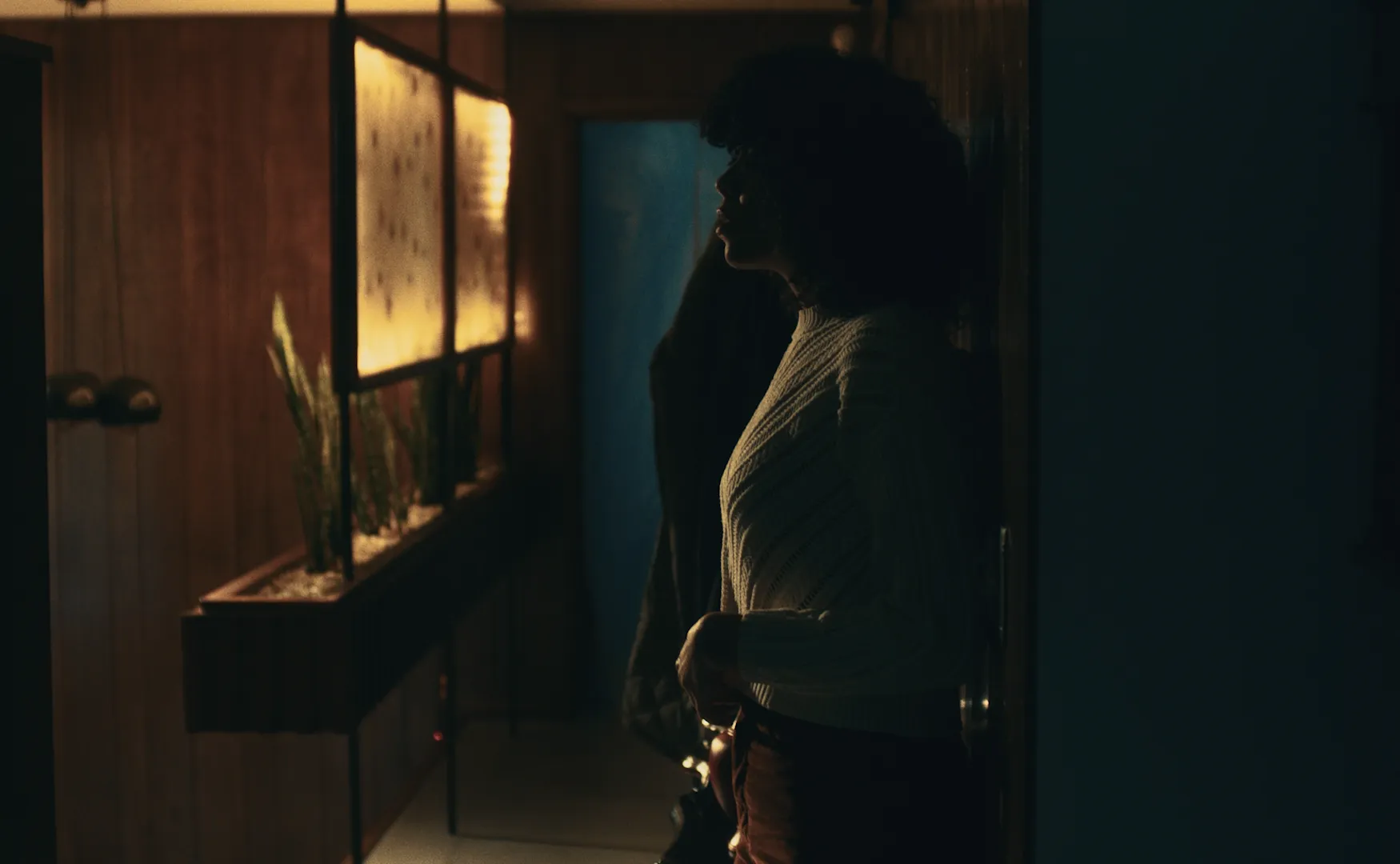
In I See the Demon, we dive into our protagonist's reality. Everyone keeps telling her everything's fine, but she knows it's not, and she must figure out not just who she can trust, but what reality to believe. With on and offline realities becoming ever more blurred and siloed, these sorts of stories have never been more important.
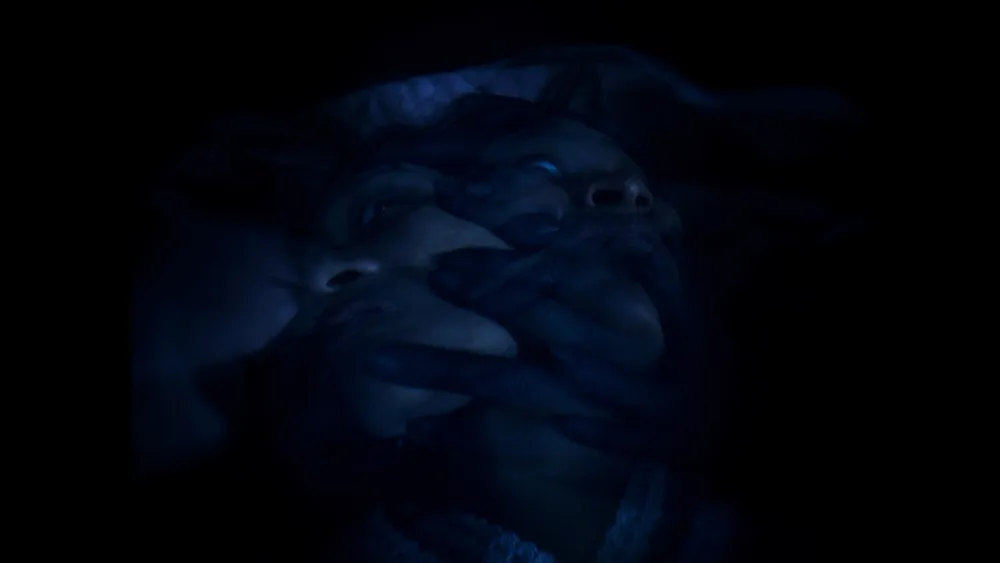
Inspired by myriad experiences and insights, both personal and observed, the film explores the dark gaps in our relationships, the places where doubt and mistrust can grow. It paints an ambiguous portrait of our perceptions, leaving lots of space for interpretation; like a dream, we hope each person who watches it comes away with their own version of what happened, of how it happened, and of what it means to them.
"Everyone keeps telling her everything's fine, but she knows it's not, and she must figure out not just who she can trust, but what reality to believe."
What surprised you most about the filmmaking process this time—creatively or logistically? Was there a moment on set or in post that completely changed how you saw the story?
This film was about as bare-bones as you can get, and we really had to fly to make our days (which, by the way, we never did). We often didn't have time for multiple takes, so cast and crew REALLY had to trust each other. So once we got into post and saw how well it was all coming together, it was an important lesson to learn that if you're prepared, and if everyone has each other's back, you don't need to shoot endlessly.
Is there a moment in the film that feels the most you—something only you could have made?
I won't spoil it, but the final moments of the film are very emotional. I cried on set, I cried in the editing room, and audiences that have seen it have cried watching it. This is the most rewarding part for me, and I'm glad it's reaching people.

What was the hardest creative decision you made while making this film?
We were moving so fast, there wasn't any time for creative hangups. So there isn't any one decision to point out - we just had to move, trust each other, and trust our instincts.
"If you're prepared, and if everyone has each other's back, you don't need to shoot endlessly."
What do you hope audiences take away from your film?
There's a lot going on in this film, and a lot is left open-ended so I want audiences to walk away with their own experience and interpretation of what they just saw. This film is, in part, about gaps and blindspots - in our memories, in our behavior, in our relationships - so I'd love for audiences to walk away pondering what blindspots they may have themselves.

How has this film shaped or shifted the kind of stories you want to tell next?
This is my debut feature, so mostly it's just made me hungry to get moving on the next of the many stories I want to tell.

What’s a tool, technique, or resource that really helped you during production?
We shot camera-to-cloud, so while we were shooting, our assembly editor was busy putting it all together. This was a great resource especially on our limited budget, and it saved us a time or two from having big gaps from things we missed the previous day.
Independent filmmakers often rewrite the rules out of necessity. What do you think is the greatest strength of independent filmmaking, and how did you lean into that on this project? Is there a lesson or breakthrough you’d share with others navigating this path?
I'd say its greatest strength is the freedom of not having someone over your shoulder. Our film mixes genres - sci-fi, horror, character drama - and I was grateful we didn't have any executives trying to get us to make compromises based on corporate-type perspectives on marketability.
"The final moments of the film are very emotional. I cried on set, I cried in the editing room, and audiences that have seen it have cried watching it."
What does it mean to you to have your film selected for FilmQuest, one of the world’s top reviewed genre film festivals?
We're super honored to play at FilmQuest. We shot the film in Provo, so it's fantastic to end our festival run right where it all started, and among so many filmmakers and fans from around the world. FilmQuest will just keep getting bigger and bigger, so we're grateful to be along for the ride this year!

FilmQuest celebrates the majesty and might of genre filmmaking across fantasy, horror, sci-fi, action, thriller, western, kung-fu, and beyond. How does your film fit within—or push the boundaries of—genre storytelling?
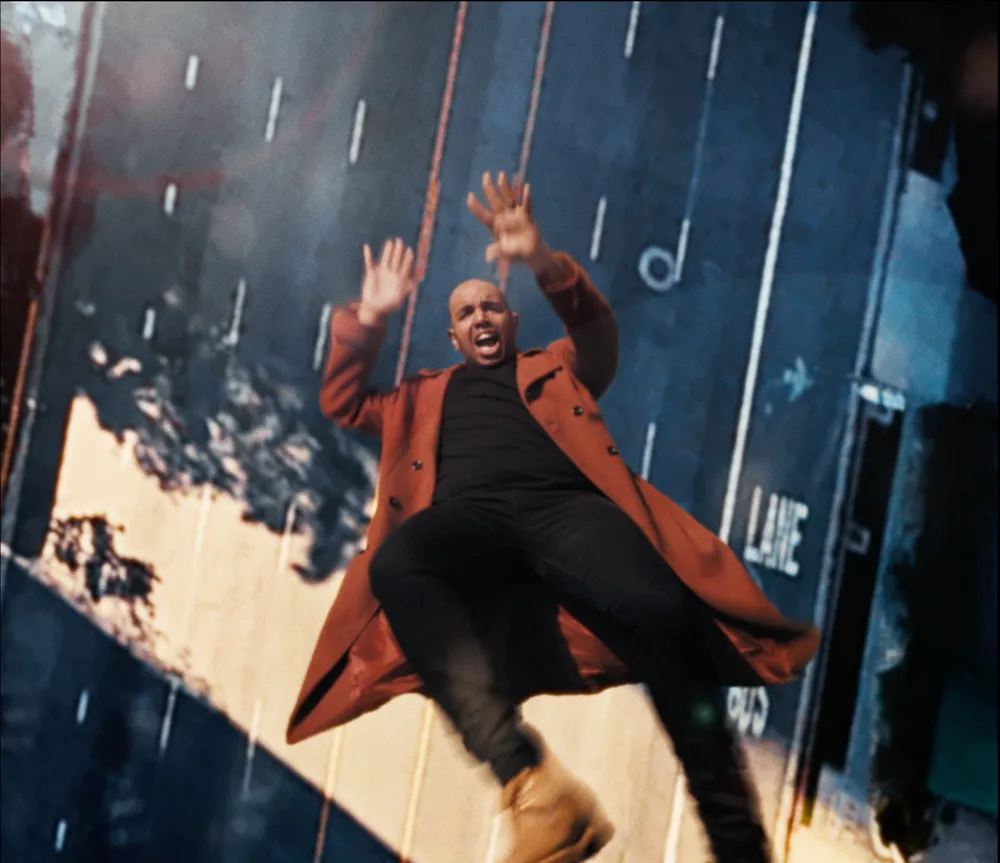
Our film is a genre mashup - sci-fi, horror, psychological thriller, and character drama. It's great to have a festival that explores and celebrates all that these genres have to offer without putting hard and fast rules on what 'counts'. We hope our film helps people see that you can use genre however you want, and that ultimately, the genre should simply be in service of a great story.
Where do you see this film going next?
We've partnered with Archstone Entertainment as sales agent, and we look forward to securing domestic and international distribution deals in the coming weeks and months.

“At the core of all my work is a desire to help ourselves see ourselves."