Table of Contents
Three Key Takeaways
- Jasmine De Silva’s “Beauty Sleep” explores beauty, identity, and perfection through a hyper-stylised, retro-futuristic lens.
- The film’s unique world—where cosmetic enhancements are sold at a pastel pink funeral parlour—draws inspiration from fairytales and real-world cultural critiques.
- Collaboration and emotional authenticity were pivotal in bringing this bold, genre-blending short film to life.
Jasmine De Silva, an award-winning writer and director with a background in fashion photography, presents “Beauty Sleep,” a retro-futuristic short film selected for FilmQuest 2025. With a talented cast including Emma James as Sandy and Jes Hynes as Larry, and a powerhouse crew featuring producer Tuli Litvak and cinematographer Beatriz Delgado Mena, the film delves into the darkly comic and unsettling world of cosmetic obsession. De Silva’s distinct style and personal voice emerge vividly in this genre-bending exploration of beauty and identity.

Q&A Interview
What drew you to make this film? Why this story, and why now?
Beauty Sleep started as a proof of concept for a feature film I’ve been developing for about five years. I grew quite obsessed and curious with the absurd lengths humanity takes to achieve our endless desire for perfection, and how we are encouraged to treat our bodies as objects that must follow a trend. The catalyst for creating a storyworld with Sleeping Beauty makeovers that take place in a funeral parlour, was inspired by a chapter in Meredith Jones's Skintight: Anatomy of Cosmetic Surgery. Jones draws parallels between going under the knife and fairytales of young women who fall into poison-produced death-like sleeps, bypassing the messy and transformative pain of entering womanhood. This idea fascinated me when correlated with cosmetic enhancement. The fairytale of realising that achieving artificial perfection doesn’t cure insecurity isn’t a new story. The fact we still need to be reminded proves the urgency.

What surprised you most about the filmmaking process this time—creatively or logistically? Was there a moment on set or in post that completely changed how you saw the story?
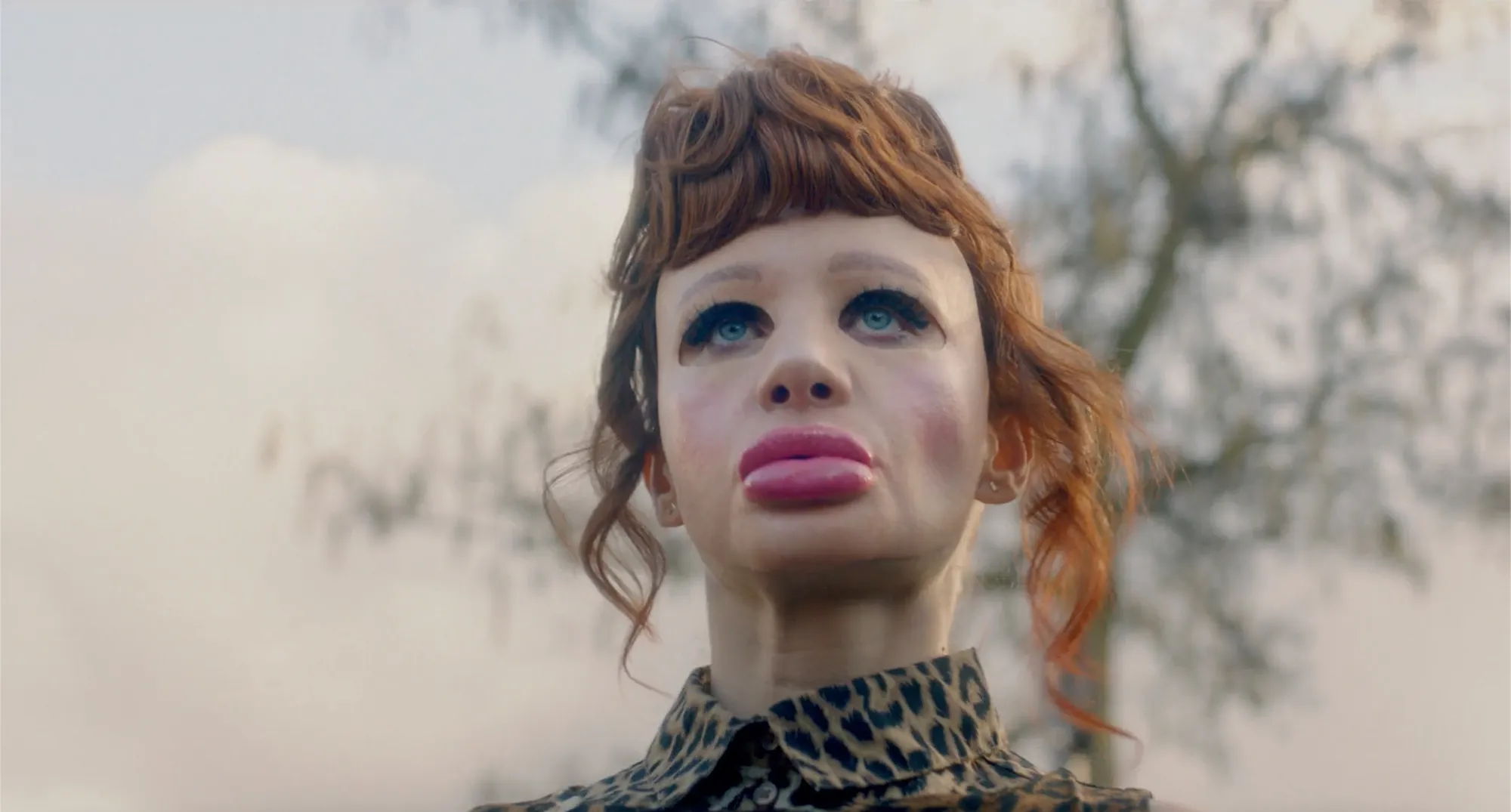
As all writers know, there is a moment of pure catharsis when getting your story out of you. This happened for me when we shot the final scene of the film. I was holding the monitor in my hand and tears started streaming down my face as we’d been building up to this for months on end. But the moment where it really changed my perspective, was when our lead actress finished the scene and apologised to me for crying as well (behind the mask she is wearing in the scene). She told me she realised she had been holding in all of the feelings her character - Sandy - was feeling. I love making films for my own self expression, so to know that someone else could feel it as deeply as I was, was transformative. This was my debut narrative film, so it was the first time I understood how those feelings can transfer from me to the actors. I know many filmmakers already understand this is the process, but for me it was the moment it really sunk in, and made it all worth it.
“I was holding the monitor in my hand and tears started streaming down my face... to know that someone else could feel it as deeply as I was, was transformative.”

Is there a moment in the film that feels the most you—something only you could have made?
The entire film and the fun and weird world within it has been created from years of experimentation of building this world through micro projects. If I had to choose one moment it’s probably when the protagonist Sandy is packing a bag of body parts and her taxidermy mouse to escape. It’s very very me.
What was the hardest creative decision you made while making this film?
I don’t really feel like there was one major difficult creative decision, as the entire process is a whirlwind of lots of small decisions in order to make up the whole thing. So perhaps the toughest creative decision I faced, was honestly the whole thing, because you have to let go of your self doubt a million times each day in prep, production and post, in order to actually get it made. If you don’t trust yourself then you get stuck in that decision paralysis.

What do you hope audiences take away from your film?
Written with my own body image struggles in mind, my aim is for Beauty Sleep to encourage people to deconstruct their own relationship with beauty and identity. Through the eyes of Sandy, our protagonist, I hope people are inspired to believe in the power of their own individuality and creativity.
How has this film shaped or shifted the kind of stories you want to tell next?
As this was a proof of concept, it was such a great experience to test drive bringing the characters and story-world to life. To dive into the details of the world has informed how I have completely re-written the feature film story. As you discover elements of the story that could only happen when the script has moved from script to screen. This topic of the dangers of chasing perfection is an ongoing theme within my work, and I love that with each project, no matter how big or small, I find a new perspective about this topic that shapes how the next film will be told.
What’s a tool, technique, or resource that really helped you during production?
It has to be the collaborators. From the start of pre-production, I could feel the investment and creative commitment from all departments. Seeing how much they all cared, and how much attention to detail everyone was putting into this, really made me see the magic of collaboration more than I’d ever witnessed before. It sounds silly, but it was the first time I realised that everyone cares as much as I do about what we’re creating.

Independent filmmakers often rewrite the rules out of necessity. What do you think is the greatest strength of independent filmmaking, and how did you lean into that on this project? Is there a lesson or breakthrough you’d share with others navigating this path?
I was chatting with our composer recently, who said when you watch the film you can see that every single department was able to go bat sh*t crazy. This made me so happy, because although when the story started it was about body image struggles, the grounding essence of the film became about creativity and identity, and we all felt that when working together. My mission in life, and as a Director, is to facilitate everyone being able to go a little batshit crazy with their creativity, as long as they feel like they’re expressing themselves in the process.
“My mission in life, and as a Director, is to facilitate everyone being able to go a little batshit crazy with their creativity, as long as they feel like they’re expressing themselves in the process.”
What does it mean to you to have your film selected for FilmQuest, one of the world’s top reviewed genre film festivals?
To have Beauty Sleep screen at FilmQuest is a total dream, as it makes me feel understood and seen by the wonderful film industry and the community within it.
FilmQuest celebrates the majesty and might of genre filmmaking across fantasy, horror, sci-fi, action, thriller, western, kung-fu, and beyond. How does your film fit within—or push the boundaries of—genre storytelling?

“Beauty Sleep bridges so many genres... it’s a mash up of multi-genre influences, and I hope that’s why Beauty Sleep has pushed the boundaries of genre storytelling.”
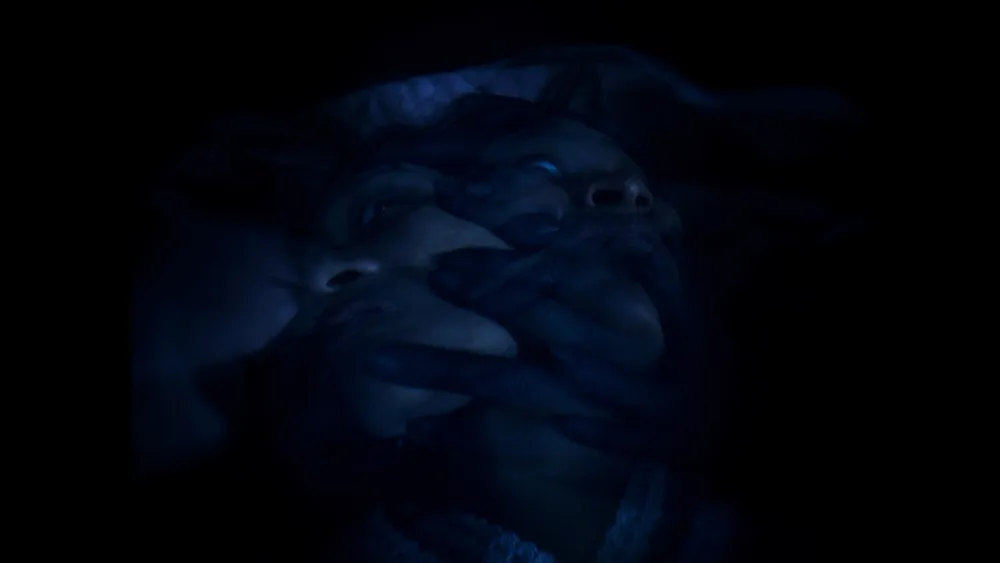
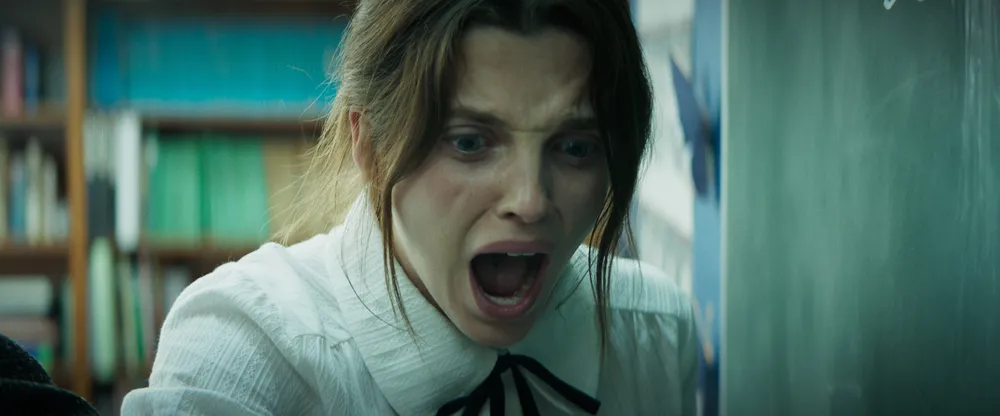
It’s a Barbie meets Frankenstein world, with a sprinkling of body horror, and darkly comic aspects. Occasionally I wonder if I’ve tried to do too many things with it, but it’s a mash up of multi-genre influences, and I hope that’s why Beauty Sleep has pushed the boundaries of genre storytelling.
Where do you see this film going next?
We’re in the early stage of our festival run, which we kicked off with our World Premiere at Fantasia in July. We’re really excited to be in world renowned genre festivals including FilmQuest, and hope that this helps us reach an audience who will be along for the ride, as we turn Beauty Sleep into a feature film.
“At the core of all my work is a desire to encourage people to embrace their own individuality and creativity."
Cast & Crew
- Emma James as Sandy (@em_james)
- Jes Hynes as Larry (@jeshynesactor)
- Abi McLoughlin as Tina (@afm22)
- Ebony Aboagye as Petra (@ebboux)
- Cecilie Krasnik as Andi (@cecilie_kras)
- Insia Durrani as Cece (@exnelle)
- Eleanor Thorndyke as Lolo (@elthorndyke)
- Jasmine De Silva — Award-winning Writer & Director, inspired by her fashion photography background and films like Edward Scissorhands and Death Becomes Her.
- Producer Tuli Litvak — BFI NETWORK shorts producer, with credits including Bingo Queens and Fairview Park.
- Cinematographer Beatriz Delgado Mena (Quiet Life)
- Makeup Designer Natasha Lawes (How to Have Sex, Rabbit Trap, 100 Nights of Hero)
- Prosthetics Designer Alice Kenneth (The Witcher, 1917, Fantastic Beasts, Rings of Power)
- Hair Designer Judit Florenciano (Gladiator II, Bridgerton)
- Production Designer Nuha Mekki (C4, Schuh, Pinterest)
- Costume Designer Sian O’Donnell (Sky, C4)
Learn more about the film in their Instagram.