Table of Contents
Three Key Takeaways
- Julia Hebner’s Jeff is a haunting, introspective film born from a real-life experience as a phone sex operator, exploring the murky boundaries of empathy and trauma.
- The film embraces independent filmmaking’s scrappy constraints, turning logistical challenges into a claustrophobic aesthetic that deepens the story’s psychological impact.
- Jeff refuses to provide easy answers, inviting audiences into uncomfortable reflection with deliberately ambiguous moments that challenge viewers to examine their own behaviors.
Writer-director Julia Hebner, an NYFA-trained filmmaker and instructor with over a decade of experience, presents Jeff, a provocative short film about a phone sex operator’s unraveling relationship with a caller confessing pedophilia.
Featuring Nicole Elliott, Brian Villalobos, and a talented cast and crew including Emily Basma (DP) and Ernesto Grey (composer), Jeff is currently on its festival run and marks Hebner’s boldest storytelling to date.
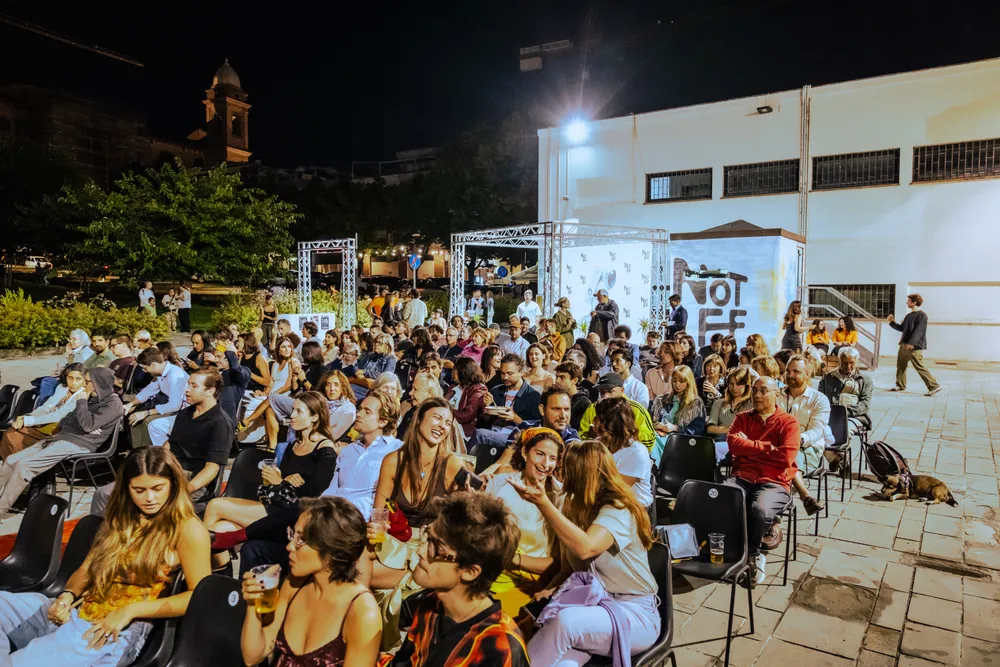
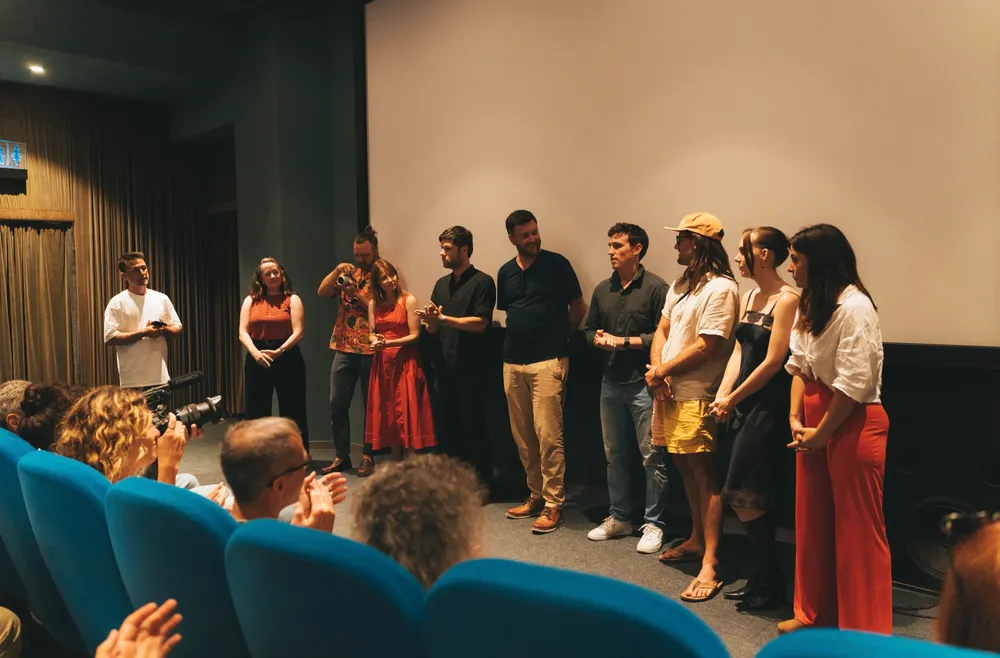
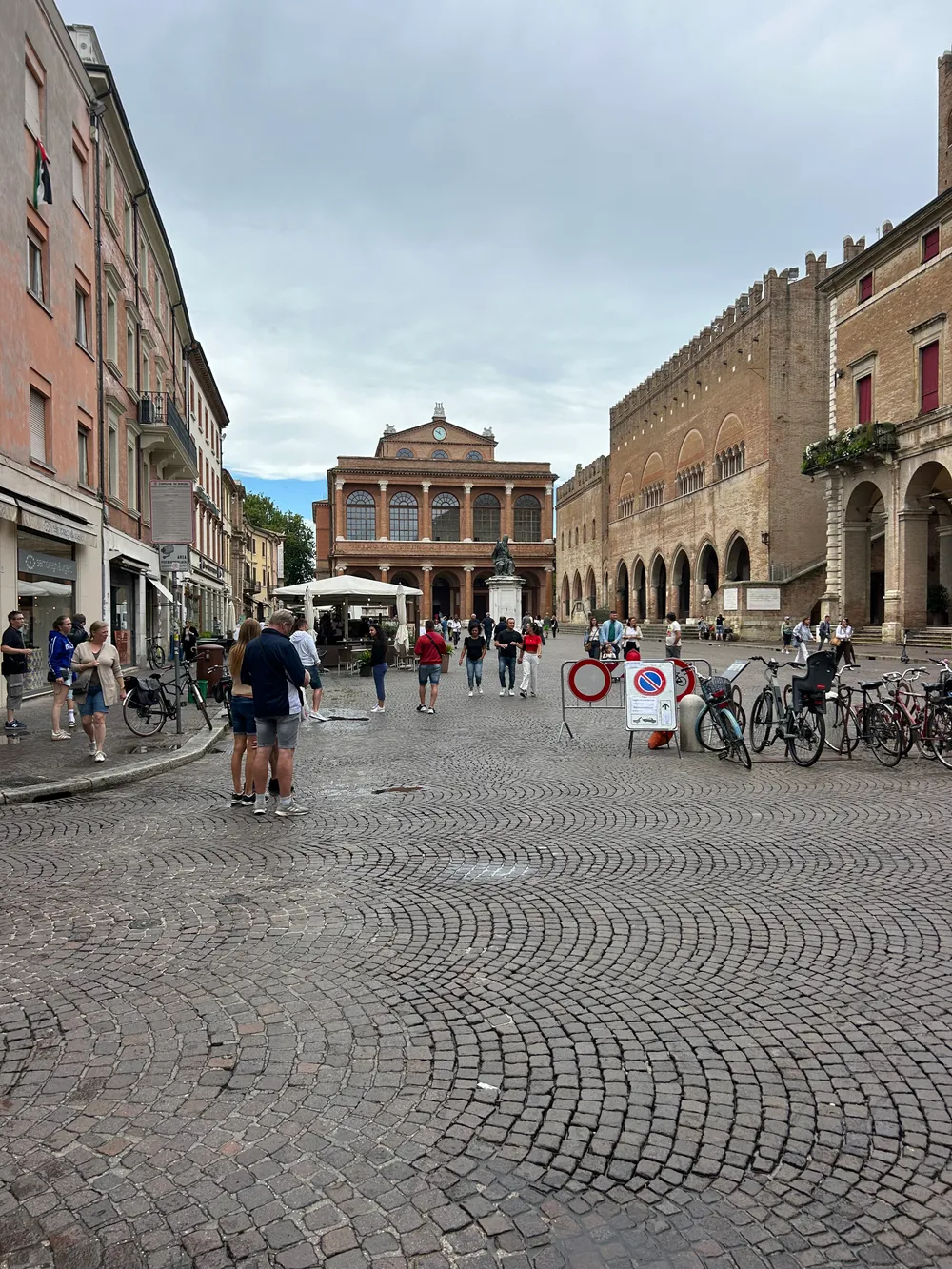
The film screens at Nót Film Fest in Italy, where Hebner hopes to connect with European audiences and collaborators as she develops Jeff into a feature.
Q&A Interview
What drew you to make this film? Why this story, and why now?
This film is based on a real call I took during my time as a phone sex operator after college. The entire experience was a wild window into the human psyche but this particular call stood out. In reality, it was the last call I ever took, and it became a story I would tell at parties, always to a rapt audience. I realized that it's very rare that life drops a perfectly formed narrative into your lap like that, and with all of its twists and turns and the metaphors already imbued within it, it had to be a film.
What surprised you most about the filmmaking process this time—creatively or logistically? Was there a moment on set or in post that completely changed how you saw the story?
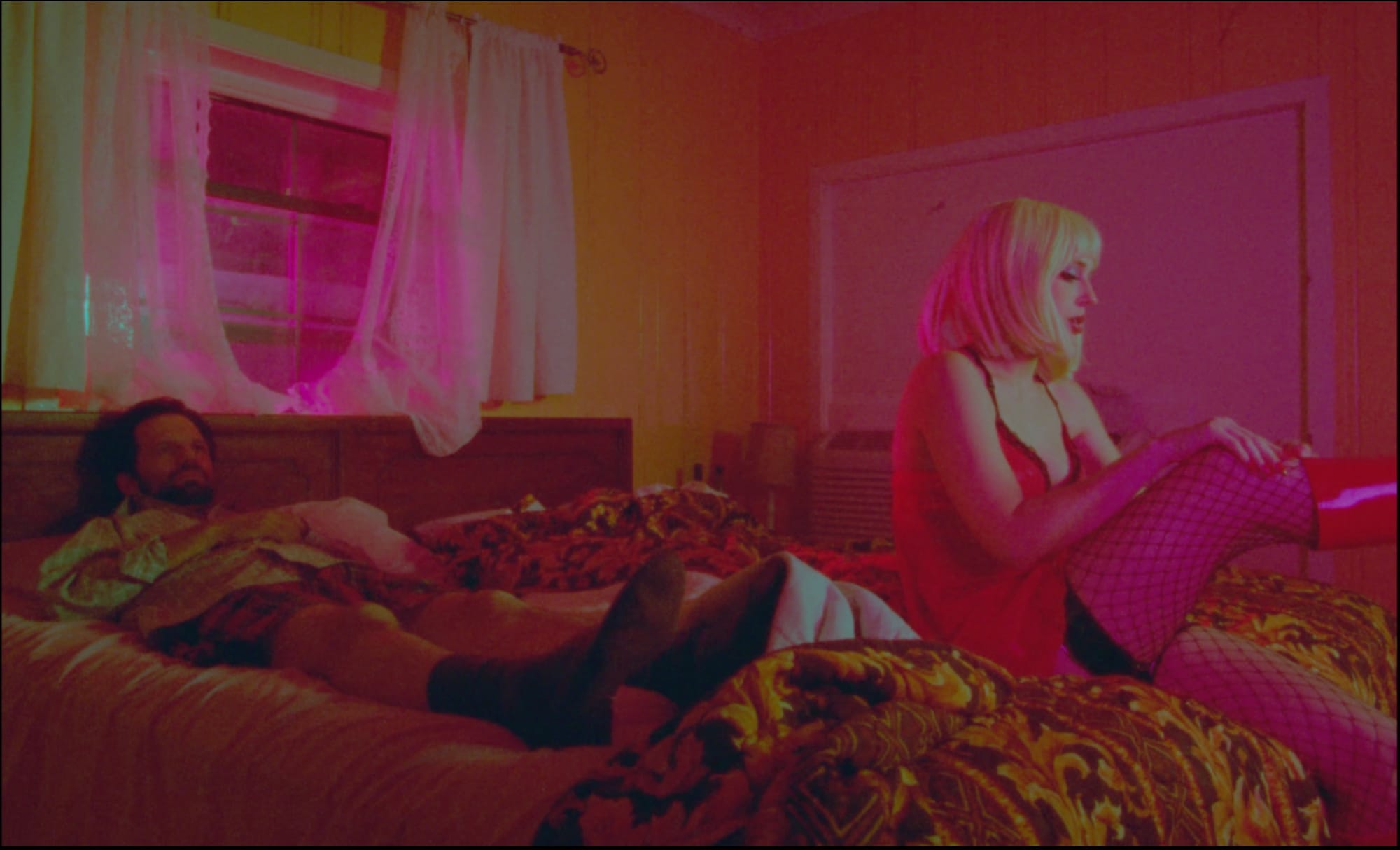
This was the first film I've made that I knew I couldn't self fund, and I have no real connections to avenues of funding, so I decided to crowdfund it, which was far and away the hardest aspect of the entire filmmaking process. The entire fundraising process was exhausting and humbling and in the end we only raised a quarter of what we originally budgeted, so we had to get very creative with that money in order to pull off the film. We pulled a lot of favors and scrounged for resources we already had and thrifted a lot of the sets and wardrobe. I guess the surprise was just how hard it is to raise enough money to make a short film. The logistical hurdles didn't necessarily change how I saw the story, but I think my actors did, especially the lead actress, Nicole Elliott. The character was written based on my own experience and on the page, she's me, but Nicole turned her into someone completely different, and the film hinges on that character's psychology, so you have to learn to abandon the film that lives in your head and react to what the actor is giving you.
Is there a moment in the film that feels the most you—something only you could have made?
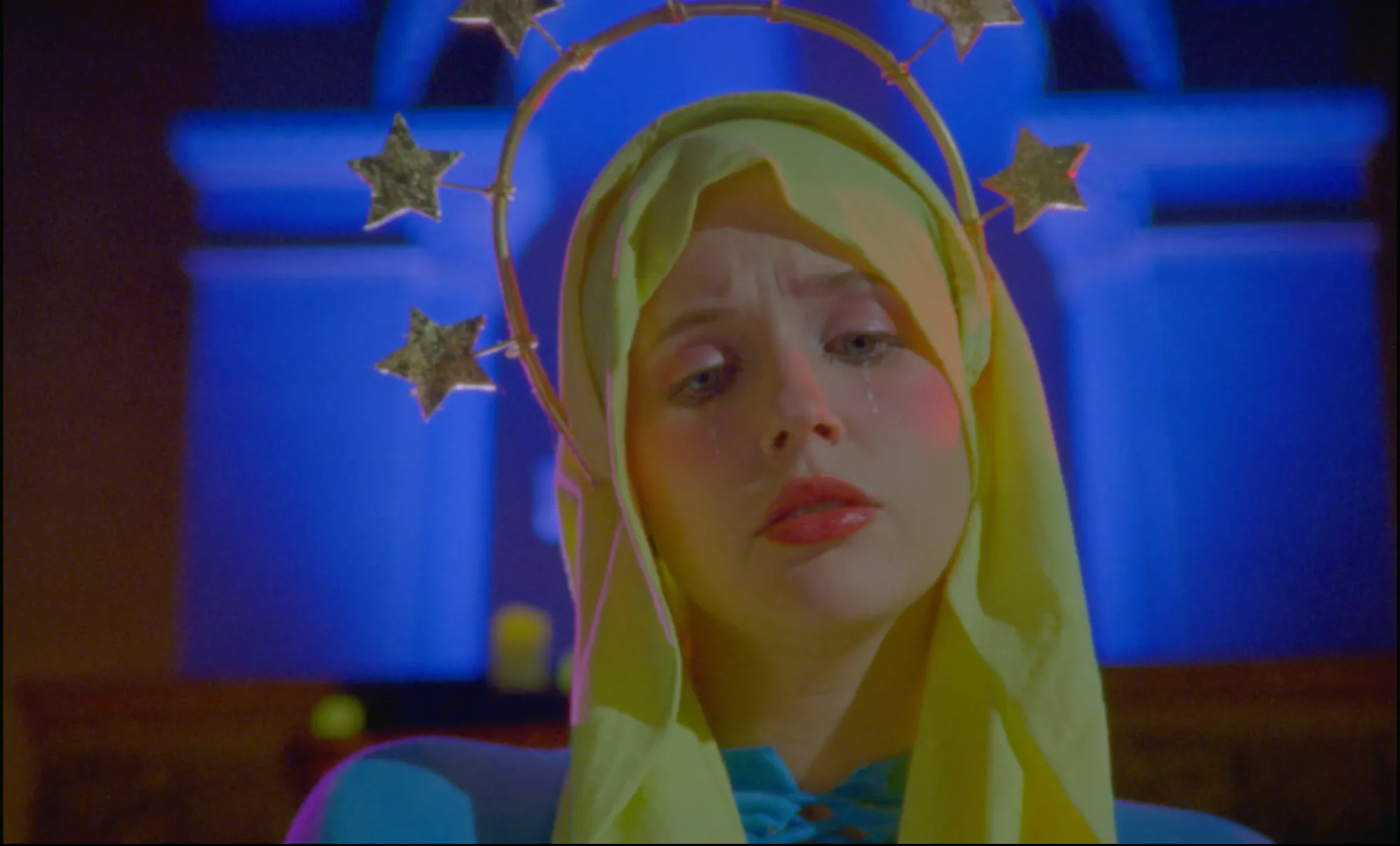
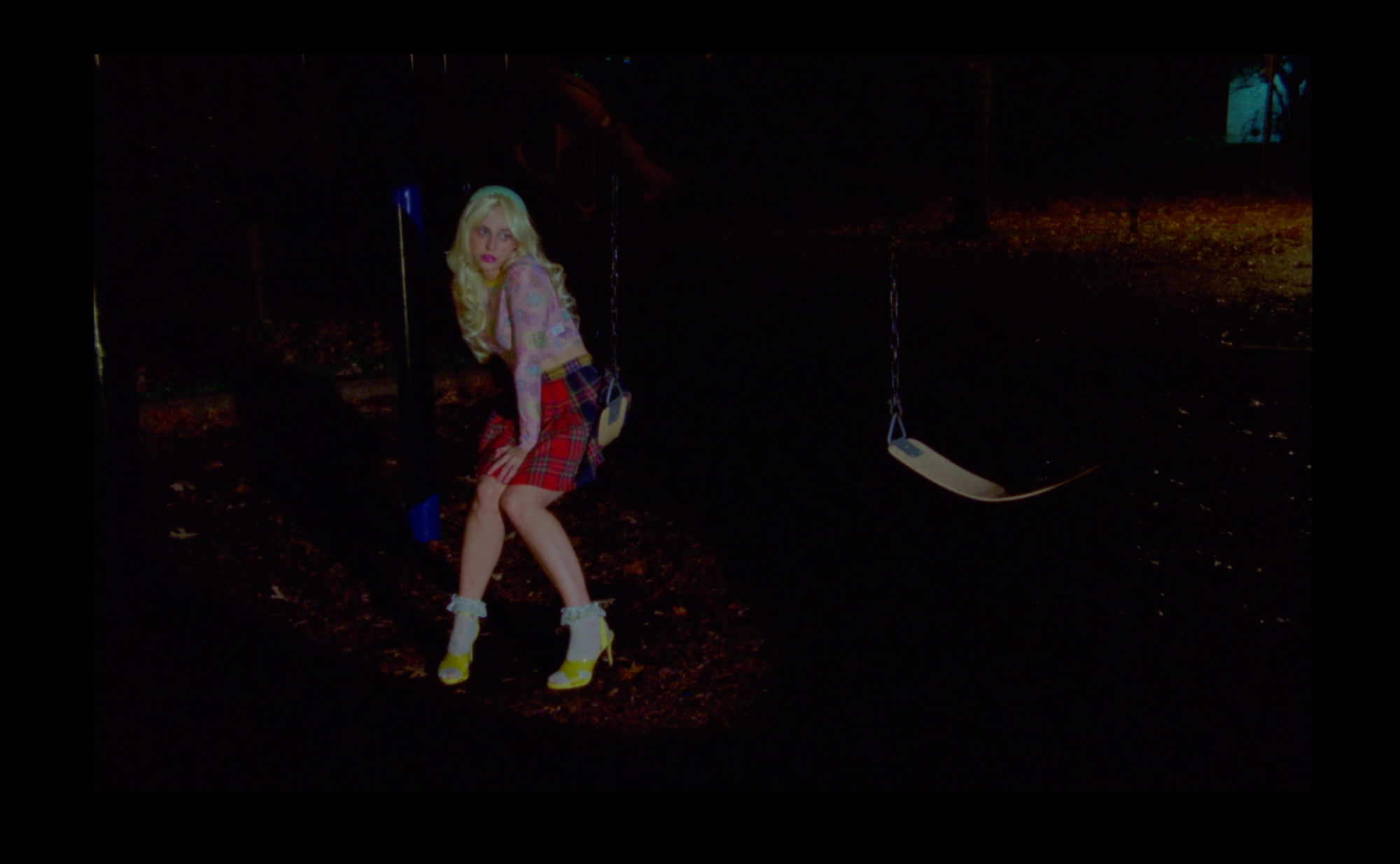
So this is a bit of an odd thing to say, but the film is bookended with Marcia hitting herself, really abusing and punishing herself, and it's not something that is explicitly tied to the story and it's not something that is ever explained in the film. And it's one of the things about which I get the most comments. Some people find it extremely meaningful and others are confused by it. People ask me, "Why does she hit herself?" to which I say, "Exactly." I want you to ask that and find answers on your own. And I think that is a good example of a signature aspect of my films. There is a lot in our behavior that is a mystery to us, or at least is not readily obvious. Sometimes I find it far more valuable artistically to simply present things as opposed to explaining them. I really want people to think about their own behaviors, and we're all so different that giving an explanation in the film could discourage that introspection. I also think that it's good for a film to be jarring sometimes, to hit you in your gut.
What was the hardest creative decision you made while making this film?
I had initially envisioned the subconscious realm where Marcia and Jeff meet as a series of vast empty spaces, like Edward Hopper paintings, in which they were the only two people in the world. But there is always a reality tax, and most of our spaces were quite small, and the camera which we had access to only had one lens, so the reality was often that we got the shot that we could get, not necessarily the shot that we originally wanted. But you can't be deterred by something like that as a filmmaker; you have to work within the parameters you're given, so we worked with the tight spaces and turned the film into something much more claustrophobic, which really works for it.
"People ask me, 'Why does she hit herself?' to which I say, 'Exactly.' I want you to ask that and find answers on your own."
What do you hope audiences take away from your film?
Jeff is not a film that answers many questions or provides much closure, but that is the point. It's a film you have to sit with. It stirs a lot of feelings in people, which can sometimes be uncomfortable, and I want people to examine why they feel what they feel and talk about the questions that the film poses. In my experience as a film lover, the best films are the ones I can talk about for hours, and in my dream scenario, people do that with my film.
How has this film shaped or shifted the kind of stories you want to tell next?
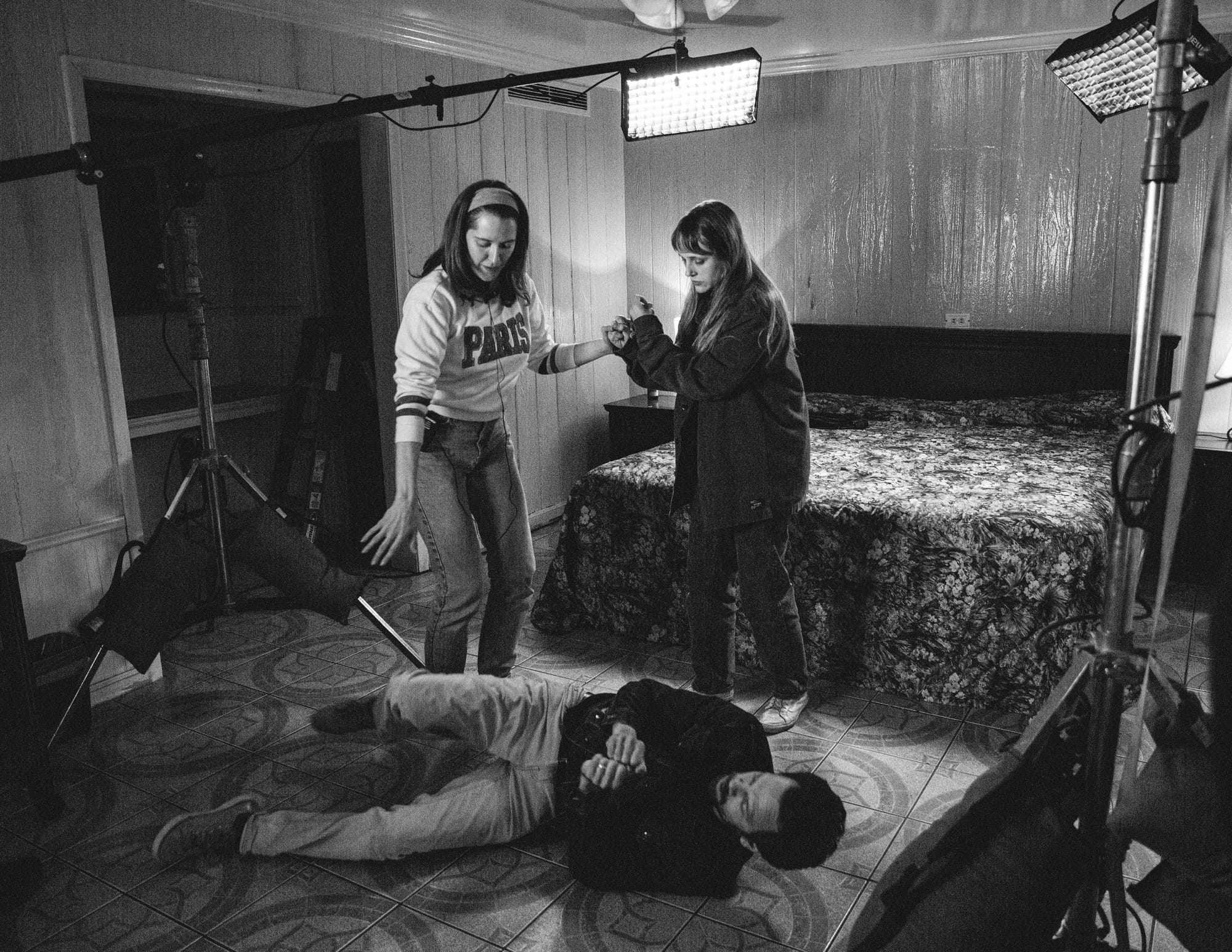
Jeff has been a controversial film to screen, and that hasn't always been easy for me, but I've also been overwhelmed by the intensity of the positive responses I've received. I received a lot of pushback on the content of the film throughout the development and production process, and many people put pressure on me to change things that I felt strongly about. I think the positive reactions I've gotten have emboldened me to keep telling the stories the way I want to tell them. The negative responses have also served me in a constructive way. I've found that depictions of violence against women in mainstream media are considered acceptable, yet a woman simply describing violence in an uncensored way is "disgusting". I'm going to keep being confrontational.
What’s a tool, technique, or resource that really helped you during production?
Honestly, this is not a very exciting answer, but spreadsheets. My current day job is corporate and I'm always putting everything in spreadsheets, and I handled the bulk of production on my own, so that was an essential element to keeping it all organized. Also, Canva was absolutely essential for creating my own marketing materials and social media posts easily and cheaply. It's very user friendly and there are a lot of templates that are easy to manipulate, and I certainly didn't have time for anything more complicated, but the results were always professional.
"You can't be deterred by something like that as a filmmaker; you have to work within the parameters you're given."
Independent filmmakers often rewrite the rules out of necessity. What do you think is the greatest strength of independent filmmaking, and how did you lean into that on this project? Is there a lesson or breakthrough you’d share with others navigating this path?
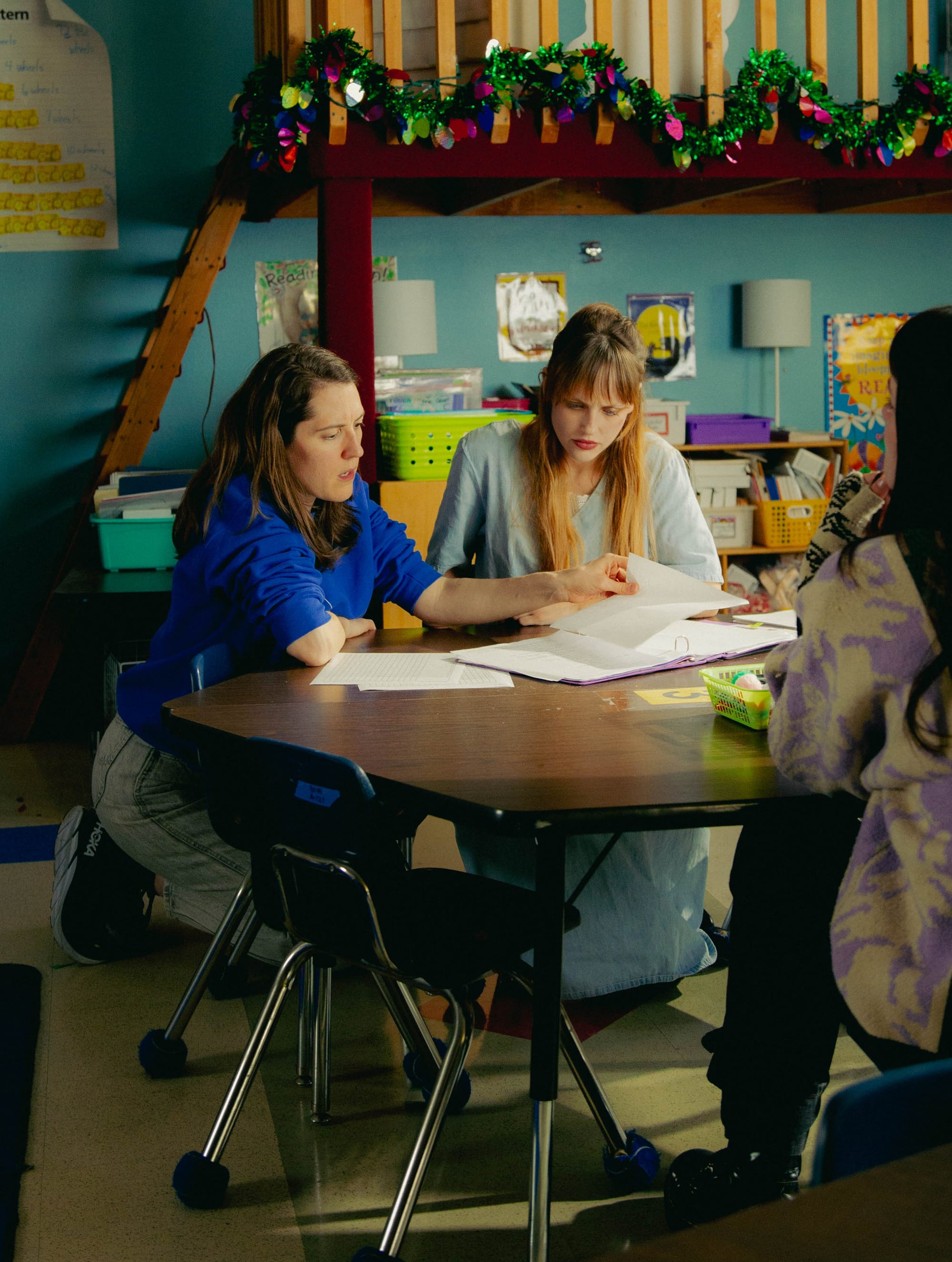
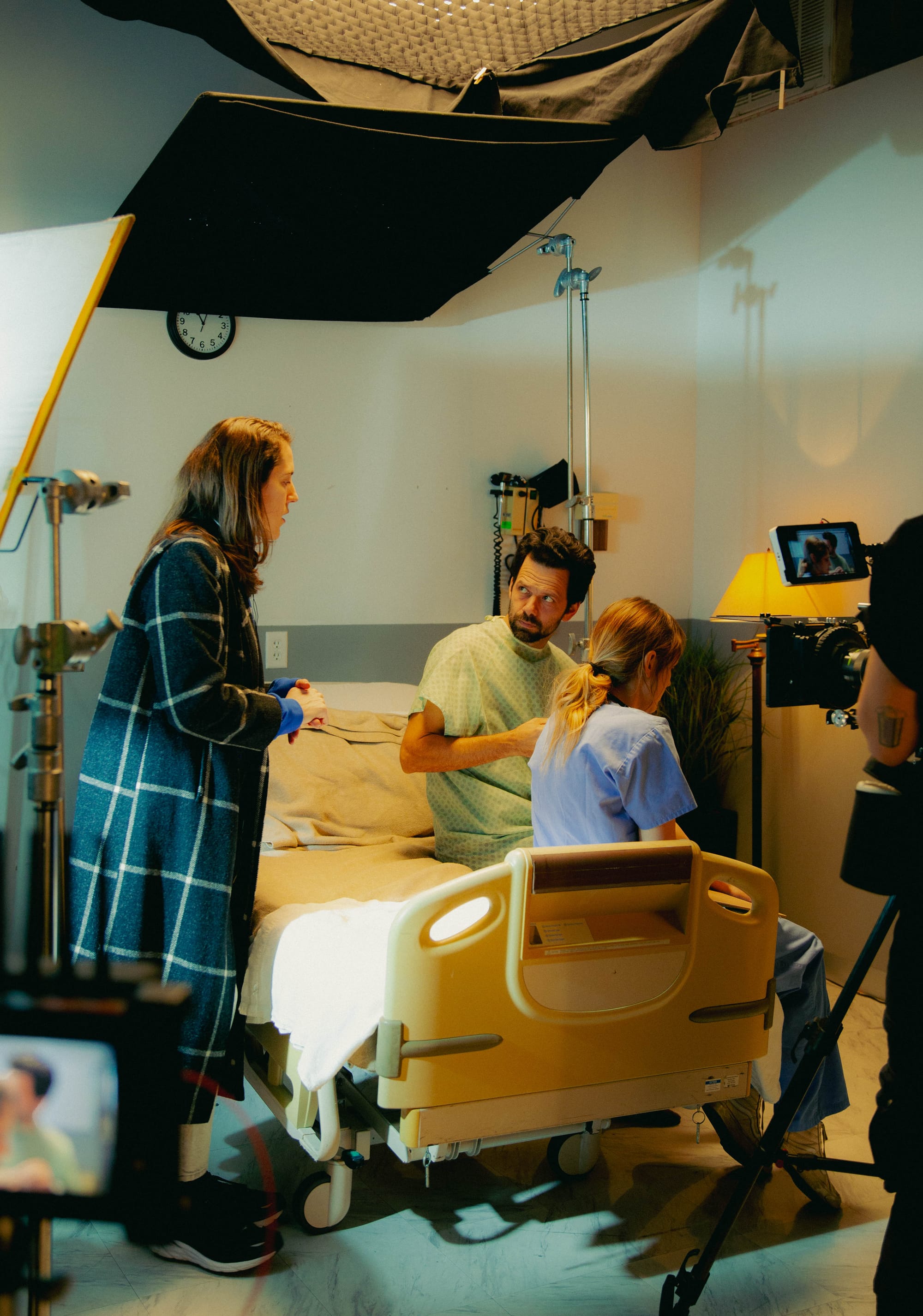
I had to be very scrappy out of necessity, but looking at a lot of films with larger budgets, I think this can be an asset. I don't have access to fancy locations or sound stages with constructed sets with endless props and costumes, so I'm forced to work with what I have, and the results are often far more realistic for it. If you use someone's real kitchen, it's going to look like someone's real kitchen. There's a little manipulation and personalization you need to do to suit the characters, but the end result is going to look far more like a real place than a constructed set or even a location that has a full Art Department working on it. But the main lesson of this film has been interpersonal and professional. Independent filmmaking, especially in the United States, involves so much asking for favors and relying on others that it's absolutely essential to find a small core group of people whom you trust and with whom you are not self conscious about asking for favors. Because film is a business even the lowest budget independent filmmaking can become extremely transactional, and that can become really, really stressful. If you have a small group of people who are all on the same page about what you are doing and what it requires, that changes everything. Especially if it's a tit for tat situation. You help me on this project, and I'll help you on yours. That's essential, and it's surprisingly hard to come by.
What does it mean to you to have your film selected for Nót Film Fest? How do you hope being part of Nót will shape the life of this film?
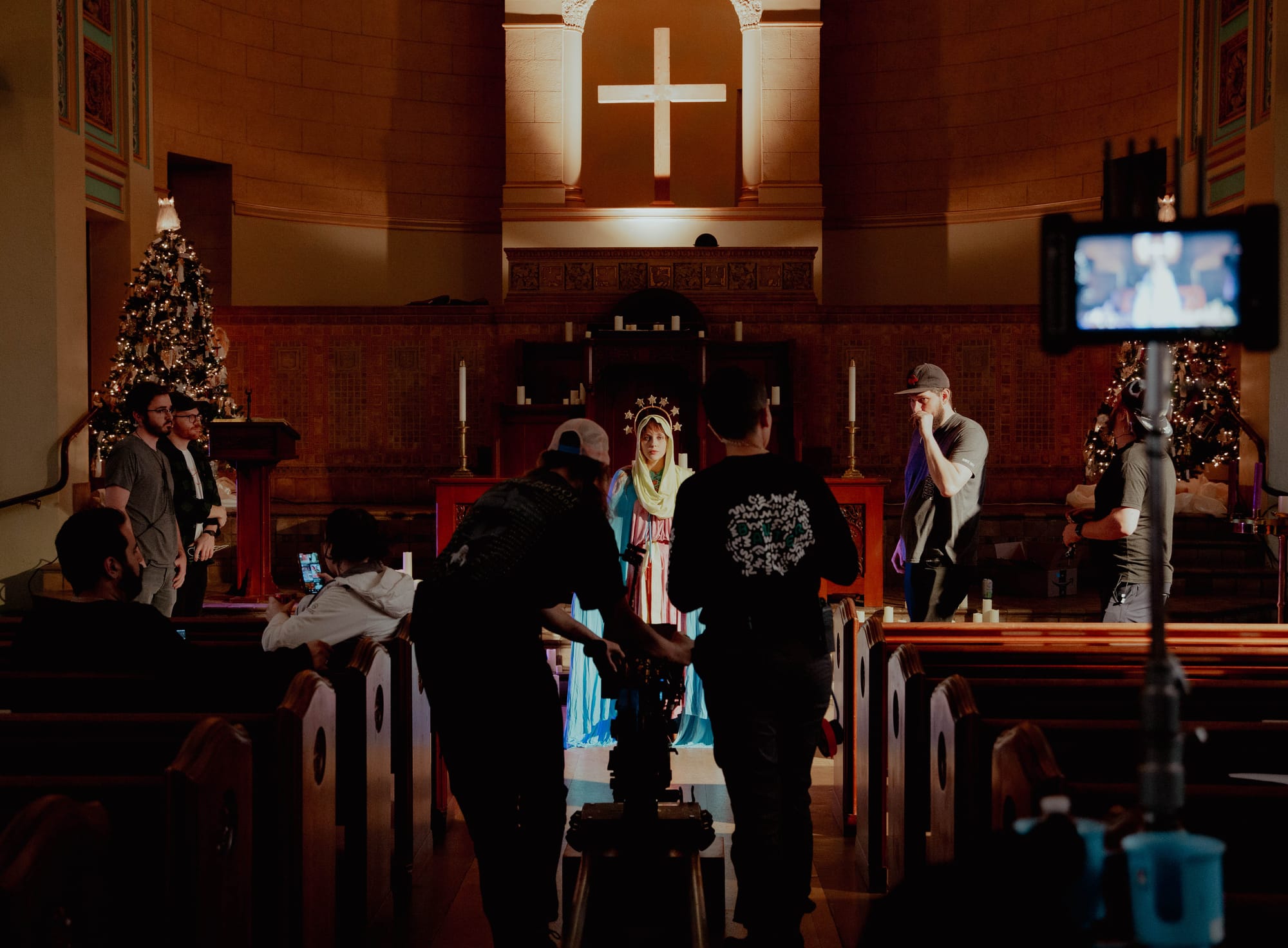
To screen with a large audience in Italy is a huge honor. In a time when it's becoming harder and harder to produce and distribute independent cinema, a festival like Nót is truly essential. I'm also so grateful to every festival I've been lucky enough to screen with, because each one is an invaluable opportunity to meet other filmmakers and see what they're making. Each festival is a different window on the world and I'm excited to see what Nót will bring. I am really interested to see how my film plays for an Italian audience, and I'm also hoping to take the opportunity that Nót has given me to make connections in Italy and the rest of Europe because it's where I see my future as a filmmaker. European cinematic sensibilities have always resonated with me deeply. Specifically for the short film version of Jeff, I'm hoping this can lead to more screening opportunities in Europe and perhaps even distribution.
Where do you see this film going next?
I am four months into the festival run for Jeff, which I plan on seeing through for around 12 months. It has been accepted to several festivals for September, October and November, but there are many I will hear from over the next few months. My primary focus is turning Jeff into a feature. My plan is to either seek co-production in Europe or produce it entirely in Europe. I have had some interest from producers, but am not formally signed to work with anyone yet. I have just recently finished the feature script and am putting together the pitch materials, and plan to get moving on production as soon as I can!
"At the core of all my work is a desire to examine the id."
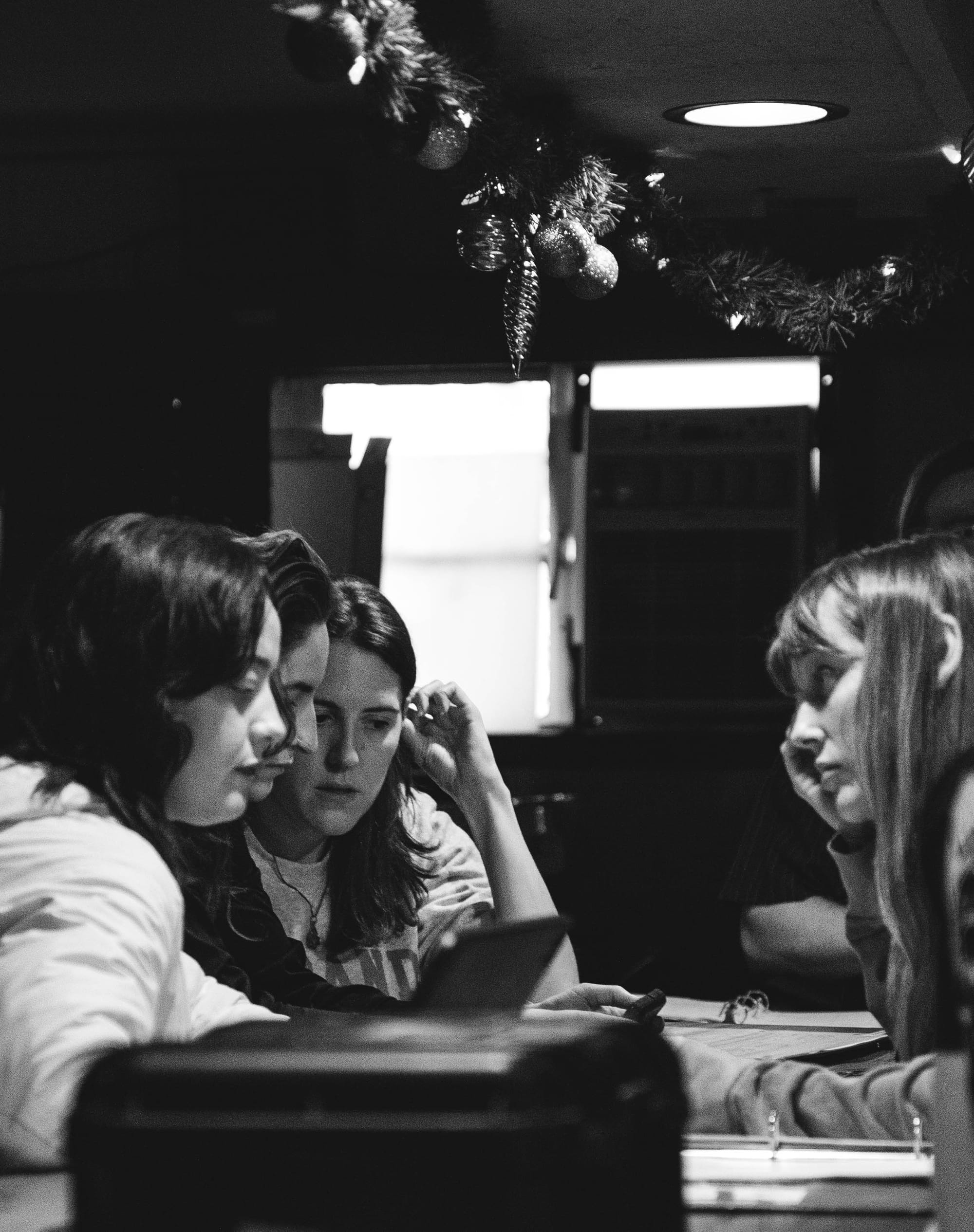
Cast & Crew
- Rebekah McLamb — Actress (Jen). Theatre-trained, film and voice-over artist.
- Christine Cochrane — Actress (Donna), musician and voice-over artist.
- Lara Cattlin — Art Director. Fabricator of varied worlds for film and commercial clients.
- Joe Durniak — Sound Design/Mix. Head of Perfect Tree Studios with major clients.
For more on Jeff, visit their film's website.