
Three Key Takeaways
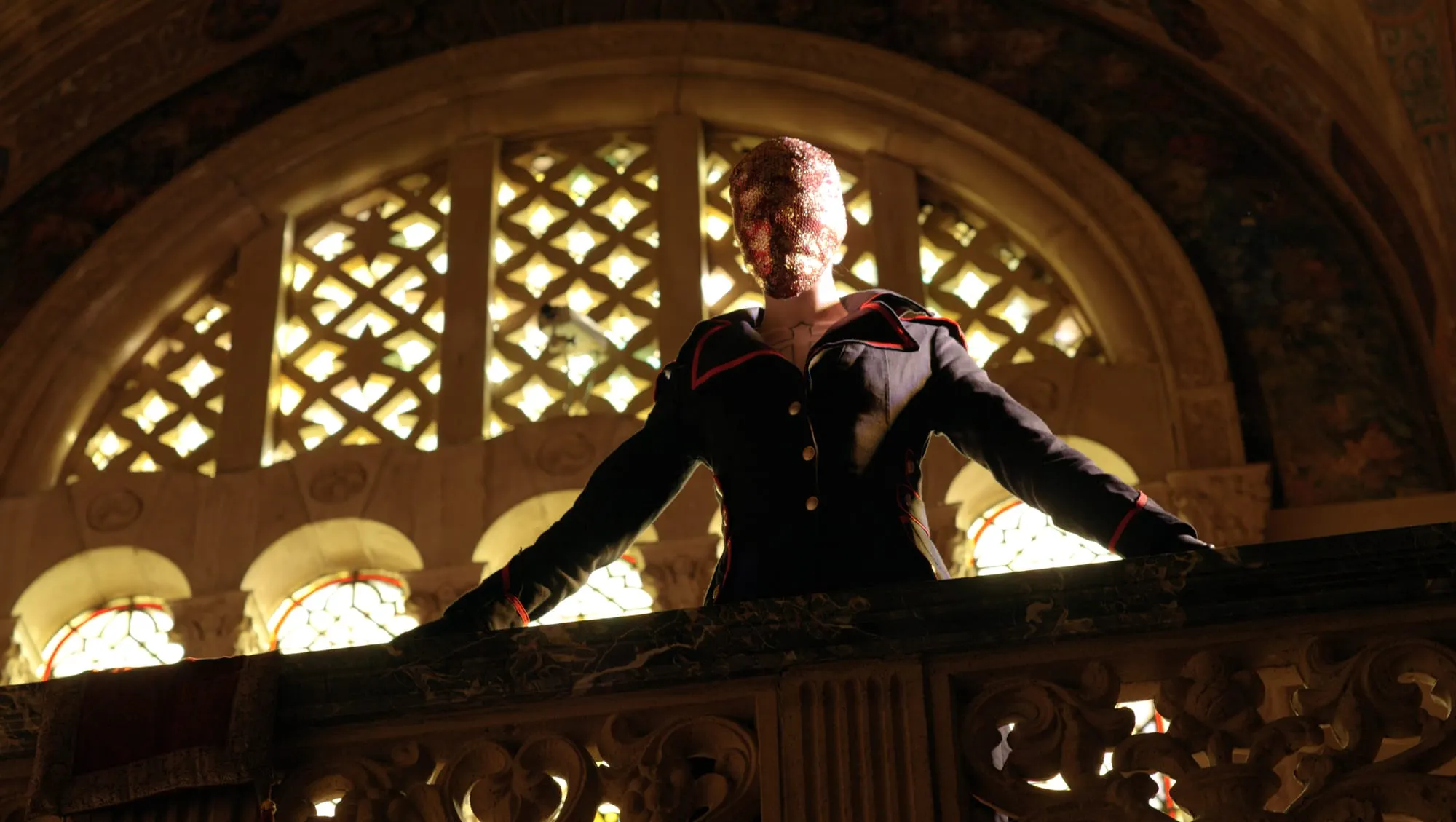
- Jeff Speed’s film blends a gritty journalist thriller with a stylized homage to Giallo cinema, set against the haunting backdrop of a mausoleum’s stained glass.
- Independent filmmaking’s greatest strength, according to Speed, lies in bold risk-taking and defying Hollywood conventions to create fresh, exciting stories.
- The production faced cutting-edge technological challenges, pushing Speed to personally master post-production processes to realize his vision.
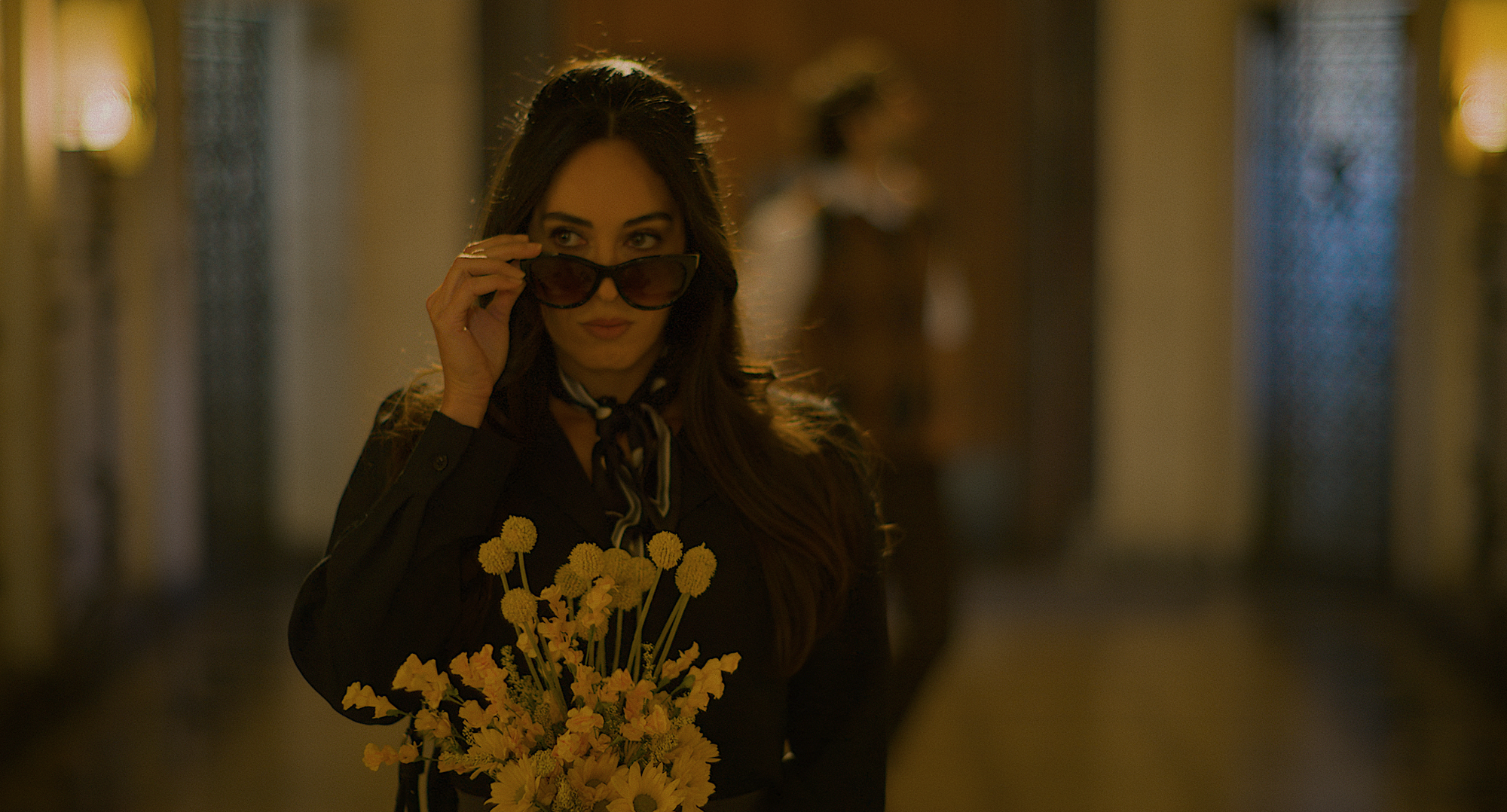
Jeff Speed, writer, director, editor, and producer of the newly selected FilmQuest 2025 film Red Ribbons in the House of Stained Glass, dives deep into a dark, suspenseful narrative about a journalist chasing a story that could cost her life. Featuring a talented cast including Jayda Aslan as Iris and Elizabeth Cuzzupoli as the Vatican’s enigmatic assassin, the film explores the dangerous intersections of ambition and truth. Collaborating closely with a dedicated crew, Speed’s work pushes genre boundaries with a striking visual style inspired by classic Giallo films.
What drew you to make Red Ribbons in the House of Stained Glass? Why this story, and why now?
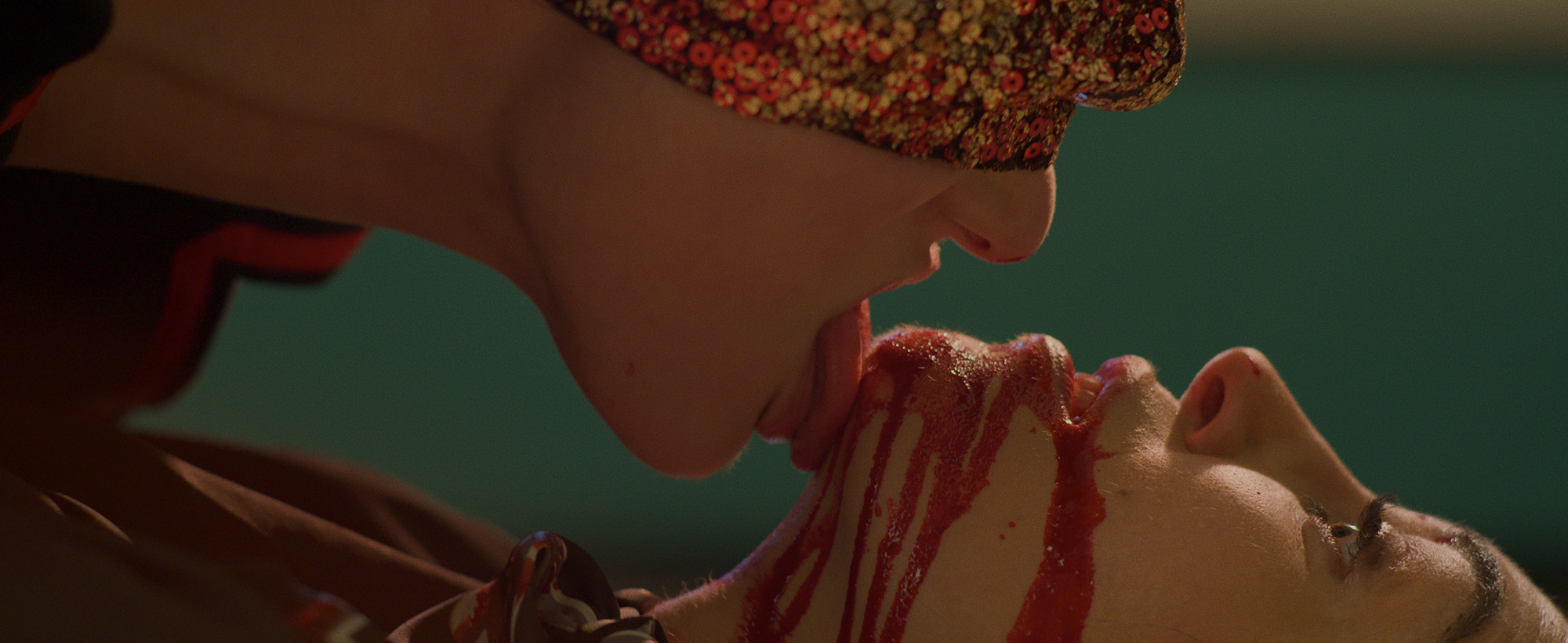
I made this film because I had to. Just like my lead character in my film, I was desperate to get something going. Life happens fast and then all the sudden it’s been years since your last film. I could feel the dream slipping away and knew It was time to risk it all. The project, however, was supposed to be different story all together. I had an award winning, and very ambitious short film script that I was dying to make but I wanted to do a small and quick practice film first. Get back in the saddle and familiarize myself with the process again. My idea was to do something simple but high on style.
"I made this film because I had to... THIS would now be the film where I pushed all my chips into the middle of the table."
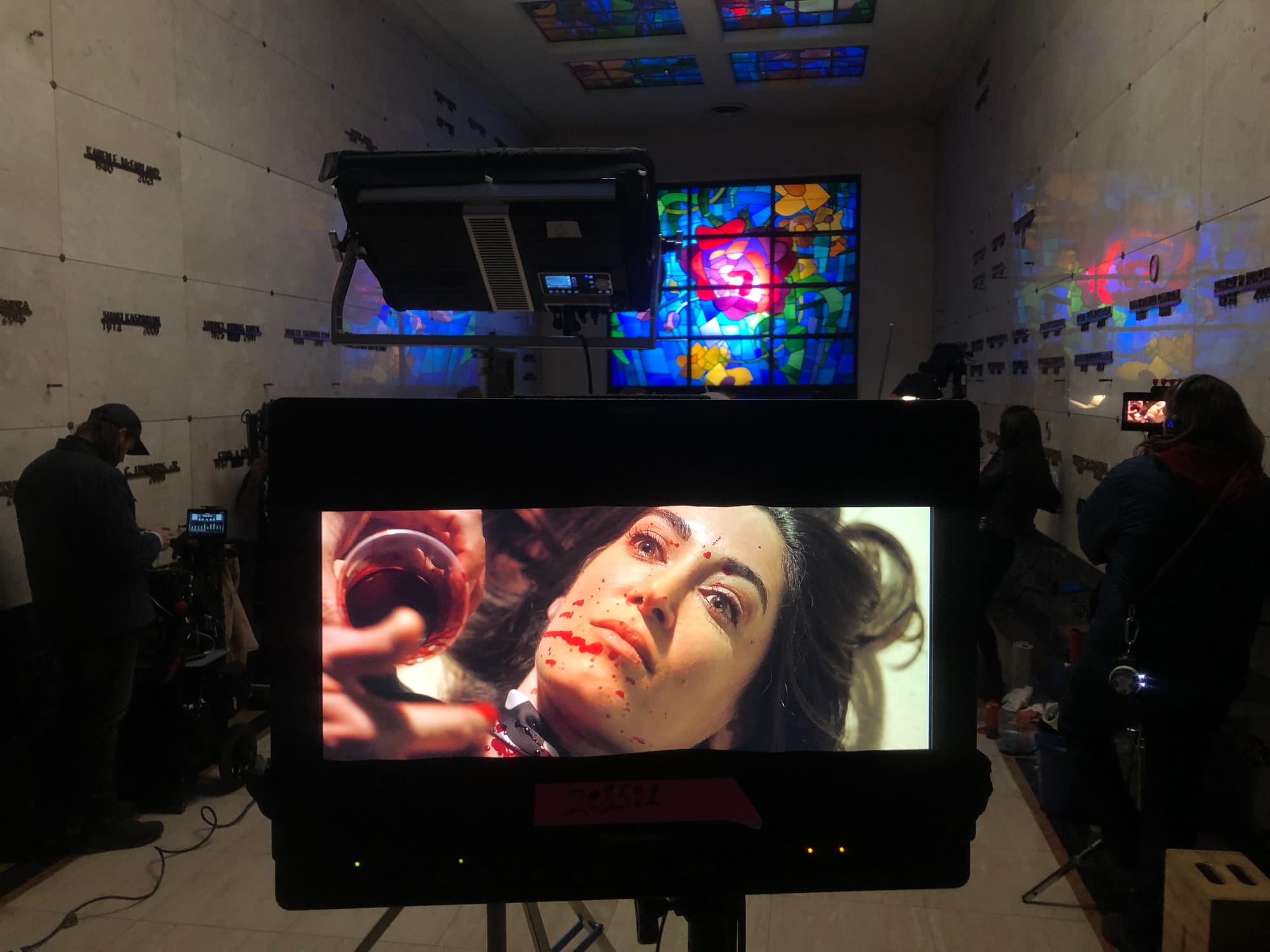
I have always loved Giallo films so here was my opportunity to play in that world. A female killer getting dressed for a night on the town. Sexy and hypnotic. A one room scene, but I wanted stained glass windows for some extra flair. I asked my friend and producer (who does location managing as his 9 to 5) if he knew of a place with stained glass. He took me to this insane mausoleum and that changed everything. The place was huge, deserted and every corner was breathtaking. The gears started turning and the simple Giallo scene became a much bigger project. The story ideas came fast and furious. I gave my lead character the "all or nothing" attitude I was had at the time, added a “be careful what you wish for” theme, and we were off. THIS would now be the film where I pushed all my chips into the middle of the table.
What surprised you most about the filmmaking process this time—creatively or logistically? Was there a moment on set or in post that completely changed how you saw the story?
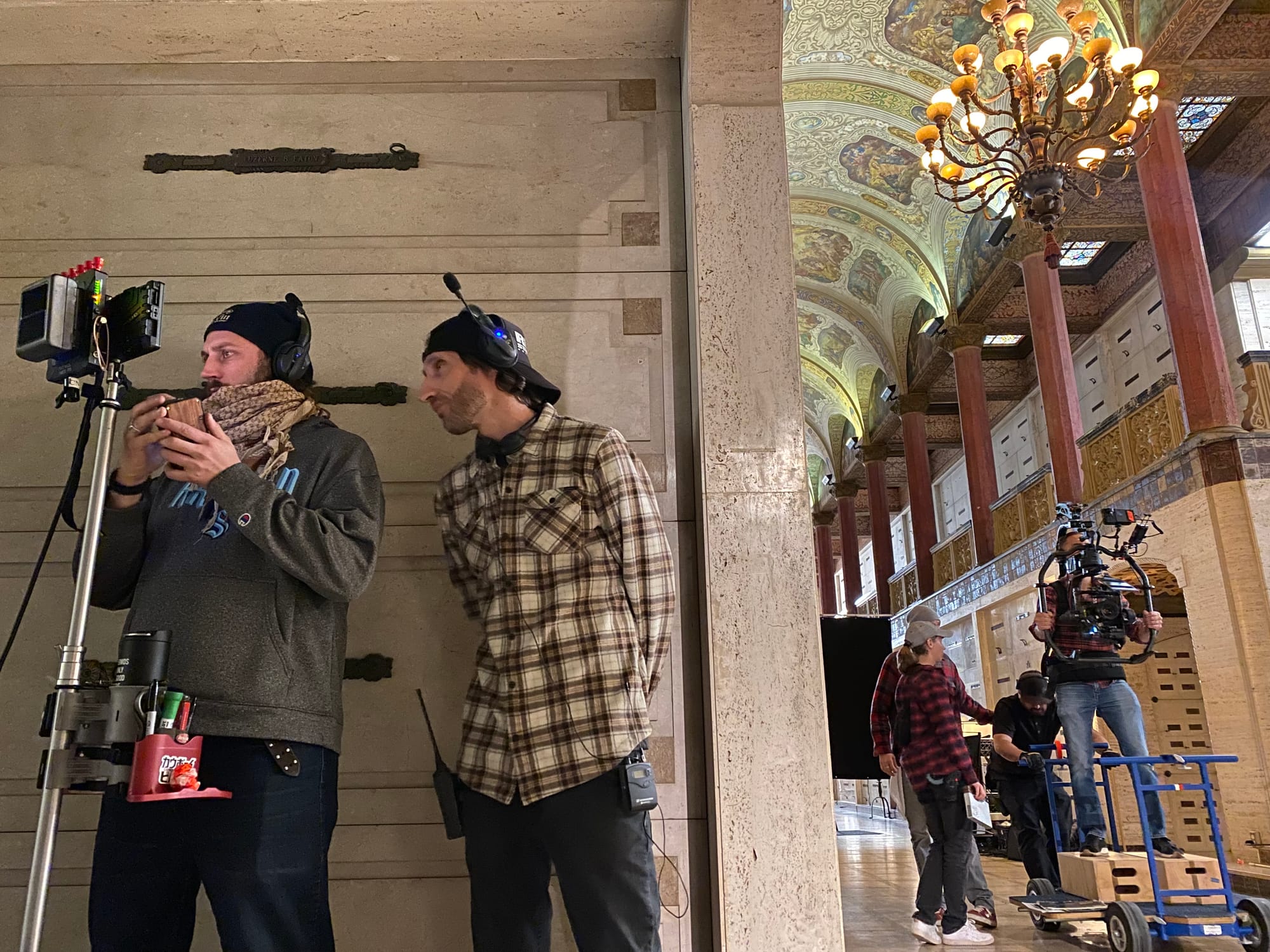
What surprised me most about the filmmaking process this time is how fast the technology is developing. Some things are developing much faster than others leading to bottlenecks and incompatibility issues. For example, we shot our film in ProRes Raw and my fairly new computer couldn’t handle the footage at all. I had to rent a better computer just to color grade it, and on top of that Premiere didn’t have the tools yet to grade it properly. I had to use the unstable Beta version that was full of glitches and application crashes. Absolute nightmare.
Is there a moment in the film that feels the most you—something only you could have made?
I think it's the film as a whole. There are a handful of filmmakers that I am inspired by and certain shots/sequences may reflect that but as a whole, when I compare this film to my other works, I can notice a distinct style among them, and I am proud of that.
What was the hardest creative decision you made while making this film?
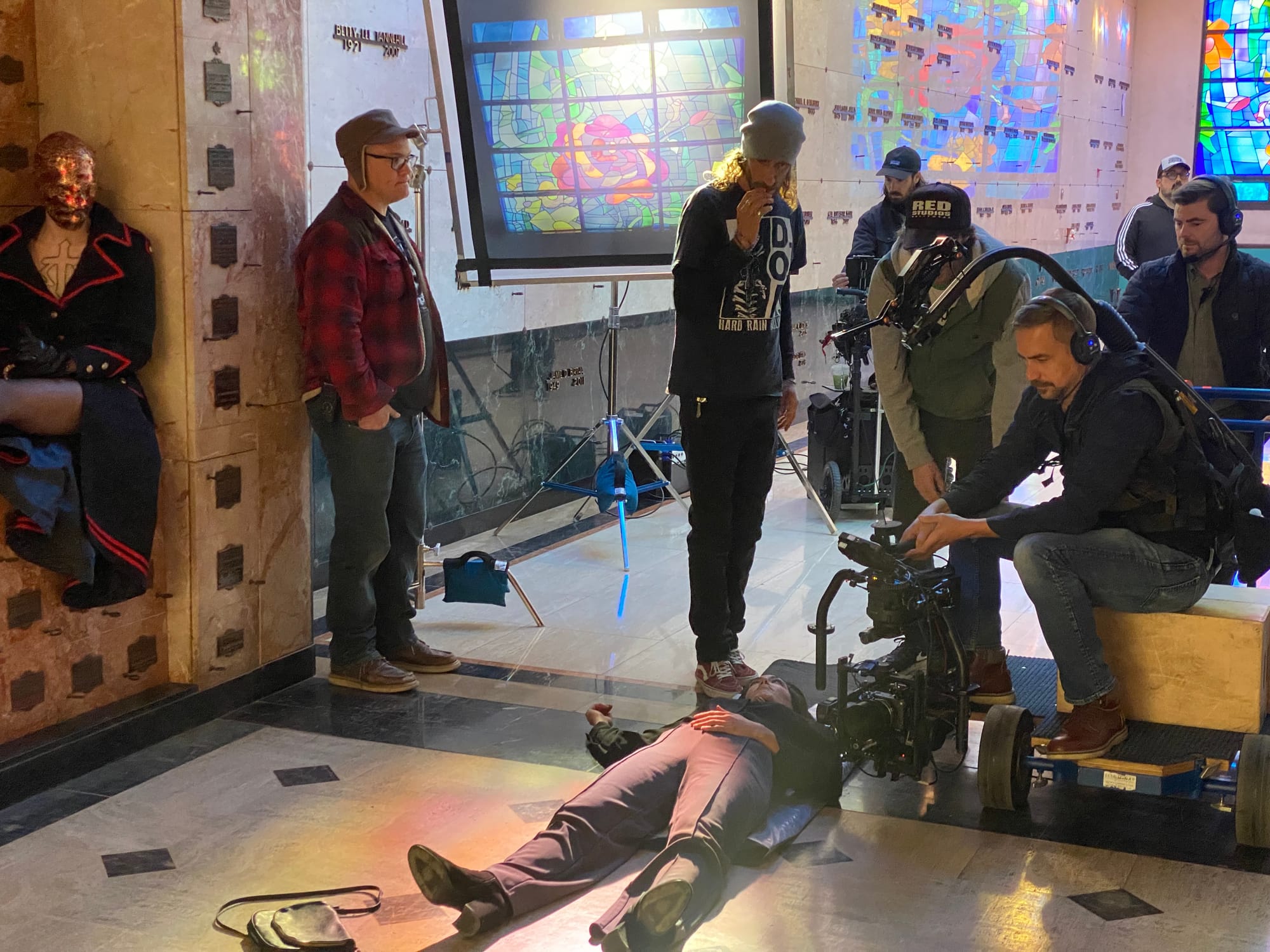
The hardest creative decision I had to make was when certain post processes weren’t working out, I decided to take the reins and do them myself. This meant it was going to take much much longer to execute, because I had to learn as I went, but at least I would get the result that I wanted and save money.
What do you hope audiences take away from your film?
I hope the audience is entertained, intrigued and feel like they had a stimulating experience.
How has this film shaped or shifted the kind of stories you want to tell next?
If anything, this film has emboldened me to keep trusting my instincts, keep exploring new ways of visual storytelling and keep creating.
What’s a tool, technique, or resource that really helped you during production?
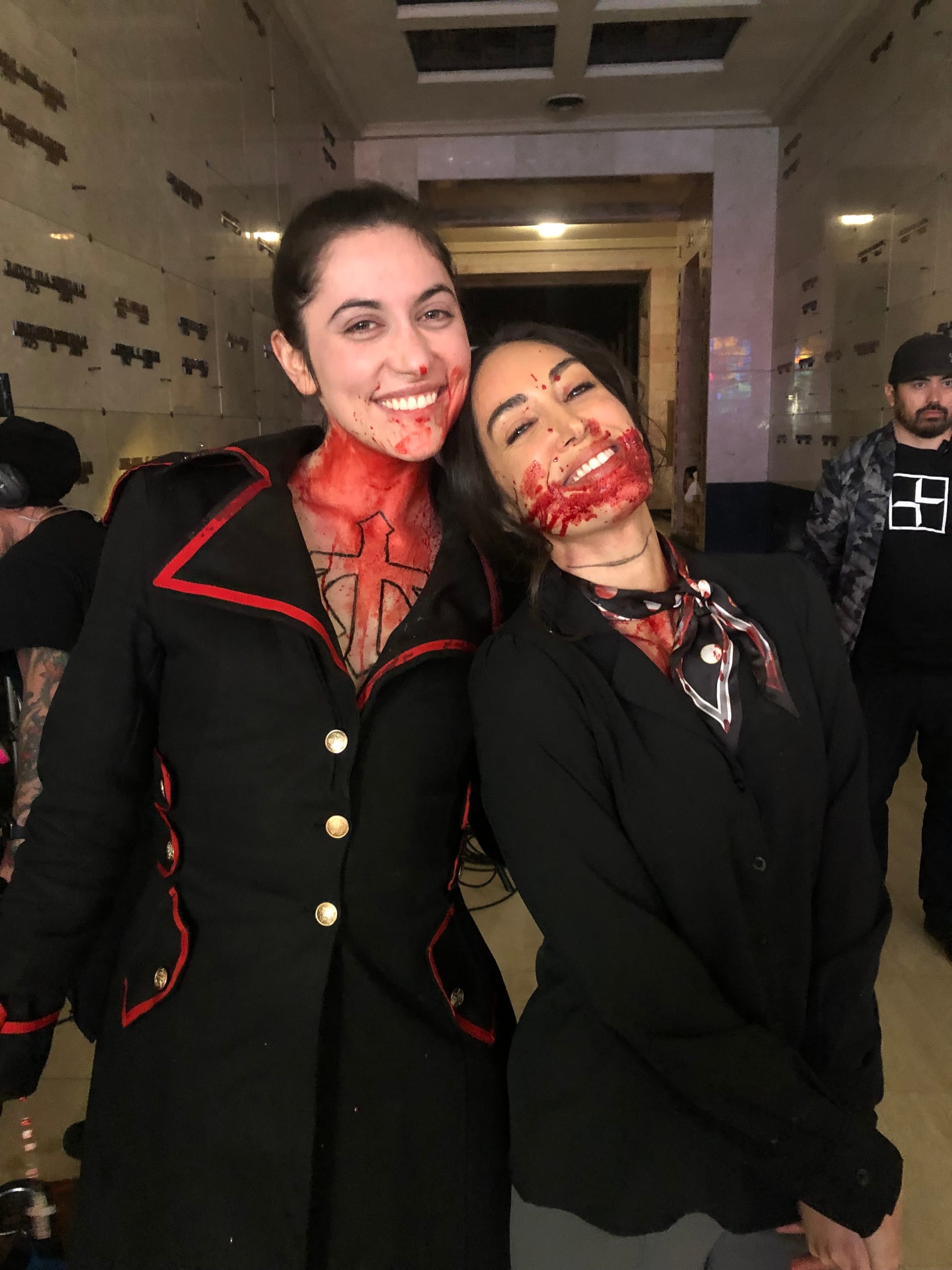
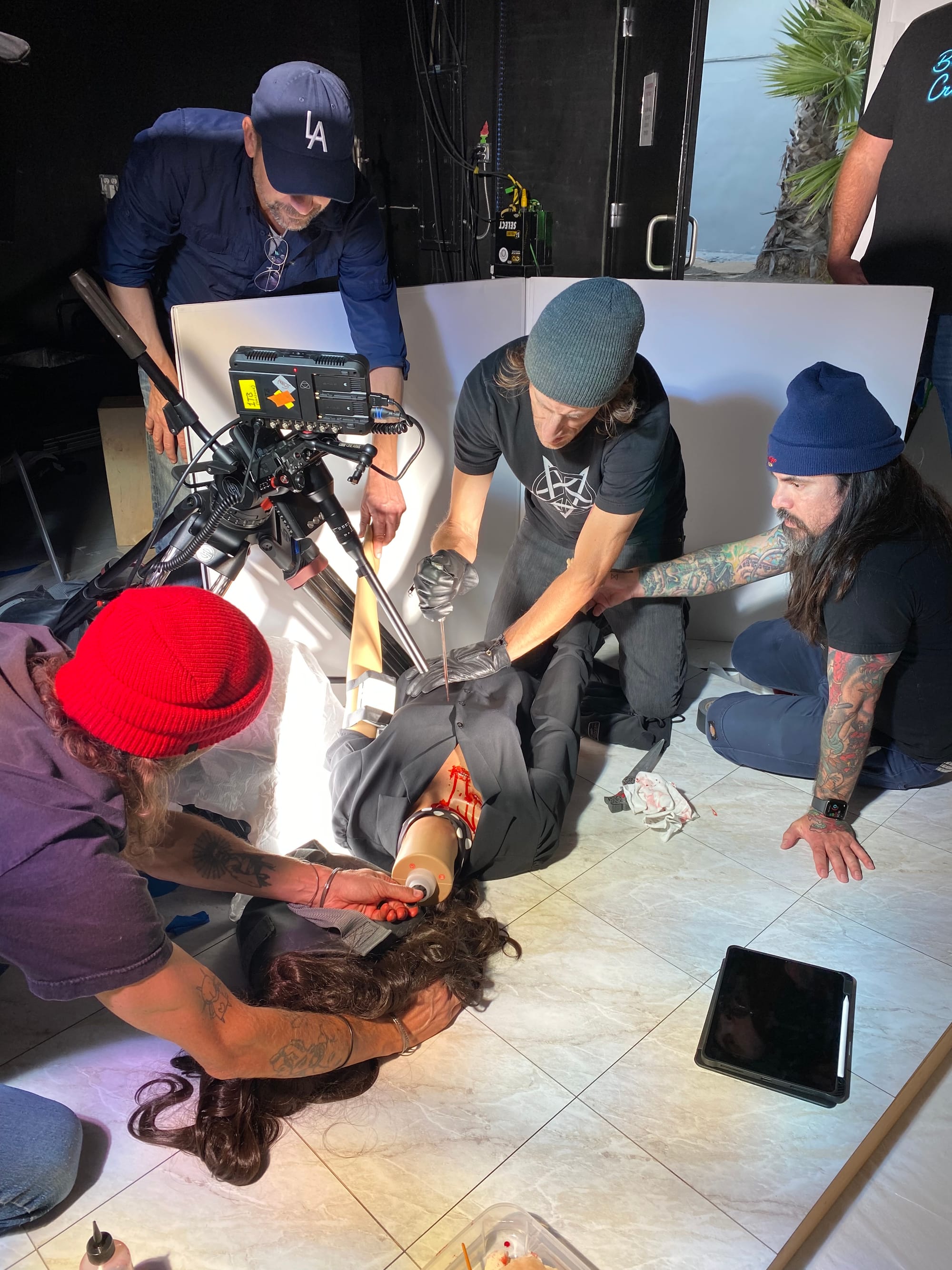
Heavy preproduction and a collection of talented collaborators were crucial to our successful production. I think the success of any project, especially low budget hinge on preproduction. If you aren’t prepared for the gauntlet, you will get crushed. As far as collaborators go, I had so many amazing people lend me their talents and this film couldn't have been realized without them. I am grateful to every person that was a part of this project.
Independent filmmakers often rewrite the rules out of necessity. What do you think is the greatest strength of independent filmmaking, and how did you lean into that on this project? Is there a lesson or breakthrough you’d share with others navigating this path?
"Be bold and take risks! That’s the lesson."
Don’t try to fit into this box or that box, be bold and give us something fresh and unique. The beauty of independent filmmaking is that it is detached from the cookie cutter, chicken shit ways of the Hollywood system. To me, this is where the exciting films are being made.
What does it mean to you to have your film selected for FilmQuest, one of the world’s top reviewed genre film festivals?
Having my film selected for FilmQuest means everything to me. I put everything I had into this film. Being acknowledged by one of the genre fest titans helps strengthen my belief that I belong here and that my filmmaking dreams are still alive.
"Having my film selected for FilmQuest means everything to me... my filmmaking dreams are still alive."
FilmQuest celebrates the majesty and might of genre filmmaking across fantasy, horror, sci-fi, action, thriller, western, kung-fu, and beyond. How does your film fit within—or push the boundaries of—genre storytelling?
My film celebrates a unique, sometimes overlooked sub-genre that drips with bold storytelling choices. It's a perfect fit for FilmQuest and I am grateful they responded to it.
Where do you see this film going next?
I see many more film festival screenings throughout 2026 and hopefully I can generate interest for a feature film version of the film.
"At the core of all my work is a desire to entertain audiences, stimulate them on multiple levels and leave them wanting more."
Cast & Crew
- Jayda Aslan — Iris
- Elizabeth Cuzzupoli — Lady of the Crimson Cross aka the Vatican’s Assassin
- David Prottas — Marco
- Thomas Avona — Archbishop
- Elliot Masters — Parish Priest
- Glenn Lawrence — Mourning Mafioso
- Brianne Buishas — Abused Young Woman
- Patrick Guera — Crimson Hood #1
- Phil Mucci — Crimson Hood #2, Associate Producer, Visual Effects Supervisor
- Jeff Speed — Writer, Director, Editor, Producer
- Chris Speed — Producer, Art Director & Special Effects Technician
- Doug Cheney — Associate Producer, Director of Photography
- Karl Casey — Score Composer
- Jordan Deveix — Key Hair / Makeup & SFX Makeup
- Jason Hafer — Associate Producer


