Table of Contents
Three Key Takeaways
- Madonna Mia explores the intersection of Catholicism and queer identity through a playful, heartfelt coming-of-age story set in Italy.
- Independent filmmaking thrives on community collaboration, exemplified by Garrett’s remote prep and multicultural crew efforts.
- The film’s editing process was transformative, reshaping narrative flow and tone to maximize emotional impact in a short runtime.

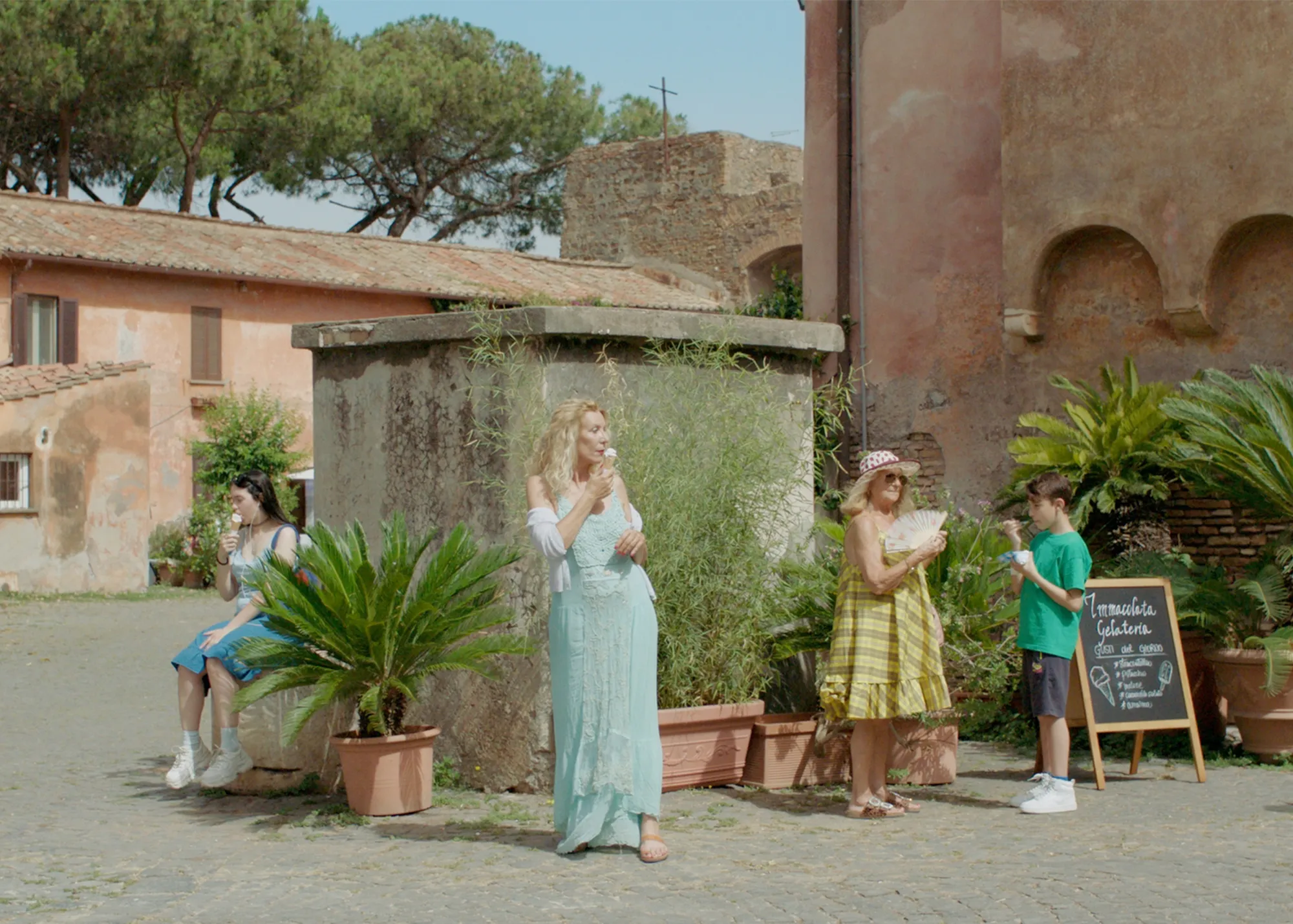
Valentina Garrett’s short film Madonna Mia invites audiences into the intimate, complex world of 16-year-old Gaia as she navigates sexual awakening and spiritual guilt in a small Catholic Italian town.
Featuring Angelica Granato Renzi and Beatrice Modica among a talented cast, the film is a playful queer love story that reframes religious iconography with empathy and acceptance.
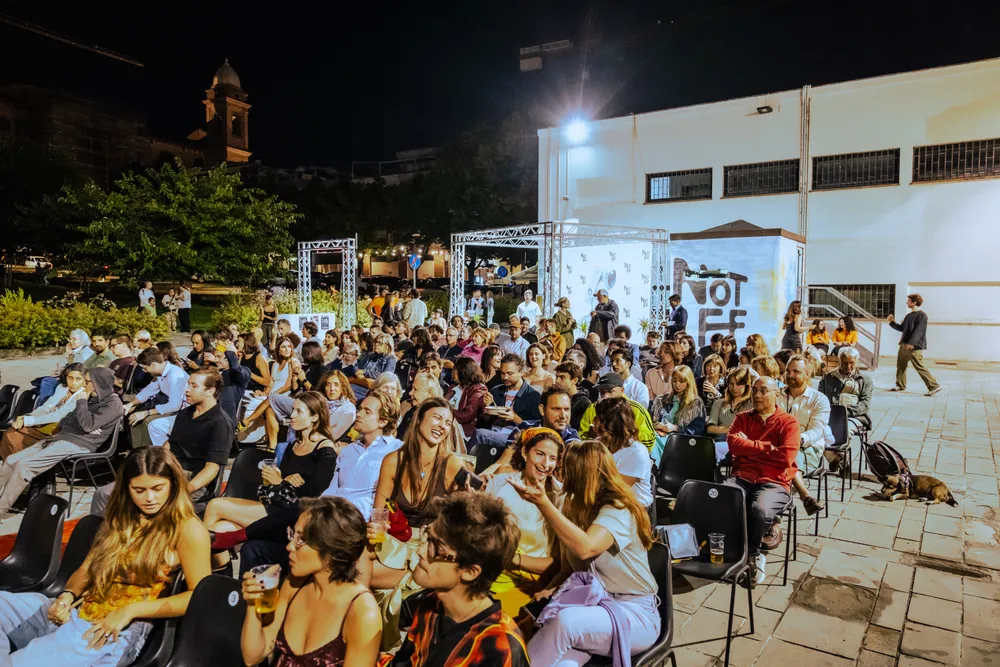
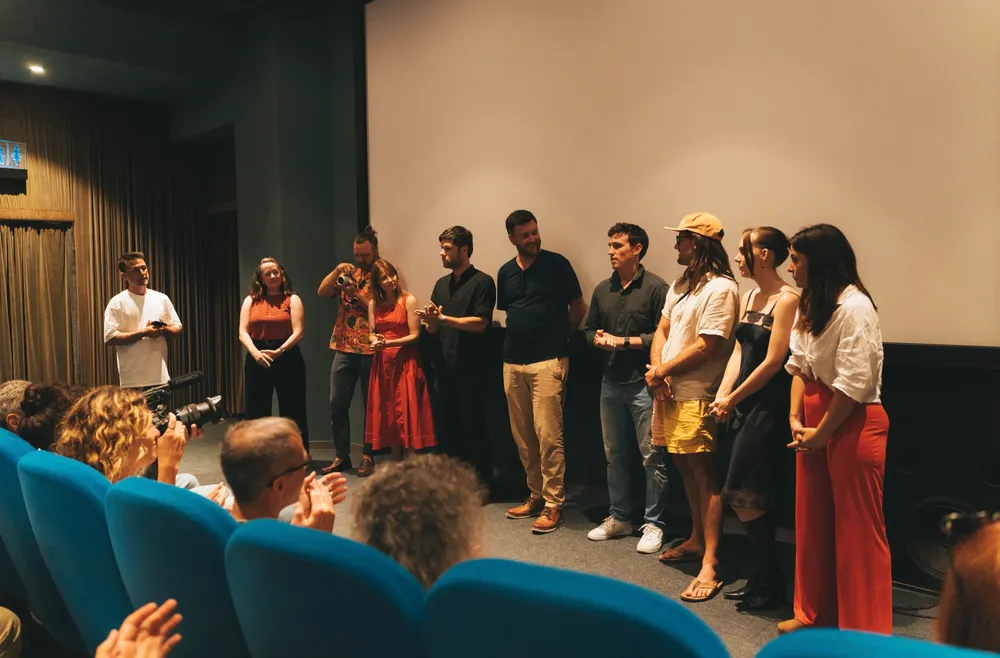
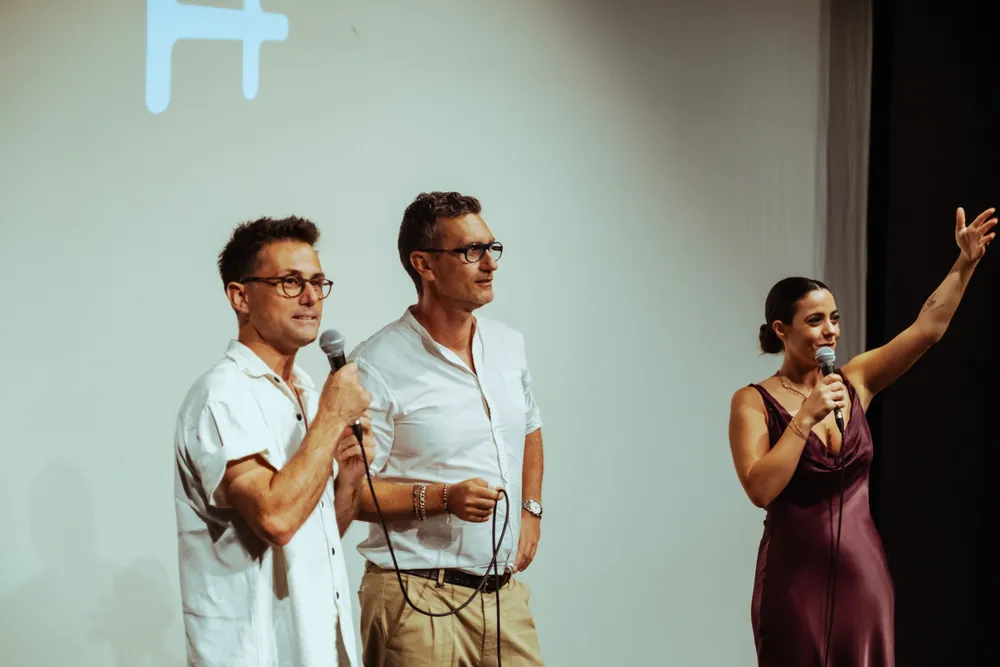
Madonna Mia is proud to be showcased at Nòt Film Fest, a fitting debut given its heartfelt connection to Italy and its vibrant community spirit.

Q&A Interview
What drew you to make this film? Why this story, and why now?
The film evolved from the real story of me at six years old, where I had a panic attack during my first confession. At the time, it felt funny and absurd, but over the years I kept returning to the question of what makes a child feel guilty, whether it's from religion or secular social constructs. That spark evolved into imagining a story about young people wrestling with guilt, desire, and belonging within their circumstance.
As I explored those themes, I wanted to highlight something I rarely saw depicted in media, which is LGBTQ stories connected to Catholicism—especially stories that hold space for both joy and spirituality. Many of my close friends grew up Catholic but found themselves pushed to the margins, having to grapple with a choice between abandoning faith or accepting themselves. With this film, I wanted to tell a playful queer love story in Italy, in a church—with the Virgin Mary not as a symbol of judgment, but as a figure of acceptance.

What surprised you most about the filmmaking process this time—creatively or logistically? Was there a moment on set or in post that completely changed how you saw the story?
What surprised me the most during the filmmaking process was how rearranging scenes in the editing room made all the difference in terms of storytelling, and that would have not happened without Sabrina Rosu, our editor.
There were scenes that were cut completely, or scenes that originally were written towards the end of the script that were moved up to the beginning, and established the world way better in a shorter amount of time. I think with a short film, context needs to be maximized quickly, and there were so many little surprises in the editing room that would push our momentum forward when we were stuck.

Is there a moment in the film that feels the most you—something only you could have made?
The moment in the film that feels the most me was actually all thanks to Angelica [Granato Renzi], our lead. There's a scene towards the middle where Gaia is covering herself with a bedsheet from the Virgin Mary statue because she feels guilty for masturbating, and funny enough when she covers herself she looks like the Virgin Mary.
While I'd love to take credit for the idea, Angelica's instincts were spot on and it's my favorite frame of the film, and one of the moments people notice the most. Another scene that feels the most like "me" is the lunch scene, the first cut of that scene was actually very similar to the final version, our editor Sabrina Rosu captured the crescendo of tension from the first pass, she brought so much energy and rhythm to it--we just spent our time tweaking it. It reminded me so much of my own family, and our "cinque minuti" (5 minutes).
"With this film, I wanted to tell a playful queer love story in Italy, in a church—with the Virgin Mary not as a symbol of judgment, but as a figure of acceptance."

What was the hardest creative decision you made while making this film?
The hardest creative decision was to film in Italy, as we were prepping in London so everything needed to be prepped far enough in advance so that when we arrived, we were ready to go. Being far away during prep, we couldn't see any spaces apart from Google Maps and some pictures, we didn't have a church location until the day before, we weren't able to table read with the cast until the day before filming--at the time these felt like massive challenges, but absolutely worth it in the end.
It was a huge learning moment, this effort really took a village: our crew, our cast, our families (The Rosu Family & Ferramosca Family)...our editor's Nonna is the Nonna in the film! We got everyone we could involved and this is a product of 40 different people helping out strangers.

What do you hope audiences take away from your film?
I hope women feel inspired to masturbate guilt-free!

How has this film shaped or shifted the kind of stories you want to tell next?
I love stories that challenge morality but are fun and most importantly- depict real people. I love to make something silly, like masturbating on the toilet, and pumping it with meaning.

What’s a tool, technique, or resource that really helped you during production?
Our DP, Matt Thompson, was a true minimalist on this shoot. I called him the octopus man on set because he gaffed most of the lighting setups and was able to make it look incredible with very bare bones equipment. It takes so much confidence as a DP to be able to do that, I don’t think people realize–well he did win Madonna Mia an award for “Best Cinematography” at the NAHEMI festival, so I’m glad people are noticing! Our crew was really amazing about wearing multiple hats, our First AD and Producer, Maddie Hartley, was our mindset shift and collaborator who wore many big hats all at once.
She would work 12 hours on set, eat dinner, then spend two more hours working with Matt and I on the shot list for the following day's schedule. Gaspard Drolet (Sound Designer) was also our sound mixer and boom operator on set, and stepped in a week before to fill in. The confessional booth was built by our amazing Production Designer, Chiara Ferramosca, and her father, Santino. Chiara designed and built a model, a three-paneled open structure, and Santino laser cut a pattern onto wood to make the confessional grill. This absolutely blew me away and gave us the control we needed for one of the more important emotional scenes–and also gave the actors the space they needed without feeling crammed in a hot sweaty confessional booth.

Independent filmmakers often rewrite the rules out of necessity. What do you think is the greatest strength of independent filmmaking, and how did you lean into that on this project? Is there a lesson or breakthrough you’d share with others navigating this path?
You can't make anything without the thumbprints of so many different collaborators, film is a collective art form and you need to lean into that each step of the process. You have to be open to listening, otherwise you'll miss out on the best idea in the room that will best serve that story you set out to tell in the first place.
For Madonna Mia, the script was written in English, then translated to Italian, then rewritten to accurately depict the Roman dialect. I'm from Los Angeles, and while I have roots in Milan, there's no way I know how to write in a Roman dialect, no matter how much I google. I had our actress and lead, Beatrice Modica, rewrite dialogue with me, I had our editor, Sabrina Rosu, teach me all her Roman slang, and then the actors spent a day rehearsing and improvising with me prior to filming. While I had set up the guideposts for them, they filled out the characters in a way I never could've written, and I'm incredibly proud of the performances they brought to the film.
"The greatest strength of independent filmmaking is that community is the necessary key to pulling it off."

What does it mean to you to have your film selected for Nòt Film Fest?
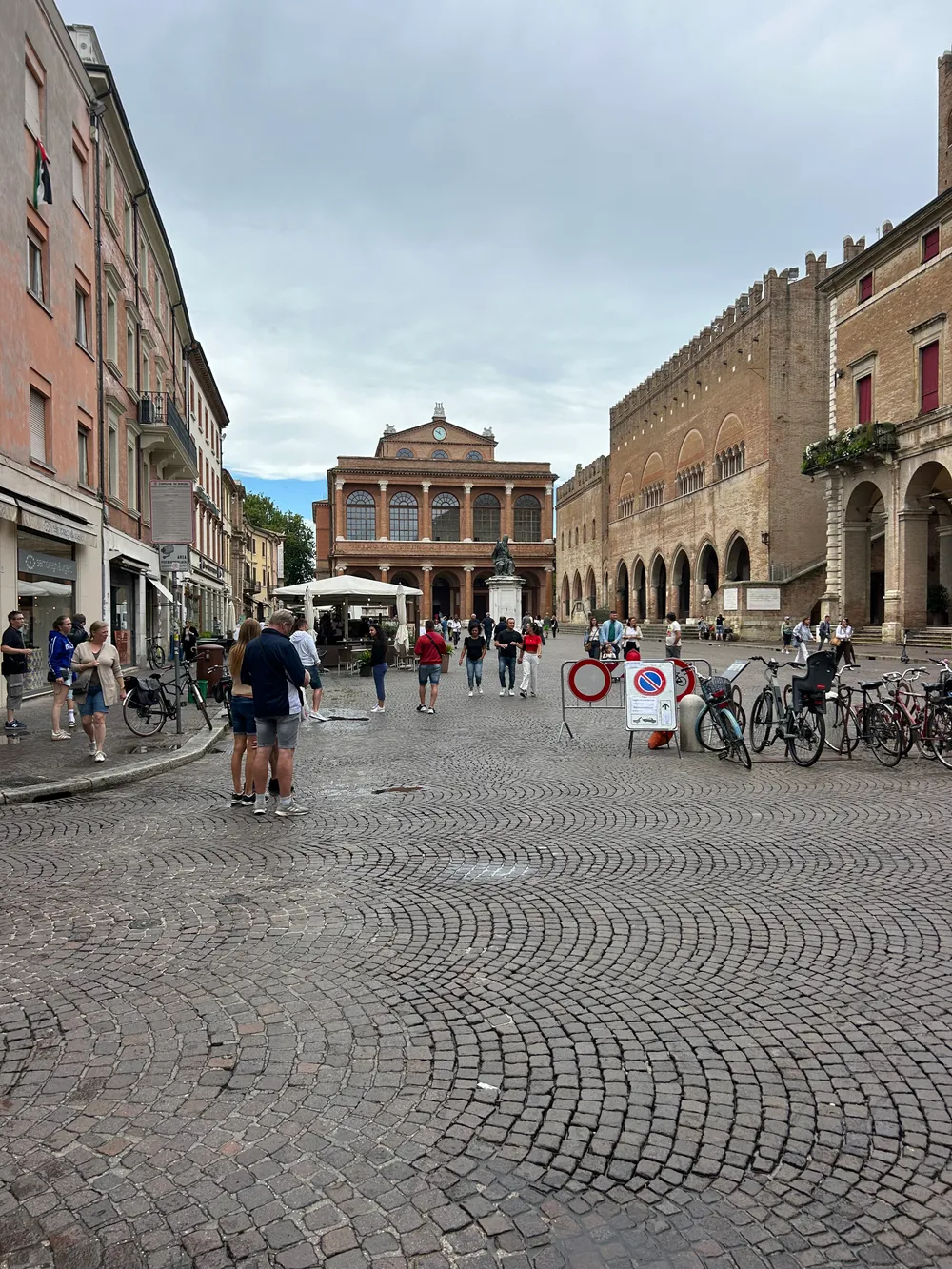
I’m super proud of the team and our film, Nòt feels like the exact type of festival we would have dreamed to premiere at this time last year. It’s incredibly special to be back in Santarcangelo, my family actually used to vacation 20 minutes from here every year while I was growing up. It feels very full circle.

How do you hope being part of Nòt Film Fest will shape the life of this film?
Nòt is doing such a great job of pushing filmmakers to push their films, having us promote our work in a way that feels authentic to the filmmakers. I am so excited to see how our film plays in an international audience, to see if it lands with both cultures. I think the programmed films will be the tip of the iceberg for everyone here who is showcasing their work, and I’m excited to be inspired by other filmmakers, actors, artists from all over the world.

Where do you see this film going next?
Our film is going to have its Los Angeles premiere at RSFF - Rich & Successful Film Festival and will later play at Oscar-qualifying festival Out On Film (US); Aesthetica Film Festival (UK); Encounters Film Festival (UK); Some Prefer Cake - Bologna Lesbian Film Festival (Italy).
“At the core of all my work is a desire to create a hyper-meta exposure therapy process that dismantles your biases through the guise of entertainment, which in turn encourages you to be more compassionate, ultimately impacting your ability to love yourself and better the world around you."


Cast & Crew
- Cristina Bevilacqua, Marco Contini, Davide Zireddu, Francesca Lentini, Sabrina De Angelis, Maria Di Fatzio, Andrè Lacerda — Supporting cast
- Sabrina Rosu — Editor, Executive Producer
- Maddie Hartley — Producer, First AD
- Matt Thompson — Director of Photography
- Chiara Ferramosca — Production Designer
- Mafer Orozco Ramirez — Art Director
- Punya Sethi, Gaspard Drolet — Sound Designers
- Lorenzo Ceci — Composer
- Miraqueojos — Artist of song ‘Dimmi Keri’
For more on Madonna Mia, visit their Instagram.