

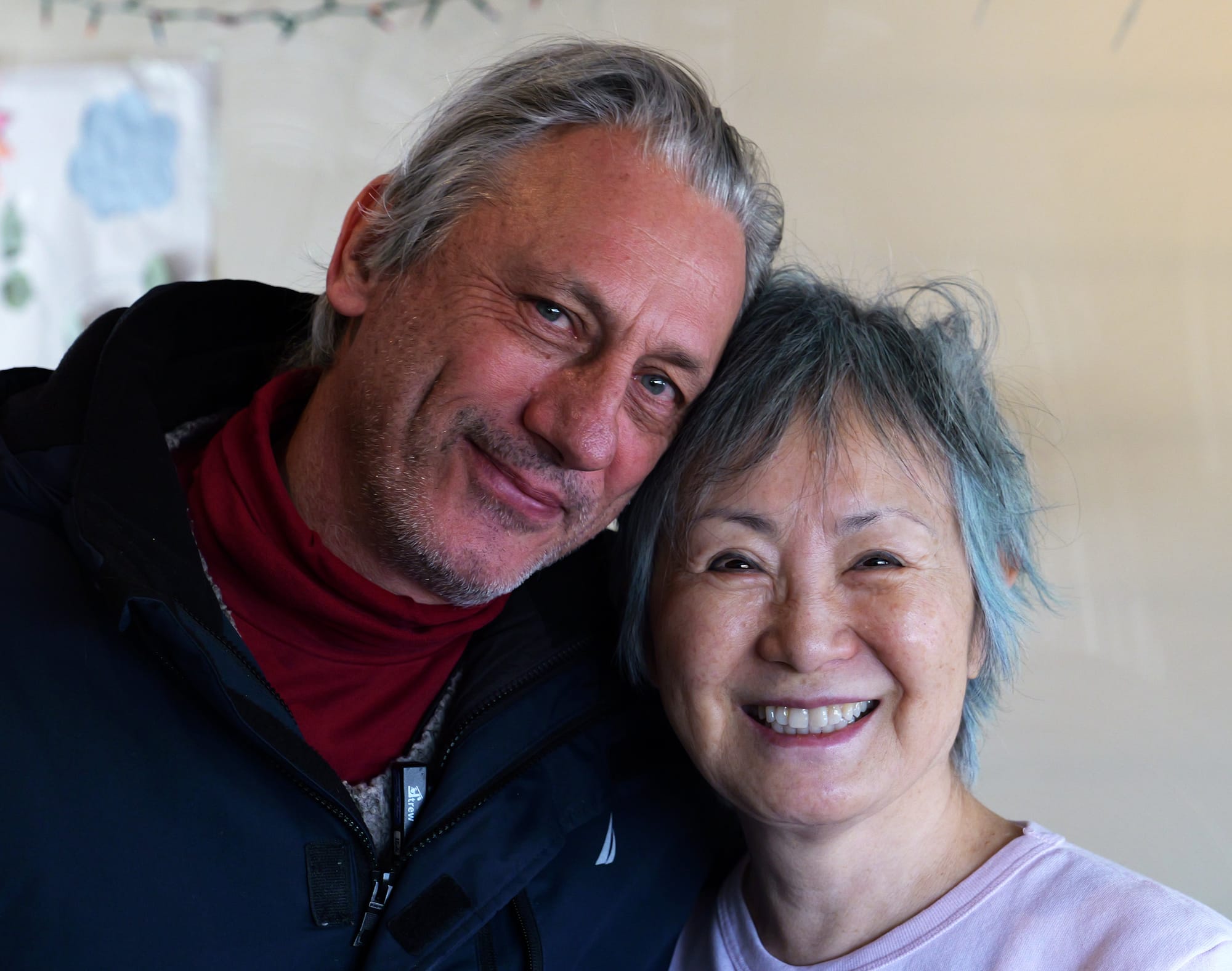
In Magan's Fare, Magan, a ride-share driver played by Academy Award nominee Barkhad Abdi, drives Jorani (Alexis Rhee) back to her nursing home on a cold December day and finds her bed is gone. Magan must then figure out what to do and decide how far he will go to help her. The film is written and produced by Dana White, who co-directed with Chris Knoblock.
The filmmakers write that their last three films have centered on older adults. Research begun during the pandemic led them to patient dumping, which they describe as "an under reported practice where vulnerable older adults would be taken from their facilities and placed in homeless shelters, bus stations and the like." Their first film on the subject, Involuntary, followed a man taken from his nursing facility. Magan's Fare approaches the same subject from the point of view of someone left with a "dumped" person. A feature version of the film is in development.
Key Takeaways
- The film was shot in northeast Ohio on the four coldest days of the year, and the filmmakers call the harsh elements "a hidden antagonist in this film."
- They knew the film's 26-minute length is often an issue for festivals but chose not to cut it.
- To protect the performances, they rolled on rehearsals and filmed on the shoulder with a cinematographer who had documentary experience. They also avoided over-relying on coverage.
Below are the filmmakers' written answers to our questions.
Interview
What drew you to make this film, and why this story, why now?
Our last three films have centered around older adults, so this has been a theme for us for a bit. During the pandemic, we began hearing comments such as, "...well, only older people are dying of COVID." Only older people? The idea that an older person's life was worth less ignited in us a desire to follow this train of exploration. Through research, we began to hear about the practice in the U.S. of patient dumping, an underreported practice where vulnerable older adults would be taken from their facilities and placed in homeless shelters, bus stations and the like. We couldn't believe what we were reading about and were witnessing in videos. Our first film centered on this practice, Involuntary, is a dark narrative short about a man with advanced dementia who is taken from his room at his nursing facility in the middle of the night.
Magan's Fare centers around the same subject, but from the point of view of someone who finds themself saddled with a "dumped" person and has to make a series of moral decisions which would decide this older person's fate.
The film is a “conversation” about the compartmentalization of our compassion for others and how we distinguish who receives our kindness and who does not.
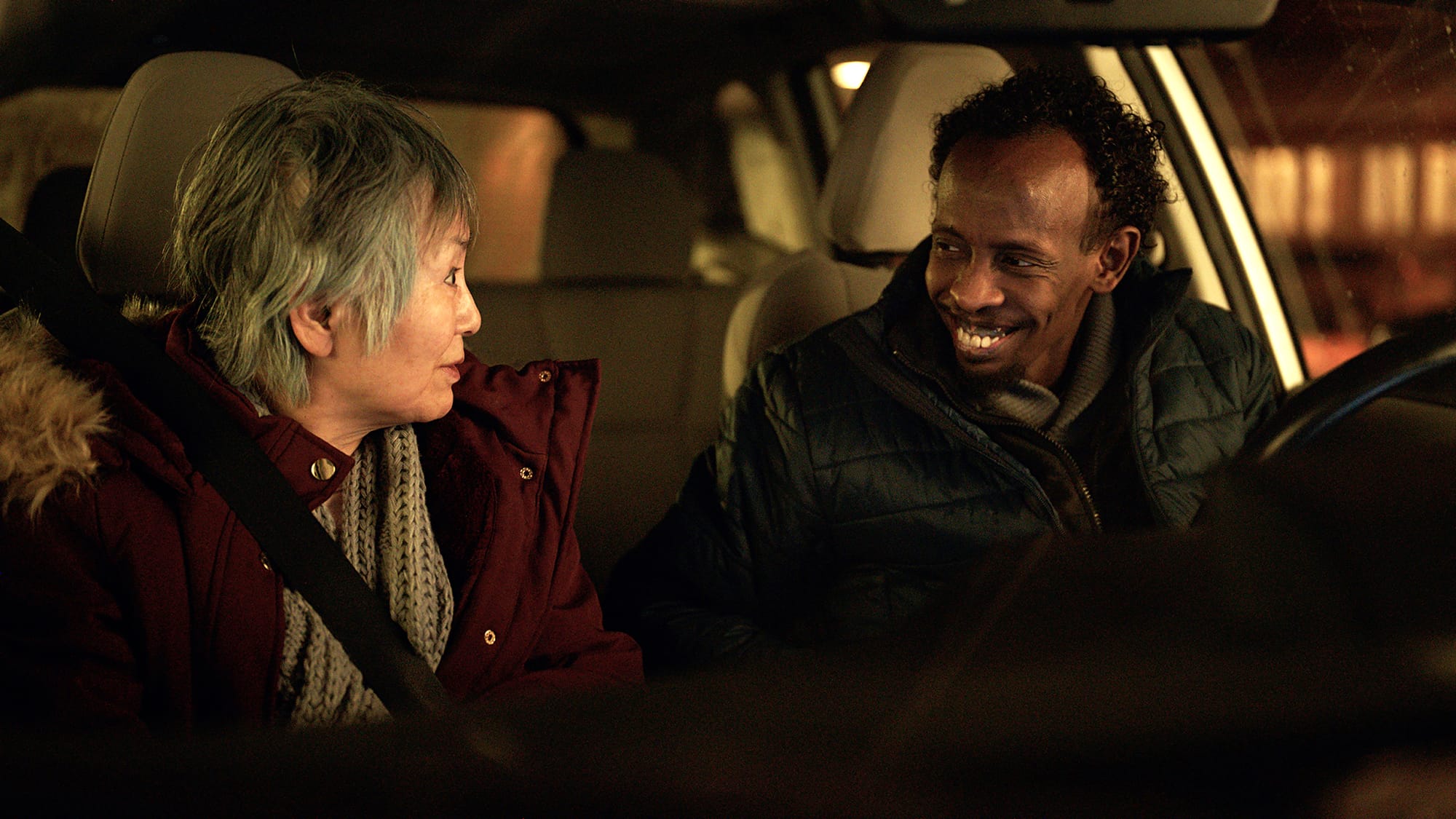
With Magan’s Fare, we wanted to explore the idea of individual moral responsibility: the challenge of true empathy towards those in need outside our familiar “box”. The story centers around two first-generation immigrants and former refugees: Magan, a pragmatic family man, ride-share driver from Somalia, and Jorani, an older nursing home patient. When Magan drives Jorani back to her nursing home only to find that they are kicking her out, he must figure out what to do with her. For Magan, Jorani is a fare, a means to his real monetary needs. As they spend more time together, however, Magan becomes personally invested in her fate. As we the audience identify more and more with Magan’s increasingly difficult situation, we question our communal responsibilities to one another. And through Magan, we are inspired to look more closely at our own capacity for compassion.
***The feature film version of Magan's Fare is currently in development.
What surprised you most about the filmmaking process creatively or logistically, including any moment on set or in post that changed how you saw the story?
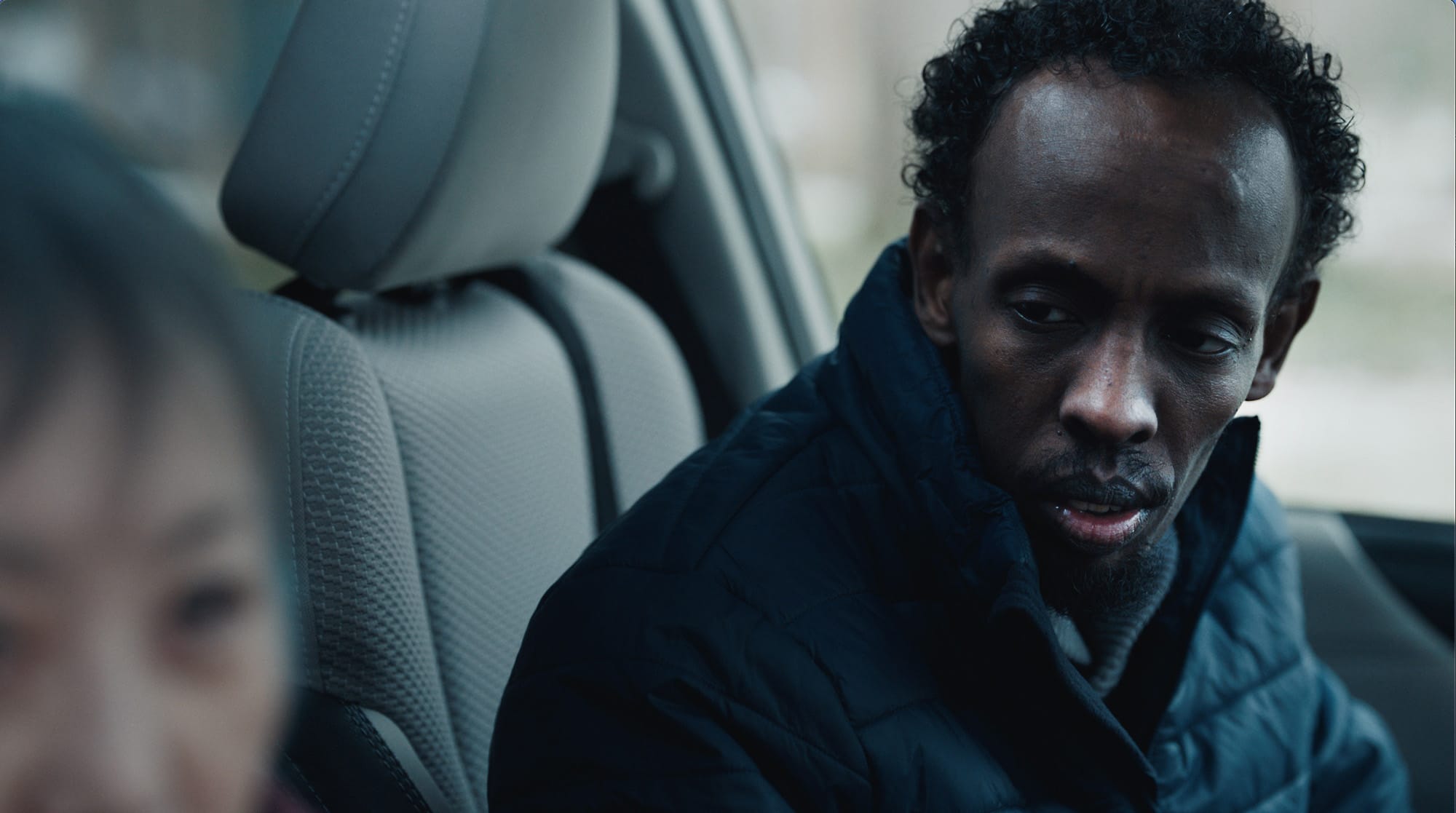
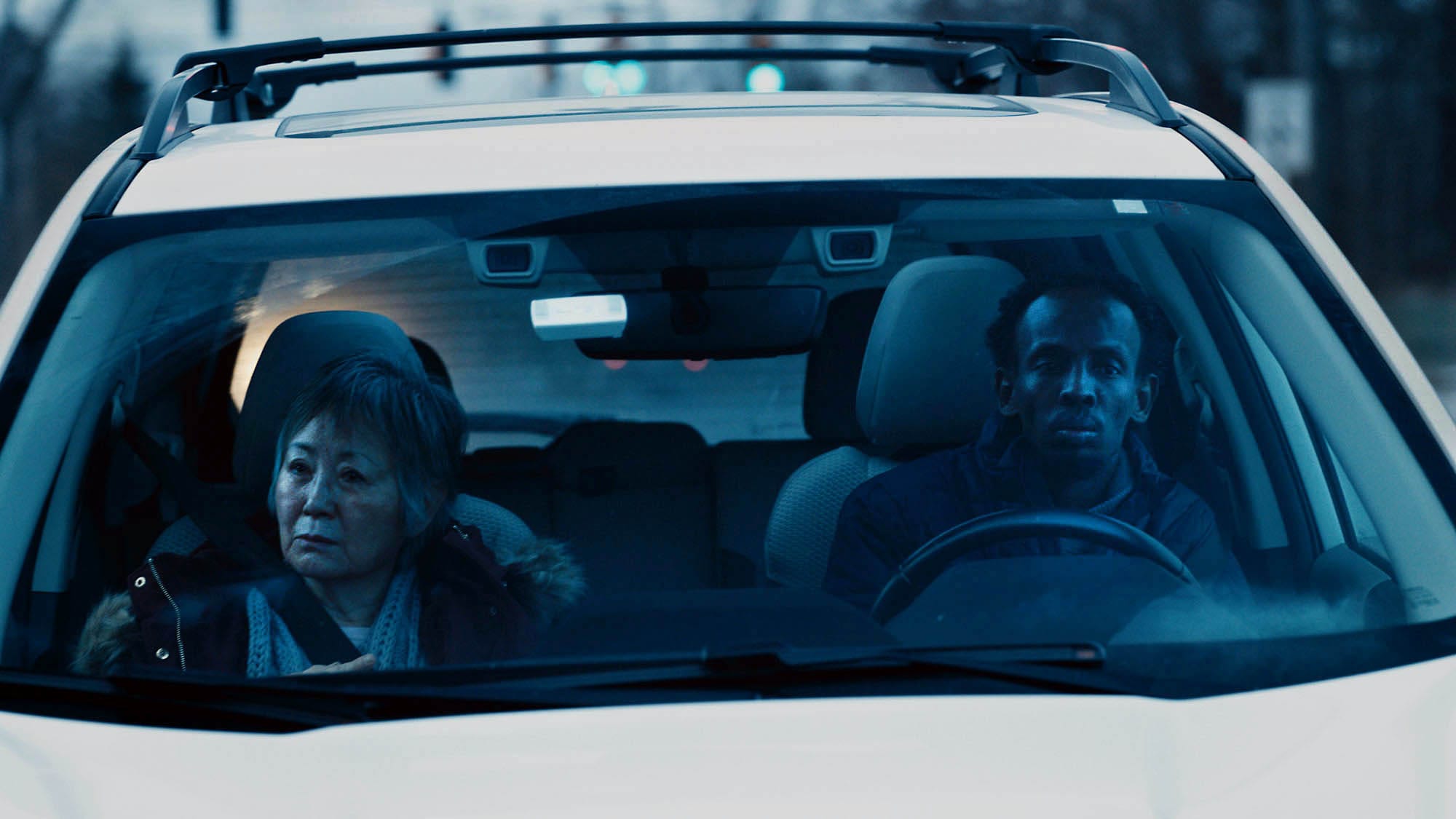
We filmed Magan's Fare in northeast Ohio on the 4 coldest days of the year. The crew were not happy campers! The harsh elements are a hidden antagonist in this film, as this amplifies the stakes for both lead characters. You can FEEL this cold due to the conditions. Logistically, this also helped with continuity, as there was only a thin layer of snow on the ground, but the cold kept it around for all 4 days of filming.
“The harsh elements are a hidden antagonist in this film, as this amplifies the stakes for both lead characters.”
What moment in the film feels most like you, or like something only you could have made?
The film really resonates with us as a whole, because the subject of elder care is so important to us. We cared for Dana's mother for 3 years as her health declined and she eventually passed. We saw first-hand from a front-row seat how loving attention to a declining individual makes, as well as seeing the trip we will all be taking away from this plane of existence. Seeing this emerge again with two world-class, wonderful actors on set was an incredible experience.
“We cared for Dana's mother for 3 years as her health declined and she eventually passed.”
What tool, technique, resource, collaborator, or mindset shift helped most during production?
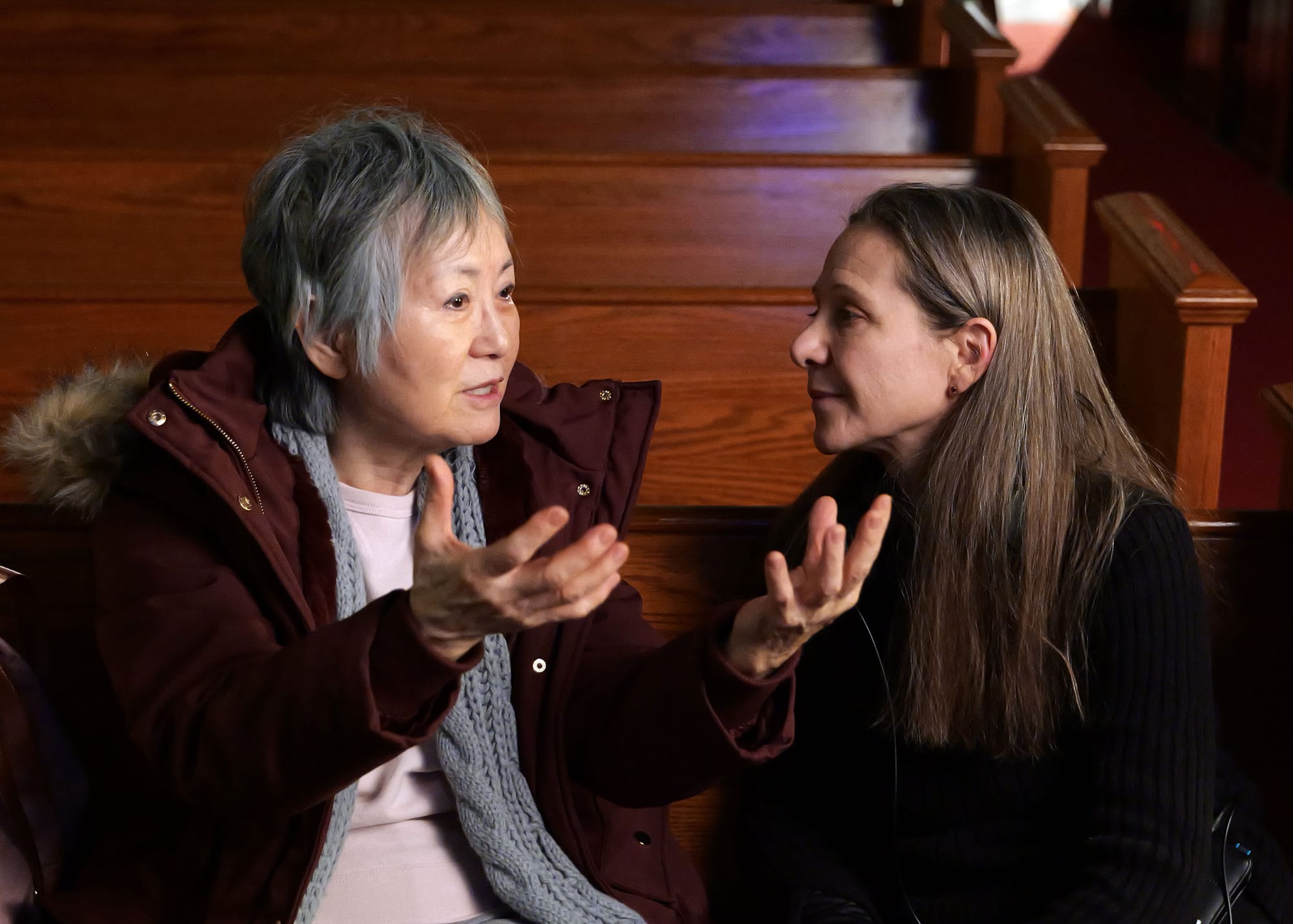
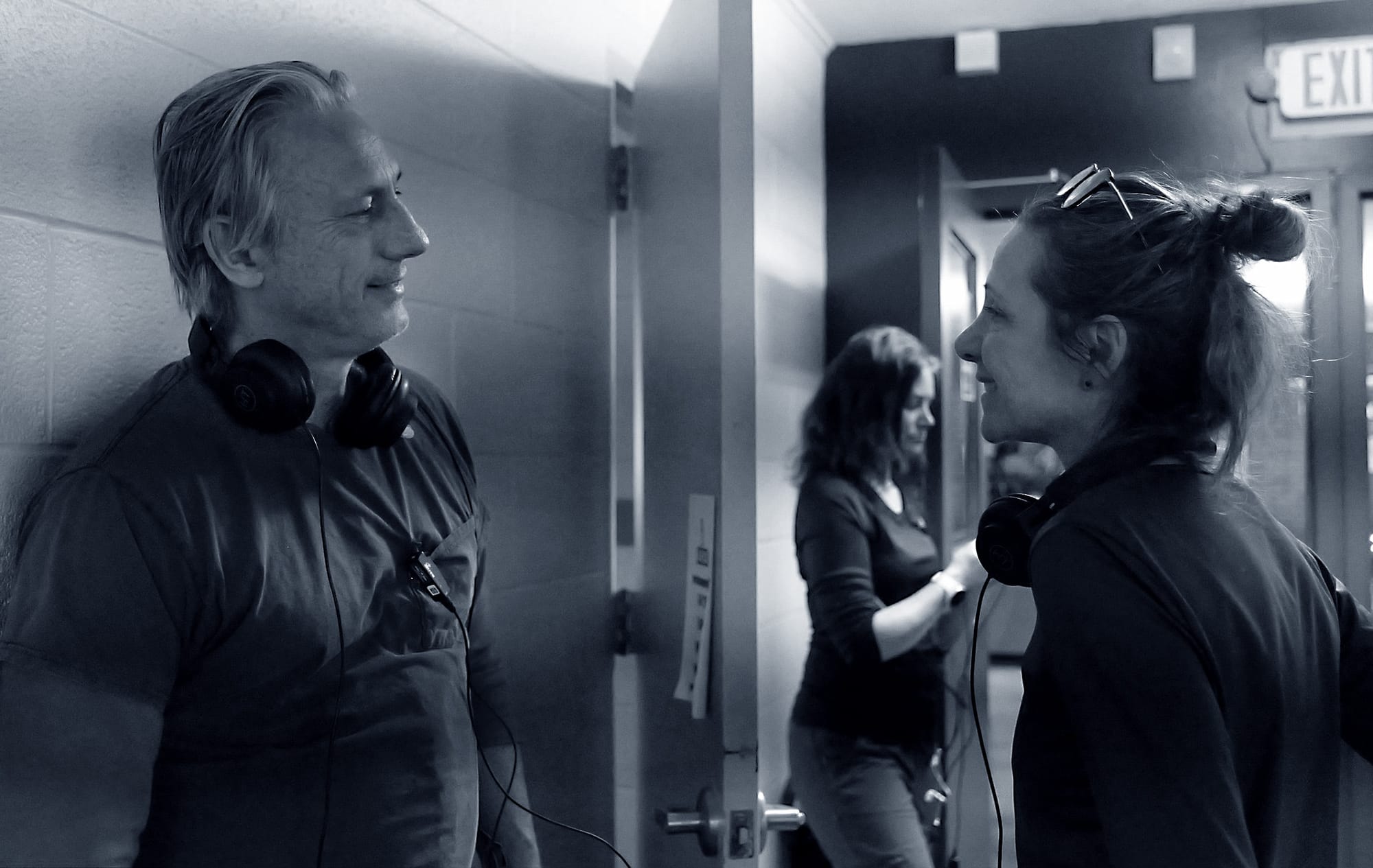
We told ourselves often that the success for the film we wanted to make rested on the fidelity of the performances and the connection between the two main characters. For us, that translated into planning on rolling on rehearsals, filming it on the shoulder with a really talented DP who also had experience in docs, and not over-relying on an overabundance of coverage.
What was the hardest creative decision you made while making the film?
We knew that the length of this film (26 minutes) is often an issue for film festivals, knowing that they would potentially have to turn away another film due to the length of ours. The temptation was to cut the length, but we stuck with our guns. This film just is what it is; we felt strongly that cutting this particular film would do it an extreme disservice. It just wouldn't be the film we felt it should be.
What do you hope audiences take away from this film?
That we're all human, that we're all connected by invisible strings, and that we all have the capacity to be kinder.

Where do you see this film going next?
We're finishing off our festival run here at HollyShorts UK, and are thrilled to be screening here. We also have some FYC screenings coming up in Los Angeles that we are also very excited about.
Asked to finish the sentence "At the core of all my work is a desire to ______," the filmmakers wrote: "Have some part of the essence of the films we make to stay with people, to leave a lovely, lasting stain somewhere inside of them."
Main Cast & Crew
- Magan: Barkhad Abdi
- Jorani: Alexis Rhee
- Writer, Producer, Co-Director: Dana White
- Co-Director: Chris Knoblock
- Casting: Judy Henderson
- Cinematography: Dylan O'Brien
- Composer: Bobby Ge
- Editing: Dana White
- Production Design: Keliiegh Miller
- Color: Jenny Montgomery / Company 3
- PR: Adam Segal, The 2050 Group; Catherine Lyn Scott, London Flair PR
Filmmaker Opportunities
💛 Fund your next project with fiscal sponsorship
Have a project in the works? As a 501(c)(3) nonprofit, the Cinematography for Actors Institute can accept tax-deductible donations on your film's behalf — a door-opener for grants, foundations, and supporters who want to back your work. We've serviced over 100 projects to date and helped route over $800,000 in funding to filmmakers. Explore fiscal sponsorship →
📬 Grant deadlines and festival opportunities, straight to your inbox
The CFA newsletter rounds up grants, festival calls, and community news for independent filmmakers — the kind of opportunities that are easy to miss and painful to miss. Join the newsletter →
🎬 Focus on the creative — we'll help with the logistics
Production Management, CFA's newest member program, launches this November: production insurance and workers' comp, payroll, film permits, gear rental coordination, SAG-AFTRA compliance, contract drafting, production consulting, and crew recommendations — handled by a team of working filmmakers, à la carte or all in, in partnership with Creative Access Group. It's waitlist-only until launch. Join the waitlist →
League of Filmmakers is published by our parent organization, the Cinematography for Actors Institute — a 501(c)(3) dedicated to education, community, and capital for underrepresented filmmakers and actors. Learn more about CFA →


