Table of Contents
Three Key Takeaways
- Serena Dykman’s M.U.B. blends psychological horror with intimate storytelling, using genre to explore childhood trauma and emotional truth.
- The film’s unique setting—a single waterbed—posed creative challenges that inspired innovative cinematic techniques and sound design.
- M.U.B.’s recognition at FilmQuest spotlights the power of independent genre filmmaking to merge emotional depth with bold, imaginative narratives.
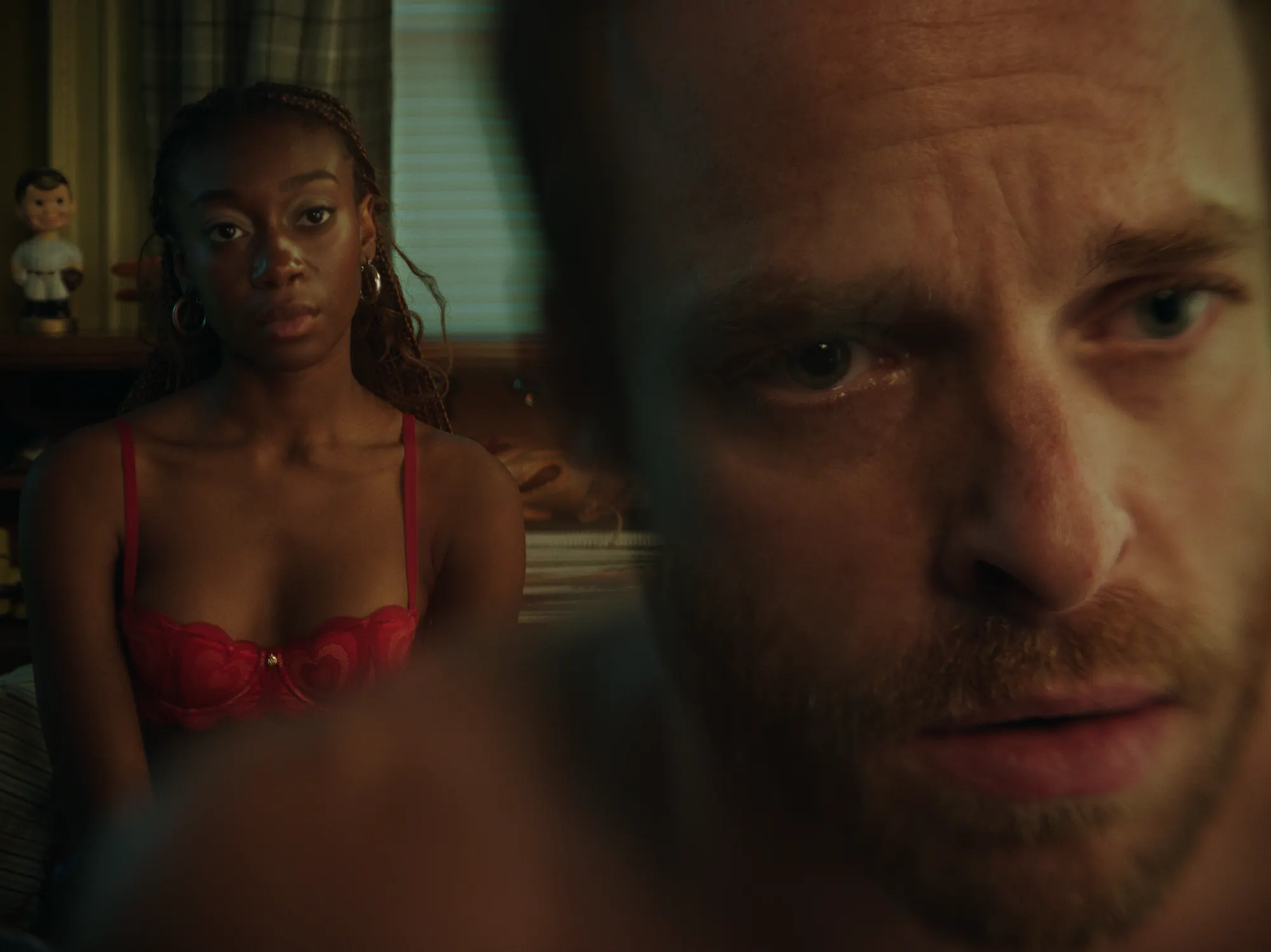
Serena Dykman, a New York–based filmmaker known for her genre-defying work and cross-cultural storytelling, brings her latest short film M.U.B. [Monster Under the Bed] to FilmQuest 2025. Co-written with screenwriting legend James V. Hart (Hook, Bram Stoker’s Dracula), and starring Shahadi Wright Joseph (Jordan Peele’s Us) and Justin Taite, the film pushes horror conventions by exploring psychological monsters lurking beneath the surface of human connection. M.U.B. recently premiered at the Austin Film Festival and now screens on Halloween night at FilmQuest, hosted by a festival renowned for celebrating genre innovation.
Q&A Interview
What drew you to make this film? Why this story, and why now?
I was looking for a new challenge: to direct a story I hadn’t written myself. I asked my mentor, James V. Hart—who wrote Hook, Dracula, and Contact—if he knew of a young writer with a short script I could direct. He replied, “Yes. Me.” That’s how M.U.B. was born. The script is based on a one-act play Jim wrote 32 years ago, and together we adapted it for the screen. What drew me in was the bait-and-switch: a seemingly intimate story between two people that suddenly flips into a psychological monster tale. It asks a timeless: "Can we ever escape our childhood monsters?"
What surprised you most about the filmmaking process this time—creatively or logistically? Was there a moment on set or in post that completely changed how you saw the story?
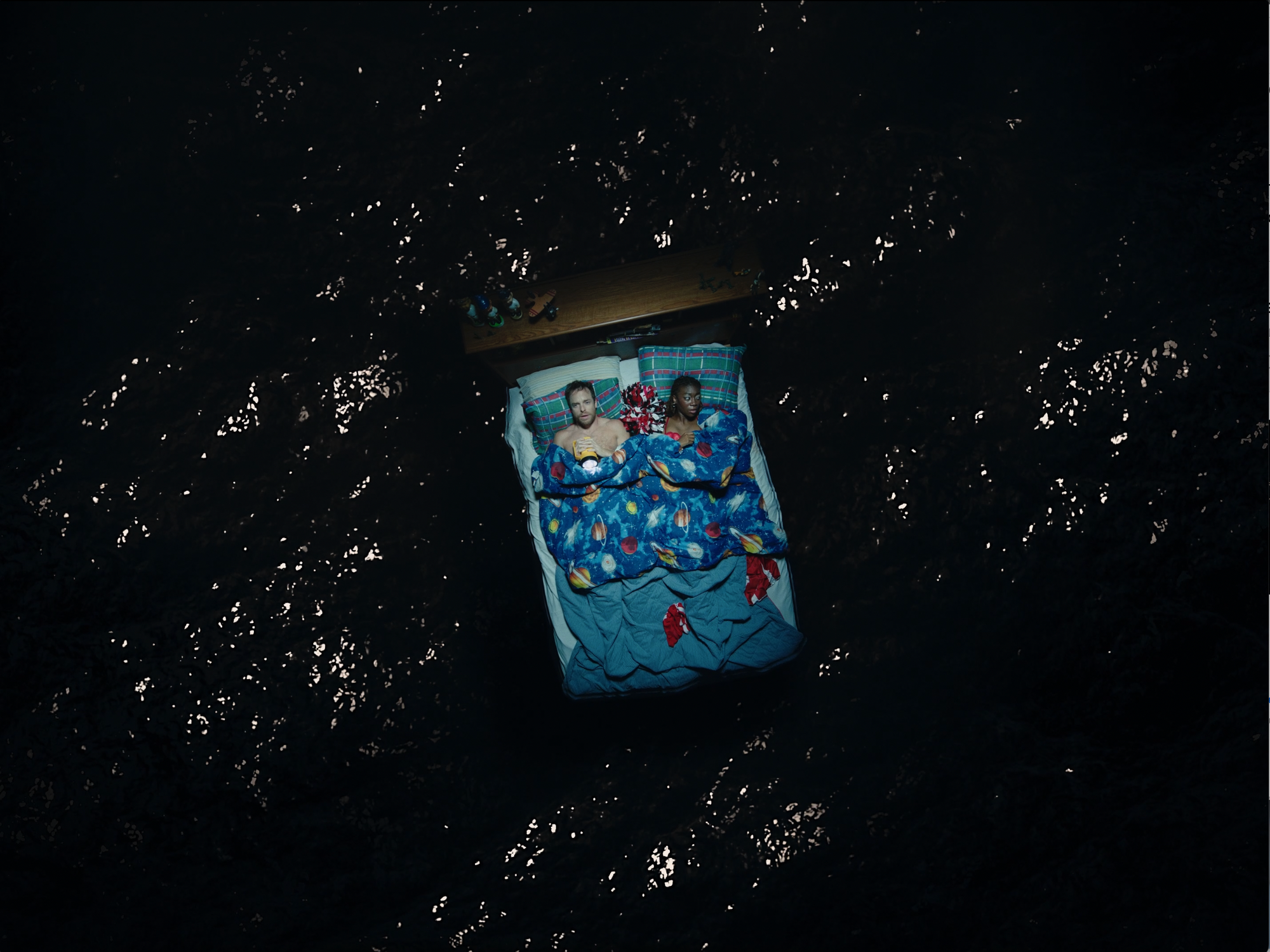
“Directing a film that takes place almost entirely in a bed is very challenging, especially in a real waterbed.... It needs to be visually dynamic for eleven minutes straight.”
I was surprised by how cinematic constraint can become creative freedom. Every shot had to do double duty: tension, intimacy, humor, fear. In post, we created a “third character” through sound. Designing the monster entirely through sound with my team at Gigantic Studios made the invisible feel terrifyingly real.
Is there a moment in the film that feels the most you—something only you could have made?
Probably the tonal balance. I love stories that live in the cracks between genres; where humor and fear, connection and absurdity coexist.
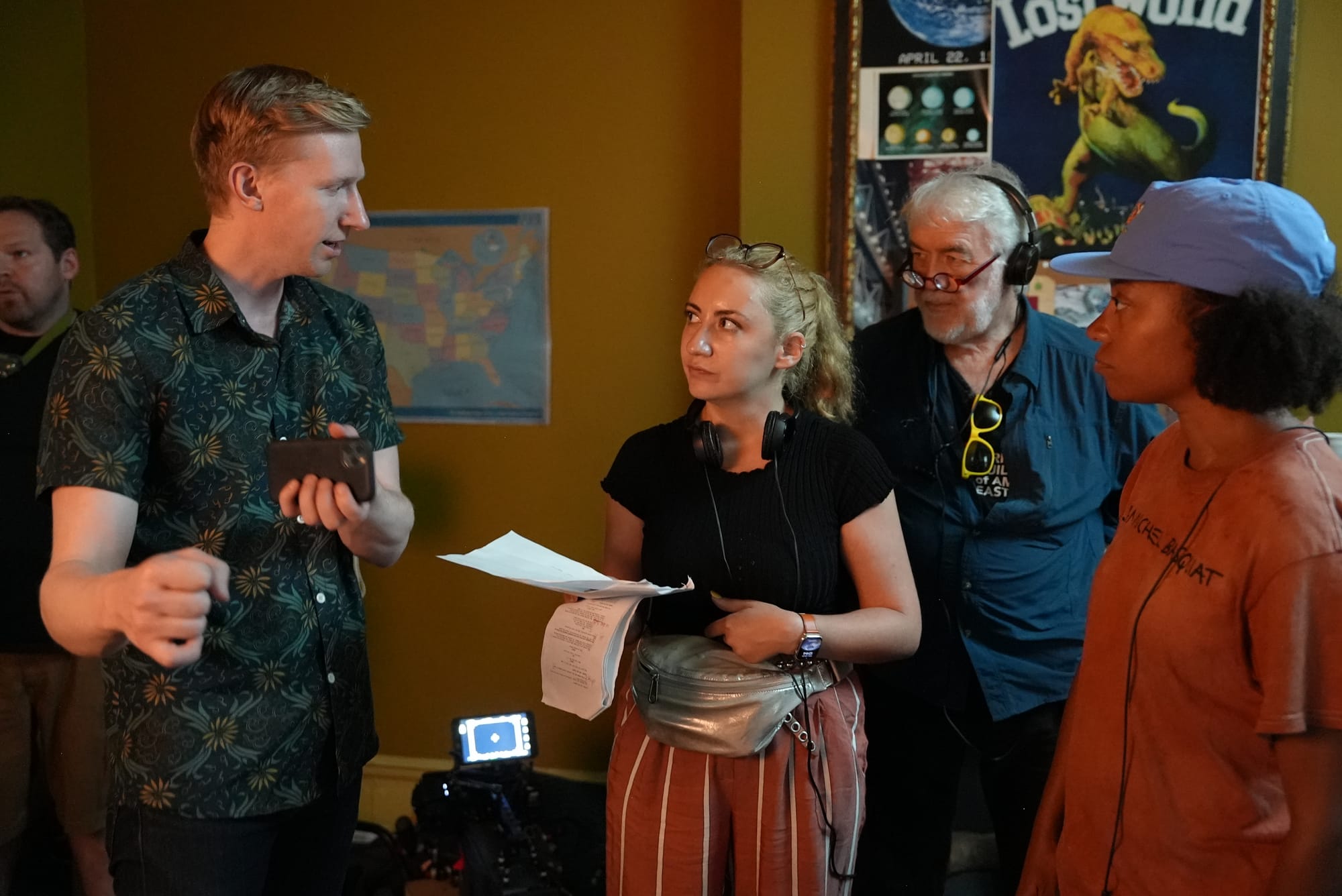
"There’s a moment when the tension between the characters suddenly breaks with laughter, and you’re not sure if you should laugh or scream. That’s my favorite space as a filmmaker: the ‘in-between.’”
What was the hardest creative decision you made while making this film?
The script could have different interpretations, and my job was to keep it grounded in emotional truth while still embracing its absurdity. The monster isn’t just a creature, it’s a metaphor for trauma, repression, and the parts of ourselves we hide. Balancing that symbolism without making it heavy-handed was the trickiest part.
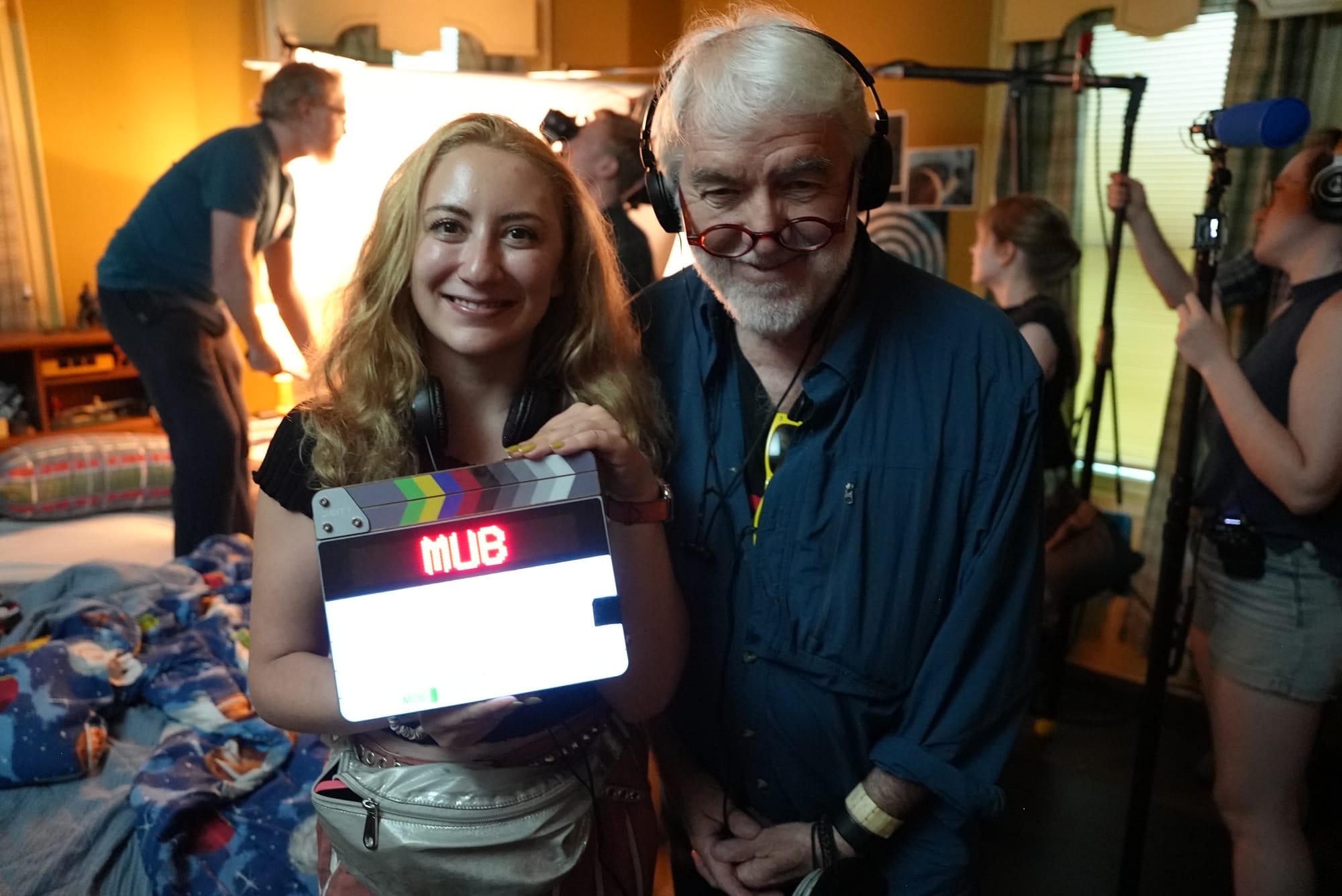
What do you hope audiences take away from your film?
I hope they leave entertained and also a little unsettled, in the best way. M.U.B. is creepy, and weirdly emotional. If it makes people reflect on the monsters they’ve outgrown, or haven’t, I’ve done my job. My real hope is that the viewer goes home...and checks under their bed before going to sleep.
How has this film shaped or shifted the kind of stories you want to tell next?
It made me fall in love with genre! It's entertaining, it allows audiences to fully escape their real world and that is a big part of our job as entertainers. I love genre as a vehicle for emotional truth. My past work lies mostly in dramedy, culture-clash and documentary that explores human connection. M.U.B. showed me I can work across genres. Honestly, I've been having so much fun, and that's something we sometimes forget to do as filmmakers 😄
What’s a tool, technique, or resource that really helped you during production?
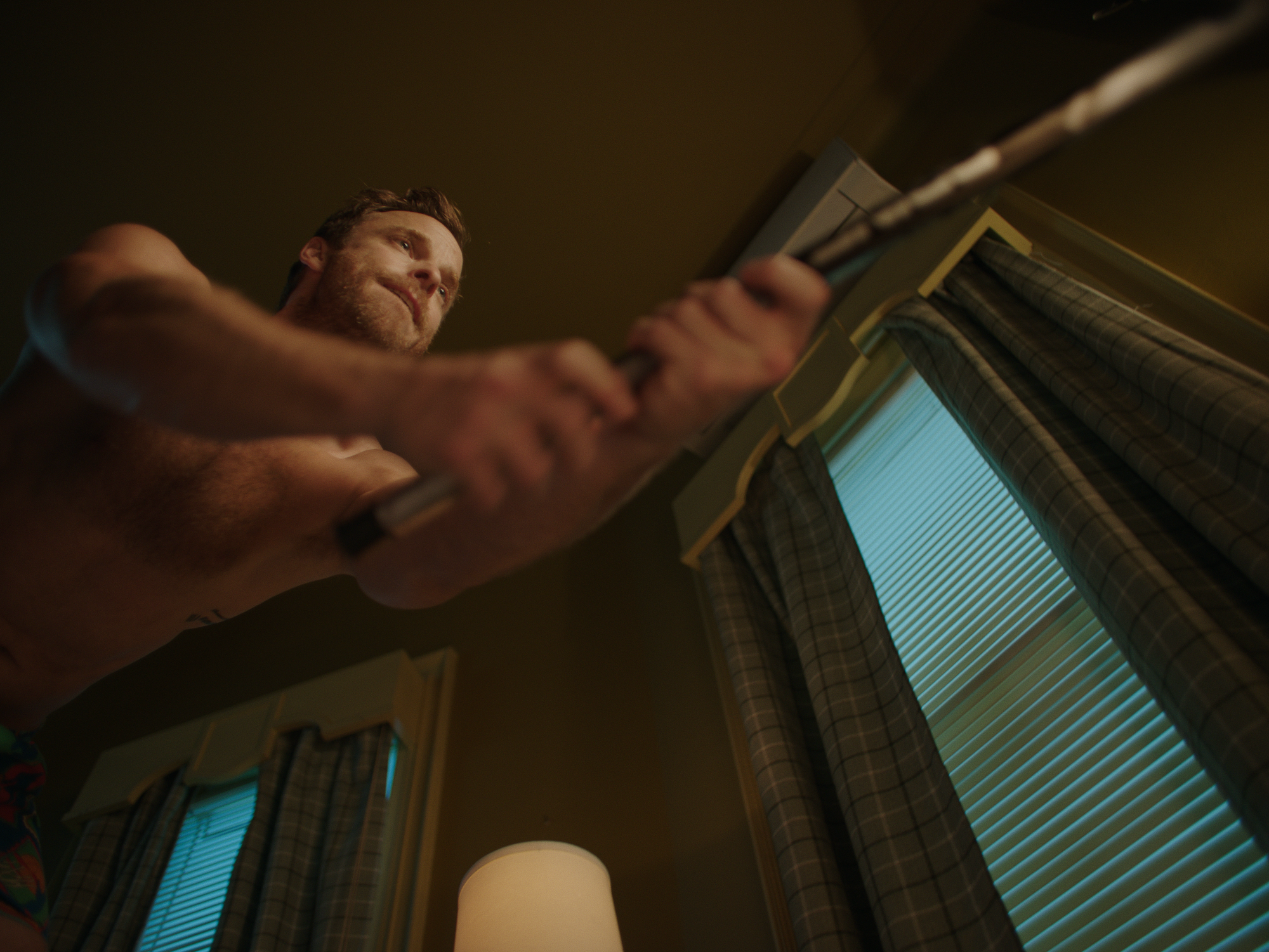
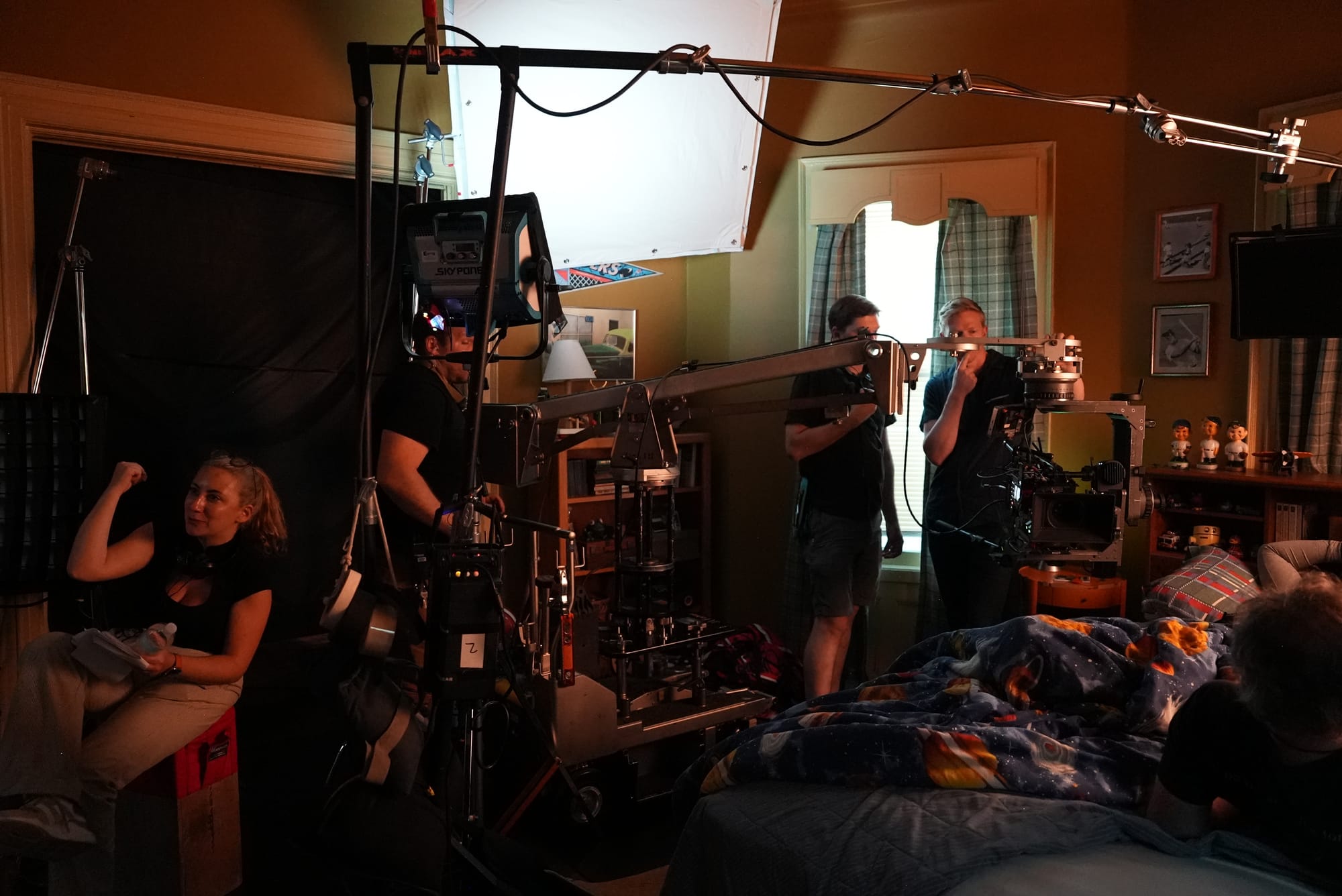
My biggest “tool” was collaboration. Working with James Hart on the script, my DP Nick Walker on how to make a bed feel like a cinematic universe, my production designer Lily Guerin (the bedroom is a true character) and Gigantic Studios on the monster’s sound world. It reminded me that filmmaking is alchemy. Also, PrevisPro was key to choreographing movement within such a confined space. And, shoutout to ARRI for the amazing lenses!
Independent filmmakers often rewrite the rules out of necessity. What do you think is the greatest strength of independent filmmaking, and how did you lean into that on this project? Is there a lesson or breakthrough you’d share with others navigating this path?
Indie filmmaking forces you to be resourceful and imaginative, two sides of the same coin. We didn’t have endless takes, so we rehearsed for a full day with our producer, intimacy coordinator and DP present.
"My biggest lesson: limitations can become your style. Don’t fight the box, use it to build the monster inside it. And be PREPARED!"
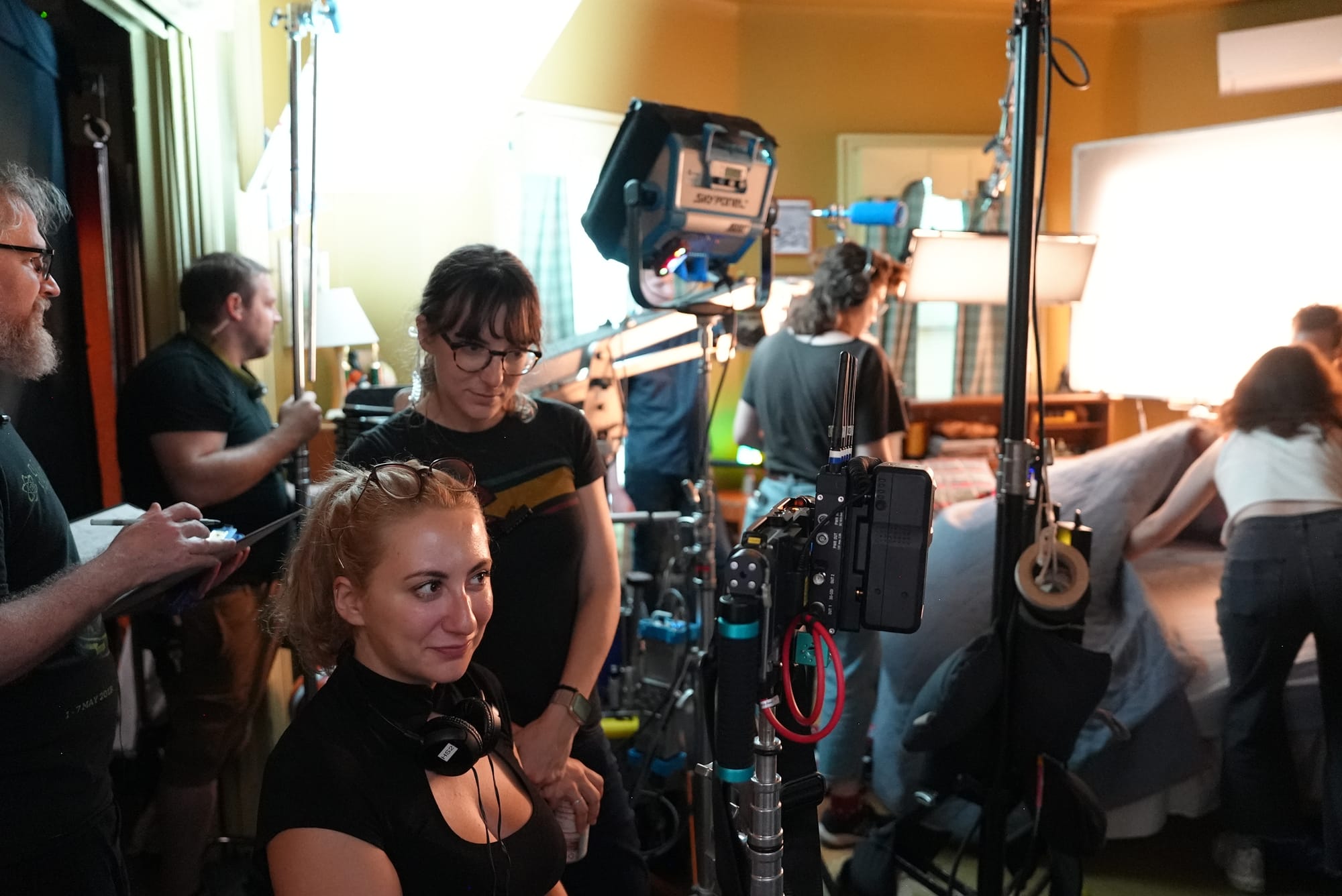
What does it mean to you to have your film selected for FilmQuest, one of the world’s top reviewed genre film festivals?
It means a lot. M.U.B. was made with love for genre, so to have it recognized at a festival that celebrates bold, imaginative storytelling is both humbling and thrilling. FilmQuest has a reputation for honoring craft and originality, qualities we poured into every frame. We're also very happy to be screening on Halloween night, just days after our world premiere at the Austin Film Festival!
FilmQuest celebrates the majesty and might of genre filmmaking across fantasy, horror, sci-fi, action, thriller, western, kung-fu, and beyond. How does your film fit within—or push the boundaries of—genre storytelling?
M.U.B. plays with horror conventions but through intimacy rather than spectacle. It’s not about what’s under the bed, it’s about who’s on it, and what they’re running from. The film pushes genre by merging psychological realism with a monster myth. It’s horror as therapy session, and that’s a fun, twisted place to be.
Where do you see this film going next?
It got optioned and is being turned into a feature.
"At the core of all my work is a desire top rove that we have more in common that what the world would want to have us believe."
Cast & Crew
- Serena Dykman — Director and Co-writer. New York–based filmmaker and culture-clasher with over 25 awards, including a Webby and a Humanitas Prize nomination.
- James V. Hart — Co-writer. Screenwriting legend behind Bram Stoker’s Dracula, Hook, and Contact.
- Shahadi Wright Joseph — Lead actress. Known for Jordan Peele’s Us and Amazon Prime’s Them.
- Justin Taite — Lead actor.
- Nick Walker — Director of Photography
- Lily Guerin — Production Designer
- Gigantic Studios — Sound Design