Table of Contents
Three Key Takeaways
- Margaret the Brave blends mythology and modern anxieties to create an earnest family film that embraces discomfort and hope.
- Danny Chandia’s personal challenges with ADHD shaped a collaborative, efficient filmmaking process, marking a breakthrough in his career.
- Independent filmmaking’s greatest strength lies in resourcefulness and self-investment, a philosophy Chandia embodies in this ambitious fantasy short.
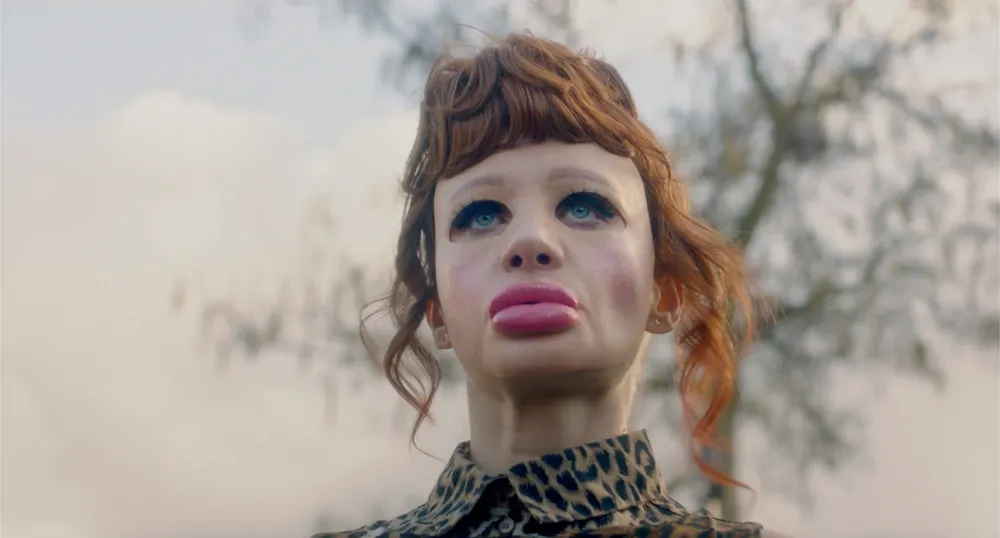
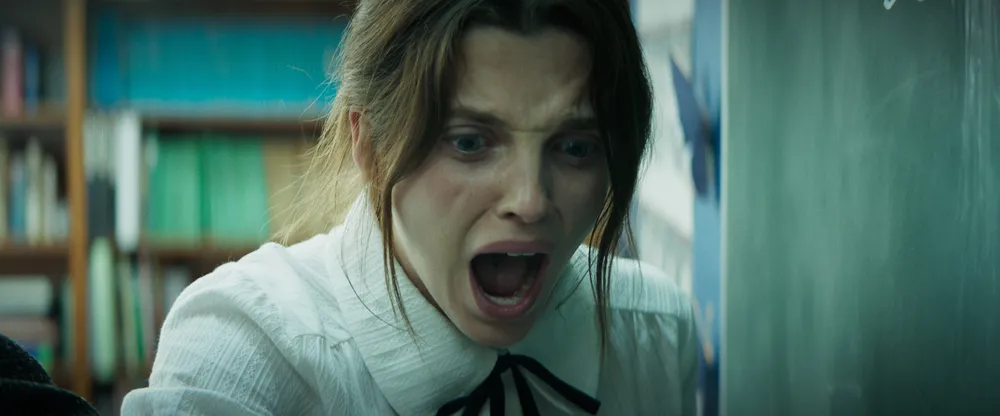
Filmmaker Danny Chandia brings a heartfelt blend of mythology and contemporary family drama to FilmQuest 2025 with his short film Margaret the Brave. Featuring standout performances from Roberto Raad (It's Always Sunny in Philadelphia), Veronica Mitsuk (When it Hits, Blunt), and Lisa Foiles (All That, Malcolm in the Middle), the film explores a father’s attempt to inspire his daughter through fairy tales amid a turbulent world. With a talented crew including producer Rachel Johnson and cinematographer Ryan Galvan, Chandia’s project is a labor of love and innovation.
What drew you to make this film? Why this story, and why now?
I feel like a lot of films that are made for families these days come off as disingenuous and hollow.
"I wanted to make something earnest. Something that didn't feel a need to wink at the audience every five minutes."
A film that could sit with discomfort, and address the very real fears and anxieties we have about the world. It would have been easy to write something that simply discounts fairytales and mythology as outdated and irrelevant. But I don't think our classic stories are irrelevant. On the contrary, I think they're more important than ever- and this film was an attempt to explore why we should keep telling them.
What surprised you most about the filmmaking process this time—creatively or logistically? Was there a moment on set or in post that completely changed how you saw the story?
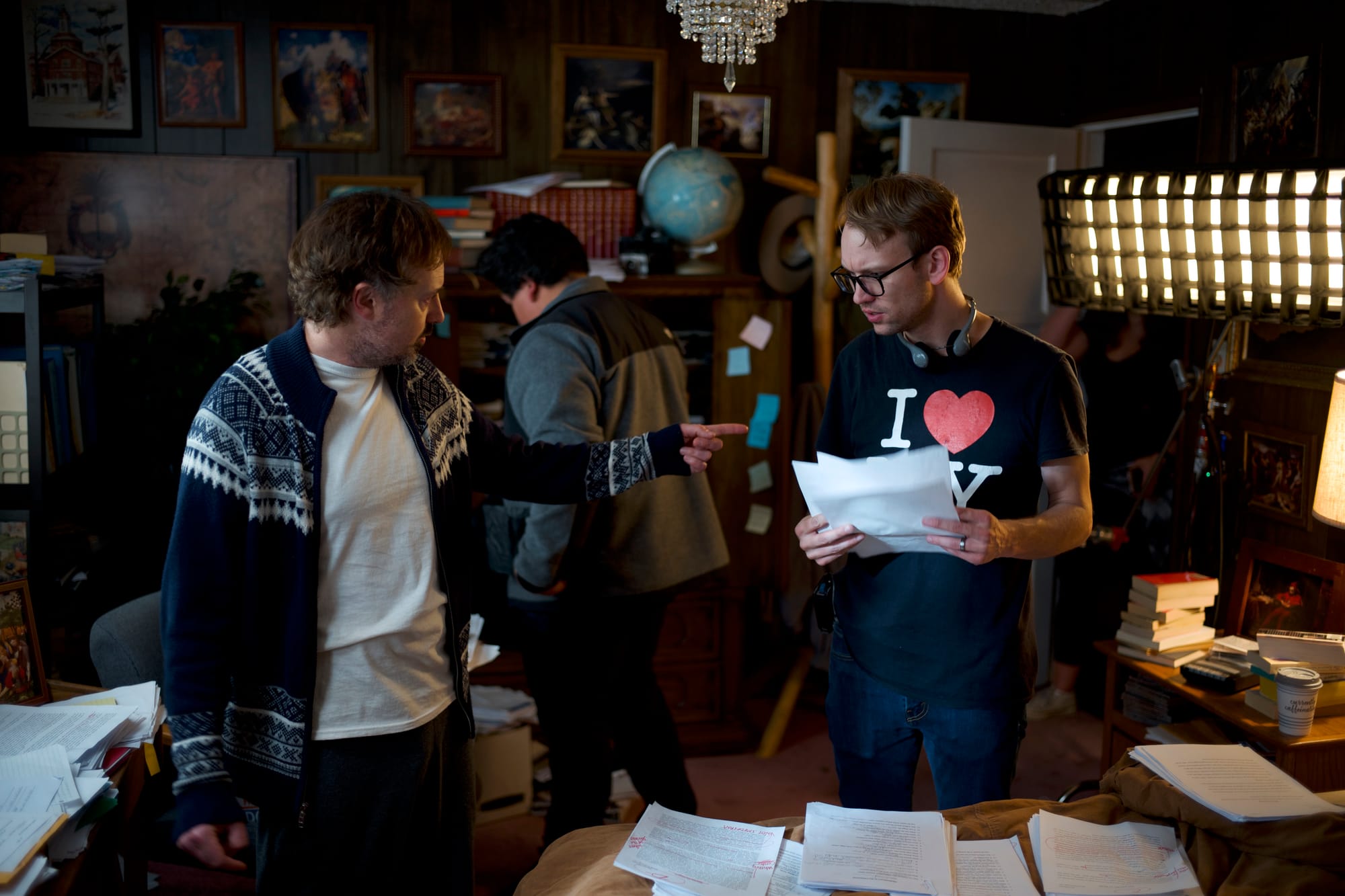
I struggle with ADHD, so for me, this production was a huge revelation. It was my first time working with a full crew, so rather than running around in circles fighting executive dysfunction, I was able to delegate tasks to people who were there to help. For the first time on set, it felt like I was actually able to move at the speed of thought. I wasn't getting hung up on having to do everything myself, which made the whole process a lot easier. Go figure!
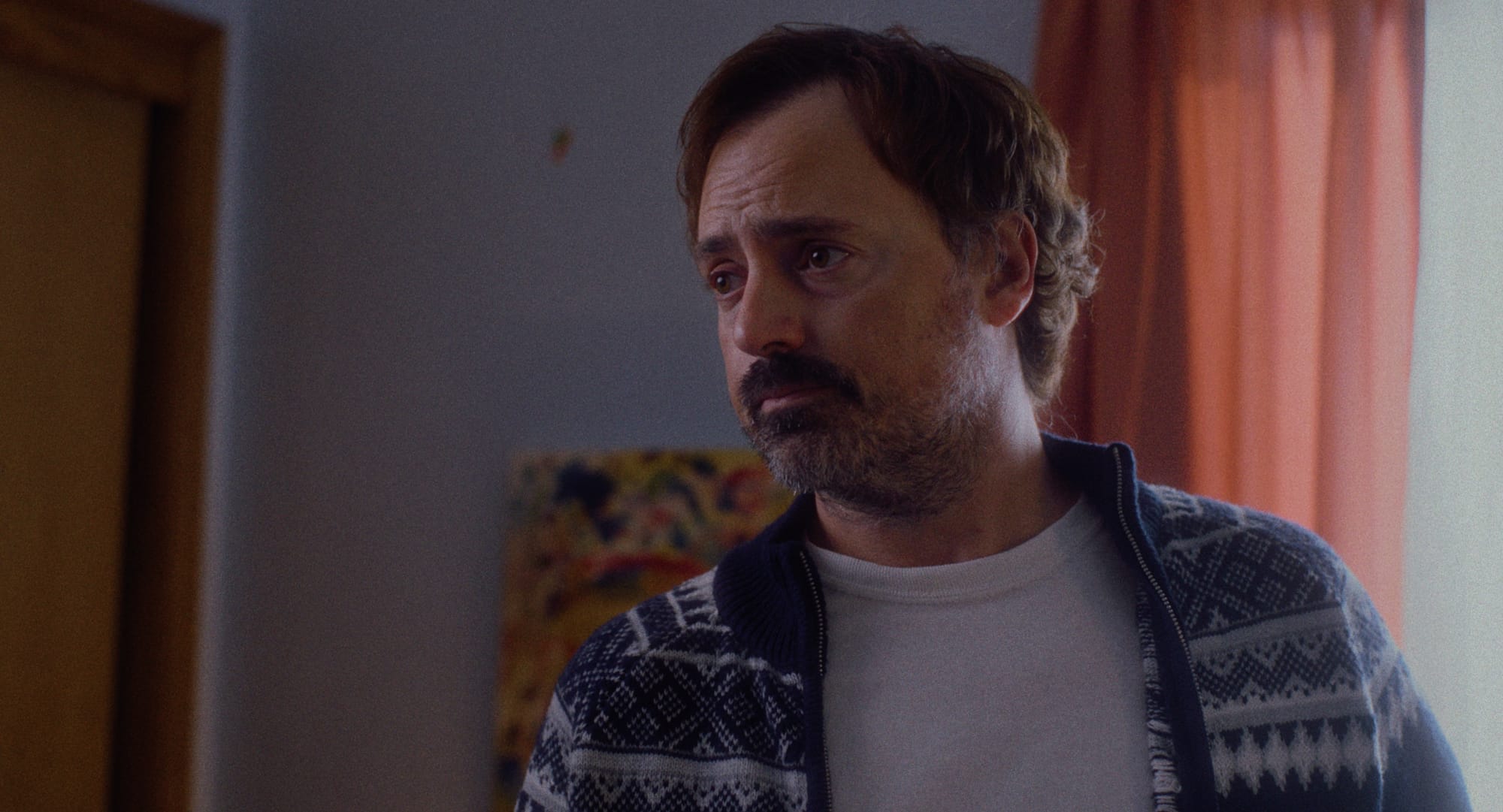
"For the first time on set, it felt like I was actually able to move at the speed of thought."
Is there a moment in the film that feels the most you—something only you could have made?
I would have to say the finale. When it's intercutting between the past and the present- that's an editing technique I've used in a lot of my previous work.
What was the hardest creative decision you made while making this film?
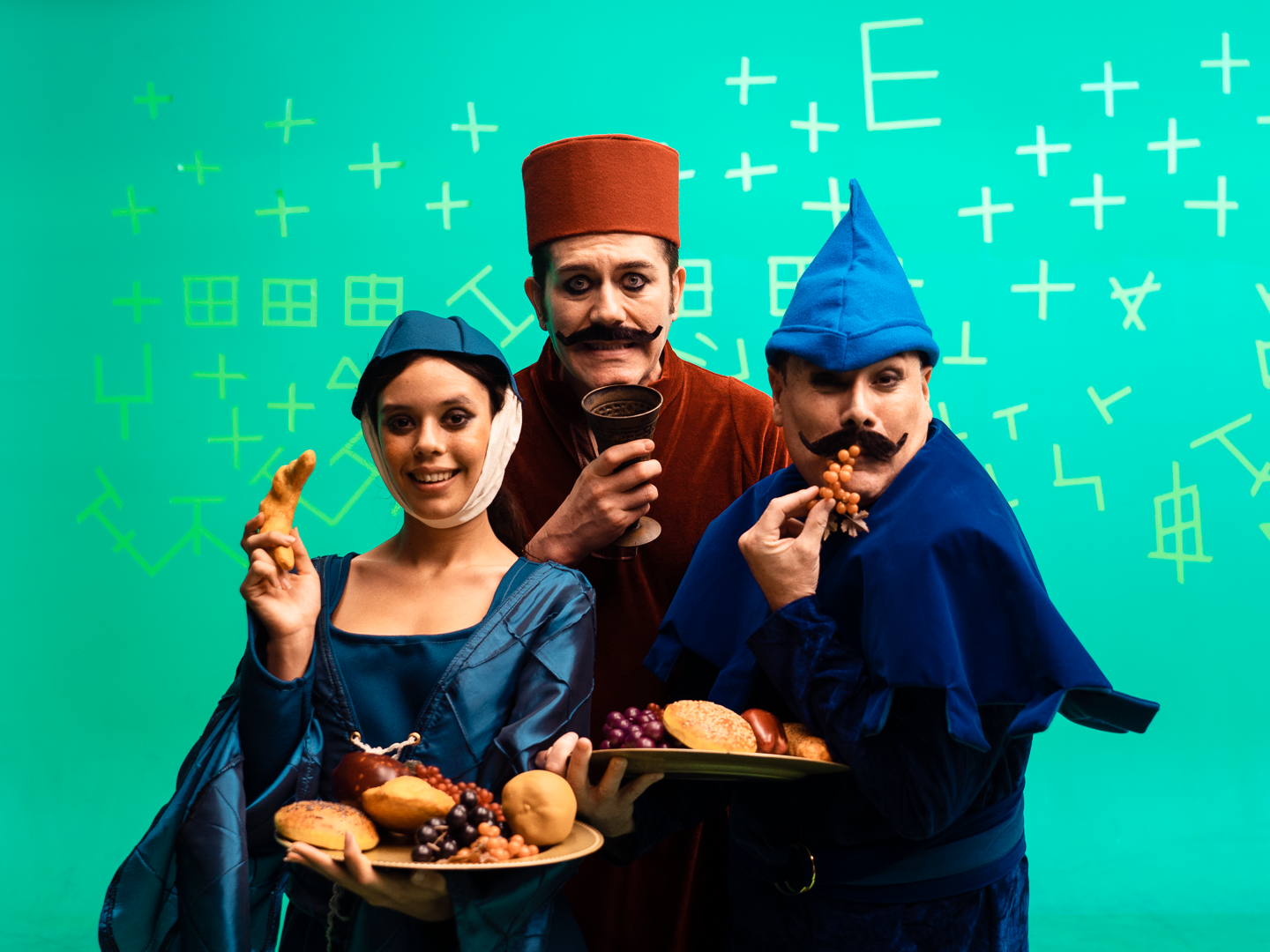
Having to let people go who weren't right for what we needed. That was new for me. In particular, with getting a stop-motion horse puppet made. We went with a few different artists before we found the right match; someone who could give the puppet the realistic detail it needed to stand alongside our actors on screen. It was tough having to say, look- this isn't working, we need to find someone who's a better fit. But at the end of the day we were all just trying to make the best film possible- so in those moments, I think they understood it was for the best.
What do you hope audiences take away from your film?
I hope this film is a breath of fresh air. A lot of shorts you see at these festivals tend to cover very heavy subject matter, and more often than not, I leave these short film blocks feeling even more cynical and depressed than when I went in. The goal with this film was to leave the audience with some sense of hope- that despite how bleak the future may seem right now, we're living in a time of great possibility.
How has this film shaped or shifted the kind of stories you want to tell next?
The heartfelt responses we've gotten have certainly encouraged me to continue on this path. I'd love to try my hand at horror or a heavy drama someday, but I think there are enough filmmakers out there covering that territory right now. I love disappearing into these fantastical worlds as much as the audience does, so I definitely want to keep telling more stories like this.
What’s a tool, technique, or resource that really helped you during production?
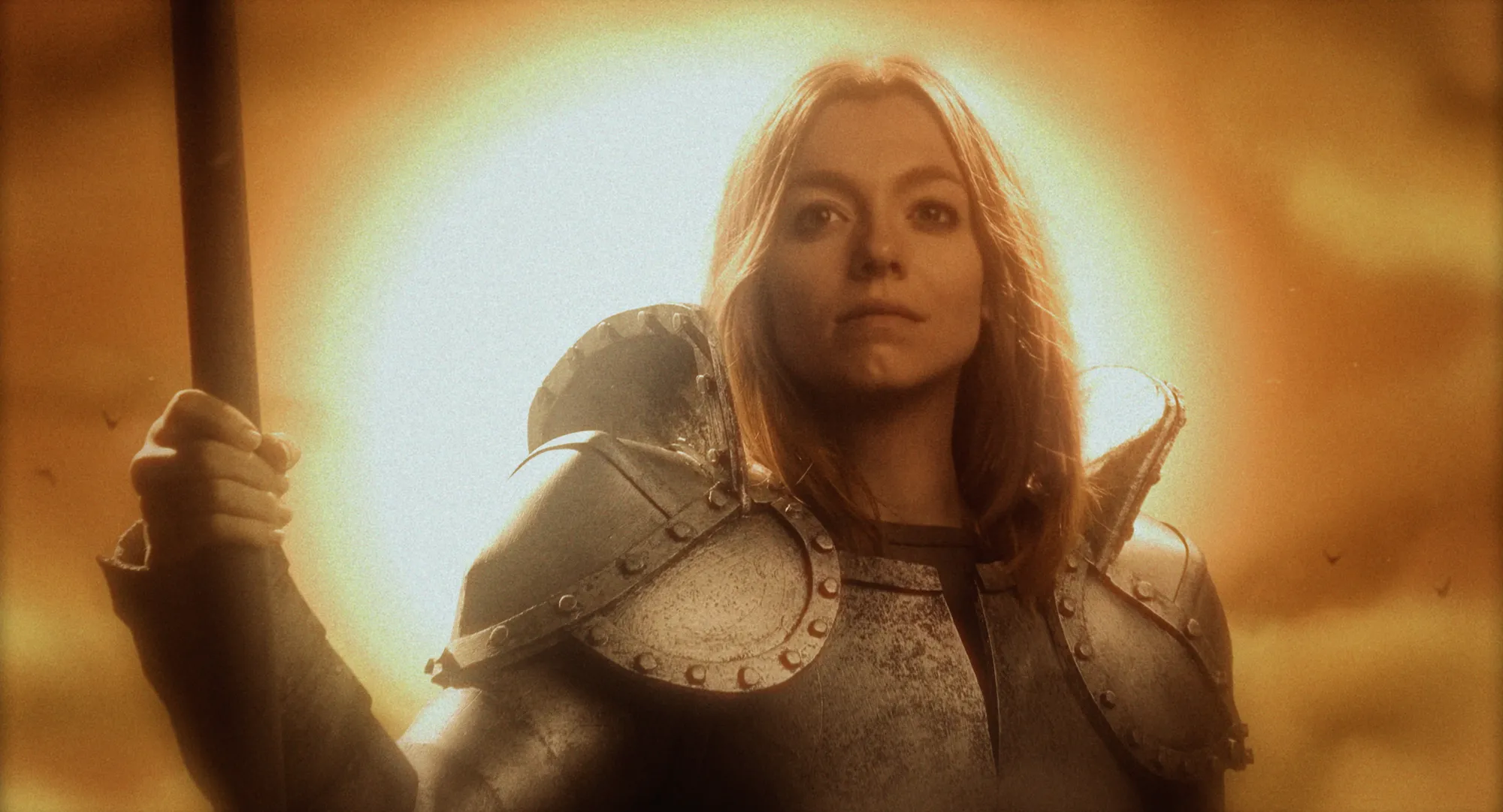
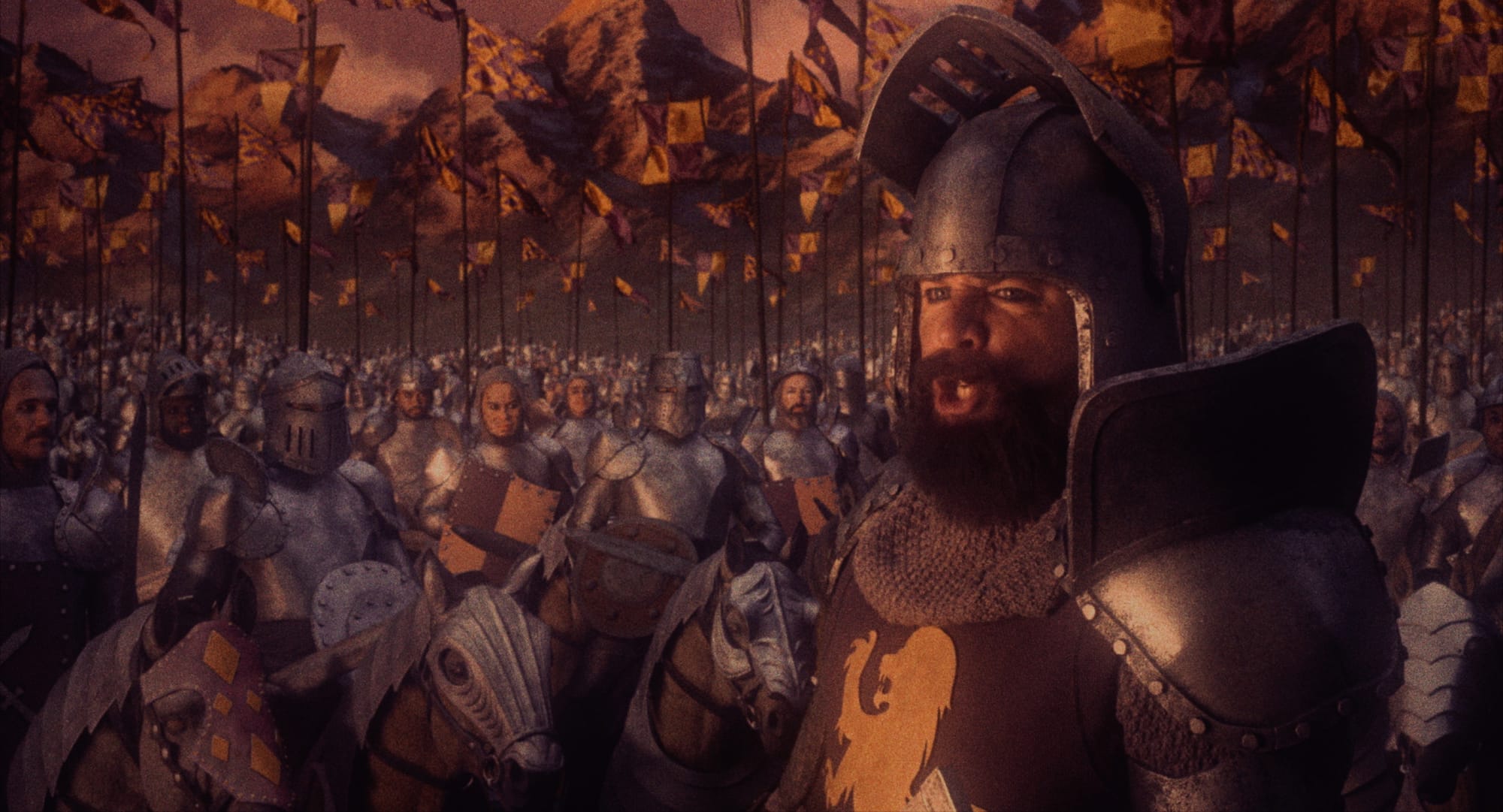
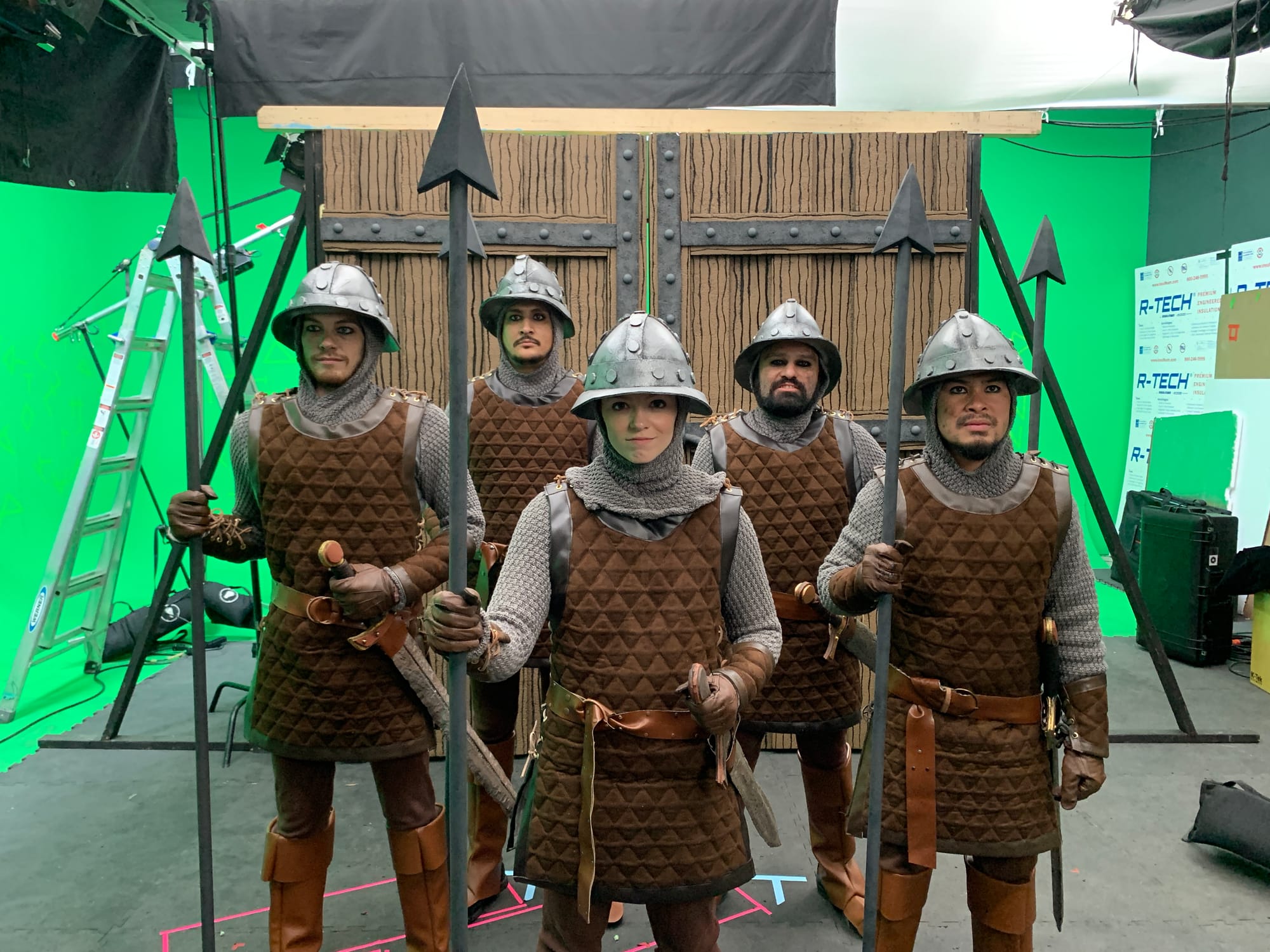
Well because we didn't have enough costumes, or a big enough green screen to shoot our big crowd scenes- we took the approach of filming two or three actors at a time, and then reusing their costumes on the next group of two or three actors, and so on and so forth... This is how we were able to create an entire army for the fairytale prologue. What you're actually seeing are a handful of actors duplicated dozens of times wearing different variations of armor. This gave the illusion of having a much bigger budget than we actually did.
Independent filmmakers often rewrite the rules out of necessity. What do you think is the greatest strength of independent filmmaking, and how did you lean into that on this project? Is there a lesson or breakthrough you’d share with others navigating this path?
"There's a rule that says, 'You should never spend your own money on a project.' This is bullshit."
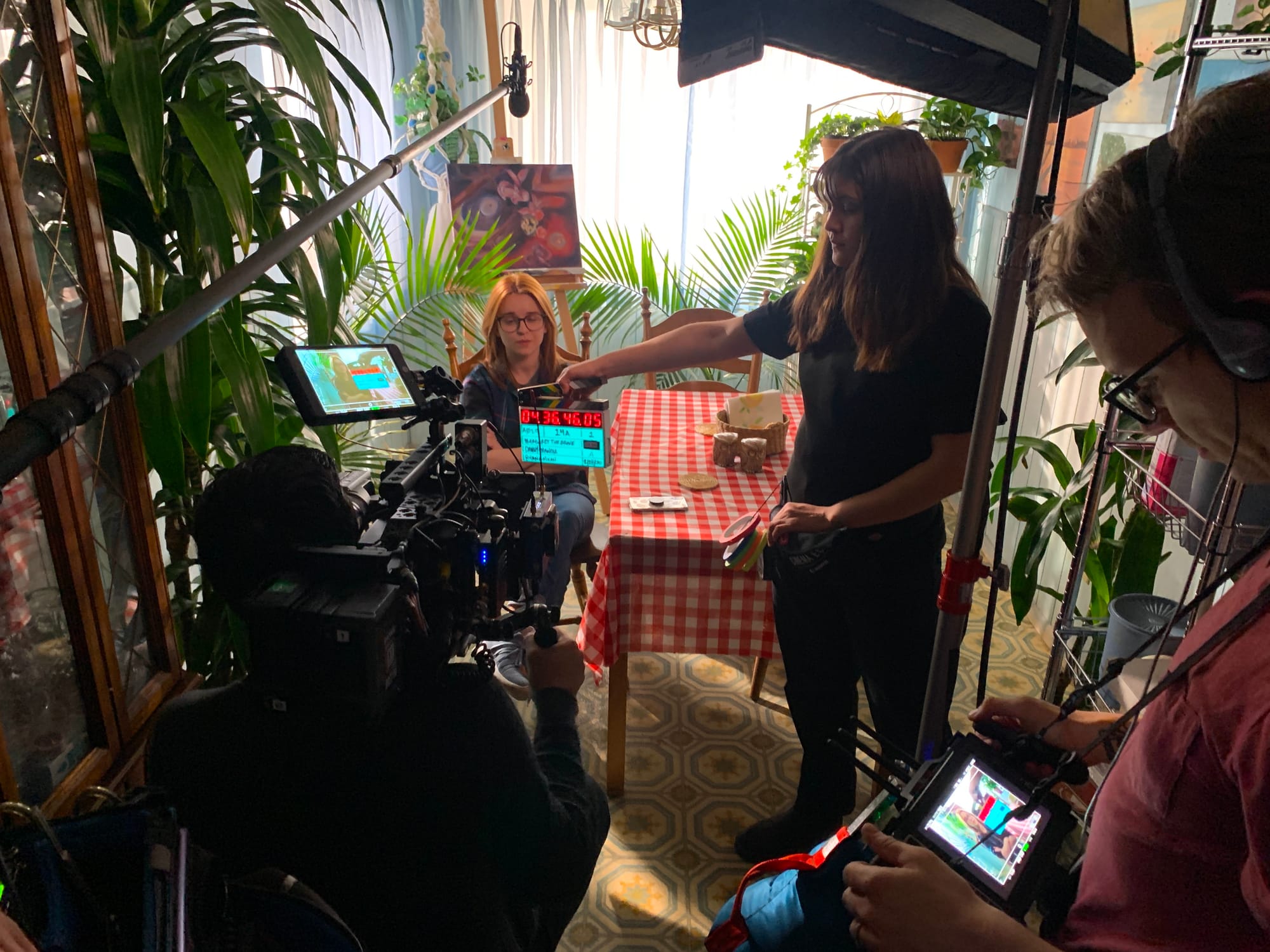
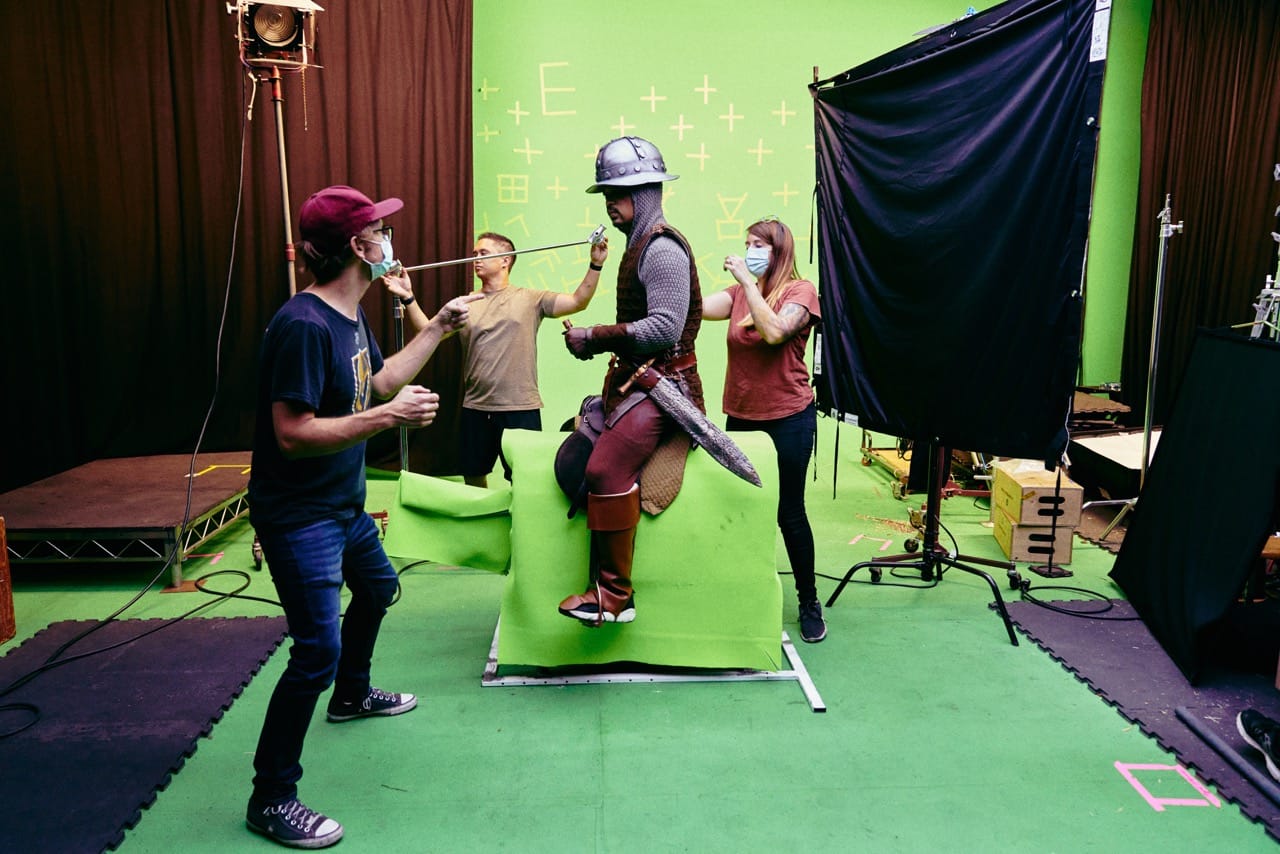
This ideology has prevented countless artists from taking their shot. If you want to make something and no one else will finance you- literally, put your money where your mouth is and make the damn thing. Use whatever resources you have to make it happen. Learn to edit, learn Photoshop, learn After Effects. Save yourself the headache of relying on others to bring your vision to life. For this project, I was lucky to have more help than I've ever had before- but at the end of the day it still meant sitting at a computer for five years, putting my social life on hold, and going into debt. And at the end of it, all I can feel is incredible pride in what was accomplished.
What does it mean to you to have your film selected for FilmQuest, one of the world’s top reviewed genre film festivals?
It's an honor! Obviously, you don't see a lot of fantasy short films getting made, so to be in a festival that specifically highlights them, along with genre-specific shorts is excellent exposure for us.
FilmQuest celebrates the majesty and might of genre filmmaking across fantasy, horror, sci-fi, action, thriller, western, kung-fu, and beyond. How does your film fit within—or push the boundaries of—genre storytelling?
I think at their best, genre films can be a really useful lens through which to view our modern culture. For me, this film was an attempt to address our current political climate, our fears about the future etc. and contextualize them in a way that makes sense to audiences of all ages, but especially kids and their parents.
Where do you see this film going next?
I hope this leads to more opportunities to work within the fantasy/adventure genre. (Warner Bros: If you need a new Robin Hood movie, I'm your guy.)
At the core of all my work is a desire to inspire people.
Cast & Crew
- Roberto Raad (Dad) — Known for It's Always Sunny in Philadelphia
- Veronica Mitsuk (Caroline) — Known for When it Hits, Blunt
- Lisa Foiles (Mom) — Known for All That, Even Stevens, Malcolm in the Middle
- Danny Chandia (Director) — Director of Margaret the Brave, Violent Water, Noose
- Rachel Johnson (Producer) — Co-Founder of Desert Cactus Films, UNLV Film Program Alumni
- Ryan Galvan (Director of Photography) — Credits include Boyana, Christmas in Tune
- Jesi Oklee Nelson (Composer) — Credits include Jinn, Star Wars Biomes, Curses!
- Audrey Page (Art Director) — Credits include Sympathy for the Devil, Take Out Girl
- Noel Calizo (Art Director) — Credits include Don't Suck, Gloria Bell
- Nancy Foster (Costume Designer) — Credits include Flight Risk, The Cleaning Lady
Learn more about the film on their website.