Table of Contents
Three Key Takeaways
- Nado is a deeply personal documentary exploring resilience through the life and art of sculptor Nado Canuti.
- Farina transitioned from commercial video to a passion project, embracing full creative freedom with limited resources.
- The film highlights themes of personal fulfillment over commercial success and the power of storytelling about overlooked lives.
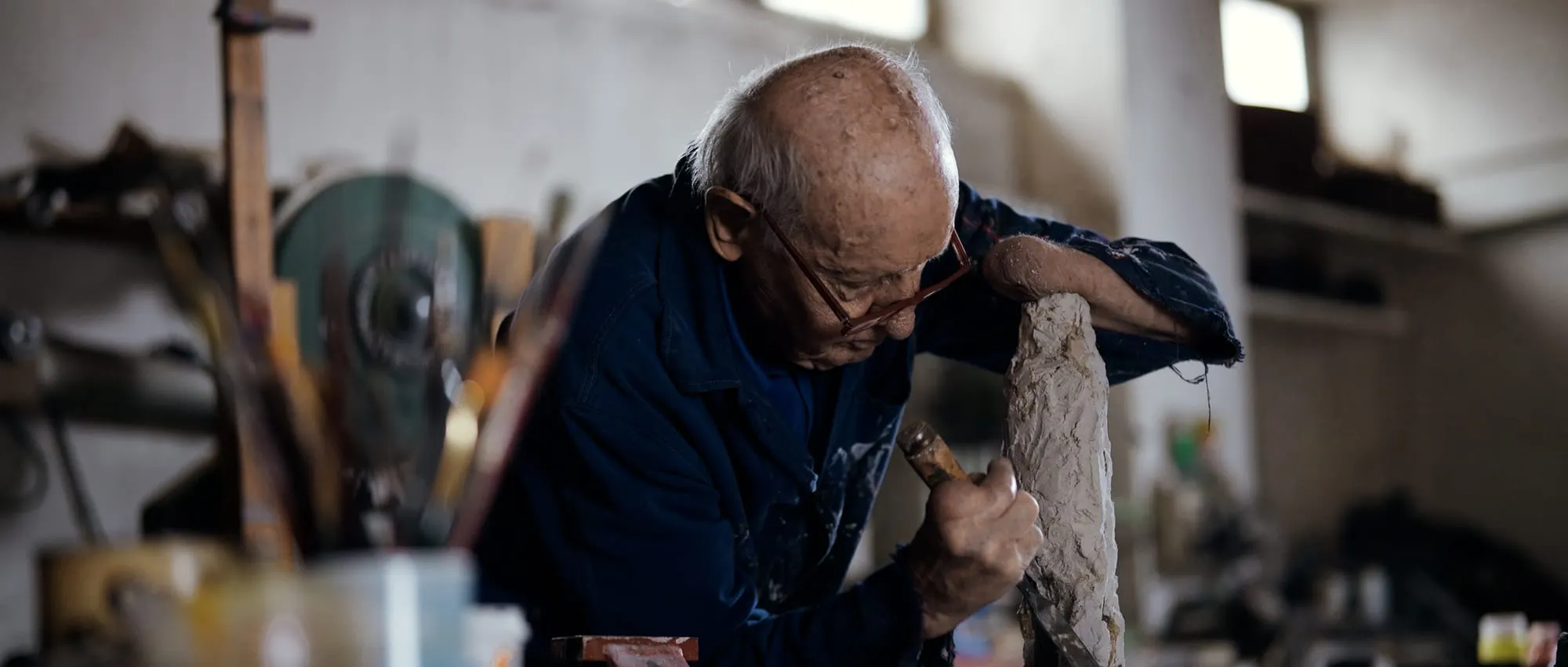
Daniele Farina, a Milan-born director with over 17 years of experience in video production, presents Nado, a poignant documentary about the life and work of Nado Canuti, an influential Italian sculptor.
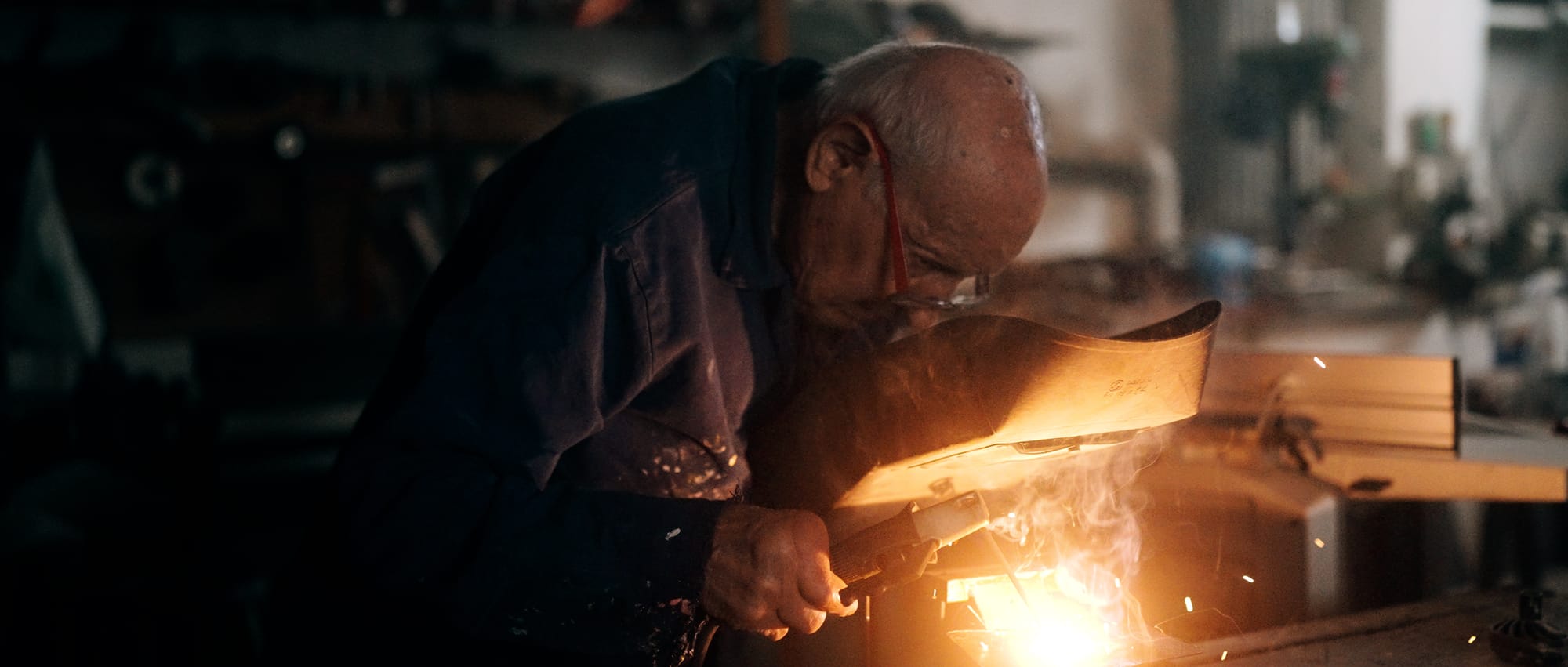
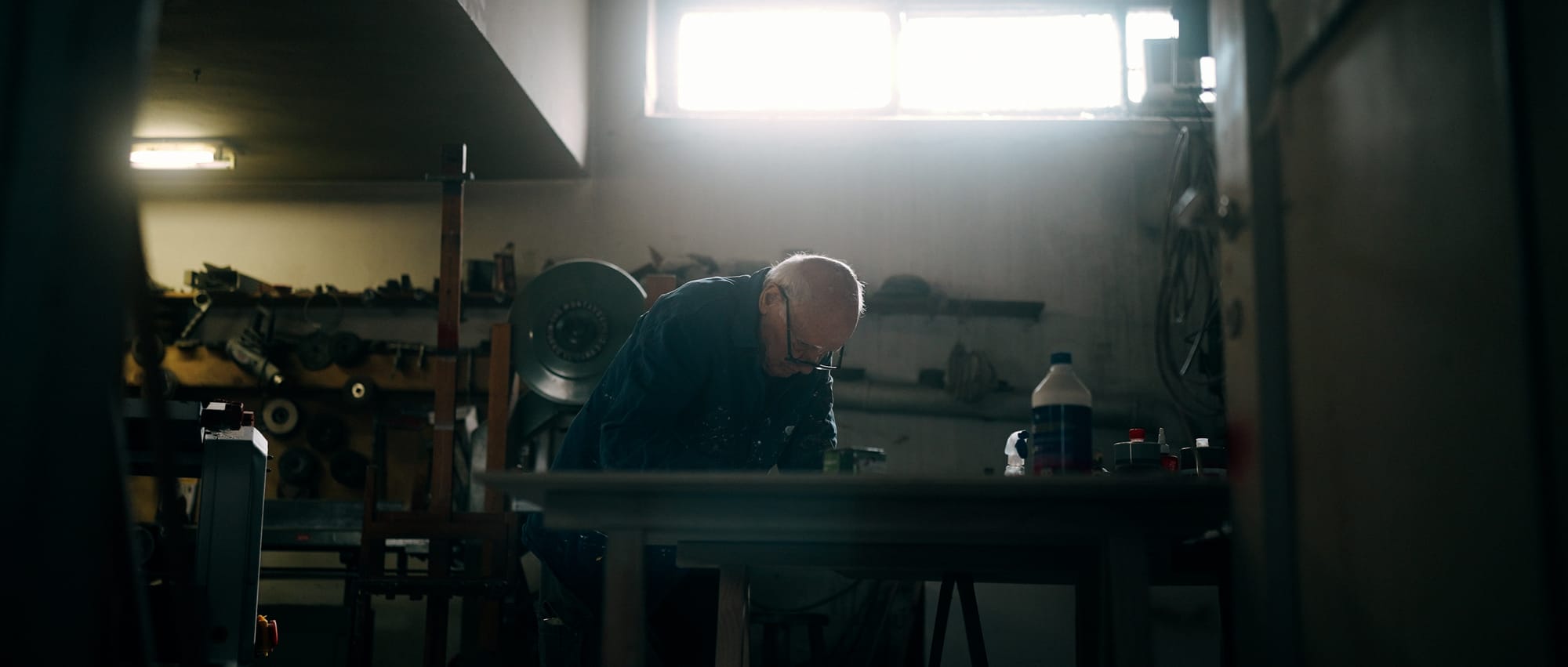
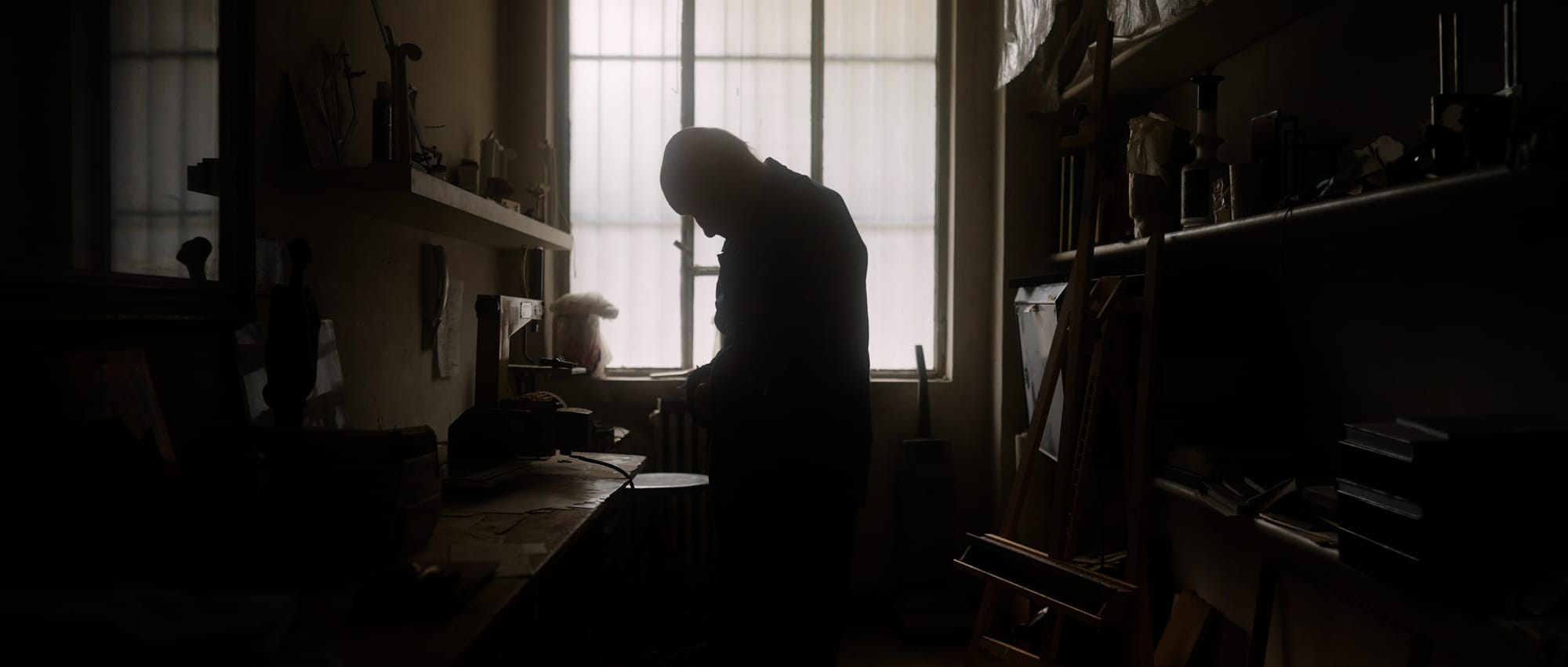
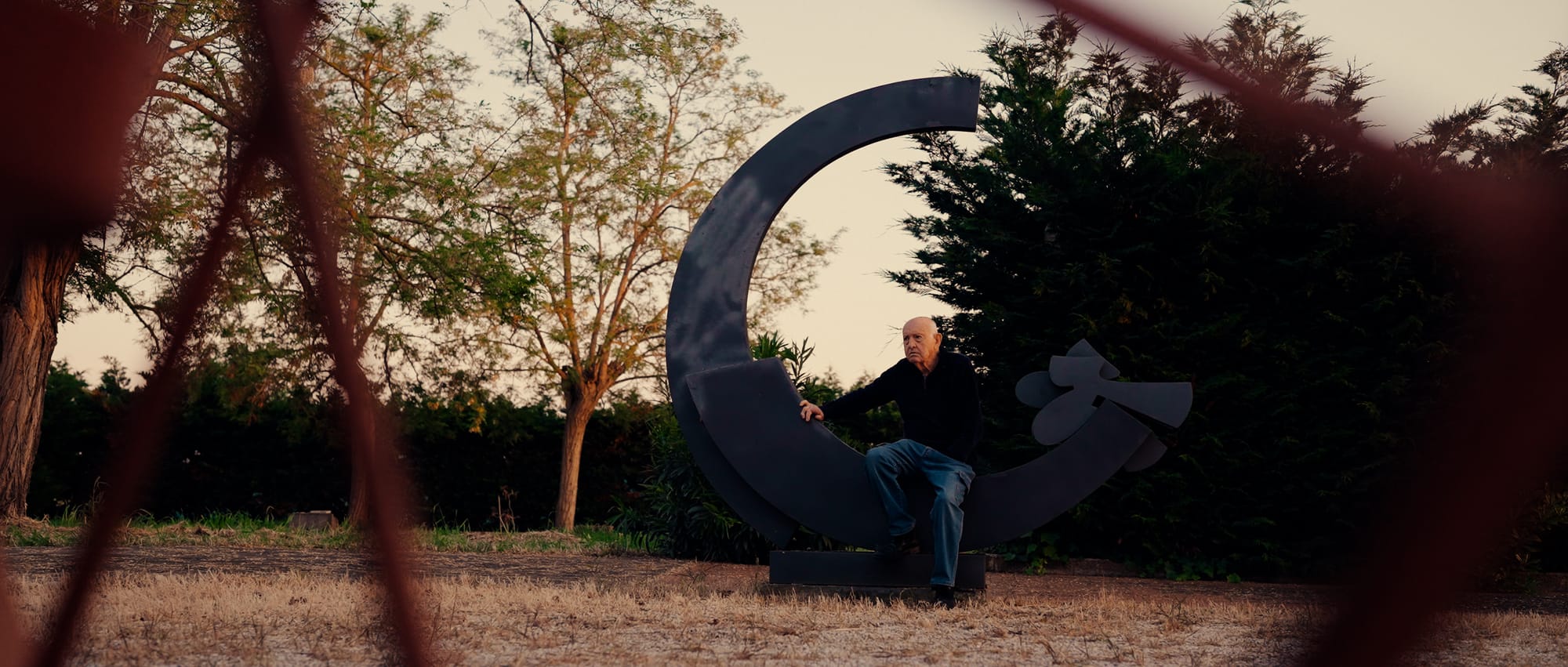
The film chronicles Canuti’s journey from wartime resistance fighter who lost much of his hands to a celebrated artist whose sculptures and mobiles have been exhibited worldwide.
Selected for Not Film Fest, Nado marks Farina’s debut feature-length work, blending personal storytelling with historical reflection.
Q&A Interview
What drew you to make this film? Why this story, and why now?
I had been coming from years of little satisfaction in the commercial video production sector. In recent years, social media have significantly lowered the quality standards required by the agencies I worked with, and I was not happy with what I was doing. I therefore decided to challenge myself with a project where I could showcase everything I know how to do, from directing to pre-production and post-production. I was looking for a powerful story that could address topics that today’s society perhaps tends to overlook. When Massimo Canuti, Nado’s son, told me about his father’s story, I immediately thought that this could be the opportunity I had been looking for.
What surprised you most about the filmmaking process this time—creatively or logistically? Was there a moment on set or in post that completely changed how you saw the story?
I have to say that, even though it is officially a debut work, I have always been in control of what I was doing. We shot the entire film in 16 days over a total period of 8 months, so I had the opportunity to review the footage produced each time and make subsequent decisions for the next shooting session.
Is there a moment in the film that feels the most you—something only you could have made?
Thanks to this film, I was able to speak about themes that are very dear to me and that have been, and still are, part of my life. Nado’s story shows how important recognition is, how the love received can be the way to resolve past traumas, and how fundamental it is to listen to what we have inside and to bring it out through our actions and creations. It’s about defending this with consistency and coherence despite society’s pressures, which often lead us to believe that commercial success is more important than personal fulfillment.
What was the hardest creative decision you made while making this film?
The most difficult decision regarding this film was to commit fully to it without holding back, despite it being a production with very limited resources. We gave our all without considering personal compensation or commercial success, and nowadays, it’s very difficult to think that way.
"Nado’s story shows how important recognition is, how the love received can be the way to resolve past traumas."
What do you hope audiences take away from your film?
As I mentioned earlier, the story deals with universal themes that anyone can relate to. Overcoming difficulties, the loss of loved ones, managing a deep inner conflict—these are things we all experience in our lives. I hope that Nado’s story can serve as an example of determination and resilience.
How has this film shaped or shifted the kind of stories you want to tell next?
I already have in mind 3-4 stories that I would like to bring to the big screen. I also already know how to tell them. I hope that the outcome of this film can give me the opportunity to make others under better conditions than how we made Nado. I really enjoy stories about forgotten characters, personal redemption, and people who, thanks to their integrity, have found their personal fulfillment.
What’s a tool, technique, or resource that really helped you during production?
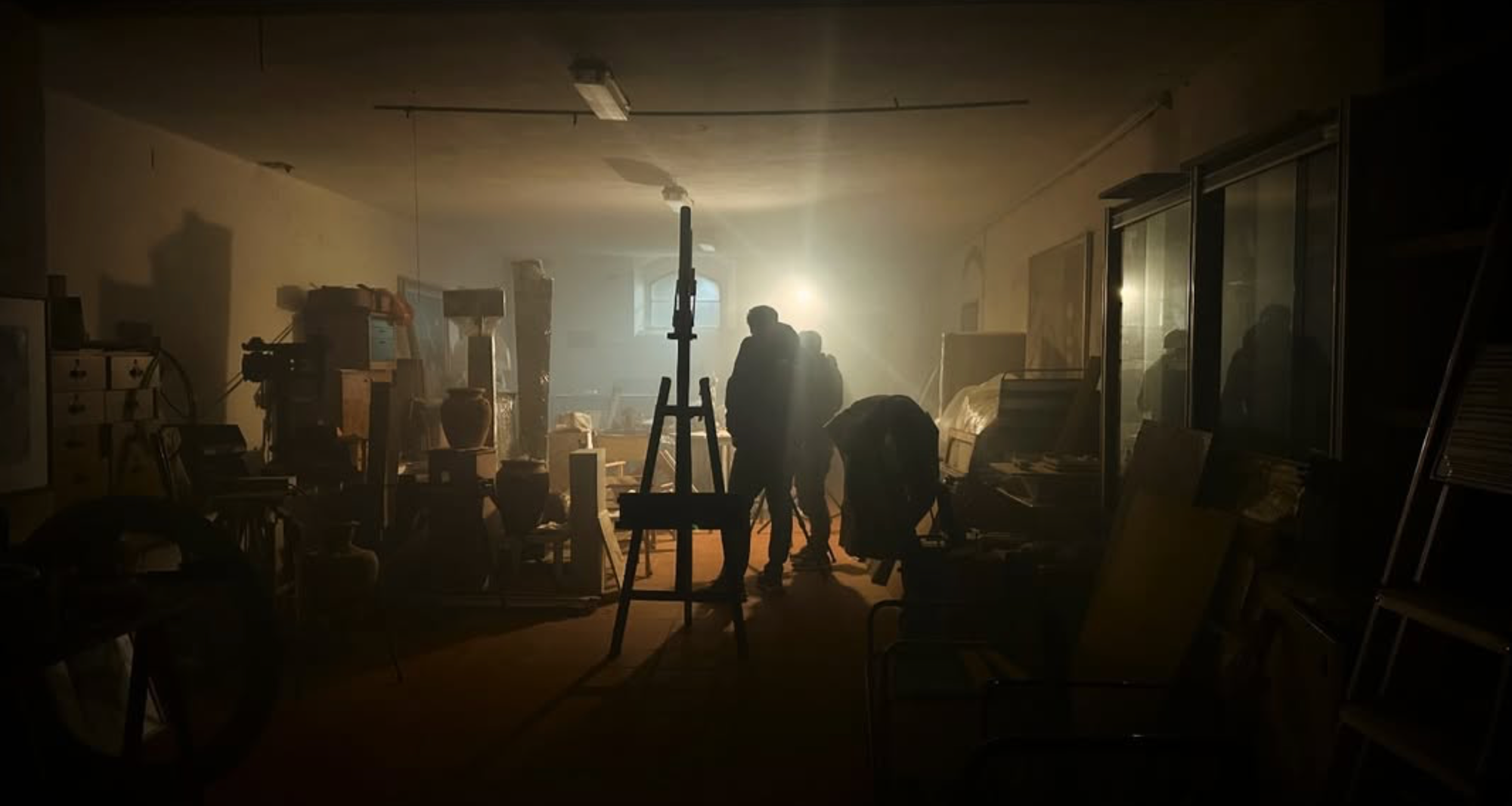
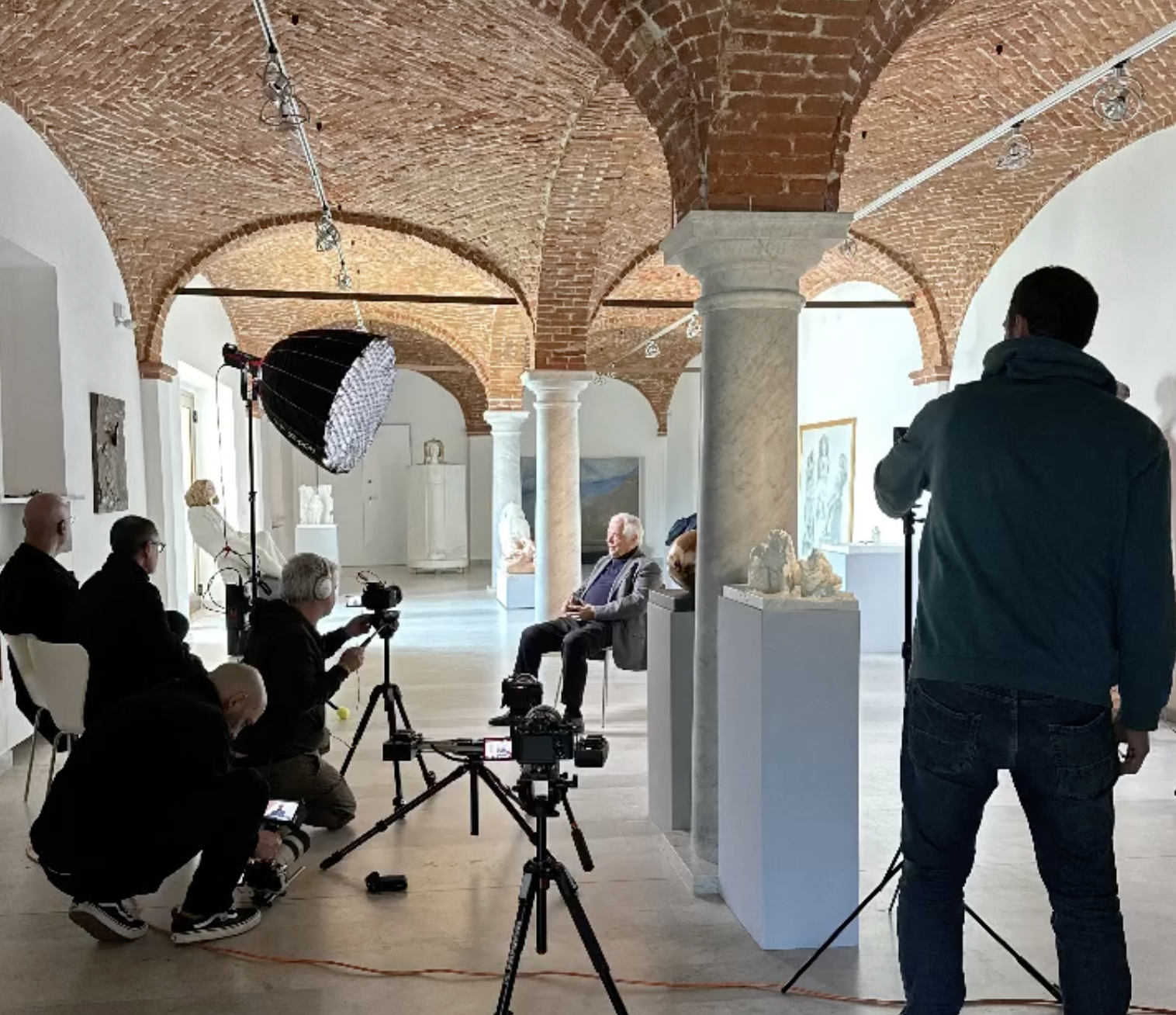
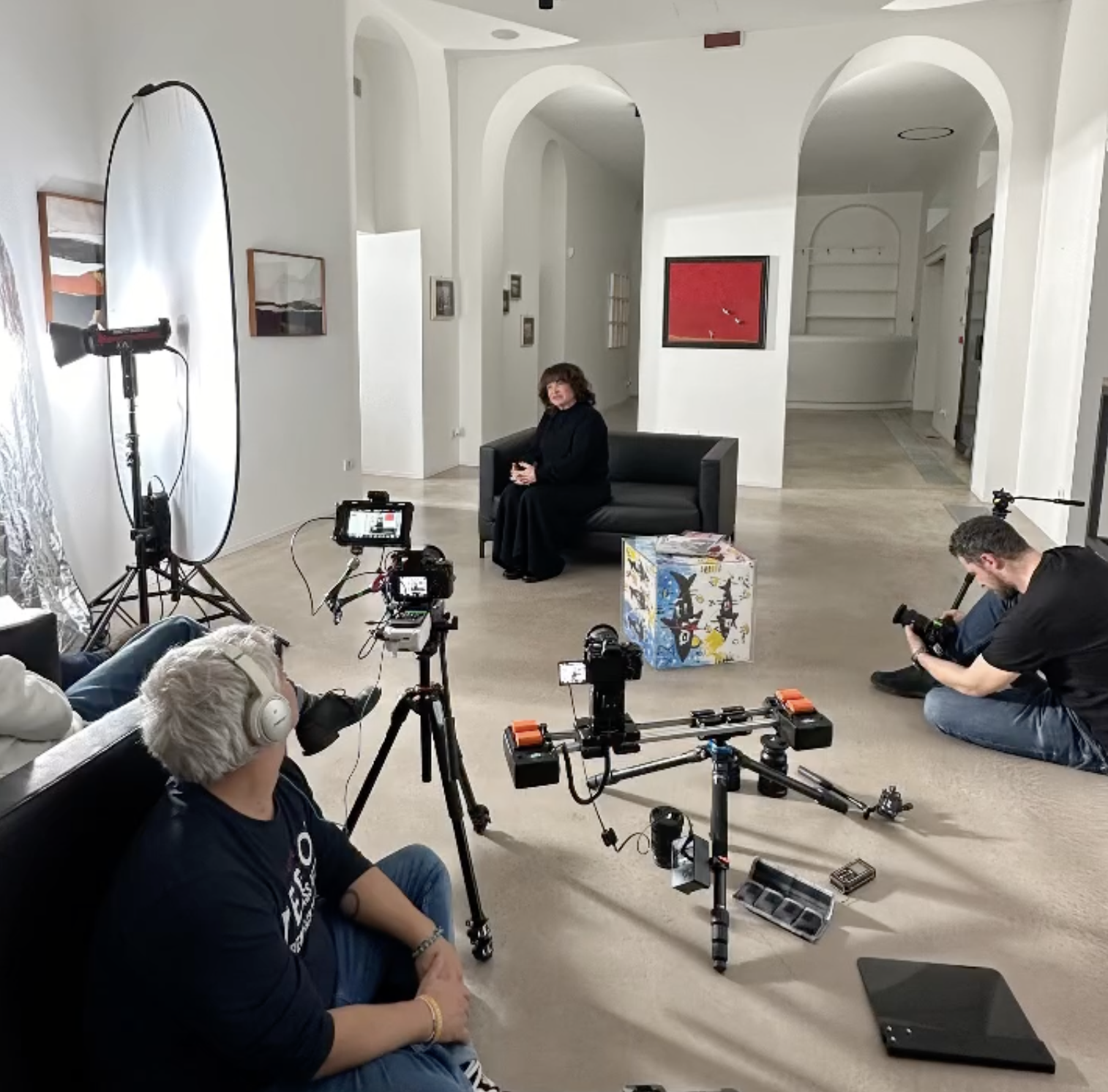
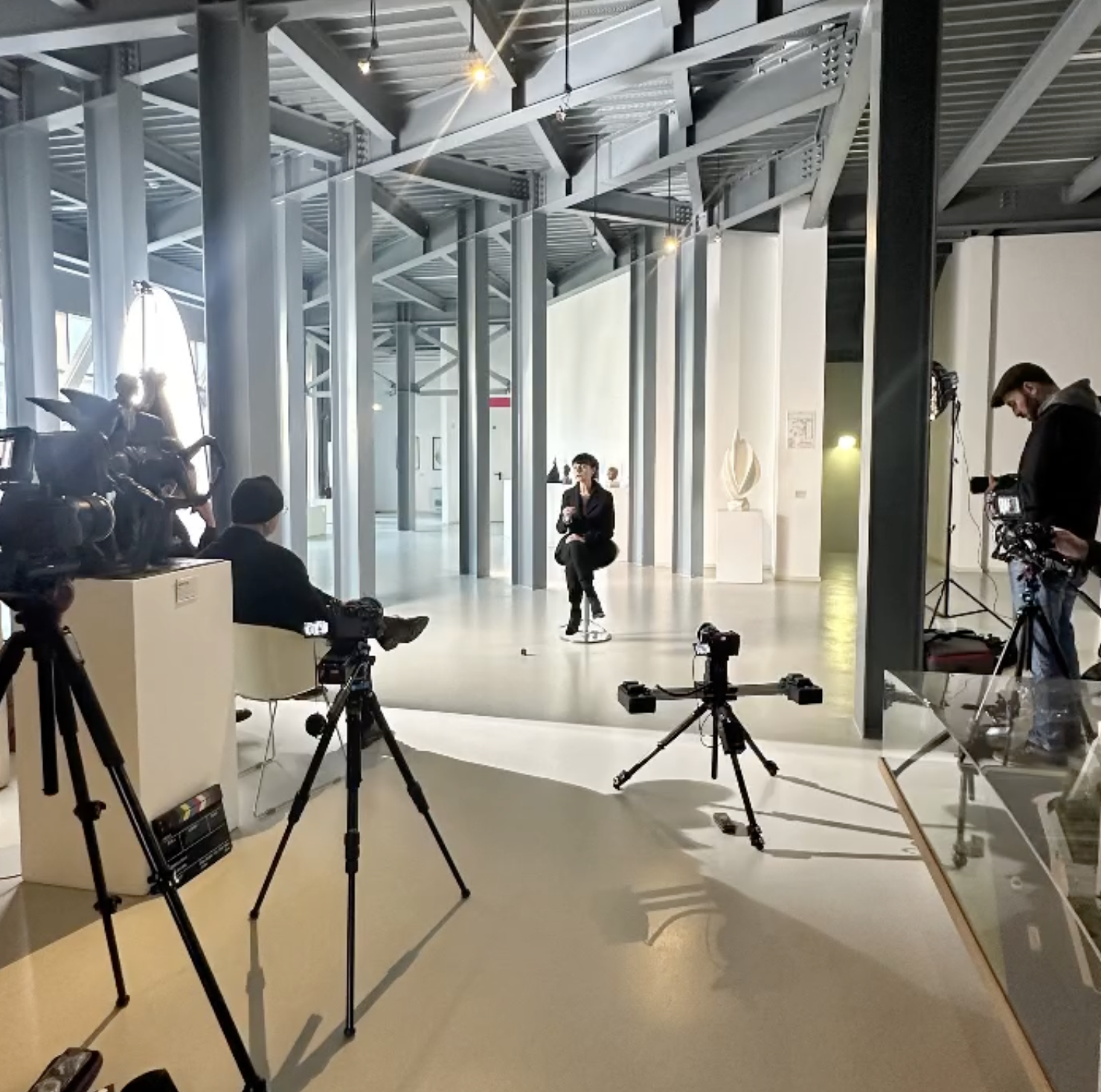
I shot the film with all the equipment I already owned for my commercial work. The crew consisted of 2-3 people besides myself, a truly small team, the same people who work with me on other projects.
Independent filmmakers often rewrite the rules out of necessity. What do you think is the greatest strength of independent filmmaking, and how did you lean into that on this project? Is there a lesson or breakthrough you’d share with others navigating this path?
I was lucky because I made this film with a condition of full freedom regarding timing, choices, and content. I didn’t do it to make money, this isn't my main job, so I could take all the time I wanted and I had no any kind of external pressures. I believe this is the fundamental prerequisite to being truly independent. However, for those trying to do this professionally to make a living, I think the times are tough. The general audience and main budgets are directed elsewhere, and it’s difficult to find companies willing to invest the necessary resources in projects like this. Few festivals truly support independent cinema, and Not Film Fest is among those. For me, it's very important to be able to present the film in the right environments, where the audience is accustomed to a certain type of content and where this kind of culture exists. It’s essential to receive direct and honest feedback, and I believe this festival is the right place for that.
"I hope that Nado’s story can serve as an example of determination and resilience."
What does it mean to you to have your film selected for Not Film Fest?
Few festivals truly support independent cinema, and Not Film Fest is among those. For me, it's very important to be able to present the film in the right environments, where the audience is accustomed to a certain type of content and where this kind of culture exists. It’s essential to receive direct and honest feedback, and I believe this festival is the right place for that.
How do you hope being part of Not Film Fest will shape the life of this film? Where do you see this film going next?
I don’t know what to expect because this is my first experience with festivals, as this movie is my first work. Regarding the movie, I hope that someone might offer me a distribution deal. Personally, my hope is to be able to establish myself as a writer and director and connect with more established entities and producers who are interested in the other stories I would like to bring to the big screen. We registered the movie for some other festivals, but at the moment, we have no concrete plans for the future. The goal is to promote it as much as possible, to show it to as many people as possible. Nado Canuti’s story deserves to be known, and I hope that in the future, the film can be distributed and promoted in the best way possible.
"At the core of all my work is a desire to be free to do what I enjoy most."
"I was lucky because I made this film with a condition of full freedom regarding timing, choices, and content."