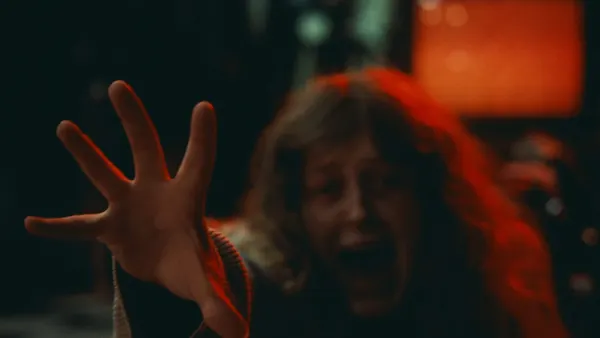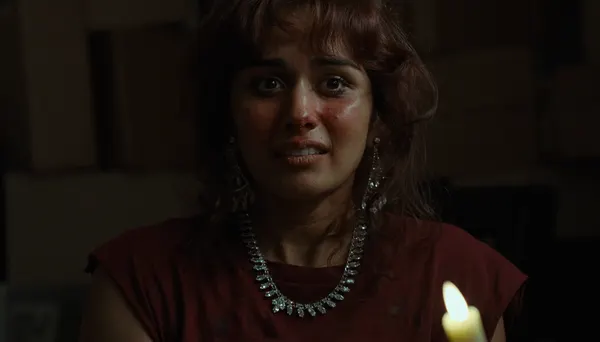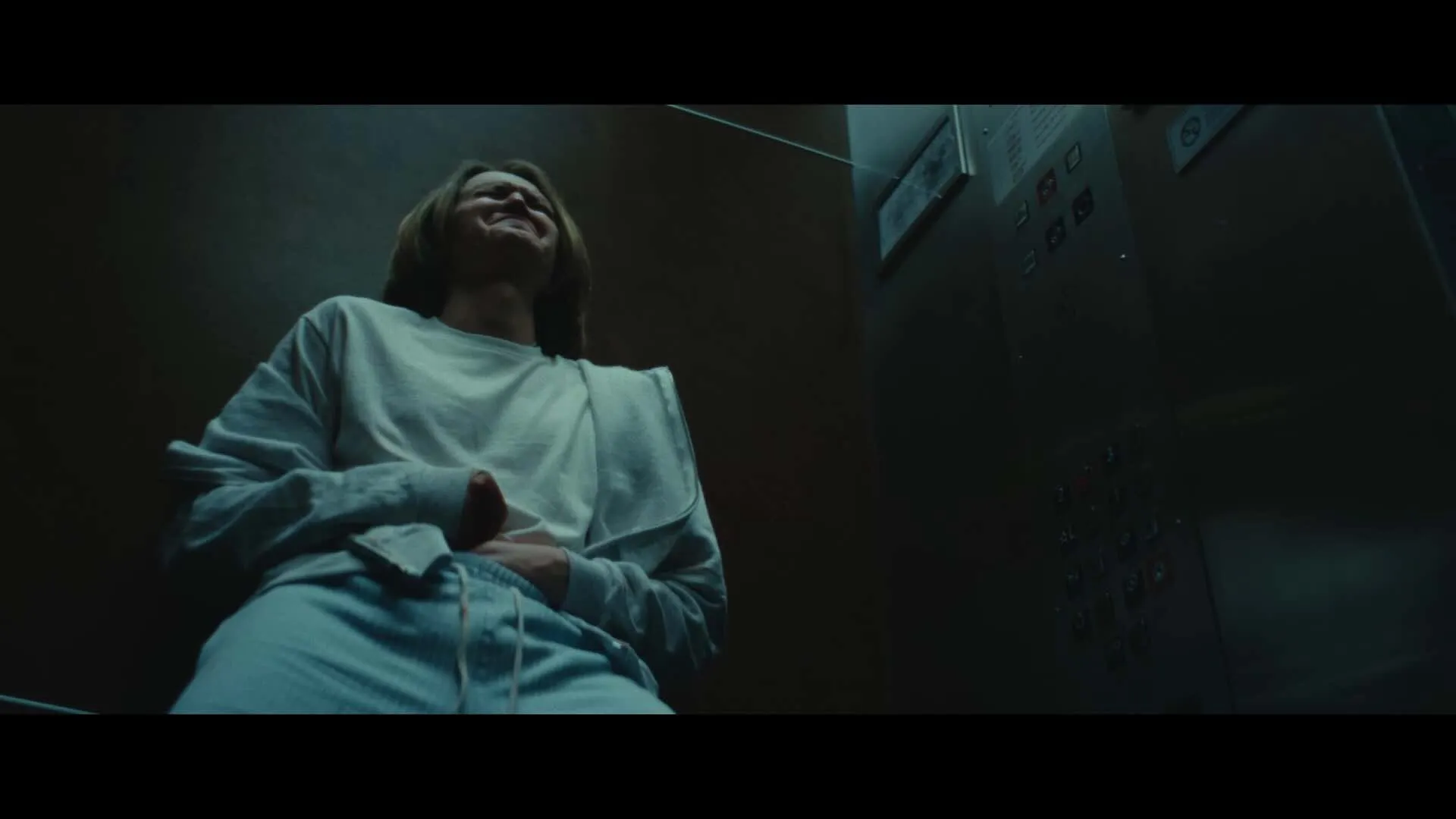
Mike will do anything to keep his girlfriend and his brother happy. That's the problem. In Amber Steigelfest's No Worries, a 14-minute dark comedy and body horror short, every compromise extracts a physical toll, and Mike begins literally losing pieces of himself — a premise that is funnier and more uncomfortable than that description suggests, and more tender than either.
Steigelfest is a Los Angeles-based writer, director, and actor with a background in theatre, stand-up, and sketch comedy, and No Worries is her directorial debut. She wrote it on a plane during a difficult stretch of her life, working through the self-blame and conflict avoidance that were quietly eroding the relationships she cared about most. The gore came later. What stayed was the ache underneath it.
Key Takeaways
- Steigelfest came to horror sideways, writing from the physical way she carries anxiety, pain, and grief in her body, and letting the body horror grow out of making that literal.
- Fourteen drafts went into balancing escalating absurdity against Mike's grounded emotional experience, with each lost body part earning its place in the metaphor.
- Collaborators, including SFX artist Lian Uritsky and DP Ryan Thomas, repeatedly pushed the film further than Steigelfest had allowed herself to imagine.
Steigelfest spoke with us about writing from self-blame, the Ken doll prosthetic, and why she expects to stay in horror-comedy for a very long time.
Interview
What drew you to make this film, and why this story, why now?
I wrote No Worries on a plane during a really difficult time in my life. I was taking on a lot of self-blame and starting to recognize how avoiding conflict could create resentment in the relationships I cared about most. Writing became a way to work through that, with some absurd body horror thrown in.
But I think it speaks to something a lot of us are navigating. Being an adult in this era is hard. Between work, social media, and being reachable all the time, there's always someone asking for a piece of you. Finding a balance between showing up for others and taking care of yourself can feel impossible.
I also don't think we're always just the giver or the taker. We all have relationships where we ask too much or give too little, and others where we feel stepped over. I wanted people to recognize themselves on both sides. Beneath all the gore, this story is yearning for symbiosis: learning to look inward, communicate honestly, and build deeper relationships where we can care for each other without losing ourselves.
How does your film fit within, or push the boundaries of, its genre or form?
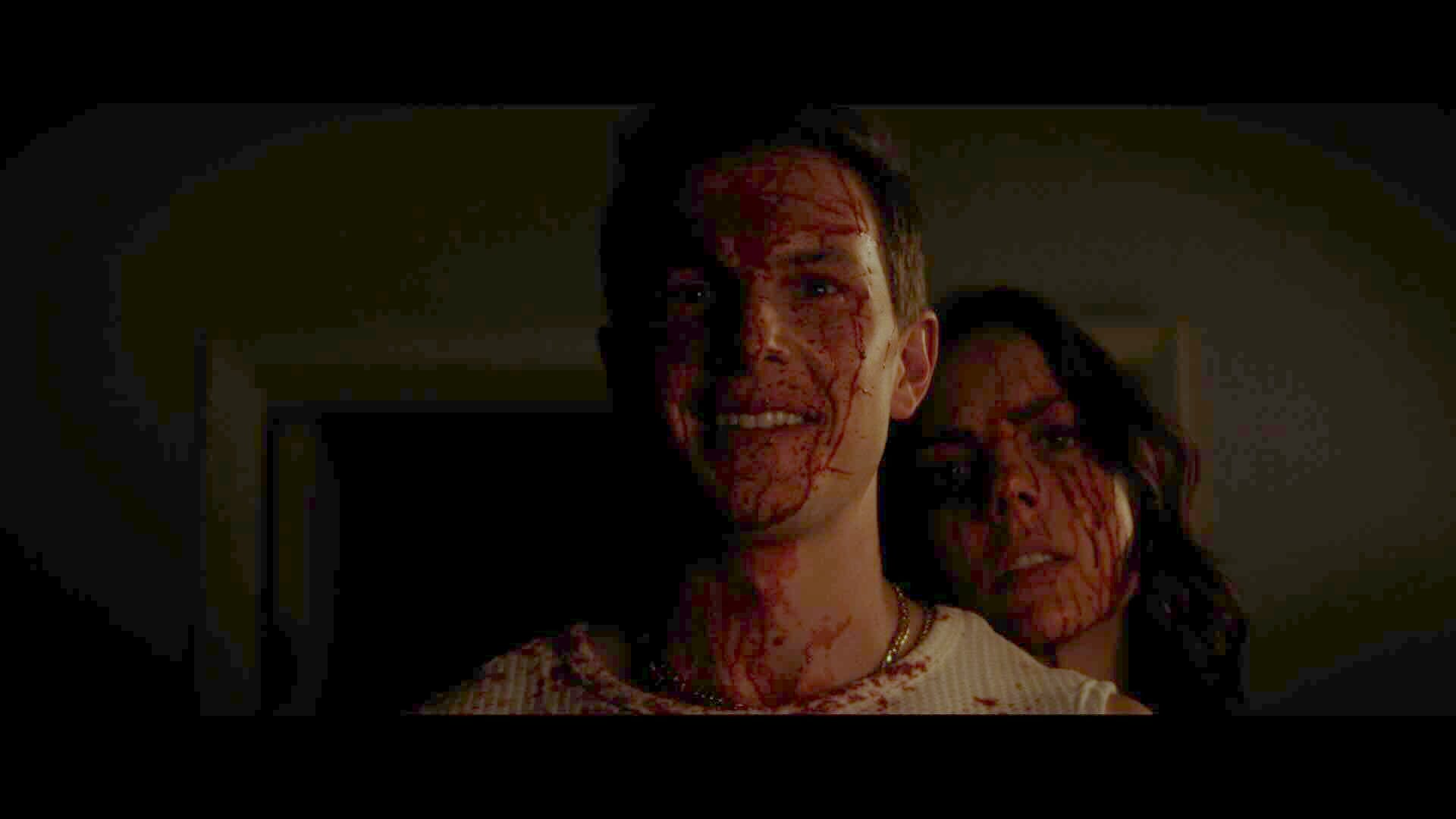
Horror gave me a way to tell an incredibly personal story, which is what I've come to love so much about the genre. I don't think No Worries is traditionally scary, although it definitely gets gross. It finds its horror in the physical cost of something emotionally familiar, then pushes it into absurd territory.
Anxiety and emotional pain have always been physical for me. When I feel like I'm letting myself or someone else down, or something in my life doesn't feel aligned, my stomach hurts, my side hurts. I carry people, pain, desire, love, longing and grief in my body.
That's where the story came from. I wasn't setting out to write a horror film; I was trying to express something that felt true to me. The body horror grew naturally out of making that experience literal, and the absurdity became part of the comedy. I fell in love with horror through making No Worries and discovering how much room it gives us to make an internal experience something an audience can actually see and feel.
What surprised you most about the filmmaking process, including any moment on set or in post that changed how you saw the story?
Honestly, I was a bit of a control freak about the core of this story. What surprised me most was how far we could push everything around it. I kept putting limitations on myself, and then a collaborator would help me realize, "Wait, we can actually do that."
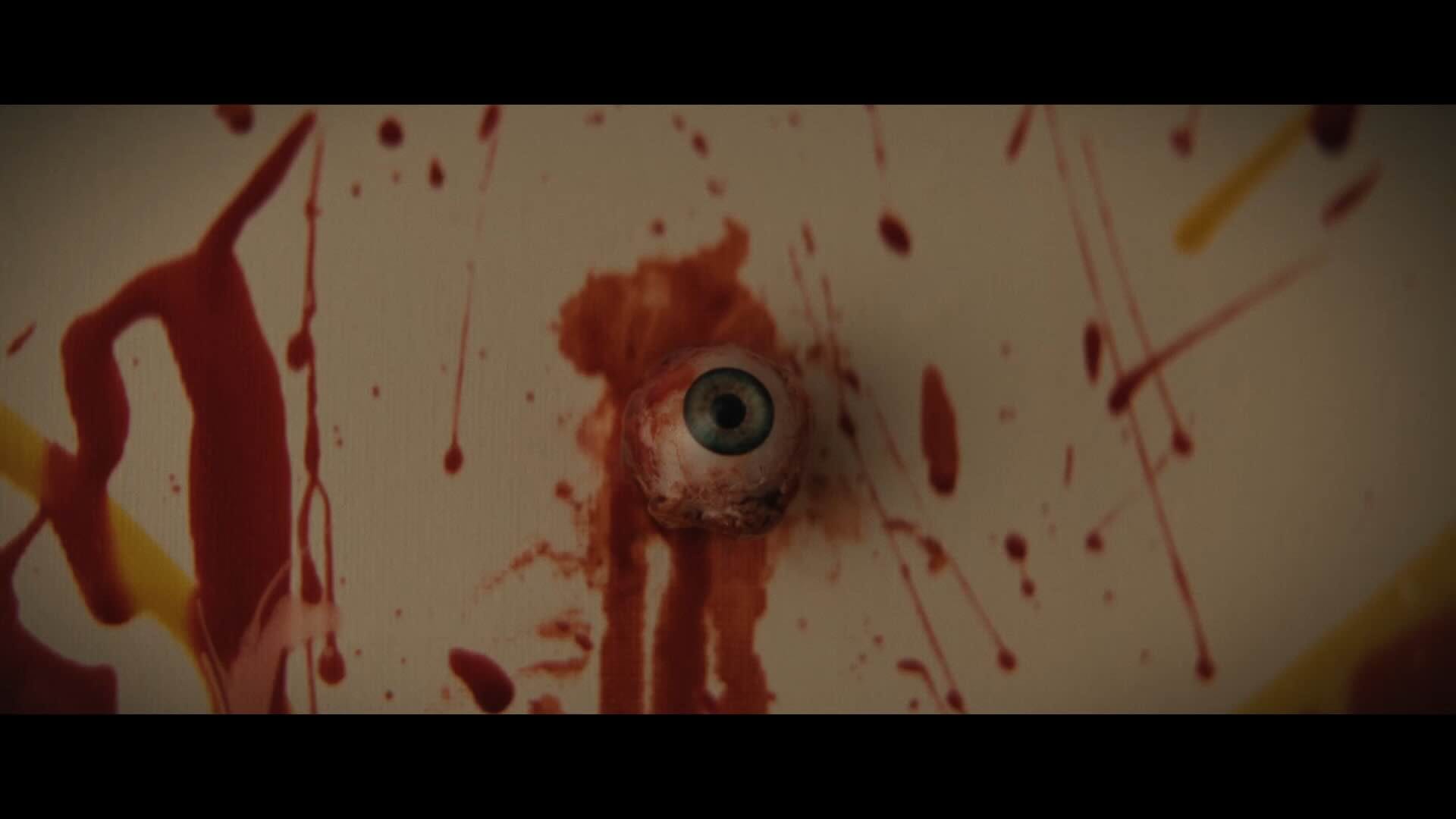
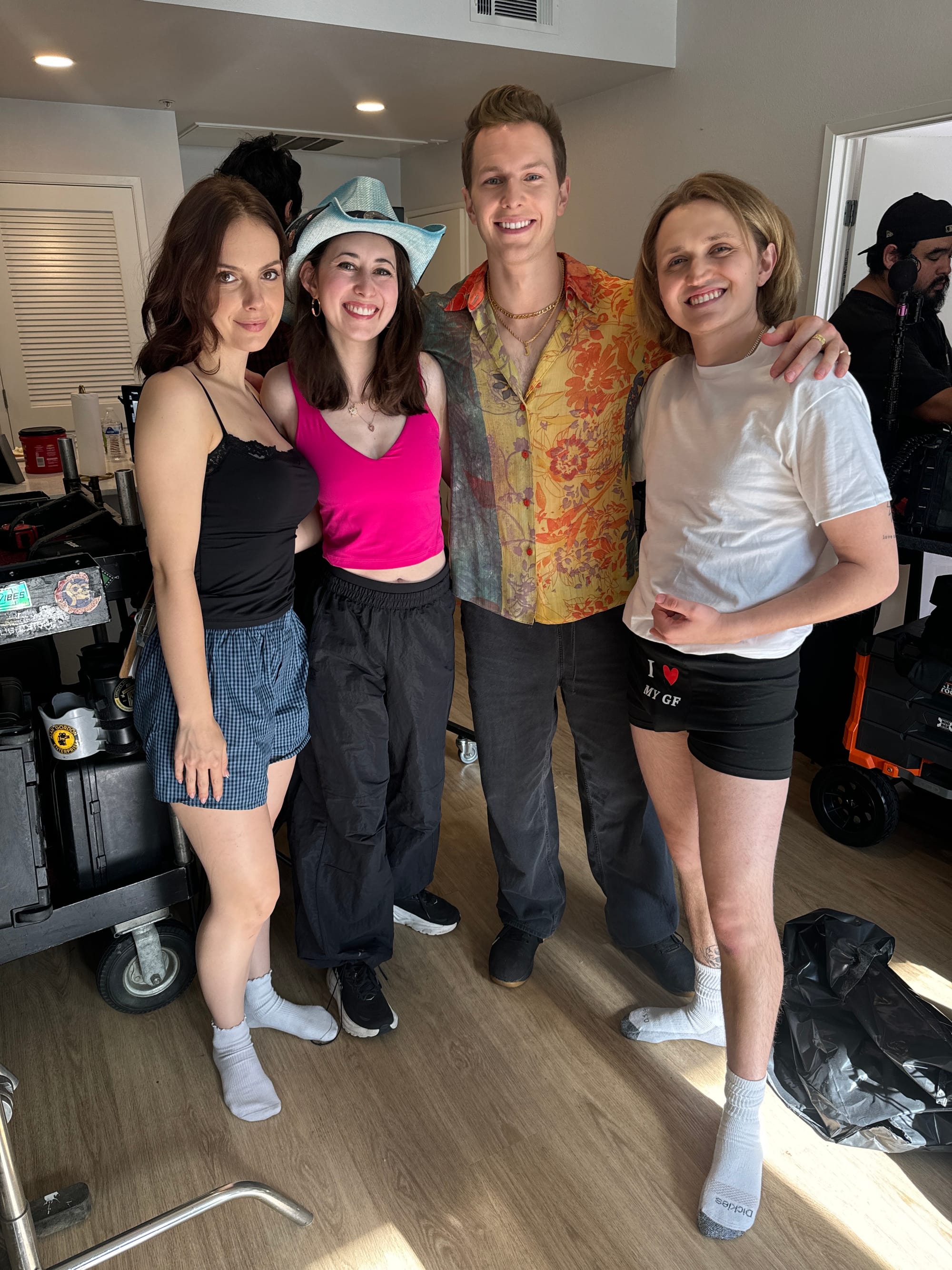
The Ken doll prosthetic was a big example. Originally, I was going to imply that Mike had lost his genitals without showing anything. Then I realized, "Wait, we can show it because there's nothing there anymore." Our amazing SFX artist, Lian Uritsky, our DP extraordinaire, Ryan Thomas, and Alexander Carstoiu, who plays Mike, were all willing to go there and make it happen (also shoutout to Calvin Ferniza for pulling focus on this gross insert). That made the moment so much more absurd and uncomfortable.
I hadn't worked in horror before, as a filmmaker or an actor, so learning about prosthetics and practical effects expanded my understanding of what we could put on screen. The story stayed true to what I wanted to say, but I learned to trust my collaborators and let it go further than I'd initially allowed myself to imagine.
What moment in the film feels most like you, or like something only you could have made?
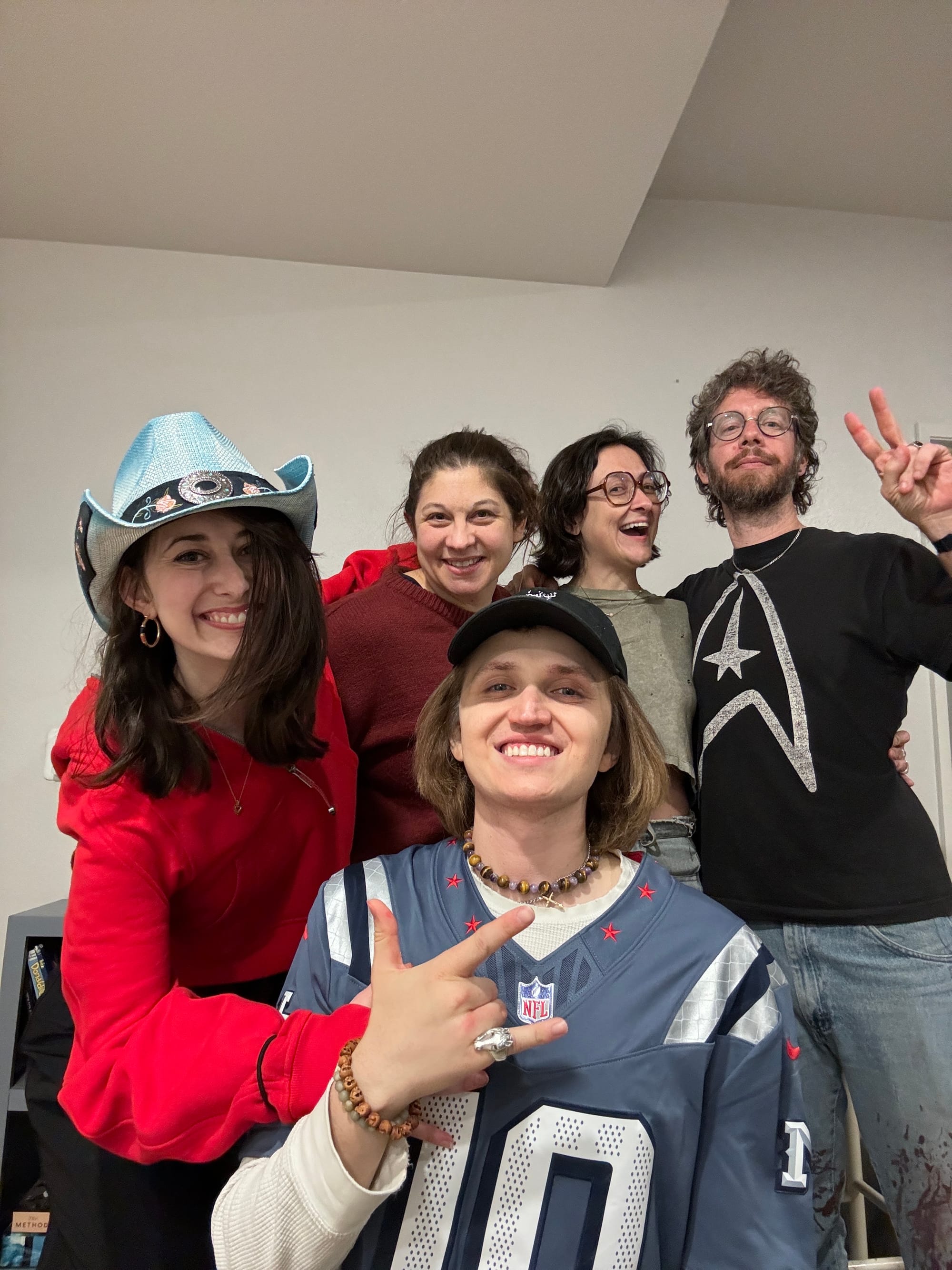
Honestly, all of it. I think this film unfortunately reveals to my family and friends how twisted and dark my mind can get, if they didn't already know.
But if I had to pinpoint one moment, it would be the ending. It's a bit sadistic, but it takes Mike's personality trait of being "useful" and serving others to its most absurd conclusion. Without spoiling anything, it becomes a work of art, literally.
What was the hardest creative decision you made while making the film?
The hardest creative decision was figuring out how far to push the absurdity while keeping Mike's emotional experience grounded. I went through at least 14 drafts, changing characters' genders and which body parts he loses. There were so many possibilities, but I wanted each loss to mean something within the story.
I had to keep asking whether a choice served the metaphor and Mike's relationships, beyond just being a funny or shocking moment. Finding that balance took a lot of rewriting and honest feedback. I wanted people to laugh at how ridiculous it gets and still recognize something painfully familiar underneath.
What tool, technique, resource, collaborator, or mindset shift helped most during production?
The biggest mindset shift was learning that sometimes you have to take a step back to take a much bigger step forward. I can be stubborn. Once I've committed to shoot dates, sent out a script, or set a deadline, I feel like I have to keep charging ahead. But I learned that it's never too late to pause, get a bird's-eye view, and rethink something. I've carried that into both my creative life and my personal life.
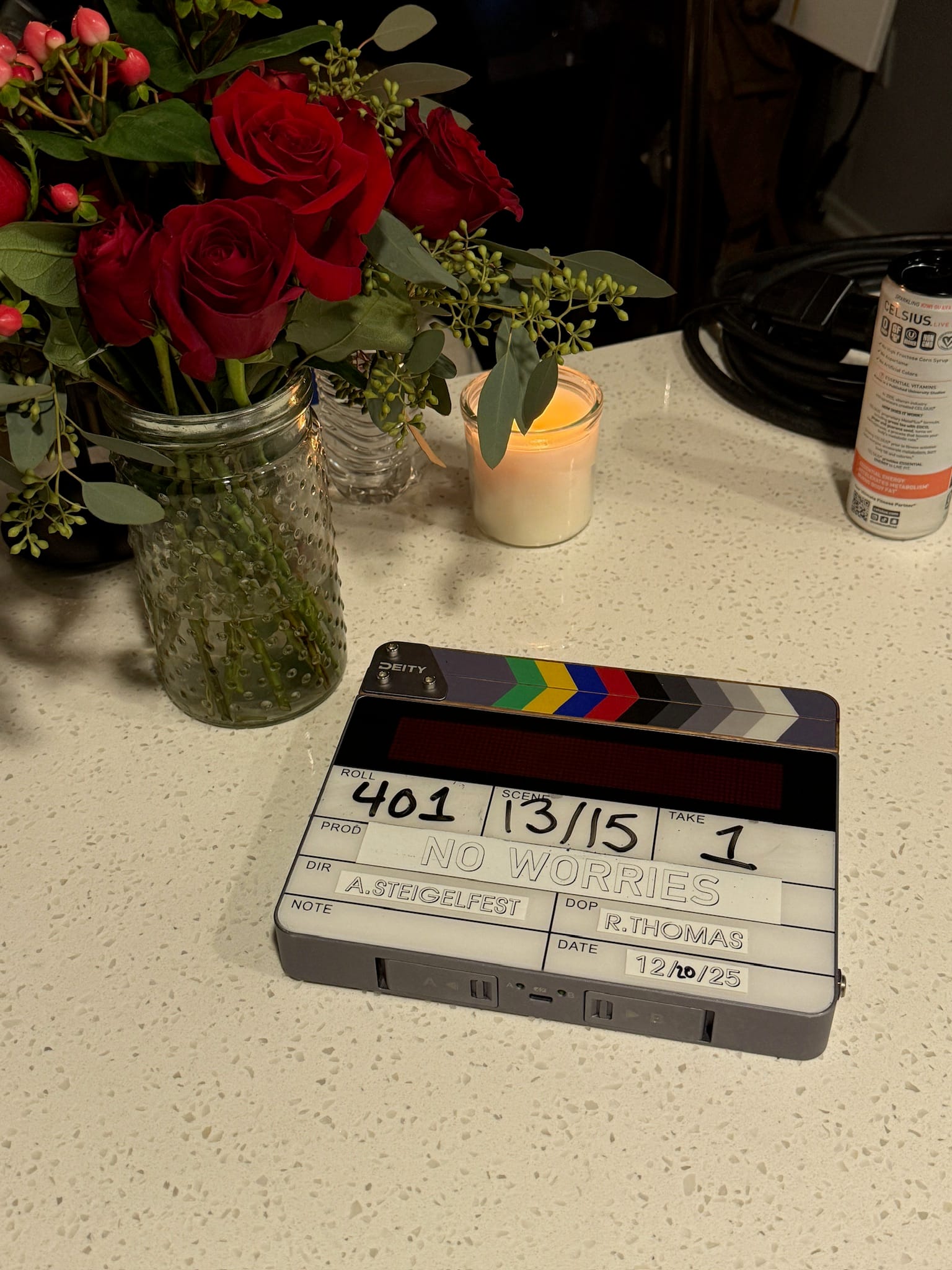
So many people gave me thoughtful notes, including Jasmyn Carter, Alexis Jacquelyn Smith, Melissa Vitello, Alexander Carstoiu, Caleb Brunman, and my parents (shoutout Jill and Eli). My DP, Ryan Thomas, really pushed me. He was relentless about the script, and about two days before shooting, around draft 14, he texted me something like, "I think the script's actually good." I'd already hired everyone, so I was like, "Oh, thank goodness. I guess we're ready to go."
I appreciated it so much. I love working with people who hold me to the highest possible standard. Learning to stay open to that feedback, even when I thought I should already be finished, made the film better.
What does it mean to have your film selected for FilmQuest?
Oh my gosh, it's such an incredible honor. FilmQuest is the genre festival I've had my eye on since before we even shot the film. I remember thinking, "I really hope we get to play there." Everyone describes it as camp for creatives, which sounds like my dream.
The team has been so welcoming, communicative, and thorough, which has made it even more exciting. There's definitely a part of me going, "Wow, I'm a real genre director. I'm going to FilmQuest!" I'm so honored to be included and can't wait to visit Provo, Utah, for the first time and share the film with this community.
How has this film shaped or shifted the kinds of stories you want to tell next?
No Worries showed me that I never want to put limits on the stories I'm telling. As long as everyone is safe, I want to have fun, push ideas further, and see what's possible. I want to keep telling stories about deeply personal, relatable human experiences while giving audiences a really fun ride.
Since No Worries, I've directed Eat Pray Rot, Lookalike, and February Third, the first two of which are also horror-comedies. Each has helped me sharpen my voice and grow as a filmmaker. Now I'm developing a psychological horror-comedy that I'm incredibly passionate about making as my debut feature. I'm looking to build the right producing team and secure funding to bring it to life, and I have a couple of other horror-comedy feature scripts in my back pocket as well.
I think I'll stay in the horror and comedy realm for a very long time. There's so much room to play, and so much humanity to explore within it.
Main Cast & Crew
- Written and directed by Amber Steigelfest
- Producers: Amber Steigelfest, Melissa Vitello, Elizabeth Alan, Matt Mercer, Alexander Carstoiu
- Alexander Carstoiu as Mike
- Sof Puchley as Janet
- Orion Smith as Jason
- Melinda Clarke as Therapist
- Director of Photography: Ryan Thomas
- Editor: Matt Mercer
- Production Design: Elizabeth Alan and Pete Schwartz
- Costumes: Maddie Chavez
- Makeup and Special Effects: Lian Uritsky and Ashley Stansbury
- First Assistant Camera: Calvin Ferniza
- On-Set Sound: Tony Peña
- Post Sound: Lindsey Ellis and Christopher Woll
- Original Score by Abra Kadab
- Visual Effects: Matt Boardman
- Color: Dan Edwards
- Gaffer: Fernando Caballero
- Key Grip: Cristofer Moscoso
Filmmaker Opportunities
💛 Fund your next project with fiscal sponsorship
Have a project in the works? As a 501(c)(3) nonprofit, the Cinematography for Actors Institute can accept tax-deductible donations on your film's behalf — a door-opener for grants, foundations, and supporters who want to back your work. We've serviced over 100 projects to date and helped route over $800,000 in funding to filmmakers. Explore fiscal sponsorship →
📬 Grant deadlines and festival opportunities, straight to your inbox
The CFA newsletter rounds up grants, festival calls, and community news for independent filmmakers — the kind of opportunities that are easy to miss and painful to miss. Join the newsletter →
🎬 Focus on the creative — we'll help with the logistics
Production Management, CFA's newest member program, launches this November: production insurance and workers' comp, payroll, film permits, gear rental coordination, SAG-AFTRA compliance, contract drafting, production consulting, and crew recommendations — handled by a team of working filmmakers, à la carte or all in, in partnership with Creative Access Group. It's waitlist-only until launch. Join the waitlist →
League of Filmmakers is published by our parent organization, the Cinematography for Actors Institute — a 501(c)(3) dedicated to education, community, and capital for underrepresented filmmakers and actors. Learn more about CFA →