Table of Contents
Introduction
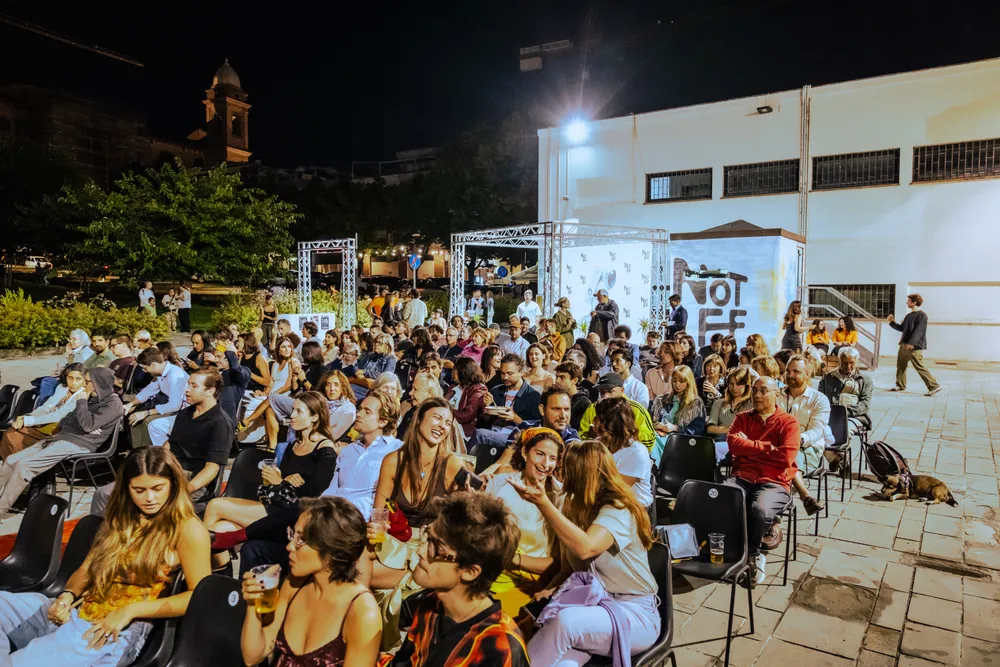
For anyone who attends Nòt Film Fest, the experience is more than a series of screenings. It’s an environment that cultivates authentic relationships, sparks inspiration, and honors artistry and integrity in an industry increasingly shaped by big tech and institutions.
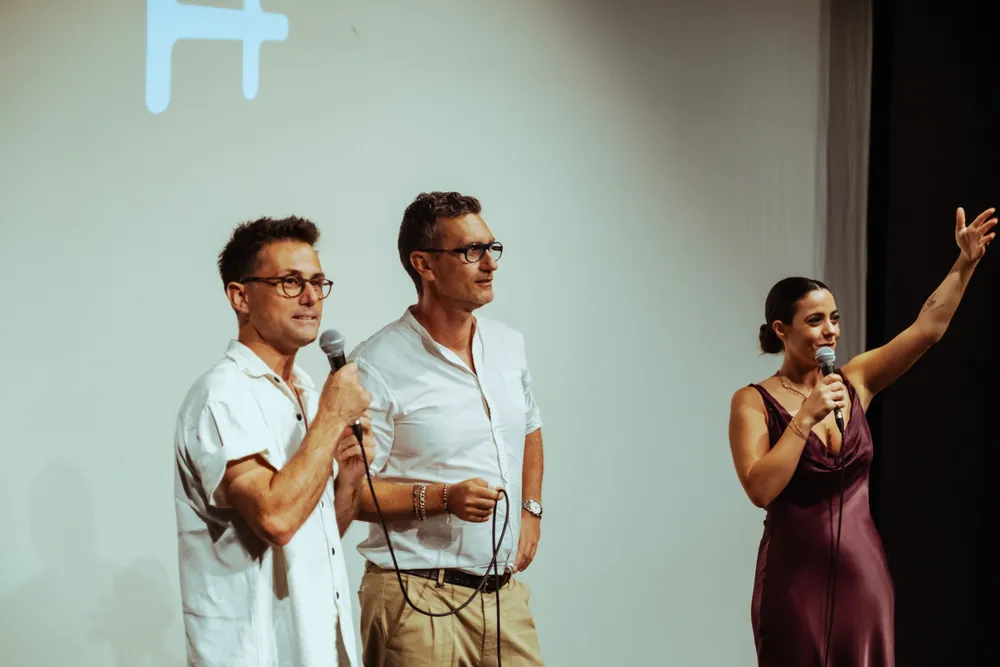
The festival’s founders embody these values. They challenge the notion that genuine artistic connection is a relic of the past. On the final day of the 2025 Nòt Film Fest, Giovanni "Gio" Labadessa and Alizé Latini reflect on what sets Nòt apart and how it preserves the sacredness of independent film communities.

What Makes Nòt Film Fest Different?
From the 140-seat lunch table set in the idyllic Italian countryside, Alizè gestures to the filmmakers gathered around her and says:
“You’re standing in it. The movies are good. And the reason why they’re here is because they made a good movie. But then there’s them.”
“We’ll create the space,” Alizè says, “but then you’ve got to fill it.”
At Nòt, dozens of filmmakers from across the globe—of all ages and backgrounds—share food, wine, and conversation. Many filmmakers describe Nòt as their favorite festival, largely because of the community it creates. Alizé continues:
“These are the kind of people you want to work with. The first step is finding your people and this is how you find it.”

Gio adds, “People can be themselves. It’s not about networking. A lot of European festivals are more institutional, but here, people don’t have to put up a mask.”
The founders note that due to the festival’s vibrant and active community, Nòt has a year-round life. Attendees carry its ethos back to their cities, sharing the experience with others.
Community
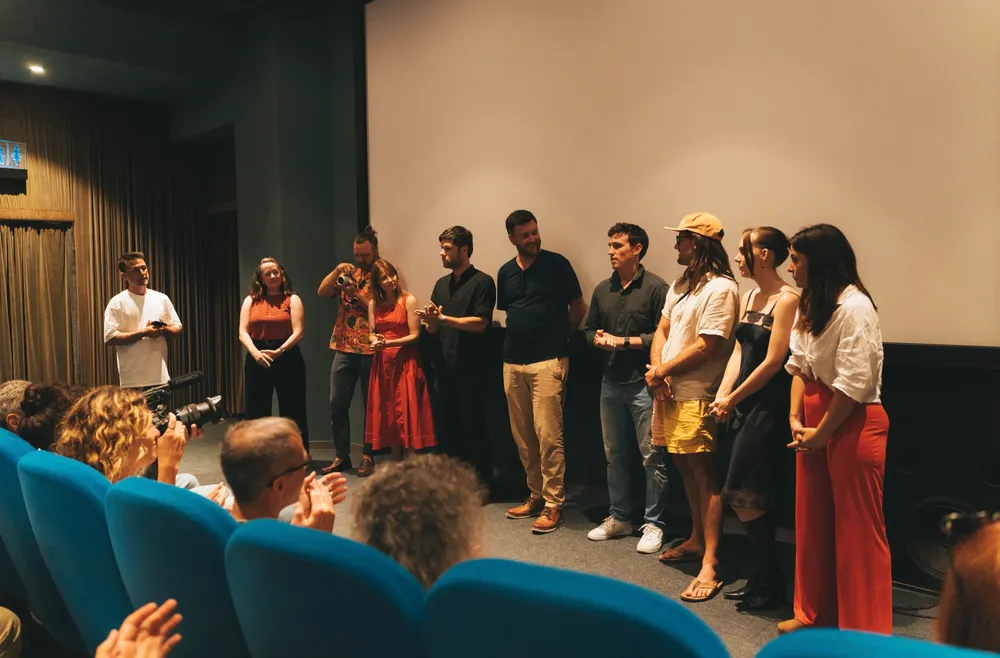
Gio emphasizes that Nòt is built on accessibility and equality. “We make the artist accessible. There’s no barrier between them. We don’t do Q&As. We invite people to meet in the lobby.”
At Nòt Film Fest, you’ll never come to a screening and then promptly head out for the night. “That’s not Nòt,” Alizè assures, “You have to come and experience the creative community.” Screenings are full because audiences show up to cheer for the people they’ve just met at lunch, people they’ve learned from at a panel, and people they’ve chatted up at the after party bar…

The sense of family extends beyond cinema. When a sudden downpour interrupts the outdoor lunch, filmmakers, founders, and volunteers alike sprint plates of food and chairs indoors together. And once the work is done, staff and volunteers get to step into gowns and suits for the screenings and afterparties, celebrating alongside the filmmakers. From hauling chairs to walking into a premiere, everyone shares in both the effort and the glamour, creating a uniquely familial atmosphere.

Santarcangelo di Romagna
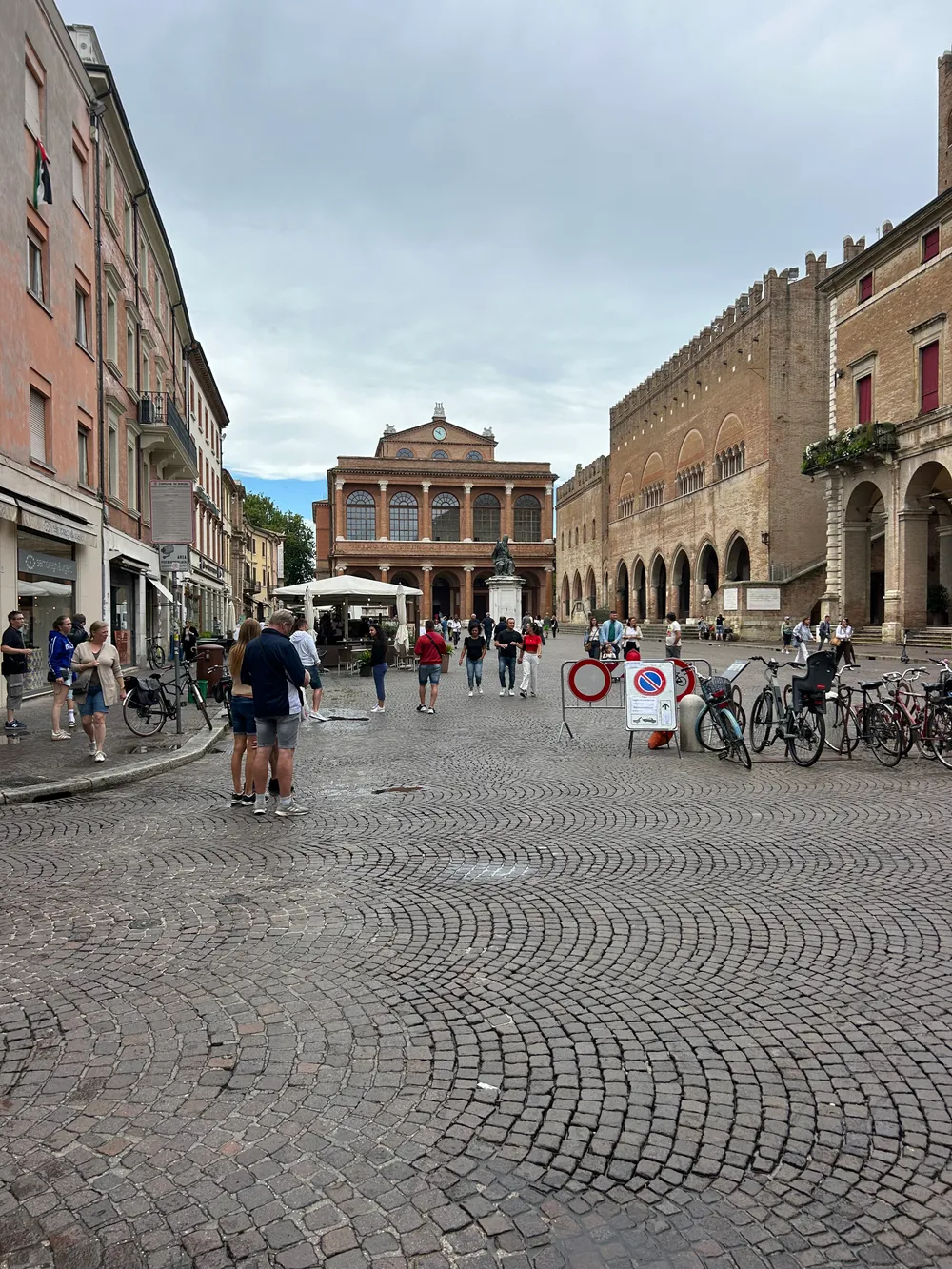
Cobblestone streets, historic churches, fine Italian dining, bustling piazzas, and vibrant markets—Santarcangelo, in the Rimini province, provides the perfect storybook setting for a transformative week of art and culture.
Giovanni explains, “Santarcangelo has a very strong history of being culturally active and very responsive to culture. They have one of the longest standing theater festivals in Europe. They have several cultural outputs that cater to poetry in the local dialect. They have a very successful literature festival. So Santarcangelo is a city that is already incredibly active. When we had the opportunity to come here for the first time and discover what was happening here, we looked at it from not just what the city looked like – which is an absolute postcard– but also with how much the city itself is invested in creating an opportunity for culture.”

The city has also proven itself progressive and bold when, in 2014, Santarcangelo elected Alice Parma—one of the youngest mayors in Italy—at just 26 years old. This spirit of youthful progressiveness aligns with the festival’s spirit of innovation and cultural boldness.
Still, the founders don’t take the town’s faith in them for granted. “Italy can be kind of still in the way it behaves because we have so much, we feel like we don’t need anything new. And what we were trying to do was very new,” Giovanni notes. Santarcangelo is not just a backdrop for the festival but a partner in its vision.
How Nòt Has Evolved
“This is edition number 8 of Nòt Film Fest,” Giovanni reflects. “We started with 18 films. We had one venue. We screened films just at night. But more films have brought more people, more community.”
Alumni filmmaker projects mature alongside the festival itself. “The community grows together,” Giovanni says. “It’s beautiful to watch each other become the kinds of professionals– the kind of artists we want to be.”
Alizé recalls the uphill climb with pride, “The table used to be 30 people and now it’s 130 because we can handle this. It’s absolutely formative. It’s the hardest thing I’ve ever done in my life.”

Looking to the future, Giovanni hints at expansion: “We have a few places we’re trying to grow.” The festival is also developing educational programs and new creative outputs. The guiding principle remains clear: Filmmakers and Nòt Film Fest evolve together.
What Would You Say to Filmmakers Interested in Nòt?
For those wondering if Nòt is the right fit, the founders offer simple advice: Do your research. Talk to past participants. No one leaves Nòt without a story to tell.
Alizé notes: “We don’t like to take submissions lightly. We don’t like to say no to films. I think there’s space for everyone. If you do a little research you’ll see that we don’t have a theme, we don’t have a genre, but we do have a mood. So that’s the thing I would say. Just look at the people and look at the films.”
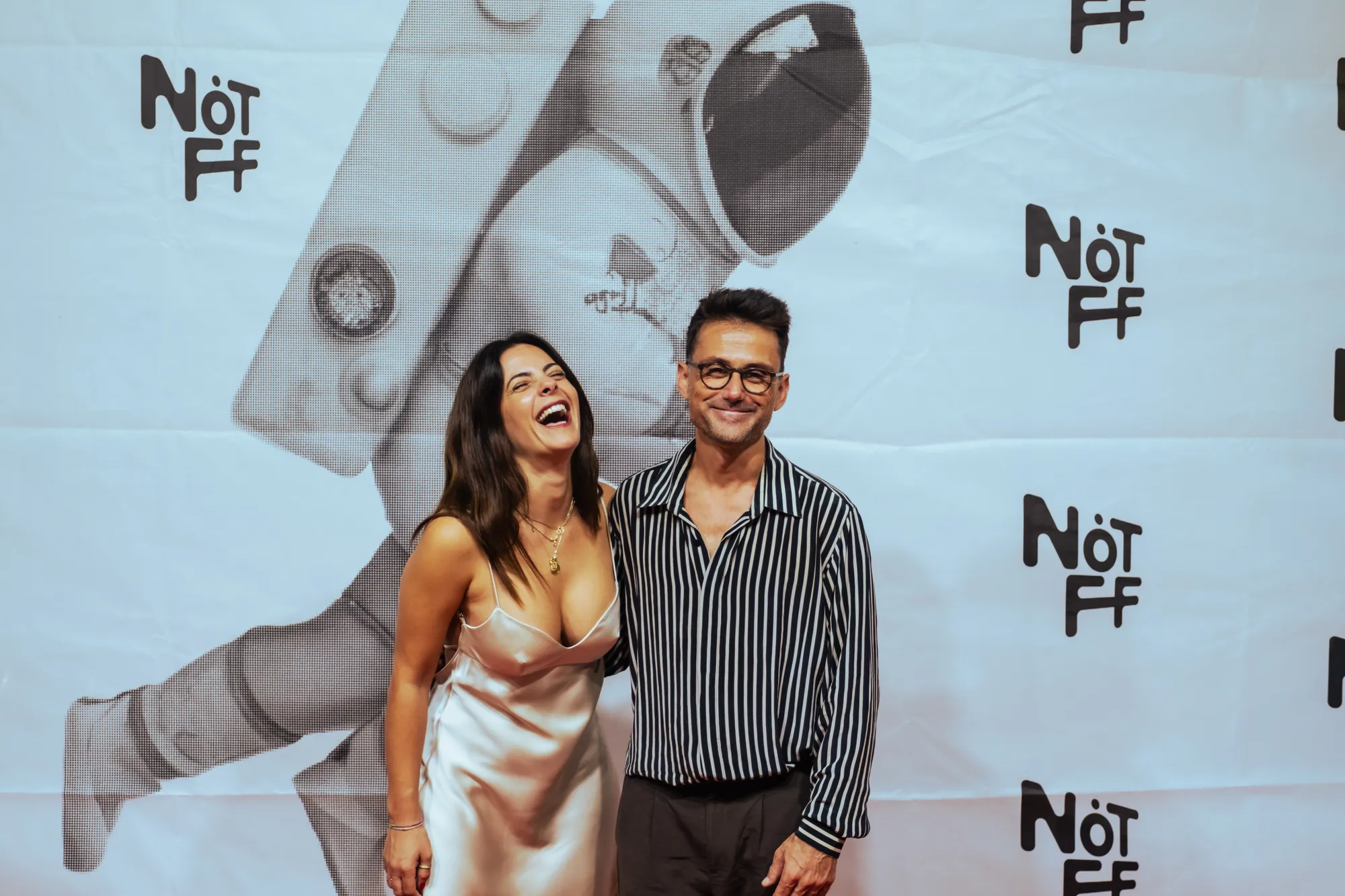
She also acknowledges that Nòt isn’t for everyone, stating that, “Maybe you have a film for Cannes. Maybe this is not a film for Nòt. And maybe you’re a filmmaker who just wants to go to your screening, dress really well, take pictures and do the red carpets and stuff. Perfect. There are so many fests that are for you. Here, we don’t rock like that.”

Alizé stresses the importance of considering the full experience: “Submit to the festival that you want to go to. If you don’t want to travel to Italy, I understand that – It’s a lot of money. But if you look at what we do and you’re not in the position to travel, maybe you should think about that for a second, just because you’re not gonna get the full experience. Take everything into consideration.”
At its heart, Nòt is about the shared journey. As countless participants exclaim throughout the week: “This is like summer camp!” Just as a child leaves camp changed by friendship and adventure, filmmakers leave Nòt transformed—by community, creativity, and connection– eager to return next summer.