Table of Contents
Introduction
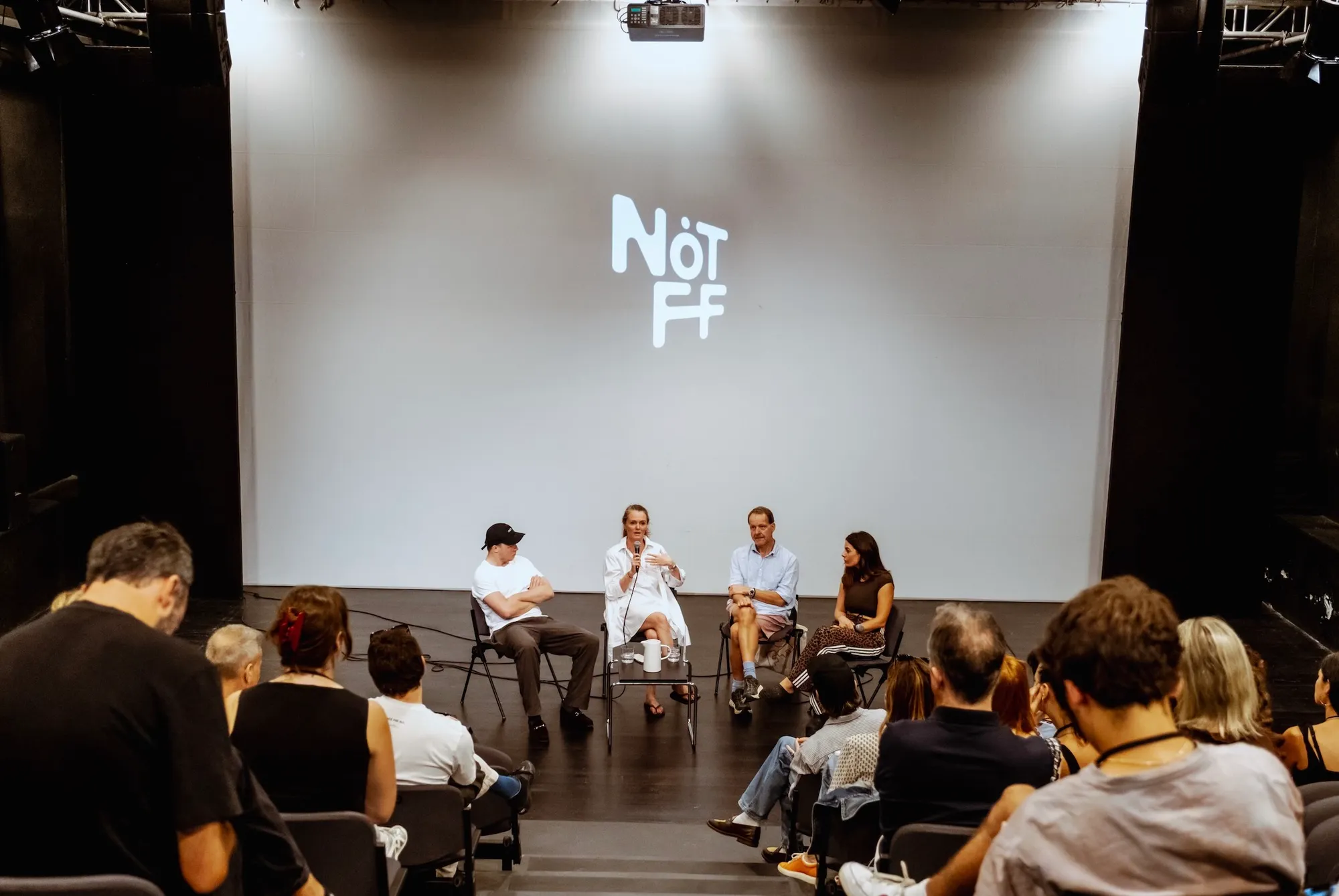
In this panel presented by Nòt Film Fest, film producers Kim Magnusson, Rebecca Pruzen, and Francis Chapman talk-short film funding and distribution, and share advice from their own experience taking films through festival circuits.
Where's the money?
Short films rarely generate profit. Instead, they are typically treated as proof of concept, showcases of a filmmaker’s abilities, or valuable learning experiences. Profit is rarely the goal, and almost never the outcome.
Filmmakers are left with a puzzle: If you’re unlikely to make money, how do you create a short film without falling into debt?
“Some films get support,” Magnussan explains. “The ones that don’t, we make with a $10–$15k budget.” Beyond that, filmmakers often rely on small grants, which can add up, though European artists have far more access to such funding than their American counterparts. The prevailing strategy is to keep budgets small and aim for distribution to recover costs. With so much depending on distribution, it becomes one of the most crucial and strategic parts of the process.
Tips About Distribution
The first warning from filmmakers: Don’t put your film online for free. As Rebecca Pruzen explains, “The second you post your film, it’s dead.” Once it’s accessible to everyone, you lose the leverage that comes from holding it privately.
Instead, plan a strategic roll-out and find your film a home—specifically, one that will allow you to monetize. While immediate exposure online might spark attention, it won’t deliver the financial return you need from distribution.
Another piece of advice: Be selective about festivals. Submit only to reputable, long-standing festivals. Avoid festivals that exist solely online with no in-person programming. They’re usually after your money, and their laurels won’t carry any weight. It’s best to focus on festivals that give you the opportunity to personally connect with other filmmakers.
Finally, treat your film like it’s on an Oscar campaign. Even without the budget for an official run, give your project at least two years on the festival circuit and target Oscar-qualifying festivals. This strategy opens the widest possible distribution window for a short film, taking it to cinema hubs worldwide, without the crushing costs of a formal campaign.

Why Shorts?
Beyond festivals and campaigns, short films offer a range of opportunities that make them worth the investment of time and energy. Most importantly, shorts allow creatives – both behind and in front of the camera – to gain valuable experience. As Magnusson puts it, “It’s about raising talent.”
You can also secure a sales agent from a short, which will help your film find distribution, but making a short film also gives you the opportunity to experiment with collaborators. Magnusson and Purzen add that, “making a film together is like making a baby.” Short films can help you forge the beginnings of lifelong creative partnerships and give you the opportunity to test co-parenting your film baby.
There are also some opportunities with short films that don’t come with the burdens of a feature. With a short, you can be creatively independent, and not worry about making producers, studios, and financiers happy. You have the chance to establish yourself with your own authentic work.
How to Get Seen
To stand out, your film needs something that compels viewers to watch beyond the first few moments of your film. Academy members, for instance, are only required to watch 5 minutes of the film in order to vote. Aim to give all audiences, including potential voters, a hook, a reason to stay engaged, and a payoff worth waiting for.
Francis Chapman emphasizes that visibility is often a “fake it till you make it” game. You have to put yourself in rooms with the right people—and carry yourself with grace and confidence once you’re there. He shared, to the audience’s amusement, “At my first Venice [Film Festival], I slept on the beach.” From sneaking into receptions to attending parties uninvited, he explained that self-advocacy often means being bold, even in unconventional ways.
Rebecca Pruzen echoes this, urging filmmakers to embrace every opportunity: “You have to say yes to everything, and every interview, even the weird ones.” Whether it’s local news, a casual lunch, or a cold email, every “yes” has the potential to strengthen—or spark—a relationship that could benefit your film.
Conclusion
Short films may not be financial goldmines, but they are powerful demonstrations of skill, vision, and persistence. The path requires strategy. You have to budget wisely, navigate festivals with intention, and build relationships through relentless self-advocacy.