
Table of Contents
Three Key Takeaways
- Valentin Guiod’s Patience (Sabali) is a poetic exploration of migration, resilience, and immortal love, inspired by African culture and music.
- The film’s production was a demanding but cooperative journey, notably featuring a challenging six-hour long take that captures the intensity of a migrant crisis.
- Guiod’s hybrid filmmaking approach breaks boundaries across formats and genres, with plans to adapt Patience into a feature-length project.
Valentin Guiod, a filmmaker raised between Paris and London, brings his poetic and visually striking style to Patience (Sabali), a short film centered on migration and love.
Starring Omar Sy, Alassane Diong, and Anna Thiandoum, the film features an original score by DJ Snake and Amadou & Mariam, connecting deeply with Pan-African culture.
Selected for Nòt Film Fest , this film continues Guiod’s journey of telling bold, character-driven stories that resonate on both emotional and political levels.
Q&A Interview
What drew you to make this film? Why this story, and why now?
The inspiration for the original concept came from the song’s title, Sabali, which means patience and immortality in Arabic. I aimed to craft a visually poetic film centered on patience, immortal love, and the enduring spirit of African youth. When DJ Snake introduced this stunning remix of the African anthem Sabali by Amadou & Mariam, along with the intention to tell a story that resonates both emotionally and politically, we (with Birth and Hugo Legrand-Nathan, my producer) immediately felt compelled to be part of it. Witnessing what’s happening in the world right now, the resilience of ever-growing displaced populations, that was the real trigger.
What surprised you most about the filmmaking process?
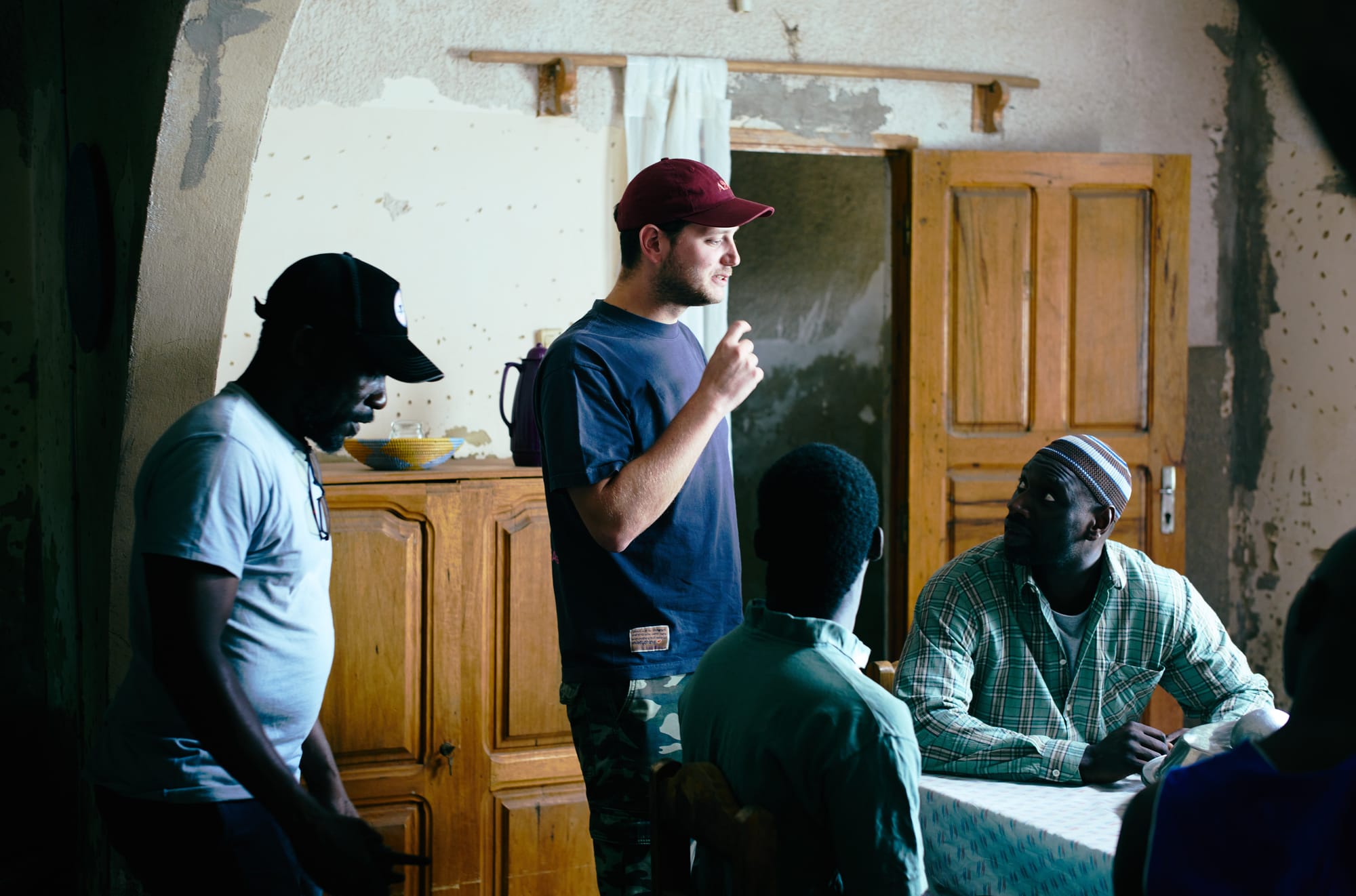
I honestly can’t identify any. The production and co-productions fostered a thoughtful and cooperative atmosphere, ensuring the smoothest possible time—creatively or logistically? Every obstacle was consistently overcome through the mutual respect everyone had for shaping the story into its best possible form. Ironically, if there was one challenge, it would be the immense patience this project required over time. Assembling this top-tier creative team was no small feat in terms of logistics! And getting them all to a remote island in the heart of Sine Saloum is truly something to applaud the production team for.
Was there a moment on set or in post that completely changed how you saw the story?
I genuinely believe that events unfold for a reason, and my personal connection to Africa through my family’s history played a crucial role in shaping my approach to this film. During my teenage years, I spent considerable time in Bamako, immersing myself in Malian music, discovering artists like Amadou & Mariam, Ali Farka, and exploring Malick Sidibé’s photographs. So, from a young age, I always felt a deep connection to Panafrican cultures. When I realized I would be working with Amadou & Mariam’s music, everything just fell into place. I felt an overwhelming desire to honor their culture, which had always inspired and nourished me. It was truly a privilege that my world could intersect with theirs.
Is there a moment in the film that feels the most you—something only you could have made?
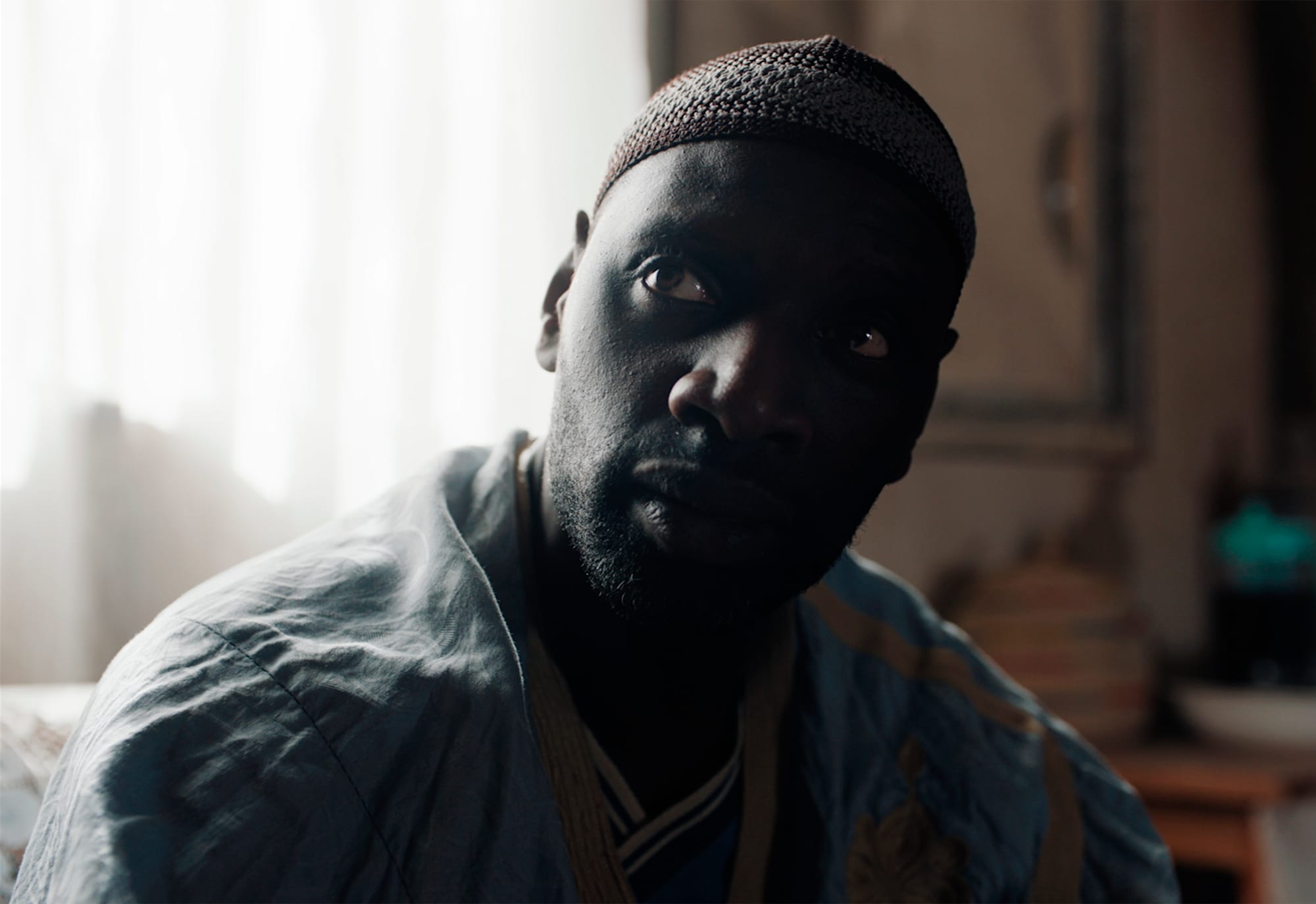
The sequence shot in the camp was the hardest and most challenging one in the film. I wanted the viewer and the character to feel overwhelmed by this revolution. Losing Moudou, confused and immersed in his memories, to catch the rage and intensity of the crowd, and then going back to him with a completely different emotion, absorbing this anger, more focused and determined, in control of his own fate. We added some walls and fences in post to extend the claustrophobic feeling, the sensation that the only way out is up. It took us 6 hours to rehearse the scene, with the 300 extras and stunts, the unbearable heat, and the steadicam choreography going from the ground to the crane to follow Moudou’s trajectory. It’s a direct inspiration from the crisis that occurred in 2021 in the Ceuta migrants detention center.
"Love, it’s what it’s all about. We are rich because of the people we love."
What was the hardest creative decision you made while making this film?
In this last scene, captured from outside the camp, from the other side of the wall, in pure silence, I wanted to capture a symbol that can interrogate our universal responsibility. We are looking at it from a perspective of infinite possibilities, but also from the repression side. The border is physical yet becomes slowly very abstract and organic. With this ethereal and floating movement, I wanted us to witness one simple idea, one symbol, of resilience and patience, that every human has the right to cross the world with freedom.
What do you hope audiences take away from your film?
Love, it’s what it’s all about. We are rich because of the people we love.
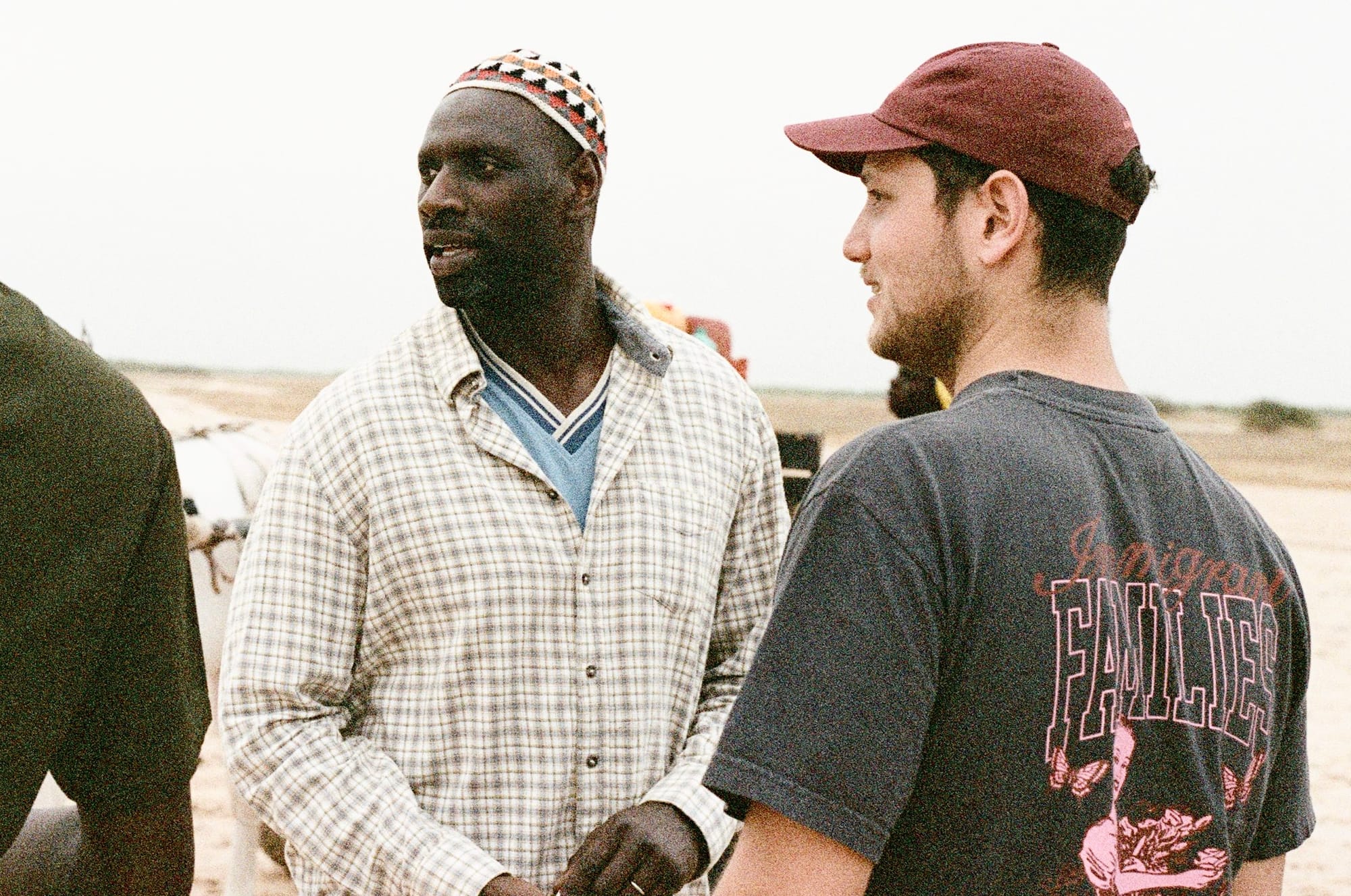
How has this film shaped or shifted the kind of stories you want to tell next?
The film confirmed the hybrid direction I want to evolve in—breaking boundaries between formats and genres.
What’s a tool, technique, or resource that really helped you during production?
I think our job as filmmakers is to maintain one direction through the whole process, despite challenges, budget cuts, and all the obstacles we may encounter. So this skill was needed more than ever here, as it has been a three-year process.
"Being independent to me means being creatively free. Ideas should always come first and they will make room for production solutions."
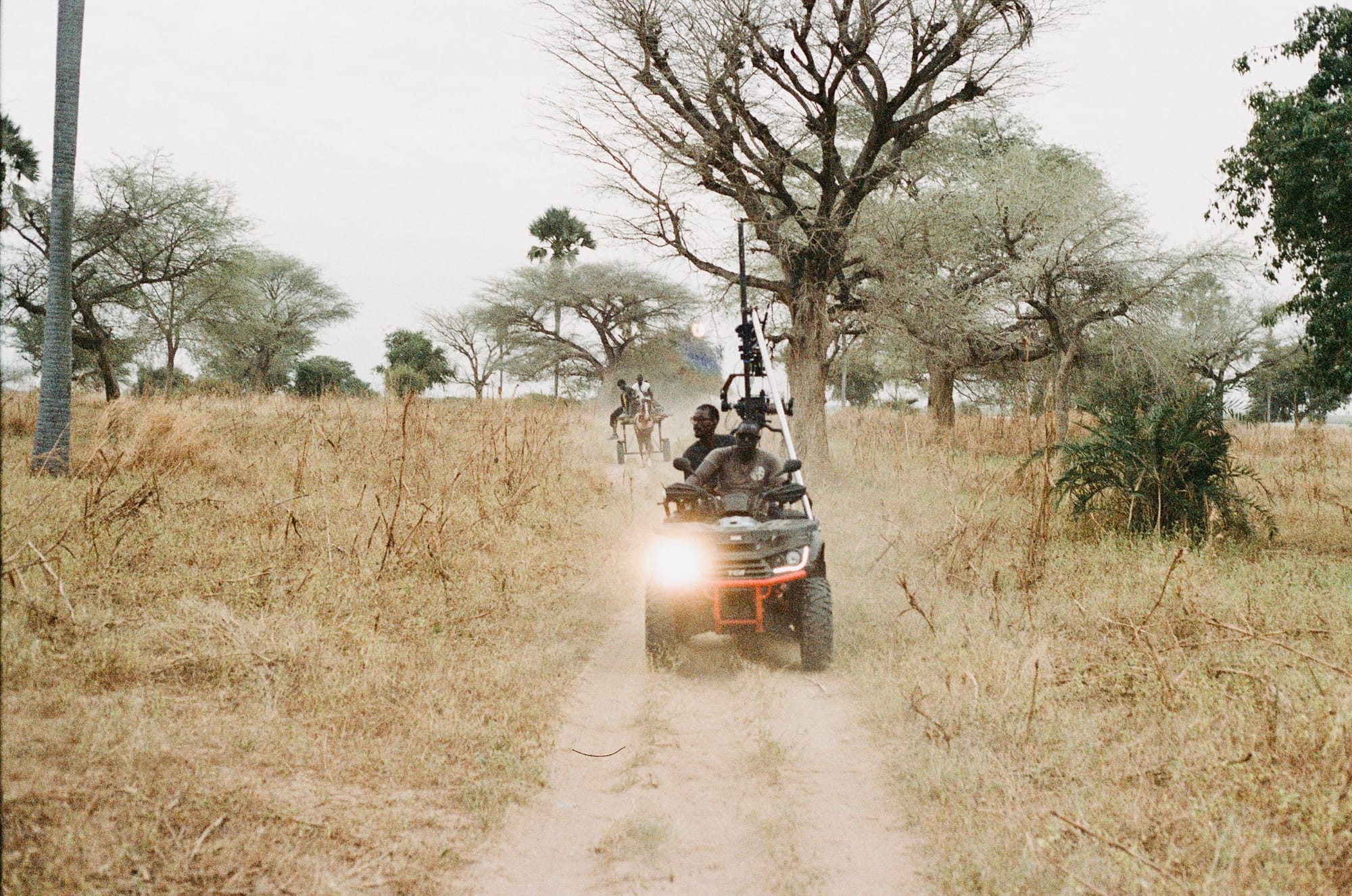
Independent filmmakers often rewrite the rules out of necessity. What do you think is the greatest strength of independent filmmaking, and how did you lean into that on this project?
Being independent to me means being creatively free. Ideas should always come first and they will make room for production solutions. Never the other way around.
"In this last scene... I wanted us to witness one simple idea, one symbol, of resilience and patience, that every human has the right to cross the world with freedom."
What does it mean to you to have your film selected for Nòt Film Fest?
Two years in a row for my two first shorts! I mean, hey! It’s family now. I’m thrilled to be able to show it to an Italian crowd, for an Italian premiere. Especially in a country, like France, that is eminently concerned by migratory challenges. I hope this film can bring a poetic vision to this matter.
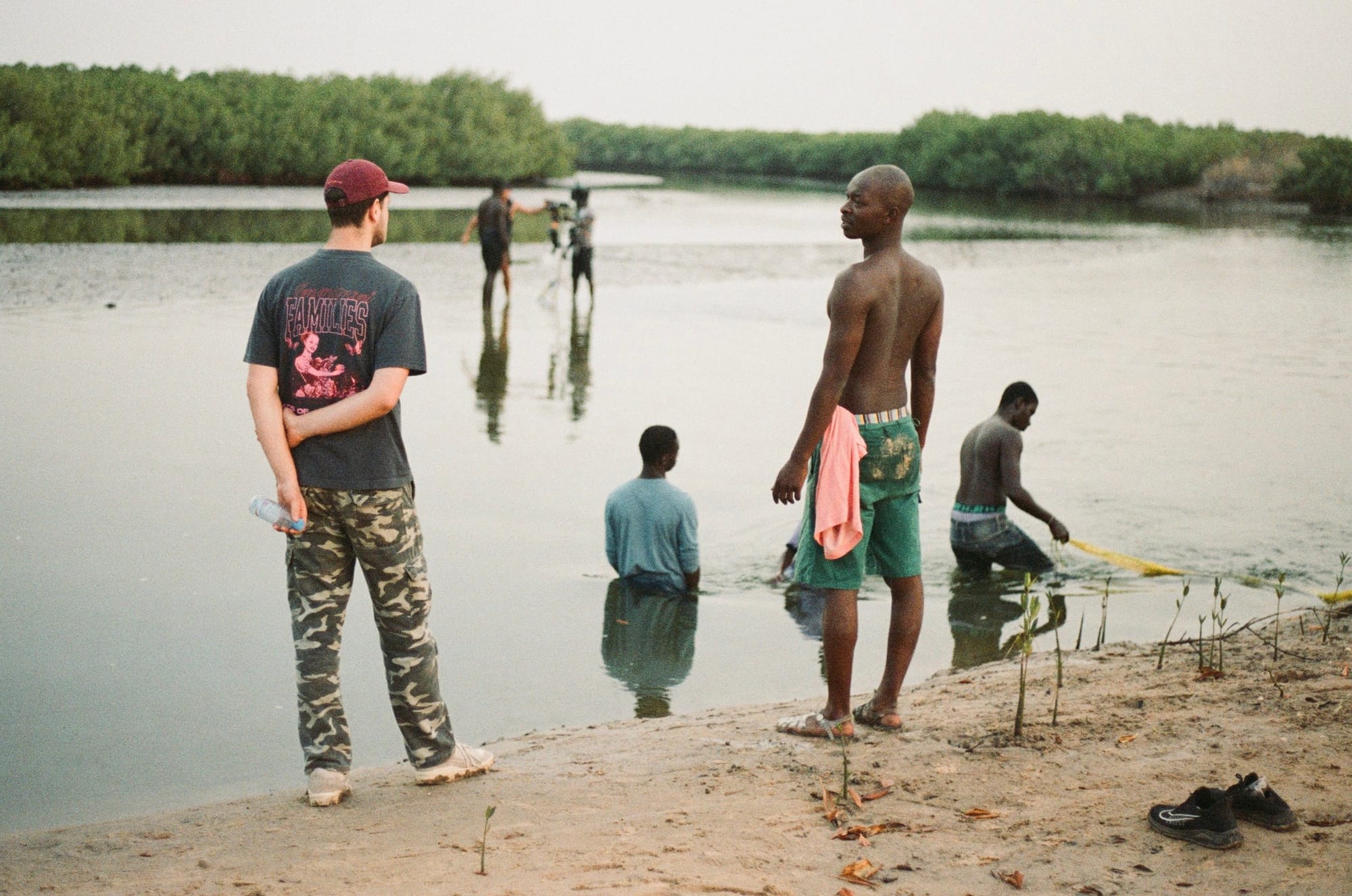
How do you hope being part of Nòt Film Fest will shape the life of this film?
The film is currently traveling the world to festivals and I’m beyond grateful for this! I’m also freely adapting the story to a feature. So stay tuned!
"At the core of all my work is a desire to translate the world poetically."
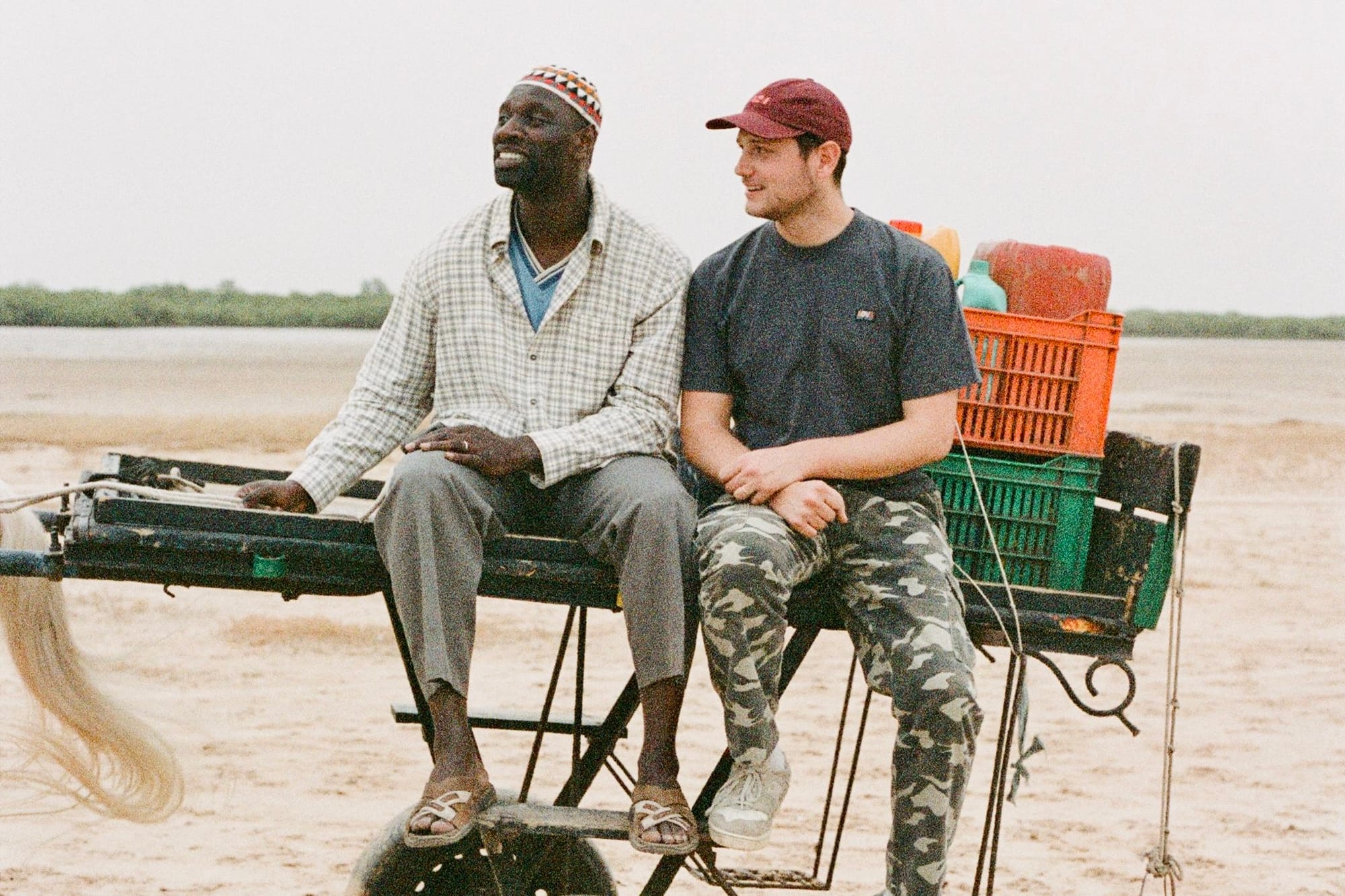
Cast & Crew
Omar Sy, Alassane Diong, Anna Thiandoum — Lead actors
DJ Snake & Amadou & Mariam — Original score contributors


%22%20Captures%20Migration%2C%20Love%2C%20and%20Resilience%20Through%20Poetic%20Cinema)