Table of Contents
Three Key Takeaways
- Alastair Train’s Pearls uses body horror to explore real anxieties about masculinity and predatory wellness culture.
- The film blends grotesque transformations with moral ambiguity, challenging audiences to sympathize with its flawed antagonist.
- Independent filmmaking’s creativity and resourcefulness enabled ambitious effects and emotional authenticity despite tight budget and schedule constraints.
London-based writer/director Alastair Train brings his first straight horror film Pearls to FilmQuest 2025, marking the film’s US debut.
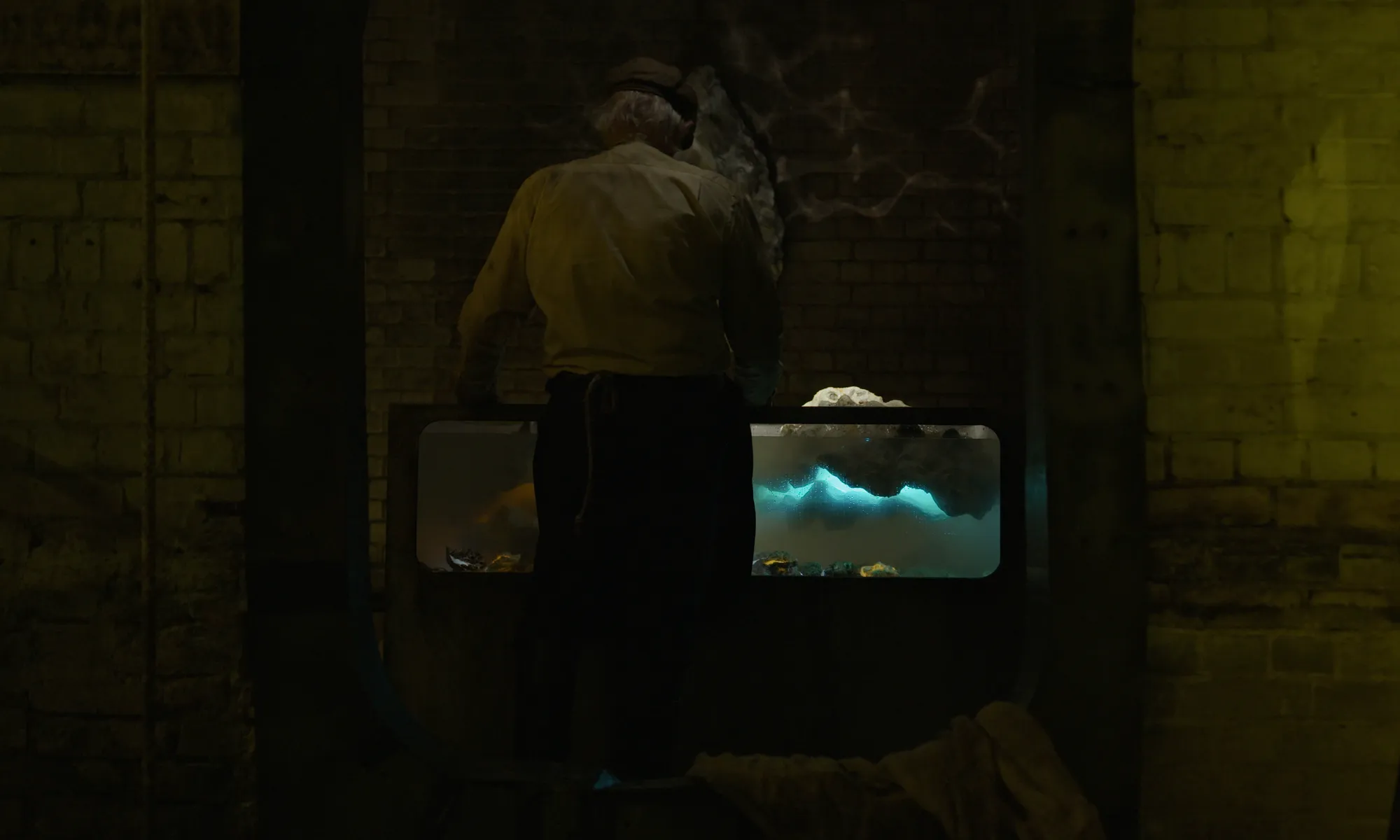
Featuring Rory Murphy as Tony, Helen Jessica Liggatt as Linda, and Mark Wingett as Marvin, the film tells the unsettling story of a couple’s desperate bid to conceive, which descends into nightmare after Tony consumes mysterious “special” oysters.
Supported by a skilled crew including producer Aybuke Kavas, cinematographer Giovanni Compagnoni, and editor Iñigo Berron, Pearls blends visceral horror with dark humanity.

What drew you to make this film? Why this story, and why now?
Pearls is inspired by a monstrous, foamy oyster that my brother once ate. What he didn't realise was that the oyster was spawning and the foam he ingested was a mouthful of oyster semen. This visceral image was the inseminating force that led me to write Pearls.
As I researched oysters and their history as aphrodisiacs, my social media feeds became inundated with targeted ads—testosterone pills, knock-off Viagra, hair growth creams, the list was endless. It was easy to see how people can start to doubt their own masculinity when they're confronted with their failings every day, and the danger they're potentially exposing themselves to with these products. That became the hook that shaped the film.
I wanted to tell this story now because we're living in a time where quick fixes are constantly sold as solutions to complex problems. These companies know how to target people's weaknesses, and that predatory system felt like something worth exploring through horror.
What surprised you most about the filmmaking process this time—creatively or logistically? Was there a moment on set or in post that completely changed how you saw the story?
Creatively, the ending surprised me through a happy accident. I asked Mark Wingett if he knew a sea shanty to sing as Marvin walks away from Tony and Linda in the tank. He knew "Shallow Brown"—a song about being separated from a loved one. I asked him to sing it during the final shot and it added this haunting quality to the ending that I hadn't fully anticipated. Those spontaneous creative moments are what make filmmaking special.
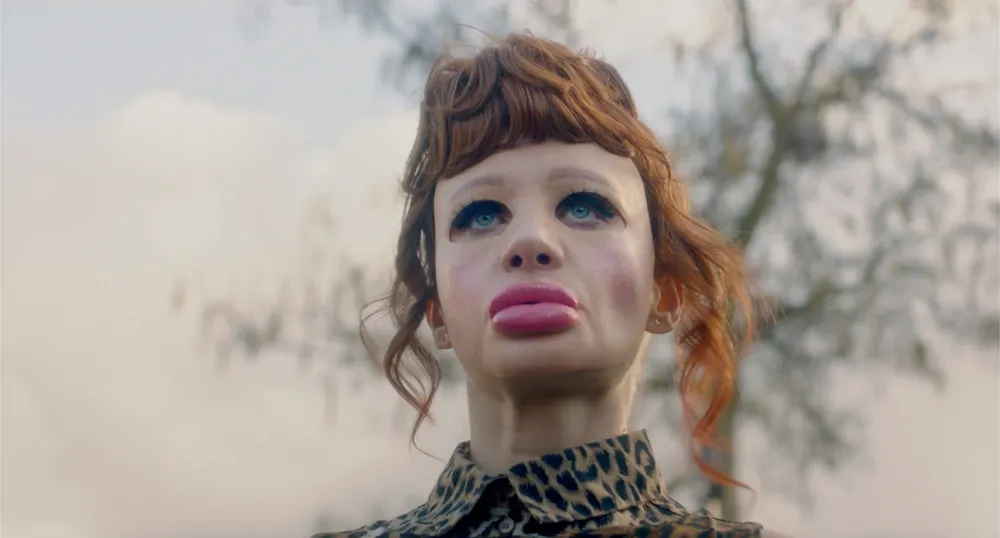
Logistically, what struck me was seeing the practical effects come to life. Reading "pearls pour from Linda's collapsing face" on the page is one thing—watching the crew build and execute that transformation in front of you is something else entirely.

Is there a moment in the film that feels the most you—something only you could have made?
If I had to pick a moment that feels most like me, it would be when Marvin closes Tony's shell. Just as he's about to shut him in, he leans forward and says "thank you." That wasn't in the original script—I added it during production because it felt essential to who Marvin is.
I wanted the audience to feel some sympathy for him, even as he's doing something monstrous. He genuinely believes Tony and Linda are helping him continue Annabelle's legacy, that he's creating something meaningful. The "thank you" isn't sarcastic—it's sincere gratitude from someone completely broken by grief.
That choice to make him a mix of evil, flawed, and sympathetic rather than one-dimensional—that feels distinctly mine. I'm more interested in disturbing humanity than pure villainy.
What was the hardest creative decision you made while making this film?
The hardest decision happened on our second day of shooting. We had a huge scene to film in the bathroom and, as I'm sure most filmmakers can relate to, we were running behind. I had to make quick creative decisions that at the time felt like compromises—cutting shots, simplifying setups, trusting dropping the original plan.
But in reality, that's when you and your team are at your most creative. Looking back, that bathroom scene is probably one of the best in the film, and the changes we made elevated it beyond what I'd originally envisioned.
"Those spontaneous creative moments are what make filmmaking special."

What do you hope audiences take away from your film?
I want people to feel disgusted first—that visceral, physical reaction is essential. But I hope that disgust makes them think about their own lives. The issues they're not confronting. The conversations they're avoiding with people they love.
If the film makes someone squirm and then think "what am I avoiding?" or "who do I need to talk to?"—that's what I'm after. Horror works best when it's not just about monsters, but about recognizing the human impulse that creates them.
"I'm more interested in disturbing humanity than pure villainy."
How has this film shaped or shifted the kind of stories you want to tell next?
Before Pearls, I was mostly making dark comedies with body horror elements. Pearls was my first straight horror film.
Pearls has cemented that I'm interested in stories that make people uncomfortable—using relatable anxieties as a central thread, then taking characters and pushing them into extreme situations where something breaks, whether that's their body, their mind, or their relationships. But I don't want to lock myself into one genre—I'm interested in exploring how those themes work across different types of storytelling, whether that's horror, psychological drama, or something else entirely.

What’s a tool, technique, or resource that really helped you during production?
Our intimacy coordinator made a massive difference—not just for choreographing the sex scenes safely, but for building genuine intimacy between Rory and Helen. People often misunderstand what an intimacy coordinator does; they think it's only about the physical mechanics of intimate scenes. But ours helped the actors establish trust and emotional authenticity that carried through the entire film. That relationship between Tony and Linda needed to feel real for the horror to land.
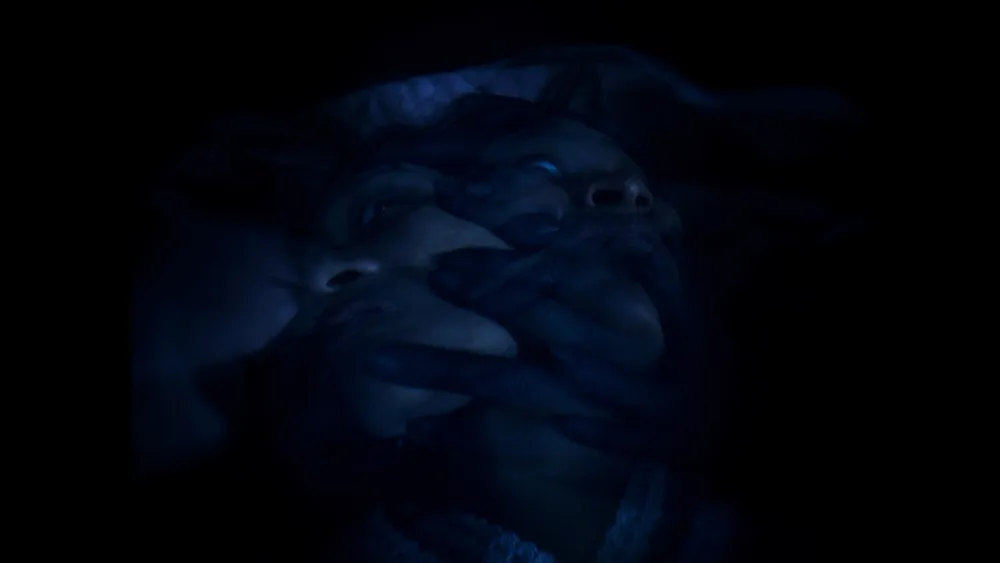
We also used a vintage 100mm Astro Berlin lens that gave us "oyster vision"—Tony's distorted POV after consuming the oyster. Our production designer also had access to a 3D printer that allowed us to create the giant oyster shells and shape and design the horrific transformation scenes.
Independent filmmakers often rewrite the rules out of necessity. What do you think is the greatest strength of independent filmmaking, and how did you lean into that on this project?
The greatest strength is the imagination and resourcefulness of the people you work with. In independent filmmaking, especially in the genre space, you can write ideas that seem impossible to film on a limited budget and tight schedule, and instead of saying "we can't afford that" or "we don't have time," people figure out how to make it work anyway.
In Pearls, I wrote about giant oysters, underground labs, and horrific transformations—and we had to shoot it in four days. Sure, I had to tone it back slightly, but the production design team managed to deliver all of it. It made me realise that while budget and time are real constraints, having the right people who are willing to problem-solve with you can make seemingly impossible ideas achievable.
"The lesson: write ambitiously. Budget and time limitations force creative solutions, and often those solutions are better than what you originally imagined."
Trust that the right collaborators will find ways to realize your vision.

What does it mean to you to have your film selected for FilmQuest, one of the world’s top reviewed genre film festivals?
It means so much that Pearls got accepted into FilmQuest. It's our US debut, and to celebrate that at a festival that champions weird, bold, and uncompromising films is so exciting. It shows we're going in the right direction, and hopefully I'll have more films screened here in the future.
FilmQuest celebrates the majesty and might of genre filmmaking. How does your film fit within—or push the boundaries of—genre storytelling?
Pearls fits nicely in the body horror genre with a very specific premise—a man turns into an oyster after consuming "miracle" oysters meant to fix his fertility issues. It's grotesque, but it's rooted in real anxieties about masculinity and the predatory wellness industry targeting people's insecurities. Beyond that, it pushes boundaries by making you sympathize with the "villain." Marvin isn't evil—he's delusional, broken by grief, genuinely believing he's helping. That moral ambiguity makes the horror more uncomfortable because there's no clear monster to root against, just damaged people making terrible choices.

Where do you see this film going next?
I'm hoping Pearls continues its festival run and picks up more international selections. Beyond that, I'm looking at online distribution—whether that's through a genre platform or a streaming service that specializes in shorts. The goal is to get it in front of as many people as possible and give them the chance to remember that weird oyster film.
At the core of all my work is a desire to entertain through discomfort. I want to tell stories that disturb you, make you think, and maybe help you realize you're not alone in your anxieties.

Cast and Crew
- Rory Murphy as Tony — Drama Centre graduate with extensive theatre and TV credits.
- Helen Jessica Liggatt as Linda — BA Hons Performing Arts graduate, voice artist and motion capture performer.
- Mark Wingett as Marvin — Veteran actor known for The Bill, award-winning film roles.
- Alastair Train — London-based award-winning writer/director specializing in dark humour and genre storytelling.
- Aybuke Kavas — Producer and makeup artist, owner of Lunar Dragon Productions.
- Iñigo Berron — Award-winning editor with credits on Andor, Masters of the Air.
- Giovanni Compagnoni — Award-nominated cinematographer working between London and Rome.
- Olavo Abrantes — Production Designer with background in architecture and film art direction.