Table of Contents
Three Key Takeaways
- Peter Klausner’s short Stomach It examines the psychological and physical toll of crime scene cleaning through visceral body horror.
- Innovative use of real chemical reactions elevated the film’s gruesome authenticity and tactile realism.
- Klausner uses horror to confront personal fears, blending anxiety, repression, and catharsis into a deeply personal genre work.
Los Angeles–born filmmaker Peter Klausner brings his disturbing and visceral short Stomach It to the acclaimed FilmQuest Festival, showcasing a fresh voice in psychological horror.
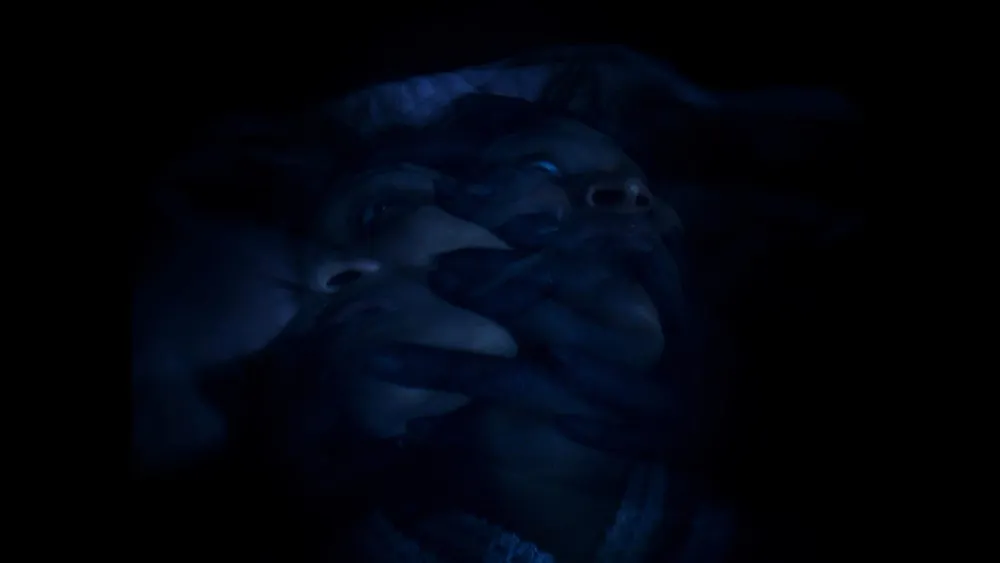
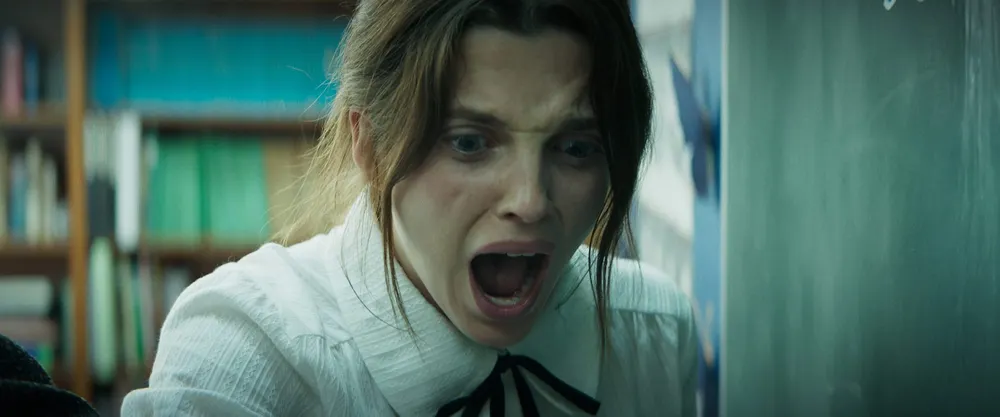
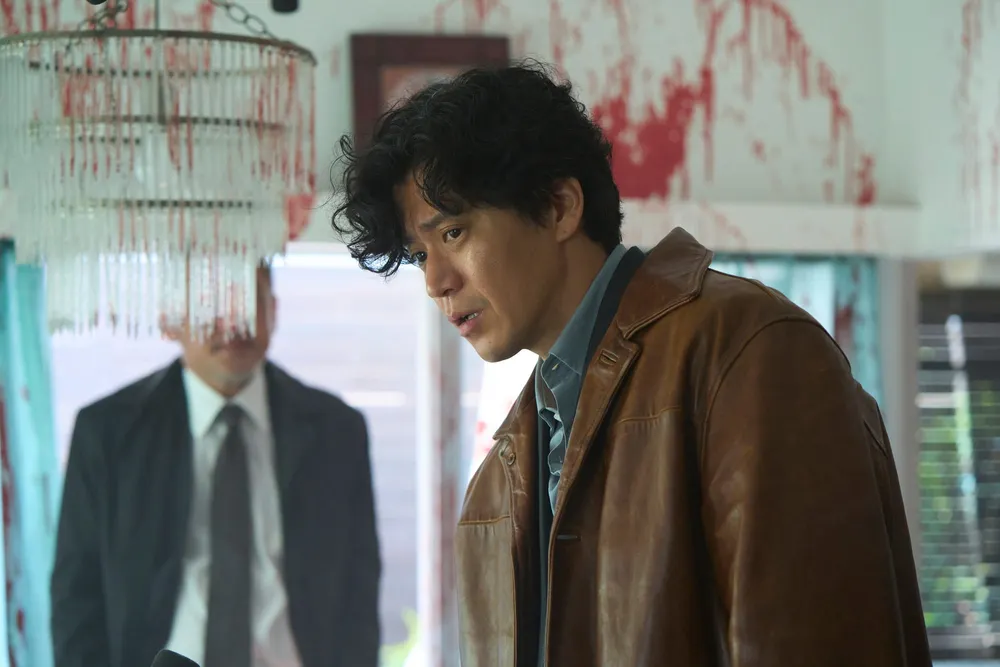
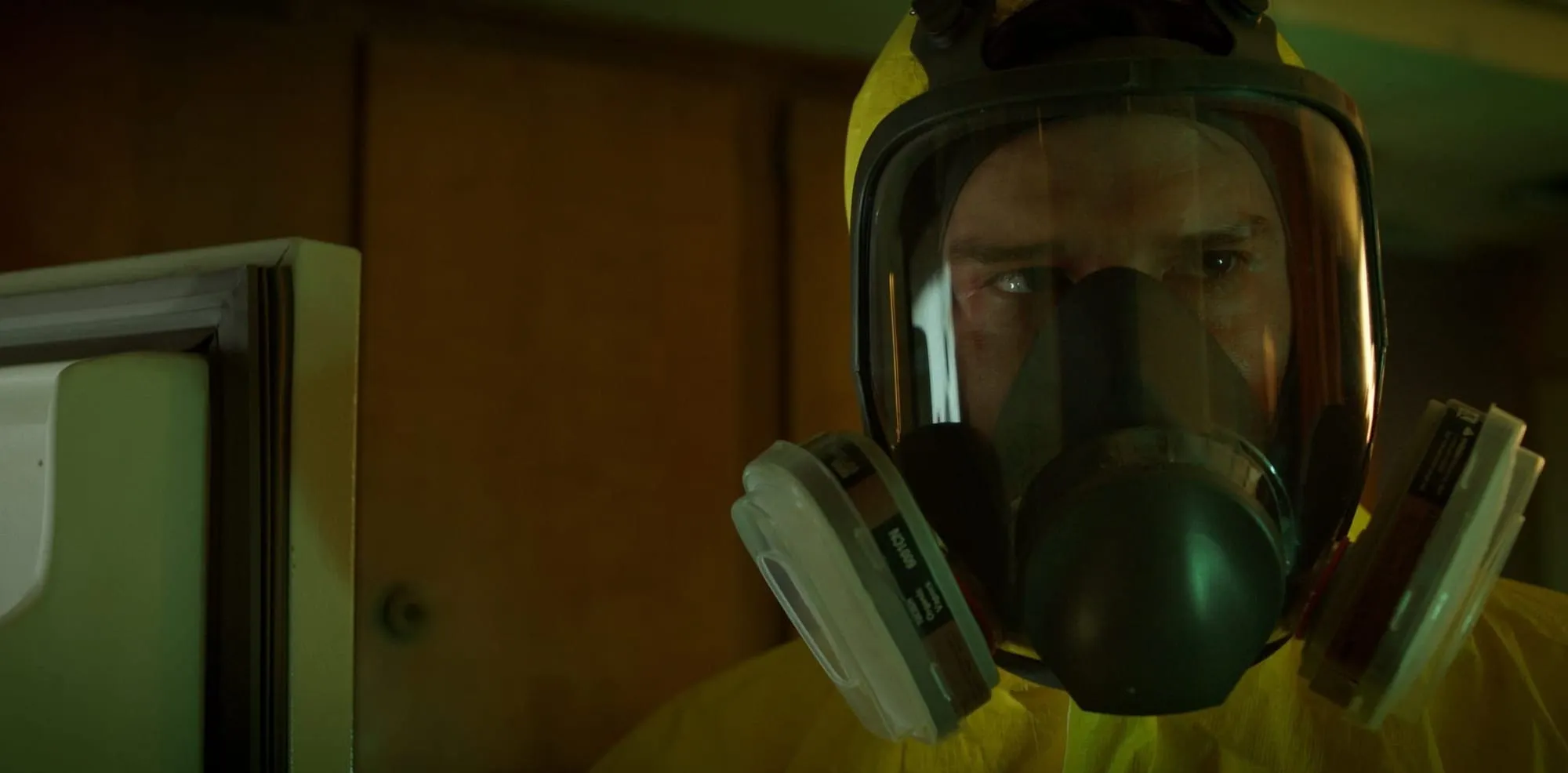
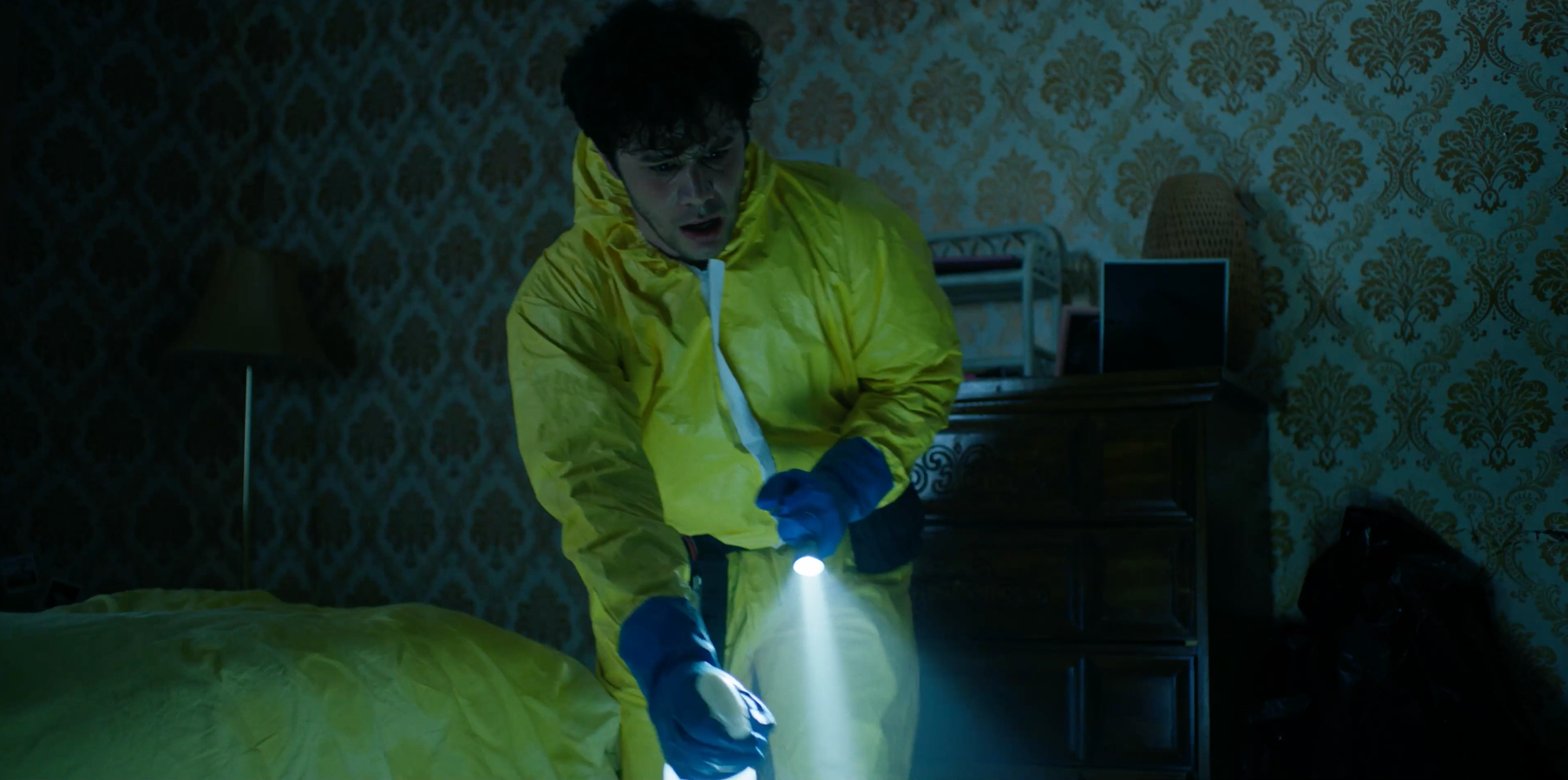
Starring Jon Lee Richardson as Joel, a crime scene cleaner haunted by monstrous hallucinations, the film is a sensory descent into repression, anxiety, and decay.
Created in collaboration with cinematographer Emily Tapanes and editor Liam Molina, Stomach It pushes the boundaries of body horror through practical effects, sound design, and a strikingly intimate focus on emotional detachment.
What drew you to make this film? Why this story, and why now?
I started reading about crime scene cleaning and was fascinated—it’s such an intense, overlooked profession. I found a subreddit of crime scene cleaners and even interviewed a few. Every company listed the same requirement: a strong stomach. That phrase sparked the idea for a character struggling with both the job and emotional detachment. It made me reflect on my own relationship with anxiety—how repressing emotions can lead to consequences. This film puts you in the shoes of someone who faces the aftermath of death every day.
“I think it’s important for filmmakers to make the type of film they’d want to go watch.”
What surprised you most about the filmmaking process this time—creatively or logistically?
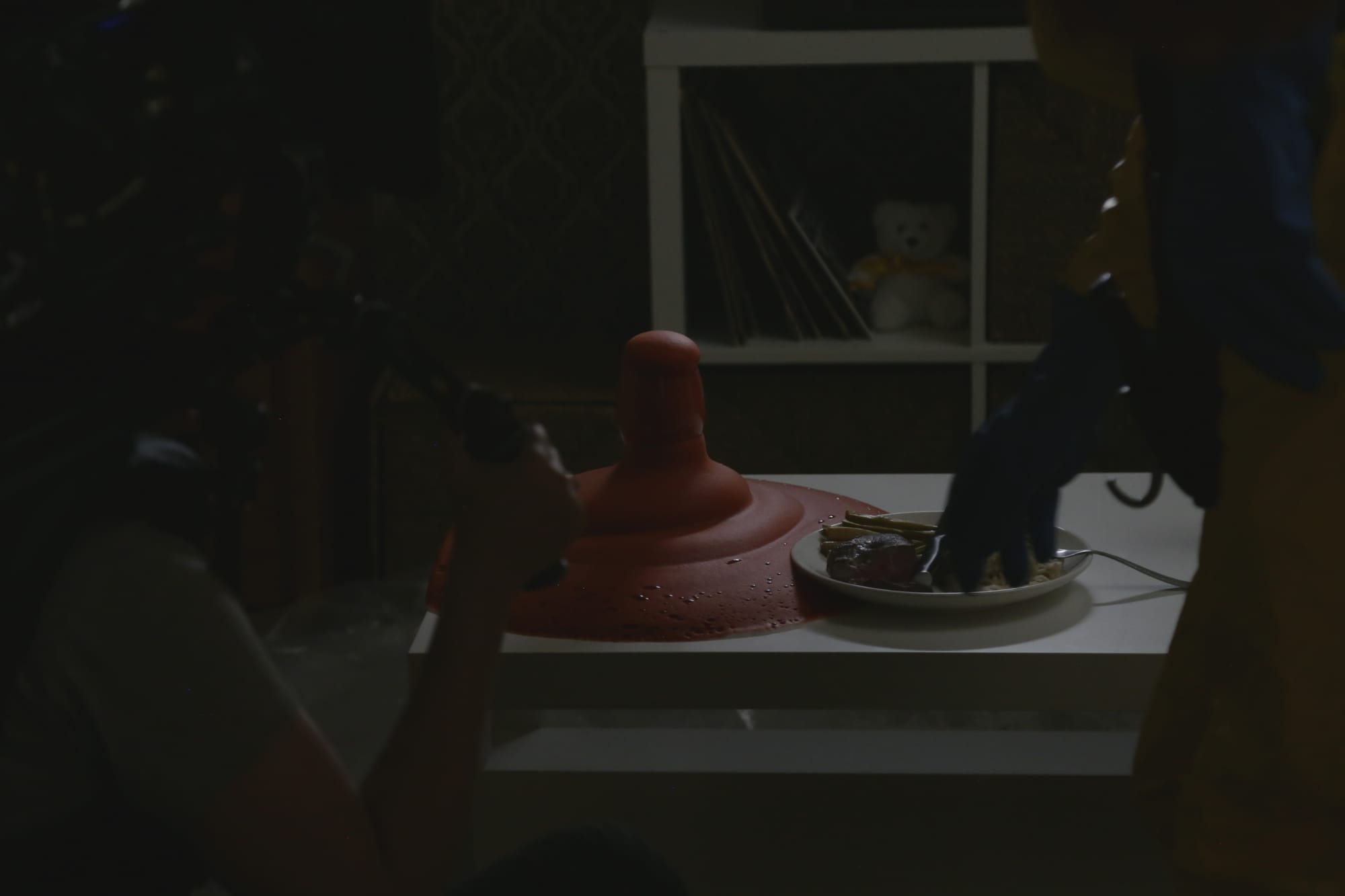
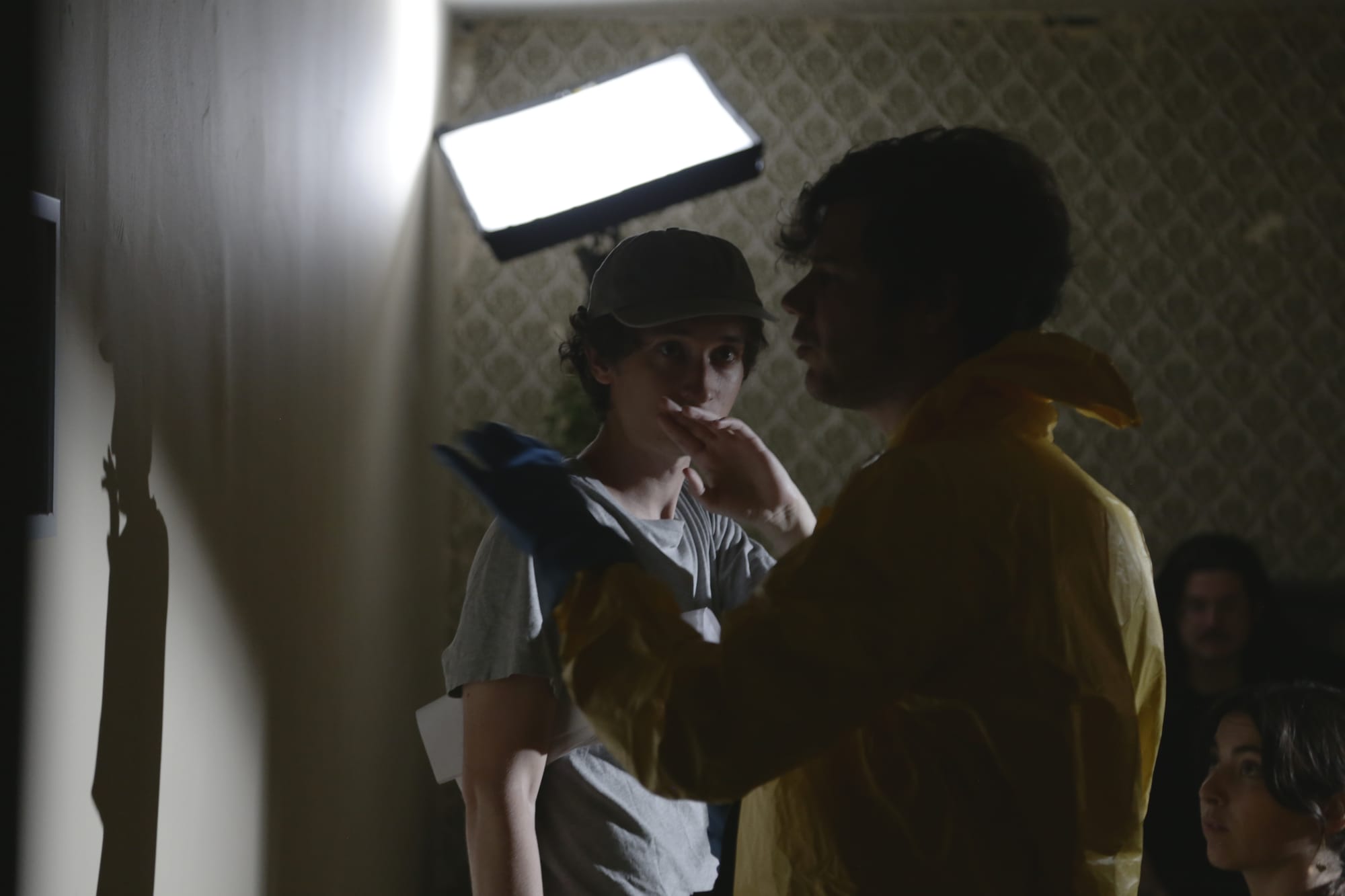
The set honestly felt like a chemistry experiment. Real cleaners use hydrogen peroxide sprays that make blood foam on contact, and I wanted that realism. We ended up using “elephant toothpaste”—a reaction with yeast, hydrogen peroxide, soap, and coloring—to create that effect. Watching those reactions happen live was wild. Later, when composer Robert and our sound designers Karthik and Kevin built the score and soundscape, it completely changed how I saw the film. With so little dialogue, sound became everything.
Is there a moment in the film that feels the most you—something only you could have made?
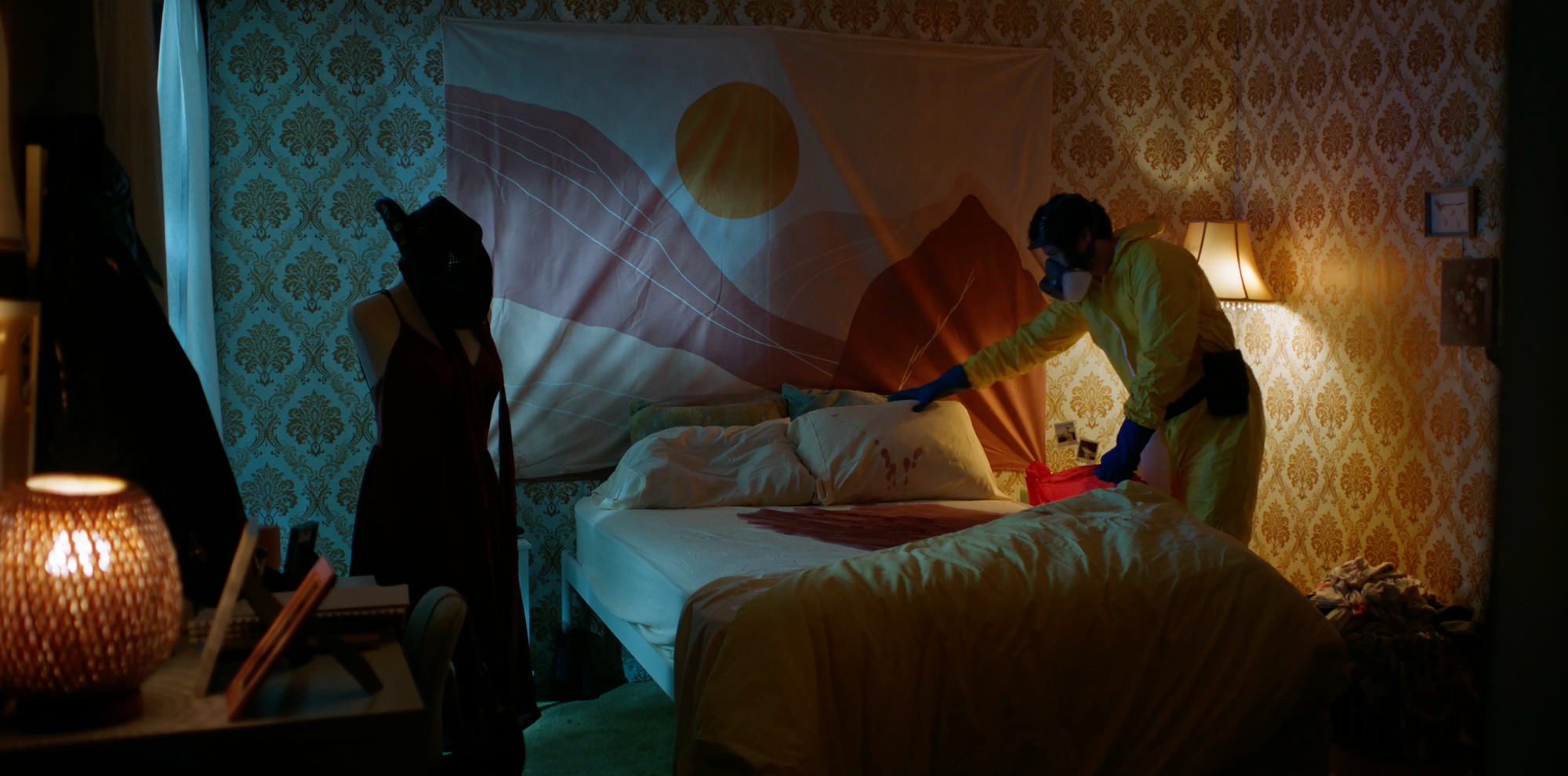
There’s a scene where Joel rips open a mattress stuffed with fake bile, blood, and muscle tissue—it’s pure madness, but it feels exactly like something I’d come up with.
“Strong stomach made me also think about my own relationship with anxiety and made me reflect on a fear of mine.”
What was the hardest creative decision you made while making this film?
Knowing when the sound mix was truly finished. Because there’s almost no dialogue, every sound mattered. I obsessed over the smallest details.
What do you hope audiences take away from your film?
I hope you can stomach it. :)
How has this film shaped or shifted the kind of stories you want to tell next?
It made me want to stay in horror. I want to keep confronting my fears and anxieties through this genre.
“The set honestly felt like a chemistry experiment.”
What’s a tool, technique, or resource that really helped you during production?
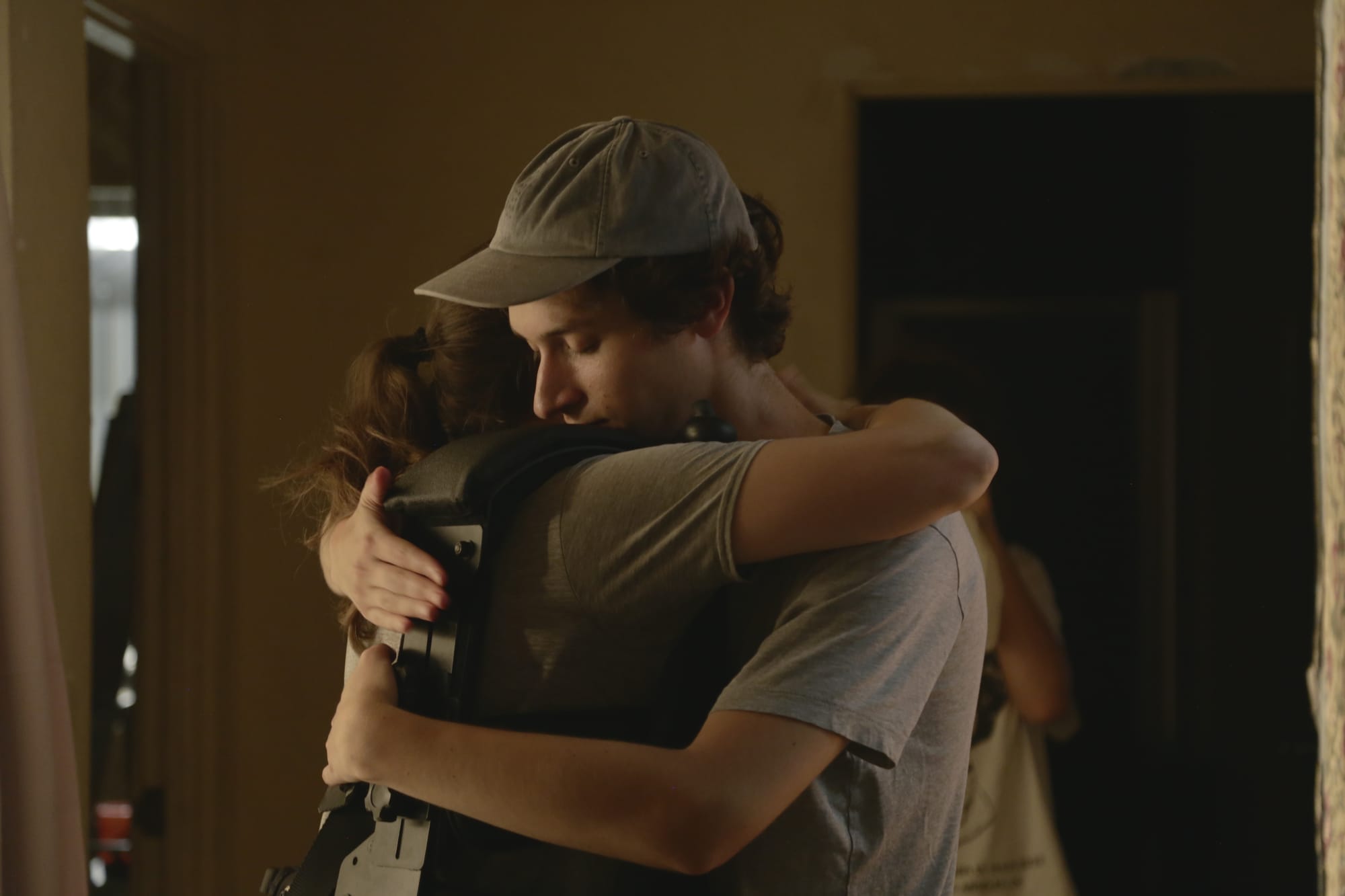
Our production designer, Layla, was incredible. The film is very production design heavy, and she had to dress everything—from dingy apartments to staged crime scenes. Her attention to detail and work ethic were amazing.
Independent filmmakers often rewrite the rules out of necessity. What do you think is the greatest strength of independent filmmaking?
Freedom. You get to make the kind of movie you would want to watch. For me, that meant creating a personal horror film that’s both emotional and entertaining.
What does it mean to you to have your film selected for FilmQuest?
I’m honored! So many people told me I had to submit here. It’s known as one of the most filmmaker-friendly festivals, and I’m excited to be part of it.
“The soundscape that Robert, along with our sound designers Karthik and Kevin, created really heightened the tension and horror.”
How does your film fit within—or push the boundaries of—genre storytelling?
It uses body horror to reflect the character’s psychological decay—his insides are basically externalized.
Where do you see this film going next?
I hope to release it online soon so more people can experience it.
“At the core of all my work is a desire to confront fear."
Cast & Crew
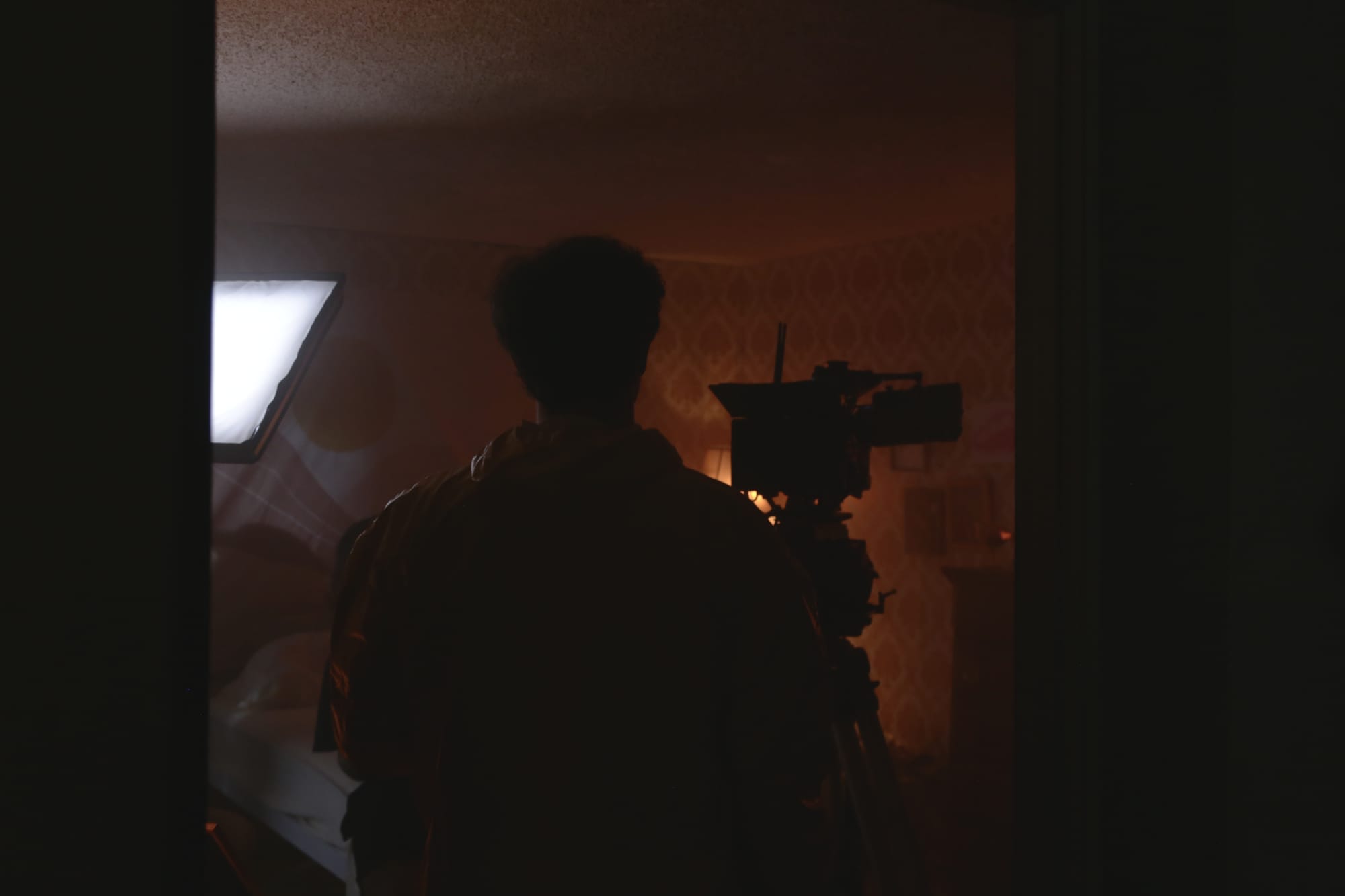
- Peter Klausner — Writer/Director; born in Los Angeles, inspired by his grandfather’s storytelling and a lifelong fascination with horror.
- Emily Tapanes — Cinematographer and longtime collaborator (The Morning Show, Apple TV+).
- Liam Molina — Editor and fiancé of Tapanes (Fallout, The Mosquito Coast, Apple TV+).
- Jon Lee Richardson — Lead actor, known for Beverly Hills Cop: Axel F and sketch work with The Groundlings.
- Layla Kornota — Production Designer, praised for her intricate crime scene builds and detailed world creation.