Table of Contents
Three Key Takeaways
- Rebecca Gruss’s directorial debut blends supernatural intrigue with raw human emotion, challenging traditional horror tropes.
- The film’s authentic, lived-in set design reflects a deeply personal creative touch, embodying the filmmaker’s unique voice.
- Independent filmmaking’s greatest strength—intense personal investment—shaped every step of this project, from carving a Ouija board to late-night editing sessions.
Rebecca Gruss, an actor turned filmmaker, makes her directorial debut with “Thrift Store Ouija Board,” a genre-bending horror thriller selected for FilmQuest 2025. Featuring a talented cast including Miranda Gruss, Molly Anderson, and Patrick Eckland, the film explores supernatural terror through the lens of friendship and betrayal. With a crew composed largely of emerging talents from George Romero’s Filmmaking Program, this project marks a compelling new chapter in Rebecca’s creative journey.
What drew you to make this film? Why this story, and why now?
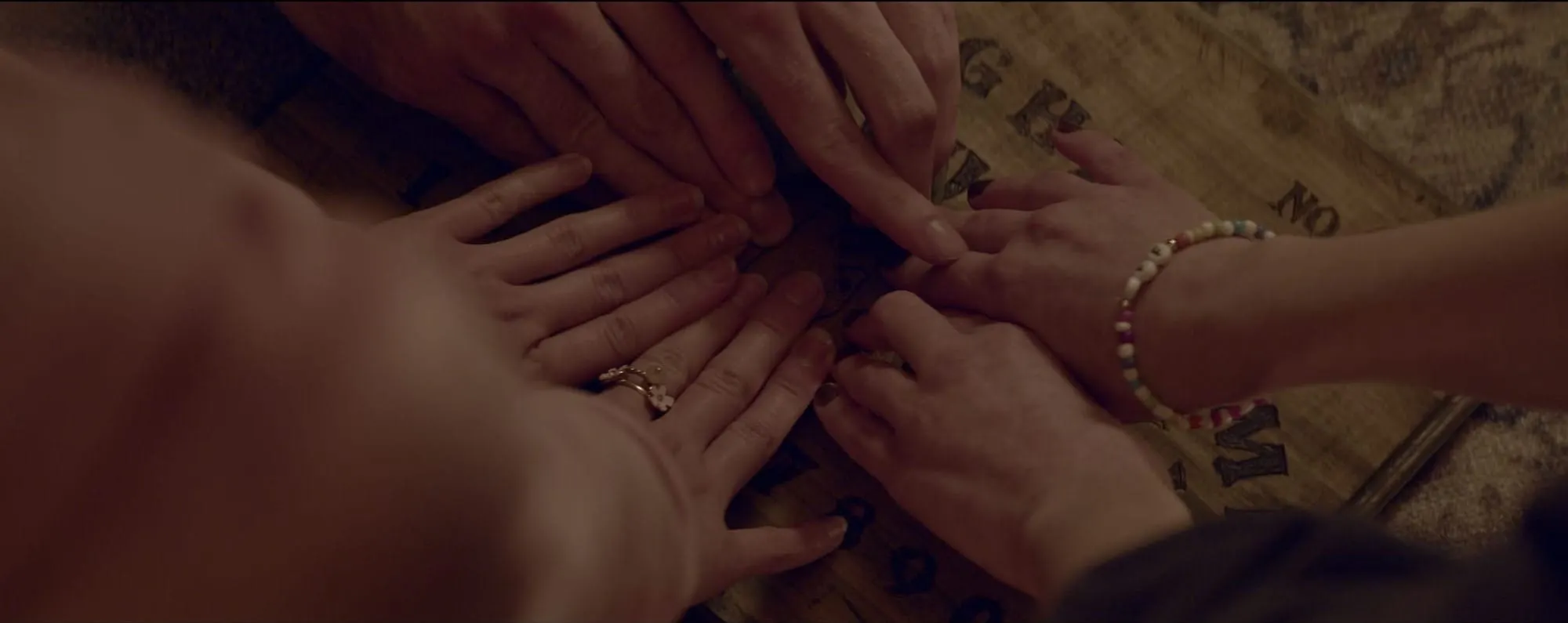
The seed for ‘Thrift Store Ouija Board’ was planted when I found a used Ouija board for sale at my local Goodwill. I didn’t buy it, but I couldn’t stop playing around with the idea of ‘what if’. Years later, as an Alumnus of George Romero’s Filmmaking Program at Douglas Education Center, I was given the opportunity to guest-direct and write a short film to be produced and crewed by their 4th semester filmmaking students. Without this opportunity and the support of Robert Tinnell, I don’t know if I would have had the confidence to write and direct on my own!
What surprised you most about the filmmaking process this time—creatively or logistically? Was there a moment on set or in post that completely changed how you saw the story?
What surprised me the most during the filmmaking process was how supportive everyone in my life was! My producer, Andy Westfall, pitched me to the George A. Romero Filmmaking program to take on this project. Robert Tinnell fully supported and guided me through the process with his years of expertise. My Mom and Dad not only gave me a room to build my set in, but also housed all of the cast during production. My sister played a lead role and emotionally supported me when I felt overwhelmed.
“Your blood, sweat, and tears are literally pouring out of the finished product.”
My Boss and coworkers watched and supported me while I hand-carved the Ouija board, planned out my shot list, conducted lighting and camera tests, and worked on post-production during my lunch breaks. My best friend and Co-editor Aaron J. Shelton came to set to take production stills, and then pushed me through the post-production process while editing the film on nights and weekends. And then I had many wonderful people watch various cuts of the film and give me feedback. It took a village and I’m so thankful for everyone who helped me get here.
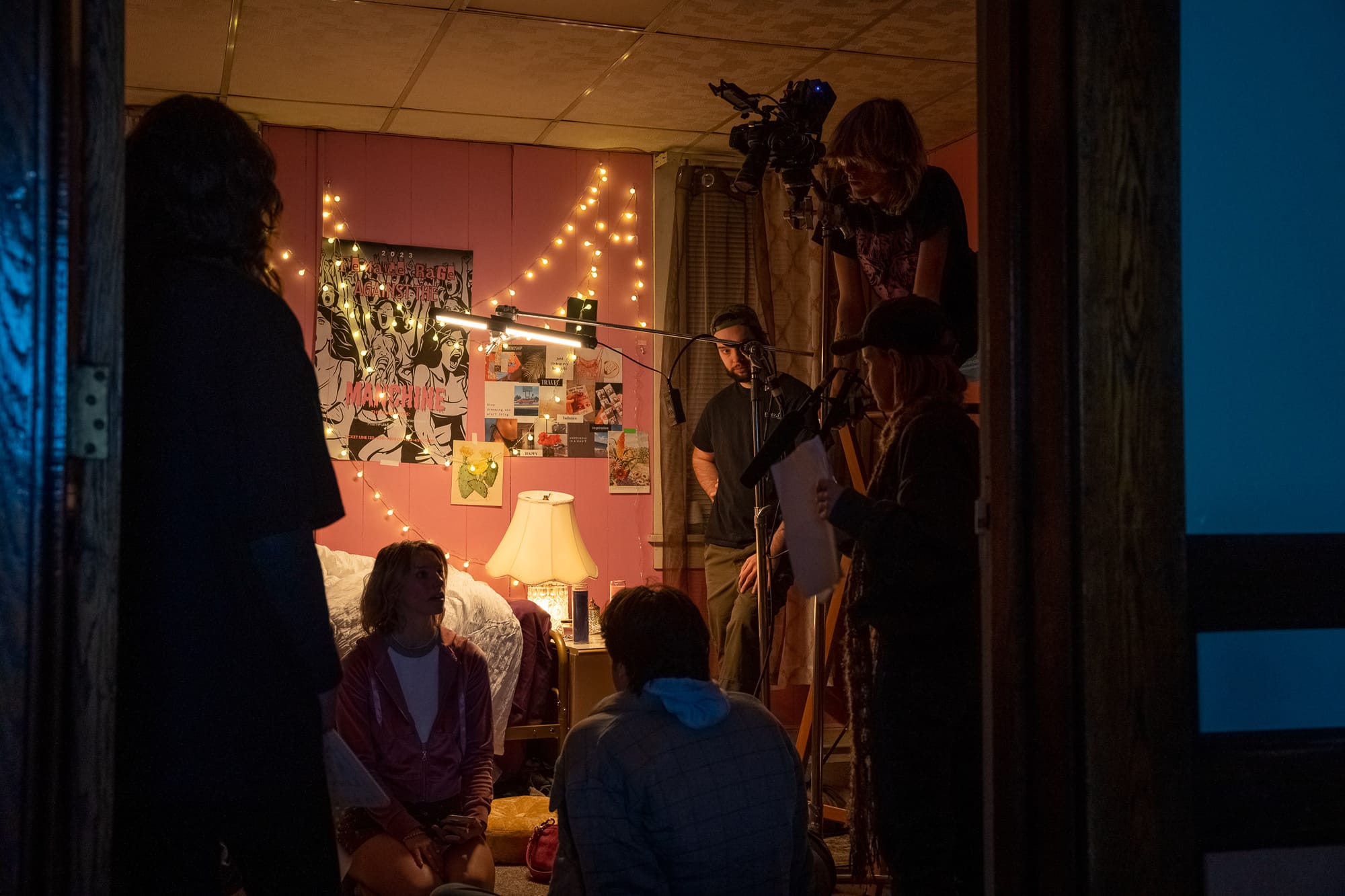
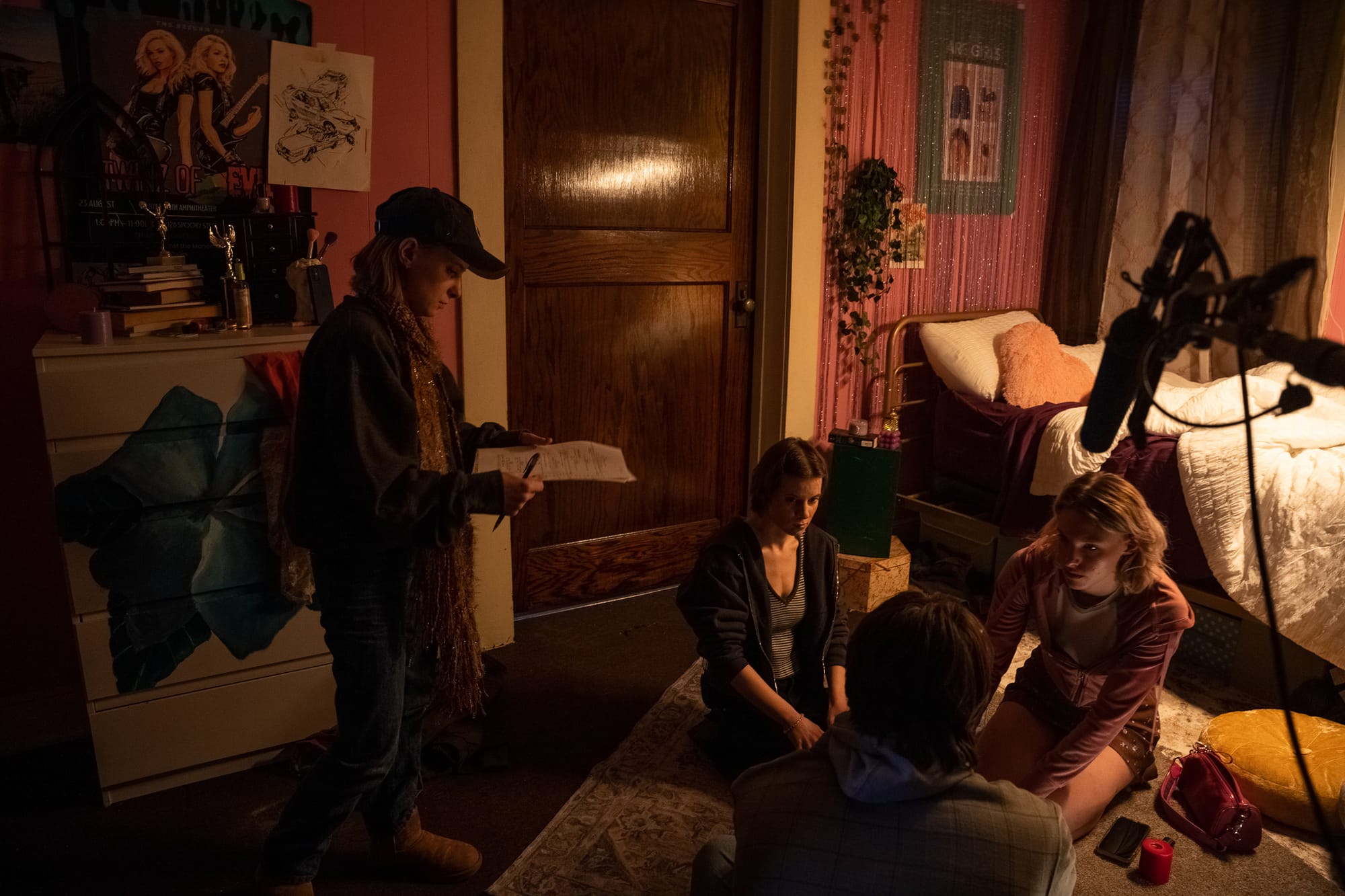
BTS shot from Thrift Store Ouija Board
Is there a moment in the film that feels the most you—something only you could have made?
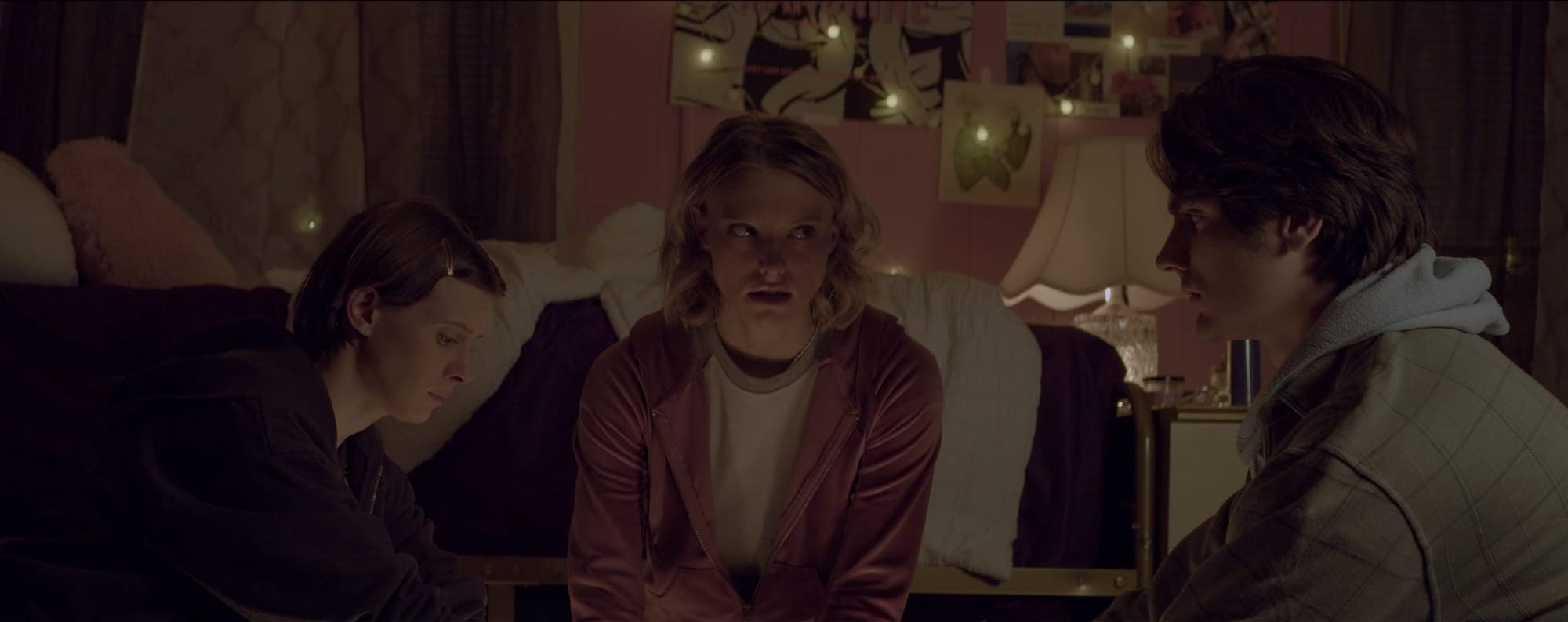
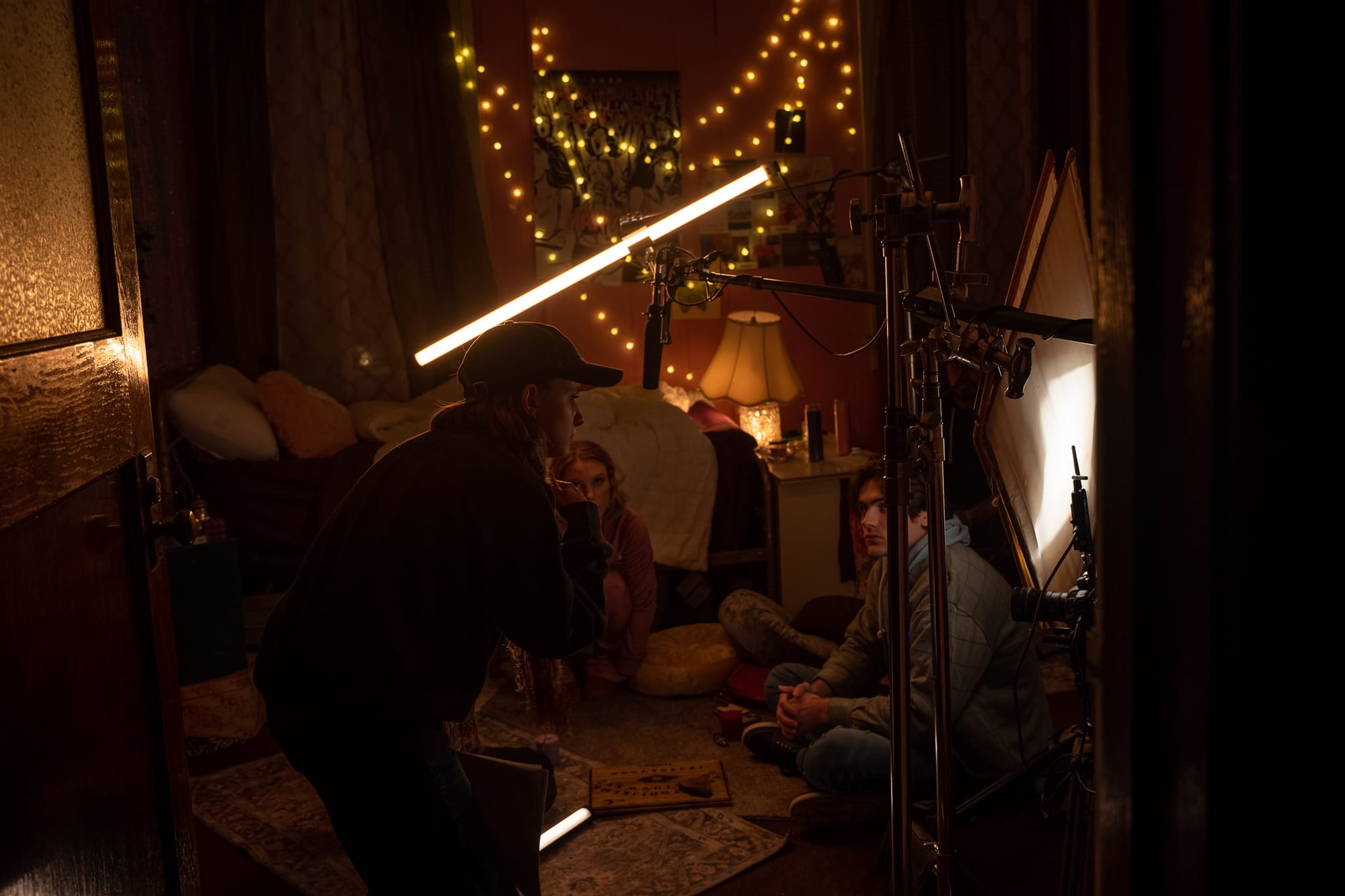
I think the set design, Lucy’s bedroom, feels very me. I worked really closely with our Production Designer (and one of my best friends), Mandy Simpson and Amy Harding, my producer, to make the room feel very lived in. We spent weekends painting the room pink, thrifting, DIYing, and making art. My Mom gave me bags of her old clothes to fill Lucy’s dresser and throw around the room. It was one of two locations in the film, so it was very important to me that it felt real.
What was the hardest creative decision you made while making this film?
Probably cutting half of the movie out of the film. There was an entire seven minutes of the film and a completely different ending that we shot that I cut out. It just wasn’t working. We tried everything, and eventually it felt ‘okay’ but not great and ultimately, I chose to cut it. We problem-solved a different ending in post, and I think now it’s a stronger film. Yes, it hurt cutting it out, but it was necessary!
What do you hope audiences take away from your film?
I just hope that they have fun, that the humor lands, and that they like it.
How has this film shaped or shifted the kind of stories you want to tell next?
I think it validated to me that horror and genre can be subtle and feminine, and that there is an audience for that.
What’s a tool, technique, or resource that really helped you during production?
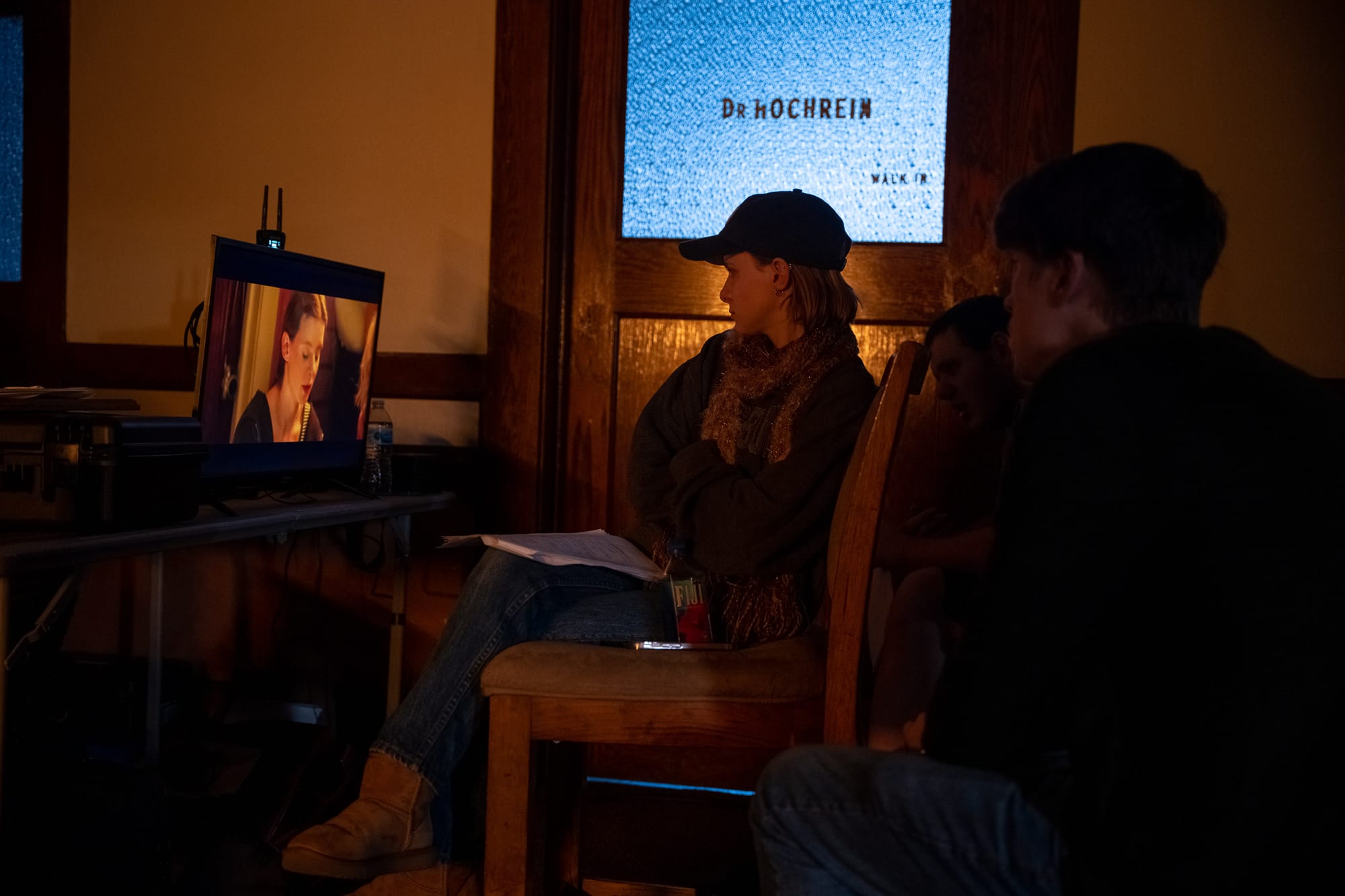
Honestly, Frame.io was extremely helpful during post-production. I was able to send cuts of the film to trusted individuals, and they could provide feedback in real time, all within the program.
Independent filmmakers often rewrite the rules out of necessity. What do you think is the greatest strength of independent filmmaking, and how did you lean into that on this project? Is there a lesson or breakthrough you’d share with others navigating this path?
I think the biggest strength of independent filmmaking is how involved you get to be. Yes, it’s out of necessity, but your blood, sweat, and tears are literally pouring out of the finished product. You don’t have the luxury or budget for people to care about this project more than you. You are the guiding force to getting it completed, and there is something so satisfying about that!
“It took a village and I’m so thankful for everyone who helped me get here.”
What does it mean to you to have your film selected for FilmQuest, one of the world’s top reviewed genre film festivals?
For my first time writing and directing something, it was extremely validating. I was so surprised, and it gave me the confidence to submit to more film festivals!
FilmQuest celebrates the majesty and might of genre filmmaking across fantasy, horror, sci-fi, action, thriller, western, kung-fu, and beyond. How does your film fit within—or push the boundaries of—genre storytelling?
“I think my film is unique in the sense that all the violence and ‘horror’ of the film comes from the humanity.”
I always joke that women’s lives and the female experience are more horrific than anything supernatural. So, the supernatural element of the film is the least threatening thing about it.
Where do you see this film going next?
Well I’m hoping it gets into a few more festivals!
“At the core of all my work is a desire to be brutally feminine.”
Cast and Crew
- Rebecca Gruss — Writer, Director, Co-Editor. Actor with credits on “The Knick,” “The Deuce,” “FBI,” and “Law & Order: SVU.” Directorial debut with “Thrift Store Ouija Board.”
- Miranda Gruss — Lead actor playing Natalie.
- Molly Anderson — Lead actor playing Lucy.
- Patrick Eckland — Lead actor playing Gabe.
- Amy Harding — Student Producer focused on social media and cosplay.
- Andy Westfall — Producer with experience on “Feast of the Seven Fishes” and other features.
- Robert Tinnell — Executive Producer and seasoned writer/director.
- Aaron J. Shelton — Co-Editor and director known for “Feast of the Seven Fishes.”
- Liz Gulnac — Director of Photography and student filmmaker.