Table of Contents
Three Key Takeaways
- A deeply personal story grounded in 1950s Americana reflects urgent, cyclical struggles for women’s autonomy.
- Meticulous preparation and trust in his creative team allowed Hartstone’s vision to evolve organically on set.
- The film pushes genre boundaries, using noir drama to explore emotional and psychological horrors beyond traditional horror tropes.
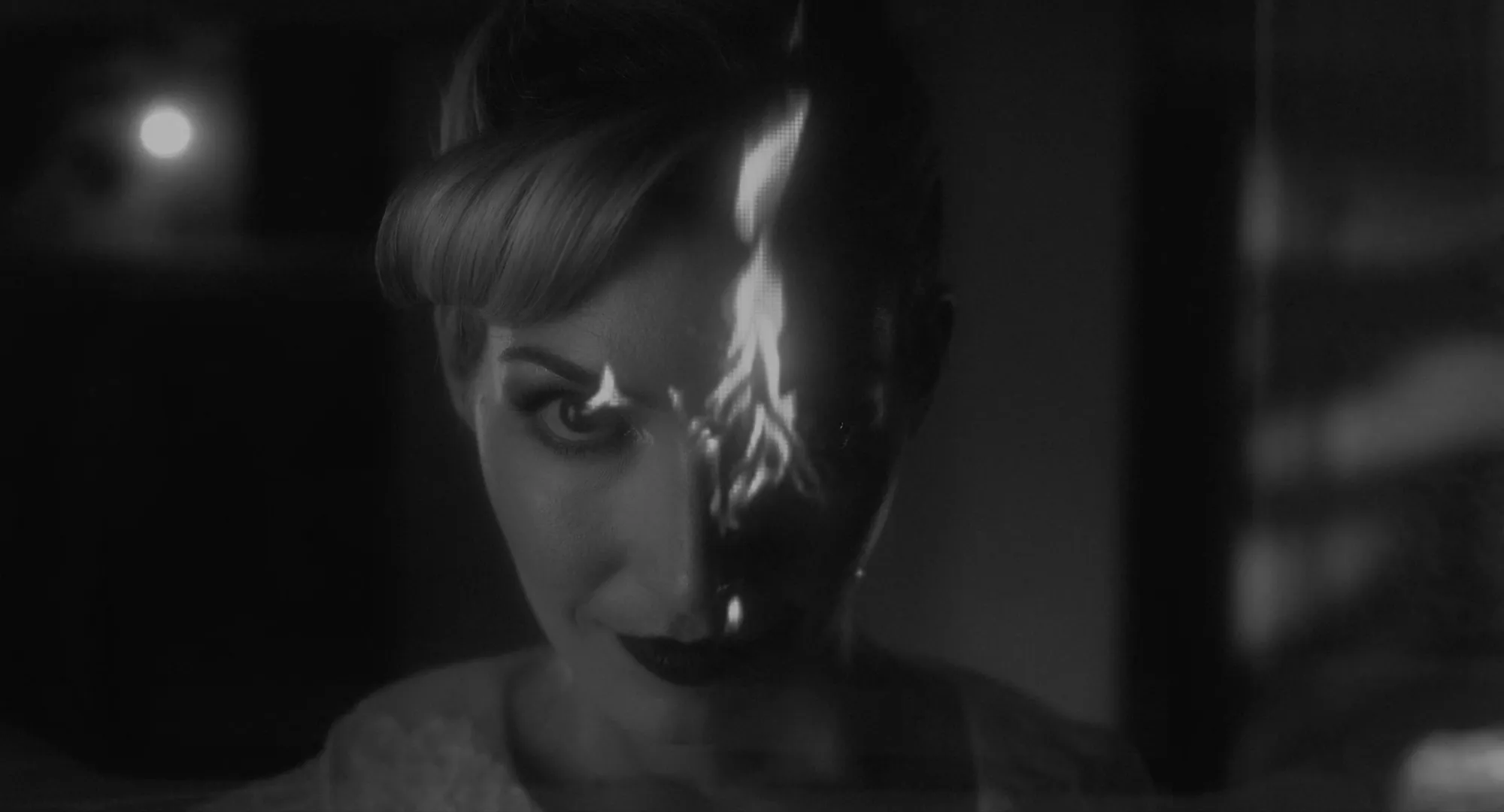
David Hartstone returns to FilmQuest 2025 with his evocative short film All Us Animals, a noir-infused drama set on New Year’s Eve 1959.
Starring and co-produced by the classically trained Lexa Gluck, the film examines the fragile boundaries between repression and desire through the lens of a woman confronting her past and present.
Hartstone, a self-taught filmmaker and co-founder of Seventh House Productions, channels his passion for complex female characters into this emotionally resonant work, blending period detail with timeless themes of identity and freedom.
What drew you to make this film? Why this story, and why now?
On a personal note, All Us Animals confronts one of my deepest fears - not living up to my full potential while letting life slip by unlived. I channeled that undercurrent into the story of a 1950s housewife, trapped in her own Americana prison, when the sudden reappearance of a childhood friend awakens the part of her that still remembers freedom. On a larger scale, it’s impossible to ignore how cyclical this all feels; we’re once again watching women’s autonomy and rights being threatened, dragged backward by the same misogynistic forces that tried to contain them then. This film channels that tension, the personal and the political, into one woman’s struggle to reclaim her life.
"This film channels that tension, the personal and the political, into one woman’s struggle to reclaim her life."
What surprised you most about the filmmaking process this time—creatively or logistically? Was there a moment on set or in post that completely changed how you saw the story?
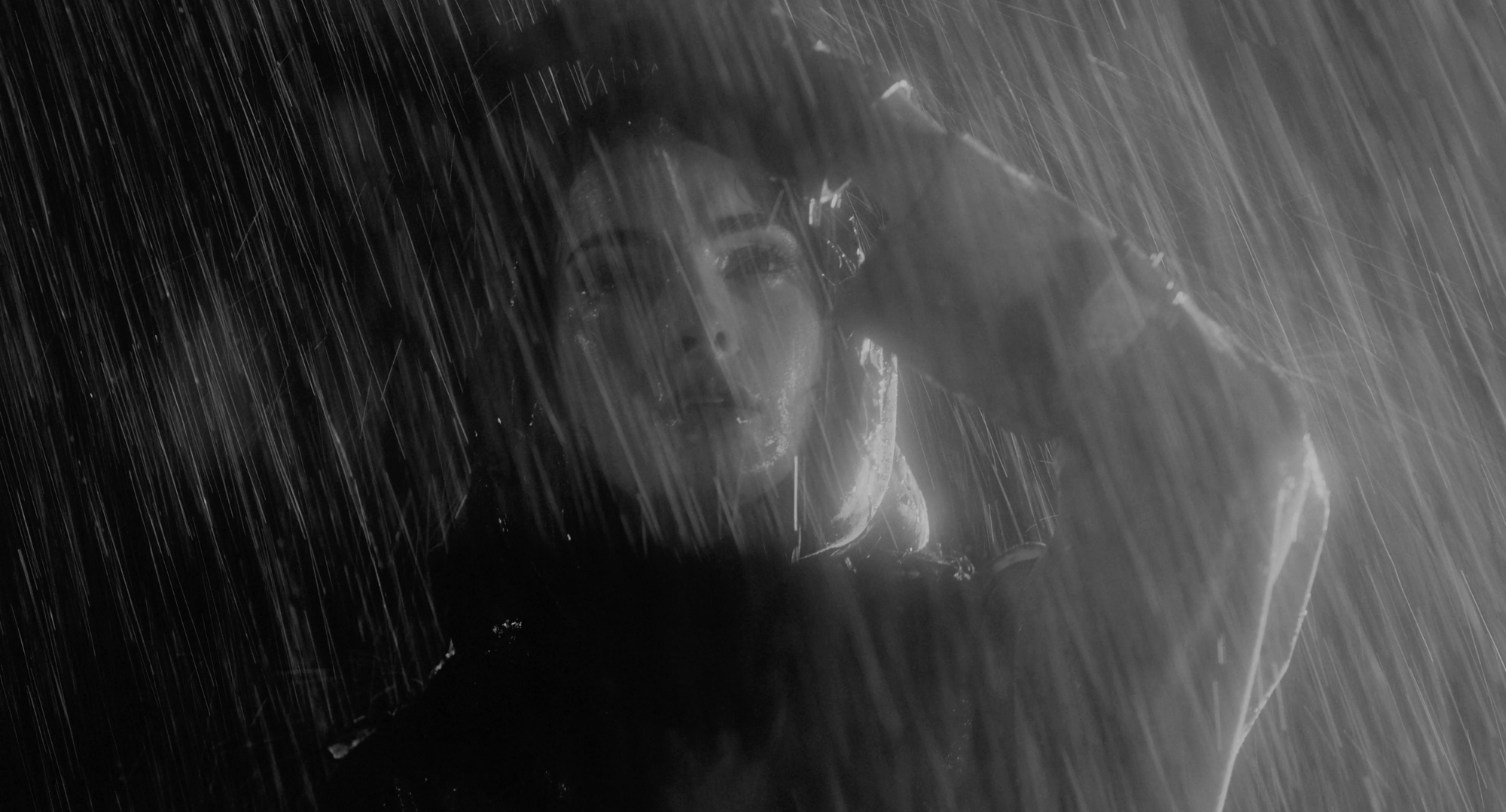
This was the most prepared I’ve ever been going into a shoot. We’d done extensive lens and camera tests, worked with my largest and most trusted crew yet, and spent real time in rehearsal. So for the first time, I didn’t feel like I had to force the vision on set, I just had to protect it. Even if every shot or line of dialogue ended up exactly as it was intended; the film started breathing on its own, and that’s when the real magic can bloom.
Is there a moment in the film that feels the most you—something only you could have made?
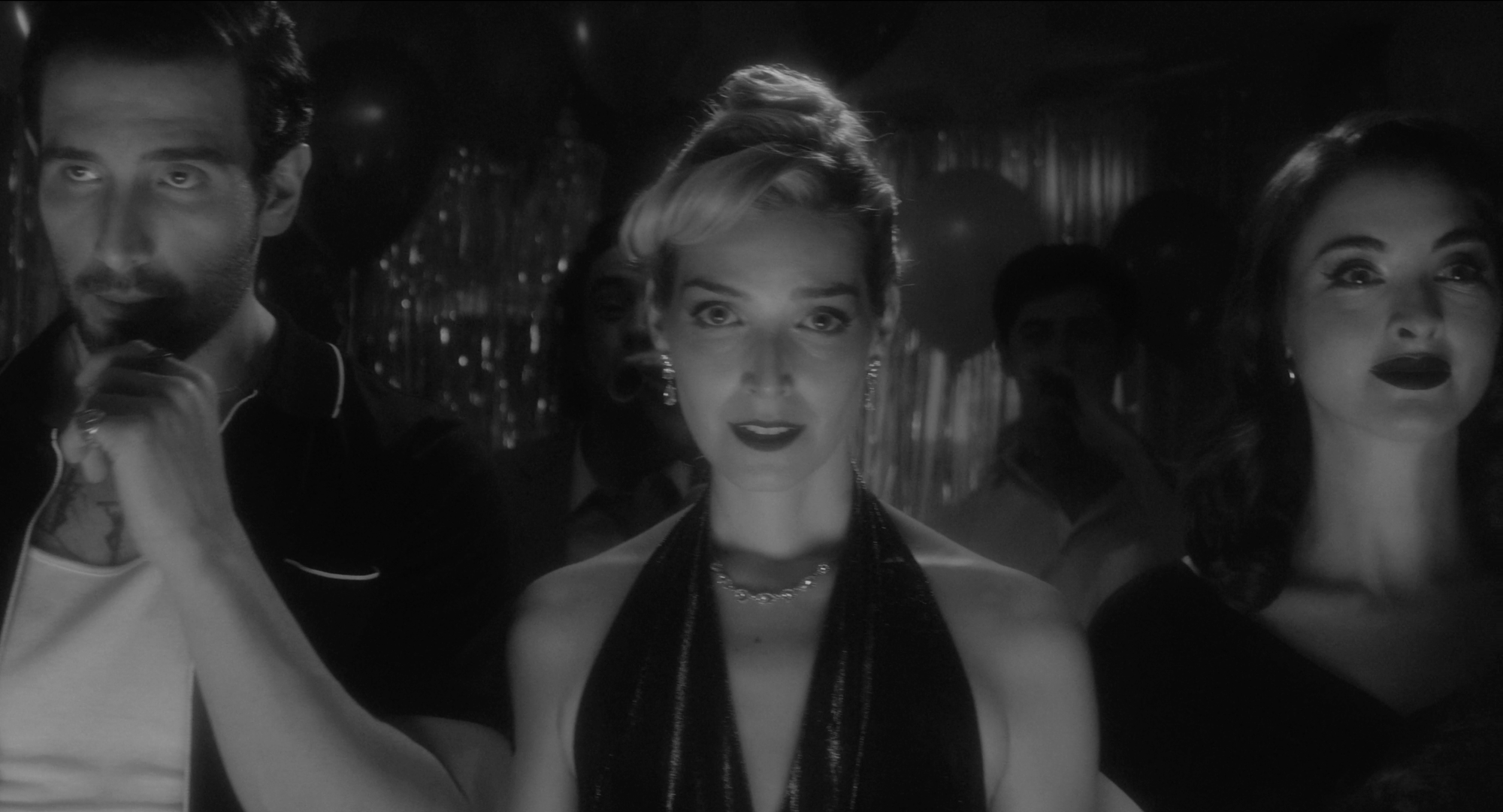
I stood on the shoulders of so many classic film giants that it seems inappropriate to claim complete ownership, but the slow motion oner in the New Years Countdown sequence comes closest. In one shot, we see each character’s deepest hopes, fears, and desires collide in a singular authentic moment and that felt like a true achievement.
What was the hardest creative decision you made while making this film?
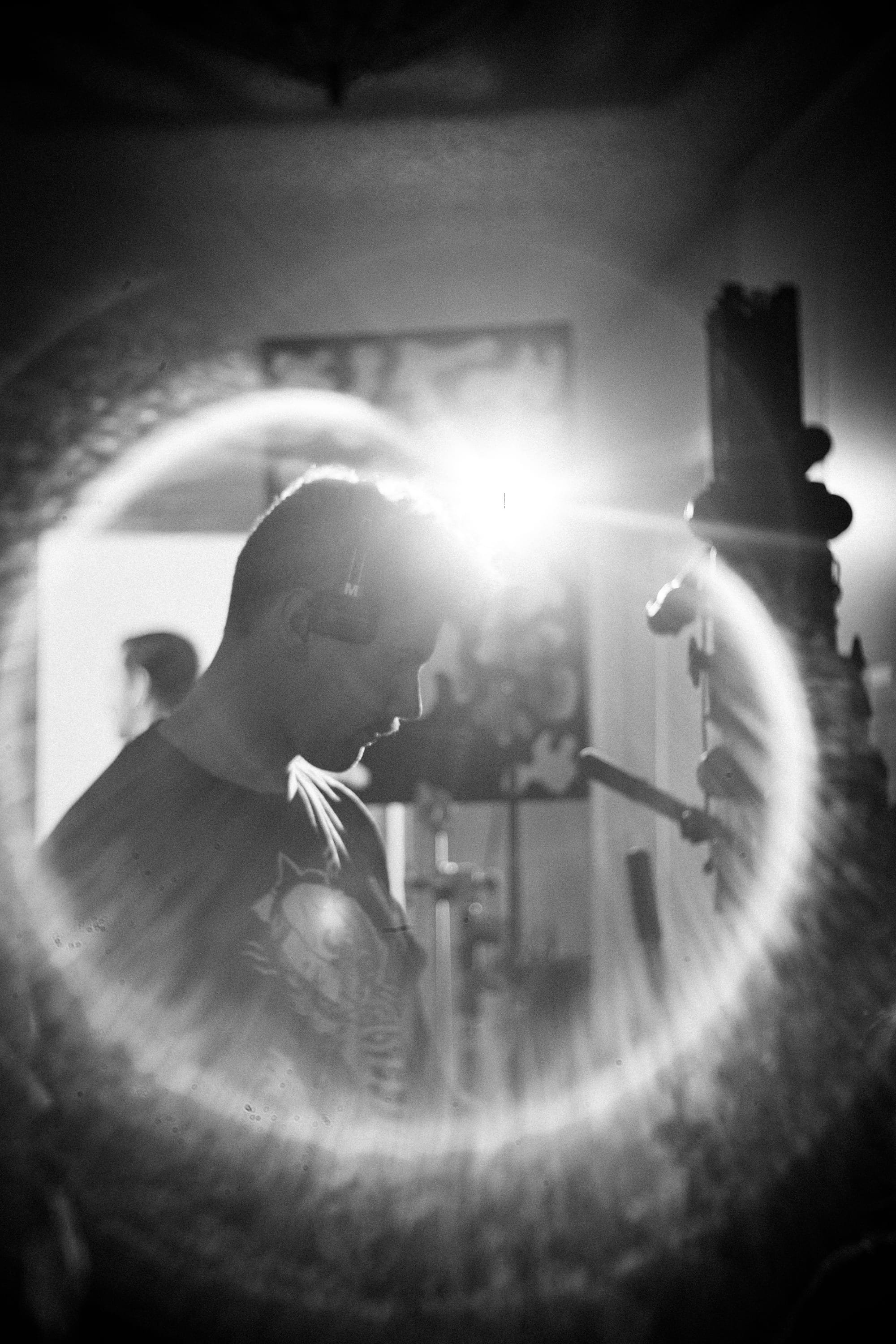
We faced a pretty intense make or break moment at the end of post-production. We had made a movie we loved and felt so passionate about, but it was far too long for most short film festivals. It was only through the support and guidance of so many friends and mentors that we felt brave enough to dive back in, shoot an arrow through the heart of the story, and create the leaner, meaner, more powerful version of the film that exists today.
What do you hope audiences take away from your film?
I hope the film makes people pause and really look at their own lives. Their dreams, their desires, what they still want but maybe stopped reaching for. But more than anything, I hope the tragedy in June’s story stirs something brave in people, a reminder that it’s never too late to reclaim yourself.
How has this film shaped or shifted the kind of stories you want to tell next?
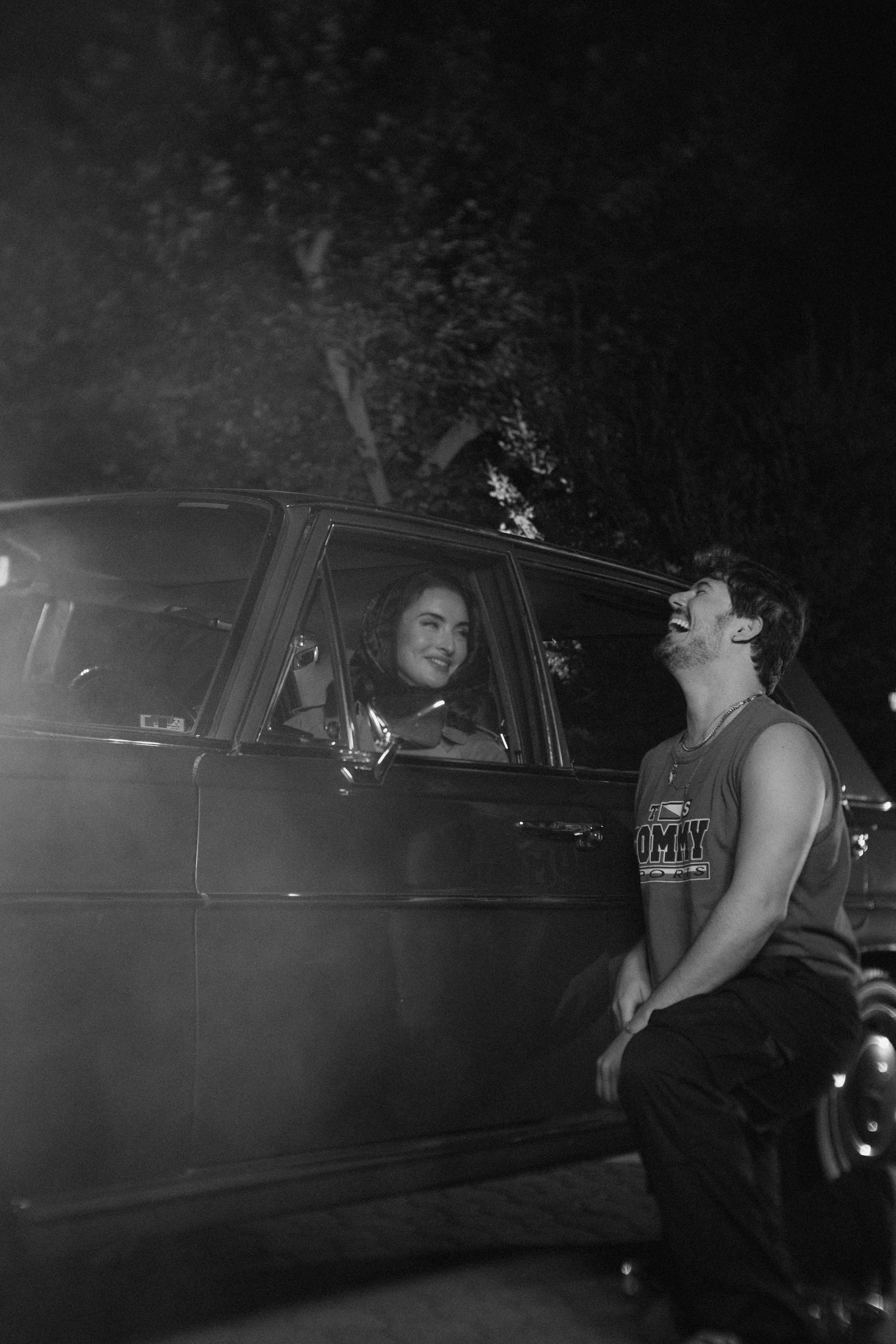
This film gave me a real confidence in the craft, namely that I can trust the technical skills my team and I have developed over the past few years. That trust means I can begin to strip back the safety nets and veneers I tend to hide behind and keep digging into the truth of my humanity. Whether it lives inside a stylized genre lens or not doesn’t matter as much as the feelings an audience takes home with them.
"The film started breathing on its own, and that’s when the real magic can bloom."
What’s a tool, technique, or resource that really helped you during production?
The most valuable tool on this project wasn’t a piece of gear…it was time. How we used it, guarded it, and managed it made all the difference. As much as this film felt like a sprint to the finish line, we learned how to channel that pressure into focus. From first draft to final cut, it was the fastest turnaround I’ve ever had, which is proof that concentrated energy on one clear goal will always take you further than scattering yourself across ten.

Independent filmmakers often rewrite the rules out of necessity. What do you think is the greatest strength of independent filmmaking, and how did you lean into that on this project?
One of the hardest lessons I’ve been forced to learn again and again is that our limitations lead to our breakthroughs. If you spend the whole process wishing for more money, more time, more people, more production value…you’ll miss the answer that’s right in front of you. That’s when the real artistry emerges.
"Our limitations lead to our breakthroughs. That’s when the real artistry emerges."
What does it mean to you to have your film selected for FilmQuest, one of the world’s top reviewed genre film festivals?
This will be my third time returning to Provo for FilmQuest, and it never loses its thrill. FilmQuest was the first festival to take a real chance on one of my feature scripts, and it’s where I’ve met more friends and collaborators than anywhere else. It feels less like a competition and more like coming home to a creative family that genuinely loves the craft.
How does your film fit within—or push the boundaries of—genre storytelling?
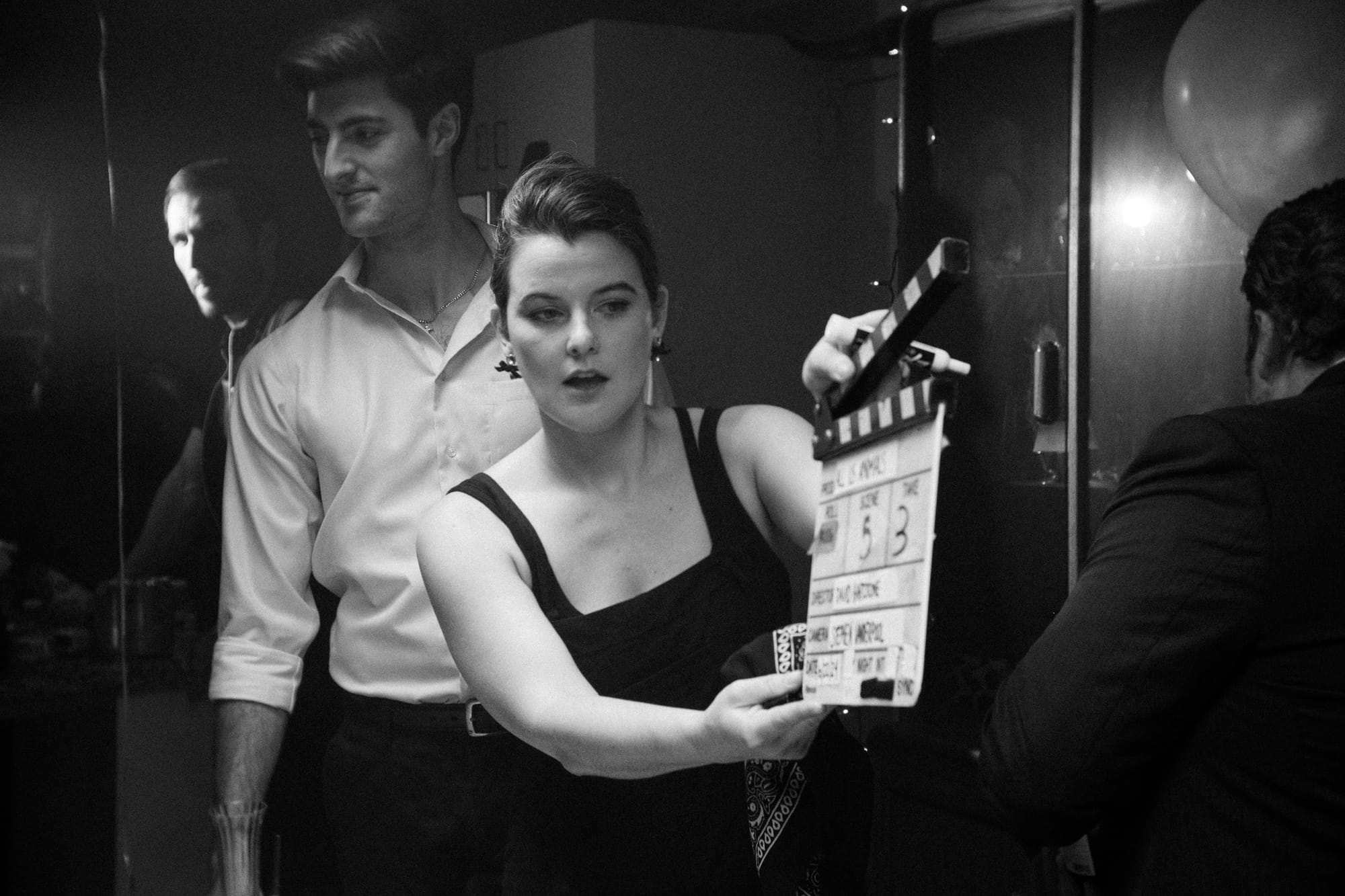
FilmQuest never ceases to amaze or surprise us. When we submitted our film, we knew we were pushing the edges of what might fit the FilmQuest mold. Technically, it’s a drama noir, far from a blood-soaked horror film, but it explores a quieter kind of terror: the horror of repression, longing, and lives unlived. I think FilmQuest recognized that genre isn’t just about monsters and mayhem but about deep emotional truths expressed through style, tone, and atmosphere.
Where do you see this film going next?
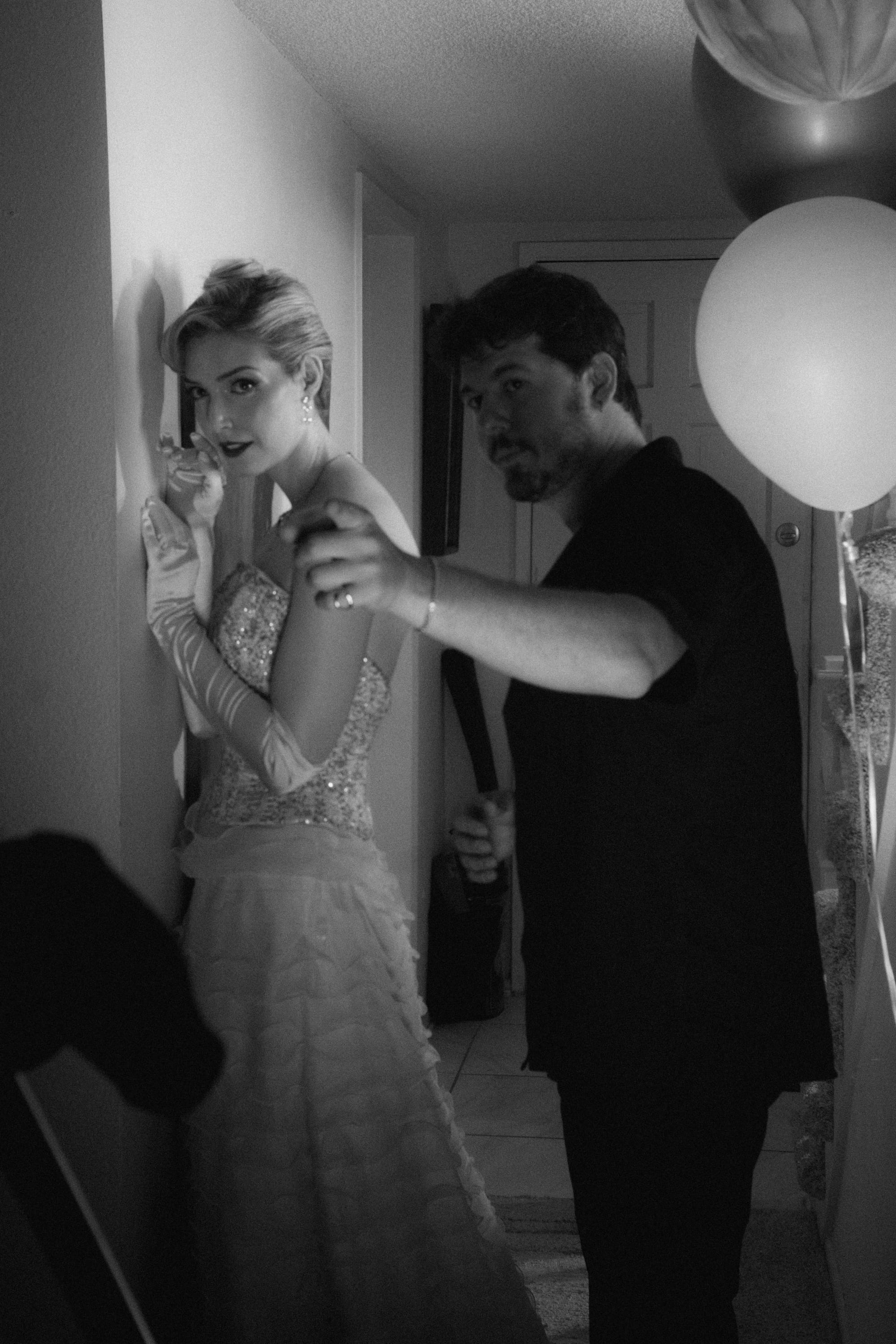
Because this film is so distinctly American, we’re hoping to continue screening it in cities across the U.S. but we’d also love to take it overseas and see how its themes resonate beyond our borders. More than anything, we’re excited to share it as a proof of concept for the feature version we’ve written, which expands these characters’ lives across decades and shifting cinematic styles. The short is a crucial piece of a much larger story.
“At the core of all my work is a desire to connect with people in the deepest and strangest corners of what it means to be alive."