Table of Contents
Three Key Takeaways
- Meat Crayon blends visceral slasher horror with pitch-black satire to explore emotional repression and creativity.
- Richard Rotter embraces tonal shifts, mixing absurd humor with unsettling horror to deepen the film’s thematic impact.
- The film’s journey highlights the power of independent filmmaking freedom and trusting creative chaos.
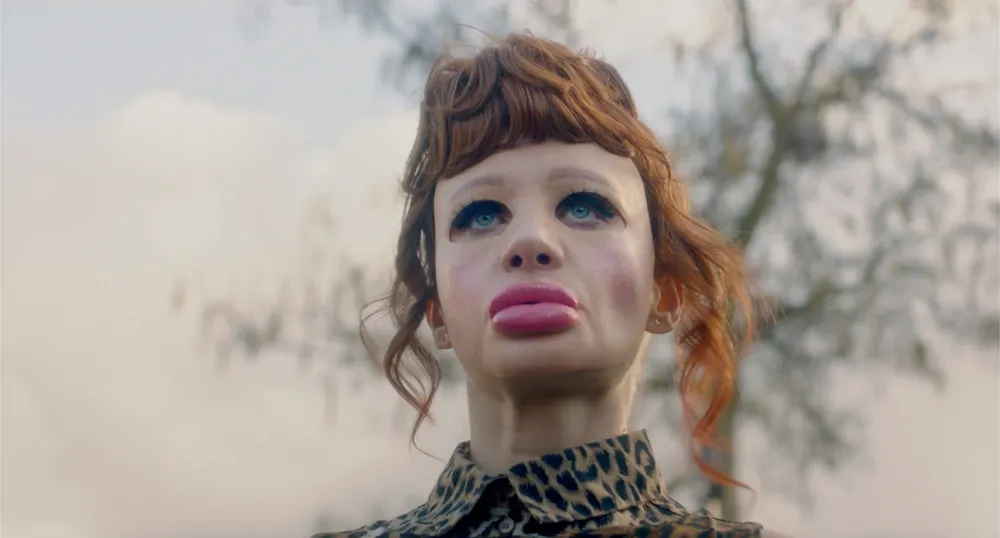
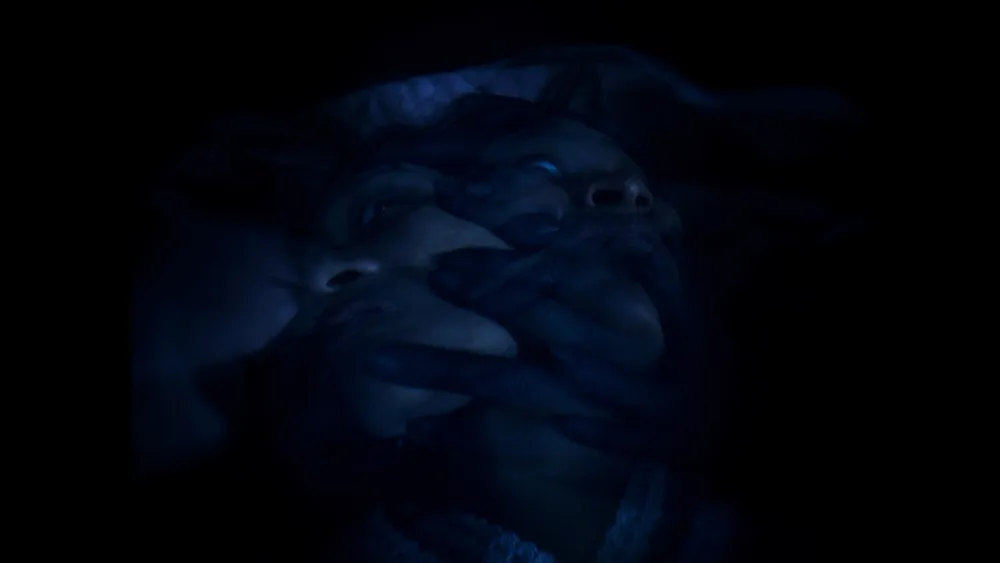
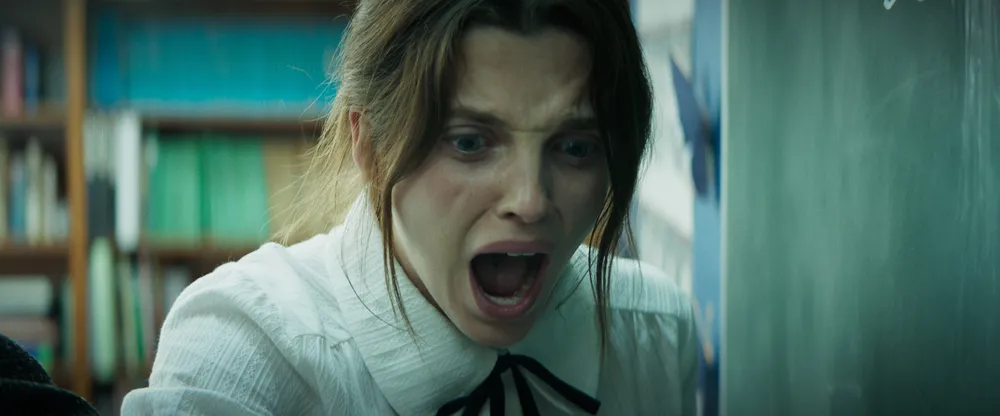
Toronto filmmaker Richard Rotter brings his latest genre-bending short Meat Crayon to the 2025 FilmQuest Festival. Known for his Emmy-nominated documentaries and award-winning horror shorts, Rotter pushes boundaries with this film that fuses slasher menace and twisted humor. Featuring a standout stunt sequence and a sharp social critique, Meat Crayon invites audiences to confront the darker sides of childhood creativity and parental control.
What drew you to make Meat Crayon? Why this story, and why now?
My last horror film was pretty bleak, so this time I wanted to make something that had a bit more fun and didn’t take itself too seriously. I’ve always loved slashers, but I felt there was space to dig deeper — to give the killer a real backstory and even a kind of moral compass. I also wanted to explore how, in today’s world, some parents stifle their kids’ creativity and emotional expression — and what happens when that repression festers into something monstrous.

What surprised you most about the filmmaking process this time—creatively or logistically? Was there a moment on set or in post that completely changed how you saw the story?
What surprised me most was how much humor found its way into the film. Meat Crayon was always meant to be disturbing, but on set we started discovering these absurd, darkly funny moments that gave the horror more texture — like the line between laughter and discomfort was razor-thin. That tone shift changed how I saw the story in post. I realized the film wasn’t just about fear or gore — it was about the ridiculous ways people justify harm, and how horror can reveal that truth through satire as much as scares.
"The line between laughter and discomfort was razor-thin."

Is there a moment in the film that feels the most you—something only you could have made?
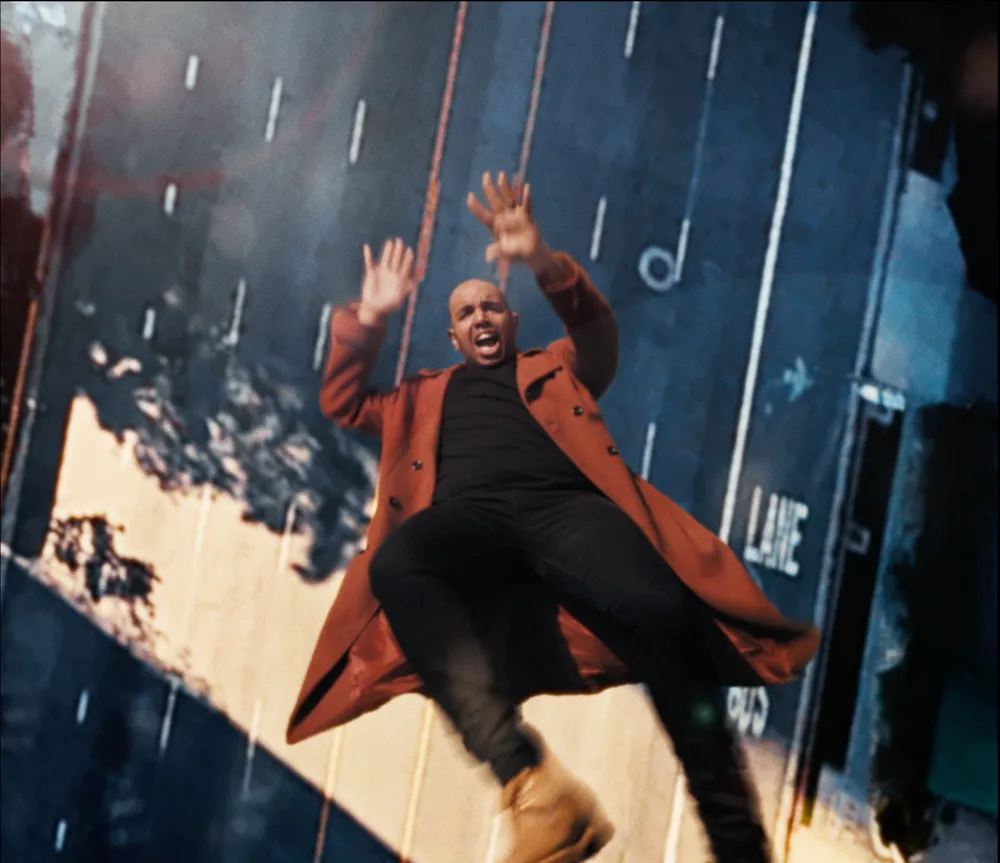
I’m especially proud of the opening. The buildup, the suspense, the payoff with the bike accident — it all lands exactly how I pictured it. The stunt and SPFX team absolutely nailed it, especially considering the budget we were working with.
What was the hardest creative decision you made while making this film?
The bike accident made way more sense on paper than it did in the edit. We ended up recutting the whole opening to make it work, and honestly, it turned out way better than the original plan — but it definitely took some late nights to get there.
What do you hope audiences take away from your film?
I hope people walk away feeling unsettled in a way that makes them think. Meat Crayon is ridiculous and horrifying in equal measure, but underneath the gore and absurdity, it’s really about the consequences of repressing emotion, especially in children. If the film leaves people laughing one moment and questioning their own sense of morality the next, I’ve done my job.

"Constraints don’t just shape creativity; they define it."
How has this film shaped or shifted the kind of stories you want to tell next?
It reminded me how much I love mixing tones, using humor to make the horror hit harder. I want to keep exploring that intersection between the grotesque and the absurd, where the audience doesn’t know whether to laugh or flinch. It’s a tricky balance, but it’s where the truth hides.
What’s a tool, technique, or resource that really helped you during production?
There are endless cool toys in filmmaking, whether its new cameras, rigs, effects, but they all eat up time. On Meat Crayon, I really had to learn to pick my battles and focus on what mattered most for the story. Sometimes the simplest setup tells the story better than the flashiest gear.


Independent filmmakers often rewrite the rules out of necessity. What do you think is the greatest strength of independent filmmaking, and how did you lean into that on this project? Is there a lesson or breakthrough you’d share with others navigating this path?
Freedom. When you don’t have a studio breathing down your neck, you can take risks — tonally, structurally, thematically. We leaned into that by letting the film find its own weird rhythm instead of forcing it into something safe or conventional. The big lesson for me was to trust the chaos. Constraints don’t just shape creativity; they define it.

What does it mean to you to have your film selected for FilmQuest, one of the world’s top reviewed genre film festivals?
It’s an honor — FilmQuest has a reputation for celebrating bold, fearless genre work, and that’s exactly the space Meat Crayon was born from. To be part of a lineup that champions originality and guts (sometimes literally!!!) means a lot.

FilmQuest celebrates the majesty and might of genre filmmaking across fantasy, horror, sci-fi, action, thriller, western, kung-fu, and beyond. How does your film fit within—or push the boundaries of—genre storytelling?
Meat Crayon starts as a slasher but bends into something darker and stranger. It takes the familiar tropes — masked killer, moral judgment, creative kills — and uses them to explore parental failure and emotional repression. It’s both a love letter to the genre and a bit of a middle finger to its clichés.
Where do you see this film going next?
I’ve already written the feature version of Meat Crayon, and I’m really hoping this short helps get it in front of the right producer or studio. The short’s just the tip of the iceberg... the full story digs even deeper into the moral chaos and emotional core behind the horror.
"At the core of all my work is a desire to hold a mirror up to the parts of ourselves we’d rather not see — and make us laugh a little while we squirm."
Learn more about the film on their instagram.