Table of Contents
The evolution of audience preferences in film and television over the past three decades has catalyzed a profound transformation in how heroes are portrayed and perceived. This shift—from morally upright, flawless paragons to complex, morally ambiguous antiheroes—reflects broader cultural, technological, and sociological changes.
The Age of the Perfect Hero: 1990s-Early 2000s
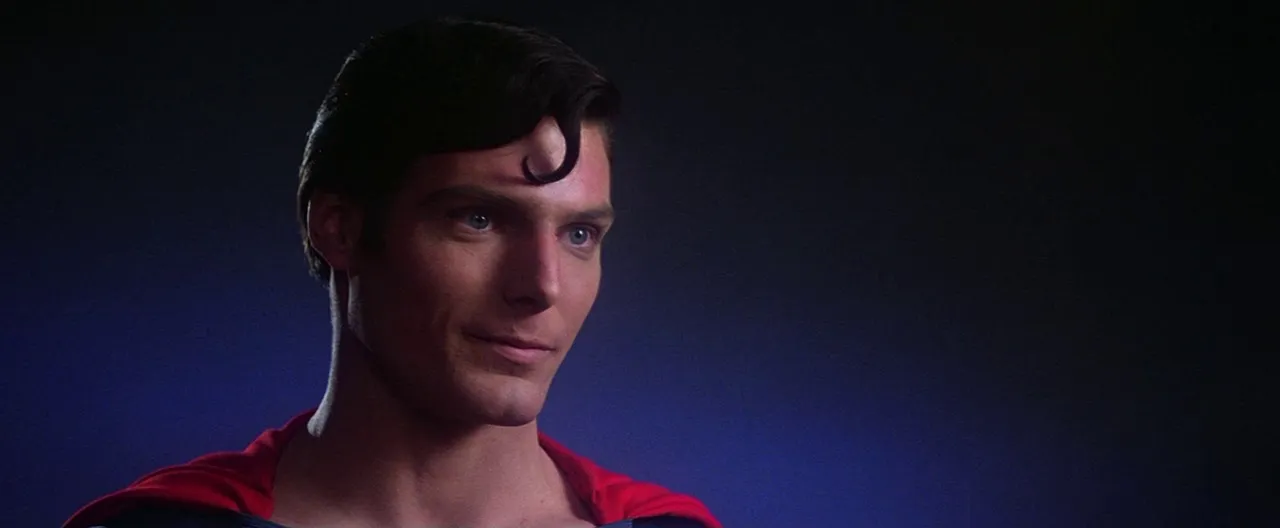
In the 1990s, heroes were predominantly depicted as idealized figures embodying unwavering morality and clarity between good and evil. Drawing from mythological archetypes and religious symbolism, characters like Superman were designed as "modern myths" to provide comfort and hope during times of societal uncertainty, such as economic depression or war. These heroes, including action stars like Arnold Schwarzenegger, served as moral compasses, reinforcing traditional values like justice, sacrifice, and order. Their stories followed classic narrative structures where virtue always triumphed, catering to audiences seeking escapism and moral certainty.
The Transition: Humanizing the Hero (2000s-2010s)
The early 2000s marked a pivot toward "humanized" heroes. This transition was influenced by cultural diversification: As globalization accelerated, narratives incorporated diverse perspectives. Films like X-Men (2000) used mutant allegories to address racism and identity politics, reflecting a growing appetite for stories that explored social issues.
Technological and industry changes also play a key role– the rise of cable TV and DVD allowed for serialized storytelling, enabling deeper character development. Shows like Buffy the Vampire Slayer (1997–2003) blended heroism with emotional depth, paving the way for more nuanced protagonists.
The Rise of the Antihero (2010s–Present)
Today, antiheroes dominate popular culture. These characters—flawed, often amoral, yet compelling—exemplify a cultural shift toward moral relativism and psychological complexity.
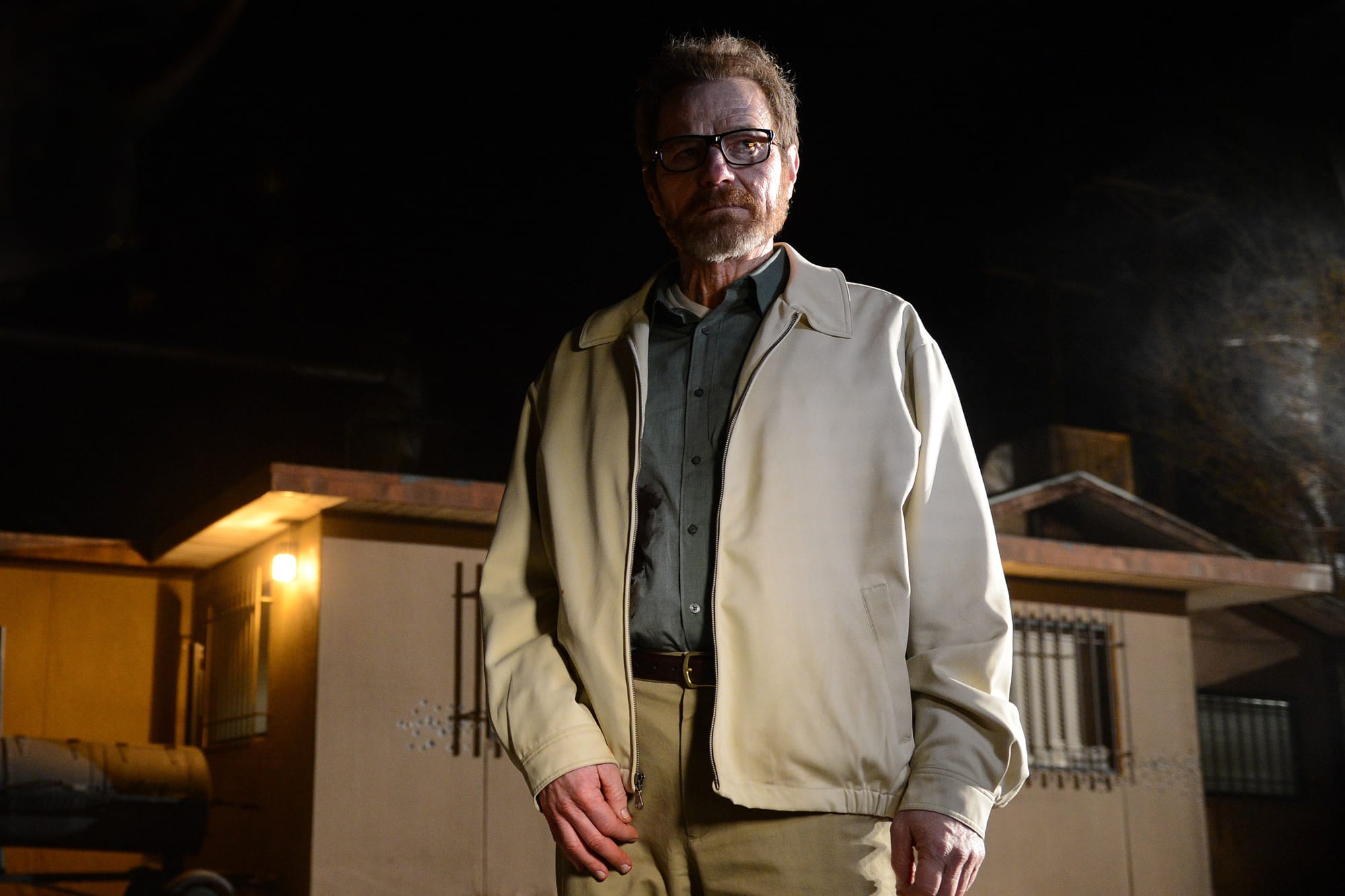
Walter White (Breaking Bad): A high school teacher turned drug kingpin, White’s descent into villainy forced audiences to confront themes of morality, power, and identity. His appeal lies in his realism; he embodies the frustration and nihilism of modern life; The Joker (Joker, 2019): This film reimagined the classic villain as a sympathetic figure victimized by societal neglect. Its success (earning $1 billion globally and a Venice Film Festival award) underscored audience demand for stories that critique systemic issues like class inequality and mental health stigma; Seong Gi-hun (Squid Game): As a financially desperate gambler, Gi-hun’s moral ambiguities and struggles mirrored global anxieties about economic disparity, making the series a worldwide phenomenon.
The driving forces behind this transformation are multifaceted. The rise of streaming platforms has created an environment where creative risks are more rewarded, allowing writers to develop characters with unprecedented depth and moral ambiguity. Additionally, the fragmentation of media consumption has enabled niche audiences to find content that resonates with their specific worldview, further validating the demand for complex, non-traditional protagonists. Social media has amplified this effect by creating spaces for nuanced discussion of character motivations, where audiences collectively analyze and often sympathize with deeply flawed characters.
The trajectory from paragons to antiheroes reveals more than changing tastes—it underscores cinema’s role as a cultural barometer. As audiences continue to grapple with global crises, inequality, and identity politics, future heroes will likely embody even greater diversity and moral complexity. For creators, this demands a balance between authenticity and narrative innovation, ensuring stories remain both compelling and culturally resonant. Ultimately, the fall of the traditional hero is not a decline but an evolution, mirroring humanity’s ongoing quest to understand itself in an increasingly fragmented world.