Table of Contents
Three Key Takeaways
- The Last Draft is a psychological thriller that delves into the isolation and creative torment of a novelist, blurring reality and imagination.
- Nicholas Guilak’s directorial debut is deeply personal, drawing from his own experiences with artistic doubt and mental unraveling.
- The film’s selection by FilmQuest highlights its bold, intimate take on genre storytelling, pushing psychological horror into new existential territory.
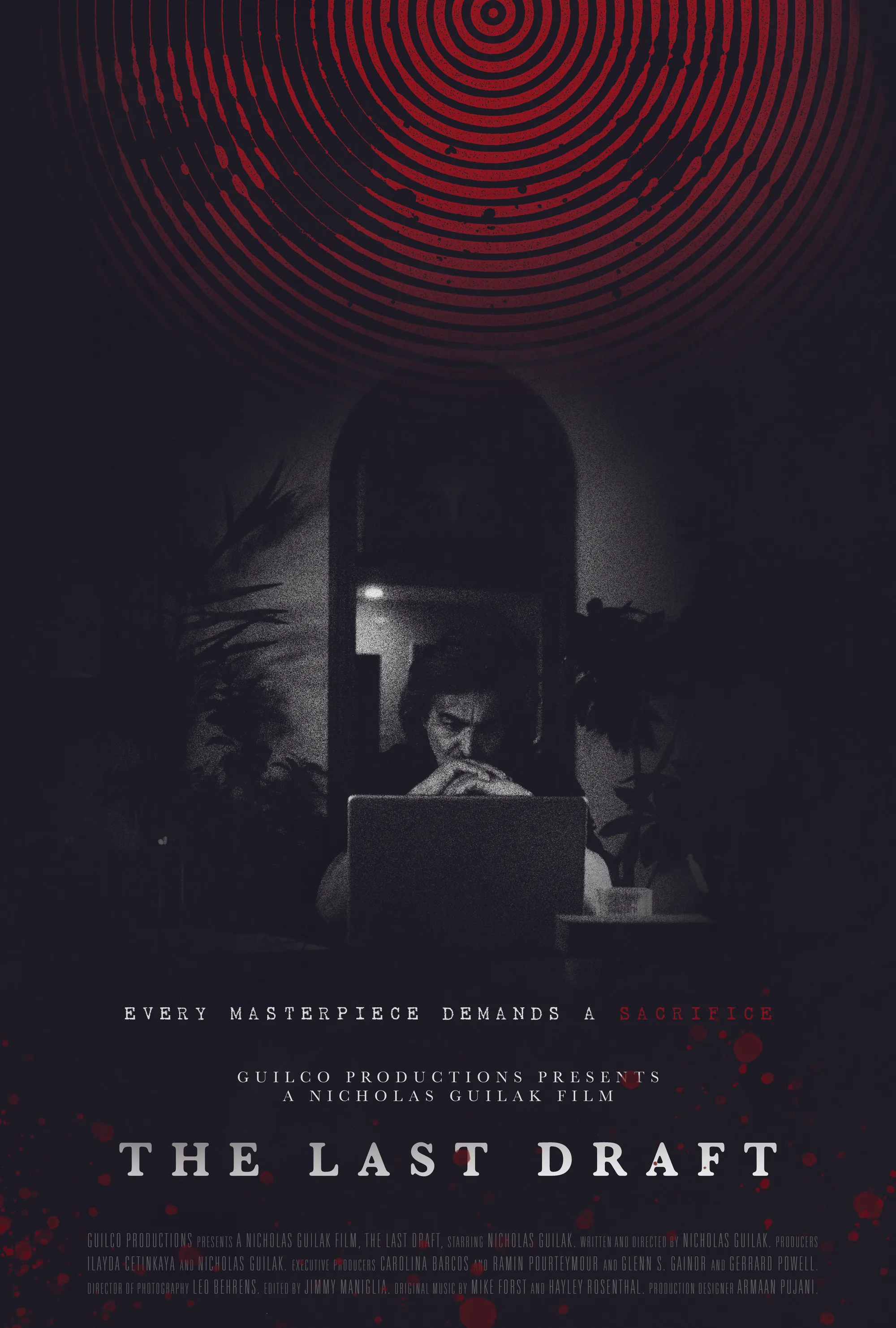
Nicholas Guilak, a veteran actor and writer with over thirty years of experience, steps behind the camera for the first time with The Last Draft, a haunting psychological thriller premiering at FilmQuest 2025.
The film stars an acclaimed novelist battling writer’s block and creeping madness, brought to life through a collaborative effort with producer Ilayda Cetinkeya, cinematographer Leo Behrens, and a talented creative team.
Guilak’s personal journey into the fractured mind of creativity culminates in a film that’s as unsettling as it is intimate.
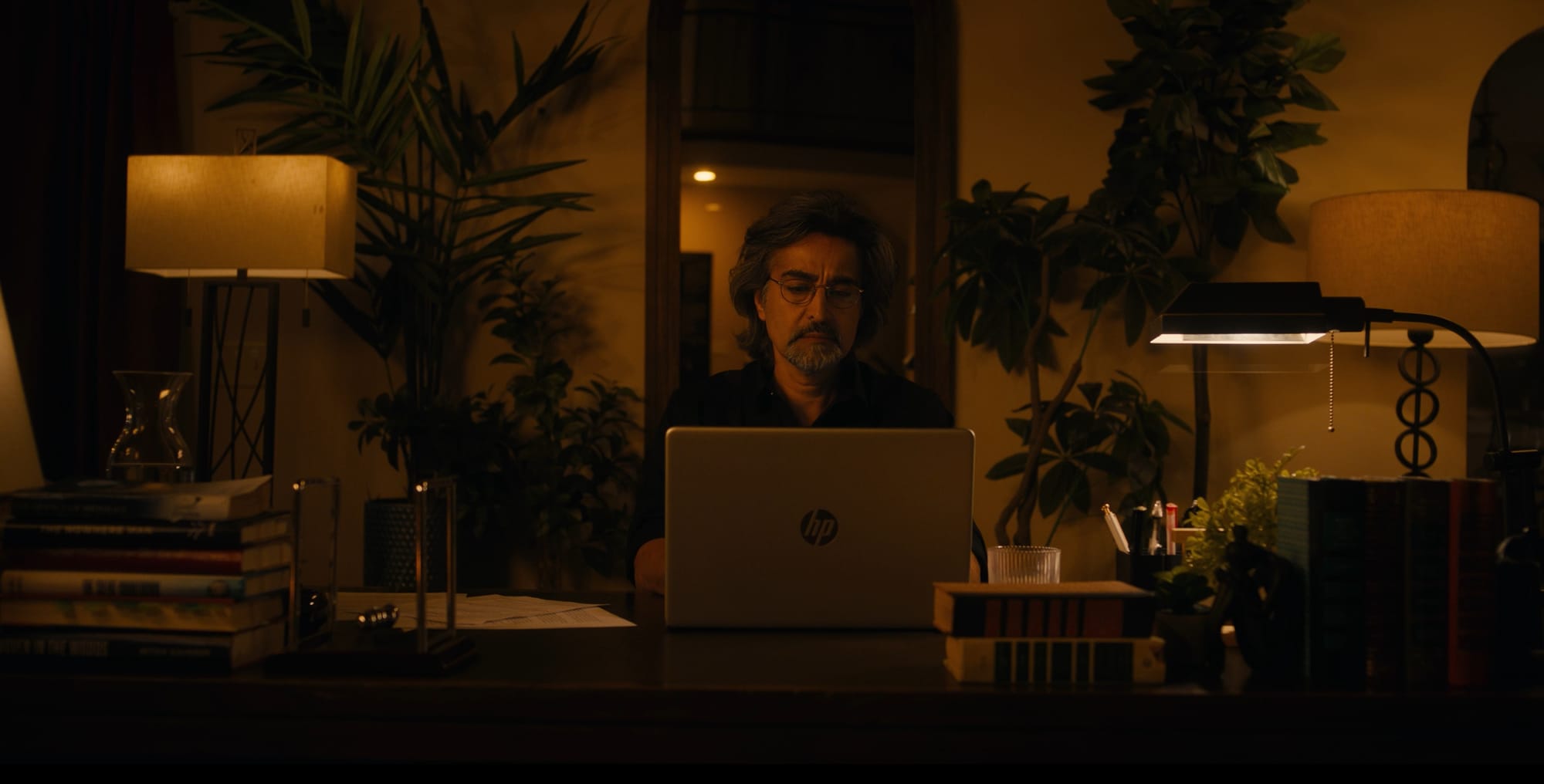
What drew you to make this film? Why this story, and why now?
Stories have always been my way of making sense of the world. As an actor, writer, and theatre maker, I’ve spent over three decades stepping into characters’ lives, searching for the hidden corners of the human spirit. The Last Draft is the first time I’ve taken that journey behind the camera, and it is the most personal work I’ve ever created.
This short was born out of two ideas that haunted me: the isolating nature of creativity, and the terror of facing yourself when the words refuse to come. James Harper, the novelist at the center of the film, is consumed by the very gift that made him successful. He is both his own salvation and his greatest threat. In telling his story, I wanted to explore how the line between imagination and madness can blur until it disappears. At its core, The Last Draft is a meditation on authorship, legacy, and the price of creation. It’s a thriller, yes — but it’s also a mirror.
My hope is that audiences leave unsettled, challenged, and perhaps asking themselves the same question James faces: What would you give up to finish your masterpiece?
What surprised you most about the filmmaking process this time—creatively or logistically? Was there a moment on set or in post that completely changed how you saw the story?
I set out to make a suspenseful short film, something tight, eerie, and contained. But during the editing process, something shifted. As we watched the footage come together, I started seeing pieces of myself in the story, things I hadn’t consciously written. The themes of isolation, pressure, and identity began to hit closer to home than I expected.
What really surprised me was how much the film started to evolve after we wrapped. I couldn’t stop thinking about the character’s backstory, about the world beyond the pages of the script. New ideas kept creeping in. Eventually, I realized I wasn’t done with the story, I was just beginning. I started outlining the full feature version during post.
So what began as a standalone short has now become a proof of concept for a much larger, deeper film. It taught me that sometimes the real story doesn’t show up until you’ve already shot it and if you’re willing to listen, it can take you someplace far more personal than you ever planned.
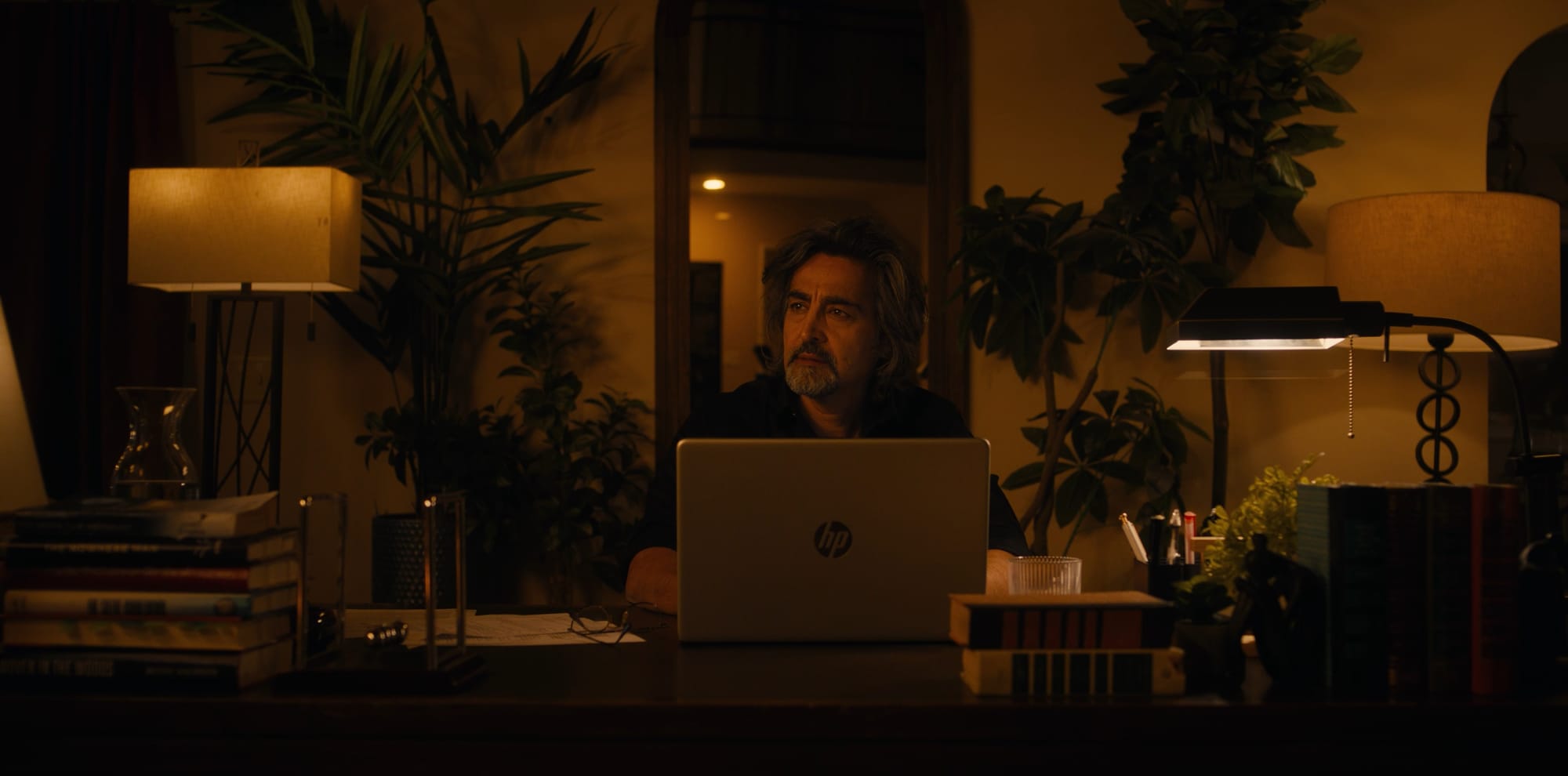
Is there a moment in the film that feels the most you—something only you could have made?
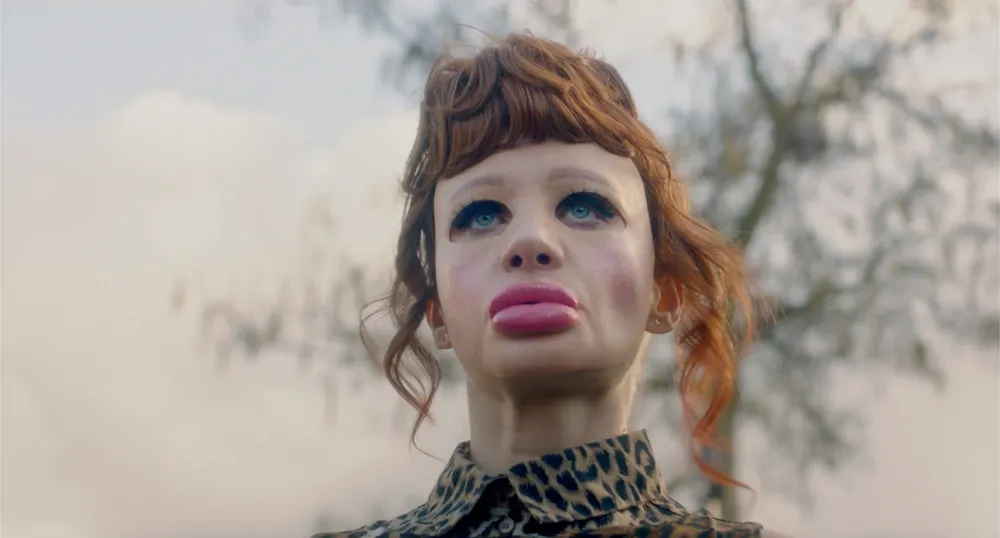
Absolutely. There’s a moment when James Harper stares at his own reflection, and it stares back with something… off. Not supernatural exactly, just wrong enough to unsettle you. That shot, that feeling, came from a very personal place.
I’ve had moments in my own creative life where I didn’t recognize the person looking back at me. The pressure to create something meaningful, the isolation, the second-guessing—it can push you into strange territory. That scene isn’t just visual suspense. It’s me wrestling with doubt, with the fear that maybe I’ve lost my voice, or worse, that it’s been replaced by something darker.
No one else could’ve made that moment the way I did because it wasn’t about crafting a scare, it was about putting something honest on screen, something I’ve lived. It’s subtle, but if you’ve ever faced down your own reflection in a moment of creative crisis, you’ll feel it.
What was the hardest creative decision you made while making this film?
Letting go. That was the hardest part. As a first-time director, I came in with a very clear vision: every frame, every beat, every unsettling sound was mapped out in my head. But the reality of filmmaking doesn’t always cooperate. Whether it was time, budget, location, or just the chaos of production, I quickly learned that I wasn’t going to get everything I wanted.
There were shots I had to cut, visual ideas I couldn’t fully execute, and scenes I had to rework on the fly. At first, it was frustrating. But the real creative challenge wasn’t in the compromise, it was in making sure those changes still served the story.
I also struggled with knowing how much to show versus how much to hold back. The story lives in tension and ambiguity, and I had to resist the urge to over-direct or over-explain. That meant trusting the actors, the atmosphere, and even the silence. It meant letting some questions remain unanswered.
In the end, the film became stronger because of those limitations. They forced me to focus on what truly mattered: the emotion, the unease, the descent. And that’s something no perfect shot list can teach you.
“The Last Draft is a meditation on authorship, legacy, and the price of creation. It’s a thriller, yes — but it’s also a mirror.”
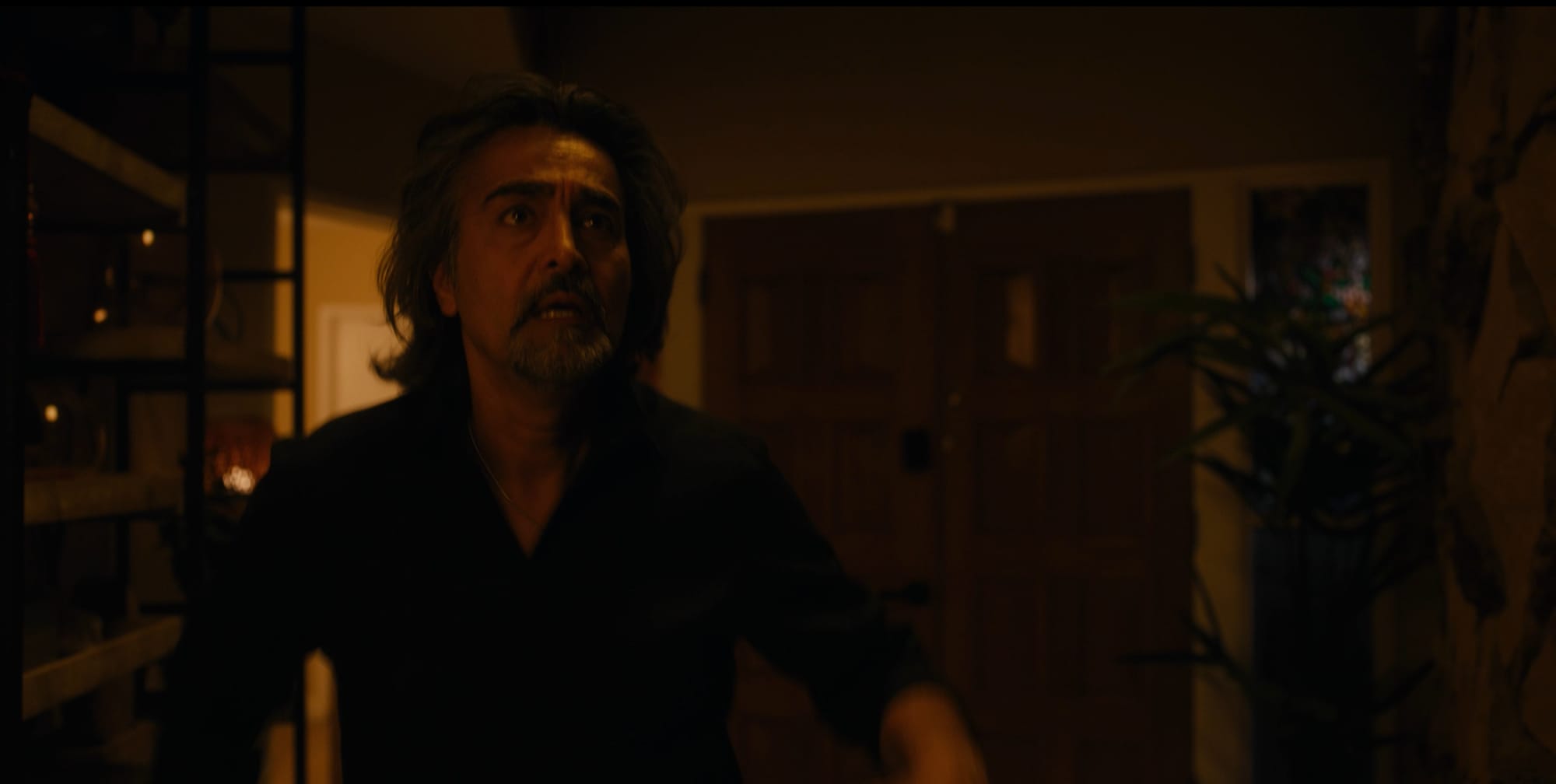
What do you hope audiences take away from your film?
I hope it lingers. Not just as a scare, but as a feeling, something unsettling that sticks with you long after the screen goes dark. At its core, The Last Draft isn’t just about writer’s block or eerie reflections. It’s about what happens when we’re left alone with our own thoughts for too long.
I want audiences to connect with the fear of not being enough, the pressure to create, and the isolation that can warp even the sharpest mind. We live in a world where silence is rare, and yet, for many artists and thinkers, it’s in that silence where the real battle begins.
If viewers walk away questioning their own inner voice—the one that doubts them, pushes them, or sometimes turns against them—then I’ve done my job. I didn’t want to spell everything out. I wanted to create an experience that feels intimate, psychological, and deeply human beneath the thriller elements.
So if it makes people feel something… seen, haunted, unsettled, or strangely understood… that’s the takeaway I hope for most.
How has this film shaped or shifted the kind of stories you want to tell next?
The Last Draft taught me that the stories I’m most drawn to are the ones that live in the in-between—the space between reality and perception, sanity and unraveling. I’ve always loved suspense and psychological tension, but this project made me realize how personal that genre can be when grounded in real emotion.
It pushed me to write from a deeper, more vulnerable place. I’m no longer interested in just telling stories that entertain. I want to tell stories that disarm, that quietly get under your skin and stay there. Stories about identity, memory, guilt, the things we bury and the parts of ourselves we don’t want to face.
This short opened the door to a whole world I hadn’t explored before. Now, I’m writing with more risk, more ambiguity, and more personal weight. It’s made me want to keep working in the psychological thriller space, but with even more ambition to expand the universe of The Last Draft into a full feature and beyond, while continuing to develop stories that challenge both me and the audience.
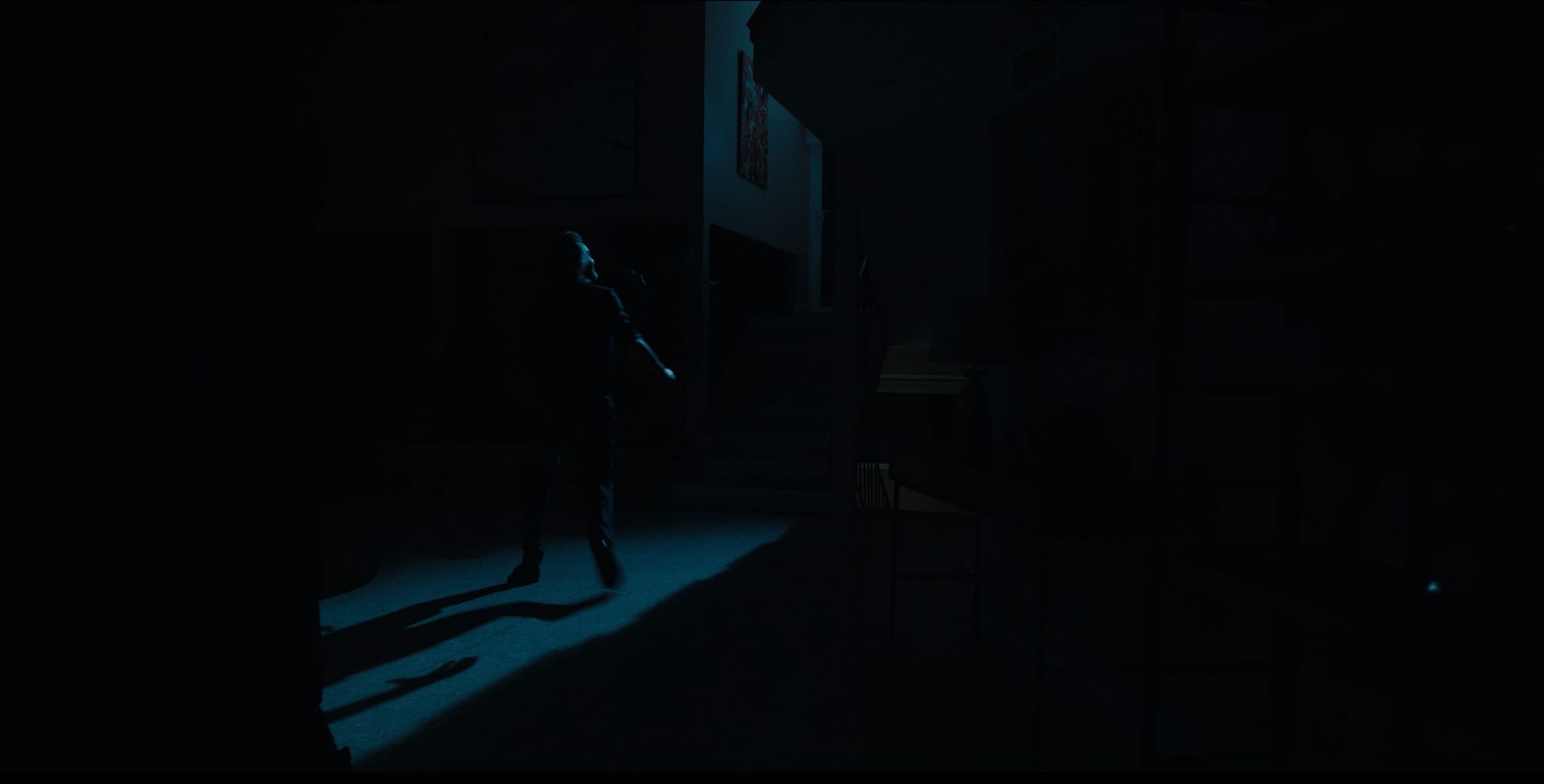
What’s a tool, technique, or resource that really helped you during production?
Honestly, the most essential “tool” was mindset—learning to stay adaptable under pressure. That flexibility became more valuable than any piece of gear. Things never go exactly as planned on set, and being able to pivot creatively without compromising the heart of the story was a game-changer.
But if we’re talking gear, shooting on the Arri Alexa Mini gave us exactly the cinematic look we needed. It handled low-light beautifully, which was crucial for the moody, shadow-heavy atmosphere of The Last Draft. We leaned into natural lighting and subtle movement to keep things grounded and immersive.
Equally important was having a team I trusted. My cinematographer, Leo Behrens, brought a painter’s eye to every frame. His instincts elevated the visuals in ways I couldn’t have imagined on my own. Our editor, Jimmy Maniglia, helped reshape the pacing in post and unlock emotional beats that weren’t fully visible on set.
In the end, it was a combination of technical tools, collaboration, and the mental discipline to let go of control when needed—all of which shaped the final film.
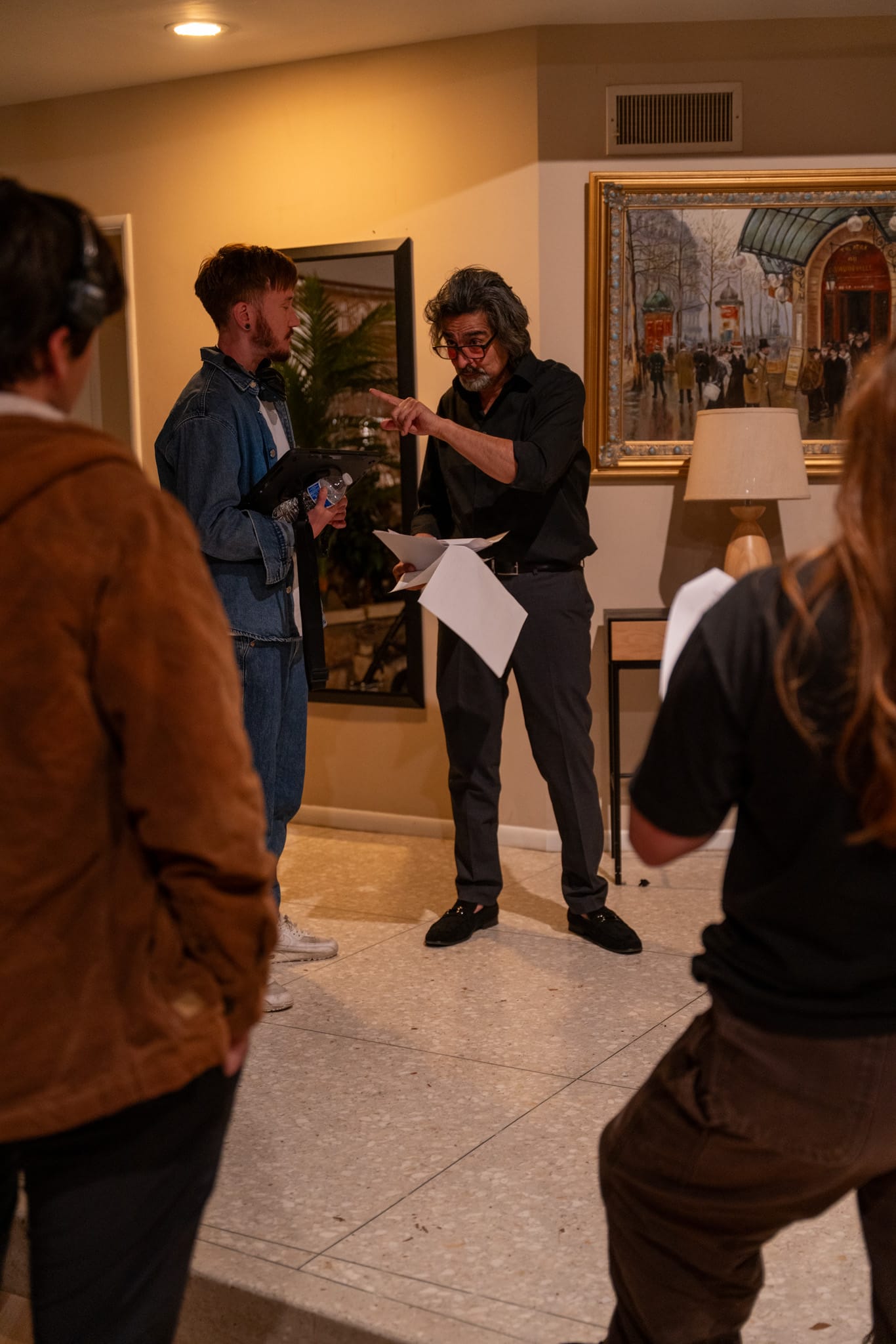
Independent filmmakers often rewrite the rules out of necessity. What do you think is the greatest strength of independent filmmaking, and how did you lean into that on this project?
The greatest strength of independent filmmaking is the freedom to take risks. When you’re not answering to a studio or chasing commercial expectations, you can make bold, personal choices—and that’s exactly what The Last Draft demanded of me.
I didn’t have a massive crew, a huge budget, or time to shoot dozens of takes. What I had was trust in the story, in my collaborators, and in the power of restraint. We leaned into the limitations. Instead of relying on heavy VFX or elaborate set pieces, we focused on tension, atmosphere, and performance. That intimacy made the film stronger. It also forced me to be resourceful, rewriting scenes to fit what we could shoot, finding creative ways to suggest horror rather than show it.
The biggest breakthrough for me was realizing that limitations aren’t barriers—they’re opportunities. They force you to get honest, to be inventive, and to rely on what matters most: story, tone, and truth. If there’s one thing I’d say to other independent filmmakers, it’s this: don’t waste energy wishing for more. Use what you have, stay nimble, and tell the story only you can tell. That’s where the magic is.
“No one else could’ve made that moment the way I did because it wasn’t about crafting a scare, it was about putting something honest on screen, something I’ve lived.”
What does it mean to you to have your film selected for FilmQuest, one of the world’s top reviewed genre film festivals?
It’s an incredible honor. As a first-time director, just getting the film finished felt like a triumph, but to have The Last Draft recognized by FilmQuest, a festival known for celebrating bold, visionary genre storytelling, is beyond anything I imagined.
FilmQuest isn’t just another festival. It has a reputation for curating work that pushes boundaries—films that are daring, personal, and unafraid to live in the shadows. To be part of that lineup is deeply validating. It tells me that the risks we took, the quiet tension, the psychological depth, the choice to let the horror live in ambiguity, resonated with people who understand the genre at its highest level.
More than anything, it means the world to share this film with an audience that truly appreciates the craft, passion, and heart that goes into independent filmmaking. FilmQuest champions the kind of cinema that inspired me to tell this story in the first place. Being selected is both a milestone and a reminder: keep going, keep creating, and keep trusting your voice.
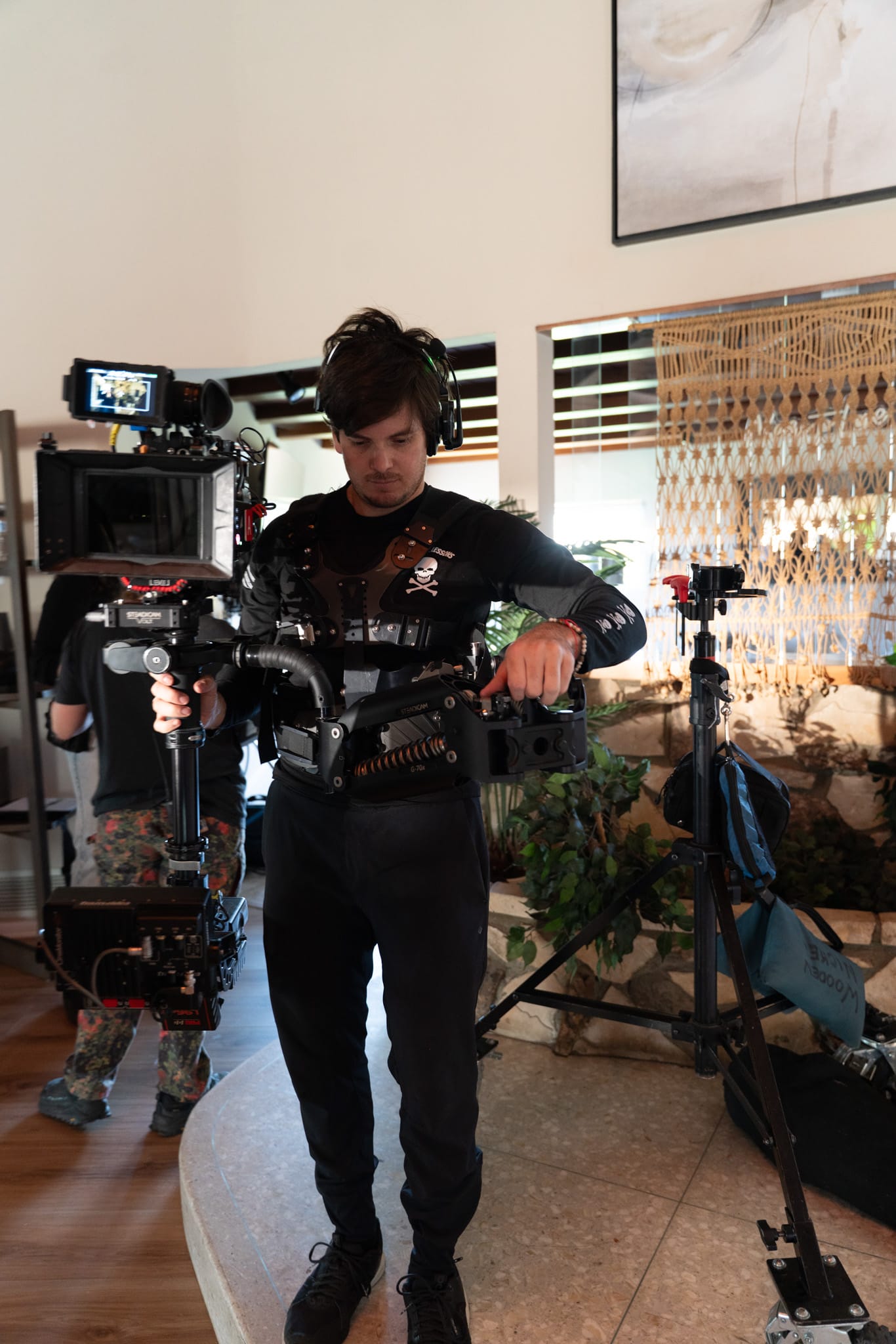
FilmQuest celebrates the majesty and might of genre filmmaking across fantasy, horror, sci-fi, action, thriller, western, kung-fu, and beyond. How does your film fit within—or push the boundaries of—genre storytelling?
The Last Draft lives at the intersection of psychological horror and thriller, but what sets it apart is how deeply it explores internal terror. Instead of leaning on traditional horror tropes or visual spectacle, the film draws its power from ambiguity, atmosphere, and the slow unraveling of identity.
It’s very much in the spirit of films like The Shining, Black Swan, and Jacob’s Ladder. Stories where the protagonist is both victim and antagonist, and where the horror is rooted in the mind. Like those films, The Last Draft uses genre as a vehicle to explore much deeper questions: Who are we without our art? What happens when the voices in our head become louder than the world outside?
Rather than offering easy answers or clean scares, the film invites the audience to sit in discomfort and question what’s real. In doing so, it pushes genre into more intimate, existential territory. That’s what I love about festivals like FilmQuest, they embrace stories that challenge convention and prove that genre can be as emotionally resonant as it is visually compelling.
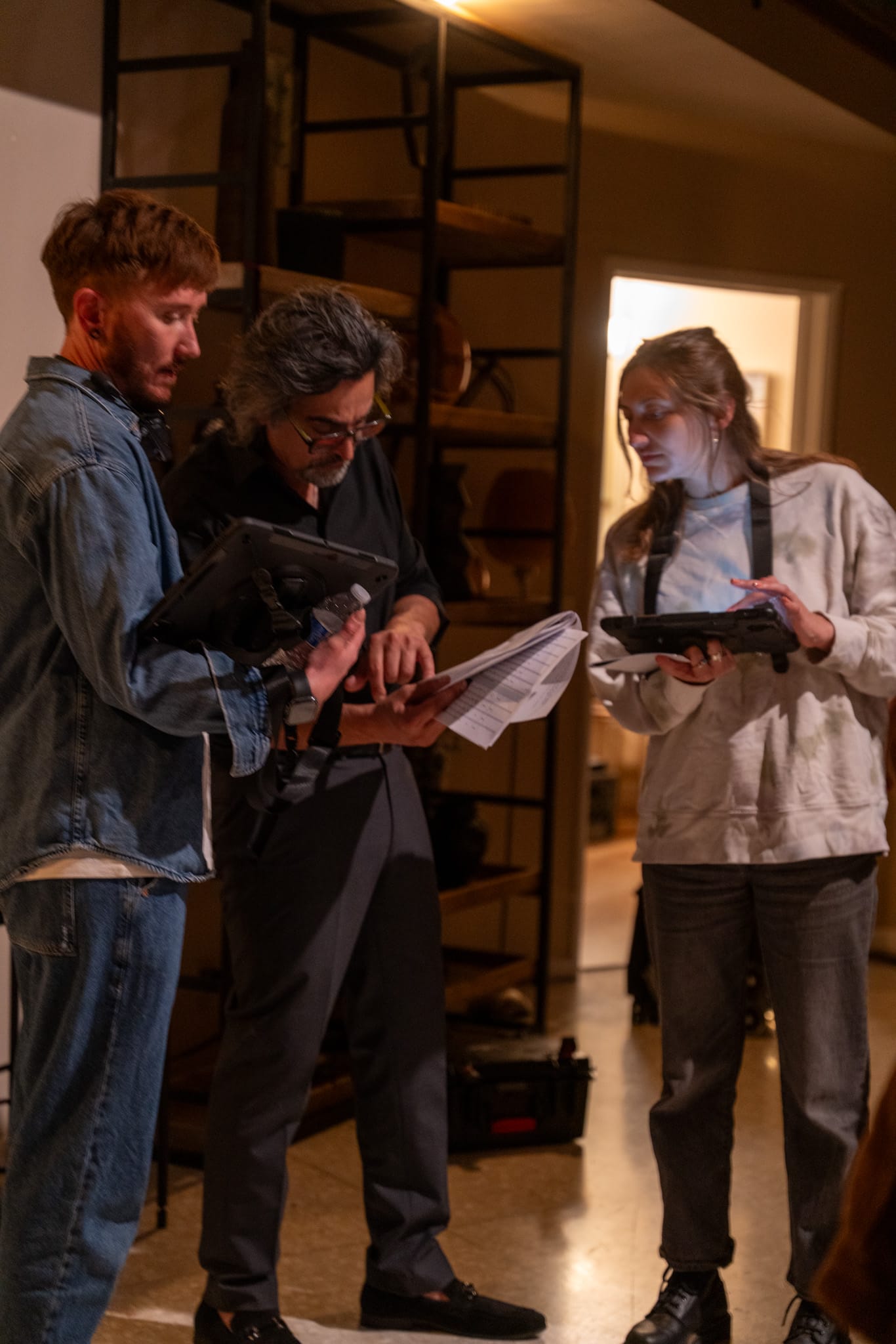
Where do you see this film going next?
The Last Draft was always intended to be more than just a standalone short, it’s a proof of concept for a feature film that I’m actively developing. The process of making the short revealed layers of the story I hadn’t initially tapped into, and now I’m building out a full-length version that dives even deeper into the psychological descent, the unreliable narrator, and the blurred line between creativity and madness.
In the immediate future, I see this film continuing its run on the festival circuit, especially those that champion bold, genre-driven storytelling. FilmQuest is a huge milestone, and I’m hoping it opens the door to more top-tier festivals and conversations with producers and financiers who see the potential for the feature.
Ultimately, I want The Last Draft to find its way into the hands of the right partners, people who believe in smart, elevated horror and psychological thrillers. Whether through traditional development, a streaming platform, or a co-production model, the goal is to bring the full feature to life and reach a wider audience that connects with the same eerie, emotional undercurrents that this short explores.
“If there’s one thing I’d say to other independent filmmakers, it’s this: don’t waste energy wishing for more. Use what you have, stay nimble, and tell the story only you can tell. That’s where the magic is.”
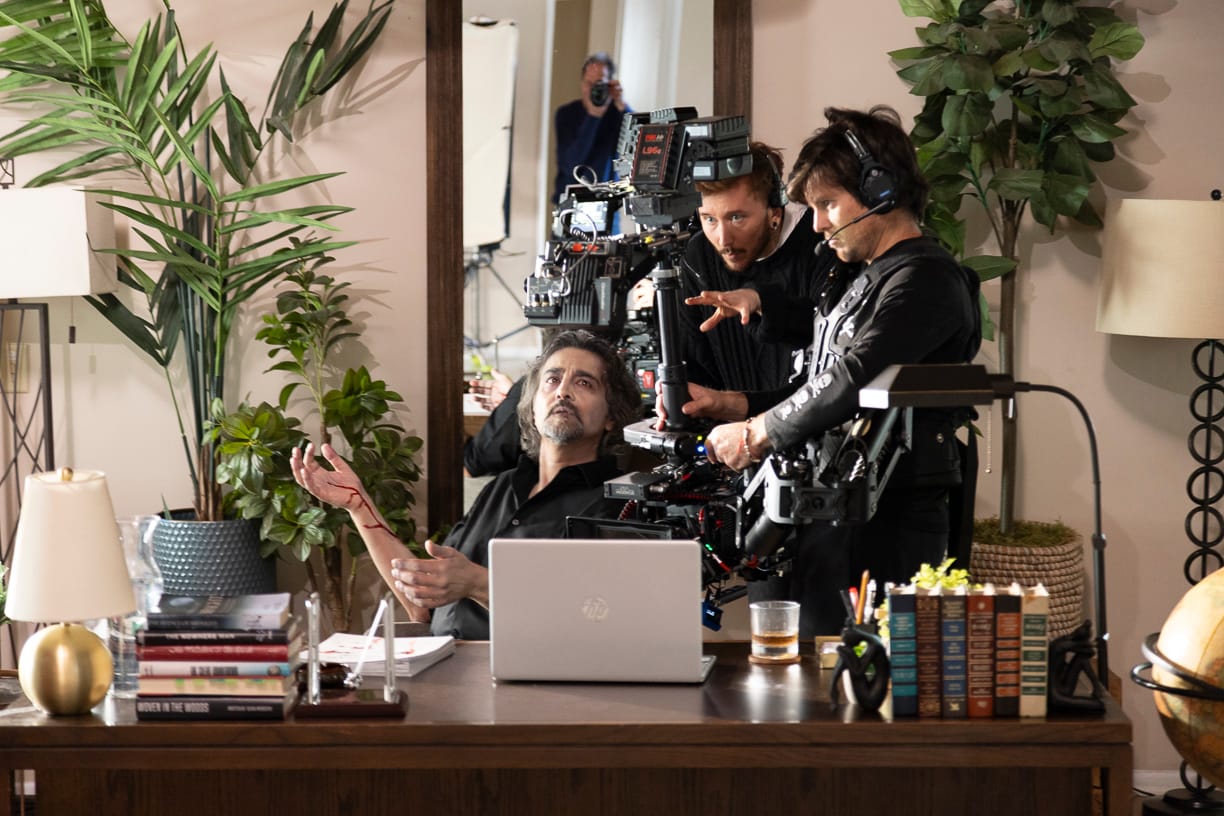
At the core of all my work is a desire to explore the hidden corners of the human psyche—where fear, vulnerability, and truth collide.
Cast & Crew
- Nicholas Guilak — Director, Writer, Producer; veteran actor and writer making his directorial debut with The Last Draft
- Ilayda Cetinkeya — Producer; award-winning London-based producer with a strong background in narrative and genre film
- Glenn S. Gainor — Executive Producer; veteran production executive with decades in the industry and a pioneer in production innovation
- Carolina Barcos — Executive Producer; experienced actor, producer, and educator with a passion for character-driven storytelling
- Leo Behrens — Cinematographer; Norwegian MFA graduate known for visual artistry and atmospheric cinematography
- Walter Volpatto — Colorist; acclaimed Hollywood colorist with credits on major films
- Mike Forst — Composer; award-winning composer and sound designer with a diverse portfolio
For more on The Last Draft, visit their official Facebook page.