Table of Contents
If you've ever seen the films Rope, 1917, Birdman, or the mini series Adolescence then you might've noticed that something about them felt unique or strange. The thing that makes these pieces of media stand out is that they were each shot in a single take. Shooting a film or show in one take is a very complicated process that involves lots of planning, but it pays off in the end – creating an immersive experience for the audience. Most one-shot films are not actually done in a single take and have at least one cleverly edited cut that the audience is tricked into overlooking.
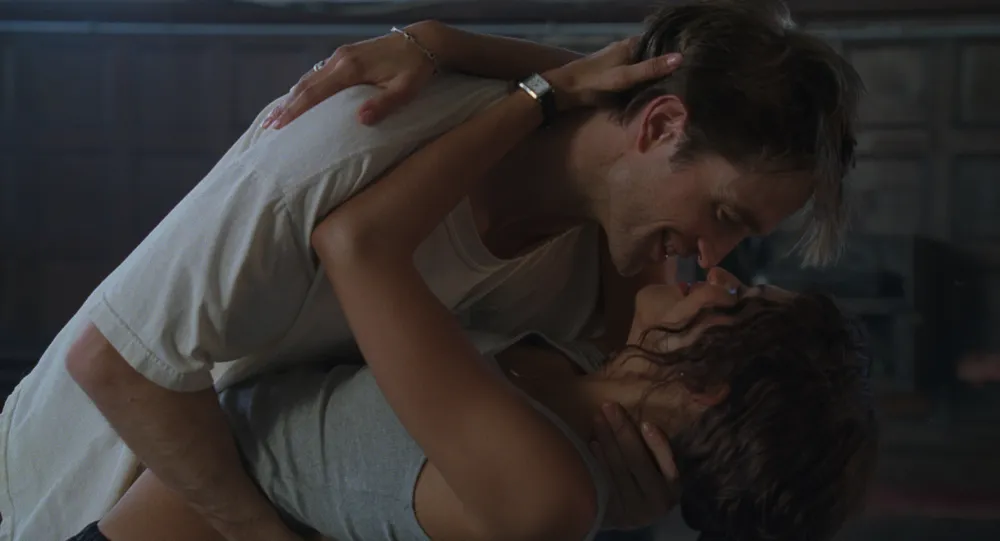
Alfred Hitchcock was one of the first directors to experiment with the idea of a one-shot film. His film Rope (1948) was filmed and edited to make it appear like it was one continuous shot because he wanted it to have tension and for it to feel like the audience was watching a play in real time. Rope is made up of ten long takes that are the length of a reel of film. The film reel was a limitation that made Hitchcock have to cut more than he wanted to, but he tried to get around noticeable cuts by changing the film reel when doing an extreme close up on an object. Despite the film limitation he managed to pull off an impressive feat and ending up pioneering the one-shot film.
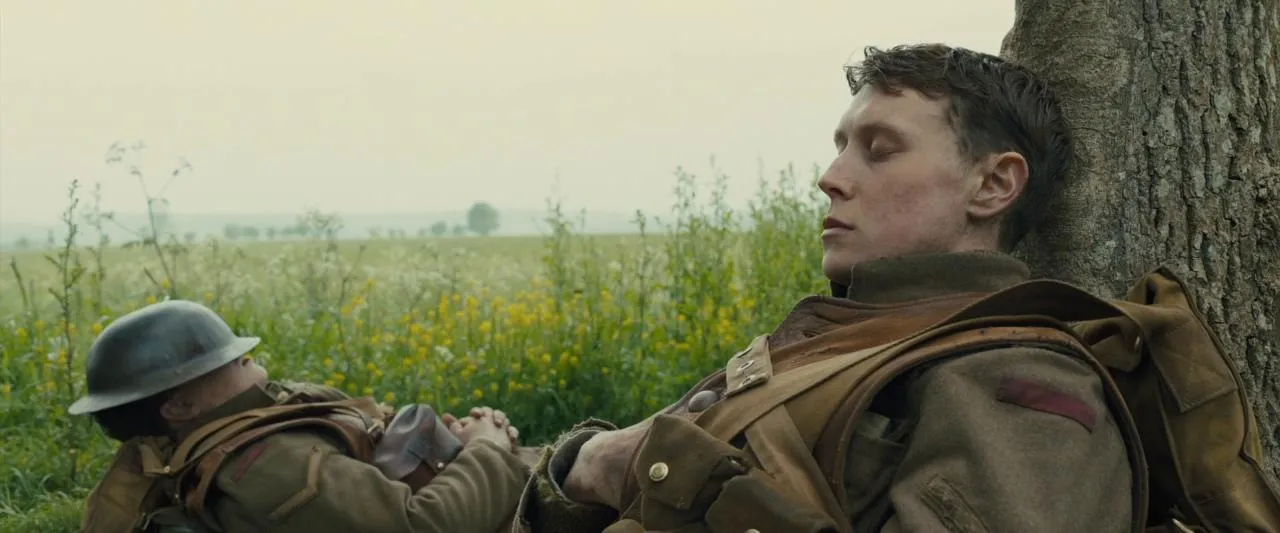
1917 is a more recent film that was filmed in one-shot. Like Rope it used tricky editing to disguise its cut. Halfway through the film the main character gets hit on the head and blacks out, this created the opportunity for the director and cinematographer to cut in a way that kept the flow of the movie and tricks the audience into thinking it's one take. 1917 is a war movie so it's very action packed with multiple scenes that involve characters running from bombings and attacks. The one-shot makes the audience feel like they're experiencing these situations with the characters because we never get that respite from the action that reminds us it's a film.

The recently emmy nominated miniseries Adolescence was also shot in one take. Each episode was shot in chronological order in one single, continuous take. Adolescence being a four episode miniseries with lots of action and characters makes it a very involved and complicated thing to have shot in one take. In an article with Variety the cinematographer Matthew Lewis said "There was no stitching of takes together. It was one entire shot", this makes Adolescence unique from the one-shot films mentioned above. The reason for Adolescence being shot in a single take is so the mystery is revealed in real time, ratcheting up the levels of tension. Each episode was filmed at least ten times because if there was a mechanical issue or a forgotten line then the whole episode would have to be reshot from the beginning.
Overall shooting a film or show in one-shot is a very time consuming and difficult thing to achieve, but if it's planned out and rehearsed it's very possible to do it well. One-shot media is unique in its real time aspect and the way it creates such strong tension. Do you think that the payoff is worth the difficulty of a one-shot film?