Table of Contents
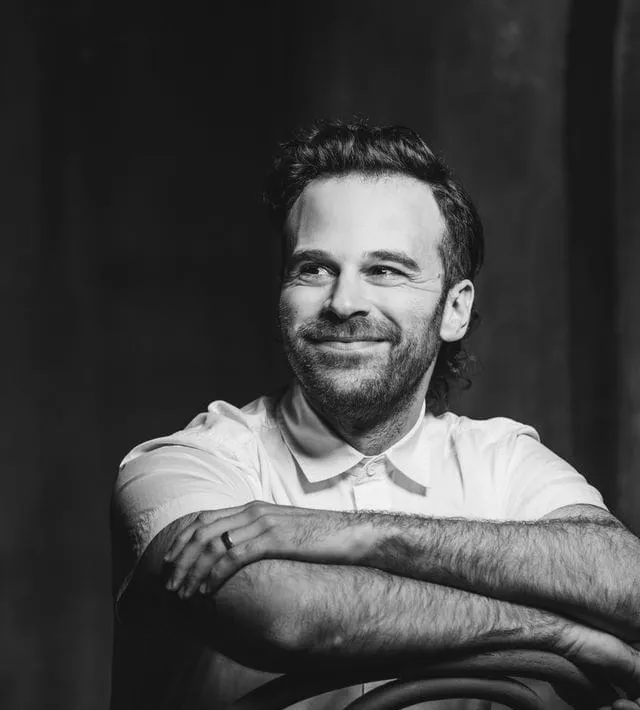
I had the pleasure of chatting with Zach Robinson, the Emmy-winning composer behind hits like Cobra Kai, Weird: The Al Yankovic Story, and Your Friendly Neighborhood Spiderman. Zach has an Emmy (and has just been nominated for another), a Grammy nomination, and an impressive list of credits. Most recently on that list, Season 2 of the wildly popular Netflix show America’s Sweethearts: Dallas Cowboys Cheerleaders.
As someone with little (zero) knowledge of composing, I was eager to learn. Thankfully, Zach was more than happy to share, offering insight into the show’s fast-paced workflow, the moments he’s most proud of, and what it’s like to score a series that sparkles on the surface but carries a deeper message, one that helped shape the music itself.
Reading through Zach's credits, America's Sweethearts stood out to me; it didn't exactly mirror his typical action-packed, male-dominated work. I wanted to know what made the project of interest to Zach in the first place. The short answer: Zach had a prior relationship with Director Greg Whiteley and Executive Producer Adam Leibowitz. In fact, this was their third project together. They worked together on the Netflix show Wrestlers, after which the trio rolled right into Season one of America’s Sweethearts.
Part of what makes the partnership so effective, Zach explains, is the shared vision:
“They have great ideas for music, and they’re very intentional with their musical direction.”
Zach went on to say that even though he loves writing the style of music that America’s Sweethearts called for, without his relationship with the director and Executive producer, he doubts he would have been considered for a project like this one. He went so far as to suggest that most of the time he gets a project, it’s because of a personal connection.
Peeking Behind the Curtain
While Zach’s existing relationships got him involved, what truly shaped his work was the deeper vision behind the show — a vision that went beyond the typical themes I expected. I was curious if Zach was as obsessed with themes of redemption, camaraderie, and triumph as I am. All things that I associate with dance and sports related media overall. However, Zach’s response shocked me and almost made me laugh at the simplicity of my perspective.
The music throughout the show, which Zach referred to as “modern electronic” was a highly intentional choice on the director and executive producer's part, and their direction shaped Zach’s work.
For those of you that have seen the show, you must remember all of those conversations happening in between stunning dance numbers and sparkly costume fittings. You know, the ones about the girls working jobs outside of their professional dancing careers and being paid next to nothing for their work as Dallas Cowboys Cheerleaders? Well, it turns out those are the moments that influenced the music maybe most of all. The team wanted to capture these deeper themes with a sound they called “retro-beauty pageant”. Something that was flowy, elegant, and in Zach's words: "captured perfection into music”.
More importantly? They wanted something that hinted at a harsher reality, just as the show does, peeling back the curtain and revealing the truth about perfection: it’s not always what it seems. As perfect as their lives may appear, under seamless make-up and s-curved hair, these young women are competing against an obstacle greater than one another – history.
As Zach put it:
“What they’re showing on screen is kind of a very updated, modern, group of athletic, strong, younger women of a different generation than the women who started the Dallas Cowboys Cheerleading.”
These are women that want fair wages, ones that don’t cause their passion to necessitate having other – maybe several – jobs.
After hearing Adam and Greg’s vision, Zach knew exactly how he wanted to approach things musically, and that’s how he ended up exploring a sound that he felt encapsulated 60’s grunge, hypnotic, stereophonic style music.
While Zach is proud of many specific outcomes that resulted from this stylistic blend of elegance and edge, it's the show's overall approach to music that Zach spoke most highly of when I asked about his proudest moments. Even when that approach called for silence.
Zach admired Greg's restrained approach to America's Sweethearts' composition, saying:
“Greg never wants to overplay something or get too dramatic.”
If you, like myself, began watching the show and actually felt surprised by the minimalist approach to the music, it should come as no shock to learn: that too was intentional. Zach explained that the music for America’s Sweethearts was handled in a very cinematic way, about 50% of an episode has music – low for a documentary.
This silence serves a particular purpose throughout the show, especially in moments where you are living with the characters in a very raw and intentional way. These are moments where the director didn’t want music, but instead allowed audience members to just be with the girls, experiencing their time together, wondering what their fate would be, in the same way they are. In highly stylized moments (like the iconic kick-line shots of S2 Ep2), music really shines, but when it’s an intimate moment with the girls, it’s left to speak for itself.
Embed from Getty ImagesPrecision in the Process
Hearing just how intentional all of these decisions were for the team, I found myself wondering what the behind-the-scenes process must look like to achieve that level of precision. As it turns out, it's not only the dancers that are required to bring the thunder (pun intended), performing and learning at a high speed, so is the crew.
“The biggest adjustment that I had to make was that the schedule on this show was quite fast. I am used to fast, but this is kind of a different level of fast,”
Zach told me. Normally, Zach begins by sitting down with directors for a two hour “spotting” session to go over potential placement of music and what the overall tone of the material is, he’d then have two to three weeks to deliver a final product.
America’s Sweethearts runs on a bit of a tighter schedule, one that doesn’t allow for those meetings at all and requires a final product sometimes within three or four days. For America’s Sweethearts Zach is still given a full episode at a time – though it’s not always locked, meaning changes will need to be made – and the episode is often “temped” with music that won't be used but has been placed where music needs to go.
The good news? Having season one under his belt, Zach not only had a library of music to pull from, but an understanding of the musical language for the show. Something that allowed him to enjoy the freedom that comes with writing music on an unscripted show. Zach referenced his work on Your Friendly Neighborhood Spiderman, explaining that when you're scoring, you are crafting your music to action happening on screen, moments like someone getting hit, tension, excitement. With non-fiction,
"The scene and the cue are generally one tone, you are free to write a piece of music that feels like a piece of music... it doesn't feel like it's changing every four bars."
Moving with the Music
That sense of consistency seems present not only in the music for America's Sweethearts, but in Zach's growing career. In 2024 Zach won an Emmy for his work on Weird: The Al Yankovic Story, he earned a Grammy nomination that same year. Most recently, he was nominated, yet again, for an Emmy for his work on Cobra Kai.
If you've ever laid awake at night and wondered whether or not it would feel good to win an Emmy, don't worry, I asked Zach about it. His exact words were:
"It's definitely awesome to have that, I'm not going to lie. It's cool to be an Emmy-winning composer."
It sounds like – despite Zach's humility – yes, winning an Emmy does feel pretty good.
Now, everyone's real question: Has it translated into more work? The answer may surprise you, Zach didn't feel it had. Perhaps more meetings, but overall not necessarily more work. Regardless of whether or not his Emmy led to more employment, Zach is thrilled to have won an Emmy for a movie he enjoyed working on so much. However, he's nowhere near done. Winning an award so early on in one's career is incredible, but Zach's young; he spoke about the win as a catalyst that has only increased his desire to continue outperforming himself year after year.
In wrapping up my conversation with Zach, I had to know what he felt it was that got him this far, for my own curiosity and for the sake of emerging composers out there. If it's not the awards and recognition, how does someone build a truly successful career?
Often, I catch myself believing that life is just the acquisition of skills, the slow brick-by-brick building of a resume. So, Zach's first piece of advice stunned me a little, even moved me:
"Have enthusiasm in what you do, it's very contagious, people pick up on it."
Following that excellent nugget of advice, Zach strongly endorsed the word yes.
"Say yes to a lot of things, it sounds cliche, but when you're first starting just say yes to a bunch of stuff, be open to it, create connections. That's how you get gigs."
If you are, yet again, deeply disappointed that networking seems be a consistent theme here, don't panic. One of my biggest takeaways from everything Zach shared was his genuine love for the people he works with. Speaking about Whiteley and Leibowitz, he said,
"Working with them is a joy... They’re like a family and I was very fortunate to just kind of be a late addition to that."
Maybe the goal isn’t just networking endlessly in the hopes that someone will hire you. Maybe it’s about working with people that you like as much as they like you. It’s a symbiotic relationship. Really, at a point, it’s not getting hired at all. It’s just working with the people that work with you.
Zach carries his "just say yes" mentality into his musical palette as well, and suggests emerging composers do the same. He encouraged listening to (and enjoying) everything. Yes, everything. You never know what you might be asked to compose. For those of you that have fallen so far into one niche genre of music that you can't see a way out, it might be time to build a ladder and start the climb– enthusiastically of course.
And, good news! If you are searching for some inspiration, or a new sound to love, America's Sweethearts is a great place to start.
Embed from Getty Images