Table of Contents
Three Key Takeaways
- Michael Lavine’s The Wanderer blends fantasy, Gothic noir, and drama to explore the human fear of suffering through the lens of an immortal woman’s dark proposition.
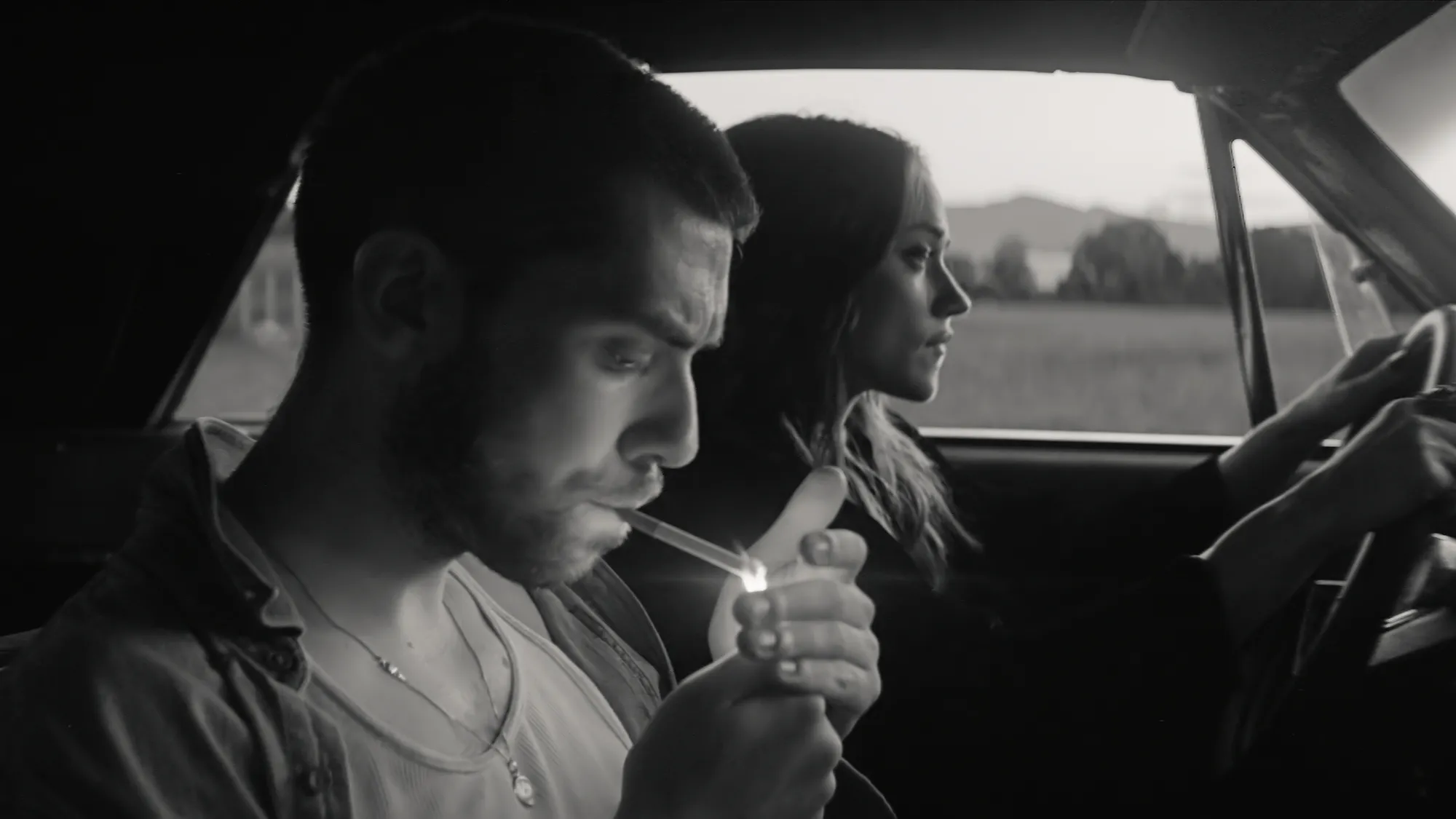
- The film’s unique aesthetic, shot in black-and-white with vintage anamorphic lenses, creates a haunting, ethereal atmosphere that complements its liminal setting.
- Lavine’s independent filmmaking thrives on community and resourcefulness, using microbudget constraints to fuel creative storytelling and deepen thematic resonance.
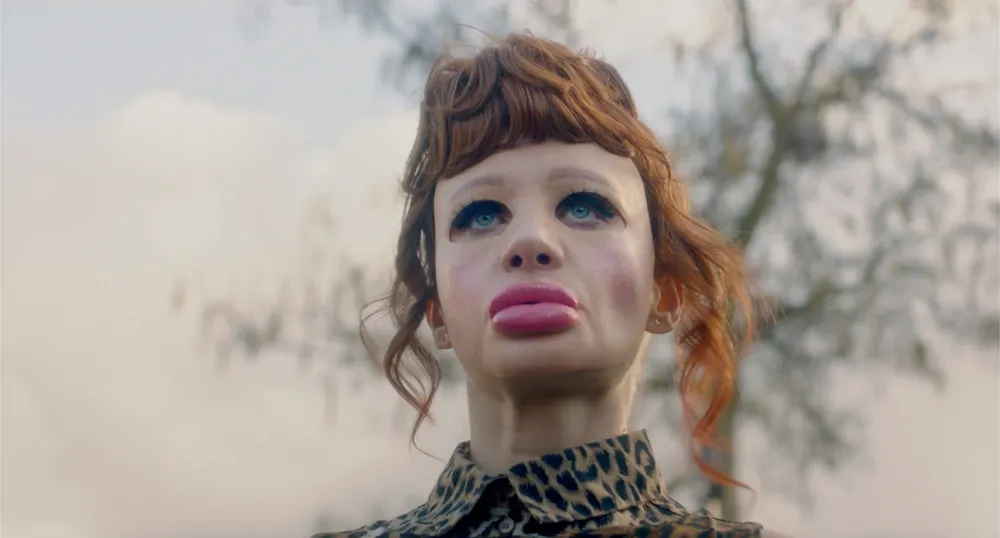
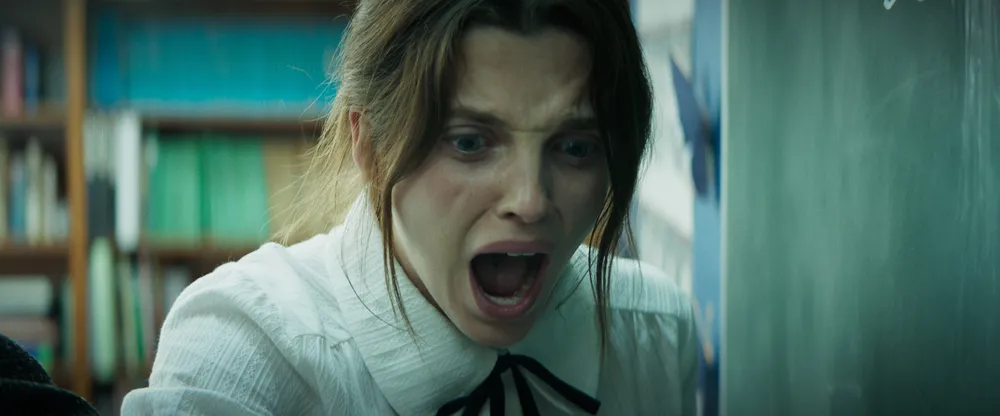
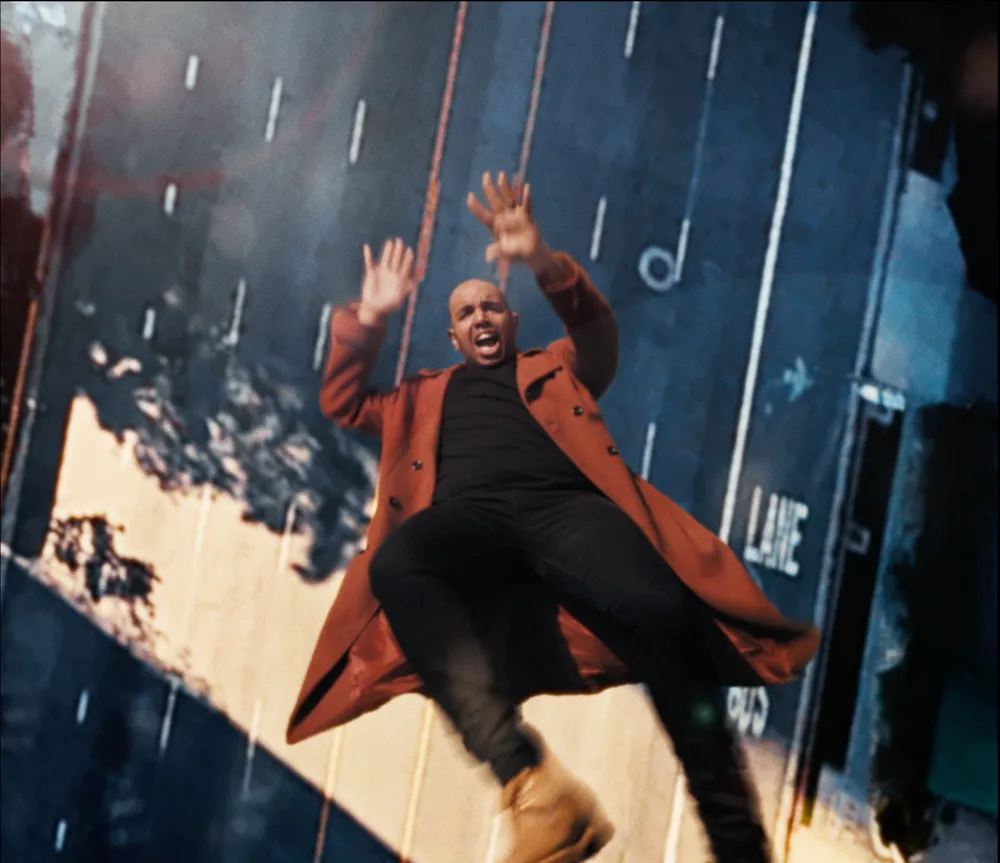
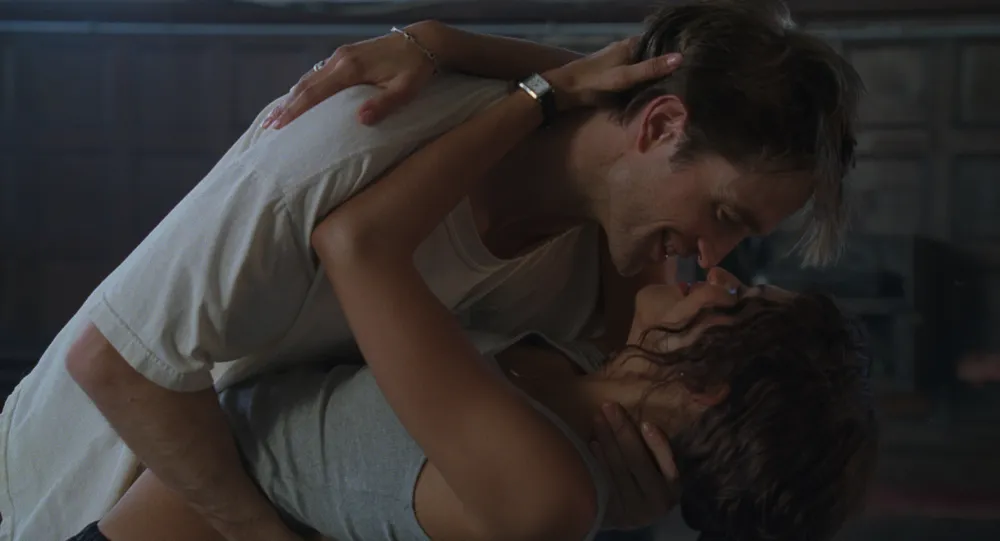
Filmmaker Michael Lavine returns to FilmQuest with The Wanderer, a genre-defying fantasy drama starring Alice Kremelberg and Cody Kostro.
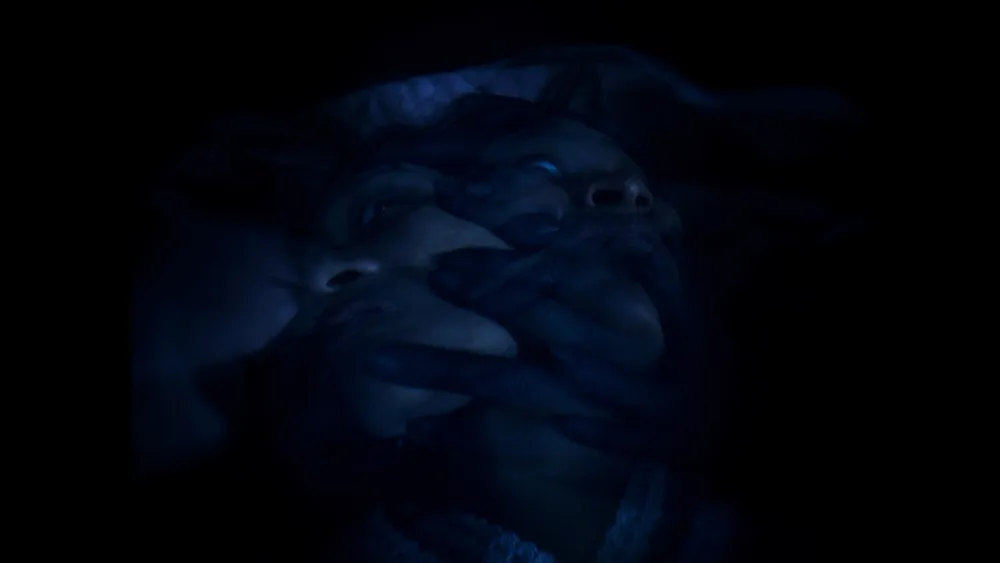
The film delves into the existential struggle of a man confronting mortality and an immortal woman’s curse, wrapped in a Gothic noir ambiance.
Lavine’s distinct creative process and resourceful approach to microbudget filmmaking shine through this haunting tale, now showcased at one of the world’s premier genre film festivals.

What drew you to make The Wanderer? Why this story, and why now?
What happened was, I was at Filmquest a few years ago with my short film The Dark Odyssey and I met a couple of actors at a bar. I was fascinated by their banter and I thought I'd like to make a movie with them. So I started looking for an idea. What can I do? I applied the micro budget theory of use what you have. I had access to a beautiful field, an auditorium and a cool car, so from there I started to piece together the concept of The Wanderer.
“The notion of suffering is a human condition and Morana is the embodiment of suffering, trapped in immortal pain.”
What surprised you most about the filmmaking process this time—creatively or logistically? Was there a moment on set or in post that completely changed how you saw the story?
Well, I originally wanted to shoot in the winter, so when it became clear that we needed to shoot in the summer, I changed the look to B&W, which made sense.
Is there a moment in the film that feels the most you—something only you could have made?
I think the idea of an atheist angel was pretty unique. You’re not scared of dying? I sure am. Every day you live is one step closer to death. But on the other hand, once you’re dead, you have nothing left to worry about. The notion of suffering is a human condition and Morana is the embodiment of suffering, trapped in immortal pain. A classic gothic sentiment. We spend our whole lives attempting to avoid suffering, so fear of suffering seems like a pretty clear motivation. Morana offers Hopper a moral dilemma. Hopper has to decide if he is willing to kill to live. So if death is a release from pain, then immortality is a curse.

What was the hardest creative decision you made while making this film?
Microbudget filmmaking creates very real limitations. I think writing the script was the hardest part. Everything else just fell into place.
What do you hope audiences take away from your film?
First and foremost, I hope they enjoy the film!
“Microbudget filmmaking creates very real limitations. I think writing the script was the hardest part. Everything else just fell into place.”
How has this film shaped or shifted the kind of stories you want to tell next?
There is a lot going on over here at my company Wild Gift Films. I’m developing an experimental feature idea for The Wanderer that involves some hybrid elements of documentary and animation. That story is still living inside my head. Right now I’m currently knee deep in two other big projects. I’m two years in on a feature script that is almost done called Miles Away about a photographer who gets hit by lightning and is trapped in a surreal underworld where he has to complete an assignment photographing an enigmatic theatre troupe while confronting dark forces threatening to keep him from returning to the living. Also, if you didn’t know this about me, I have a sci fi stop motion animation project called The Dark Odyssey and I’m almost done with the 3rd installment, called Monad Bastard. I wear all the hats on this so it’s a very slow process!

What’s a tool, technique, or resource that really helped you during production?
Well, the film is set in a liminal space and the obvious choice for creating an ethereal feel was an anamorphic lens. My DP Mott Hupfel and I tested every anamorphic we could find and in the end, I decided to go with the 1970’s Russian LOMO square fronts because, it sounds ridiculous, but I’m kind of obsessed with a strong lens bokeh. We shot on an Arri Mini and at 2k literally everything was out of focus, but at full rez the images looked just the right amount of stunning.
Independent filmmakers often rewrite the rules out of necessity. What do you think is the greatest strength of independent filmmaking, and how did you lean into that on this project? Is there a lesson or breakthrough you’d share with others navigating this path?
The greatest strength of independent filmmaking is community. Is Family.

What does it mean to you to have your film selected for FilmQuest, one of the world’s top reviewed genre film festivals?
This is my 3rd Filmquest and for me it's the pinnacle.
“The greatest strength of independent filmmaking is community. Is Family.”
FilmQuest celebrates the majesty and might of genre filmmaking across fantasy, horror, sci-fi, action, thriller, western, kung-fu, and beyond. How does your film fit within—or push the boundaries of—genre storytelling?
The Wanderer is proudly pushing boundaries. it's a fantasy, its a Gothic Noir, its a drama.

Where do you see this film going next?
Filmquest is the nearing the end of the festival run for The Wanderer. I am looking into places online to brign to a wider audience. Maybe Kinema.
“At the core of all my work is a desire to express myself."

Cast & Crew
Mott Hupfel — director of photography
For more on The Wanderer, visit their website.